Why Keeping Track of ‘Silo’ Is Harder Than You Think
The Complexity of Modern Mystery Box Television The "mystery box" storytelling format, popularized by architects of serialized television like…

At the center of the recent turmoil surrounding Wisk Aero is a troubling narrative of internal friction, where the pressures of a high-stakes industry may have collided with the fundamental necessity of engineering rigor. A former software manager at the Boeing-backed startup has come forward with grave allegations, asserting that the company’s push to meet an ambitious 2025 timeline for autonomous flight testing led to the systematic bypassing of critical safety validation protocols. According to the whistleblower, the push for speed created a culture where exhaustive testing—the bedrock of aviation safety—was treated as a hurdle to be cleared rather than a non-negotiable safeguard. These claims suggest that the software powering the company’s electric vertical takeoff and landing (eVTOL) aircraft was subjected to abbreviated cycles, potentially leaving latent vulnerabilities in the flight control systems that could pose significant risks during real-world operations.
The core of the dispute centers on the integrity of the software development lifecycle, specifically regarding how flight control algorithms were verified and validated before being integrated into the vehicle. The former manager contends that they repeatedly flagged these testing shortcuts to senior leadership, emphasizing that the lack of comprehensive simulation and edge-case analysis was a recipe for catastrophe. Rather than addressing these technical grievances through a structured safety review, the manager alleges that their warnings were met with internal resistance and professional isolation. This sequence of events culminated in their eventual termination, an action the whistleblower views as a retaliatory measure for prioritizing safety over the company’s aggressive market-entry schedule.
The allegation that a company would prioritize a corporate deadline over the structural and software integrity of an autonomous aircraft strikes at the heart of public trust in the emerging urban air mobility sector.

This situation represents a critical inflection point for Wisk Aero, forcing the startup to contend with questions about its internal culture and the transparency of its safety oversight. By fostering an environment where dissent is allegedly silenced through termination, the company risks not only regulatory scrutiny from aviation authorities but also long-term damage to its brand reputation. For a firm aiming to normalize autonomous transit in urban environments, the ability to demonstrate a commitment to safety that transcends investor expectations is paramount. Whether these claims lead to a formal investigation remains to be seen, but they have undoubtedly cast a long shadow over the development of a technology that requires absolute precision to succeed in the eyes of the public and the aviation community alike.
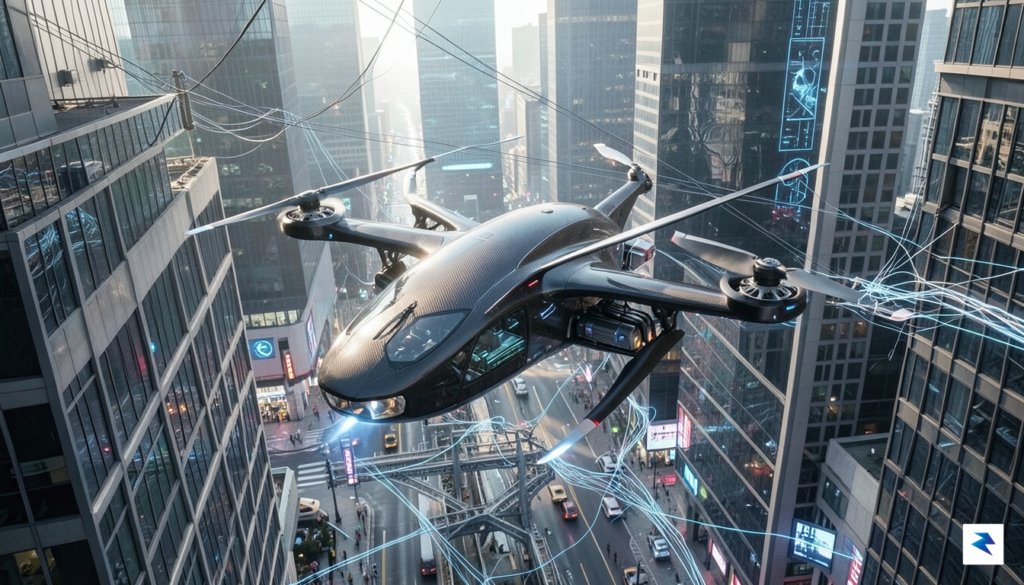
In the realm of electric vertical takeoff and landing (eVTOL) aircraft, the traditional cockpit pilot is replaced by millions of lines of complex, interconnected code. Unlike a standard consumer application, where a software bug might result in a frozen screen or a minor glitch, autonomous flight software serves as the primary mechanism for navigation, stability, and emergency response. When an aircraft lacks a human operator on board, the software must be capable of processing environmental data, making split-second adjustments for wind shear, and managing mechanical health in real-time. This level of autonomy necessitates a standard of perfection that leaves virtually no room for the typical “move fast and break things” philosophy often seen in Silicon Valley software development.
The danger of compressing software validation timelines cannot be overstated. In most industries, software updates are iterative, allowing for patches and quick fixes if an error is discovered post-release. However, flight-critical code exists in a high-stakes environment where a singular logical error could result in a catastrophic loss of the vehicle. When testing phases are truncated, the fundamental verification and validation (V&V) processes—which are designed to stress-test every conceivable failure mode—are inevitably weakened. This creates a dangerous ripple effect, as incomplete testing means that edge cases, such as extreme weather interference or sensor communication failures, may remain hidden until the aircraft is already in the air.
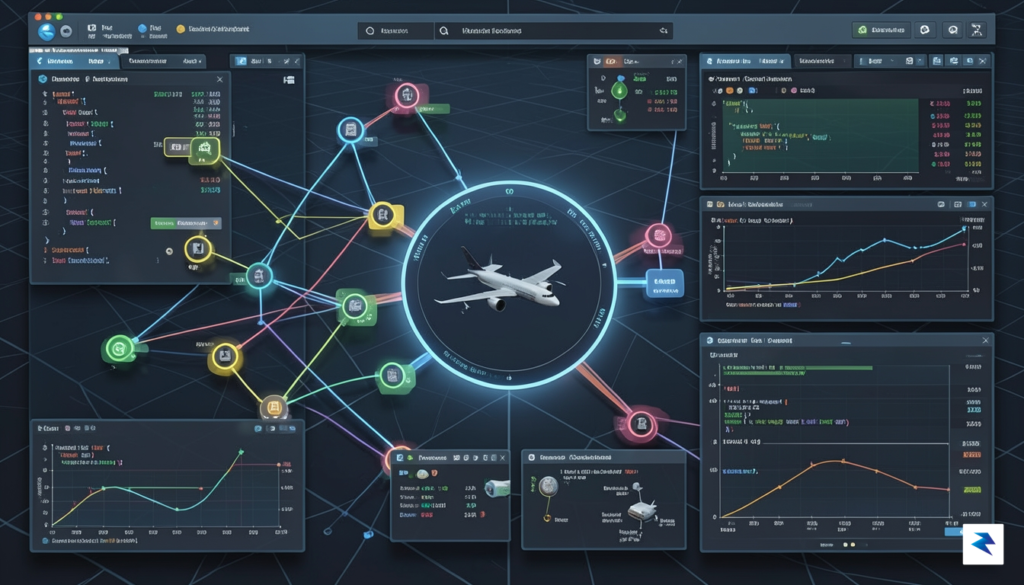
To mitigate these existential risks, regulatory bodies like the FAA enforce strict protocols such as DO-178C, the gold standard for software considerations in airborne systems and equipment certification. These standards are not merely bureaucratic hurdles; they are the bedrock of aviation safety, requiring exhaustive documentation, rigorous logic tracing, and evidence that every line of code has been tested against its intended function. These mandates exist specifically to ensure that the development process is transparent and that safety is prioritized over aggressive market entry goals. When whistleblowers or internal reports suggest that these V&V protocols are being bypassed or rushed, it signals a breakdown in the safety culture that is supposed to protect the public.
The margin for error in autonomous aviation is effectively zero. Rigorous verification is the only barrier between a revolutionary transport solution and a systems failure.
Ultimately, the transition to autonomous flight requires a cultural commitment to safety that extends beyond the laboratory and into the boardroom. While the pressure to reach commercial milestones by 2025 is undoubtedly intense, the complexities of flight software demand a methodical approach that respects the physics of the sky. If the industry attempts to circumvent the thorough validation of autonomous flight systems, it risks eroding the very public trust necessary for the widespread adoption of air taxis. Ensuring that software is not just functional, but demonstrably resilient under all flight conditions, remains the most critical hurdle for the future of urban air mobility.
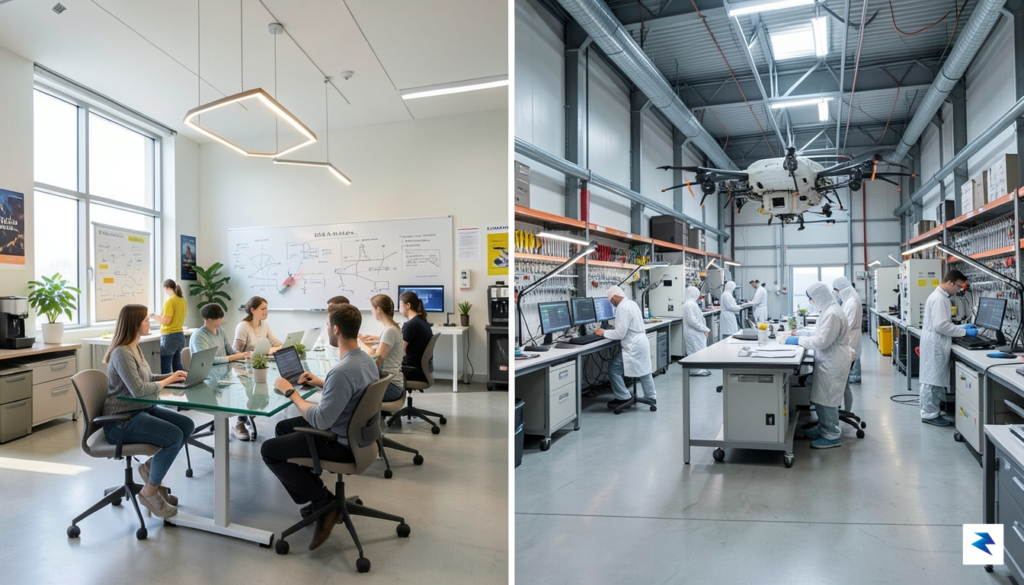
The collision between Silicon Valley’s “move fast and break things” ethos and the aviation industry’s rigid, zero-tolerance safety mandates creates a volatile environment for emerging aerospace firms. In the tech world, rapid iteration and the release of “minimum viable products” are celebrated as signs of agility and innovation; however, in the skies, such a philosophy can be catastrophic. Aviation engineering is built upon the foundation of redundant systems, rigorous certification, and a conservative approach to risk management that inherently conflicts with the venture-backed pressure to hit aggressive milestones. When a startup adopts the pace of a software company while operating in the highly regulated domain of flight hardware, the friction between speed and safety becomes an existential threat to the organization and the public alike.
This structural misalignment places employees in an impossible psychological position. Engineers and safety managers are often tasked with upholding the uncompromising standards of the FAA or EASA while simultaneously being pressured by executive leadership to bypass traditional testing intervals to meet investor-driven deadlines. This creates a “chilled” internal culture where raising a red flag is not seen as a professional duty, but rather as an act of obstructionism. When the pursuit of a launch date supersedes the thorough validation of flight software, the individuals brave enough to voice concerns often find themselves marginalized or ousted, effectively silencing the very people whose job it is to prevent disaster.
The core of aerospace safety is not just found in the code or the airframe; it is found in the ability of any employee to halt a project without fear of professional retaliation.
The structural challenges are further compounded by the complexity of modern autonomous flight systems, where software updates are pushed with increasing frequency. Unlike traditional aircraft manufacturing, where design cycles spanned decades, the current crop of electric vertical takeoff and landing (eVTOL) developers are trying to compress these timelines into months. This acceleration makes it increasingly difficult to maintain the meticulous documentation and rigorous stress-testing required to ensure reliability in unpredictable environments. As a result, the “move fast” mentality acts as a subtle, pervasive pressure that can erode the safety-first culture required to survive in the aerospace sector. Without robust protections for whistleblowers and a cultural shift that prioritizes long-term integrity over quarterly progress, companies risk turning their flight-testing programs into high-stakes experiments where the margin for error is dangerously thin.

As a subsidiary of aerospace titan Boeing, Wisk Aero carries the weight of a legacy defined by decades of regulatory compliance and engineering rigor. This corporate lineage is not merely a branding advantage; it is a fundamental promise to the public that the cutting-edge technology of electric Vertical Take-off and Landing (eVTOL) aircraft will be subject to the most stringent safety protocols in the industry. However, the emergence of allegations regarding the dismissal of a manager who flagged software testing concerns creates a stark dissonance between Boeing’s reputation for industrial excellence and the internal realities of its autonomous aviation projects. When a parent company as influential as Boeing provides the financial and technical scaffolding for a startup, there is an implicit expectation that its internal culture will prioritize safety over the pressure of aggressive commercial timelines.
The core of this controversy lies in how major aerospace players oversee the rapid, often volatile development cycles inherent in the eVTOL sector. Unlike traditional aviation, which relies on decades of flight data and incremental technological shifts, autonomous aircraft are being built in a high-stakes race to market. If the oversight mechanisms at a subsidiary level are compromised—or if whistleblowers feel that their warnings about flight software are met with termination rather than investigation—the entire certification process loses its integrity. Without a robust internal feedback loop that encourages transparency, even the most advanced autonomous systems are at risk of suffering from the “move fast and break things” mentality that has historically proven fatal in complex aerospace engineering.
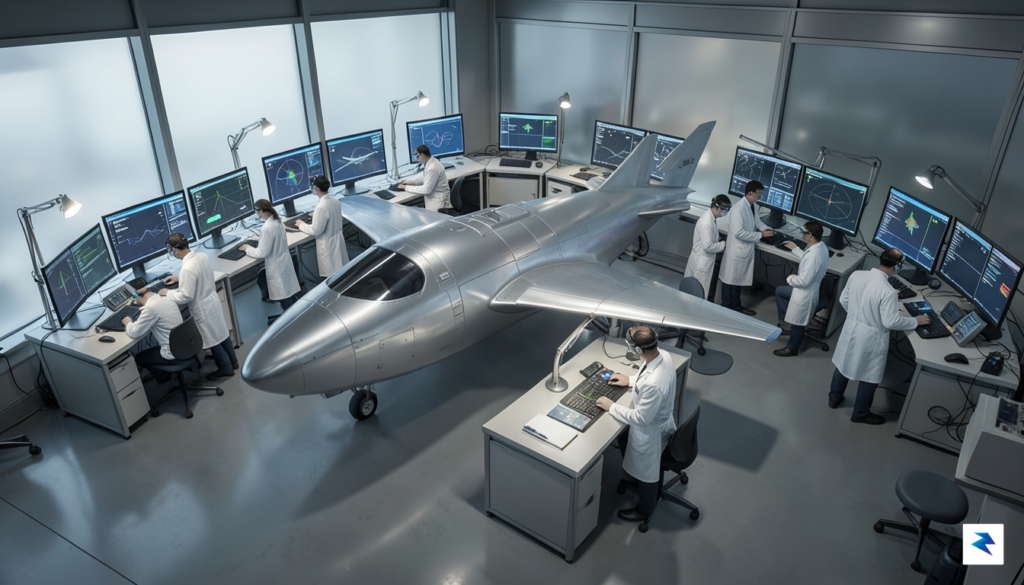
Public trust remains the most critical currency in the future of urban air mobility. As these vehicles edge closer to their 2025 commercial milestones, potential passengers must feel confident that the certification process is more than a bureaucratic hurdle. It must be a rigorous, uncompromising gauntlet that prioritizes human life above project schedules. If Boeing’s governance is perceived to be failing at the subsidiary level, the Federal Aviation Administration (FAA) and other regulatory bodies may be forced to implement significantly more invasive oversight measures. Such a shift would not only delay the widespread adoption of eVTOL technology but could also cast a shadow of doubt over the entire industry, suggesting that the drive for market dominance is currently outpacing the commitment to safety.
True innovation in autonomous aviation cannot be measured solely by the flight readiness of a prototype; it must also be measured by the strength of the safety culture that underpins every line of code written for that aircraft.
Ultimately, the responsibility resting on Boeing’s shoulders is immense. By bringing Wisk into its corporate fold, the company effectively staked its own credibility on the success and safety of the eVTOL platform. To regain and maintain public confidence, the organization must demonstrate that it is willing to listen to its internal dissenters as carefully as it monitors its flight sensors. If the industry is to transition from experimental testing to everyday transit, it must prove that it has learned the lessons of the past—specifically, that no commercial deadline is worth compromising the fundamental safety of the flying public.

The dream of bypassing gridlocked city streets via pilotless electric vertical takeoff and landing (eVTOL) aircraft remains one of the most exciting frontiers in modern transportation. However, the recent allegations confronting industry leaders serve as a stark reminder that the transition from conceptual science fiction to daily commercial reality is fraught with systemic friction. This friction is not merely technological; it is deeply cultural and operational. While these setbacks may delay initial launch timelines, they also force the eVTOL market to mature beyond the “move fast and break things” ethos of traditional tech startups, steering the industry toward the uncompromising rigor required of civil aerospace engineering.
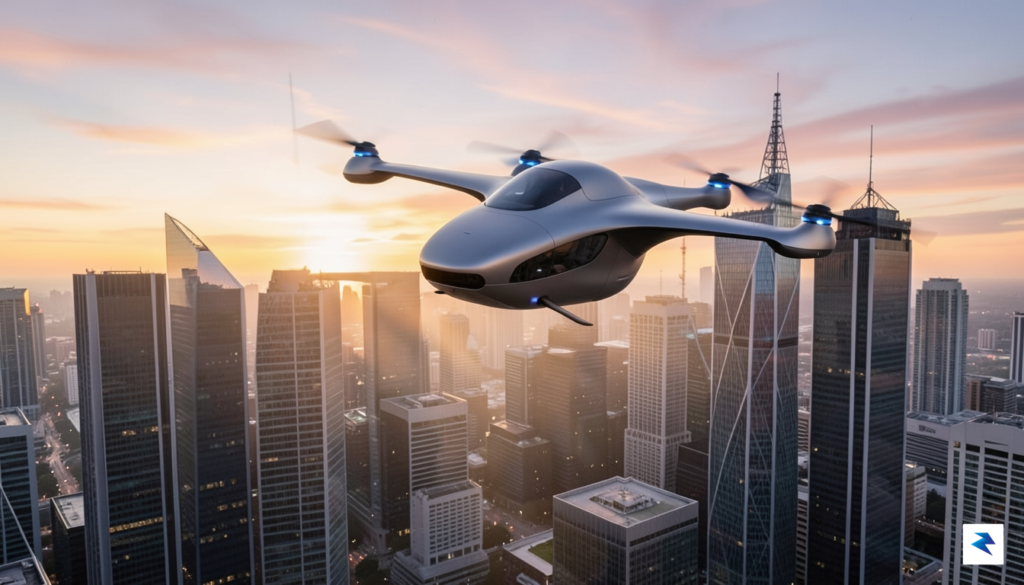
For autonomous aviation to achieve widespread public acceptance, the regulatory framework must be as robust as the technology itself. Passengers must feel entirely secure stepping into an aircraft with no pilot at the controls, a psychological milestone that requires absolute transparency from manufacturers and regulators alike. This is where stringent oversight and robust whistleblower protections become invaluable assets rather than bureaucratic hurdles. When internal engineers and safety managers feel empowered to raise concerns without fear of retaliation, they act as an essential line of defense against catastrophic software and hardware failures. Regulatory bodies like the Federal Aviation Administration (FAA) must therefore establish clearer, more protected channels for reporting, ensuring that safety audits are driven by objective data rather than commercial milestones.
The true measure of success for autonomous aviation will not be how quickly these aircraft reach the skies, but how securely they remain there.
Ultimately, the long-term viability of the urban air mobility sector hinges on prioritizing safety over speed. While the race to secure market share and appease investors is intense, a single high-profile accident in the early stages of commercial deployment could devastate public trust and set the entire industry back by decades. Taking the necessary time to rigorously test flight-control software, validate redundant systems, and cultivate a corporate culture that honors internal dissent is not a hindrance to progress. Rather, it is the only sustainable way forward. By embracing these challenges as catalysts for higher standards, the autonomous aviation industry can build a foundation of trust that will safely elevate urban transportation for generations to come.
You must be logged in to post a comment.