
Inside the Surge: How SpaceX is Crushing Starlink Launch Records in 2026
The 2026 Starlink Acceleration: By the Numbers The pace of orbital expansion in 2026 has transitioned from a steady cadence into a full-scale…
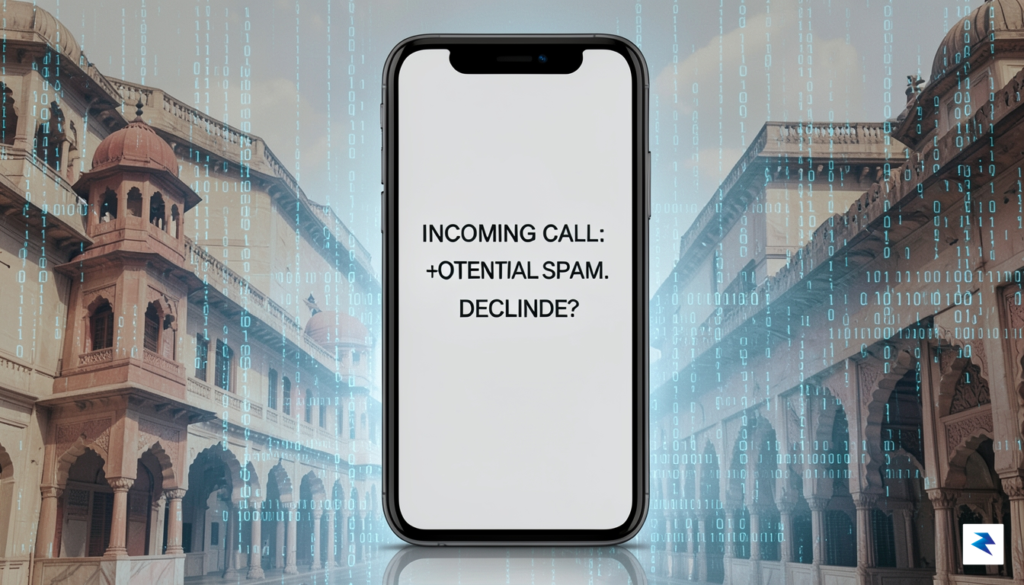
For years, the Indian telecommunications landscape has been defined by a relentless battle against unsolicited commercial communication, commonly known as spam. The Telecom Regulatory Authority of India (TRAI) initially attempted to curb this nuisance through the establishment of the National Customer Preference Register, widely known as the Do-Not-Disturb (DND) registry. While this framework empowered consumers to opt out of promotional calls and messages, the rapid evolution of digital marketing and the proliferation of sophisticated telemarketing outfits rendered these early measures increasingly ineffective. As the volume of spam calls surged, the regulatory environment became more aggressive, pushing for structural changes in how businesses are permitted to contact the general public.
In this high-stakes environment, Truecaller emerged not merely as a utility app, but as a critical filter for millions of Indians who found traditional regulatory protections insufficient. By leveraging a massive, crowdsourced database, the platform provides real-time caller identification and spam detection that operates independently of official telecom registries. However, this success has placed the company in a precarious position. As Truecaller has grown into a household name, it has essentially become a parallel authority on call verification, operating outside the formal oversight of the Indian government’s telecom framework. This has inevitably led to friction as the company’s data-centric approach clashes with the rigid, top-down directives issued by the regulator.
The heart of the current dispute lies in a fundamental disagreement over methodology. TRAI has long mandated that legitimate telemarketing entities must utilize specific number series—most notably those starting with the prefix 140—to ensure that consumers can immediately identify the nature of a call. This regulatory mandate is designed to create a transparent ecosystem where commercial callers are easily distinguishable from personal contacts. The regulator views this as a vital consumer protection measure, ensuring that the source of every call is verifiable and accountable under the law.
The conflict highlights a classic tension between legacy regulatory frameworks and modern, software-driven solutions that prioritize speed and user experience over standardized compliance protocols.
Conversely, Truecaller’s identification engine relies on a dynamic, community-driven database that identifies callers based on behavioral patterns and user reports rather than static number prefixes. The company argues that its technology offers a more comprehensive solution, identifying spam from personal or non-140 numbers that frequently bypass the regulator’s rules. Because Truecaller labels these unidentified numbers as potential spam, it effectively bypasses the distinction that TRAI seeks to enforce. Consequently, the regulator views Truecaller’s approach as a challenge to its authority, fearing that the app’s labeling practices might undermine the official 140-series infrastructure and create a confusing landscape for mobile subscribers who are already inundated with unwanted communication.

The core of the communication breakdown in India’s telecommunications landscape lies in a deep-seated trust deficit that regulatory mandates have failed to bridge. For years, the Telecom Regulatory Authority of India (TRAI) has pushed for businesses to utilize the dedicated ‘140’ prefix—a series specifically reserved for telemarketing and commercial communications—to ensure consumers can instantly identify the nature of an incoming call. However, rather than acting as a hallmark of transparency, the 140-series has effectively become a digital red flag. Because the vast majority of calls originating from these prefixes are unsolicited sales pitches, loan offers, or insurance solicitations, consumers have learned to automatically equate these digits with nuisance and intrusion.
This psychological conditioning has created a paradox where legitimate business operations are being penalized by the very tools meant to protect the user. When a bank, a delivery service, or a healthcare provider uses their officially mandated 140-series number, the recipient often preemptively blocks the call or ignores it entirely, fearing another spam encounter. Consequently, critical communications—such as OTPs, delivery updates, or urgent account alerts—go unnoticed, leading to a significant loss in operational efficiency for enterprises and frustration for end-users who miss vital information. The regulatory intent to categorize calls has, in practice, turned the 140-prefix into a signal that users are conditioned to filter out without a second thought.
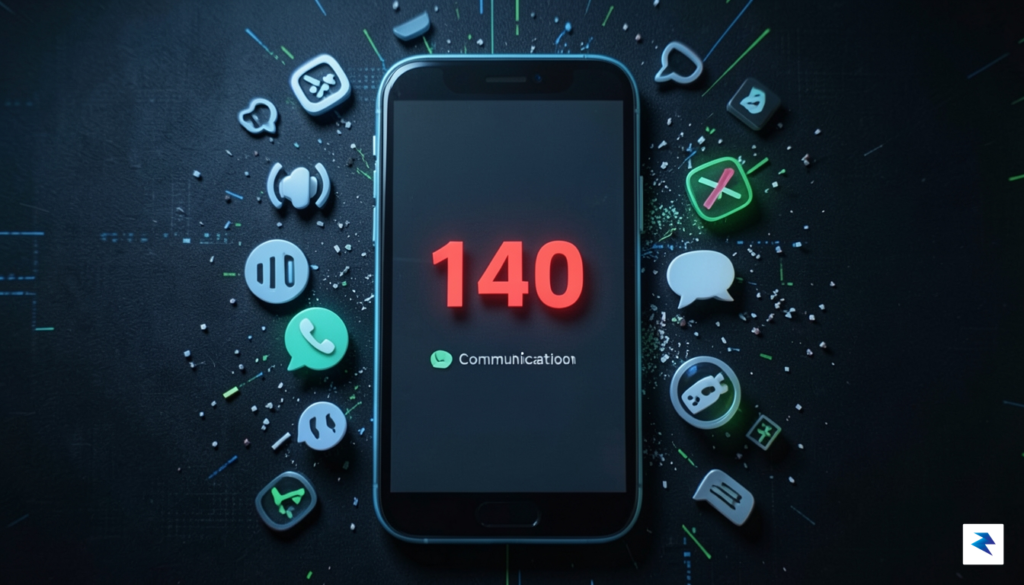
Furthermore, the preference for standard mobile numbers (10-digit formats) over official business identifiers has created a shadow economy of telemarketing. Businesses increasingly resort to using standard mobile numbers to bypass spam filters, assuming that a local-looking number is more likely to be answered. This shift has unintentionally exacerbated the very problem the regulators sought to solve: it has blurred the lines between personal and commercial communication, making it impossible for the average user to distinguish between a call from a friend and a high-pressure sales tactic. This degradation of the 10-digit number space has left consumers skeptical of any unknown caller, regardless of the format.
The failure of current identification protocols proves that regulation alone cannot mandate trust; when users feel overwhelmed by unsolicited volume, they will inherently adopt a defensive posture that treats all commercial communication as spam.
Ultimately, the failure of business call identification is as much about human behavior as it is about technical infrastructure. Even when a caller is verified, if the user’s history is filled with hundreds of ignored or blocked commercial calls, their threshold for tolerance remains near zero. Until the industry can successfully differentiate between high-value service-oriented calls and aggressive, unsolicited marketing, the stigma attached to official business prefixes will continue to grow. This environment forces companies to look toward third-party verification platforms, such as Truecaller, to provide the context that standardized regulations have thus far failed to supply.
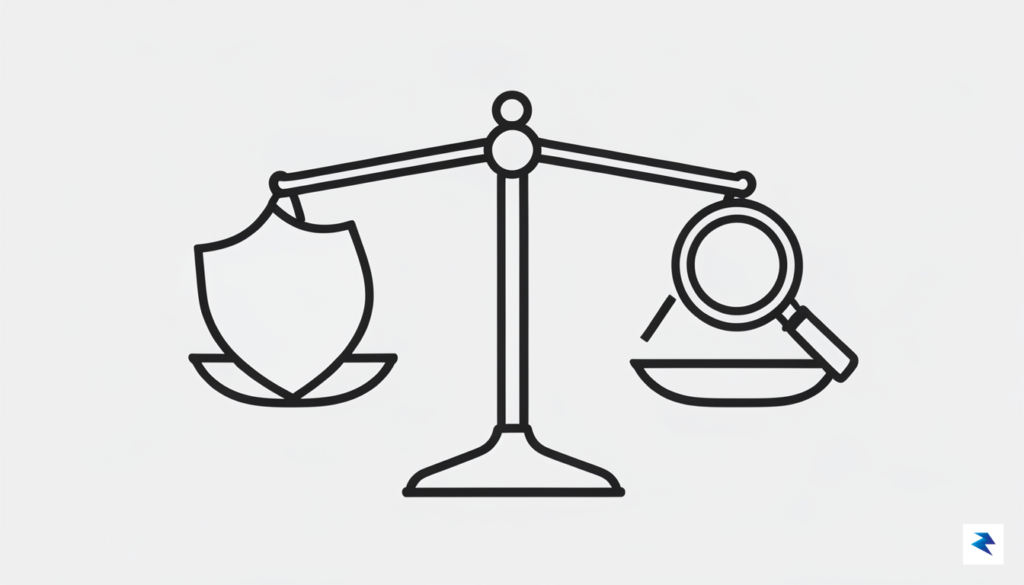
At the heart of the current friction lies a fundamental philosophical divide regarding the governance of digital communication. The Telecom Regulatory Authority of India (TRAI) maintains that for the sake of national security and consumer protection, the identification of callers must follow a standardized, government-sanctioned protocol. Their perspective emphasizes that allowing private entities to act as the primary gatekeepers for identity verification creates a fragmented ecosystem, where lack of oversight could lead to data privacy vulnerabilities or the spread of misinformation. From the regulator’s viewpoint, a centralized, mandated system ensures that every citizen receives a consistent, verifiable experience, effectively stripping away the ambiguity that often surrounds unknown incoming calls.
Conversely, Truecaller argues that imposing rigid regulatory frameworks stifles the very innovation that made their service effective in the first place. By leveraging massive datasets derived from crowdsourced intelligence and sophisticated behavioral analysis, Truecaller has been able to identify spam patterns in real-time, often flagging threats that traditional telecom databases might miss. They contend that their proprietary algorithms are designed to adapt to the ever-evolving tactics of spammers, a dynamic environment that a static, regulation-heavy mandate might struggle to match. For Truecaller, the value proposition is rooted in a fluid, user-driven model where the collective intelligence of the community serves as the primary defense against unsolicited communication.
Beyond the philosophical debate, there are significant technical hurdles that complicate the implementation of a universal identification standard across India’s diverse telecom landscape. Different telecom service providers operate on varying infrastructures, and forcing a uniform identification layer requires a level of cross-platform interoperability that is notoriously difficult to achieve. Truecaller points out that their current system works precisely because it operates independently of these disparate carrier networks, applying a layer of intelligence that sits on top of existing cellular signals. If the regulator were to mandate a specific protocol, it could force service providers to overhaul their legacy systems, potentially leading to widespread service disruptions or creating a “lowest common denominator” approach that diminishes the efficacy of current spam-detection tools.
The core of the dispute is not just about who controls the screen, but about whether innovation can thrive when trapped within the boundaries of traditional telecommunications policy.
Ultimately, the standoff forces a difficult question onto the table: does the public benefit more from a heavily regulated, uniform identification system, or from the agile, tech-forward solutions developed by private platforms? While the regulator prioritizes a controlled environment where accountability is legally codified, Truecaller advocates for a model where speed and user-centric data remain paramount. As the dialogue continues, both parties must find a middle ground that safeguards consumer privacy without sacrificing the technological ingenuity required to combat the global plague of spam and fraudulent communication.
The ongoing regulatory standoff between Truecaller and the Telecom Regulatory Authority of India (TRAI) is far more than a mere corporate disagreement; it is a friction point that threatens to disrupt the delicate mechanics of India’s rapidly digitizing economy. As the lines blur between malicious spam and essential service-related communication, legitimate businesses find themselves trapped in a digital catch-22. Startups and established enterprises alike rely heavily on automated calling systems to relay critical information, such as one-time passwords (OTPs), delivery updates, and appointment reminders. When aggressive anti-spam algorithms inadvertently blanket-block these numbers, the result is a significant degradation in customer experience and a measurable decline in operational efficiency for service providers.
For the average consumer, this regulatory tug-of-war presents a paradox of convenience. While the desire to curb the persistent nuisance of unsolicited marketing calls is universal, the collateral damage—missing a call from a bank regarding a suspicious transaction or failing to coordinate with a delivery partner—carries real-world consequences. When communication channels become unreliable, trust in digital platforms begins to erode. If a customer cannot distinguish between a legitimate service outreach and a spam call, they are more likely to ignore all incoming communications, effectively severing the vital link between businesses and their client base. This phenomenon of “lost connections” leads to abandoned carts, failed financial verifications, and increased customer support overhead, as users are forced to manually reach out to companies to resolve issues that could have been handled by a single automated notification.
The true cost of this stalemate is not just measured in filtered calls, but in the efficiency of the entire digital ecosystem which relies on seamless, verified communication to function at scale.
Furthermore, the economic implications for the Indian startup ecosystem cannot be overstated. Many new-age companies operate on razor-thin margins and rely on high-volume, low-cost communication tools to maintain customer engagement. If these businesses are forced to invest in redundant or more expensive communication channels to circumvent blocking rules, their operational costs will inevitably rise, often at the expense of competitive pricing for the end user. Ultimately, the resolution of this conflict will determine whether India’s telecommunications infrastructure can successfully balance the protection of user privacy with the necessity of an open, accessible, and high-functioning digital marketplace. Without a nuanced policy that differentiates between identity-verified enterprise traffic and anonymous bulk spam, the economy risks paying a heavy price for the silence of legitimate calls.
As the standoff between Truecaller and the Telecom Regulatory Authority of India (TRAI) continues to unfold, the path forward necessitates a departure from rigid, manual blocking lists toward more sophisticated, cryptographically verifiable systems. One of the most promising technological bridges is the adoption of protocols similar to STIR/SHAKEN, which are currently used in North America to combat caller ID spoofing. By implementing a standardized framework where every call is digitally signed by the originating carrier, India could fundamentally eliminate the ability of bad actors to masquerade as legitimate businesses or government entities. This transition would shift the burden of proof from third-party applications to the network architecture itself, ensuring that the identity of the caller is verified before the phone even rings.
Beyond simple authentication, the evolution of anti-spam measures is increasingly tethered to the advancement of AI-driven call reputation scoring. Rather than relying on static databases that are often prone to delays or inaccuracies, next-generation systems analyze thousands of metadata points in real-time—such as call duration, frequency patterns, and behavioral anomalies—to predict whether a call is solicited or malicious. This AI-first approach allows for a highly nuanced user experience, where a call might be color-coded based on its “trust score,” allowing the recipient to decide whether to answer based on the probability of value rather than an binary choice between “block” or “allow.” This level of granular control protects the user from harassment while simultaneously ensuring that critical communications, such as banking alerts or medical appointments, are not accidentally discarded by overly aggressive filters.
The future of communication security lies not in creating impenetrable walls, but in building systems that can distinguish between the noise of automated spam and the signal of human interaction with high-fidelity precision.
Ultimately, India is uniquely positioned to set a global benchmark for balancing stringent user privacy with the necessity of business connectivity. By fostering a collaborative ecosystem—where regulators like TRAI, private technology firms, and telecommunications providers work in tandem—the country can move toward a unified “Identity-as-a-Service” model for phone calls. If India succeeds in creating a regulatory framework that mandates caller transparency while preserving consumer anonymity, it will provide a blueprint for other emerging economies currently grappling with the same deluge of digital noise. The goal is to move past the current adversarial climate and toward a future where the telephone network is once again a trusted, reliable medium for human connection.
You must be logged in to post a comment.