Epilogue SN Operator Review: Is This the Best Way to Play SNES Games?
Rediscovering the 16-Bit Era: What is the Epilogue SN Operator? For decades, the standard path for retro gaming has been a precarious…
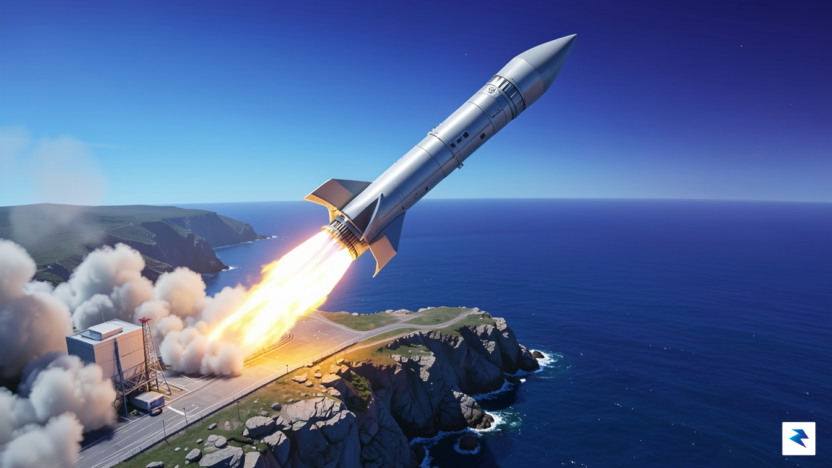
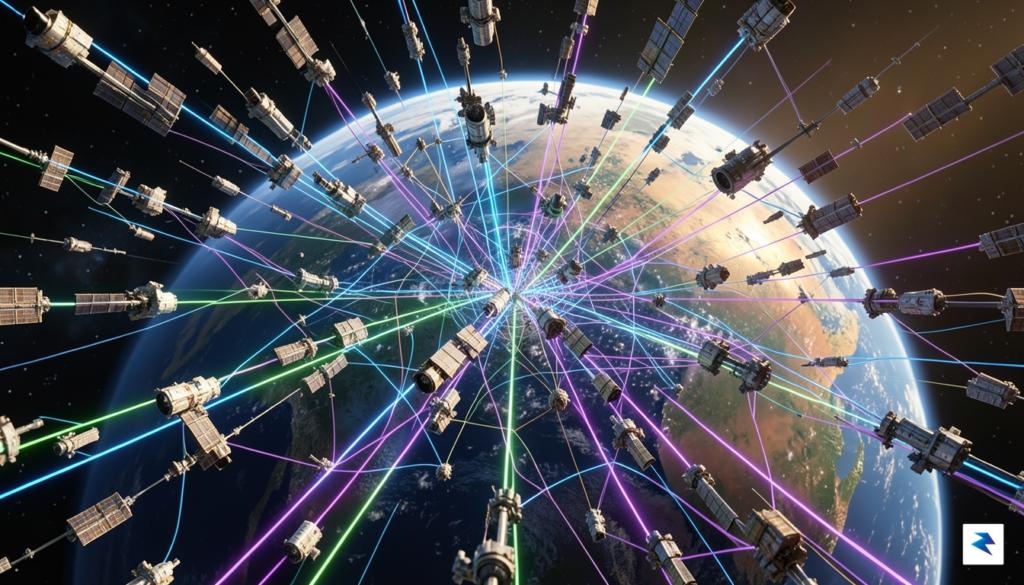
The pace of orbital expansion in 2026 has transitioned from a steady cadence into a full-scale industrial sprint. By analyzing the data meticulously maintained by astronomer Jonathan McDowell, who has become the industry standard for tracking orbital assets, we can observe a stark contrast between SpaceX’s current performance and its historical benchmarks. In the first half of 2026 alone, the company successfully placed 1,589 satellites into orbit, a figure that dwarfs the 1,140 satellites deployed during the same period in 2025. This nearly 40% year-over-year increase is not merely a byproduct of more frequent launches; it reflects a fundamental maturation of the Falcon 9 launch architecture and an unprecedented efficiency in satellite manufacturing and ground processing.
This acceleration is a significant milestone for commercial spaceflight because it demonstrates that the “Starlink bottleneck”—previously thought to be the launch vehicle—has been effectively dismantled. By sustaining such a rapid deployment schedule, SpaceX is fundamentally changing the economics of low Earth orbit (LEO) infrastructure. When a company can deploy nearly 1,600 satellites in just six months, the threshold for creating a global, high-bandwidth network becomes significantly lower, effectively forcing competitors to rethink their own deployment timelines. The sheer density of the constellation is now reaching a point where the network can provide near-continuous coverage even in extreme latitudes, essentially saturating the sky with connectivity.

The shift from 1,140 to 1,589 satellites in H1 represents more than just a number; it marks the transition of Starlink from a niche beta service to a foundational layer of global telecommunications infrastructure.
To understand the gravity of these figures, one must look at the implications for constellation maintenance and orbital density. As the number of active satellites climbs, SpaceX is simultaneously refining its ability to deorbit older, first-generation units and replace them with advanced, laser-linked variants. This rapid churn ensures that the network is not just growing in quantity, but also in quality and throughput. The statistical trajectory suggests that if this current rate persists, the total number of operational Starlink satellites will reach heights that were considered ambitious, if not impossible, just three years ago. This logistical feat serves as a powerful validation of the reusable rocket paradigm, proving that the infrastructure required to build a satellite “megaconstellation” is fully scalable under the right operational conditions.
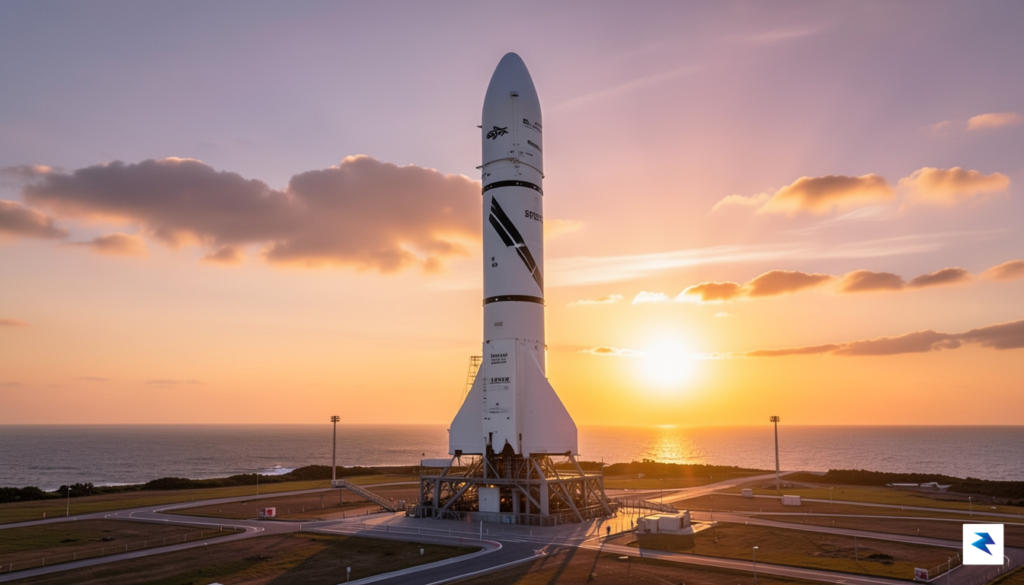
The staggering milestone of deploying nearly 1,600 satellites in just half a year is far from a happy accident; it represents the culmination of a multi-year engineering crusade to transform spaceflight from a bespoke, artisan process into a standardized, industrial-grade assembly line. At the heart of this transformation is the Falcon 9 launch vehicle, which has evolved into the most reliable and rapidly reusable workhorse in aerospace history. By drastically reducing the refurbishment time between flights, SpaceX has essentially turned their launch pads into high-throughput transit hubs. Ground crews have moved away from traditional, meticulous pre-flight inspections toward a data-driven model that utilizes real-time telemetry to certify flight readiness, allowing the company to compress the turnaround time between missions to a matter of days rather than months.
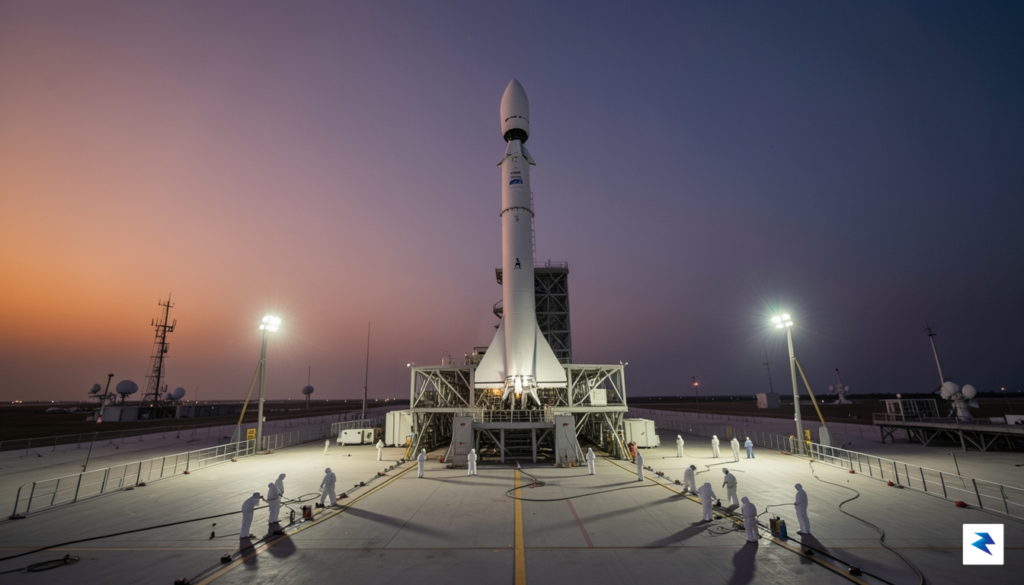
This operational velocity is supported by a sophisticated manufacturing pipeline that has been finely tuned to mirror the demands of the launch schedule. The production of the current generation of Starlink satellites—often referred to as “V3” or “V3-mini” variants—has shifted toward a modular design philosophy that prioritizes rapid assembly. By implementing advanced robotics and automated quality control testing on the production line, SpaceX has eliminated the bottlenecks that once plagued satellite manufacturing. Every component, from the solar arrays to the ion thrusters, is now designed with “design-for-assembly” principles, ensuring that hundreds of satellites can be churned out every month to meet the voracious appetite of the launch manifest.
The true secret of the current record-setting pace isn’t just the rockets themselves, but the invisible infrastructure of logistics and automated manufacturing that ensures the payload is always ready before the booster hits the pad.
Furthermore, the integration between the factory floor and the launch site has become seamless. SpaceX employs a “just-in-time” delivery model where satellites are integrated into the fairings only shortly before the launch window opens, minimizing the time these sensitive assets spend in storage. This synchronization ensures that as soon as a Falcon 9 booster is cleared for flight, a fully loaded stack of Starlink satellites is waiting to be integrated. By treating the entire process—from the initial fabrication of satellite bus components to the final deployment in low Earth orbit—as a single, continuous flow, SpaceX has fundamentally redefined what is possible in the modern space economy. This end-to-end optimization is the primary engine driving their unprecedented cadence, proving that space access is no longer limited by technology, but by the efficiency of industrial execution.
The relentless pace of Starlink deployments is not a result of increased manufacturing capacity alone, but rather the structural transformation of launch economics through reusability. By mastering the ability to land, refurbish, and relaunch Falcon 9 boosters, SpaceX has successfully decoupled the marginal cost of a mission from the frequency of its flight schedule. In the traditional era of aerospace, every mission required a bespoke, multi-million dollar rocket that was discarded after a single use, creating a prohibitive financial barrier to orbital expansion. Today, flight-proven boosters have fundamentally altered this equation, allowing SpaceX to treat orbital access as a high-volume logistics operation rather than a series of one-off, high-stakes events.
This economic efficiency is the primary engine driving the deployment of dozens of satellites in a single window. When the cost of the rocket hardware is amortized over twenty or more flights rather than consumed in one, the per-satellite launch cost drops precipitously, making large-scale constellation growth financially sustainable. These savings are reinvested directly into the Starlink network, enabling the company to maintain a rapid cadence that keeps their hardware current and their coverage global. Without the ability to reuse the primary stage, the overhead required to launch over 20 satellites per mission would have likely rendered the project commercially unviable long ago.
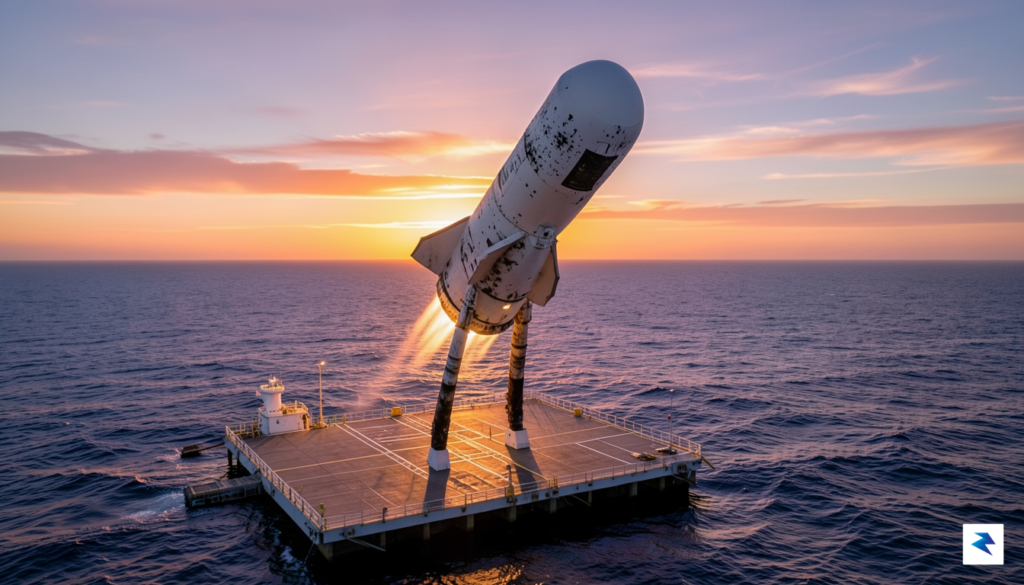
The maturation of the Falcon 9 fleet has served as a proof-of-concept for the entire industry, demonstrating that rapid turnaround times are not only possible but highly reliable. By continuously refining the refurbishment process, SpaceX has pushed the boundaries of how many times a single booster can safely reach orbit, often seeing individual rockets fly well into the double digits. This reliability serves as the bedrock of their current record-setting pace, ensuring that even with a near-weekly launch cadence, the company maintains a deep bench of flight-ready hardware that minimizes the risk of operational delays.
The true paradigm shift lies in the transition from viewing rockets as expendable fuel tanks to viewing them as reusable transit vehicles, fundamentally changing how we budget for the exploration and utilization of space.
Looking ahead, the integration of Starship represents the next logical step in this economic evolution. While the Falcon 9 has set the standard for high-frequency, mid-sized deployments, Starship is designed to achieve full and rapid reusability at a scale that dwarfs anything currently operational. By significantly increasing the payload capacity per launch, SpaceX aims to further drive down the cost-per-kilogram to orbit. As the company transitions toward this even heavier lift capability, the current record-setting pace of Starlink deployments will likely be viewed as merely the precursor to an era of massive, high-capacity orbital infrastructure expansion.
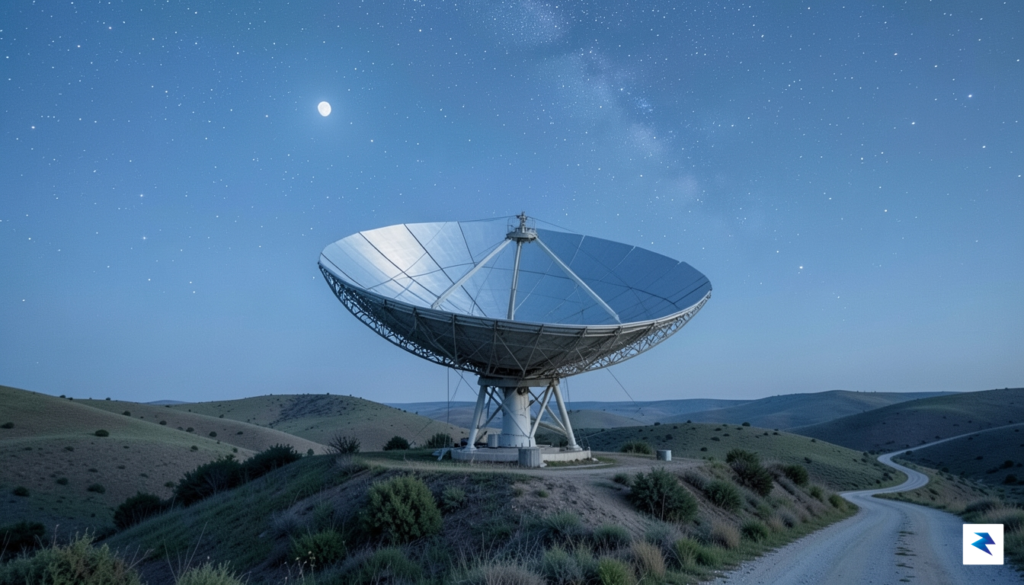
The rapid expansion of the Starlink constellation is fundamentally altering the digital landscape, effectively bridging the “last mile” gap that has long isolated rural and underserved communities. By deploying satellites at an unprecedented frequency, SpaceX has significantly bolstered bandwidth capacity and reduced latency for users in regions where traditional fiber-optic or cellular infrastructure is geographically or economically unfeasible. This surge in orbital density translates into more reliable, high-speed internet access for everything from remote educational initiatives in developing nations to critical maritime and aviation connectivity. As the constellation grows more robust, the promise of a truly global, seamless network is shifting from a futuristic aspiration to a tangible utility that empowers users regardless of their physical coordinates.
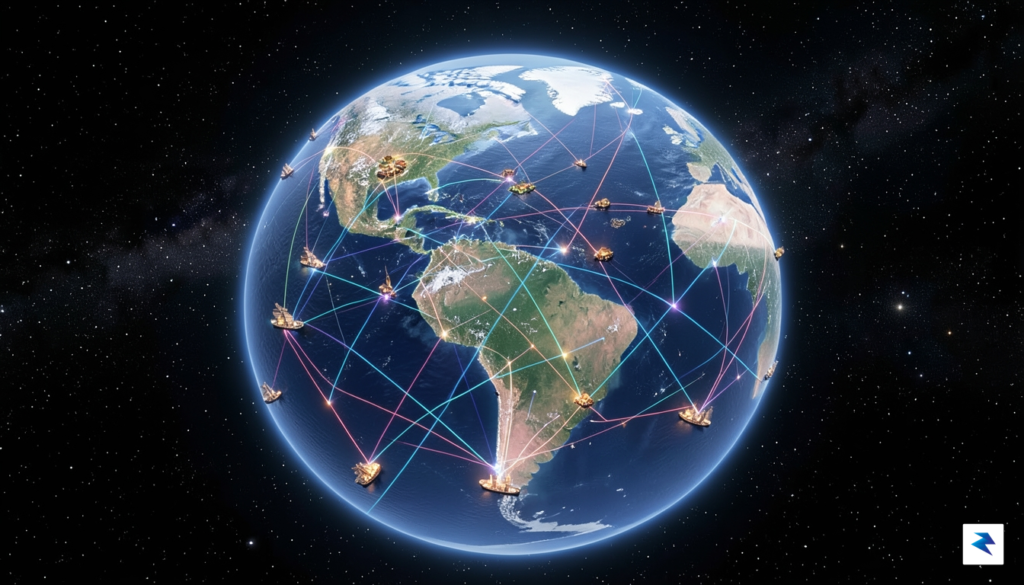
However, this rapid proliferation of hardware in low-Earth orbit (LEO) introduces complex logistical and ethical challenges that the scientific community is watching with growing concern. The sheer volume of satellites has reignited debates surrounding light pollution, as the reflective surfaces of these spacecraft can streak across long-exposure astronomical images, potentially obscuring deep-space observations. Furthermore, the risk of orbital congestion remains a primary focus for space agencies and private operators alike. With thousands of objects occupying the same orbital shells, the probability of accidental collisions increases, necessitating a sophisticated approach to space traffic management. To mitigate these risks, Starlink satellites are equipped with automated collision avoidance systems that utilize real-time data from the U.S. Space Surveillance Network to execute autonomous maneuvers, ensuring that the fleet remains agile and responsive to potential threats.
The challenge of our time is to strike a delicate balance: scaling the revolutionary benefits of global high-speed connectivity while maintaining a sustainable and pristine orbital environment for future generations of space exploration.
Ultimately, the long-term success of these record-breaking deployments hinges on the industry’s ability to adopt proactive sustainability measures. SpaceX and its peers are under increasing pressure to demonstrate that space is not being treated as an infinite resource, but rather a shared, fragile commons. This involves not only the implementation of automated avoidance algorithms but also a commitment to deorbiting retired units to minimize the accumulation of space debris. As the conversation matures, it is clear that the future of global connectivity will be defined by a collaborative effort between private enterprise and international regulatory bodies. Only through rigorous transparency and technological innovation can we ensure that the convenience of a global network does not come at the expense of our collective ability to explore and study the cosmos.
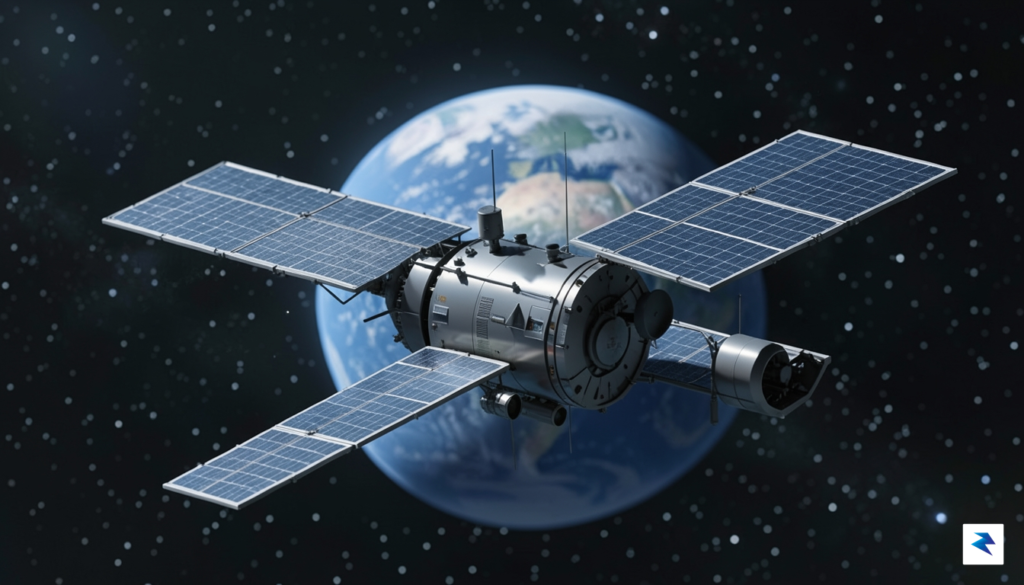
While the sheer pace of Starlink deployments is undeniably impressive, laying the groundwork for unprecedented global connectivity, the journey ahead for the constellation is far from simple. The road to fully realizing this ambitious vision is paved with significant challenges, ranging from intricate regulatory landscapes to the relentless demands of technological evolution and orbital sustainability. Navigating these complexities will be crucial for maintaining momentum and ensuring the long-term viability and success of what is rapidly becoming the largest satellite network ever conceived.
One of the most formidable hurdles involves the global regulatory environment and the increasingly critical issue of international space traffic management. Each country Starlink aims to serve requires specific licensing and approvals, a process that can be lengthy and politically charged, especially as nations weigh the benefits of enhanced connectivity against concerns about orbital congestion or national security. Furthermore, with thousands of satellites already in orbit and many more planned, the imperative for robust international coordination to prevent signal interference and manage potential collision risks becomes paramount. Organizations like the International Telecommunication Union (ITU) play a vital role, but the scale of Starlink’s operations demands unprecedented levels of cooperation and the development of new norms for operating in an increasingly crowded orbital domain.
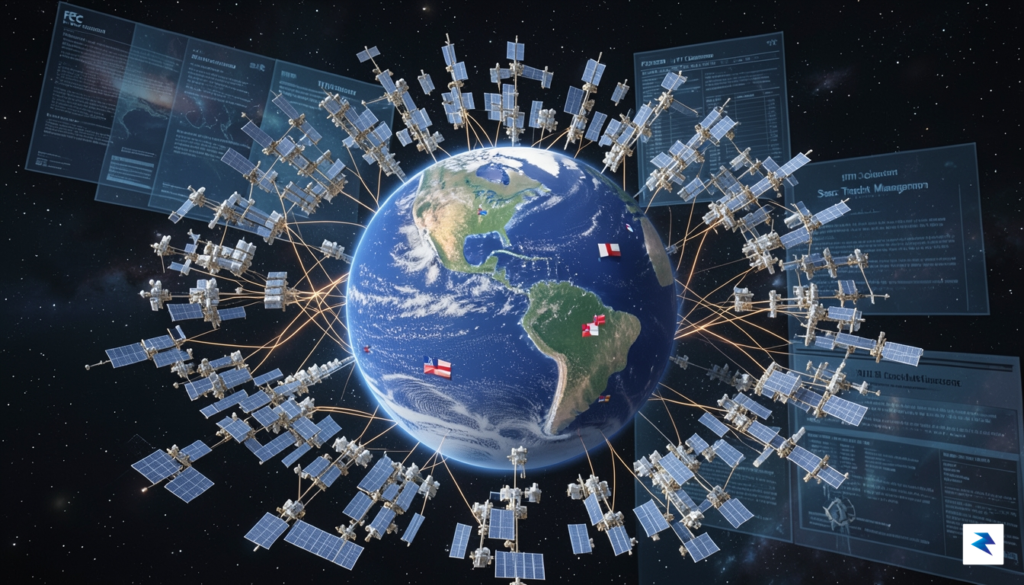
Concurrently, the technological evolution of the Starlink network is relentless, driven by the need to handle ever-increasing subscriber loads and expand service capabilities. The transition towards next-generation satellites, particularly those incorporating Direct-to-Cell capabilities, represents a monumental leap. These advanced satellites are designed to communicate directly with unmodified smartphones on Earth, bypassing the need for dedicated ground terminals. This innovation promises to dramatically broaden accessibility, but it also places immense demands on the satellites themselves, requiring more powerful phased array antennas, sophisticated onboard processing, and robust power systems, all while maintaining the network’s characteristic low latency.
The relentless drive for rapid scaling, with 2026 poised to be another record-setting year for launches, signifies more than just an expansion of internet service; it represents a fundamental reshaping of the space economy itself. This aggressive deployment schedule is not merely about launching satellites; it involves continuous innovation in manufacturing, launch vehicle reusability, and ground infrastructure. As Starlink continues to grow, it acts as a catalyst for other space-related industries, from advanced materials and propulsion systems to sophisticated data analytics and orbital services. This rapid infrastructure build-out is likely just a waypoint in a much larger, multi-decade long-term project that will continue to push the boundaries of what is possible in space and redefine how humanity connects across the globe.
You must be logged in to post a comment.