
Why Meta Believes Agentic Commerce is the Next Big Shift in Business
The Evolution of Agentic Commerce: Beyond Simple Chatbots For years, the digital shopping experience has been defined by a repetitive, manual…

In the early 1980s, while most global automakers viewed the People’s Republic of China as a closed, inscrutable frontier, Volkswagen took a bold gamble that would redefine the company for the next forty years. By establishing the Shanghai-Volkswagen joint venture in 1984, the German manufacturer became the first Western brand to truly sink roots into the Chinese industrial landscape. This was not merely a business expansion; it was a foundational partnership that mirrored China’s own rapid modernization. For decades, the VW Santana became an omnipresent symbol of progress on Chinese streets, serving as the default vehicle for taxis, government officials, and the emerging middle class alike. This early-mover advantage allowed Volkswagen to cultivate a level of brand loyalty and market saturation that few, if any, foreign competitors could ever hope to replicate.

The joint venture model proved to be a lucrative masterstroke, granting Volkswagen unprecedented access to a massive, untapped consumer base in exchange for technology transfers and localized production. For years, the immense profit margins generated in China acted as the financial engine for the entire Volkswagen Group, effectively subsidizing the company’s global research and development efforts and funding its ambitious expansion into other international territories. As long as the Chinese economy was expanding and domestic competition remained fragmented, the partnership operated like a well-oiled machine. Volkswagen was not just selling cars; it was essentially providing the infrastructure of personal mobility for a nation in the midst of a historic economic transformation.
The very synergy that propelled Volkswagen to the summit of the Chinese market eventually transformed from a strategic asset into a profound vulnerability.
However, this era of dominance created a dangerous “comfort zone” that fundamentally altered the company’s corporate psyche. Because the business model relied on steady, predictable demand for internal combustion engines and legacy brand prestige, Volkswagen became increasingly detached from the rapid, tech-forward shifts in consumer preferences that were brewing under the surface. As domestic Chinese competitors began to pivot aggressively toward electric vehicles, software-defined cockpits, and hyper-connected user experiences, Volkswagen remained tethered to its established, traditional processes. By the time the German giant realized that the market had moved on, the local players were already miles ahead in innovation and agility. This over-reliance on a singular, historic success story effectively blinded the company to the seismic changes in the automotive landscape, leaving them struggling to catch up in a market they once claimed as their own.
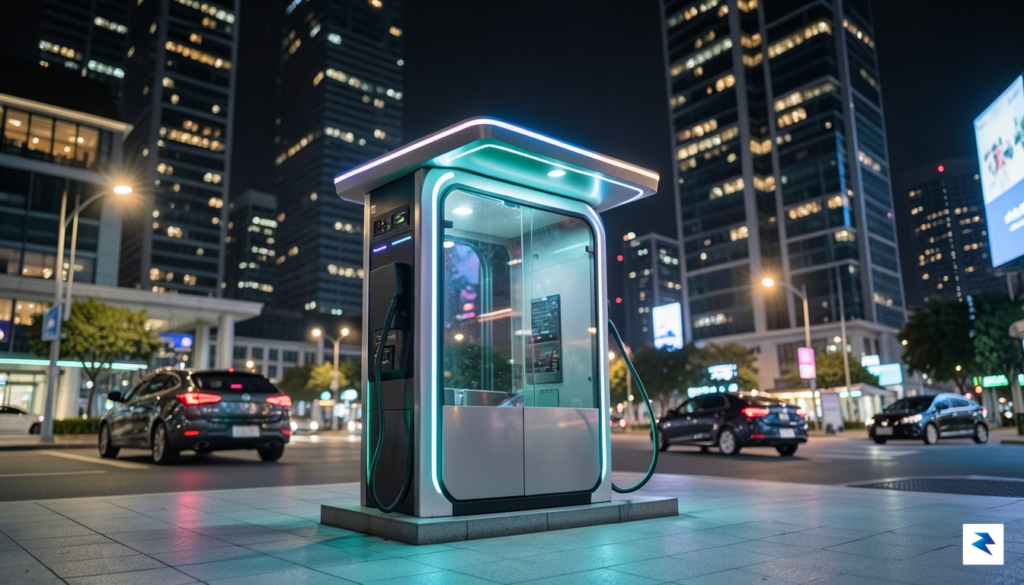
For decades, the Volkswagen badge functioned as a primary marker of social mobility in China, signifying reliability, prestige, and the pinnacle of German engineering. However, the rapid ascent of domestic electric vehicle (EV) manufacturers—most notably BYD, NIO, and XPeng—has fundamentally disrupted this long-standing hierarchy. These firms did not simply compete on price; they fundamentally redefined the automobile as a high-tech consumer electronics device rather than a mechanical marvel. As Chinese consumers shifted their preferences toward vehicles that prioritize digital connectivity, autonomous driving capabilities, and seamless smartphone integration, Volkswagen’s traditional focus on combustion-engine refinement began to look less like a heritage advantage and more like a significant liability.
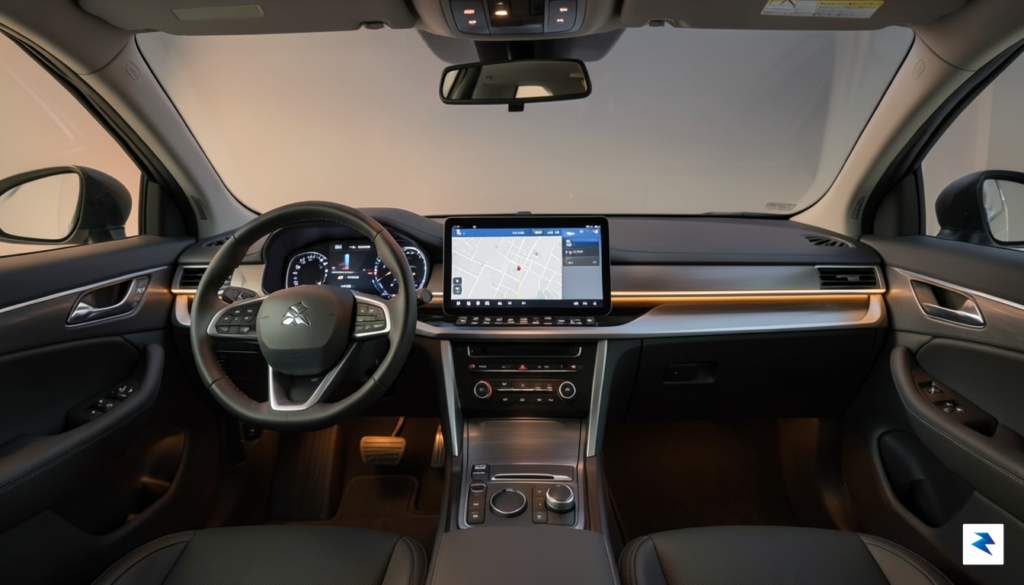
The core of this transformation lies in the stark contrast between manufacturing philosophies. Legacy German automakers typically operate on a multi-year development cycle, prioritizing rigorous safety testing and incremental mechanical improvements. In contrast, Chinese EV startups adopted a software-centric model reminiscent of Silicon Valley’s rapid iteration cycle. By treating the car as an extension of the user’s digital life, companies like NIO and XPeng provide over-the-air (OTA) updates that enhance vehicle performance and add new entertainment features long after the initial purchase. For a generation of tech-savvy Chinese consumers who value the latest software features just as much as horsepower, Volkswagen’s slower, hardware-locked approach felt increasingly obsolete.
The competitive edge in the modern Chinese market has migrated from the assembly line to the cloud, where vehicle software now dictates the user experience more than the engine displacement ever could.
This demographic shift is particularly evident among Millennial and Gen Z buyers, who have largely rejected the conventional status-symbol allure of European combustion engines. Instead, these cohorts are gravitating toward brands that offer a sense of “smart” living, where the vehicle is fully integrated into the smart-home ecosystem and provides personalized AI-driven interfaces. While Volkswagen struggled to pivot its massive, rigid organizational structure toward this agile software paradigm, domestic players were busy building local charging infrastructure and community-centric brand experiences. By failing to capture the imagination of this younger, hyper-connected demographic, Volkswagen effectively conceded the future of the world’s largest automotive market to agile, domestic competitors who were built from the ground up to thrive in the digital age.
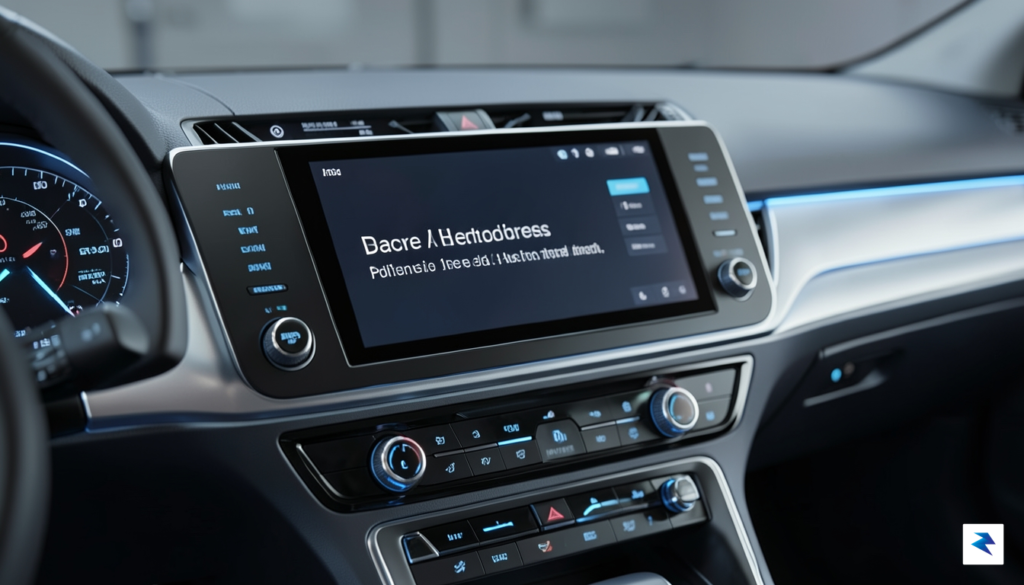
For decades, Volkswagen’s global dominance was built upon the bedrock of mechanical perfection—the precise tactile feedback of a door closing, the seamless integration of a dual-clutch transmission, and the bulletproof reliability of internal combustion engines. However, this commitment to heavy-metal engineering has inadvertently created a profound “software bottleneck” that now threatens the company’s relevance. As Volkswagen pivots toward the era of the software-defined vehicle, its internal digital architecture has struggled to keep pace. Legacy systems, once optimized for hardware efficiency, have proven notoriously difficult to update or integrate with the modern, high-speed connectivity that contemporary drivers demand. This technical debt has resulted in stuttering infotainment interfaces and buggy driver-assistance features in recent models, frustrating a customer base that increasingly views the vehicle not as a machine, but as an extension of their digital lives.
The cultural divide between Wolfsburg and China’s bustling tech hubs is perhaps nowhere more visible than in the interior of the car. German automotive philosophy traditionally prioritizes the “driver’s cockpit,” emphasizing ergonomic clarity, safety-critical instrumentation, and a reserved, functional aesthetic. Conversely, Chinese consumers, who have grown up in a hyper-digital environment, view their vehicles as a “living room on wheels.” They prioritize deep smartphone integration, immersive entertainment ecosystems, and AI-driven personal assistants that can manage everything from karaoke sessions to real-time shopping. While Volkswagen was busy refining the chassis, Chinese domestic manufacturers like BYD and NIO were busy building software platforms that behave more like consumer electronics. This misalignment has left VW playing an expensive game of catch-up, forced to pivot its entire development philosophy to accommodate a market that values software agility over traditional mechanical refinement.
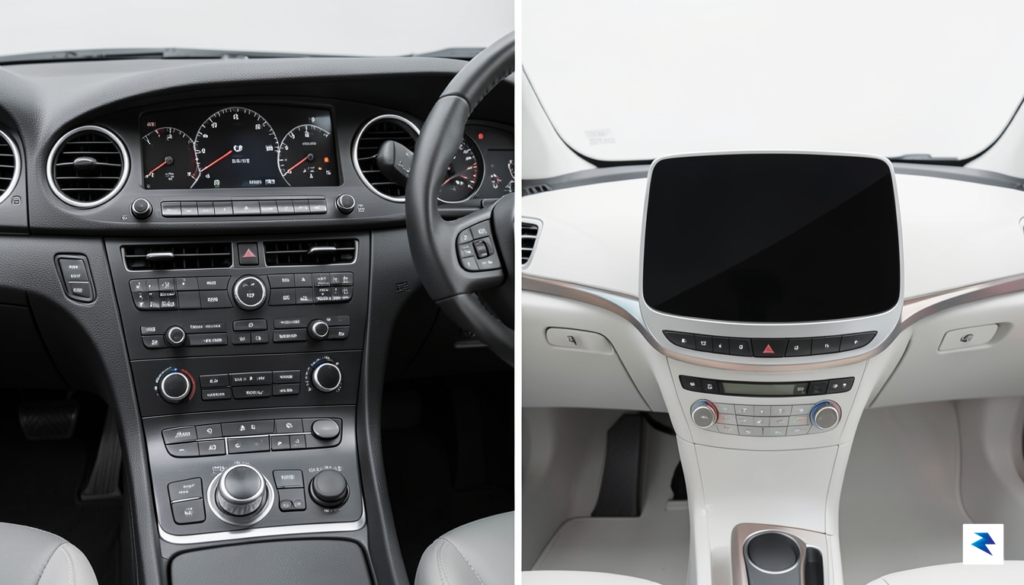
To bridge this gap, Volkswagen is embarking on a massive, multibillion-euro overhaul of its internal digital infrastructure, a transition that is as much about corporate culture as it is about coding. Moving away from a siloed, supplier-heavy development model toward an in-house software powerhouse requires a fundamental shift in how the company recruits, retains, and empowers digital talent. The task is monumental: the company must modernize its legacy tech stack without compromising the rigorous safety standards that define the brand’s reputation. Yet, failure to successfully navigate this transition risks relegating one of the world’s most storied automakers to the role of a hardware supplier, while agile tech giants capture the lucrative ecosystem of services and data that now defines the modern driving experience.
The challenge for Volkswagen is not merely to write better code, but to reconcile two different eras of automotive history: the age of the machine and the age of the algorithm.
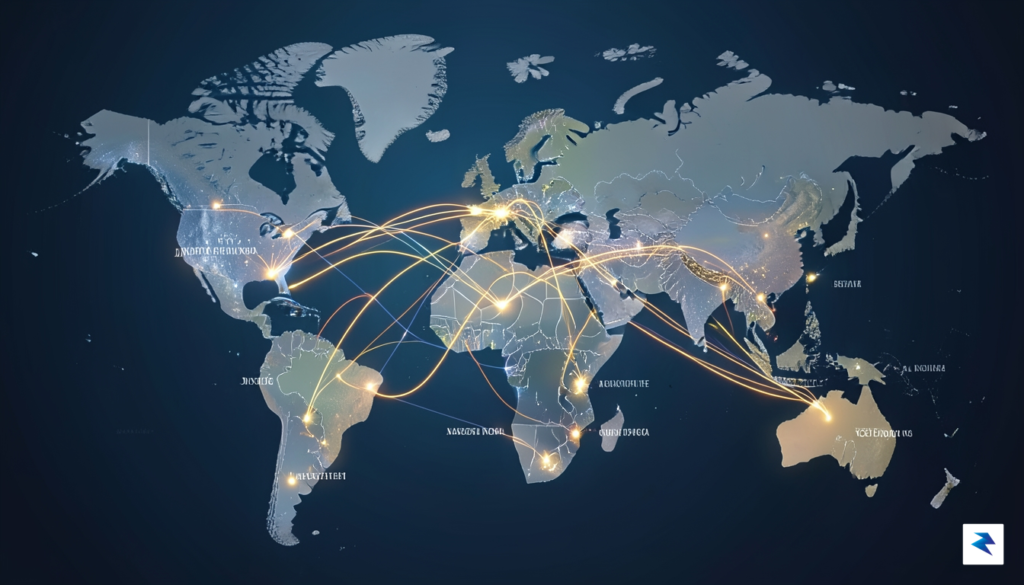
For decades, Volkswagen’s dominance in the Chinese market served as a financial engine, pumping billions of euros into the group’s coffers and funding ambitious research and development initiatives for its global fleet. However, as local Chinese manufacturers rapidly close the technological gap and capture domestic market share with software-centric electric vehicles (EVs), the profit margins that once subsidized VW’s international operations are beginning to evaporate. This erosion of capital is not merely a regional accounting issue; it creates a significant ripple effect that threatens to starve the company’s R&D budget in Germany. Without the massive cash flow from China, the Volkswagen Group faces the daunting task of sustaining its global transition to electrification while simultaneously fending off aggressive price wars that are beginning to transcend borders.
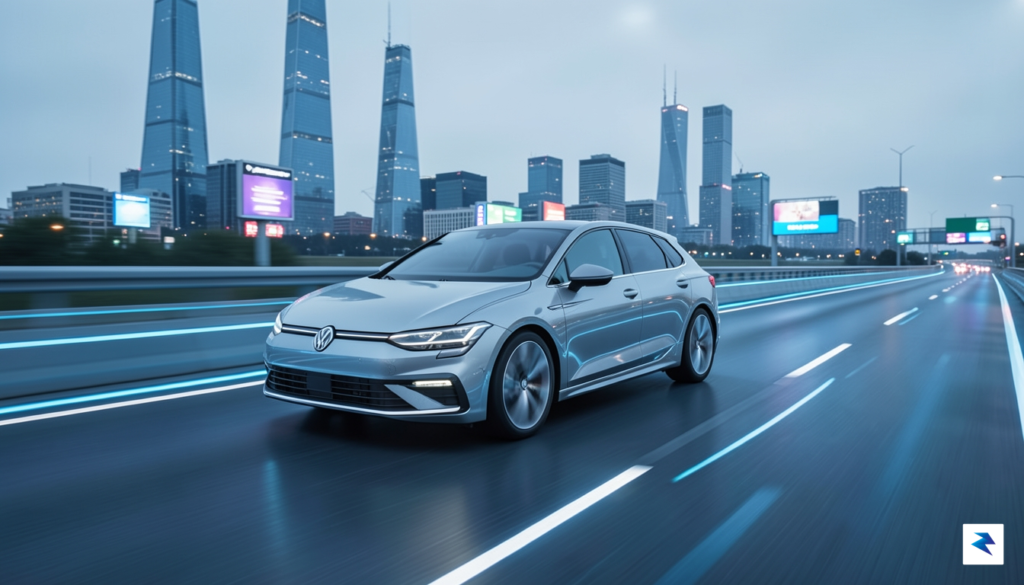
The urgency of this transition is heightened by the strategic expansion of Chinese EV titans, such as BYD and NIO, who are now aggressively targeting European and South American markets. These competitors offer high-tech, competitively priced vehicles that challenge the traditional European perception of “value,” forcing Volkswagen to defend its home turf from the same companies that dismantled its hegemony in Beijing and Shanghai. As Chinese automakers leverage their supply chain efficiencies to penetrate global markets, Volkswagen finds itself in a precarious position: it must maintain its premium brand identity while struggling to match the manufacturing agility of newer, software-focused entrants. This dynamic forces the group to reconsider its reliance on legacy engineering, pushing it to pivot toward a more decentralized model that emphasizes regionalized production and localized software development.
The core challenge for Volkswagen is no longer just about building better cars; it is about proving that the brand’s heritage can survive in an era where software, connectivity, and cost-efficiency dictate consumer loyalty more than engine displacement ever did.
To reduce its vulnerability to the volatile geopolitical climate and the shifting preferences of the Chinese consumer, Volkswagen is actively recalibrating its global strategy to prioritize market diversification. This includes a reinvigorated focus on North American growth and a strategic push to strengthen its presence in emerging markets where the brand still maintains significant cultural resonance. By investing in regional partnerships and streamlining its corporate structure, the company hopes to insulate its balance sheet from the cyclical downturns of any single territory. However, successfully decoupling from its historical reliance on China requires more than just a change in logistics; it demands a fundamental cultural shift within the company’s leadership to embrace the speed and flexibility required to compete in a fragmented, post-globalized automotive landscape.

For Volkswagen, the era of managing its global empire from the rigid, centralized headquarters in Wolfsburg is rapidly drawing to a close. To survive the existential threat posed by agile, tech-native domestic competitors in China, the company must transform from a top-down monolith into a decentralized federation of regional powerhouses. This transition is no longer a strategic preference; it is a fundamental survival imperative. By adopting a “China-for-China” operational model, Volkswagen is attempting to decouple its Chinese engineering and supply chain operations from its European roots, allowing local teams to make lightning-fast decisions that reflect the unique, fast-paced demands of the world’s largest electric vehicle market.
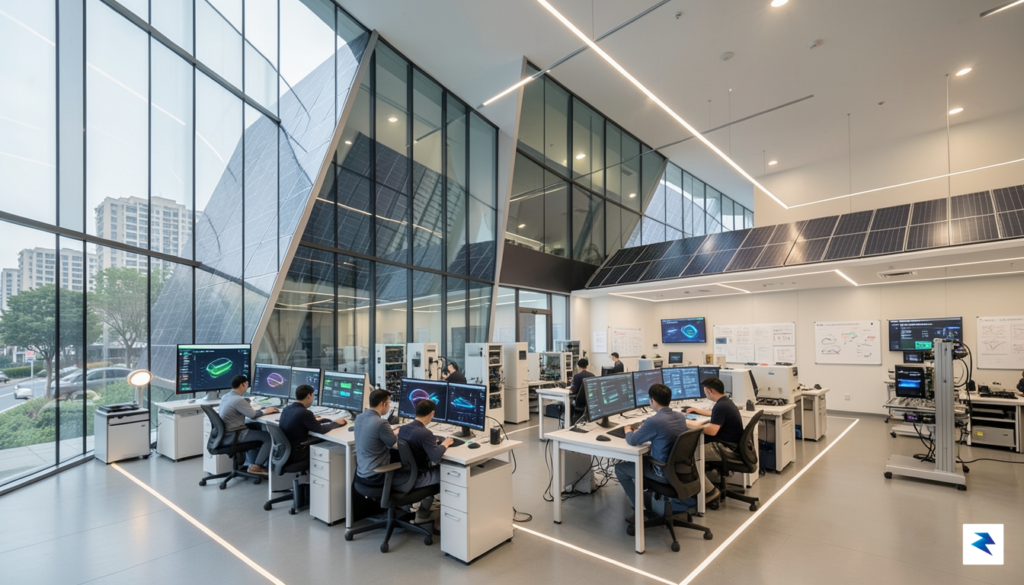
The success of this pivot hinges on the total localization of software development and supply chain management. For years, Volkswagen relied on its traditional strengths—mechanical engineering and manufacturing scale—while outsourcing critical software components or attempting to adapt European digital architecture for Chinese consumers. This approach failed to keep pace with local rivals who treat cars as smartphones on wheels. To reclaim lost ground, the manufacturer is now aggressively recruiting local tech talent and partnering with Chinese startups to integrate intelligent cockpit systems and autonomous driving capabilities that resonate with the digital-first expectations of contemporary Chinese buyers. By shifting the locus of control to local teams, Volkswagen hopes to shorten the product development cycle from years to mere months.
“The future of the automotive industry will not be won by those who build the best combustion engines, but by those who can iterate software at the speed of consumer demand.”
Whether this radical restructuring will be enough to reverse the company’s waning influence remains an open question for industry analysts. While the “China-for-China” strategy is a necessary step, the company faces the daunting challenge of maintaining brand identity while simultaneously catering to vastly different regional preferences. If Volkswagen succeeds in marrying its legendary manufacturing quality with the rapid-fire innovation pace of the Chinese tech ecosystem, it may successfully reinvent itself as a hybrid global titan. However, if the internal bureaucracy remains too cumbersome or if local competitors continue to capture the market’s imagination, the brand risks a long-term erosion of its status. The path forward is narrow and fraught with risk, but it represents the only viable route to securing a seat at the table in the next generation of the global automotive landscape.
You must be logged in to post a comment.