
Inside the New Fed Task Forces: What Kevin Warsh’s Strategy Means for the Economy
The Strategic Vision Behind the New Fed Advisory Slate Kevin M. Warsh’s recent initiative to reshape the Federal Reserve’s advisory…


For months leading up to the tournament, the atmosphere within hotel staff breakrooms was thick with a specific brand of cautious optimism. Housekeepers, front-desk agents, and banquet servers had been conditioned by years of industry lore to view global mega-events as an automatic windfall, believing that the arrival of thousands of international soccer fans would equate to an unstoppable surge in revenue. The prevailing narrative suggested that every room would be booked at premium rates, leading to mandatory overtime, lucrative service charges, and a much-needed boost to household incomes. Workers prepared their schedules and their finances for a period of relentless, high-intensity labor, fully expecting that the sheer scale of the event would force the hospitality sector to operate at maximum capacity for weeks on end.
However, as the event dates arrived and passed, the expected tsunami of tourism failed to materialize in the way industry analysts and workers had predicted. Instead of the anticipated 100% occupancy rates and frantic, back-to-back shifts, many hospitality professionals found themselves staring at empty lobbies and quiet corridors. The data quickly painted a sobering picture: the traditional hotel business model had been fundamentally disrupted by the modern travel landscape. Where event organizers once assumed fans would flock exclusively to major hotel chains, the reality was that a significant portion of visitors opted for the flexibility and localized experience of short-term rentals, peer-to-peer lodging platforms, and decentralized accommodations spread across the metropolitan area.

This disconnect highlights a significant miscalculation in how mega-events integrate with the contemporary service economy. While the infrastructure and marketing campaigns were built on the assumption that a rising tide lifts all boats, the reality proved far more fragmented. Changing travel patterns mean that international visitors are no longer tethered to the high-density hotel hubs that once defined urban tourism. For the workers on the ground, this shift resulted in a painful irony: they were prepared for a massive influx of labor that never arrived, leading to reduced shifts and stagnant earnings at a time when they were told to expect the exact opposite. The promise of an economic boom was, for many, nothing more than a mirage, leaving staff to navigate the financial fallout of an event that prioritized global spectacle over local labor stability.
The failure of the tournament to translate into guaranteed hours for hotel staff serves as a stark reminder that in an era of decentralized travel, the traditional ‘mega-event’ strategy no longer functions as a reliable economic engine for frontline service workers.
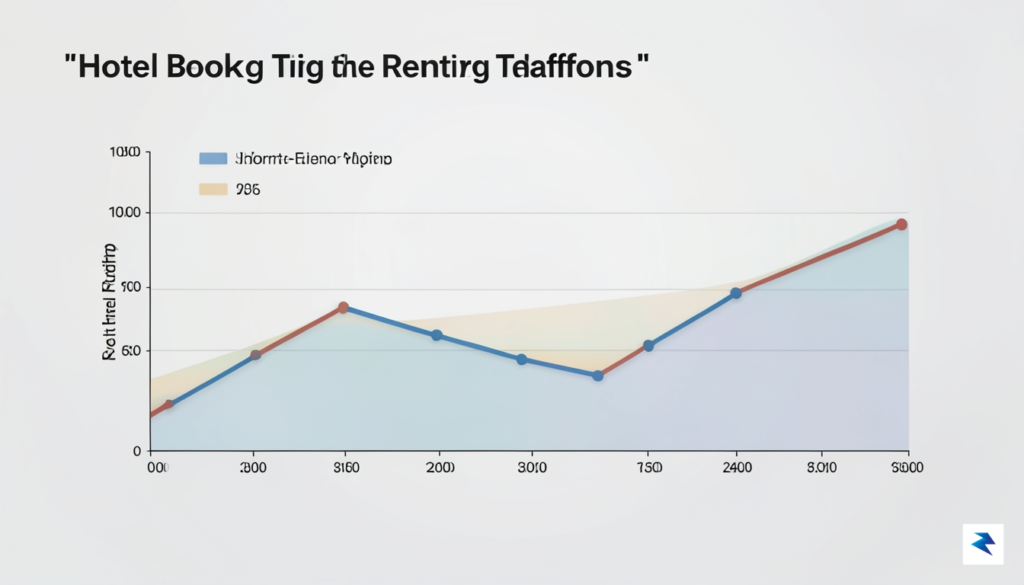
The anticipation surrounding the tournament was built on the assumption that a massive influx of international visitors would necessitate a significant expansion in lodging capacity, creating a lucrative windfall for hotel staff. However, as the matches commenced, it became clear that the industry’s internal projections were drastically misaligned with the reality of traveler behavior. A primary driver of this discrepancy was the widespread perception of price gouging, as hotels inflated their nightly rates to levels that effectively alienated the average fan. Instead of capitalizing on high demand, these aggressive pricing strategies acted as a deterrent, pushing budget-conscious supporters toward more affordable, albeit unconventional, lodging solutions.
This shift in consumer behavior significantly benefited the short-term rental market, which proved far more agile than traditional hospitality chains. Platforms like Airbnb and Vrbo successfully captured a substantial portion of the market share that hotels had banked on securing. Many fans found that renting local apartments or homes provided not only a more cost-effective alternative but also a more immersive cultural experience, allowing them to bypass the sterile environment of a luxury hotel. Because these platforms offer greater flexibility in terms of space and communal amenities, they quickly became the preferred choice for groups traveling together, effectively draining the potential revenue that hotels had desperately anticipated.

Beyond the cost and competition factors, the geographic distribution of match venues played a critical role in limiting hotel stays. The specific scheduling of games meant that many fans were only in a city for a fleeting 48-hour window, rather than committing to the multi-night stays that hotels rely on to maximize occupancy. Furthermore, because matches were dispersed across various regions, visitors were constantly on the move, opting for logistical efficiency over the permanent base of a traditional hotel. This nomadic style of tourism meant that while some areas saw brief spikes in activity, the sustained, high-occupancy rates required to support increased staffing hours simply never materialized.
The failure of the hotel sector to capture the World Cup surge serves as a cautionary tale about the disconnect between corporate pricing models and the actual priorities of modern, value-conscious international travelers.
Ultimately, the lack of demand was a structural failure rather than a lack of interest in the sport itself. By prioritizing short-term profit margins through exorbitant room rates, the traditional hotel industry inadvertently accelerated the adoption of decentralized lodging alternatives. When coupled with the logistical challenges posed by the match schedule, it becomes evident why the anticipated economic boom for hotel workers remained firmly in the realm of a mirage.

For the thousands of housekeepers, porters, and front-desk personnel who serve as the backbone of the hospitality industry, the promise of a global sporting spectacle was never just about a busy lobby or a full house—it was a lifeline. Many staff members had spent months meticulously planning their household budgets around the anticipated surge in gratuities and overtime pay, viewing the event as a necessary windfall to offset the rising cost of living. When the expected influx of travelers failed to materialize, the disappointment wasn’t merely professional; it was deeply personal. For these workers, the absence of guests is not a distant corporate statistic, but a concrete barrier to meeting basic financial obligations like rent, utilities, and grocery bills.

The situation is further exacerbated by the volatile nature of hospitality scheduling. Many staff members exist in a state of perpetual “on-call” uncertainty, where shifts can be slashed or canceled with little more than a few hours’ notice based on real-time occupancy fluctuations. This lack of predictability makes it nearly impossible for families to plan their finances, as a worker might arrive for a shift only to be sent home early, effectively stripping them of hours they had already counted on to make ends meet. This precarious arrangement turns the workplace into a source of chronic stress, where the boundary between financial stability and mounting debt is defined entirely by the ebb and flow of guest arrivals.
“We were told to prepare for a marathon of work, to clear our schedules and brace for the rush. When the guests didn’t show, I didn’t just lose potential overtime; I lost the ability to cover my rent for the month. It feels like we were promised a recovery that was never actually coming.”
Beyond the immediate strain on bank accounts, there is a profound psychological toll to this dashed expectation. Living through the cycle of anticipation, preparation, and subsequent letdown has left many feeling discarded by the very industry they sustain. When an event marketed as a global economic boon fails to trickle down to the service level, it reinforces a sense of fragility among staff who already operate on thin margins. The silence in the hallways of these hotels serves as a stark reminder that while the macro-economic goals of the tournament may have been met by organizers and investors, the individual worker is left to navigate the silence, stretching a paycheck that was never bolstered by the boom they were told to expect.

The hotel industry often serves as the primary anchor for a city’s tourism ecosystem, acting as a gateway through which global capital flows into local pockets. When hospitality businesses thrive, they create a vast, intricate supply chain that sustains countless ancillary services. However, when occupancy rates plummet during a global event like the World Cup, the shockwaves are felt far beyond the front desk. Local laundry facilities, which rely on the daily churn of high-volume linen services, find themselves operating at a fraction of their capacity. Simultaneously, independent restaurants and cafes—which typically stock up on extra inventory and staff in anticipation of an influx of hungry travelers—are left with bloated overhead costs and rotting produce, forcing many to tighten their belts or reduce their operating hours to survive the quiet spell.
Beyond the immediate supply chain, the failure of the anticipated tourist boom creates a significant fiscal void for the host city. Municipal governments often rely heavily on hotel occupancy taxes to fund public infrastructure projects, community programs, and emergency services. When thousands of hotel rooms remain vacant, that projected tax revenue evaporates, creating a budgetary shortfall that can delay essential city improvements. This fiscal misalignment effectively turns the “economic opportunity” of hosting a major sporting event into an unexpected liability for local taxpayers. The promise of a windfall—often used to justify the initial high costs of hosting—is replaced by the reality of a quiet, underutilized city center.
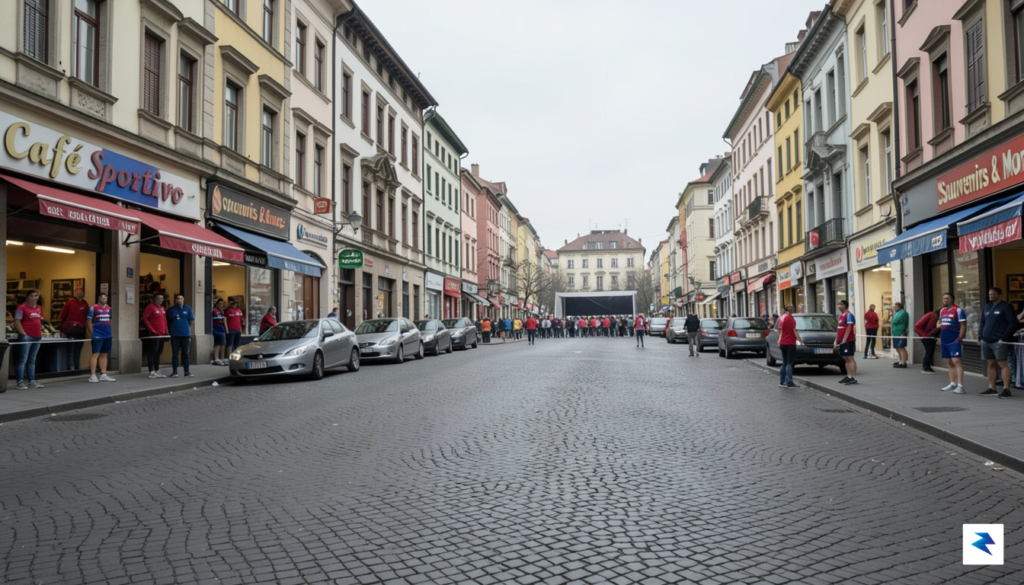
In response to this stagnation, small business owners are being forced to pivot their operational strategies with remarkable speed. Rather than banking on a massive surge of international visitors, many local entrepreneurs are shifting their focus back toward resident loyalty programs and localized marketing campaigns to stabilize their daily revenue. Some have opted to scale back inventory management systems to prevent waste, while others are diversifying their service offerings to cater to a local customer base that had been ignored in favor of the expected tourist influx. This adaptation highlights a sobering trend: when large-scale events fail to deliver on their economic promises, the burden of resilience falls squarely on the shoulders of local small businesses, who must innovate or risk insolvency in the absence of the predicted foot traffic.
The true cost of the World Cup isn’t measured just in empty hotel rooms, but in the stalled circulation of capital that fuels the daily livelihood of the city’s entire service-oriented workforce.
Ultimately, the disconnect between the spectacle of the event and the reality of local commerce serves as a cautionary tale for future host cities. The reliance on a singular, fleeting influx of tourists ignores the fragility of the service economy, which requires steady, predictable demand rather than a volatile spike. By over-investing in hospitality infrastructure without ensuring a diversified economic buffer, host cities often find that the “mirage” of a World Cup boom leaves them more exposed to financial instability than they were before the first whistle blew.

As host cities prepare for the 2026 World Cup, the disappointing reality experienced by hospitality staff serves as a sobering blueprint for what needs to change. The persistent reliance on speculative tourism projections—which frequently overestimate visitor spending and hotel occupancy—has created a volatile environment for the very people tasked with maintaining a city’s infrastructure. To avoid repeating these cycles of feast and famine, urban planners and hospitality stakeholders must pivot toward data-driven, conservative forecasting that accounts for the displacement of local residents and the unpredictable shifts in tourist behavior. By integrating labor representatives into the earliest phases of event planning, cities can ensure that human resource needs are calculated with precision rather than based on idealistic marketing goals.
Implementing systemic policy changes is essential to protect the workforce during the turbulence of global spectacles. Host cities should consider mandating “event-duration labor agreements,” which guarantee minimum hours or financial stipends for service staff if the anticipated influx of tourists fails to materialize. Such measures would shift the financial risk away from the low-wage workers who currently bear the burden of corporate optimism. Furthermore, creating a localized social safety net—such as emergency grants or subsidized transit and childcare—would provide a buffer for workers whose shifts are canceled at the last minute due to fluctuating demand. Without these structural protections, the “economic boom” promised by organizers will continue to bypass the hands that make the event possible.
The true measure of a successful global event should not be the total revenue captured by hotel conglomerates, but the sustained stability and well-being of the local workforce that powers the entire ecosystem.
Moving forward, the industry must embrace more flexible labor models that prioritize worker agency over the rigid, top-down structures that characterize current event management. This could involve cross-training hospitality staff to transition between venue-based roles and hotel operations, allowing for a more fluid allocation of labor as demand shifts across a city. By fostering partnerships between tourism boards, private hotel groups, and labor unions, cities can create a more resilient labor market capable of weathering the inevitable ebbs and flows of mega-event cycles. Ultimately, the evolution of event planning depends on recognizing that tourism is not a standalone financial engine, but a social project that requires the long-term commitment of a secure, respected, and fairly compensated workforce.

You must be logged in to post a comment.