
HyperTexting: The New App Turning the Open Web Into Your Personal Feed
The Evolution of Content Consumption For decades, the internet has existed as a sprawling, decentralized archipelago of isolated destinations.…
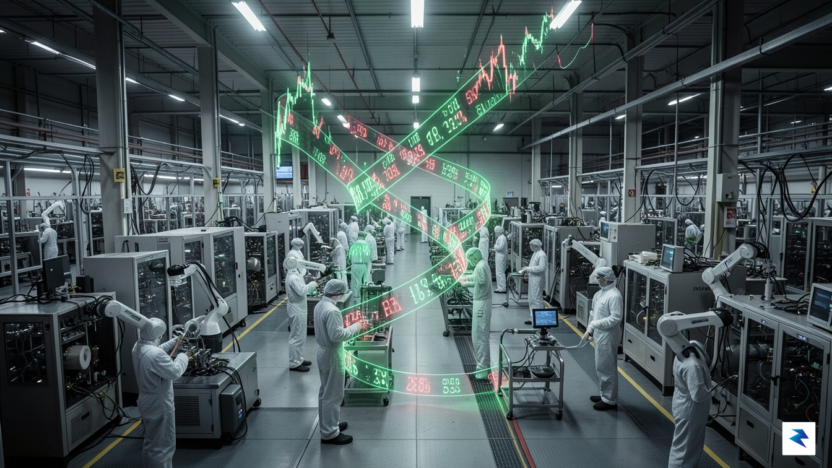
The staggering $26.5 billion valuation secured by SK Hynix in this record-breaking initial public offering represents far more than just a massive injection of capital; it serves as a definitive turning point in how global financial markets perceive the engine room of the artificial intelligence revolution. While previous tech IPOs were often defined by the promise of scalable software platforms or consumer-facing digital ecosystems, this listing underscores a fundamental migration of capital toward the physical bedrock of AI. By dwarfing the size of most historic tech market entries, the offering signals that institutional investors now view high-performance hardware as the primary bottleneck—and therefore the most valuable asset—in the race to dominate generative AI.

At the heart of this financial surge is the explosive demand for High Bandwidth Memory (HBM). As companies like NVIDIA continue to refine their AI accelerators, the need for memory chips that can process vast datasets with near-instantaneous speed has reached a fever pitch. Unlike traditional DRAM, which powered the era of personal computing and smartphones, HBM is architected specifically to feed the insatiable appetite of large language models and neural networks. Investors are essentially betting that as long as the AI arms race continues, the manufacturers of these specialized, high-density memory stacks will command a level of pricing power and consistent demand that far exceeds the volatility of the cyclical consumer electronics market.
The transition from consumer-grade demand to enterprise-grade AI infrastructure investment marks a structural change in the semiconductor industry, moving from a commodity-based market to one defined by specialized, mission-critical hardware.
This shift represents a departure from the traditional boom-and-bust cycles that have historically characterized the memory chip industry. Previously, the market was tethered to the upgrade cadences of laptops and mobile phones, leading to significant inventory swings and price instability. Now, the pivot toward enterprise-grade AI infrastructure—such as massive data center clusters and cloud-based training arrays—has created a more reliable, long-term horizon for growth. By pouring capital into SK Hynix, the market is signaling confidence that the current AI expansion is not merely a transient trend, but a multi-decade industrial transition that requires a permanent, robust foundation of hardware capacity. This record-breaking IPO is the clearest indicator yet that the “pick and shovel” suppliers of the AI era have finally become the most valuable players in the global tech landscape.

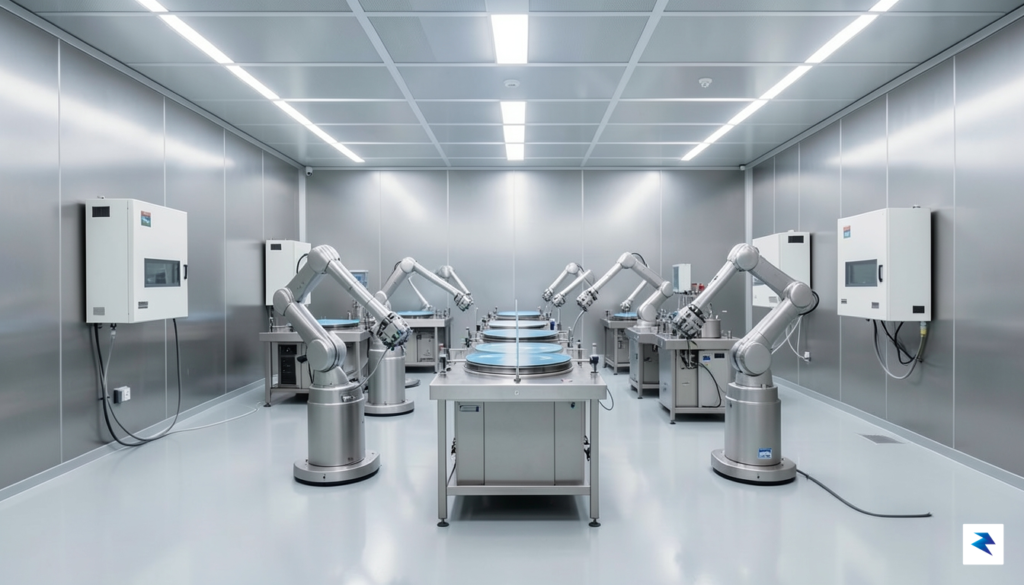
The shift toward domestic semiconductor production represents a fundamental pivot in how global powers perceive industrial stability. For years, the reliance on concentrated manufacturing hubs in East Asia allowed for unparalleled efficiency, yet it also created a precarious single point of failure in the global technology supply chain. By introducing the CHIPS and Science Act, the United States has signaled that the era of “just-in-time” globalized logistics is being superseded by a strategy of “just-in-case” national resilience. For giants like SK Hynix, this pressure to localize is not merely a request but a core condition for maintaining long-term, frictionless access to the massive American market, which remains the primary engine for AI-driven demand.
However, the transition to US-based manufacturing is fraught with significant economic and logistical hurdles. Building a state-of-the-art memory fabrication plant, or “fab,” requires not only billions of dollars in capital expenditure but also a highly specialized ecosystem of chemical suppliers, logistics infrastructure, and a deep pool of engineering talent. Unlike the highly concentrated industrial clusters in South Korea, where supply chains are physically proximal and deeply integrated, the US landscape requires a fundamental rebuilding of the supporting industrial base. Furthermore, the higher labor and operational costs associated with American construction and production present a challenge to the profit margins that these firms have carefully cultivated over decades of optimized Asian operations.
Technological sovereignty is no longer an abstract economic theory; it is the cornerstone of modern national security policy.
Ultimately, the drive for domestic production is rooted in the concept of technological sovereignty. The US government views memory chips—the fundamental building blocks of data centers, AI training clusters, and defense systems—as critical infrastructure that cannot be left vulnerable to geopolitical volatility. By incentivizing companies like SK Hynix to move their advanced packaging and memory manufacturing onto American soil, the government aims to insulate its most sensitive technological sectors from potential overseas disruptions. As these companies navigate the delicate balance between their historical operational strengths and the new mandates of the American market, the outcome will likely define the future of the global AI hardware race for the next generation.

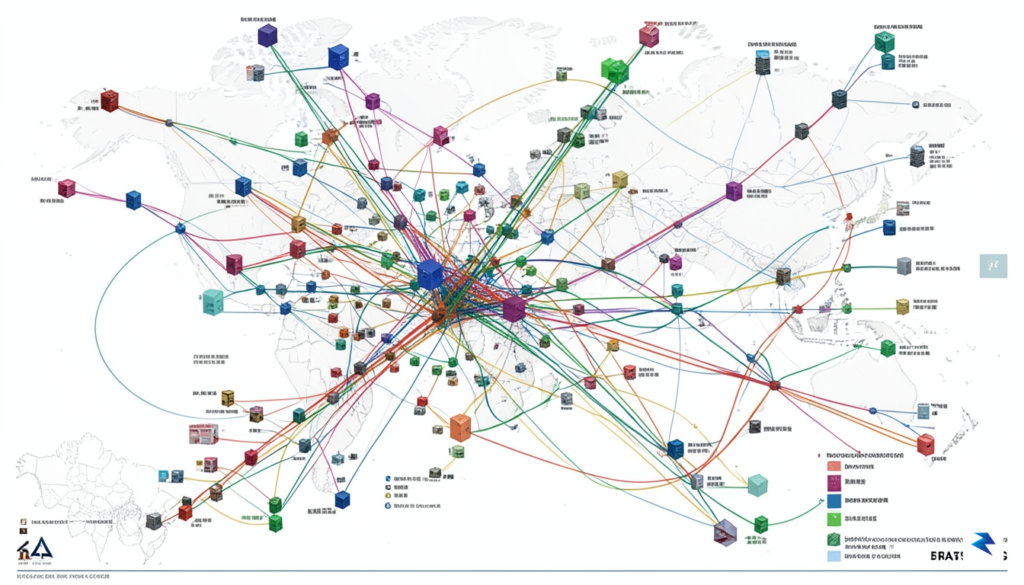
The global semiconductor industry currently finds itself at the epicenter of a complex geopolitical struggle, often dubbed the “chip wars.” Companies like SK Hynix, a South Korean giant and a cornerstone of the world’s memory chip supply, are navigating an increasingly treacherous landscape defined by competing national interests and technological supremacy. At its core, the greatest challenge facing these firms is the delicate act of balancing international trade requirements and the imperative of maintaining efficient, globally distributed supply chains, all while contending with stringent US export controls and escalating security demands. This intricate dance requires strategic foresight and adaptability, as decisions made today will reverberate throughout the industry for decades.
Historically, the semiconductor sector thrived on a highly specialized and interconnected global supply chain, optimizing for efficiency and cost-effectiveness by leveraging expertise wherever it resided. However, this model is now under immense pressure from a concerted push towards regionalization, driven primarily by the United States. The goal is to onshore critical manufacturing capabilities or “friend-shore” them to allied nations, reducing reliance on potentially adversarial regions and enhancing national security. For South Korean companies like SK Hynix, this presents a significant dilemma: how to maintain the economic advantages of their existing global footprint, including deep ties to the vast Chinese market, while simultaneously aligning with the geopolitical priorities of the US, a crucial technology provider and strategic partner. The tension between these opposing forces dictates investment strategies, partnership formations, and even the very location of future production facilities.
Adding another layer of complexity are the stringent US export controls, particularly those aimed at curbing China’s access to advanced semiconductor technology. These regulations directly impact what equipment and intellectual property South Korean firms can use and where they can sell their most cutting-edge products, effectively putting them in the crosshairs of US-China trade friction. South Korea, with its robust manufacturing capabilities and significant economic reliance on both the US and China, is acutely exposed to this geopolitical tug-of-war. Firms are forced to re-evaluate long-standing business relationships and supply chain configurations, often needing to choose between market access and technological compliance. This is not merely a matter of logistics; it profoundly influences research and development roadmaps, product design, and overall market strategy, compelling companies to make difficult decisions that could shape their long-term viability.
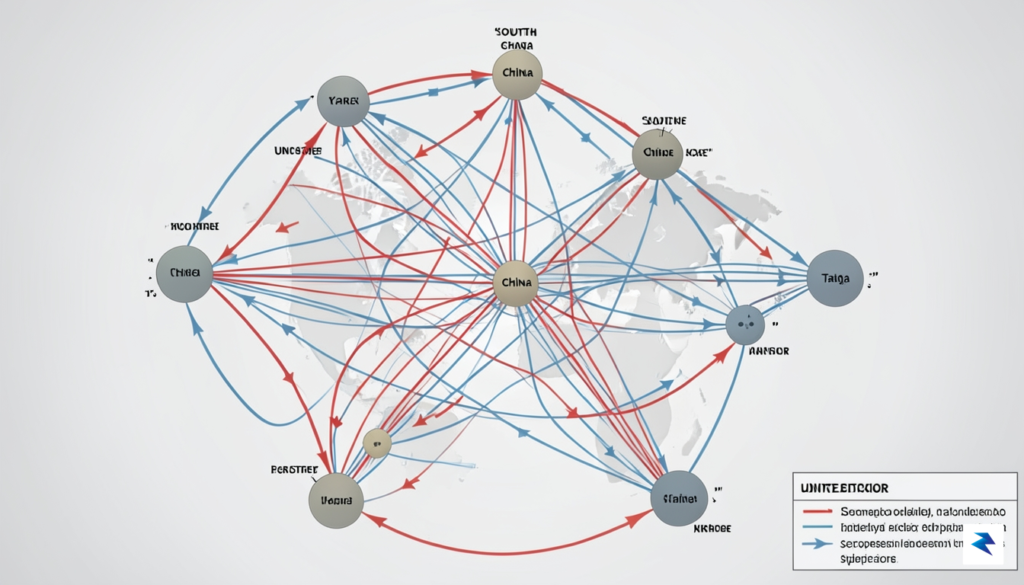
In this volatile environment, the recent record-breaking capital infusion for SK Hynix becomes more than just a financial transaction; it’s a strategic lifeline. This substantial funding provides the company with the necessary resources to proactively address these geopolitical pressures by diversifying its manufacturing footprint. By investing in new fabrication plants (fabs) outside of existing zones of contention, potentially in the United States or other allied nations as urged by policymakers, SK Hynix can enhance its supply chain resilience and reduce its exposure to region-specific risks. This strategic expansion allows the company to meet the demands for regionalization and comply with US security requirements without necessarily alienating key stakeholders in other markets. Ultimately, this capital enables a more agile and geopolitically compliant operational model, essential for maintaining its competitive edge and ensuring long-term growth in an increasingly fragmented global technology landscape.
The injection of $26.5 billion into SK Hynix’s balance sheet represents far more than a simple capital raise; it is a strategic pivot point that will likely reshape the memory semiconductor hierarchy for the next decade. By securing this unprecedented level of liquidity, the company is now empowered to aggressively accelerate its capital expenditure plans, prioritizing the rapid scaling of high-bandwidth memory (HBM) production—the lifeblood of modern artificial intelligence processors. While much of this funding will inevitably flow into massive, state-of-the-art factory infrastructure, a significant portion is earmarked for cutting-edge R&D aimed at refining next-generation DRAM architectures. This dual-pronged strategy ensures that SK Hynix does not merely keep pace with Samsung and Micron but actively dictates the technological roadmap for the industry.
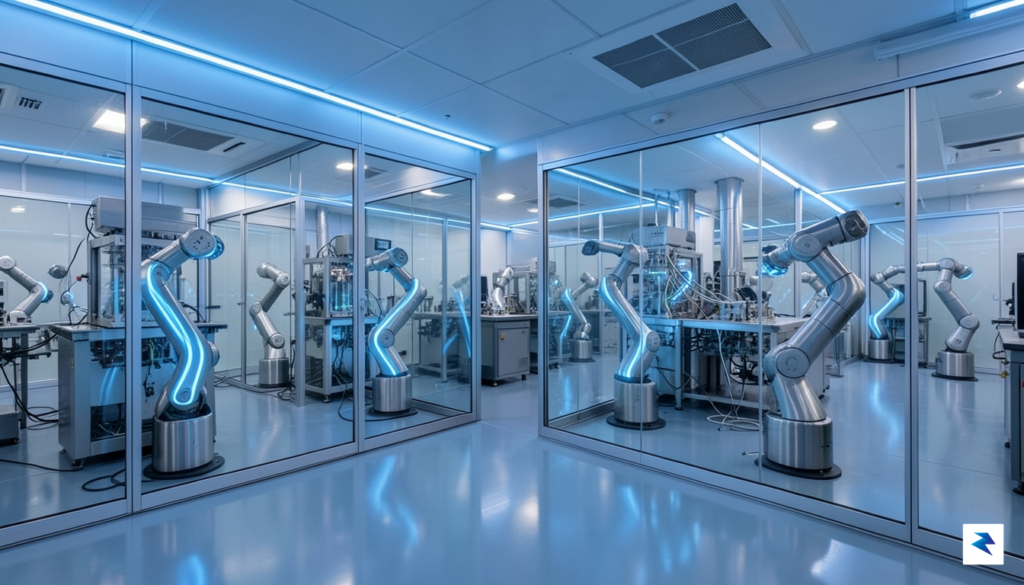
From a competitive standpoint, this infusion of capital creates a formidable barrier to entry for smaller players while putting immense pressure on the current market leaders. As SK Hynix expands its manufacturing footprint, it moves closer to achieving the economies of scale necessary to lower the unit cost of high-performance memory. For enterprise clients and massive data center operators, this shift is critical; a more robust and efficient supply chain could eventually stabilize the volatile pricing of AI-capable hardware. When memory production capacity outstrips the current supply-demand imbalance, we can expect to see a more predictable pricing model for the enterprise-grade GPUs and AI accelerators that rely on SK Hynix’s specialized chips.
The ability to fund massive capacity expansion simultaneously with next-generation R&D provides SK Hynix with a distinct competitive advantage, effectively forcing rivals to reconsider their own capital allocation strategies to maintain market share.
Ultimately, the long-term impact of this IPO will be felt by consumers and businesses alike through the democratization of AI-powered technologies. As production costs decline and supply chains become more resilient due to these new, well-funded fab projects, the premium currently associated with high-performance memory will likely begin to erode. This normalization of costs is the engine that will fuel the next wave of innovation, allowing AI to move from experimental enterprise tools into more affordable, widely accessible consumer applications. By transforming its balance sheet, SK Hynix is effectively laying the financial foundation for a global semiconductor ecosystem that is faster, more efficient, and better equipped to meet the insatiable demands of the AI era.

The recent unprecedented capital injection into the semiconductor industry, exemplified by a record-breaking foreign IPO, coupled with strong governmental pushes for domestic manufacturing, signals a pivotal moment for the future of artificial intelligence. This confluence of massive financial backing and strategic national mandates is not merely a fleeting trend but rather a foundational shift, pointing towards a long-term maturation of the AI hardware industry. We are witnessing the establishment of a robust, geographically diversified infrastructure that promises both enhanced stability and accelerated innovation across the entire AI ecosystem for the decade ahead, profoundly reshaping how AI technologies are developed, deployed, and consumed globally.
For investors, this landscape presents a nuanced but compelling picture. While the semiconductor sector has historically been characterized by cycles of boom and bust, often prone to significant volatility, the current era distinguishes itself through an unparalleled demand driven by the insatiable appetite for AI processing power. This steady, escalating demand, now buttressed by substantial capital investment and strategic governmental support for supply chain resilience, provides a stronger underlying fundamental for growth. Therefore, while short-term fluctuations in chip stocks are always a possibility given market dynamics, the long-term outlook for companies positioned at the forefront of AI chip design and manufacturing appears increasingly stable, offering considerable potential for those willing to invest with a strategic, forward-looking perspective.
Ultimately, this significant influx of capital and the global imperative to build new, advanced manufacturing facilities are creating a tangible, physical foundation that will underpin the next wave of digital transformation. It’s not just about producing faster chips; it’s about ensuring the reliable, secure, and scalable availability of the core computational power necessary for AI to move beyond specialized applications and integrate deeply into every facet of our lives. From powering advanced robotics and autonomous systems to accelerating breakthroughs in healthcare, personalized learning, and climate modeling, the ‘AI chip boom’ is laying down the literal bedrock for an era where intelligent technologies will redefine industries and elevate human potential. This infrastructure build-out represents an enduring legacy, ensuring that the digital innovations of tomorrow have a robust, resilient physical home.
You must be logged in to post a comment.