Apple Sues OpenAI: A High-Stakes Battle Over AI Trade Secrets
The Escalating Conflict: Apple vs. OpenAI The landscape of Silicon Valley has been irrevocably altered by a bombshell legal filing that pits…

For years, Spotify’s Release Radar has stood as a cornerstone of weekly music discovery, a highly anticipated playlist that landed in users’ inboxes every Friday with the promise of fresh, relevant tracks. It quickly became a ritual for millions, offering a curated glimpse into the latest releases from artists they loved or those algorithmically deemed a perfect fit. This powerful feature, alongside Discover Weekly, cemented Spotify’s reputation as a leader in leveraging artificial intelligence to personalize the listening experience, transforming how we unearth new sounds and keep our playlists vibrant.
However, despite its undeniable utility and innovative spirit, the underlying mechanism of Release Radar—and indeed, much of Spotify’s algorithmic curation—often felt like a ‘black box.’ Listeners were presented with their tailored selections, but the intricate logic behind why certain songs appeared and others didn’t remained opaque. While incredibly powerful at surfacing unexpected gems, this ‘one-size-fits-all’ algorithmic approach had its inherent limitations. It sometimes struggled to distinguish between a casual listen and a deep affinity, occasionally recommending tracks from genres a user might have briefly explored but didn’t genuinely enjoy, or from artists whose newer material deviated significantly from their established preferences. This lack of granular control meant that even the most sophisticated algorithm couldn’t always perfectly capture the nuances of a listener’s current mood or evolving tastes, leading to moments of disconnect between the playlist and the listener’s actual desire.
In a significant evolution, Spotify is now moving to address these limitations by handing a crucial part of the curation reins back to the listener. This shift isn’t merely about adding new features; it’s a strategic acknowledgement that sustained user engagement and loyalty, particularly in a competitive streaming landscape, depend on empowering individuals with more agency over their experience. By enabling users to actively filter and fine-tune their Release Radar—perhaps by excluding specific genres, artists, or even entire moods—Spotify aims to enhance the relevance and satisfaction derived from each weekly drop. This move is designed to improve retention by making the discovery process feel more personal and less dictated, ensuring that the music presented truly resonates with what the user wants to hear, rather than just what a computer thinks they might.
This pivotal update strikes a crucial balance between the convenience of passive discovery and the satisfaction of active searching. Traditionally, users either relied on Spotify to push new music to them or took the initiative to seek it out manually. The enhanced Release Radar bridges this gap, offering the best of both worlds. Listeners can still lean on the algorithm’s vast data-crunching capabilities to unearth new releases, but now with the added layer of their own discerning preferences. It transforms the weekly playlist from a static, pre-packaged offering into a dynamic, adaptable tool that evolves with the listener’s input, fostering a deeper connection to the music and making the journey of discovery more intentional and rewarding. This marks a profound evolution in how we interact with our digital music libraries, moving beyond simple recommendations to a truly collaborative curation experience.
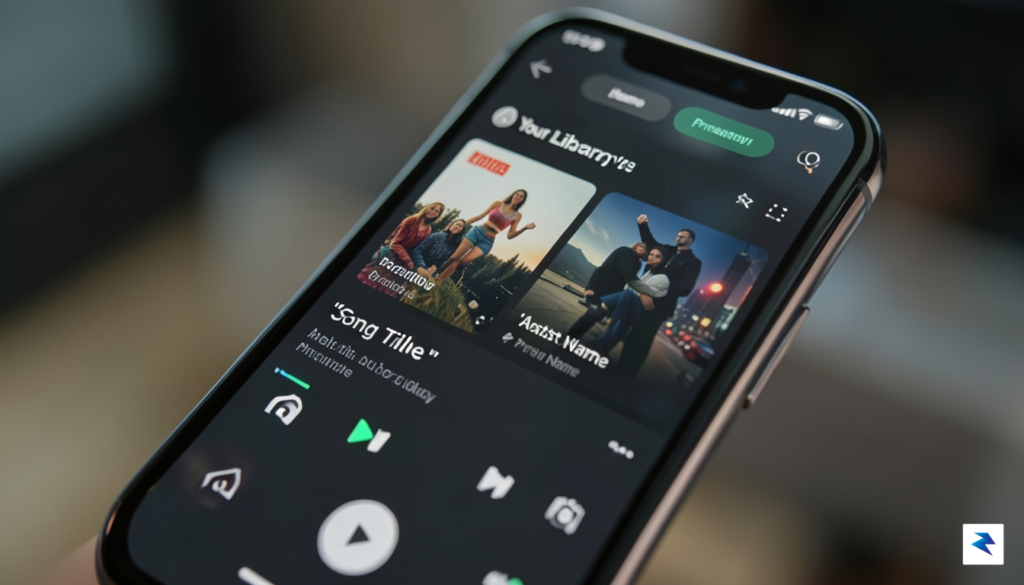
Navigating your personalized music discovery has never been more intuitive, thanks to the streamlined interface Spotify has integrated directly into your weekly playlist. To begin customizing your listening experience, simply open your Release Radar playlist on either the mobile app or desktop client. At the very top of the tracklist, you will immediately notice a series of pill-shaped filter buttons. By tapping or clicking these, you can instantly recalibrate the entire list of songs to better align with your current headspace, whether you are looking for a focused session with familiar favorites or a bold leap into uncharted sonic territories.
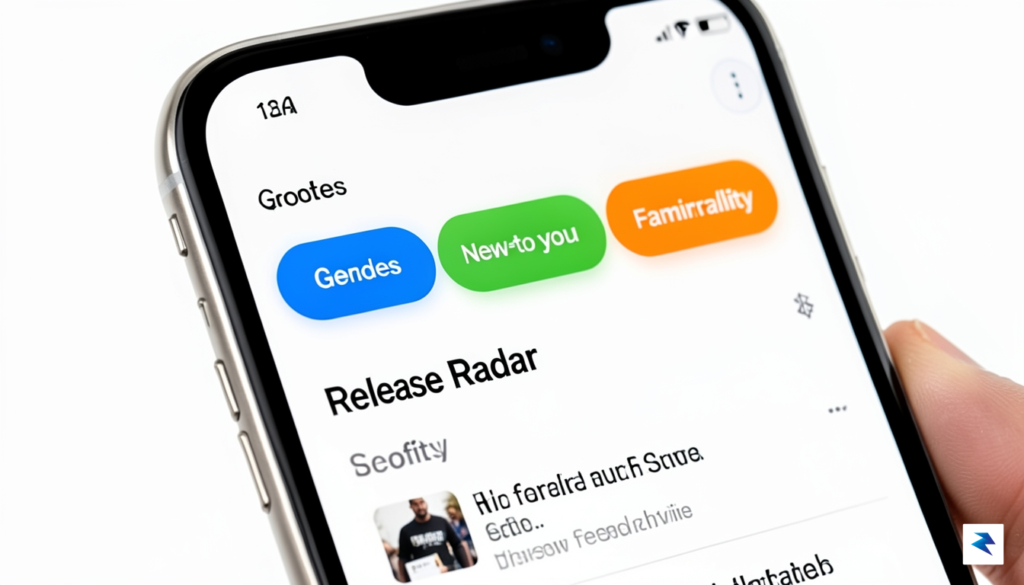
The functionality of these filters is designed for immediate, tangible impact on your discovery journey. The Genre filter allows you to narrow down the selection to specific styles you have been gravitating toward lately, ensuring that if you are in a high-energy electronic mood, your playlist doesn’t get cluttered with acoustic folk tracks. The New-to-you option is particularly powerful for those looking to expand their horizons; it hides the artists you already follow and highlights emerging talent or niche creators that the algorithm believes you will enjoy based on your past listening habits. Finally, the Familiarity toggle acts as a sliding scale for your comfort zone, allowing you to prioritize tracks from your absolute favorite artists or push the boundary with artists you have never heard before.
When you apply these filters, the playlist composition updates in real-time, stripping away the clutter and focusing exclusively on the specific criteria you have selected. This dynamic adjustment is perfect for listeners who find their tastes shifting throughout the week; you might start your Monday morning with familiar tracks from bands you follow, then toggle to a discovery-heavy view on a Friday afternoon when you have more time to explore new sounds. Because the changes are non-destructive and instantaneous, you are encouraged to experiment freely.
To get the most out of these controls, try toggling between ‘New-to-you’ and ‘Familiar’ during the same session. You will often find that the algorithm presents an entirely different side of your musical profile depending on which filter takes the lead.
If you find that one particular setting resonates with your current mood, do not hesitate to keep it active as you listen through the tracks. However, if the results feel slightly off-center, a quick tap on another filter button will refresh the sequence, providing a fresh perspective on the week’s new releases. By treating these buttons as a flexible toolset rather than a static menu, you take an active role in shaping the algorithm, helping it learn exactly what kind of content you want to see when you return next week.
The modern listener exists in a state of perpetual paradox: while we crave the thrill of hearing a track that perfectly captures our current mood, we are simultaneously overwhelmed by the sheer volume of content uploaded to streaming platforms every single day. This is the classic “Paradox of Choice,” where having an infinite catalog at our fingertips often leads to decision paralysis rather than musical fulfillment. We want to discover the next great artist, yet we are frequently deterred by the prospect of sifting through hours of algorithmic suggestions that simply don’t resonate with our sensibilities. By implementing granular control over our curated weekly selections, platforms are finally addressing the mental fatigue that accompanies the endless scroll.
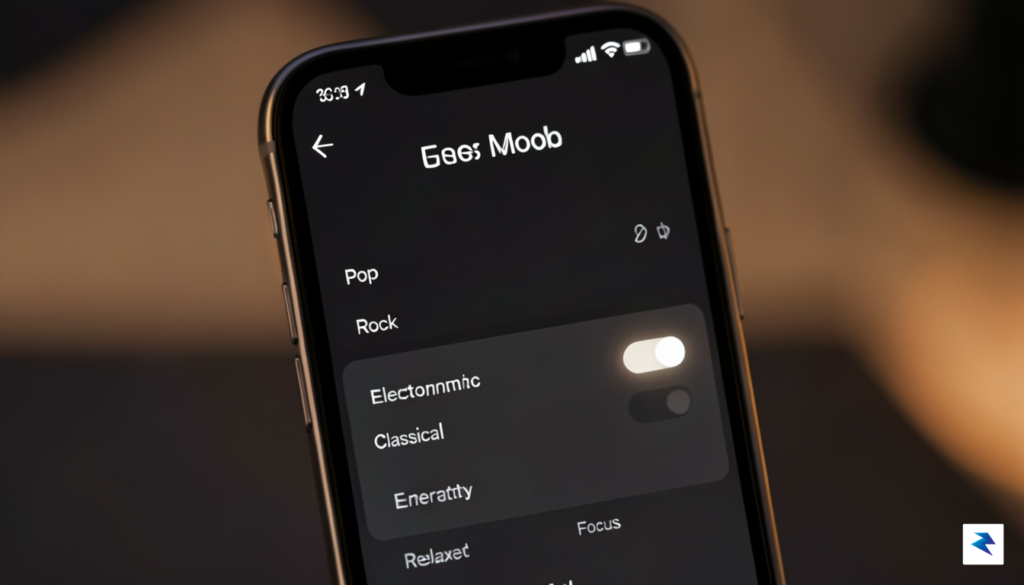
Genre-specific filtering acts as a necessary filter for the noise of the digital age, allowing listeners to prune the algorithmic clutter that often dilutes the quality of discovery. When an algorithm guesses incorrectly, it doesn’t just provide a bad song; it interrupts the emotional flow of a listening session and discourages the user from exploring further. By providing us with the agency to define our sonic boundaries, these new tools ensure that the discovery process feels intentional rather than accidental. This shift empowers the listener to curate their own environment, transforming a passive listening experience into an active, personalized journey through sound.
True music discovery isn’t about consuming more; it’s about finding the right connection at the right moment.
Finding a balance between discovery and rediscovery is the hallmark of a healthy listening habit. We often need the comfort of familiar melodies during high-stress periods, but we also require the freshness of unknown artists to keep our musical horizons expanding. These new fine-tuning capabilities allow us to strike that balance with precision. For instance, if you are deep into a focus-heavy work session, you might want to filter for ambient or instrumental tracks to keep your concentration intact without sacrificing the excitement of hearing something new. Conversely, during a high-intensity workout, you might narrow your parameters to high-tempo electronic or rock tracks, ensuring that every song in your queue provides the necessary energy to sustain your momentum.
Ultimately, these refinements represent a maturation of the streaming experience. By moving away from a “one-size-fits-all” approach to automated suggestions, listeners are no longer hostage to a black-box algorithm. Instead, we are becoming the architects of our own auditory landscapes, capable of weeding out the irrelevant to make space for the extraordinary. This evolution acknowledges that our musical identity is fluid and context-dependent, and it provides the necessary control to ensure that our weekly discovery sessions remain a source of inspiration rather than a chore of curation.

For years, the digital landscape was dominated by a “passive recommendation” model, where users were expected to simply accept what the algorithm deemed appropriate. In this era, platforms acted as black boxes, curating content through opaque processes that offered little transparency or room for human intervention. However, we are currently witnessing a seismic shift toward a “participatory recommendation” model. By allowing listeners to actively filter and influence the selection process, Spotify is moving away from a top-down dictate and toward a partnership. This transition acknowledges that music taste is fluid and personal, requiring more than just historical data to predict what a listener might enjoy on any given Friday.
This evolution in design is more than just a quality-of-life improvement; it serves as a sophisticated feedback loop that enhances the long-term accuracy of the platform’s artificial intelligence. When users provide explicit instructions—such as excluding certain genres or artists from their weekly discovery—they are essentially training the model with high-fidelity data. Instead of guessing based on fleeting clicks or skipped tracks, the AI gains a clearer understanding of the user’s true preferences. Over time, this collaborative refinement creates a more symbiotic relationship between the listener and the machine, resulting in a system that learns to respect the nuances of human taste rather than just mirroring past behavior.
One of the most significant advantages of this newfound control is the potential to dismantle the dreaded “filter bubble.” In a purely automated system, listeners often find themselves trapped in a feedback loop, hearing only variations of the same style or tempo, which can lead to musical stagnation. By providing the tools to manually adjust discovery parameters, listeners can deliberately push the algorithm outside of its comfort zone. This active participation encourages the discovery of diverse sounds that the algorithm might have previously ignored due to overly rigid categorization. Breaking these self-reinforcing cycles ensures that musical exploration remains dynamic, challenging, and fresh.
True personalization is not about the machine knowing the user better than they know themselves; it is about providing the user with the agency to define their own experience.
Looking ahead, this move suggests a future where personalization features will become significantly more granular. We can anticipate further developments where users might define “modes” for their listening sessions, such as a focus-oriented filter for work or an experimental filter for weekend discovery. As tech giants continue to prioritize transparency, the standard for media consumption will likely shift toward a “co-pilot” approach. In this future, our digital environments will no longer be static walls of content, but rather reactive, highly customizable spaces that evolve alongside our shifting tastes and evolving needs.

Treating your music streaming experience as a dynamic, two-way conversation is the most effective way to transform a generic list of songs into a truly personalized soundtrack. When you actively utilize new filtering tools to tune your weekly discovery, you are doing more than just skipping a track you dislike; you are effectively training the underlying neural networks that power your entire account. By signaling your preferences through these controls, you inform the algorithm about your evolving taste profiles, which cascades into better suggestions across your personalized mixes, radio stations, and even your daily homepage suggestions. Think of every interaction as a data point that helps the system understand the nuance between a casual listen and a genuine obsession.
Consistency is the secret ingredient to unlocking the full potential of these discovery engines. If you only interact with your personalized lists sporadically, the system lacks the continuous feedback loop required to adapt to your changing moods and preferences. Make it a weekly ritual to review your new music suggestions with intention, using the filtering tools to prune away genres or specific artists that no longer resonate with your current direction. Over time, this disciplined approach creates a self-reinforcing cycle where the platform becomes increasingly accurate, eventually minimizing the time you spend searching for music and maximizing the time you spend enjoying it.
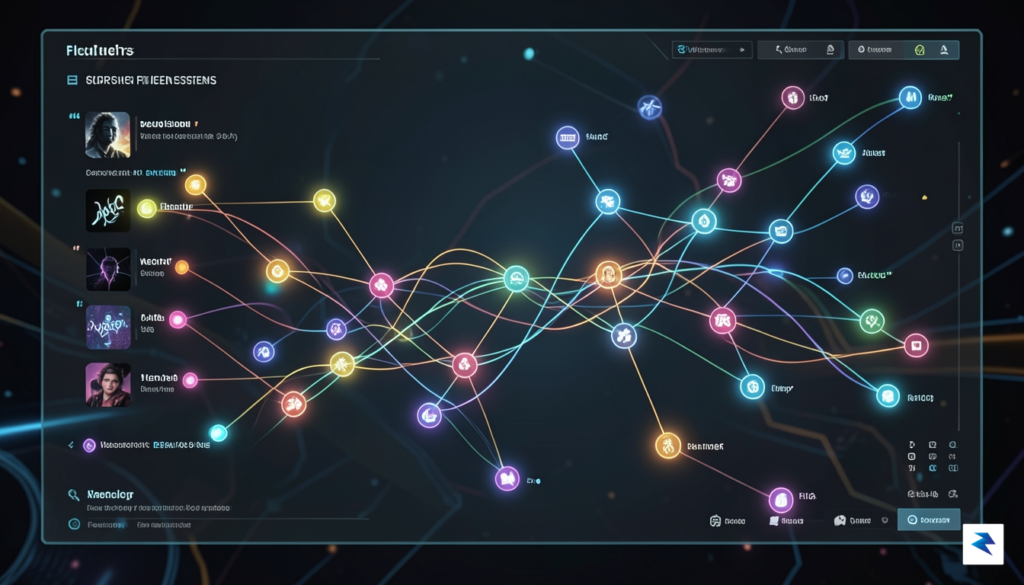
To further amplify your discovery, consider treating your weekly music arrival as just one piece of a larger ecosystem. Pairing these refined results with other discovery features—such as your hyper-personalized Daylist or the classic Discover Weekly—creates a robust pipeline of content that keeps your library fresh. While your weekly new release compilation focuses on the latest drops, tools like these other discovery features can help bridge the gap between obscure deep cuts and the current zeitgeist. Integrating these services together ensures that your listening habits remain diverse rather than trapped in a feedback loop of similar-sounding tracks.
The true power of modern streaming lies not in the size of the catalog, but in the precision of the curation; by curating the algorithm, you are essentially curating your own musical future.
As we look toward the future of digital audio, it is clear that music streaming is shifting from a passive consumption model to a highly tailored, concierge-like service. We are moving away from the era of “one size fits all” radio toward a reality where your music service is an extension of your own identity. By taking a proactive role today, you are ensuring that your digital music environment remains a source of joy and discovery rather than a static echo chamber. Staying engaged with these tools is the best way to ensure that as your taste shifts, your music library evolves right alongside you.
You must be logged in to post a comment.