
Spotify Release Radar: How to Take Control of Your Weekly Music Discovery
Understanding the Evolution of Spotify's Discovery Algorithm For years, Spotify's Release Radar has stood as a cornerstone of weekly…
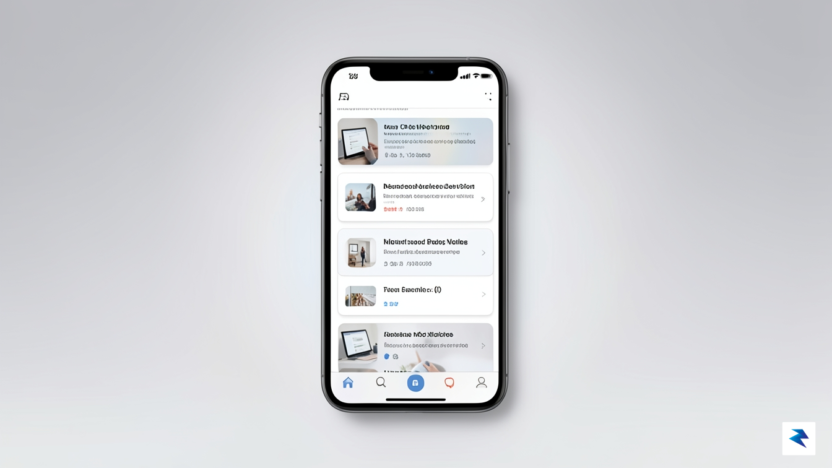

For decades, the internet has existed as a sprawling, decentralized archipelago of isolated destinations. Navigating this vast landscape has traditionally required a manual, high-effort approach: opening dozens of browser tabs, jumping between disparate bookmarks, and managing a constant stream of newsletters that clog our digital mailboxes. While this unorganized structure was once heralded as the ultimate expression of creative freedom, it has inadvertently birthed a modern phenomenon known as fragmentation fatigue. The cognitive load required to context-switch between dozens of distinct sites, each with unique layouts and navigation patterns, has left users exhausted, yearning for a more cohesive way to engage with the information they value most.
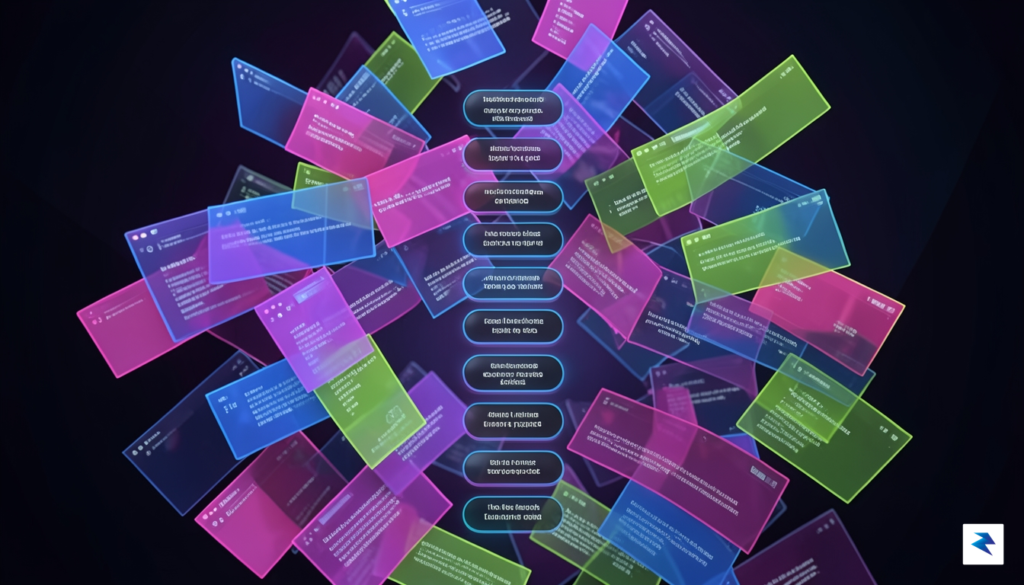
In stark contrast to this manual labor, the rise of algorithmic social platforms revolutionized how we digest information. By distilling the complexity of the web into a continuous, frictionless, vertical scroll, platforms like Twitter and TikTok fundamentally altered our psychological relationship with content. These environments transformed the act of reading from an intentional, active search into a passive, lean-back experience. Users no longer need to hunt for updates; instead, the information comes to them, delivered in a predictable rhythm that honors the human craving for seamless discovery. This shift toward an immersive, infinite stream has made the traditional, fragmented web feel like a relic of a slower, more cumbersome era.
The modern user is no longer willing to sacrifice their mental energy to navigate a clunky web; they demand an experience that feels as intuitive and fluid as a conversation.
The core issue lies in the structural mismatch between how we want to consume ideas and how the open web is currently built. When we move from a curated social feed to a traditional website, the friction is palpable; we are forced to reorient ourselves, deal with varying levels of intrusive advertising, and navigate cluttered sidebars that distract from the core message. This friction is not just a minor annoyance—it is a barrier to entry that prevents meaningful engagement with long-form ideas and independent voices. We have reached a point where the open web must adapt to these new consumption habits, reconciling its inherent breadth with the streamlined, high-engagement interface that users have come to expect as the industry standard. By bridging this gap, we can finally reclaim the richness of the open internet without the exhausting overhead of managing a dozen separate digital destinations.
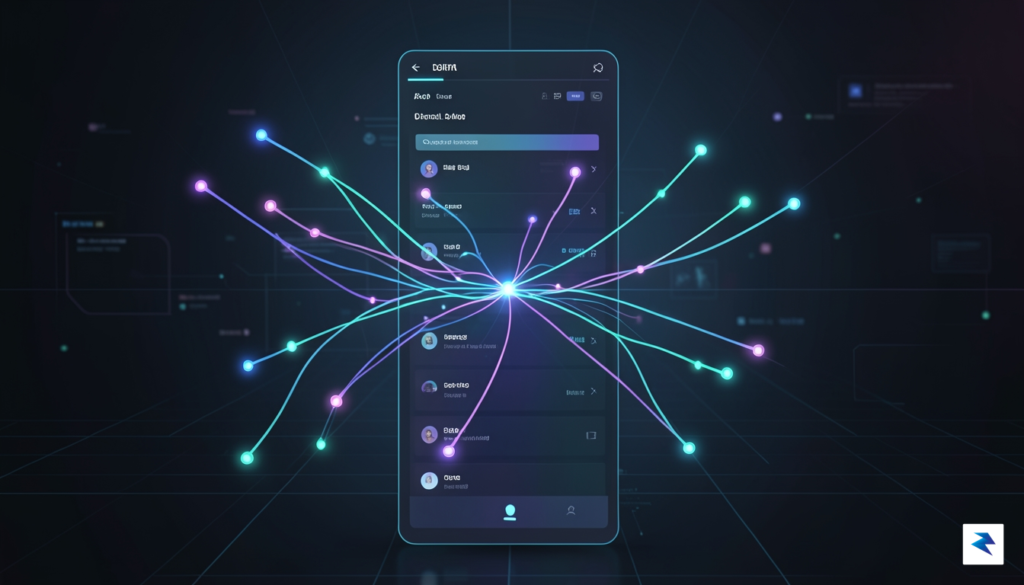
The digital landscape has long been bifurcated between the vast, chaotic expanse of the open web and the curated, addictive structures of social media platforms. HyperTexting effectively dismantles this wall, reimagining how we consume information by transforming static URLs into a dynamic, fluid timeline. Instead of manually navigating from site to site, bookmark to bookmark, or tab to tab, the application processes diverse digital content—ranging from long-form investigative blogs and intimate newsletters to episodic audio broadcasts—and presents them within a singular, cohesive interface. This creates a familiar, frictionless experience that feels as intuitive as checking your favorite timeline, yet it remains entirely untethered from the restrictive algorithms of traditional platforms.
At its core, this functionality turns the browsing experience into an active, vertical journey. Rather than dealing with the fragmented nature of the modern internet, where every destination demands a new mental context switch, users are presented with a seamless flow of information that adapts to their personal preferences. The technology behind this interface intelligently parses the structural elements of disparate websites, extracting the essential text, imagery, and media components, and reassembling them into a unified, scrollable format. Consequently, the act of reading a deep-dive essay feels just as fluid as watching a short video or listening to a clip, effectively leveling the playing field between different media formats.
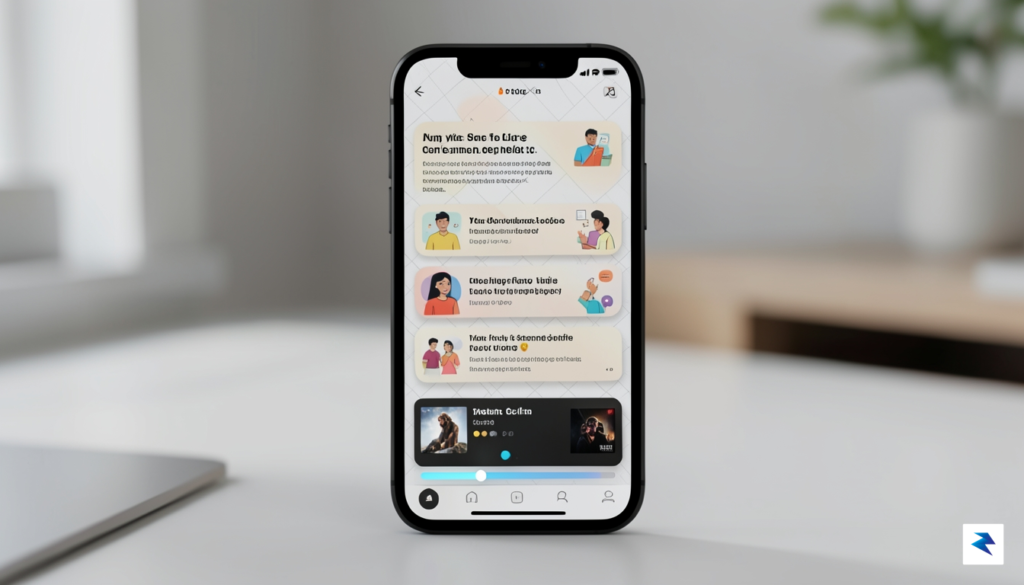
The true power of this approach lies in the user experience of the multi-source timeline. By stripping away the navigational clutter—the sidebars, the aggressive pop-ups, and the inconsistent formatting that plagues the modern web—the app invites users to focus entirely on the content itself. Because the environment is uniform, the transition between a thought-provoking newsletter and an insightful podcast episode is virtually imperceptible. This continuity encourages a deeper level of engagement, as users no longer have to exert the cognitive effort required to find and load new pages. Instead, they can simply keep scrolling, treating the entire internet as a personalized, ever-evolving publication tailored specifically to their intellectual interests.
By shifting the focus from individual websites to a unified stream of content, the application empowers users to reclaim their attention from the walled gardens of Big Tech while losing none of the convenience they have come to expect.
Furthermore, the integration of diverse media types into a single vertical stream represents a significant leap forward in information consumption. By treating a podcast episode with the same visual weight as a text-based article, the application creates a holistic environment where media is no longer siloed by its file type or hosting domain. Users can effortlessly glide through their day, catching up on professional insights, creative long-reads, and auditory commentary in one continuous motion. This design philosophy not only honors the diversity of the open web but also makes it significantly more manageable, proving that one does not need a walled garden to enjoy a high-quality, streamlined discovery experience.

For too long, our digital presence has been held hostage by the walled gardens of major social platforms. When you post to a corporate-owned network, you aren’t building a digital home; you are merely renting space on a server that can change its algorithms, policies, or existence at a moment’s notice. HyperTexting shifts this paradigm by embracing the POSSE philosophy: Publish Own Site, Syndicate Elsewhere. This approach encourages users to post their content directly to their own personal websites first, ensuring that the primary copy of your thoughts, photos, and ideas remains under your exclusive control. By utilizing the open web as your primary publishing destination, you effectively bypass the limitations of platform-locked profiles.
The beauty of this model lies in the profound difference between a rented audience and an owned digital estate. On traditional social media, your followers are technically the platform’s users, and you are subject to the whims of engagement-driven ranking systems that often bury your voice to serve advertisers. Conversely, when you publish to your own domain, you are building a persistent archive that exists independently of any third-party company. This ownership provides a sense of permanence that is impossible to achieve on transient social feeds. Whether a specific app remains popular or fades into obscurity, your content persists on your domain, accessible to anyone who visits your corner of the internet.
Your domain is the only piece of digital real estate you truly own. Every other platform is just a temporary lease on a crowded, noisy street.
HyperTexting simplifies this once-technical workflow by acting as a bridge between your personal site and the interactive world. Instead of forcing you to choose between the visibility of a feed and the integrity of your own site, the application automates the process of broadcasting your content outward. It handles the heavy lifting of syndication, allowing you to focus on the act of creation rather than the logistics of cross-posting. By treating your website as the authoritative source, the app turns the open web into a vibrant, scrollable experience that feels as intuitive as a social network, yet remains rooted in the principles of individual autonomy.
Ultimately, reclaiming your digital identity is about more than just convenience; it is about ensuring your voice remains yours, regardless of where it is consumed. When you prioritize domain control, you insulate yourself from the sudden shifts in corporate priorities that have historically silenced users or erased years of content. By fostering an environment where users maintain sovereignty over their data, we can build a healthier, more resilient web. This transition toward personal ownership doesn’t just protect your past contributions—it creates a sustainable foundation for your future digital footprint, ensuring that your ideas remain discoverable and portable in an increasingly fragmented online landscape.

Transforming the infinite, chaotic landscape of the open web into a streamlined, uniform experience is a monumental engineering challenge. The internet was never designed to be consumed as a singular, cohesive stream; rather, it is a vast collection of disparate structures, ranging from clean, semantic HTML documents to complex, script-heavy media platforms. To bridge this gap, the underlying technology must act as a sophisticated translator, capable of normalizing wildly different data layouts into a singular, predictable format. This process requires advanced parsing engines that do more than just scrape text; they must intelligently interpret the intent of a webpage to preserve the original author’s voice while stripping away the visual clutter that typically hinders mobile consumption.
Central to this normalization process is the extraction and standardization of metadata. Every site on the web speaks a different language in terms of structure, which makes consistency difficult to achieve without a robust framework for identifying key elements like titles, publication dates, and embedded media assets. By leveraging modern web standards such as Open Graph and Schema.org, the technology identifies the core narrative of a page, ensuring that the essence of the content remains intact during the transformation. This metadata-first approach allows for high-fidelity rendering, providing a consistent layout that feels native to the user interface, regardless of whether the source material originated from a static blog, a news portal, or a dynamic multimedia hub.
The true power of this technology lies not just in content retrieval, but in the intelligent reformatting of structural complexity into a frictionless, human-centric user experience.
Performance remains the ultimate hurdle when attempting to process the web at scale. Rendering a seamless, scrollable environment necessitates rapid execution—often in milliseconds—to ensure that the user never encounters a “stutter” while navigating through diverse content types. This requires a highly optimized asynchronous processing pipeline that handles heavy lifting on the server side, delivering only the essential, lightweight data to the user’s device. By prioritizing efficient rendering paths and minimizing redundant network requests, the platform manages to maintain a fluid, high-speed experience that mimics the responsiveness of closed social media ecosystems while remaining anchored to the decentralized reality of the open web.

Ultimately, this architectural approach proves that the web doesn’t need to be rebuilt to be improved; it simply needs better interpretative layers. By embracing interoperability through modern protocols, the system creates a bridge between the fragmented nature of independent sites and the modern user’s demand for a unified, scrollable interface. This synthesis of speed, data normalization, and standard-compliant parsing ensures that users can finally enjoy a cohesive digital experience without sacrificing the rich diversity that makes the open web an invaluable resource for information.

For the modern creator, the primary hurdle has long been the opacity of platform algorithms that dictate who sees what and when. By decoupling content from the rigid, often restrictive ranking engines of major social networks, this new interface provides a refreshing alternative that prioritizes the user experience over black-box metrics. Creators can now present their work in a clean, scrollable environment where the content itself—rather than an engagement-baiting headline or a viral trend—takes center stage. This shift promises a more sustainable model where audience discovery is organic and intuitive, allowing professionals to cultivate a loyal following based on merit and consistency rather than constant platform optimization.
The potential for increased engagement is significant, particularly for those who produce long-form content like newsletter writers, researchers, and podcasters. Previously, these creators struggled to find a home for their work that didn’t feel like a static link in a sea of noise. By unifying disparate formats into a singular, fluid viewing experience, the app allows audiences to consume deep-dive analysis alongside quick updates without ever leaving the flow of their discovery journey. This format encourages a deeper connection between the creator and the reader, as the seamless transition between different types of media fosters a more comprehensive understanding of the creator’s voice and expertise.

However, the transition to this unified discovery model brings valid questions regarding traffic attribution and monetization. Publishers who have spent years perfecting their own websites worry that a third-party interface might obscure their branding or hinder their ability to track user behavior directly. To be successful, the ecosystem must ensure that creators retain ownership of their audience data and that the pathway back to their primary domains remains clear and compelling. If the platform successfully balances the convenience of a unified viewing experience with the necessity of driving traffic back to the source, it could fundamentally reshape how independent media brands grow.
Success in this new digital landscape will likely depend on a creator’s ability to balance the discoverability of the platform with the need to build a direct, private line of communication with their most dedicated supporters.
Ultimately, the change in monetization strategy will be the true test of this app’s longevity. As creators move away from ad-dependent, high-volume models toward more direct, value-based relationships, having a platform that highlights quality content becomes essential. By enabling users to curate their own experience, the app empowers creators to offer premium insights and exclusive segments directly to their audience. This shift not only diversifies revenue streams but also fosters a healthier creator economy where success is measured by the depth of the relationship rather than the breadth of the reach.

The emergence of this interface marks a pivotal transition in our digital evolution, suggesting that we are finally bridging the gap between the chaotic, infinite expanse of the open internet and the curated, frictionless environments we have grown accustomed to in modern mobile applications. By abstracting away the technical hurdles that have historically kept the decentralized web trapped behind a barrier of complexity, this technology invites a broader audience to engage with information on their own terms. It is no longer a question of whether the decentralized landscape can support a user-friendly layer, but rather how quickly we can adapt to a browsing paradigm that prioritizes human intent over algorithmic curation.

However, the path toward mass adoption remains paved with significant challenges, particularly regarding the balance between convenience and data sovereignty. While the current iteration successfully mimics the addictive fluidity of contemporary social platforms, the underlying infrastructure must remain robust enough to withstand the scrutiny of a truly decentralized ecosystem. If the transition to this model relies too heavily on centralized servers for its “feed” generation, we risk recreating the same silos we are attempting to escape. True success will depend on whether developers can maintain this high level of usability while ensuring that the underlying architecture remains transparent, interoperable, and fully owned by the users themselves.
The true test of a decentralized future is not just technical capability, but the ability to provide an experience that feels as intuitive as a proprietary platform while remaining as open as the early days of the internet.
Looking toward the horizon, we are likely witnessing the first step in a broader shift toward “human-centric” browsing. As artificial intelligence and edge computing continue to mature, the way we consume digital content will likely move away from visiting individual destinations and toward a personalized, continuous stream of information that flows directly to us. This evolution suggests a future where the web is no longer a collection of disparate sites to be hunted down, but a fluid, unified stream that respects our privacy and our time. By centering the experience on the reader rather than the platform, we are reclaiming the soul of the internet, ensuring that technology serves the individual rather than the other way around.
You must be logged in to post a comment.