
Android 17: How Foldable Gaming Mode Changes the Game
The Evolution of Foldable Gaming For years, the promise of foldable technology has centered on the "tablet-in-your-pocket" narrative, offering…
The rapid rise of short-form video has fundamentally altered how we process information, transforming our digital habits from long-form viewing sessions into a continuous stream of micro-moments. Since its inception, YouTube Shorts has sought to capture this fleeting attention, evolving from a experimental feature into a cornerstone of the platform’s ecosystem. In this hyper-competitive landscape, where TikTok and Instagram Reels have set a blistering pace for content discovery, the pressure to maintain user engagement has never been higher. By introducing the ability to toggle playback speed, YouTube is acknowledging a critical shift in user behavior: the desire to curate and compress the consumption experience to fit an increasingly frantic daily schedule.
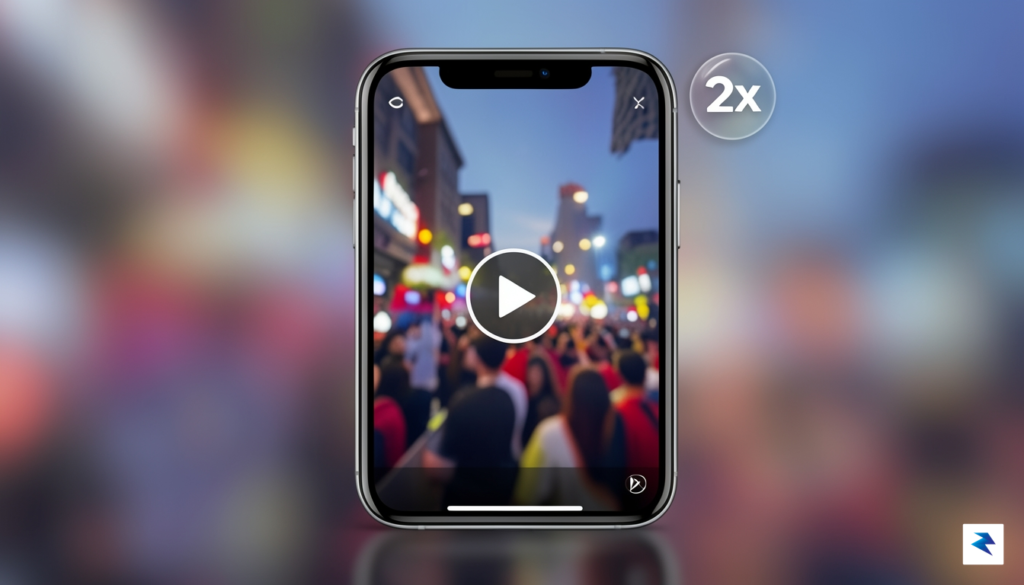
This update represents a sophisticated evolution in user-centric design, moving beyond passive viewing toward a more active, personalized control scheme. For years, the platform operated under the assumption that videos should be consumed at the creator’s intended pace, but the modern audience often processes information at a much higher velocity. By allowing viewers to double the speed, YouTube is not merely offering a technical utility; it is empowering the audience to bypass slower segments, accelerate through tutorials, or simply consume more content within a narrower window of time. This reflects a broader trend in digital media where the user, rather than the content creator, dictates the tempo of the interaction.
The integration of variable playback speed signifies a pivotal transition in UX strategy, shifting the power dynamic from the creator’s pacing to the consumer’s cognitive processing speed.
Furthermore, this shift is strategically vital for YouTube as it battles for dominance in the attention economy. When users can navigate through a higher volume of videos in the same amount of time, they are more likely to stay on the platform, reinforcing the recommendation algorithm’s cycle of discovery. Competitors have long understood that friction is the enemy of retention; by minimizing the time it takes to get to the “point” of a video, YouTube is effectively reducing the cognitive load required to explore its vast library. As we continue to see digital consumption patterns lean toward rapid-fire delivery, tools that enhance efficiency will become the standard requirement for any platform aiming to stay relevant in the eyes of the modern, time-conscious viewer.

The landscape of short-form video consumption is continuously evolving, and YouTube Shorts is at the forefront of this dynamic shift. In a significant move reflecting user demand for greater control over their viewing experience, YouTube has rolled out a highly anticipated update: the ability to double the playback speed of Shorts. This new feature is a game-changer for users looking to consume content even more efficiently, allowing them to zip through videos at twice the original speed with remarkable ease and fluidity. It’s a direct response to the fast-paced nature of modern digital engagement, empowering viewers to manage their time and information intake more effectively than ever before.
Accessing this new 2x playback speed feature has been designed with user convenience in mind, seamlessly integrating into the existing Shorts player interface across both mobile and desktop platforms. On mobile devices, where the majority of Shorts are consumed, viewers can simply tap the video to reveal a small overlay menu or access the standard three-dot menu usually located in the top-right corner. Within this menu, a new option for “Playback speed” or a direct “2x speed” toggle will now be visible. A single tap on this option instantly adjusts the video to double its original speed, with the audio also accelerating proportionally to maintain sync and clarity, ensuring a consistent and engaging viewing experience.
For those who prefer to browse YouTube Shorts on a desktop browser, the implementation is equally intuitive, albeit with a slightly different interaction model tailored to the larger screen and mouse interface. When watching a Short on desktop, users can typically find the playback speed option either by hovering over the video player to reveal controls or by right-clicking anywhere on the video itself to bring up a context menu. Within these options, a “Speed” or “Playback speed” setting will now include the 2x multiplier. Selecting this option immediately speeds up the video, complete with synchronized audio, providing the same accelerated viewing experience as on mobile, but adapted for the desktop environment. This consistency ensures that no matter where you’re watching, the power to control your viewing pace is readily available.
What makes this update particularly noteworthy is its seamless integration into the existing Shorts player, rather than being a clunky add-on. The developers have ensured that the 2x speed feature feels like an inherent part of the video control system, not an afterthought. When activated, a subtle visual indicator, such as “2x” appearing on the screen, often confirms the change without obscuring the content. This thoughtful design minimizes disruption and maximizes usability, allowing viewers to toggle speeds on the fly without losing their place or interrupting the flow of content. The instant responsiveness of the speed change further contributes to a polished user experience, reinforcing YouTube’s commitment to enhancing viewer control and adaptability within the short-form video ecosystem.

In the digital age, time has become the most valuable currency for the average internet user. As the volume of available content continues to explode, audience habits are shifting toward a preference for high-density information—often referred to as the “snackable content” trend. By introducing native 2x playback speed controls for Shorts, YouTube is acknowledging that for many viewers, the goal is no longer just passive entertainment, but rather the rapid synthesis of information. This update isn’t merely a feature tweak; it is a tactical response to the way cognitive processing is evolving in an era of infinite scroll, where users feel the constant pressure to optimize their screen time to capture more value in fewer minutes.
The psychological underpinnings of this shift are rooted in the “optimization mindset.” Modern power users often feel a sense of friction when content moves at a natural conversational pace, leading them to perceive standard-speed videos as sluggish or inefficient. By providing platform-level speed controls, YouTube is effectively empowering these users to curate their own consumption velocity. This creates a more satisfying feedback loop for the viewer, as they can bypass slower segments or lengthy transitions to reach the “meat” of the content faster. Consequently, the platform is transforming from a place where one simply watches to a place where one actively manages their intake, effectively lowering the barrier to entry for educational and fast-paced entertainment alike.

Furthermore, from a data-driven perspective, this update is a logical evolution designed to maximize retention. YouTube’s algorithms thrive on engagement signals, and if a user is able to consume twice as many videos in the same amount of time, the potential for interaction—such as likes, comments, and shares—increases proportionally. This change also serves as a defensive maneuver against competing short-form platforms that have conditioned audiences to expect frictionless, rapid-fire transitions. By integrating these controls directly into the player, YouTube ensures that power users do not feel the need to migrate to third-party tools or alternative platforms that might offer a more “compressed” experience.
The integration of speed controls represents a shift in platform philosophy: moving from a passive broadcast model to an active, user-controlled information delivery system.
Ultimately, this update is about meeting the viewer halfway. It respects the reality that attention spans are not necessarily shrinking, but rather becoming more discerning. When a platform provides the tools to adjust the pace of delivery, it grants the user a sense of agency that makes the experience feel more personalized. By leaning into this demand for efficiency, YouTube is cementing its position as a versatile hub that can cater to both the leisure-seeker who wants to enjoy a video at normal speed and the data-hungry power user who views their watch time as a resource to be carefully managed.
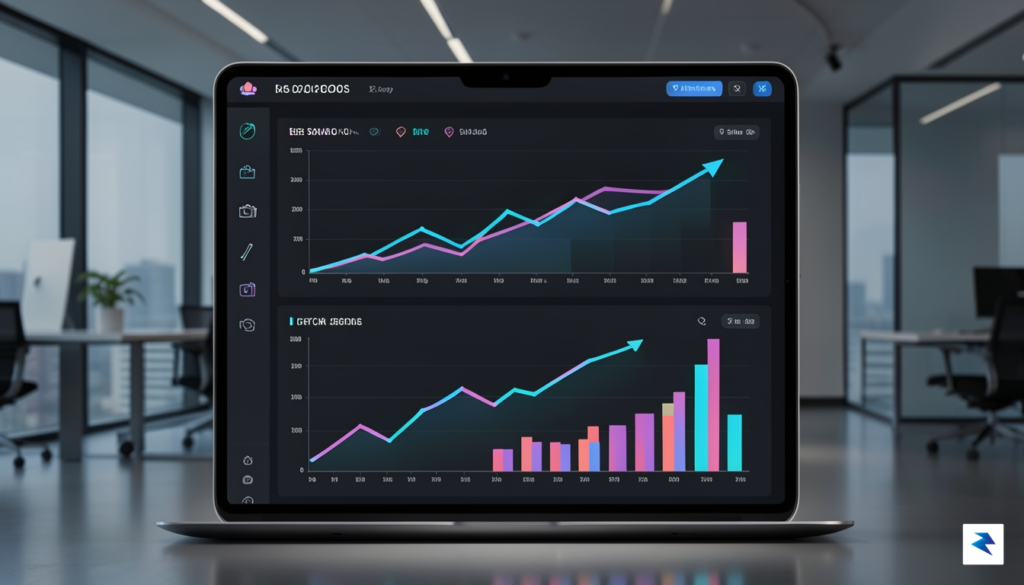
The introduction of a 2x playback speed option on YouTube Shorts fundamentally alters the landscape of audience retention and performance metrics. For creators, this shift means that the traditional “Average View Duration” metric will become significantly more complex to interpret. When a viewer watches a 60-second video at double speed, they complete the content in half the time; however, the algorithmic impact of that engagement—whether it counts as a full view or is weighted differently—remains a critical point of concern. Creators must now anticipate a future where their pacing is no longer dictated solely by their own editing rhythm, but by the viewer’s desire to consume information as rapidly as possible.
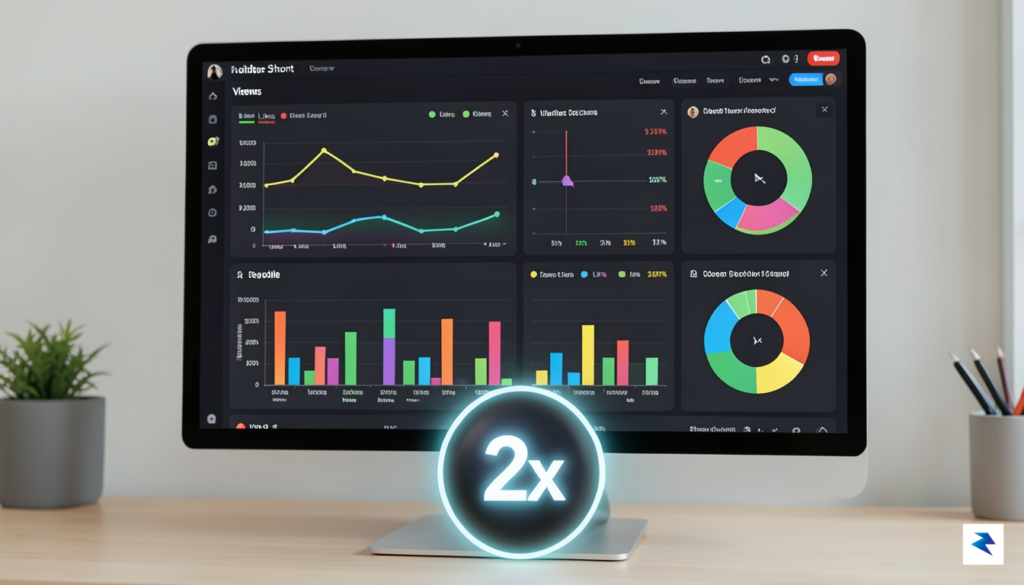
This evolution in consumption habits is likely to give rise to a new “speed-optimized” editing style. To keep pace with audiences who favor fast-forwarded viewing, creators may feel pressured to trim every millisecond of silence, tighten transitions, and pack dense information into the earliest frames of their videos. While this approach can boost retention for high-energy tutorials or quick-tip content, it poses a significant risk to creators who rely on slow-burn storytelling or atmospheric aesthetics. If a narrative depends on a lingering pause or a deliberate build-up of tension, the 2x speed feature risks stripping that content of its intended emotional impact, effectively “breaking” the pacing that the creator painstakingly designed.
For creators, the challenge lies in balancing the need for rapid engagement with the artistic integrity of their storytelling, as viewers may now bypass the nuances of a video in favor of sheer efficiency.
Furthermore, there is a legitimate concern that creators who prioritize thoughtful, methodical pacing might be unfairly penalized by the platform’s recommendation engine. If the algorithm prioritizes total watch time or completion rates, and a significant portion of a creator’s audience chooses to speed-run through their videos, the perceived value of that content could fluctuate. To stay relevant, creators may need to iterate on their production style, perhaps by including “speed-friendly” visual cues or ensuring that their core message is delivered with high clarity, even when the audio is pitched up and accelerated. Ultimately, this update signals that the era of passive viewing is shifting toward an era of hyper-efficient consumption, requiring creators to be more intentional than ever about how they capture and hold attention in a fast-paced environment.
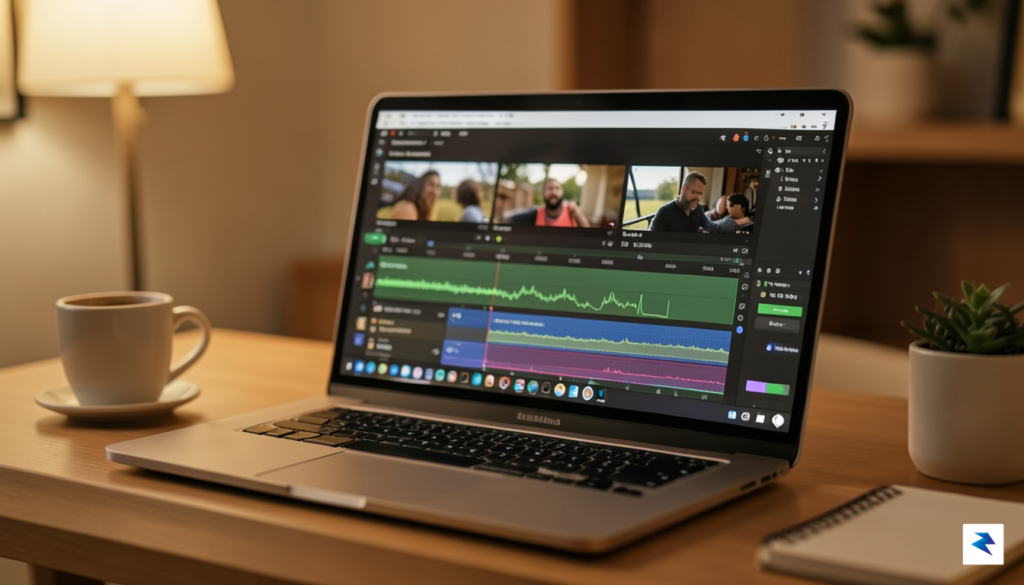
With the introduction of 2x playback speed, creators must rethink their approach to pacing and density to ensure their message isn’t lost in the digital shuffle. When a viewer hits that speed toggle, your carefully crafted cadence can suddenly transform into an unintelligible blur if the underlying audio isn’t crisp. To maintain clarity, prioritize high-quality vocal recordings with minimal background noise, as compression artifacts become significantly more pronounced when the audio is accelerated. Furthermore, consider leaving slightly longer pauses between key points or sentences in your original edit; these micro-breaks act as natural buffers that help the listener process information even as the clock ticks twice as fast.
Visual density is another critical factor that requires a strategic shift in your editing workflow. When content is viewed at double speed, rapid-fire cuts and high-motion graphics can become visually exhausting or even nauseating for the audience. Instead of relying solely on frantic editing to maintain engagement, focus on clear, high-contrast on-screen text overlays that summarize your primary talking points. By providing a readable anchor point for the viewer’s eyes, you ensure that even those speeding through your video can grasp the core value proposition without having to rewind or slow down.
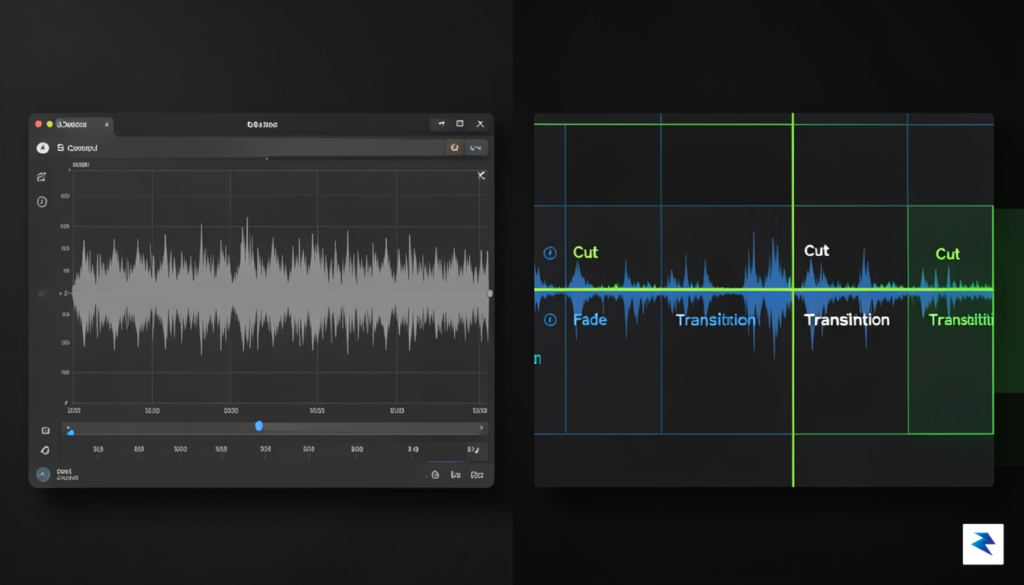
Think of your content as a modular experience; by layering your audio delivery with supplementary visual cues, you create a safety net for viewers who prefer high-speed consumption.
For creators focusing on information-heavy niches like tutorials, news, or deep-dive explainers, the challenge is to prevent the “chipmunk effect” from undermining your authority. You should aim to structure your content with distinct, logical segments that remain coherent even when stripped of their original tempo. Use transitions that are deliberate rather than chaotic, as a sudden jump-cut at 2x speed can easily disorient a viewer. Ultimately, the goal is to design an experience that feels intentionally fast-paced rather than accidentally rushed. By refining your script to be more concise and using visual signposts to guide the viewer’s journey, you transform a technical playback feature into an opportunity to provide a more efficient, high-value experience for your most dedicated fans.
You must be logged in to post a comment.