
The Anatomy of the DHS Breach: Understanding the Intelligence-Sharing Network
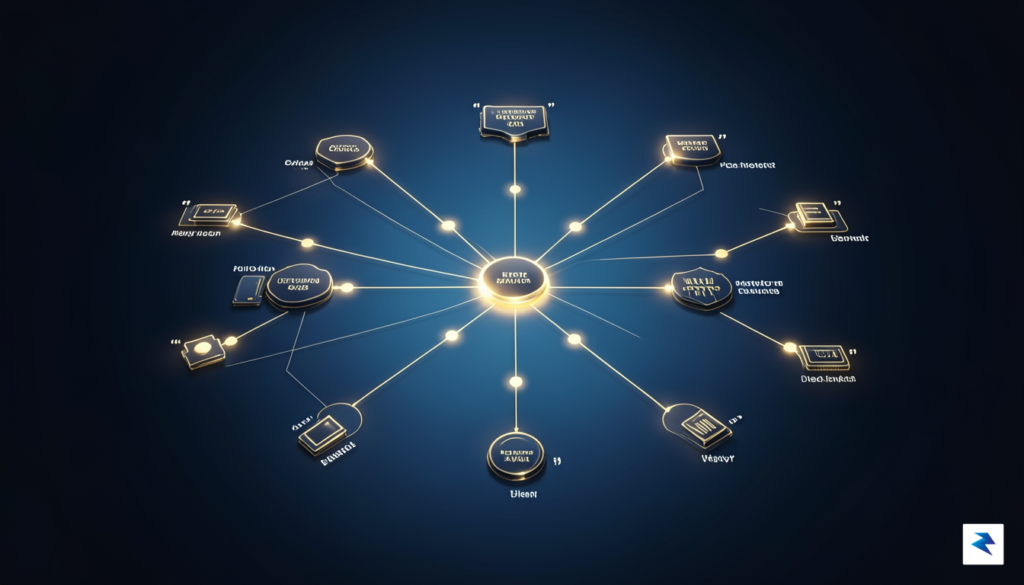
Recent disclosures have brought to light a significant security incident impacting the Department of Homeland Security’s (DHS) intelligence-sharing infrastructure, specifically targeting elements connected to the Homeland Security Information Network (HSIN). This breach represents more than just a data leak; it signifies a serious compromise of the critical channels through which various federal, state, local, tribal, and territorial agencies communicate vital information. Understanding the nature of this particular lapse requires delving into the fundamental purpose of HSIN and why its integrity is paramount to national security operations, particularly in an era where cyber threats are becoming increasingly sophisticated and pervasive.
The Homeland Security Information Network (HSIN) is not merely a static database; it functions as a dynamic, collaborative platform designed to facilitate real-time information exchange among a vast network of government entities. This network enables law enforcement, emergency responders, and intelligence analysts from diverse agencies to share actionable intelligence, incident reports, threat assessments, and best practices. While HSIN typically does not house the nation’s most highly classified secrets, its value lies in its role as a living repository of operational intelligence – the day-to-day data crucial for preventing attacks, responding to crises, and understanding evolving threats. Consequently, unauthorized access to this network means adversaries could gain insights into ongoing investigations, planned operations, communication protocols, and even the identities of individuals involved in critical security roles.
Based on available intelligence, the breach appears to have exploited vulnerabilities within the infrastructure supporting HSIN, allowing threat actors to penetrate the system and access sensitive data flows. This wasn’t necessarily a direct assault on a vault of top-secret files, but rather an intrusion into the communication arteries that carry less-classified, yet highly sensitive, operational information. The method of intrusion often involves sophisticated phishing campaigns, supply chain attacks, or the exploitation of unpatched software vulnerabilities, creating a backdoor for persistent access. Once inside, adversaries can monitor communications, siphon off data, or even plant misleading information, thereby undermining trust and operational effectiveness across the entire intelligence-sharing ecosystem.
It is crucial to distinguish between ‘intelligence sharing’ platforms like HSIN and systems designed for ‘classified storage.’ While both handle sensitive information, their primary functions and security architectures often differ. Classified storage systems, such as those housing Top Secret or Sensitive Compartmented Information (SCI), are typically isolated networks with extremely stringent access controls, often air-gapped from the public internet. In contrast, intelligence-sharing networks prioritize connectivity and accessibility among a wide array of authorized users to foster collaboration and rapid dissemination of timely information. This inherent need for broad access, while vital for mission accomplishment, concurrently introduces a broader attack surface, making them inherently more challenging to secure against determined state-sponsored actors or sophisticated cybercriminal syndicates.
Ultimately, these intelligence-sharing networks become incredibly high-value targets for threat actors precisely because of their interconnected nature and the type of information they carry. An adversary gaining access can piece together a comprehensive picture of vulnerabilities, identify key personnel, understand inter-agency dependencies, and even anticipate government responses to various threats. This composite intelligence, even if individually each piece of data isn’t “classified,” can be weaponized to compromise future operations, enable espionage, or facilitate further cyberattacks. The recent breach underscores a persistent and evolving challenge: balancing the imperative for seamless, rapid information exchange with the absolute necessity of robust, unyielding cybersecurity defenses across all levels of government operations.
The Ripple Effect: How Intelligence Compromise Impacts National Security

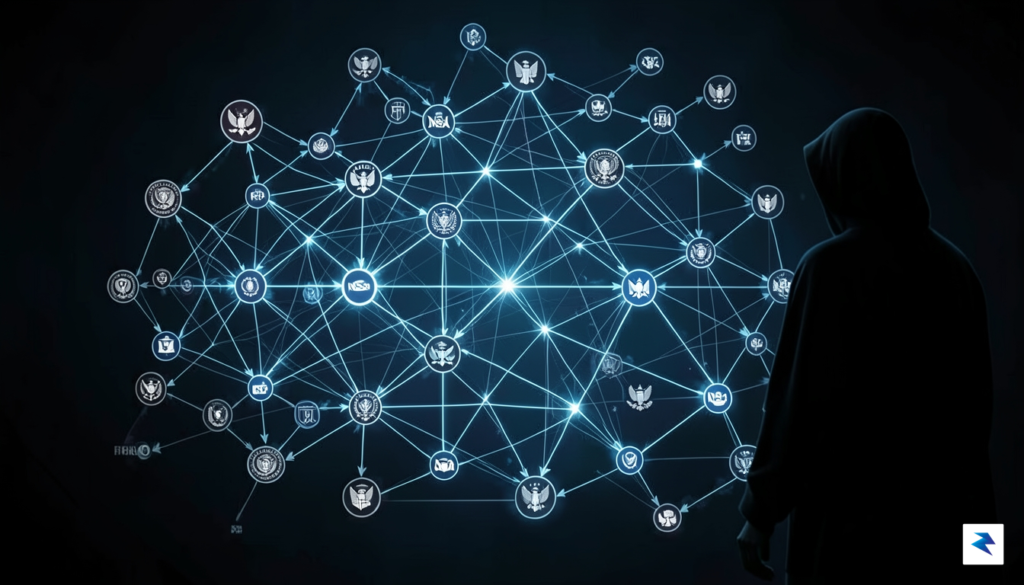
The recent breach impacting U.S. government systems extends far beyond mere data exposure; it represents a profound compromise of the conduits through which vital threat intelligence flows, fundamentally degrading the nation’s operational security. When the very networks designed to share critical information about hostile actors are themselves exposed, the ability to anticipate, track, and ultimately thwart these threats is severely hampered. This isn’t just about losing sensitive files; it’s about losing the edge in a constant, complex struggle against adversaries who relentlessly seek vulnerabilities.
Indeed, concerns from bodies like the Senate Intelligence Committee are not merely rhetorical. Their apprehension stems from a deep understanding of how such breaches can erode trust and capability within the intelligence community. They recognize that a compromised network isn’t just a technical glitch; it’s a strategic blow that can paralyze intelligence operations for years. The Committee’s focus often highlights the systemic risks, emphasizing that a single point of failure can cascade into widespread vulnerabilities across multiple intelligence domains, putting both past and future operations at risk.
Protecting Sources and Methods: A Vital Imperative
At the heart of any intelligence operation lies the concept of “sources and methods”—the clandestine individuals, technological tools, and intricate procedures used to collect information. Whether it’s a human asset risking their life to provide crucial insights from within a hostile regime, or a sophisticated technical system designed to intercept specific communications, these are the lifeblood of intelligence gathering. Protecting these sources and methods is paramount because their exposure doesn’t just reveal a piece of information; it reveals *how* that information was obtained, thus allowing adversaries to identify, neutralize, or exploit them. Should these be compromised, the capacity to gather future intelligence on critical threats—from terrorism to state-sponsored cyber warfare—is fundamentally crippled, potentially blinding intelligence agencies to emerging dangers.
Moreover, the ramifications of such a breach extend significantly to international intelligence partnerships. The United States relies heavily on its allies for a comprehensive global picture of threats, and these partnerships are built on a bedrock of mutual trust and secure information sharing. When U.S. intelligence systems are proven vulnerable, allied nations become understandably hesitant to share their own highly sensitive intelligence, fearing that their assets, methods, or even their own citizens could be exposed through shared channels. This erosion of trust can lead to a fragmentation of intelligence efforts, weakening the collective defense against shared adversaries and creating dangerous gaps in global threat awareness.
Perhaps the most severe and tangible consequence of such an intelligence compromise is the very real risk of re-identification of sensitive intelligence assets. This isn’t an abstract concept; it refers to the potential for adversaries to piece together seemingly innocuous data from the breach with other publicly available or previously stolen information to pinpoint the identities of undercover agents, informants, or even the family members of those working in sensitive roles. For these individuals, exposure can mean imprisonment, torture, or even death, creating a horrifying human cost. Beyond the immediate danger to lives, the perceived risk of re-identification acts as a powerful deterrent, making it exceedingly difficult to recruit new, invaluable human sources in the future, thereby profoundly diminishing long-term intelligence capabilities and leaving critical blind spots in national security.
The Persistent Threat: Why Government Systems Remain Vulnerable

The foundational challenge undermining federal cybersecurity efforts often lies deep within the digital infrastructure itself: a sprawling network of legacy systems. Many crucial government operations still rely on technology stacks developed decades ago, long before the modern threat landscape fully materialized. These antiquated systems are inherently difficult to secure, frequently lacking the capacity for modern encryption, multi-factor authentication, or even basic patch management without risking system instability. Consequently, they present a vast, unyielding attack surface that sophisticated adversaries relentlessly probe, creating a perpetual game of catch-up for federal IT teams who are often tasked with retrofitting modern defenses onto an outdated framework.
Further complicating this picture is the sheer scale and fragmentation of the federal government’s digital footprint. Each department and agency often operates with its own distinct IT ecosystem, security protocols, and operational procedures. While some level of autonomy is necessary, this siloed approach inevitably creates significant interoperability challenges and, more critically, security gaps. When these disparate systems need to communicate or share sensitive data, the integration points become potential weak links, often lacking standardized security controls or unified threat monitoring. This fragmented landscape means that a robust defense in one agency might be circumvented by exploiting a less secure, interconnected system in another, illustrating the difficulty in establishing a truly cohesive national cyber defense.
Beyond technological and architectural hurdles, the most persistent vulnerability remains the human element. Even the most advanced firewalls and intrusion detection systems can be rendered ineffective by a single, successful social engineering attempt. Phishing campaigns, credential theft, and sophisticated pretexting schemes continue to be primary entry points for breaches, capitalizing on human error, curiosity, or susceptibility to manipulation. Training and awareness programs are critical, yet the sheer volume of employees across federal agencies, combined with the ever-evolving sophistication of these attacks, makes preventing every instance of human-initiated compromise an insurmountable task. Insider threats, whether accidental data exposure or malicious intent, further underscore the profound impact human actions have on cybersecurity posture.
Finally, despite significant increases in federal cybersecurity spending and legislative mandates designed to bolster defenses, the pace of evolving threats continues to outstrip the government’s ability to fully secure its digital assets. Nation-state actors, well-funded criminal enterprises, and even independent hacking groups possess immense resources and expertise, constantly innovating new tactics, techniques, and procedures (TTPs). This creates a relentless, asymmetric arms race where defenders must protect an enormous and complex infrastructure against a constantly adapting, highly motivated adversary. Government procurement cycles are often slow and bureaucratic, hindering the rapid adoption of cutting-edge security solutions, while the sheer volume and sensitive nature of the data held by federal agencies make them an irresistibly high-value target for a diverse range of malicious actors.
Strengthening the Perimeter: Moving Beyond Traditional Cybersecurity Protocols

The age-old “castle-and-moat” cybersecurity model, which heavily relies on strong defenses at the network perimeter, has proven increasingly insufficient against today’s sophisticated threats. Modern adversaries often find ways to bypass initial fortifications, making the assumption of safety once inside a dangerous fallacy. This reality has spurred a fundamental shift in how organizations, particularly federal agencies safeguarding critical national data, approach their digital defenses. The focus is now squarely on a paradigm known as Zero Trust Architecture (ZTA), a comprehensive strategy designed to protect sensitive information by eliminating inherent trust within the network.
Zero Trust operates on a simple yet profound principle: “never trust, always verify.” This means that no user, device, application, or system is automatically granted access or assumed to be trustworthy, regardless of whether they are physically located inside or outside the traditional network boundaries. Every access request must be authenticated, authorized, and continuously validated before access is granted. For federal environments, where the stakes are incredibly high and data integrity is paramount, ZTA provides a robust framework to mitigate risks stemming from both external attacks and potential insider threats, addressing vulnerabilities that traditional perimeter defenses often overlook.
A core tenet of Zero Trust is the implementation of ‘least privilege access.’ This critical security principle ensures that users and systems are granted only the absolute minimum level of access permissions required to perform their specific tasks and nothing more. For example, a budget analyst would only have access to financial applications and data relevant to their role, not to sensitive HR records or top-secret intelligence files. By severely restricting what each entity can access or modify, the potential “blast radius” of a successful breach or a compromised account is dramatically reduced, preventing attackers from easily escalating privileges or exploring the network for more valuable targets.
Furthermore, the transition to Zero Trust heavily emphasizes robust multi-factor authentication (MFA) and continuous verification. While MFA has become a common practice, requiring multiple forms of identity verification (like a password combined with a code from a mobile app or a biometric scan), Zero Trust extends this by demanding continuous scrutiny. It’s not enough to simply authenticate once at login; the system continuously monitors user and device behavior, assessing factors like device health, location, and typical usage patterns. If any suspicious activity is detected or conditions change, access can be automatically revoked or re-authenticated in real-time, providing an adaptive layer of security that traditional static access controls cannot match.
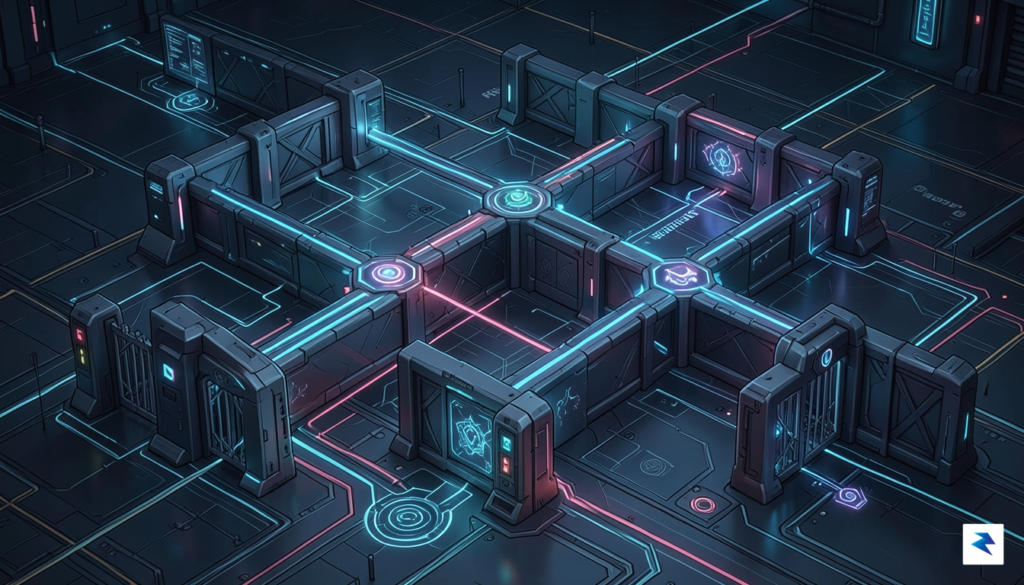
Another powerful component of ZTA is micro-segmentation. Imagine a large office building where every room has its own locked door, requiring individual authentication, rather than just one main entrance for the entire building. Micro-segmentation applies this concept to network infrastructure, dividing the network into small, isolated segments down to individual workloads or applications. If an attacker manages to breach one segment, their ability to move laterally across the network and access other critical systems is severely hampered. This containment strategy significantly limits the damage an attacker can inflict, transforming what might have been a widespread compromise into a localized incident that can be quickly identified and remediated.
Ultimately, by integrating least privilege access, multi-factor authentication with continuous verification, and micro-segmentation, Zero Trust Architecture offers a proactive and resilient defense strategy. It moves beyond simply trying to keep attackers out to assuming they might already be in, thereby building security controls around the data itself. For federal agencies, embracing this architectural shift is not merely an upgrade but a crucial evolution in safeguarding national security and public trust in an increasingly interconnected and threat-laden digital landscape.
The Path Forward: Accountability and Infrastructure Reform

The recurring nature of high-profile cyber incidents targeting U.S. government entities underscores the critical, ongoing role Congress must play in federal cybersecurity oversight. It’s not enough to simply allocate funds; legislative bodies are uniquely positioned to ensure accountability, scrutinize agency practices, and mandate adherence to evolving security standards. Through regular hearings, detailed investigations, and the enactment of robust policies, Congress can drive the necessary cultural shift within agencies, moving them from reactive responses to proactive, security-first postures. This comprehensive oversight ensures that federal IT modernization efforts are not merely technical upgrades but strategic investments guided by a clear legislative vision for data integrity and national security, ultimately safeguarding vital information and services.
Crucially, restoring public confidence demands unprecedented transparency and rapid reporting during and after cyber incidents. Historically, there has been a tendency for federal agencies to delay or obfuscate details surrounding breaches, often citing national security concerns. While legitimate classified information must be protected, a lack of timely, actionable disclosure erodes trust and hinders the broader cybersecurity community’s ability to learn and adapt. Implementing clear, legally binding frameworks for swift public notification – especially when citizens’ personal data is compromised – would not only foster accountability but also enable more effective threat intelligence sharing, allowing other potential targets to bolster their defenses against similar attack vectors.
Striking the right balance between sharing vital threat intelligence and rigorously hardening individual agency systems is another cornerstone of a resilient federal IT strategy. Collaborative information sharing, facilitated by entities like the Cybersecurity and Infrastructure Security Agency (CISA), is invaluable for understanding emerging threats and developing collective defenses across government and critical infrastructure sectors. However, this collective strength must be built upon a foundation of individual agency resilience. This means aggressively implementing fundamental security controls such as multi-factor authentication, moving towards zero-trust architectures, ensuring timely patching, and investing in secure software development lifecycles. One cannot effectively compensate for the other; robust internal security measures are the prerequisite for making shared intelligence truly impactful and for protecting sensitive data at its source.
Ultimately, the future of federal digital security hinges on embracing a “resilience-first” mindset. Given the persistence and sophistication of nation-state actors and cybercriminals, it’s increasingly unrealistic to aim for absolute impermeability. Instead, agencies must design systems and processes that anticipate breaches, allowing for rapid detection, containment, and recovery with minimal operational disruption. This paradigm shift involves continuous monitoring, automated response capabilities, comprehensive data backup and recovery plans, and the ability to maintain essential services even under attack. It transforms cybersecurity from a static defense problem into a dynamic, adaptive challenge, ensuring the government can continue to function effectively and securely in an inevitably hostile digital landscape.
Achieving this ambitious vision requires more than just technological fixes; it necessitates a sustained commitment to policy reform, substantial and consistent investment, and the cultivation of a highly skilled cybersecurity workforce. Leadership at all levels must champion a culture where security is integrated into every decision, not merely an afterthought. By combining rigorous legislative oversight with a deep-seated commitment to modernizing core systems and fostering a proactive security culture, the U.S. government can begin to rebuild trust and fortify its digital defenses against the ever-present and evolving threats of the 21st century. This comprehensive approach is not merely an option, but an imperative for national security and public confidence.