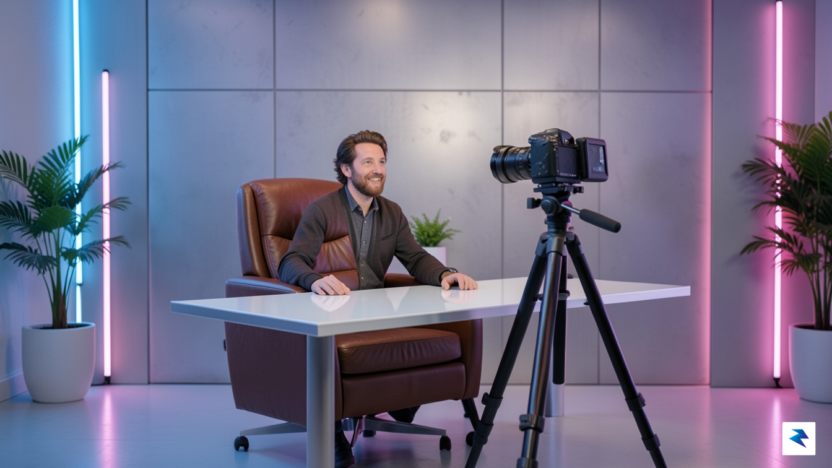
The Evolution of Late-Night Talk
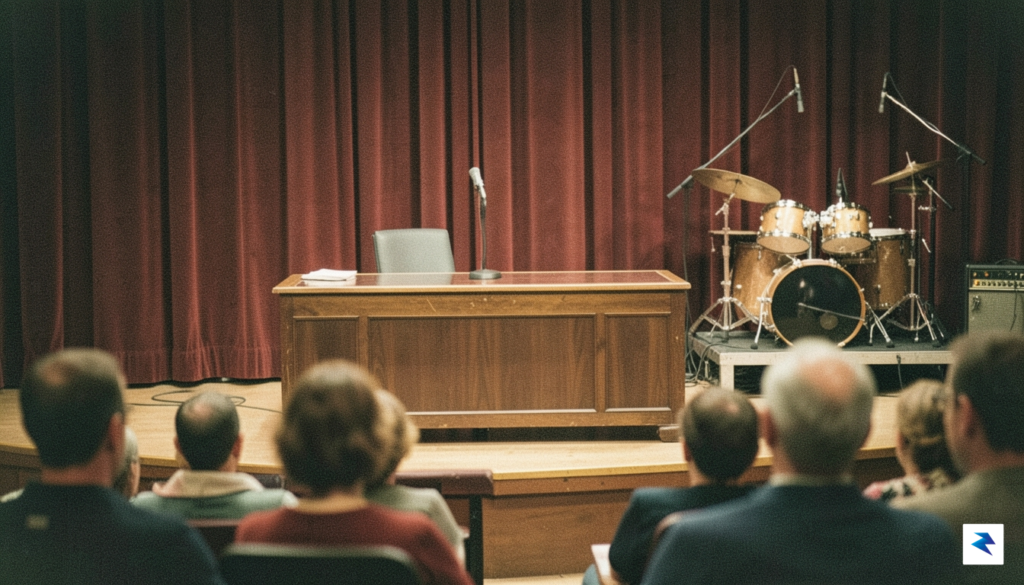
For nearly half a century, the late-night talk show stood as the undisputed cultural heartbeat of American television. From the polished, authoritative charm of Johnny Carson to the wry, subversive energy of David Letterman, the format remained remarkably consistent: a tuxedoed host, a desk-bound monologue, a jazz-infused house band, and a parade of celebrities promoting their latest projects. This rigid, predictable structure was built on the foundation of linear broadcast habits, where millions of households tuned in simultaneously at 11:35 p.m. to participate in a shared national conversation. It was a model defined by scarcity and appointment viewing, commanding massive advertising budgets to sustain the high overhead of sprawling studio sets and large production staffs.
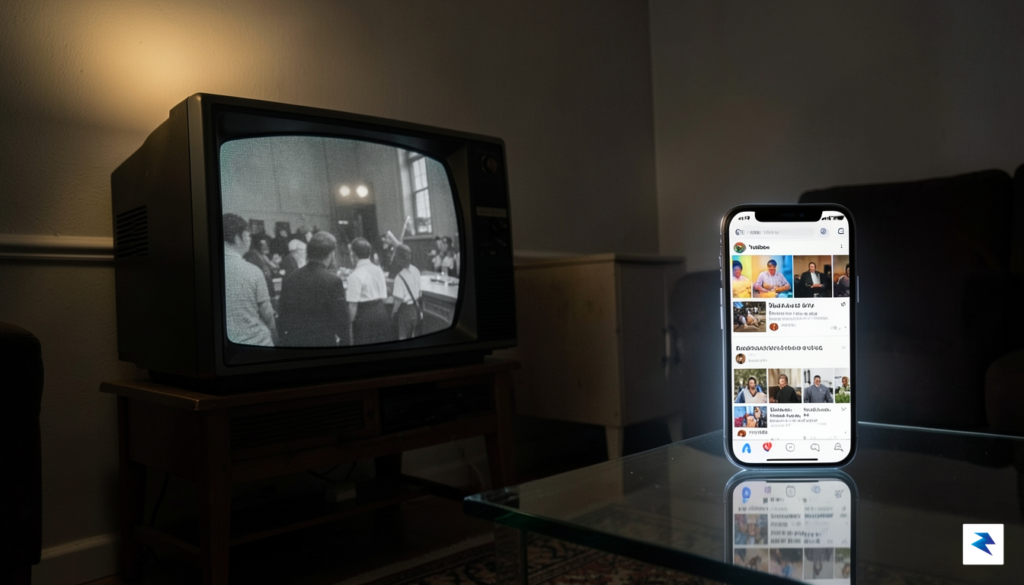
However, the rapid migration of audiences toward on-demand digital platforms has pushed this legacy model into an existential crisis. As linear television ratings continue their steady, decade-long decline, the traditional late-night format struggles to reconcile its expensive, studio-heavy requirements with the fragmented nature of modern attention. Viewers no longer feel tethered to a fixed broadcast schedule; instead, they curate their own entertainment feeds, favoring bite-sized clips that can be consumed during a commute or a lunch break. The monologue that once defined the next morning’s watercooler talk now faces stiff competition from viral TikTok trends and algorithmic feeds that prioritize immediacy over scheduled polish.
The transition from broadcast to digital isn’t just a change in medium; it represents a fundamental shift in the power dynamic between the creator and the audience, moving away from mass-appeal gatekeeping toward niche, community-driven engagement.
The disruption is further accelerated by the emergence of digital-first creators who bypass the studio system entirely. Personalities like Julian Shapiro-Barnum have demonstrated that deep, meaningful interviews and comedic segments do not require a high-budget production team or a network affiliation to resonate with millions. By stripping away the performative layers of the traditional desk-and-sofa setup, these creators prioritize authenticity and direct connection, effectively democratizing the talk show genre. As the industry pivots toward this decentralized era, the question is no longer whether late-night will survive, but rather how it will adapt its DNA to thrive in a landscape where the “desk” is wherever the creator chooses to set up their camera.
The Recess Therapy Blueprint
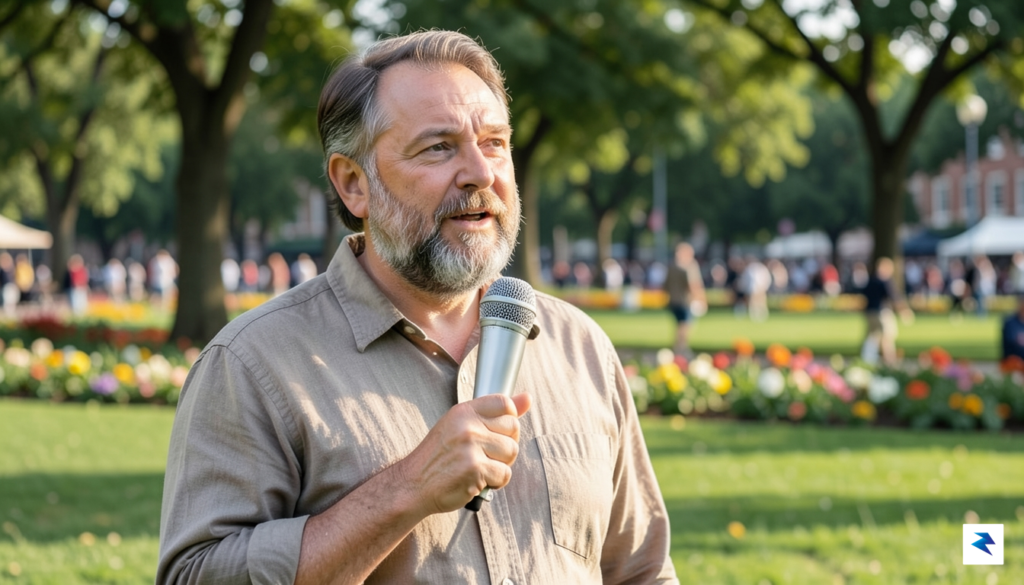
Julian Shapiro-Barnum did not ascend to the world of late-night hosting by mimicking the rigid, desk-bound aesthetics of network television giants like NBC or CBS. Instead, he pioneered a new model built entirely on the foundation of Recess Therapy, a series that traded polished studio sketches and high-budget celebrity PR circuits for the unpredictable, raw honesty of elementary schoolers. By taking a microphone to the playground, Shapiro-Barnum discovered that the most compelling interviews weren’t found in a green room or a carefully choreographed segment, but in the unscripted, unfiltered musings of children discussing the complexities of existence. This pivot toward radical curiosity proved that audiences were starving for genuine human connection, a commodity that had been largely absent from the sanitized, scripted banter of traditional late-night television.

The success of this approach highlights a fundamental shift in the digital media landscape: authenticity has become the primary currency. While legacy late-night shows often rely on a transactional relationship between the host and the celebrity guest—where the goal is to promote a new project while maintaining a safe, curated image—Shapiro-Barnum’s brand is built on vulnerability and active listening. By prioritizing the “man-on-the-street” format, he stripped away the artifice, showing viewers that an interview is most engaging when the host has no agenda other than genuine interest. This method of engagement transformed the interview from a promotional tool into a shared human experience, effectively fostering a parasocial bond that feels far more meaningful than anything a studio producer could manufacture.
Authenticity is no longer just a stylistic choice; it is the foundational requirement for building a sustainable audience in the digital age. When viewers sense that a conversation is unscripted and honest, they stop being passive observers and start being active participants in the discourse.
The transition from short-form, viral clips to the more rigorous structure of a long-form talk show was a natural evolution for Shapiro-Barnum, yet he carefully maintained the DNA of his original work. Instead of adopting the tuxedo-and-desk tropes of the past, he brought the energy of the playground into the studio, treating his adult guests with the same level of open-ended, probing curiosity he once reserved for six-year-olds. This strategy proves that the “late-night” format is not dying, but simply shedding its outdated skin. By applying the Recess Therapy philosophy to a broader range of guests, Shapiro-Barnum has demonstrated that the future of the talk show isn’t about the size of the production budget or the prestige of the network; it is about the host’s ability to foster a space where the unexpected, the sincere, and the human can thrive without the interference of a corporate script.
Why YouTube Rewrites the Rules of Late Night
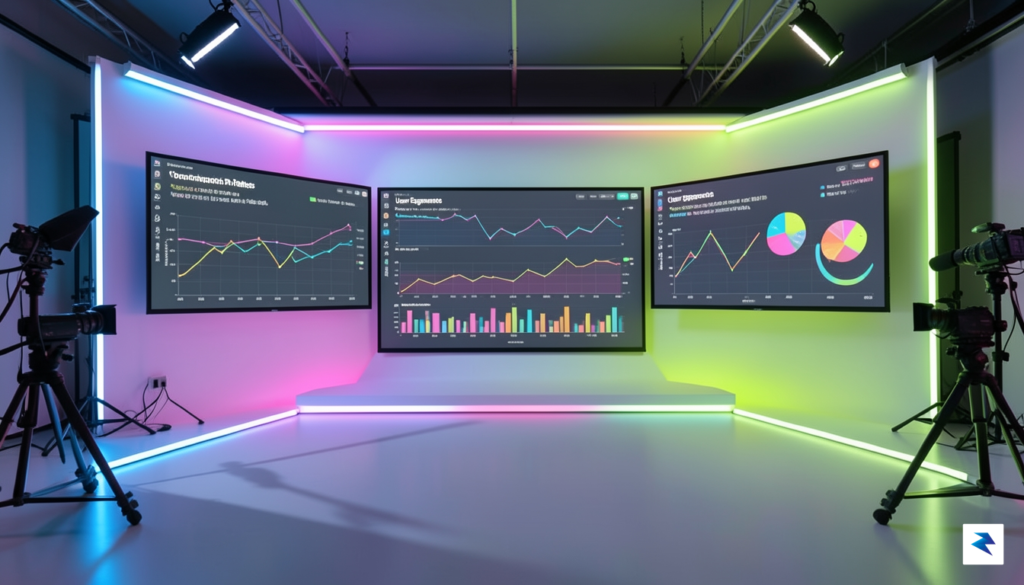
The transition of late-night programming to YouTube represents far more than a simple change in distribution channel; it is a fundamental restructuring of the relationship between the host and the audience. Unlike traditional broadcast television, which is tethered to specific time zones and rigid programming blocks, YouTube operates on an on-demand basis that empowers the viewer to decide exactly when, where, and how they engage with content. By removing the anchor of a 11:30 p.m. airtime, creators are no longer fighting for the attention of a sleep-deprived viewer in a specific time slot. Instead, they are building a library of content that exists in a perpetual state of availability, allowing the audience to curate their own late-night experience at their convenience.
Furthermore, the shift to a digital-first platform eliminates the archaic geographical boundaries that have long defined network television. Where broadcast signals were once limited by local affiliate reach and regional licensing, a YouTube-based show possesses an instantaneous, borderless global footprint. This accessibility is amplified by the platform’s sophisticated algorithmic discovery engine, which connects content to users based on their specific interests rather than their mailing address. This creates a meritocracy of engagement; high-quality segments are surfaced to relevant viewers across the world, effectively bypassing the traditional gatekeeping structures that previously dictated which hosts and topics were deemed “nationally viable” by network executives.
Beyond the logistical advantages, YouTube liberates creators from the stifling constraints of FCC regulations and the commercial pressures of the traditional advertising model. On broadcast television, a host’s tone, subject matter, and guest selection are often sanitized to satisfy network standards and advertisers who are wary of controversy. On YouTube, however, there is a newfound freedom to experiment with pacing, edgy humor, and niche topics that would have been discarded in a traditional writers’ room. Without the constant interruption of mandatory commercial breaks every eight minutes, the narrative flow of an interview or a comedy sketch can remain intact, allowing for deeper, more authentic interactions that feel less like a product and more like a conversation.
The true power of the YouTube model lies in its ability to foster a direct-to-consumer relationship, where the feedback loop between the host and the audience is measured in comments, shares, and real-time community engagement rather than delayed ratings reports.
Ultimately, this evolution transforms late-night from a passive, scheduled ritual into an active, community-driven event. By stripping away the layers of corporate bureaucracy, YouTube allows for a raw, unfiltered creative process that resonates with a modern audience accustomed to transparency. As creators continue to lean into this freedom, the definition of what constitutes a “late-night show” will continue to broaden, moving away from the tuxedo-and-desk tropes of the past and toward a flexible, dynamic format that can adapt to the rapid changes of the digital landscape.
The Technical and Creative Shift
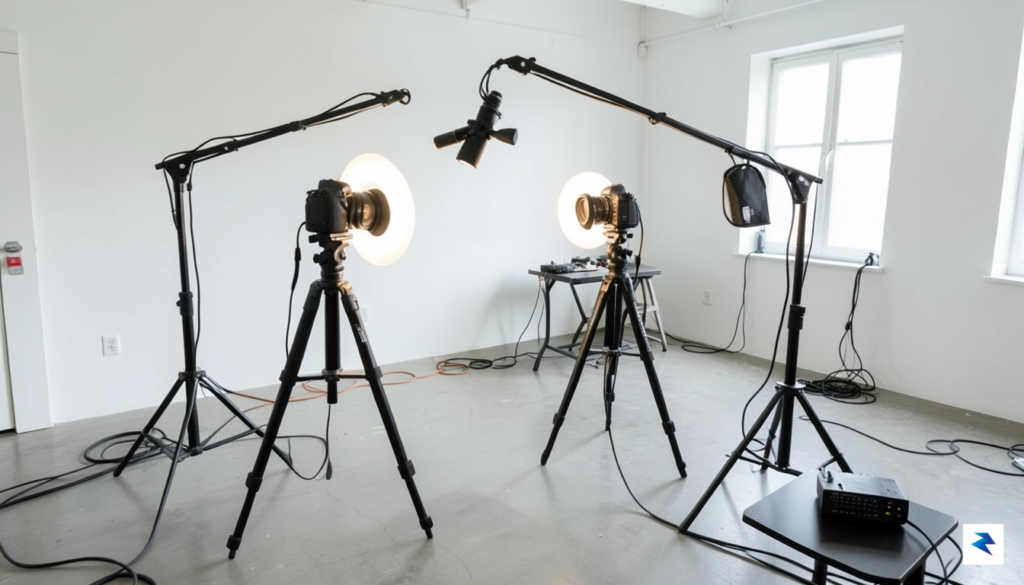
The transition from a traditional television studio to a digital-first production environment is far more than a simple matter of swapping a broadcast camera for a webcam; it represents a fundamental re-engineering of the late-night format. In the world of network television, the production model is inherently top-heavy, relying on massive multi-camera setups, sprawling soundstages, and large union crews that create significant overhead. This bloated infrastructure often acts as a barrier to creative experimentation, forcing shows into a rigid, predictable cycle. Conversely, YouTube-native creators operate with a lean, agile methodology that prioritizes speed and direct execution. By stripping away the layers of corporate bureaucracy, creators are able to redirect those resources toward the substance of the interview itself, ensuring that every dollar spent is visible on the screen in the form of higher-quality interactions rather than merely maintaining a physical stage.
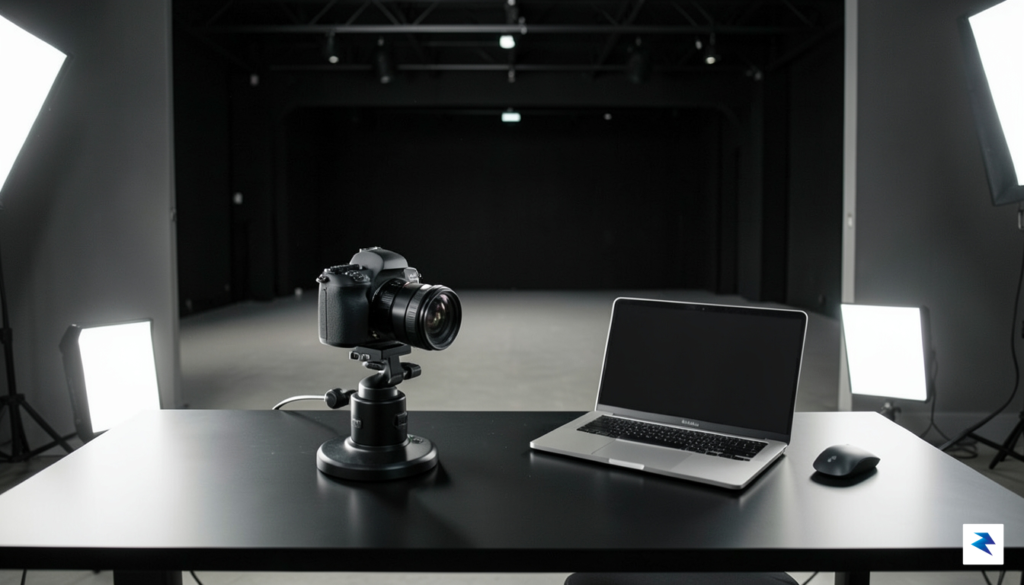
This shift in production philosophy naturally extends to the editing suite, where the pacing requirements of the internet differ drastically from the linear flow of broadcast TV. Digital audiences have an unforgiving threshold for boredom, necessitating a style that is far more kinetic and dense with information. Where a network show might allow for long, indulgent pauses or slow transitions, YouTube-native late-night content utilizes tighter narratives and rhythmic editing to maintain high retention rates. Every frame is analyzed for engagement, and unnecessary fat is trimmed to keep the viewer’s attention locked on the conversation. This doesn’t mean the shows lack heart; rather, it means the content is optimized for a medium where the “back button” is always just a click away.
Perhaps the most significant technical departure is the integration of the audience as an active participant rather than a passive observer. In a traditional setting, the live studio audience provides a static, one-way feedback loop that is often heavily curated or manipulated during post-production. In contrast, YouTube provides a real-time analytics and comment section ecosystem that acts as a living laboratory for the host. Creators treat this comment section as a pulse check, allowing them to iterate on their format, tone, and guest selection based on genuine community sentiment. This creates a symbiotic relationship that feels far more authentic to the modern viewer than the polished, artificial laughter of a network soundstage.
The true success of the YouTube-native late-night show lies not in replicating the network desk, but in leveraging the platform’s agility to foster deeper, more human connections with the audience.
Ultimately, this technical evolution serves a singular goal: the democratization of the talk show format. By bypassing the need for a legacy studio infrastructure, creators are proving that intimacy is a more valuable currency than production scale. When the barriers to entry are lowered, the focus shifts back to the quality of the conversation, allowing for a more diverse array of voices to command the stage. As this model matures, it is becoming increasingly clear that the future of late-night television may not be defined by who has the biggest budget, but by who can best master the unique, feedback-driven rhythm of the digital landscape.
Can Online Late-Night Find Financial Sustainability?
The primary financial challenge for any digital-native talk show lies in transitioning from a hobbyist project to a sustainable business that can support a professional production team. Unlike traditional broadcast networks, which rely on long-standing relationships with massive corporate advertisers and bundled cable fees, independent creators must piece together a complex revenue quilt. While AdSense provides a baseline, its volatility and reliance on platform algorithms mean that a show’s income can fluctuate wildly based on shifting content policies or seasonal ad spend. Consequently, many creators are forced to look beyond the basic view-count model to ensure long-term stability.
To bridge this gap, many successful digital shows have pivoted toward a multi-pronged monetization strategy. Direct brand integrations—where the host seamlessly weaves a sponsor’s message into the comedic fabric of the show—often prove significantly more lucrative than standard pre-roll advertisements. By maintaining creative control, these creators can ensure that sponsorships feel like a natural extension of the show’s voice rather than a disruptive interruption. This approach not only provides higher margins but also strengthens the relationship between the creator and the brand, moving away from the impersonal, mass-market purchasing of traditional television.
The future of digital late-night isn’t about replicating the high-burn, multi-million dollar budgets of network giants, but rather leveraging a lean production model that prioritizes agility and direct audience connection over sheer spectacle.
Beyond advertising, direct-to-fan support has emerged as a cornerstone for independent late-night viability. Platforms like Patreon or integrated YouTube memberships allow the most dedicated viewers to act as patrons, providing a predictable monthly income that is largely insulated from the whims of the platform’s algorithm. This “subscriber-first” model encourages a deeper sense of community, as creators can reward their supporters with exclusive behind-the-scenes footage, early access, or interactive Q&A sessions. By converting passive viewers into active stakeholders, shows can insulate themselves from the risks of platform dependency, where a sudden change in policy or recommendation ranking could otherwise jeopardize the entire production.
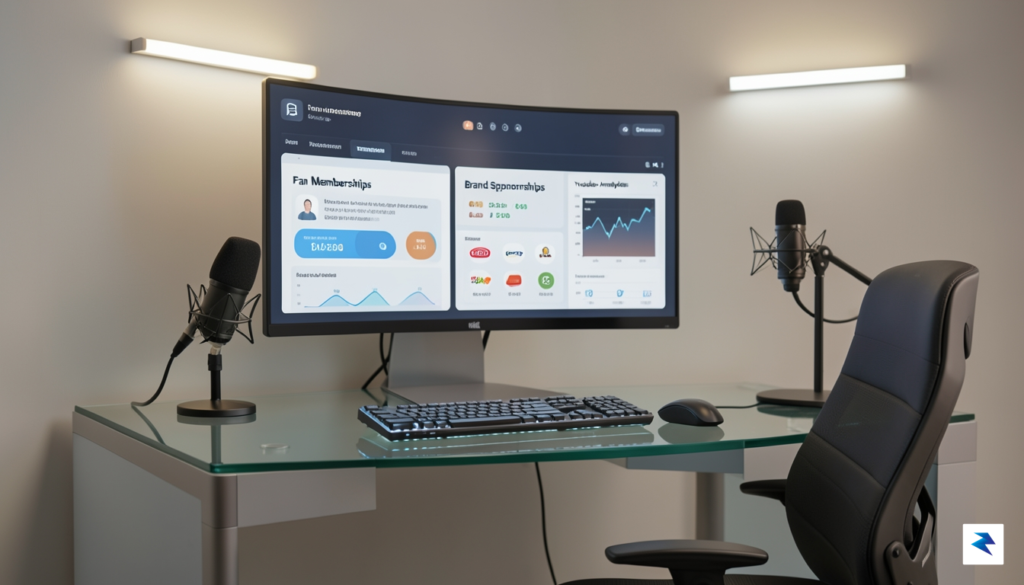
Ultimately, the scalability of this “lean” talk show model rests on the ability to produce high-quality content without the massive overhead associated with traditional broadcast facilities. While the broadcast model demands a staff of hundreds and a physical studio that costs a fortune to maintain, digital-native productions can operate with a fraction of the headcount by utilizing remote workflows and streamlined editing processes. This efficiency allows independent shows to survive on a smaller total revenue than their network counterparts, enabling them to maintain their independent spirit without being forced to cater to the lowest common denominator just to appease a massive, risk-averse board of directors.
The Future of the Talk Show Format
The traditional late-night talk show, once a monolithic cultural pillar defined by rigid network schedules and broad-appeal monologue jokes, is currently undergoing a radical metamorphosis. We are witnessing a decisive shift from broadcast hegemony to a fragmented, creator-led landscape where the metrics of success are measured in algorithmic reach rather than Nielsen ratings. By uncoupling the talk show format from the constraints of 11:30 p.m. time slots, platforms like YouTube have effectively dismantled the gatekeeping power of major networks. This democratization of entertainment means that the “next big thing” is no longer anointed by an executive in a boardroom, but rather cultivated through direct, parasocial relationships between hosts and their digital subscribers. As viewers increasingly favor the on-demand, bite-sized consumption patterns of the internet, the classic talk show structure—with its predictable desks, house bands, and sequential interviews—is being forced to evolve or risk becoming a relic of the past.
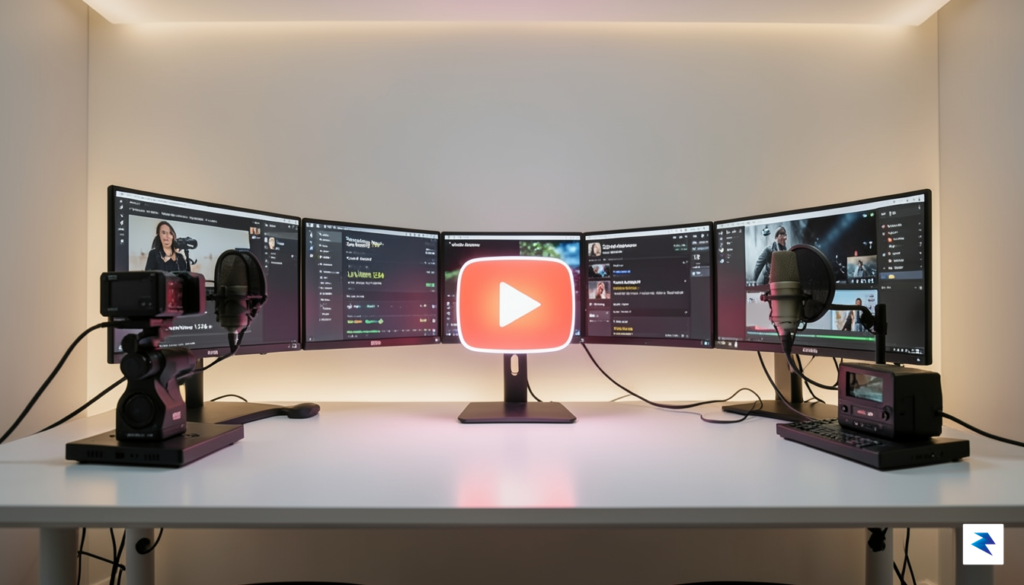
Looking ahead, the long-term impact of this migration will likely be the complete decentralization of late-night comedy. We are entering an era where influence is granular and niche-oriented, meaning that a singular, universal “watercooler moment” is becoming increasingly rare. Instead, the media landscape will be defined by a thousand smaller ecosystems, where audiences congregate around specific personalities who prioritize authenticity and community engagement over the polished, sanitized performances of traditional television. This transition represents a fundamental change in how we perceive celebrity; the barrier between the performer and the audience has been permanently lowered, creating a standard of intimacy that legacy media struggle to replicate.
The future of late-night entertainment does not belong to the networks that invented the format, but to the creators who are currently reinventing it for a generation that refuses to wait for the next broadcast.
How, then, will traditional networks respond to this existential threat? They face a stark binary choice: innovate by embracing the chaotic, decentralized spirit of digital media, or risk watching their audiences evaporate entirely. Some networks may attempt to pivot by transforming their legacy brands into hybrid digital hubs, integrating influencer culture into their existing infrastructures to maintain a foothold in the attention economy. However, those that cling too tightly to the prestige and rigid format of the broadcast era will likely find themselves alienated from a younger demographic that views linear television as an inconvenience. Ultimately, the long-term survival of the talk show format depends on its ability to transcend the screen and exist as a living, breathing component of the internet—or, failing that, to be eclipsed by the next generation of digital-native stars who are already defining the new frontier.