
The Myth of the Autonomous AI Ransomware Attack
The Reality of AI-Driven Cybercrime The digital landscape is currently gripped by a narrative that feels ripped from the pages of science…
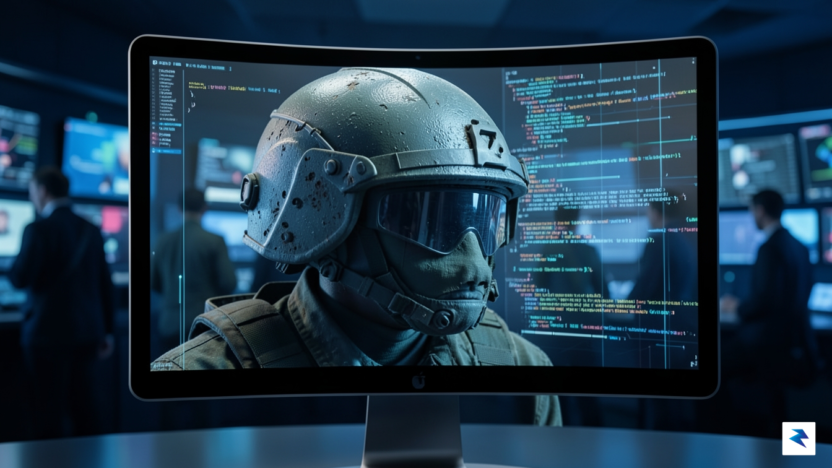
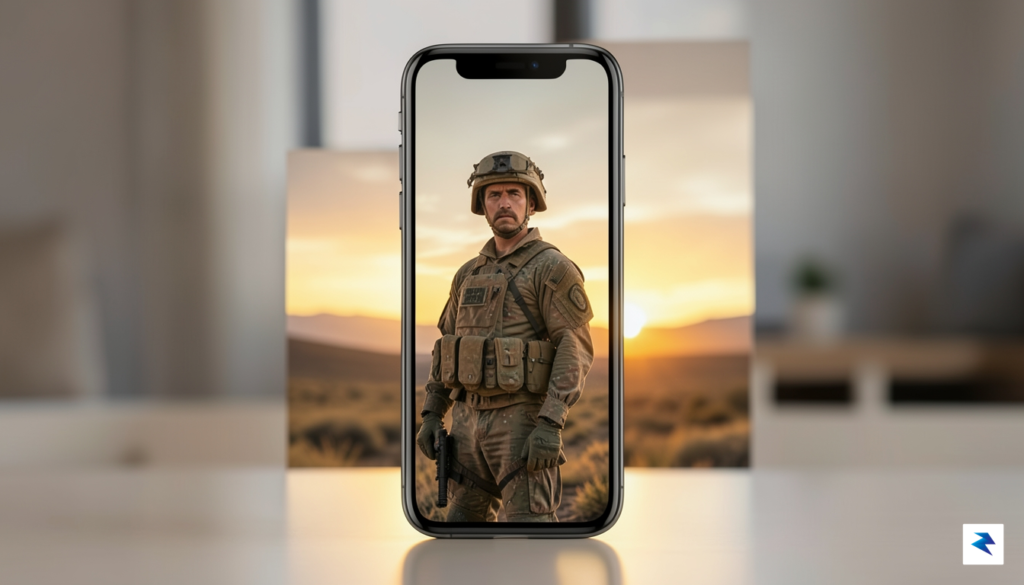
A curious and increasingly pervasive trend has taken hold across the digital landscape, transforming the way we perceive military service and national devotion. If you have spent any time scrolling through social media recently, you have likely encountered them: hyper-realistic, emotionally charged depictions of soldiers standing in prayer, cradling orphans, or saluting against impossibly vibrant sunsets. These images are engineered to be visually arresting, often leaning into themes of sacrifice, heroism, and unwavering duty. However, beneath the polished textures and dramatic lighting lies a stark reality—these individuals never existed, the scenes never occurred, and the sentiment, while seemingly authentic, is entirely synthetic.
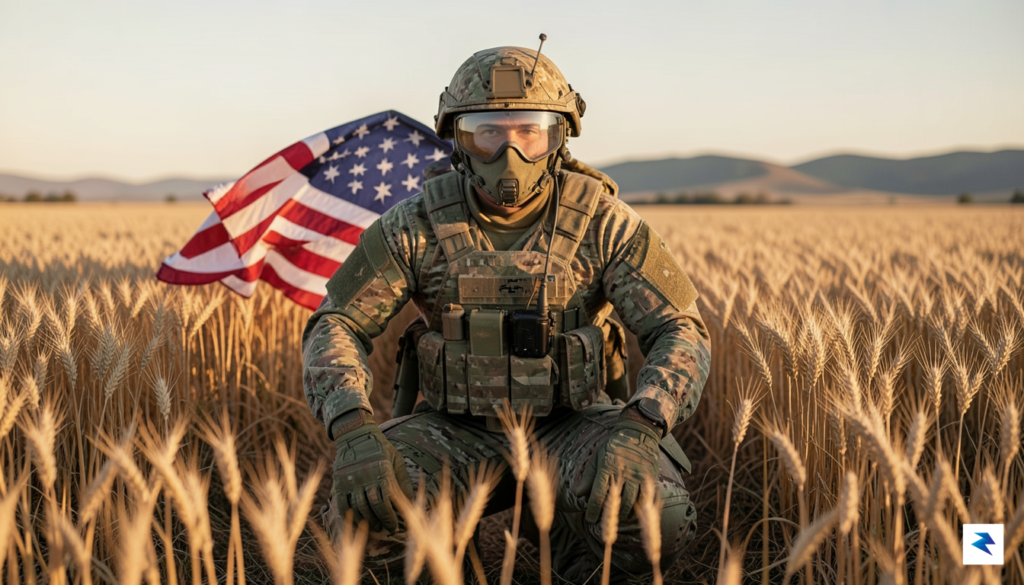
The efficacy of these images relies on the exploitation of deep-seated psychological triggers. By tapping into archetypal symbols of patriotism and duty, content creators can bypass our natural skepticism and trigger an immediate emotional response. When a viewer sees a soldier in a moment of quiet vulnerability or profound strength, the brain often defaults to a place of empathy and gratitude before the critical mind has a chance to analyze the image for inconsistencies. This psychological shortcut is weaponized by algorithms that prioritize engagement above all else; because these images reliably generate comments like “Thank you for your service” and thousands of shares, they are rapidly boosted to the top of our digital ecosystems, effectively drowning out nuanced or factual discourse.
The scale of this phenomenon is staggering, as platforms like Facebook and X are currently being saturated with a deluge of computer-generated military content. What makes this shift particularly concerning is the industrialization of the process; it is no longer a matter of a few hobbyists experimenting with new tools. Instead, entire networks of automated accounts are churning out hundreds of these images daily, flooding the digital public square with a manufactured version of reality. This creates a feedback loop where synthetic patriotism becomes the baseline, making it increasingly difficult for the average user to distinguish between genuine photojournalism and sophisticated digital propaganda. As these images continue to proliferate, we are forced to confront a difficult question: how does our collective perception of history and current events change when our screens are filled with soldiers who are nothing more than pixels and probability?
The danger lies not just in the falsity of the images, but in the erosion of our shared ability to discern truth in an era where the most emotionally manipulative content is consistently rewarded by the platform architecture.
Ultimately, this rise in synthetic imagery represents a fundamental change in how narratives are constructed online. By blending high-fidelity visuals with themes that people deeply care about, bad actors—or simply engagement-hungry opportunists—can steer public sentiment with surgical precision. Whether these images are used to harvest data, build massive follower bases for future monetization, or subtly influence political leanings, the impact is the same: the digital landscape is becoming increasingly untethered from reality, leaving us to navigate a world where the most heroic faces we see are the ones that were never actually there.
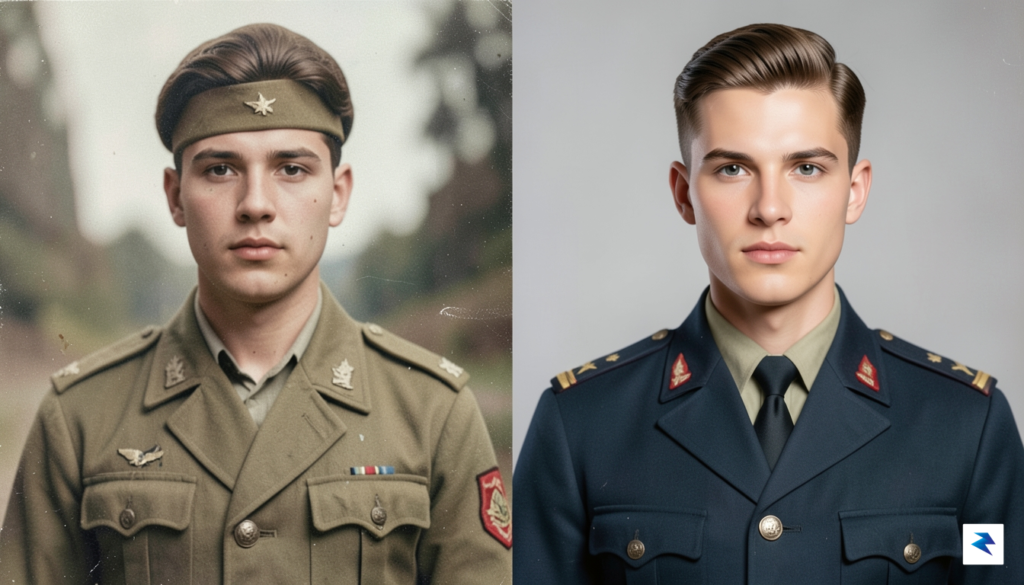
The success of synthetic military imagery hinges on a sophisticated psychological bypass that targets our most deeply ingrained values. By leveraging powerful symbols—the crisp fold of a flag, the stoic gaze of a soldier, or the golden hue of a sunset over a distant base—these images tap directly into our sense of national pride and empathy. This is not merely visual content; it is an emotional shortcut designed to trigger an immediate, visceral reaction before the rational mind has a chance to intervene. When we see an image that reaffirms our existing respect for service members, our brain releases a rush of dopamine associated with belonging and moral alignment, effectively short-circuiting the skepticism required to verify the authenticity of the post.
Creators of these synthetic assets have mastered the art of the emotional hook. By utilizing high-contrast lighting, saturated colors, and idealized, hyper-realistic compositions, they create scenes that feel more “real” than reality itself. These images often depict soldiers in moments of profound heroism or quiet, tear-jerking reflection, intentionally positioning the viewer to feel like they are bearing witness to a private, sacred moment. Because the visual cues are so heavily loaded with cultural significance, the average person scrolling through their phone is likely to equate the emotional resonance of the image with factual truth. It is a classic case of cognitive bias: we want to believe what we see because the image makes us feel good, or because it confirms the narrative we already hold about sacrifice and duty.
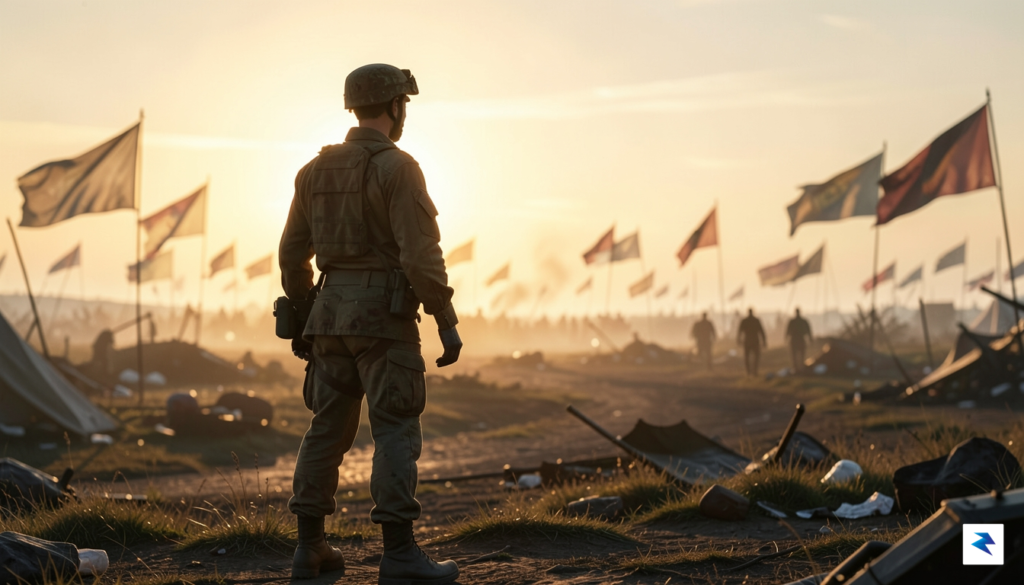
Interestingly, this manipulation often occurs despite the subtle presence of the “uncanny valley.” While many of these AI-generated depictions contain technical errors—such as impossible hand geometry, distorted insignia, or illogical equipment placement—these flaws are frequently overlooked by the casual observer. When an image successfully triggers our patriotic instincts, our brains often fill in the gaps, prioritizing the emotional narrative over minute visual inconsistencies. We see the uniform and the expression of resolve, and our minds automatically bridge the gap to assume authenticity. This phenomenon demonstrates that when a digital creation effectively mirrors our collective identity and values, it effectively renders our critical faculties secondary to our emotional engagement.
The most effective propaganda does not aim to convince the mind through logic; it aims to validate the heart through shared iconography.
Ultimately, the proliferation of this content is a testament to how easily our empathy can be weaponized for engagement metrics. Algorithms are designed to promote content that generates high interaction, and nothing generates interaction quite like a post that demands a “thank you for your service” or a comment about national pride. By manufacturing scenes that cater to these specific, high-arousal emotions, creators can artificially inflate the visibility of their accounts, regardless of the underlying falsehood. We are not just scrolling past pictures; we are participating in a digital feedback loop where our own deeply held values are being used to keep us hooked on content that may have never existed in the physical world.
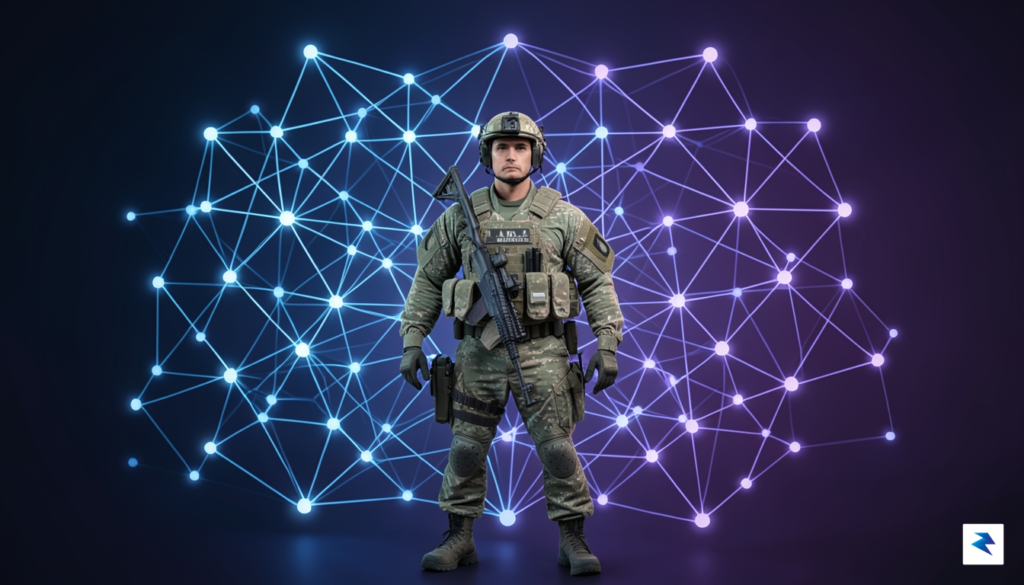
The proliferation of fabricated military imagery is far from a random occurrence; it is the byproduct of a sophisticated digital economy designed to exploit human psychology. At the heart of this phenomenon lies a technical architecture built on the principle of engagement farming. By leveraging artificial intelligence to generate high-emotion, visually arresting content, bad actors can manufacture artificial consensus and spark immediate, gut-level reactions. Because platforms are fundamentally designed to prioritize content that captures the most “dwell time” and interaction, these AI-generated soldiers act as high-performance bait, triggering the very algorithmic signals that push content into the view of millions of unsuspecting users.
When a user pauses to comment, share, or even simply react with an emoji to a picture of a soldier, the platform’s recommendation engine interprets this as a signal of high relevance and quality. This creates a dangerous feedback loop: the more users engage with the emotional weight of the image, the more the algorithm pushes that content to broader, more diverse audiences. This cycle is precisely what the architects of these campaigns intend to exploit. They are not interested in the authenticity of the soldier depicted, but rather in the measurable metrics of human behavior. Once a page has accumulated a massive following through these viral, low-effort posts, the account can be pivoted toward more lucrative—or more insidious—ends, such as selling advertising space, driving traffic to clickbait websites, or disseminating targeted political disinformation.
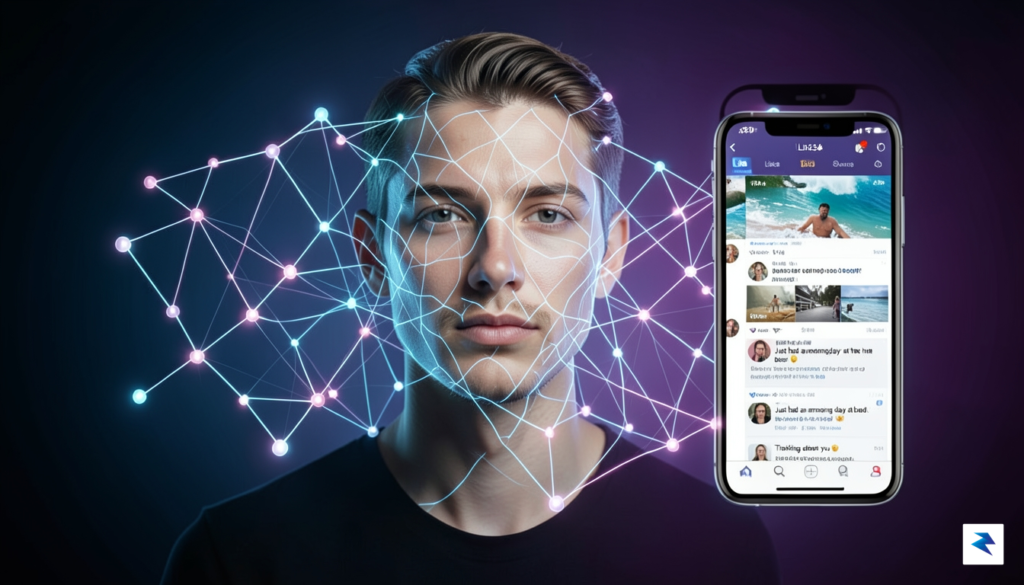
The monetization potential behind this practice is significant, turning synthetic empathy into a reliable revenue stream. Many of these operators utilize automated bot networks to jumpstart the engagement process, creating an illusion of popularity that encourages real users to join the conversation. Once the account reaches a critical mass of followers, it becomes a valuable asset that can be sold on the black market, repurposed for influence operations, or used to host affiliate marketing links. Essentially, the image of a soldier is reduced to a commodity—a digital tool used to hack human attention spans and turn them into profit.
The most effective disinformation campaigns do not rely on complex lies; they rely on exploiting the basic human desire to support a hero, thereby turning our own moral instincts against us to fuel the platform’s revenue engine.
Ultimately, this model thrives because it creates a closed ecosystem that rewards deception. By prioritizing high-reaction content over factual accuracy, social media algorithms inadvertently subsidize the production of fake images. As long as the metrics of success remain tied to raw engagement numbers rather than the veracity of the information, these synthetic soldiers will continue to dominate our digital spaces. Understanding this business model is the first step in recognizing that when we interact with these posts, we are not just witnessing a sentimental moment; we are participating in a calculated economic transaction designed to manipulate our attention for someone else’s gain.
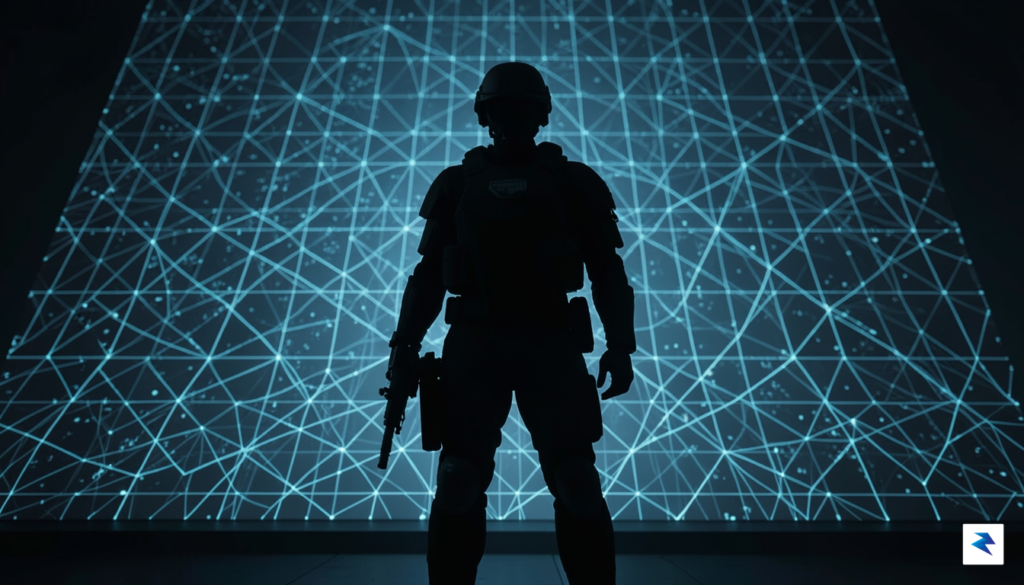
The proliferation of synthetic service members represents a profound ethical breach that transcends mere digital trickery. When we instinctively tap a “like” button or share a heartwarming story about a soldier in uniform, we are often unknowingly participating in the commodification of valor. By manufacturing artificial heroes, bad actors strip the concept of service of its historical weight and human complexity. This practice transforms the profound, often traumatic reality of military duty into a cheap aesthetic, reducing the lived experiences of veterans to a set of pixels designed to exploit our natural inclination toward gratitude and patriotism.
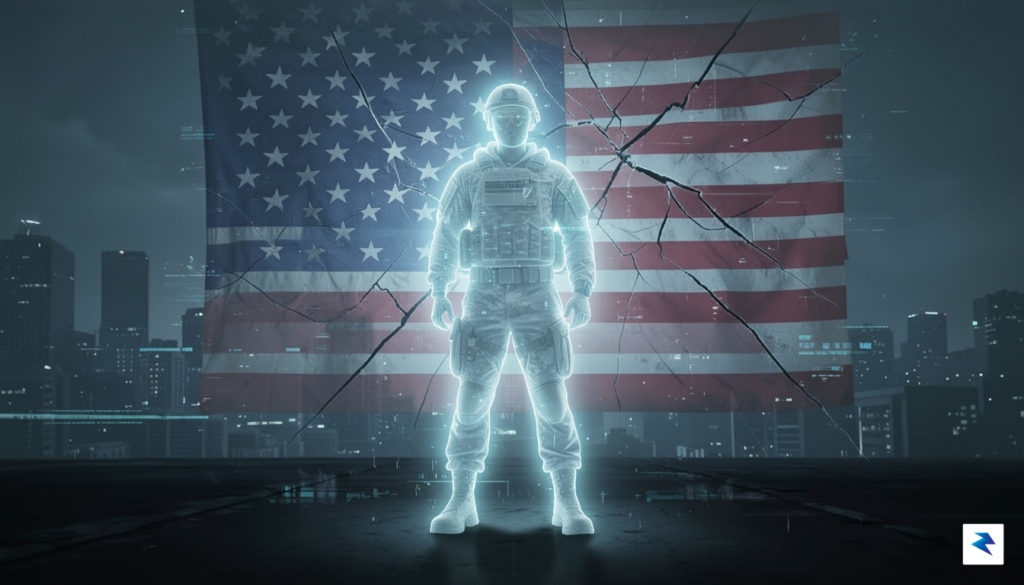
This erosion of authenticity carries significant consequences for how society views actual military sacrifice. When the public is constantly bombarded with hyper-idealized, AI-generated imagery, the line between genuine heroism and manufactured fiction blurs. Over time, this desensitization risks trivializing the real-world struggles of those who have served, as the public becomes unable to distinguish between a constructed narrative and the messy, often painful truth of combat. We are effectively training ourselves to value a polished, false image over the nuanced reality of a service member’s true story, which inevitably diminishes the respect owed to those who have faced the genuine hardships of duty.
The danger lies not just in the lie itself, but in the systematic devaluation of the truth. When valor is manufactured, it becomes a commodity; when it becomes a commodity, it loses its sanctity.
Beyond the immediate moral discomfort, these synthetic accounts serve as a dangerous gateway for more malicious operations. Once an account has successfully cultivated a captive audience by exploiting a sense of national pride, the creator effectively holds the keys to a platform primed for manipulation. These pages often pivot from benign, patriotic engagement to the active dissemination of political disinformation, recruitment scams, or divisive rhetoric. By earning the trust of their followers through the imagery of service, these accounts bypass the critical skepticism typically applied to strangers online, making the audience far more vulnerable to subsequent campaigns of misinformation. Consequently, the exploitation of military valor is not merely a harmless prank or a curious trend; it is a calculated strategy that weaponizes our collective reverence to subvert the integrity of our digital information landscape.
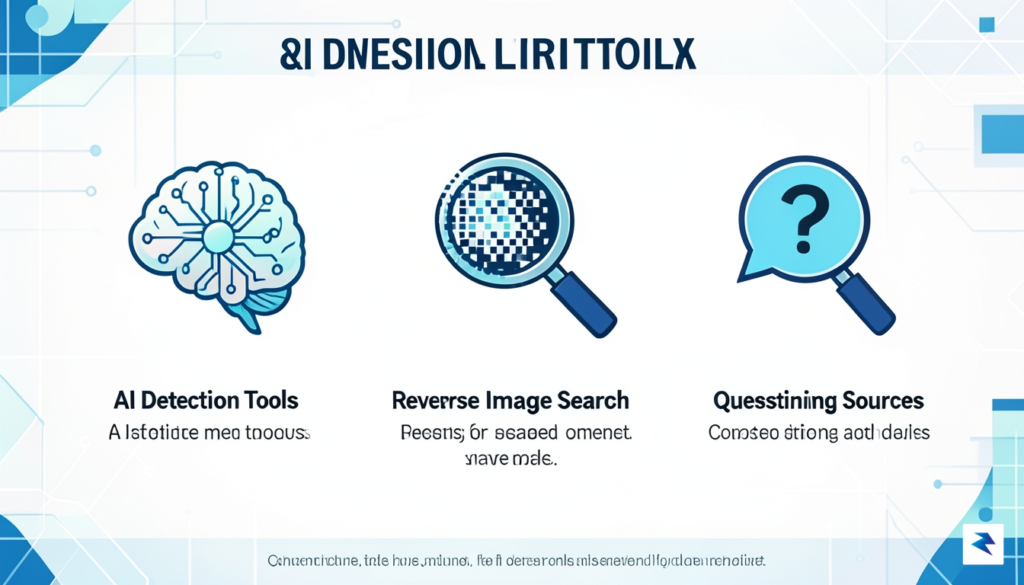
In an era where hyper-realistic generative models can conjure entire battlefield scenes in seconds, maintaining a healthy degree of skepticism has become the most essential tool in your digital arsenal. The barrier to entry for creating high-fidelity propaganda has effectively vanished, meaning that what you see is no longer necessarily what happened. To navigate this landscape, you must train your eyes to spot the subtle, often jarring inconsistencies that AI-generated imagery frequently leaves behind. While these tools are evolving rapidly, they still struggle with the complexities of human anatomy and physics, often betraying their synthetic origins through overlooked details.
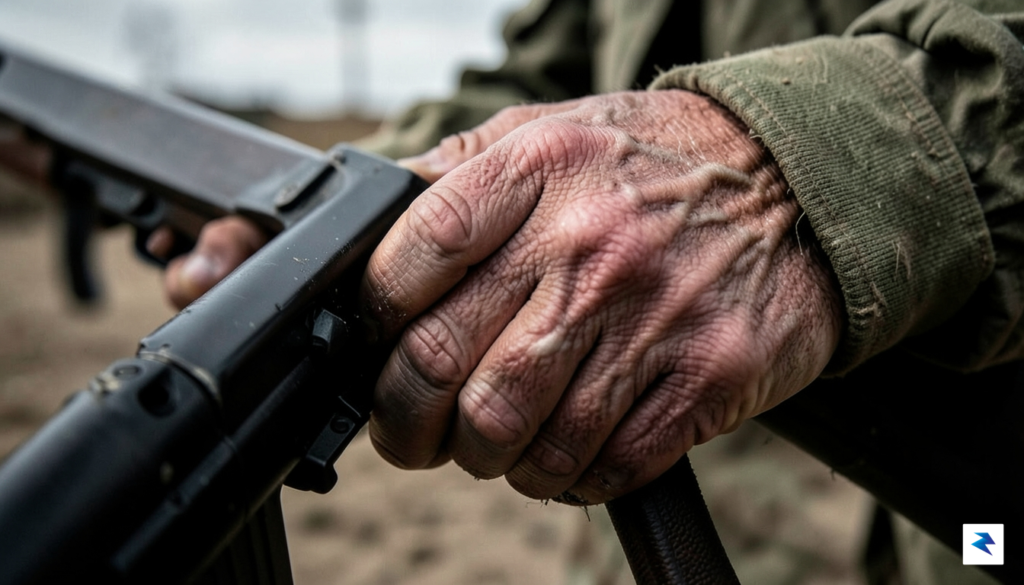
The most common errors in AI-generated depictions of soldiers often appear in the extremities and the surrounding environment. Start by examining the hands and fingers; current models frequently struggle to render joints, nails, and the physical grip on equipment correctly, often resulting in blurred, extra, or fused digits. Furthermore, look closely at the background details, such as the texture of a brick wall or the geometry of a piece of military hardware. You may notice that the background patterns are overly repetitive, blurred in a non-natural way, or that the lighting does not match the shadows cast by the subjects in the foreground. If the lighting on a soldier’s face contradicts the direction of the light hitting the terrain behind them, you are likely looking at a composite piece of art rather than a genuine photograph.
When an image evokes a powerful emotional reaction, pause. High-stakes emotional content is frequently the bait used to bypass your critical thinking skills and encourage impulsive sharing.
Beyond visual inspection, you should leverage the digital tools available to verify the provenance of any suspicious media. A reverse image search is your first line of defense; by uploading an image into a tool like Google Lens or TinEye, you can often find the original context or discover that the image has appeared in numerous unrelated, dubious online forums. Additionally, dedicated detection platforms—such as Hive Moderation or various deepfake-identifying algorithms—can provide a probability score regarding whether an image was generated by a specific neural network. Even without specialized software, simply cross-referencing a viral image with reputable, established news organizations can save you from inadvertently spreading misinformation.
Ultimately, the most effective defense is a shift in personal habit: verify before you click the share button. If a piece of media is designed to provoke immediate anger, fear, or nationalistic pride, treat it as “guilty until proven innocent.” By taking an extra thirty seconds to analyze the image’s integrity and check for corroborating reports from reliable journalists, you contribute to a cleaner, more honest digital ecosystem. Remember that every time you choose to verify instead of reacting, you disrupt the momentum of those attempting to manipulate public opinion through synthetic deception.
You must be logged in to post a comment.