
Microsoft’s Record-Breaking 570 Patch Cycle: What IT Teams Need to Know
Understanding the Scale: Why 570 Patches Matters The sheer magnitude of 570 security vulnerabilities addressed in a single update cycle is not…
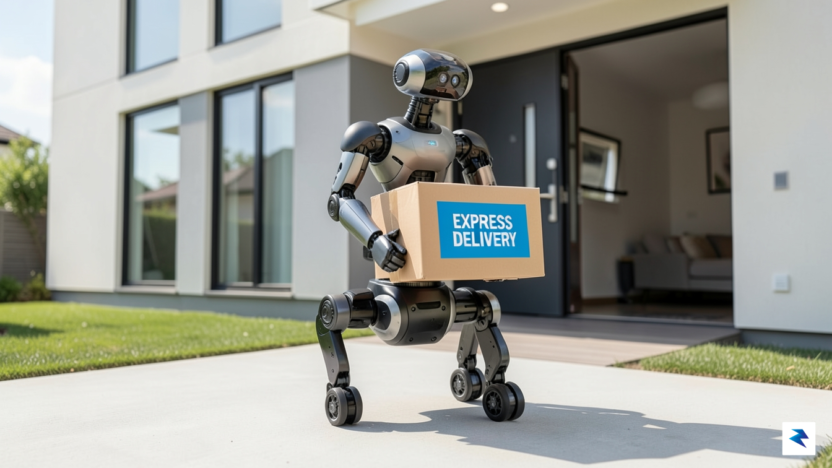
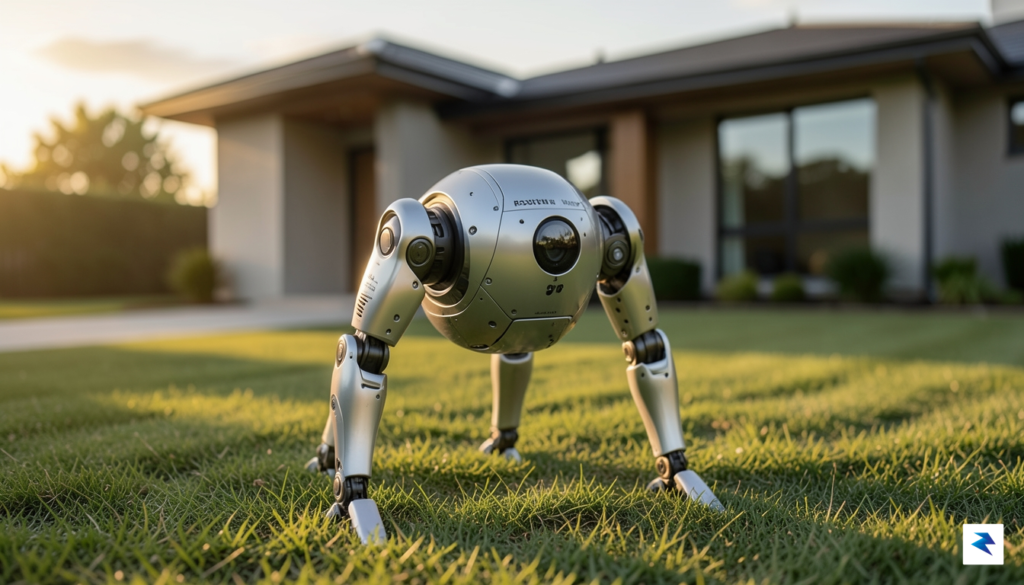
For years, Boston Dynamics’ Spot has been the quintessential symbol of robotic sophistication, primarily recognized for its uncanny ability to navigate treacherous terrain that would stop a traditional wheeled robot in its tracks. Initially designed for high-stakes industrial environments, the quadruped became a staple in hazardous zones where human presence was deemed too risky. Whether it was monitoring the structural integrity of remote power plants, inspecting the decaying ruins of Pompeii to preserve archaeological history, or surveying complex construction sites, Spot proved that its agility and sensor array were unmatched. These early applications established a reputation for the robot as a rugged, reliable tool for data collection, functioning essentially as a mobile set of eyes and ears for engineers and facility managers who needed to maintain oversight without direct physical intervention.
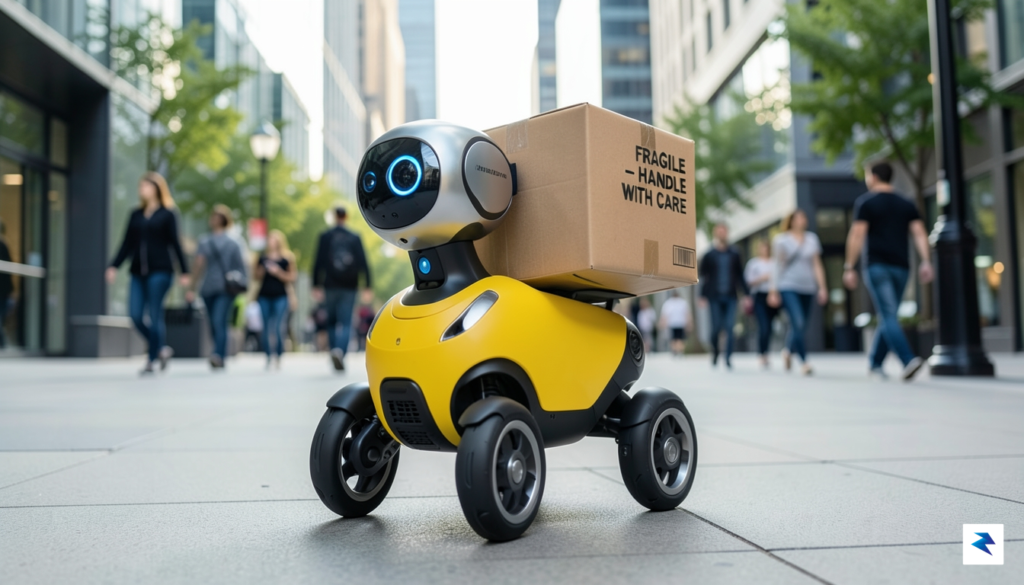
However, the current trajectory of Boston Dynamics signals a bold departure from these controlled, industrial origins toward the unpredictable chaos of the public domain. The transition from a specialized inspection tool to a logistics agent represents more than just a change in software; it is a fundamental shift in how we perceive robotic utility in our daily lives. By stepping out of the factory and onto the sidewalk, Spot is tasked with solving the “last mile” problem—the most expensive and logistically complex portion of the delivery process. This pivot requires the robot to interpret dynamic, human-centric environments, such as maneuvering through crowded foot traffic, identifying crosswalks, and safely interacting with the general public.
The movement of Spot into the logistics sector demonstrates that the threshold for autonomous utility has been breached, moving robotics from the background of industrial maintenance to the foreground of consumer service.
This evolution is not merely a technical experiment but a calculated expansion of the robot’s operational scope. As Spot begins to integrate into delivery workflows, it must demonstrate a level of social navigation that was never required within the confines of a gated construction site. The challenge lies in balancing its high-performance mobility with the need for polite, predictable behavior in residential and commercial neighborhoods. By bridging the gap between heavy-duty industrial surveillance and the personalized delivery of goods, Boston Dynamics is essentially teaching a machine designed for danger how to become a helpful, everyday neighbor. This shift marks a pivotal moment in robotics history, suggesting that the future of logistics may be far more agile—and four-legged—than we once imagined.
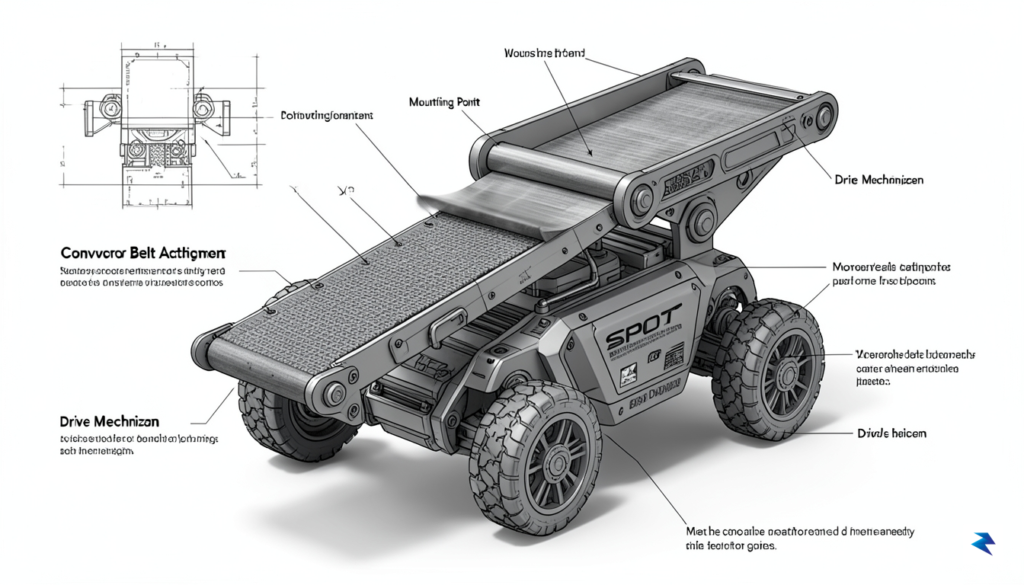
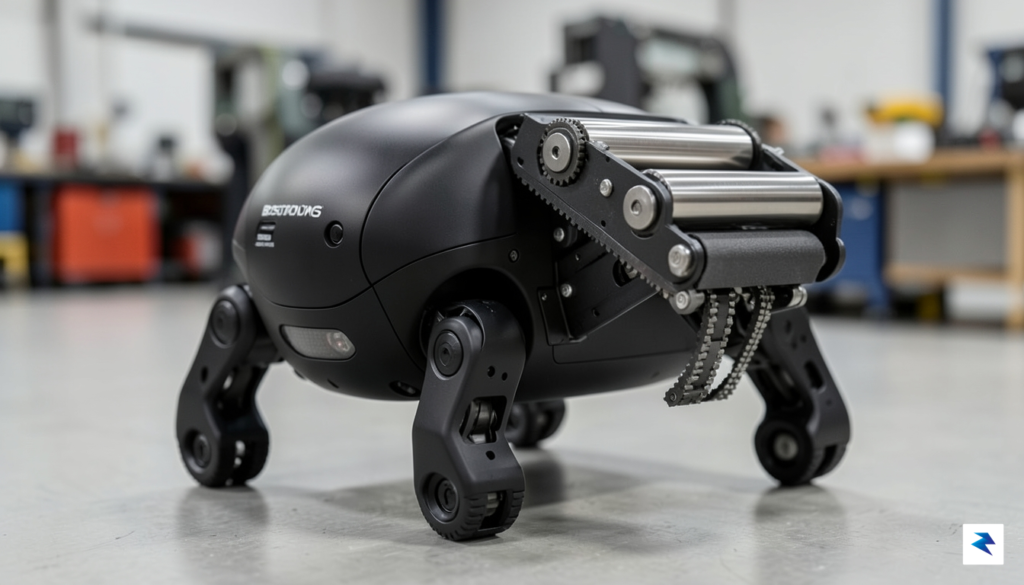
At the heart of this innovation lies a sophisticated modular conveyor belt system that transforms the quadruped from a mobile sensor platform into a functional logistics agent. Unlike static delivery solutions, this motorized deck is engineered to sit flush against the robot’s chassis, utilizing a series of low-friction rollers and high-torque actuators that allow for the seamless movement of cargo. The system is designed to handle a variety of package shapes and weights, employing a dynamic tensioning mechanism that keeps parcels stable even when the robot is traversing uneven ground or navigating steep inclines. By integrating this hardware directly into the robot’s power distribution grid, the conveyor can operate with high energy efficiency, ensuring that the act of unloading does not significantly deplete the battery life required for navigation.
The true brilliance of this accessory is not just the hardware, but how it synchronizes with the robot’s proprietary motion control architecture. When Spot approaches a delivery destination, its onboard computer initiates a handshake protocol between the conveyor’s sensors and the robot’s gait-stabilization software. As the robot positions itself to drop off a parcel, the system automatically adjusts the orientation of the chassis to account for the slope of a porch or a doorstep, ensuring the conveyor angle is optimal for a gentle release. This integration requires a complex feedback loop where the robot monitors its own center of gravity in real-time, compensating for the shifting weight of a package as it moves along the belt toward the delivery point.
The integration of autonomous material handling with quadrupedal mobility marks a significant leap in last-mile logistics, turning a balance-focused machine into a precise delivery tool.
To achieve true autonomy, Boston Dynamics has implemented a suite of advanced algorithms that manage the entire shelf-to-doorstep workflow. Once the robot identifies the correct drop-off zone using its array of cameras and LiDAR sensors, the onboard software calculates the precise velocity and duration required for the belt to eject the package without sliding it off uncontrollably. This is complemented by computer vision systems that track the parcel’s position on the deck, allowing the robot to “nudge” or reposition the item if it detects slippage during transit. Ultimately, this combination of mechanical precision and algorithmic intelligence allows the unit to operate with the reliability of a conveyor system while maintaining the unparalleled agility of a legged machine.
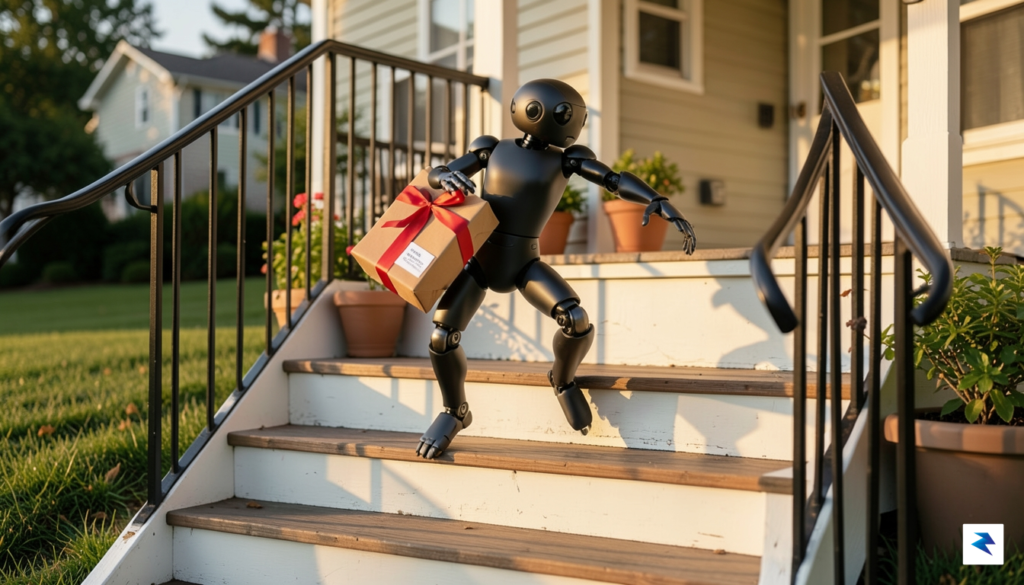
The “last mile” of the logistics process—the final leg of a package’s journey from a distribution hub to the customer’s doorstep—remains the most significant bottleneck in modern supply chain management. It is characterized by high costs, unpredictable traffic, and the sheer logistical complexity of navigating diverse residential environments. While traditional wheeled delivery drones and sidewalk robots have gained traction in flat, urban environments, they are fundamentally tethered to the constraints of the sidewalk. These machines frequently encounter “mobility cliffs,” where a single flight of stairs, a steep driveway, or a patch of unpaved grass effectively terminates their path, leaving the package stranded meters away from the actual destination.
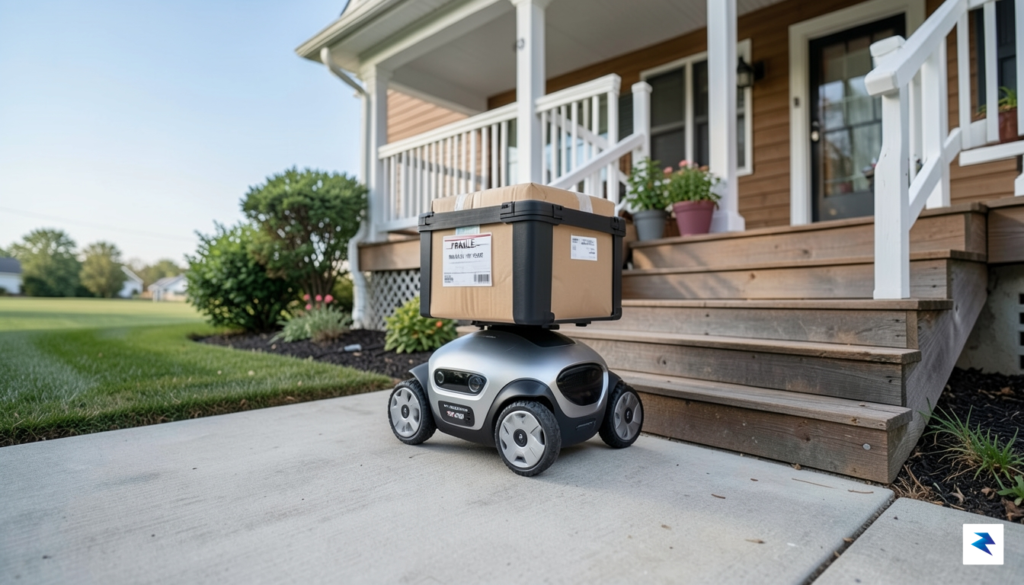
Quadrupedal robots like Spot offer a paradigm shift by mirroring the biological versatility of animals. Unlike wheeled platforms, which rely on a continuous, level surface to maintain traction and stability, Spot utilizes a multi-jointed leg system that allows it to adapt to its surroundings in real-time. By calculating precise foot placements, the robot can ascend and descend stairs, step over debris, and traverse uneven terrain such as gravel, mud, or snow—environmental factors that would cause a wheeled robot to become stuck or capsize. This capability is not merely a technical novelty; it is a fundamental requirement for truly autonomous residential delivery.
The true potential of autonomous delivery lies not in replacing human drivers on open roads, but in overcoming the architectural barriers that have historically kept automation trapped on the pavement.
By eliminating the need for a perfectly flat path, quadruped robots unlock the ability to deliver packages directly to the porch rather than the curb. This transition is essential for enhancing security against package theft and ensuring accessibility for customers who may have mobility challenges. Furthermore, the integration of advanced LiDAR and vision-based navigation systems allows these robots to map their surroundings dynamically, ensuring they can navigate narrow walkways and avoid obstacles without human intervention. As logistics companies continue to seek ways to optimize delivery efficiency, the transition from rigid, wheeled automation to fluid, quadrupedal mobility represents the most viable path toward a fully automated last-mile ecosystem.
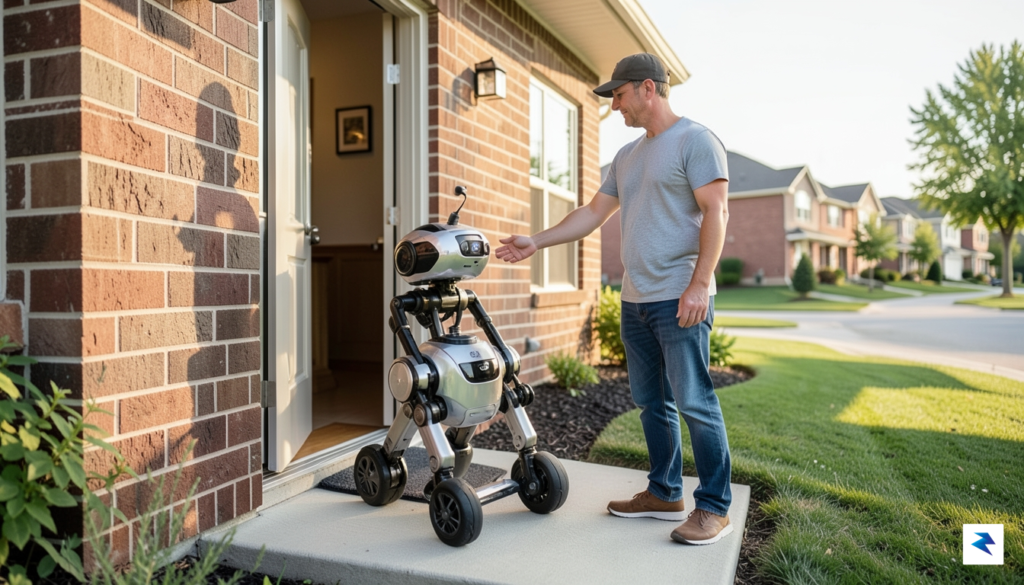
While the mechanical agility of Boston Dynamics’ four-legged platforms is undeniably impressive, the transition from controlled laboratory environments to the chaotic, unpredictable nature of public spaces introduces a complex layer of logistical and safety hurdles. Navigating a sidewalk or an office complex involves far more than simply avoiding stationary objects; it requires the machine to interpret the fluid, often erratic behavior of human pedestrians. To manage these interactions, the robots utilize a sophisticated array of 360-degree cameras and LiDAR sensors, which allow the system to build a real-time 3D map of its surroundings. However, even with high-fidelity sensory input, the software must be programmed with nuanced social intelligence to distinguish between a harmless passerby, a distracted cyclist, and an unexpected obstacle like a stray pet, all while adhering to strictly defined safety protocols that prioritize human well-being above task completion.
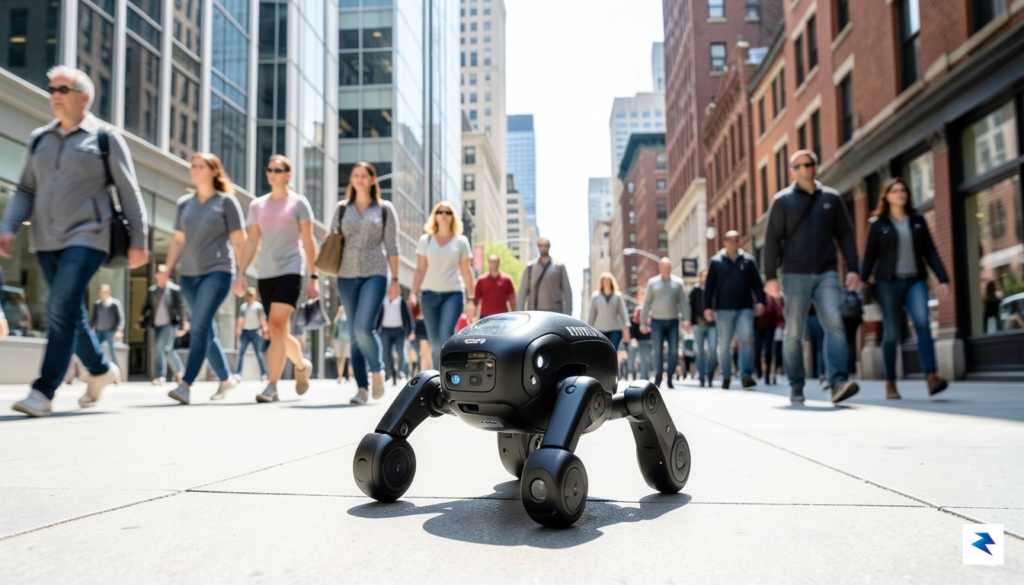
Beyond the technical challenges of collision avoidance, there is the broader issue of public perception and the ethical implications of integrating autonomous machines into our daily lives. Many people feel a natural sense of unease when encountering a robot that mimics animalistic movement, and building public trust is essential for the long-term success of any delivery program. Consequently, Boston Dynamics has implemented redundant failsafes, including remote override capabilities and clearly visible indicators that signal the robot’s intended path to those nearby. These features are designed to minimize the “uncanny valley” effect while ensuring that if a sensor glitch occurs or a path becomes dangerously obstructed, the unit can immediately transition into a neutral, stationary state to prevent accidents.
The integration of autonomous systems into populated areas requires a move beyond mere obstacle avoidance; it demands a design philosophy that treats social predictability and public comfort as core engineering requirements rather than secondary features.
Furthermore, the physical environment imposes its own set of unpredictable constraints, ranging from uneven terrain and unexpected debris to sudden weather shifts that can interfere with optical sensors. Reliability in this context is not just about the robot’s ability to walk; it is about its capacity to recover from failure without human intervention. As these machines begin to handle real-world deliveries, the data gathered from these “edge cases”—such as navigating a rain-slicked curb or communicating intent in a crowded intersection—will be instrumental in refining the underlying machine learning models. Achieving a balance between operational autonomy and strict regulatory compliance remains the final, and perhaps most difficult, frontier in moving these robotic platforms from experimental curiosities to reliable, everyday logistics tools.
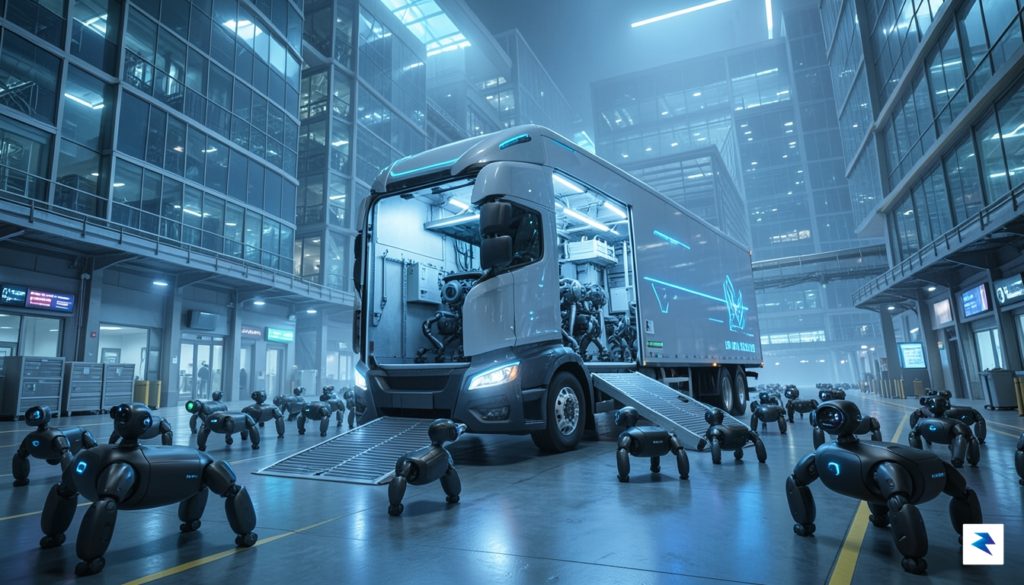
As Boston Dynamics continues to refine the hardware and software capabilities of the Spot platform, we are rapidly transitioning from experimental pilot programs to a reality where autonomous mobile robots become a standard fixture of the logistics landscape. The current iterative process—teaching these quadrupedal machines to navigate complex urban environments, interpret human gestures, and handle delicate cargo—is the foundational work for a massive shift in how goods move from warehouses to our doorsteps. As these systems become more reliable and cost-effective, we can expect to see a profound transformation in “last-mile” delivery, which has historically been the most expensive and inefficient segment of the global supply chain.
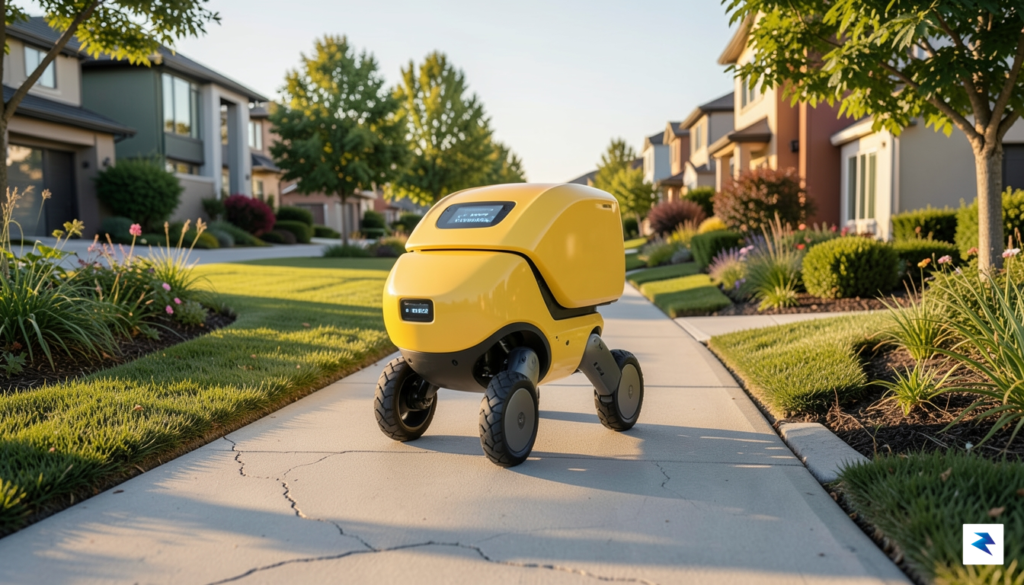
The economic implications of this transition are sweeping, particularly as businesses begin to scale these robotic fleets. By automating the final leg of the delivery process, companies can significantly lower operational overhead, reduce the reliance on human drivers for repetitive or hazardous tasks, and operate on 24/7 schedules that do not adhere to traditional labor shifts. Furthermore, the integration of advanced artificial intelligence allows these machines to learn from every trip, meaning the collective fleet intelligence grows exponentially over time. This creates a compounding efficiency effect that will likely drive down consumer costs while simultaneously increasing the speed and precision of parcel arrivals.
The true value of autonomous logistics lies not just in replacing human labor, but in enabling a new era of hyper-local, on-demand commerce that was previously logistically impossible or economically unfeasible.
Looking ahead over the next decade, the impact on the global logistics industry will be nothing short of revolutionary. We are moving toward a future where autonomous agents coordinate seamlessly with smart infrastructure, such as automated lockers and building access systems, to ensure that deliveries are completed with minimal friction. As regulatory frameworks catch up to these technological advancements, we will likely see a surge in the deployment of diversified robotic fleets—ranging from aerial drones to ground-based legged robots—working in concert to optimize traffic patterns and reduce carbon footprints. Ultimately, the successful integration of these robots signals a departure from centralized delivery models toward a decentralized, highly agile network, forever changing how we perceive the movement of physical goods in an increasingly digital world.
You must be logged in to post a comment.