
Reelful Review: Turning Your Camera Roll into Viral Reels with AI
The Evolution of Short-Form Content Creation The modern digital landscape has shifted aggressively toward short-form video, transforming…


The recent announcement of 4.3% GDP growth marks a definitive inflection point for the world’s second-largest economy, signaling that the era of hyper-expansion is firmly in the rearview mirror. For decades, China operated under a model defined by double-digit surges, infrastructure-heavy investment, and an endless appetite for industrial production. Today, that narrative has shifted toward a more nuanced, albeit slower, reality. While a 4.3% expansion remains robust by international standards, it stands in stark contrast to the historical benchmarks that once fueled global optimism, underscoring a transition from the pursuit of sheer volume to a strategy centered on structural maturation.
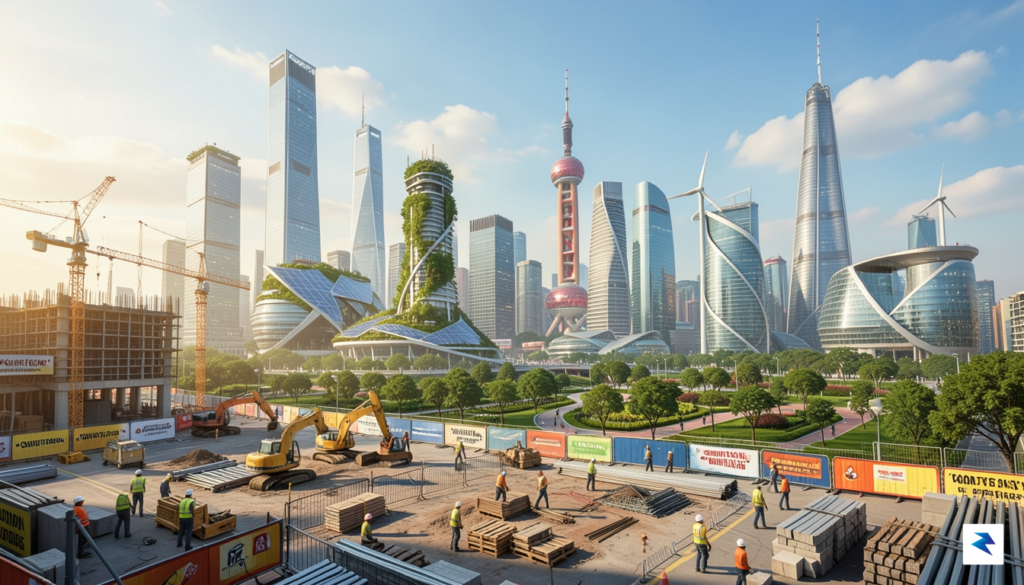
This deceleration is not merely a byproduct of global headwinds; it is a calculated, albeit difficult, transition toward what Beijing characterizes as “high-quality growth.” The reliance on real estate development and export-heavy manufacturing—the traditional engines of the Chinese miracle—is being intentionally throttled in favor of domestic consumption, technological self-reliance, and green energy transitions. Consequently, the 4.3% figure acts as a reflection of an economy undergoing a painful but necessary recalibration. By curbing the excesses of credit-fueled growth, the government is attempting to build a more resilient foundation, though the immediate friction of this structural adjustment is clearly weighing on current performance metrics.
“The transition from high-speed growth to high-quality growth is rarely a seamless path; it is a complex period of maturation that requires balancing systemic stability with the inevitable cooling of industrial momentum.”
Furthermore, this growth trajectory highlights why domestic factors have become the primary drivers of the Chinese economic story. As international supply chains diversify and geopolitical tensions influence global trade, China is increasingly turning inward to cultivate its own internal market as the chief engine of progress. The current economic climate suggests that the “easy” growth phase has concluded, leaving behind a more sophisticated, complex environment where success is measured by innovation and household spending rather than just steel output. For observers and investors alike, understanding this shift is essential; it represents a fundamental change in the DNA of China’s economy, where the priority is no longer reaching the fastest speed, but rather establishing the most sustainable path forward.
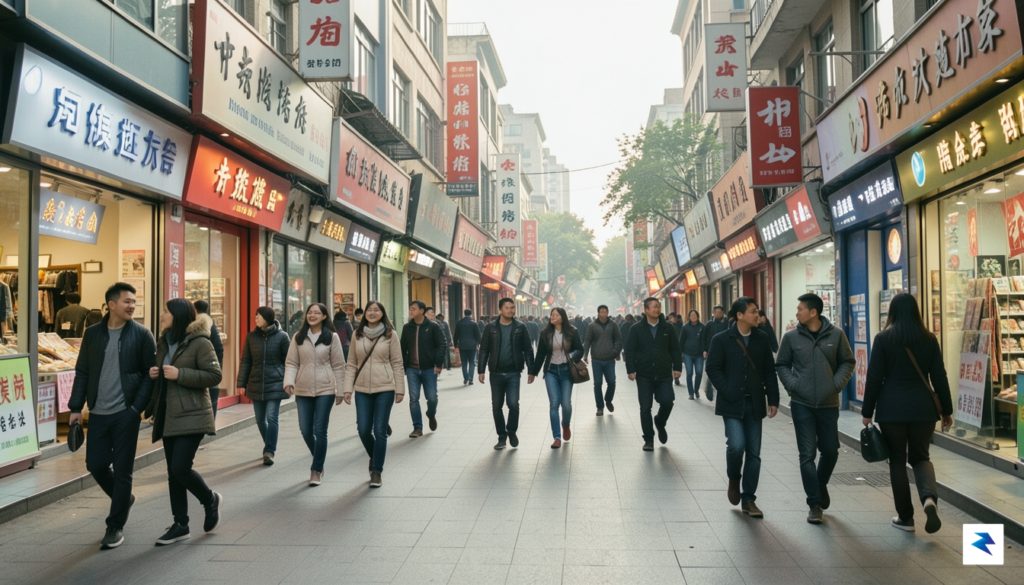
China’s economic engine currently exhibits a striking duality: while its manufacturing sector maintains a relentless, hyper-efficient output that keeps global supply chains humming, the domestic heartbeat remains noticeably faint. This disconnect reveals a fundamental structural hurdle, where the sheer volume of goods flowing out of Chinese ports fails to translate into a corresponding surge in activity within the nation’s shopping malls and service sectors. For years, the state has relied on heavy industrial production to buoy growth figures, yet this heavy-handed approach is increasingly insufficient as the country attempts a difficult transition toward a consumption-led model. The reliance on external demand is no longer a sustainable panacea; without a robust domestic base, the economy remains precariously vulnerable to fluctuating global trade policies and shifting international market preferences.
The primary barrier to this transition is a profound shift in consumer psychology, which has been fundamentally altered by the lasting scars of the pandemic and ongoing real estate instability. Households that once spent with confidence are now gripped by a “precautionary savings” mindset, choosing to hoard cash rather than spend on luxury goods or discretionary services. This behavior is inextricably linked to the labor market, where youth unemployment figures have cast a long shadow over the aspirations of the younger generation. When young professionals face uncertainty regarding their career trajectories and wage growth, they naturally pull back on consumption, creating a ripple effect that dampens demand for everything from electronics to travel.
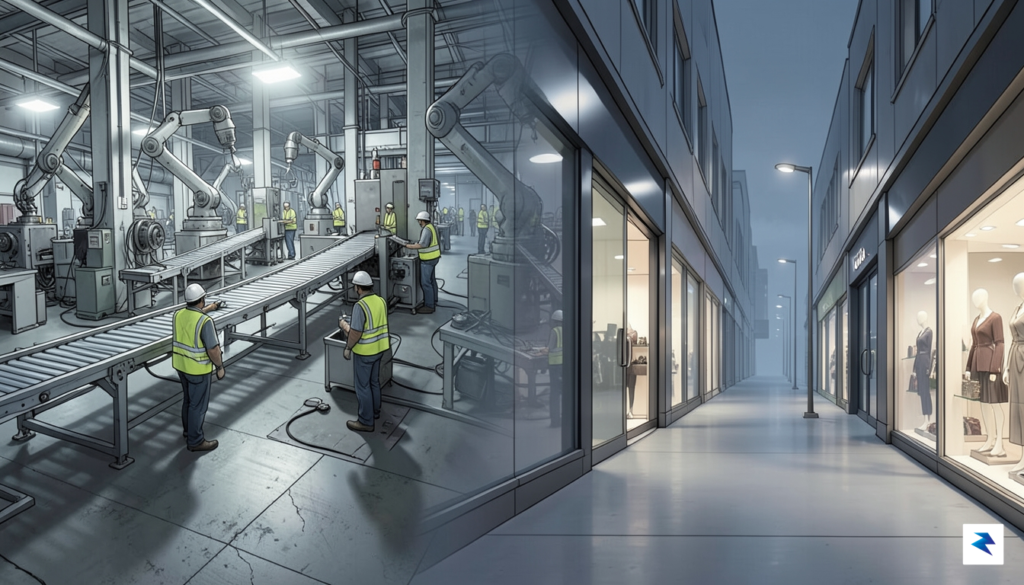
Furthermore, the structural nature of China’s economy—which has historically favored investment in infrastructure and production capacity over direct household subsidies—has left the average consumer with a smaller slice of the national income pie. This imbalance creates a cycle where factories produce goods for the world, but the local population lacks the disposable income or the requisite peace of mind to absorb that production. Policymakers are now caught in a difficult bind: they must stimulate demand without reinflating the debt-heavy property bubble that previously served as the primary store of household wealth.
The core challenge for Beijing is shifting the economic narrative from “production for the world” to “prosperity for the citizen,” a transformation that requires deep-seated institutional reforms rather than mere monetary injections.
Ultimately, the path toward a more resilient economy depends on unlocking this domestic potential. Relying solely on exports to drive growth is a strategy with diminishing returns in an increasingly protectionist global environment. To bridge the gap, the government must address the underlying anxieties regarding social safety nets, healthcare, and job security. Only when consumers feel secure enough to spend rather than save will the domestic market begin to serve as a reliable pillar for China’s future economic expansion. Until that shift occurs, the economy will remain at a crossroads, caught between the mechanical efficiency of its factories and the hesitation of its people.
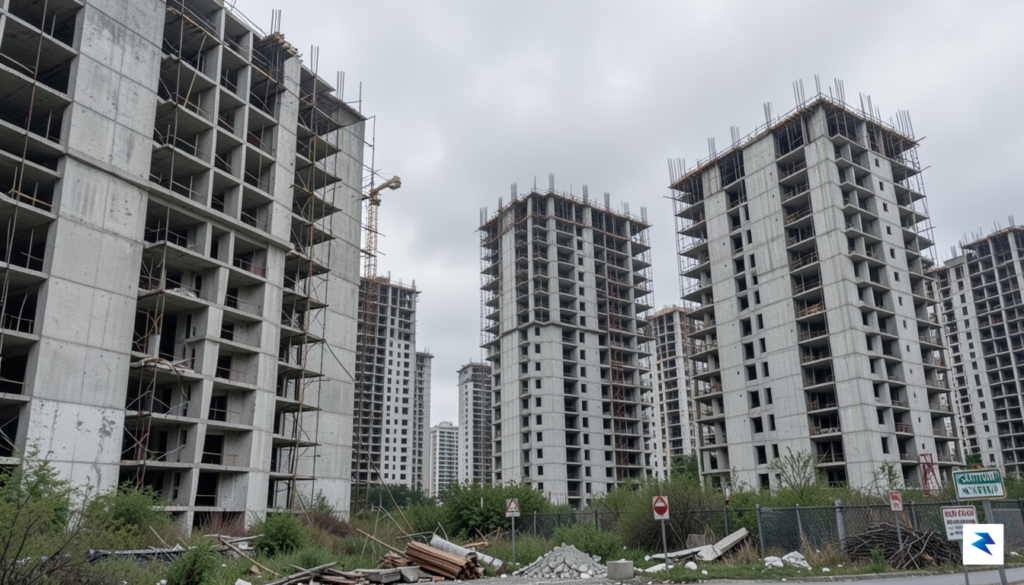
For decades, the property sector served as the primary engine of China’s meteoric economic rise, accounting for as much as a quarter of the nation’s annual GDP. This era of hyper-growth was fueled by a unique model where developers relied on massive leverage to fund projects, often selling units before they were completed. However, this reliance on debt-driven expansion eventually hit a wall of oversupply and liquidity constraints. As the government moved to curb speculative borrowing through the “three red lines” policy, the resulting credit crunch exposed deep cracks in the foundations of major developers. Today, the sector has transitioned from a growth driver into a structural anchor, as unfinished projects continue to weigh on consumer confidence and household wealth, which remains heavily concentrated in real estate assets.
Compounding the fragility of the property market is the precarious state of local government finances. Over the past twenty years, municipal authorities have relied extensively on Local Government Financing Vehicles (LGFVs)—off-balance-sheet entities created to bypass borrowing restrictions and fund infrastructure projects. While these investments spurred rapid urbanization, they also left local governments with a mountain of debt that is increasingly difficult to service as land sales—the primary source of revenue for these regions—have plummeted. This “hidden debt” creates a systemic risk that limits the state’s capacity to stimulate the economy, as any significant bailout of these vehicles risks fueling moral hazard and further inflation of the national debt burden.
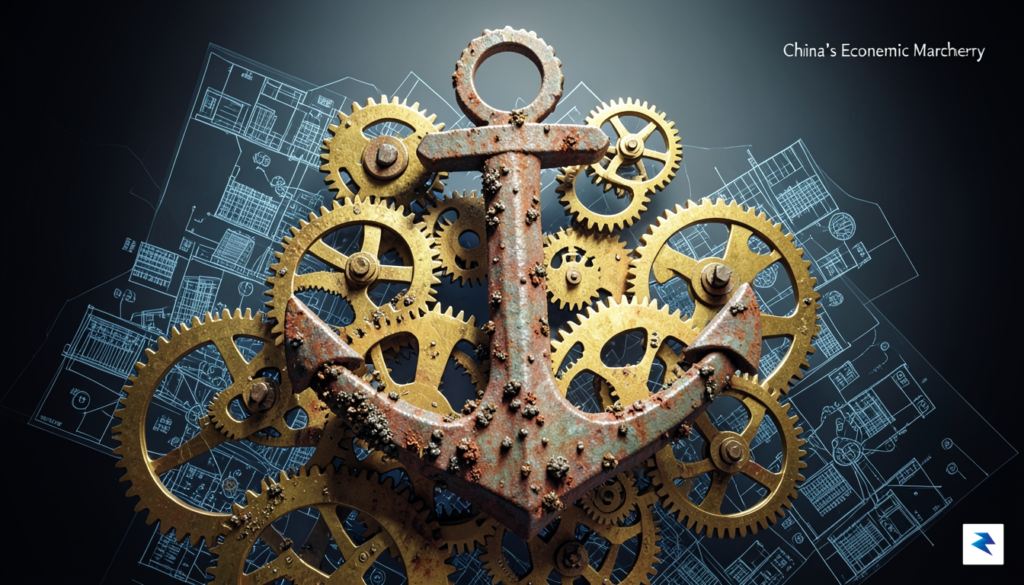
The transition away from an investment-led growth model is perhaps the most difficult economic pivot China has faced in the modern era; it requires balancing the need to deleverage without triggering a sharp, contractionary recession.
Managing this transition is a delicate balancing act that requires Beijing to thread a very narrow needle. Policymakers are attempting to engineer a “soft landing,” moving the economy toward high-quality development and consumption-led growth while preventing a disorderly collapse of the real estate sector. This involves restructuring distressed debt and encouraging state-owned firms to take over incomplete projects to ensure social stability. However, the path forward remains fraught with difficulty. Shifting the gears of such a massive economy away from the familiar, albeit unsustainable, reliance on property and infrastructure is not merely a fiscal challenge—it is a fundamental restructuring of the social contract that has defined Chinese prosperity for a generation.
Ultimately, the slow growth observed in recent data is a reflection of this intentional, if painful, cooling process. As the reliance on debt-fueled property investment wanes, the burden of growth must shift to sectors like advanced manufacturing, green energy, and domestic consumption. Achieving this shift will likely result in a period of lower headline growth figures, as the economy sheds the inefficient weight of its past. The challenge for authorities is to maintain enough momentum to avoid widespread unemployment while ensuring that the deleveraging process does not spiral into a systemic financial crisis that could stall the transition indefinitely.
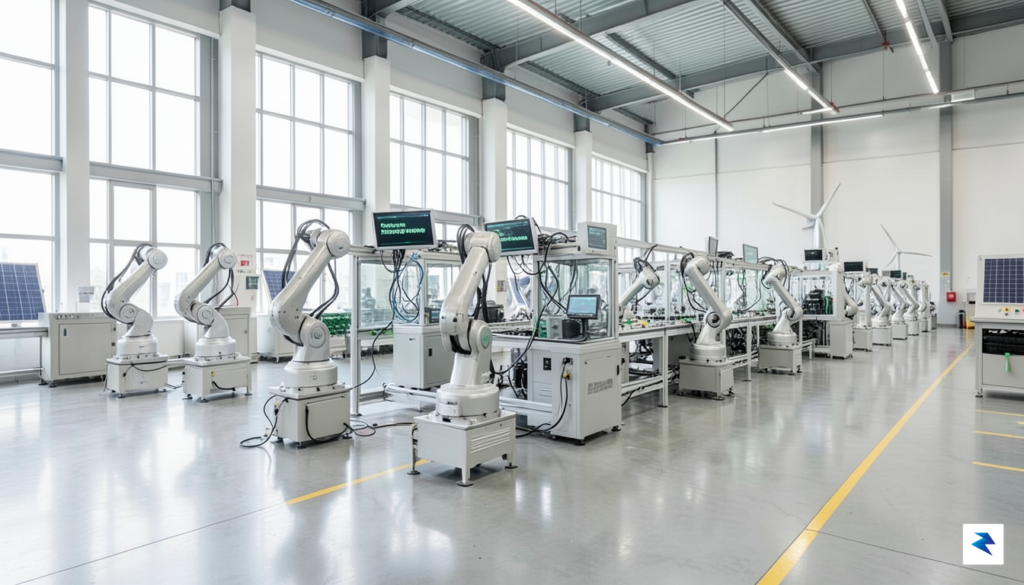
As the traditional engines of the Chinese economy—most notably the real estate sector and infrastructure investment—continue to sputter, Beijing has increasingly pinned its growth ambitions on a strategic pivot toward what it terms "New Productive Forces." This transition represents a deliberate shift away from the labor-intensive, low-margin manufacturing that defined the nation’s rapid industrialization over the past three decades. Instead, policymakers are pouring massive resources into high-tech sectors, specifically focusing on the "three new items": electric vehicles (EVs), lithium-ion batteries, and solar energy products. By prioritizing these capital-intensive industries, China aims to secure a dominant position in the global green energy transition, effectively creating a high-tech floor for its economic performance even as consumer sentiment at home remains tepid.
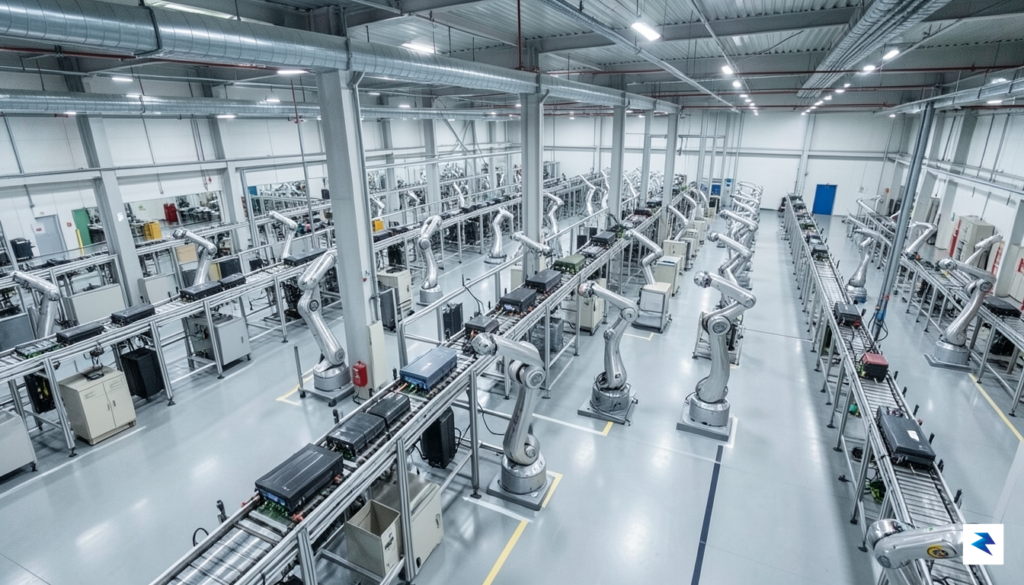
This aggressive push into green technology has positioned China as the undisputed global leader in manufacturing efficiency and supply chain integration. Through a combination of state subsidies, vast economies of scale, and an unparalleled ecosystem of suppliers, Chinese firms are now capable of producing high-quality electric vehicles and renewable energy hardware at price points that global competitors struggle to match. This resilience in manufacturing output has provided a critical buffer, preventing the broader economy from sliding further as domestic demand continues to struggle under the weight of high youth unemployment and household debt. In essence, the strength of the factory floor is currently acting as a firewall against the stagnation manifesting in the retail and property markets.
The pivot toward high-end manufacturing is not merely an industrial policy; it is a fundamental restructuring of China’s role in the global economy, designed to move from being the world’s assembly line to becoming its primary engine of technological innovation.
However, this export-oriented success story is not without its complications, as it has inevitably triggered significant trade frictions on the international stage. As Chinese goods flood global markets at highly competitive prices, Western nations have responded with a flurry of protective measures, including tariffs and anti-subsidy investigations aimed at curbing what they perceive as unfair market saturation. These geopolitical tensions create a precarious environment for China’s growth strategy, as the nation’s economic health remains deeply tethered to the whims of global trade dynamics. While China’s manufacturing prowess currently serves as a vital pillar of stability, the long-term success of this model depends heavily on the country’s ability to navigate an increasingly fragmented global trade landscape where its high-tech exports face rising barriers to entry.

The central challenge currently confronting Beijing is not a lack of available economic levers, but rather the precariousness of deploying them. Traditional methods—such as broad-based interest rate cuts or massive infrastructure spending sprees—are increasingly seen as relics of a bygone era, carrying the heavy baggage of exacerbating systemic debt. Lowering borrowing costs, while theoretically helpful, has reached a point of diminishing returns; households remain cautious, and businesses are hesitant to leverage further when domestic demand remains lukewarm. Consequently, the People’s Bank of China has transitioned toward more surgical adjustments, focusing on liquidity support for specific sectors rather than flooding the entire market with cheap capital that risks fueling property bubbles or inefficient state-run projects.

Instead of relying on the blunt instruments of the past, policymakers are pivoting toward a strategy defined by “high-quality growth.” This involves a deliberate move away from the debt-fueled construction booms that defined the early 2000s, favoring instead a focus on technological self-sufficiency and the “new productive forces” of the economy. By directing fiscal spending toward advanced manufacturing, artificial intelligence, and green energy, Beijing aims to build a more resilient economic foundation that is less reliant on volatile real estate markets. This high-tech investment push serves a dual purpose: it promotes long-term industrial dominance on the global stage while insulating the domestic economy from international supply chain shocks.
The shift toward high-tech investment represents a fundamental change in the state’s economic philosophy, prioritizing long-term structural integrity over short-term statistical gains.
However, this transition is fraught with its own set of complexities. While fiscal support for high-end technology is essential for future competitiveness, it does little to solve the immediate problem of lackluster consumer confidence. Analysts frequently debate whether Beijing needs to provide more direct support to households to stimulate domestic consumption, perhaps through tax incentives or social safety net expansions. Yet, the leadership remains wary of “welfare-ism,” preferring a supply-side approach that emphasizes industrial capacity. Ultimately, the success of these policy steps will depend on the government’s ability to balance its ambitious long-term industrial vision with the urgent, underlying need to stabilize the financial lives of its citizens. The path forward is not merely about how much capital is injected into the system, but rather how precisely that capital is allocated to foster sustainable, rather than speculative, growth.

The deceleration of China’s economic engine is far more than a domestic statistic; it represents a fundamental shift in the gravitational pull of the global marketplace. For decades, China served as the world’s primary growth multiplier, acting as an insatiable consumer of raw materials and a central hub for manufacturing. As this growth cools to a more moderate pace, nations that rely heavily on exporting commodities—ranging from iron ore and copper to energy supplies—are beginning to feel the cooling effect on their own balance sheets. When Beijing’s demand for industrial inputs softens, the resulting price volatility creates a domino effect, challenging the fiscal stability of emerging markets that have long tethered their prosperity to China’s industrial appetite.
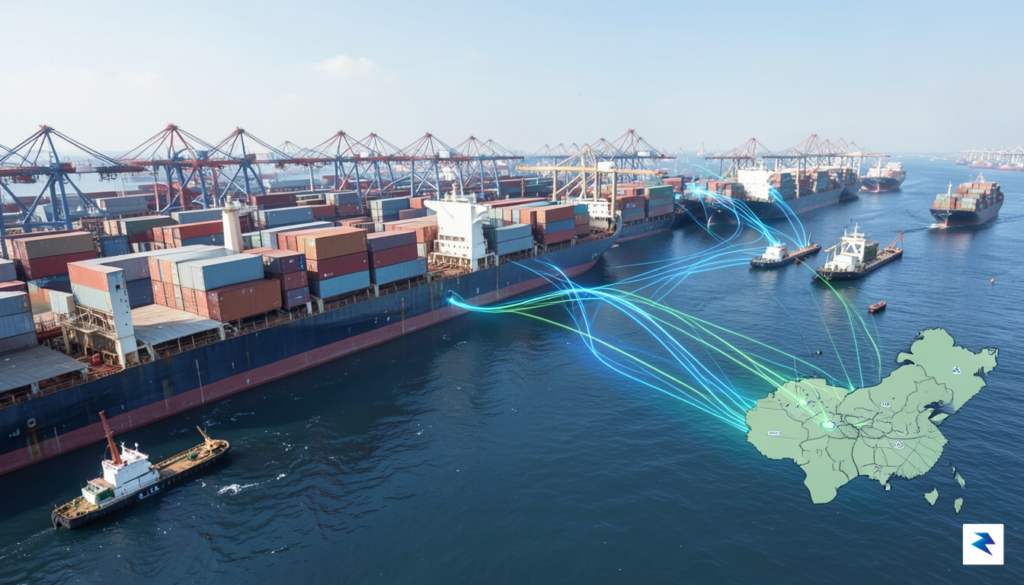
Beyond the raw materials sector, multinational corporations are actively recalibrating their supply chain strategies to mitigate the risks associated with a slower Chinese market. For years, the “China Plus One” strategy was merely a theoretical hedge; today, it has become an operational necessity. Companies are diversifying their production footprints across Southeast Asia, India, and Mexico to insulate themselves from potential domestic volatility within China. This transition is not merely about finding cheaper labor, but about building resilience in an era where China can no longer be counted on as an ever-expanding consumer base for high-end goods and services. Consequently, the global supply chain is evolving from a highly centralized model into a more fragmented, regionalized network.
The structural transition in China’s growth model is forcing a permanent realignment of international trade strategies, moving the global economy away from hyper-dependence toward a more cautious, diversified approach.
There is also the looming risk of export oversupply, which threatens to ignite fresh trade frictions. As domestic consumption inside China struggles to pick up the slack from slowing infrastructure investment, Chinese manufacturers are increasingly looking to international markets to absorb their excess capacity. This influx of competitively priced goods, particularly in sectors like electric vehicles and green technology, is intensifying competition and triggering protectionist responses from trade partners across the West. These tensions suggest that the coming years will be defined by a delicate dance: the world needs Chinese integration to maintain cost efficiencies, yet it is simultaneously erecting trade barriers to protect domestic industries from being overwhelmed by a surge of cheap imports.
Ultimately, navigating this new reality requires a sophisticated understanding of a multi-polar economic landscape. We are moving away from an era where a single nation could reliably pull the global economy upward, entering instead into a period of shared responsibility and increased geopolitical friction. As the world adjusts to China’s 4.3% growth reality, the emphasis for policymakers and business leaders alike must be on agility. Success will no longer be determined by how well one can ride the wave of Chinese expansion, but by how effectively one can manage the currents of a more unpredictable and competitive international trade environment.
You must be logged in to post a comment.