
Lululemon’s $30M Bet on Syntetica: The Future of Circular Nylon
The Circular Fashion Revolution: Why Nylon Matters The ubiquitous presence of nylon in our modern wardrobes, particularly within the booming…
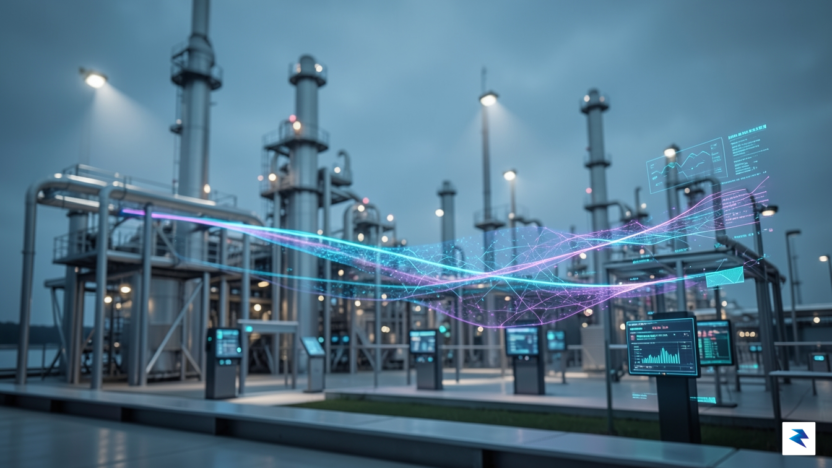
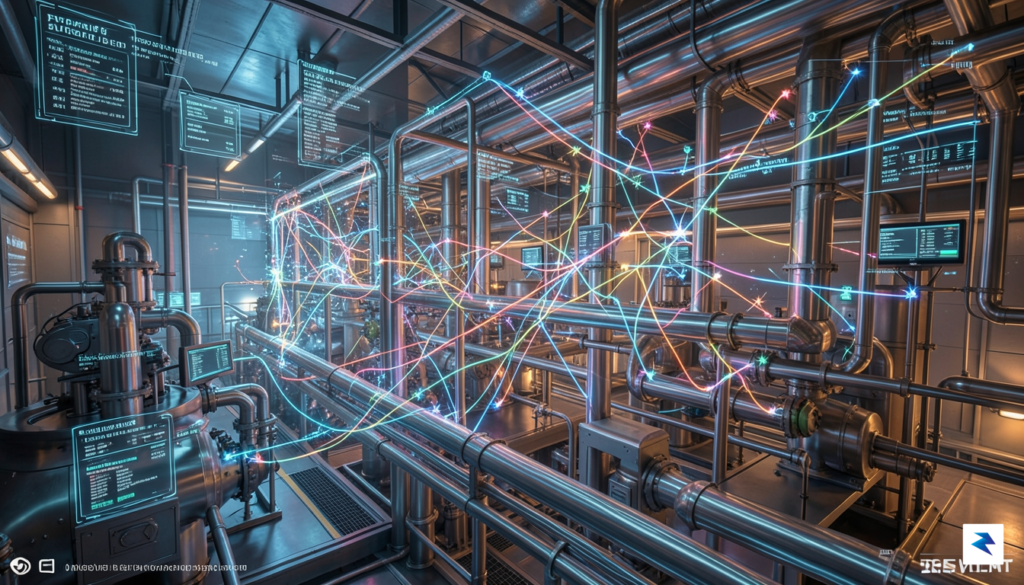
For far too long, the energy sector, particularly the demanding realms of oil and gas, has grappled with a fragmented digital landscape. Operators have often found themselves navigating a complex patchwork of bespoke software solutions and isolated AI tools, each designed to optimize a single process or monitor a specific piece of equipment. This siloed approach, while offering incremental improvements in certain areas, has consistently fallen short of delivering the holistic operational oversight and efficiency gains truly needed in such capital-intensive and safety-critical environments. The sheer complexity and interconnectedness of an entire petrochemical plant demand a more integrated and intelligent approach, one that can see the forest for the trees rather than just individual leaves.
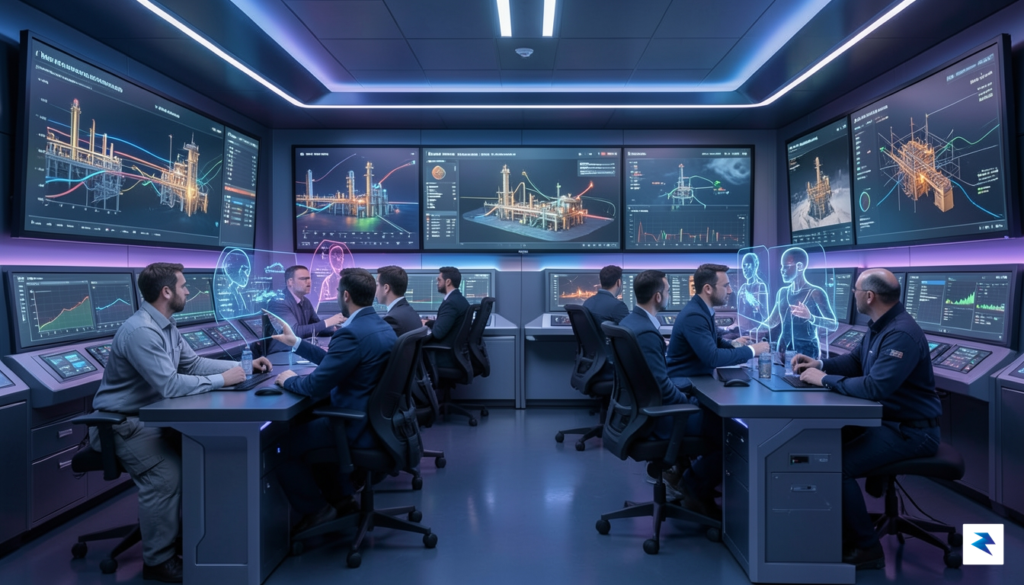
However, a significant paradigm shift is now underway, signaling a pivotal moment for industrial AI adoption. The industry is rapidly pivoting toward unified, large-scale AI models engineered to oversee entire plant operations, moving beyond the limitations of individual task optimization. This ambitious vision aims to create a centralized ‘brain’ that can understand, predict, and optimize the intricate dynamics of a whole facility, from upstream production to downstream processing. Leading this charge is Applied Computing, a company that recently secured an impressive $20 million in Series A funding to develop just such an AI model, specifically tailored to serve oil and gas operators. Their mission is to consolidate the digital intelligence of an entire plant into a single, comprehensive system, promising a future of unprecedented operational clarity and control.
The historical struggle with bespoke, isolated AI solutions in oil and gas stemmed from their inherent limitations. Each custom-built algorithm, while perhaps effective for a specific pump or valve, lacked the contextual awareness of the broader plant ecosystem. Integrating these disparate systems proved a monumental, often impossible, task, leading to data silos, conflicting insights, and a prohibitive cost of ownership. Such solutions were difficult to scale, resistant to updates, and ultimately provided only a narrow lens into the plant’s overall health and performance. This meant that critical interdependencies between processes, which are vital for truly optimized operations, frequently remained unseen or unaddressed by the fragmented digital infrastructure.
This is precisely where the concept of a “foundation model” represents a monumental paradigm shift for petrochemical operators. Unlike its predecessors, a foundation model is not built for a single, narrow task; instead, it is trained on vast quantities of diverse data, potentially spanning multiple industries and operational contexts. For Applied Computing, this means developing an AI that can ingest and interpret data from every sensor, every control system, and every operational log across an entire oil and gas plant, understanding the complex interplay between all components. By learning from this colossal dataset, the model develops a deep, generalized understanding of industrial processes, enabling it to identify patterns, predict failures, and recommend optimizations that no fragmented system could ever achieve. It offers a holistic, cross-functional view, promising to transform reactive maintenance into proactive strategy and localized efficiency into plant-wide optimization.
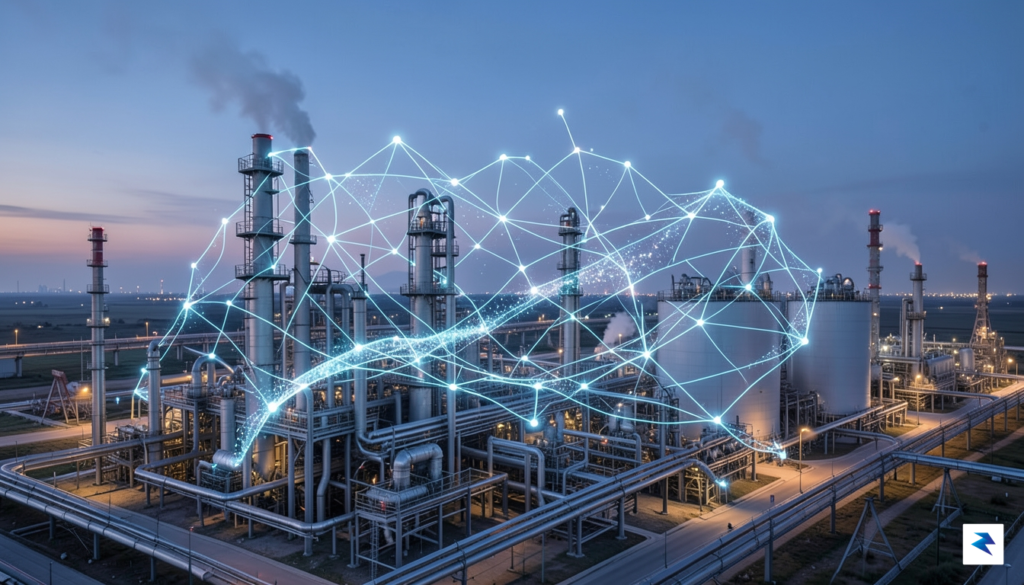
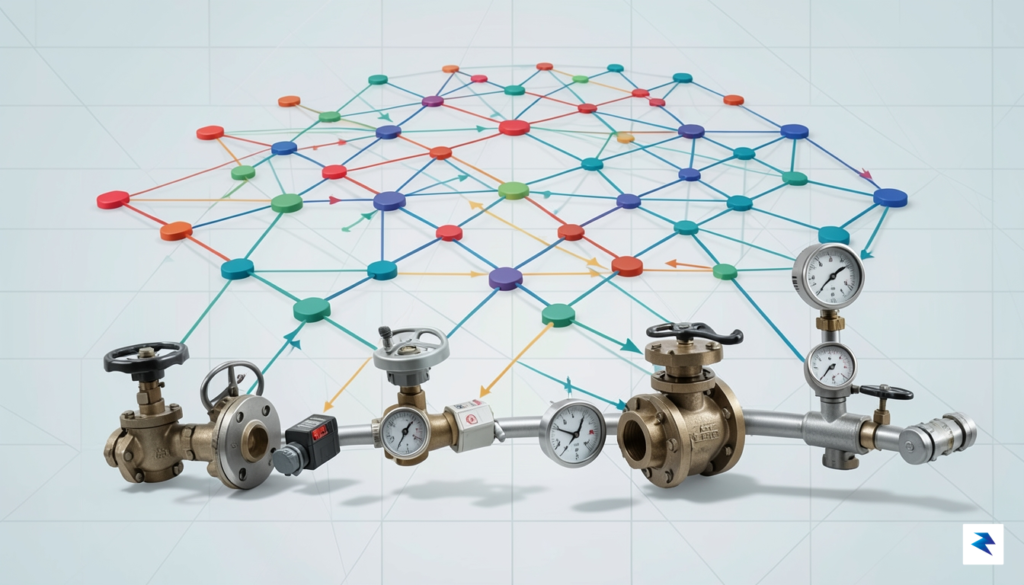
At its core, Applied Computing’s innovative approach hinges on developing what’s known as a ‘foundation model’ tailored specifically for the complex, dynamic environments of oil and gas plants. Unlike traditional software solutions, which often require bespoke training and fine-tuning for each individual machine or specific operational task, this groundbreaking model is engineered to grasp the fundamental physics and intricate operational logic of an entire plant. Imagine an AI that doesn’t just understand how a single pump works, but comprehends its interconnectedness with every valve, sensor, and processing unit across the sprawling facility. This holistic understanding empowers the model to generalize effectively, applying its deep knowledge to a vast array of operational scenarios and challenges that arise throughout the plant’s lifecycle.
To achieve such a comprehensive grasp, the foundation model integrates and processes an immense volume of diverse data streams. It doesn’t merely ingest isolated data points; rather, it correlates real-time telemetry from thousands of sensors—monitoring temperature, pressure, flow rates, vibration, and chemical compositions—with historical operational data, detailed maintenance logs, and even foundational engineering blueprints. By analyzing these multi-modal inputs, the model constructs an internal, sophisticated representation of the physical laws governing fluid dynamics, thermodynamics, and mechanical interactions within the plant. This allows it to model complex cause-and-effect relationships, predicting how a minor anomaly in one part of the system might ripple through to impact overall efficiency or safety in distant, seemingly unrelated components.
This sophisticated approach stands in stark contrast to the limitations of ‘narrow’ or task-specific artificial intelligence prevalent in many industrial settings today. Traditional AI applications might excel at highly specialized tasks, such as predicting the precise failure time of a particular compressor or optimizing the setpoint for a single processing unit. However, these siloed models typically operate in isolation, lacking any inherent understanding of the broader plant ecosystem. They cannot effectively anticipate the cascading consequences of their recommendations or diagnose complex issues that span multiple, interconnected subsystems. Applied Computing’s foundation model aims to transcend this fragmentation, providing a unified, overarching ‘brain’ that understands the systemic dependencies and emergent behaviors of the entire facility, rather than just its individual parts.
The profound benefit of this generalized, holistic understanding is its unparalleled adaptability and efficiency. Instead of developing, deploying, and maintaining dozens of distinct AI models for various plant functions—each requiring its own
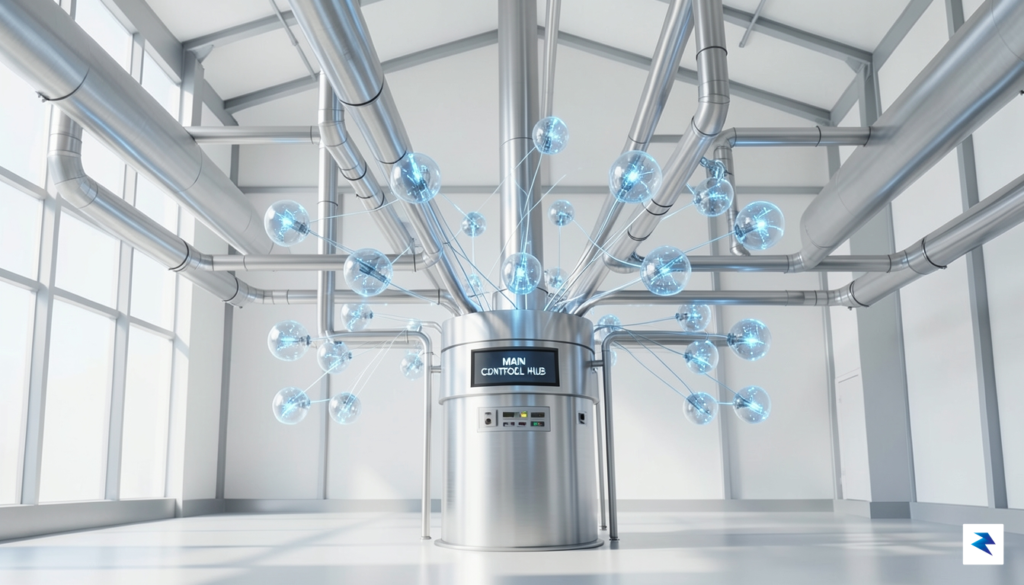
The vast, complex ecosystems of modern oil and gas plants, from sprawling refineries to offshore platforms, generate an astonishing amount of data every second. Yet, paradoxically, this data often sits in isolated pockets, creating what industry experts term “data silos.” These fragmented repositories are perhaps the greatest single barrier to unlocking the true potential of advanced industrial AI. Imagine a symphony orchestra where each section plays its part brilliantly, but no one hears the entire composition; that’s the current state for many operators trying to make sense of their plant’s overall health and performance.
Typically, these critical operational insights are trapped within highly specialized, often proprietary systems that do not communicate seamlessly with one another. For instance, real-time sensor telemetry – measuring pressure, temperature, flow rates, and vibration – resides in one system. Separate from this are the detailed maintenance logs, including work orders, repair histories, and asset condition reports, often managed by an enterprise asset management (EAM) system. Further still, supply chain logistics, inventory levels, lab analysis results, and market demand forecasts live in entirely different information technology (IT) platforms. This segregation makes it incredibly challenging, if not impossible, for operators to gain a holistic view of their assets and processes, hindering proactive decision-making and optimization efforts.
This is precisely where the innovative approach of an integrated AI model becomes a game-changer. Instead of merely processing data from one source, this advanced architecture is designed to act as a universal translator, creating a “common language” for all plant data. It ingests information from every conceivable silo – from the deepest operational technology (OT) layers to the highest-level IT systems – and harmonizes it. By normalizing disparate data formats and semantic differences, the AI model builds a unified, comprehensive digital twin of the entire plant, effectively bridging the communication gaps that have plagued the industry for decades.
The implications of such a unified data architecture for predictive intelligence are profound. With all relevant data streams flowing into a single, intelligent analytical framework, operators can move beyond reactive responses to truly predictive and prescriptive actions. For example, the AI can correlate subtle anomalies in sensor readings with historical maintenance records and even external factors like weather or market price fluctuations. This enables earlier detection of equipment failures, optimized maintenance schedules that minimize downtime, and more efficient resource allocation across the entire operational footprint. The ability to see the big picture across seemingly unrelated datasets transforms raw data into actionable insights, providing an unprecedented level of control and foresight.
Ultimately, breaking down these entrenched data silos is not just about technological integration; it’s about fundamentally transforming how oil and gas plants operate. By creating a cohesive, intelligent network of information, this AI model empowers operators to optimize every facet of their plant’s performance, enhance safety protocols, and significantly reduce operational costs. It shifts the paradigm from managing individual components to orchestrating an entire, interconnected system, paving the way for a more resilient, efficient, and intelligent future for the energy sector.
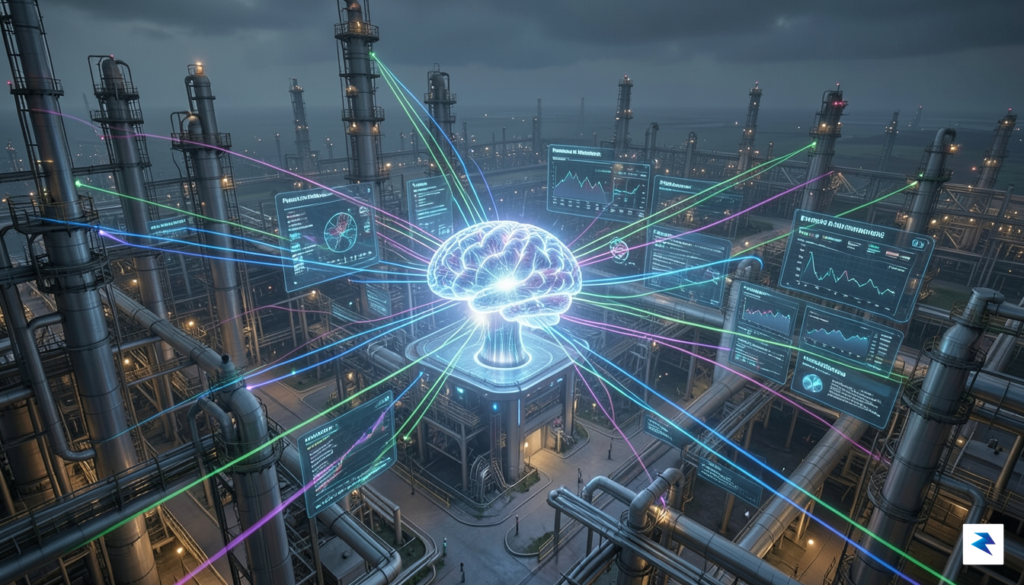
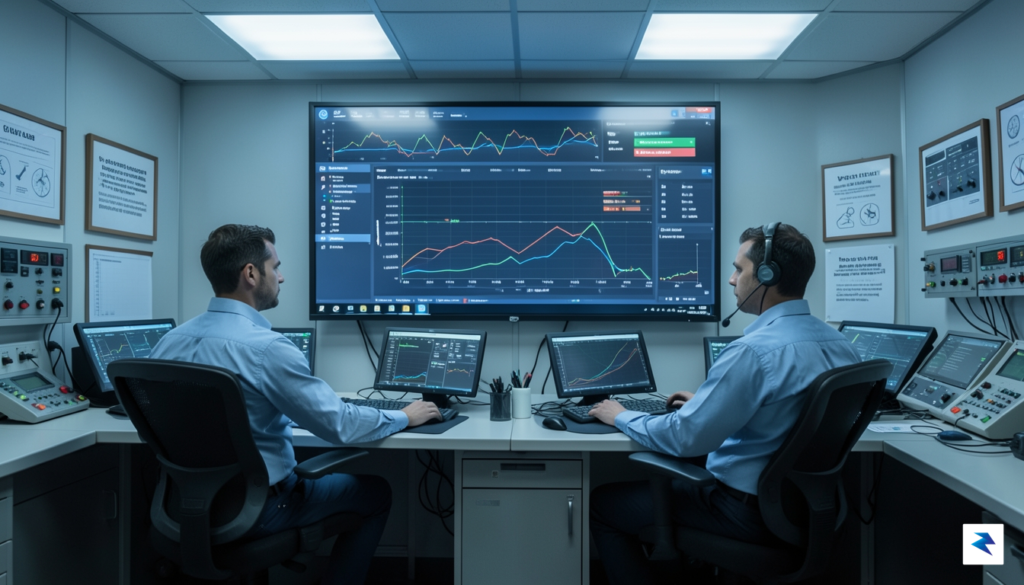
The intricate world of oil and gas operations has long grappled with the inherent risks and complexities of managing vast, interconnected infrastructure in often extreme environments. Traditionally, maintenance strategies have been largely reactive, responding to equipment failures after they occur, or based on rigid, time-based schedules that might not reflect actual wear and tear. However, the advent of sophisticated AI models is ushering in a transformative era, shifting the industry from a reactive stance to a truly proactive one. By continuously analyzing colossal streams of data from countless sensors across an entire plant, these foundation models can predict potential issues with unprecedented accuracy, enabling interventions long before a minor fault escalates into a major problem.
One of the most immediate and tangible benefits of this predictive power is a dramatic reduction in unscheduled downtime. In an industry where every hour of halted production can equate to millions in lost revenue, the ability to anticipate equipment malfunction is invaluable. Instead of sudden, costly shutdowns triggered by unexpected failures, operators can schedule maintenance precisely when it’s needed, during planned windows that minimize disruption. This not only optimizes resource allocation and ensures operational continuity but also significantly extends the lifespan of critical assets, such as pumps, valves, and pipelines, by addressing nascent issues before they inflict irreversible damage.
Beyond mere optimization, the primary driver for integrating advanced AI in high-risk energy sectors is the profound impact on safety. Human operators, despite their expertise, can only monitor so much data simultaneously, and subtle deviations that precede a failure can easily be overlooked. AI, on the other hand, excels at detecting these minute anomalies – be it a slight increase in vibration, an unusual temperature fluctuation, or a minor pressure drop – which are often precursors to serious incidents. This early warning system acts as an indispensable safeguard, alerting personnel to potential hazards like leaks, structural integrity issues, or impending equipment breakdowns, allowing them to take preventive measures before a dangerous situation fully develops.
Furthermore, these intelligent systems significantly enhance safety through advanced remote monitoring capabilities. In environments that are inherently hazardous or difficult to access, AI models can continuously oversee operations, providing real-time insights without placing human workers directly in harm’s way. This constant, vigilant surveillance is critical for preventing catastrophic incidents, which, unfortunately, have a devastating history in the oil and gas industry. By identifying and mitigating risks proactively, from potential explosions to hazardous material releases, AI serves as an essential layer of protection, safeguarding both human lives and the surrounding ecosystem.
Ultimately, the deployment of an AI “brain” for an entire plant represents a monumental leap forward, moving far beyond simple efficiency gains. It ushers in an era where operational foresight becomes the norm, transforming risk management from a reactive scramble into a calculated, preventative strategy. By predicting failures before they occur, these models do more than just streamline processes; they fundamentally reshape the safety landscape of critical infrastructure. This innovative approach doesn’t just promise to reduce operational costs and enhance productivity; it offers a lifeline, ensuring that the complex, high-stakes world of oil and gas becomes a safer, more resilient place to operate.
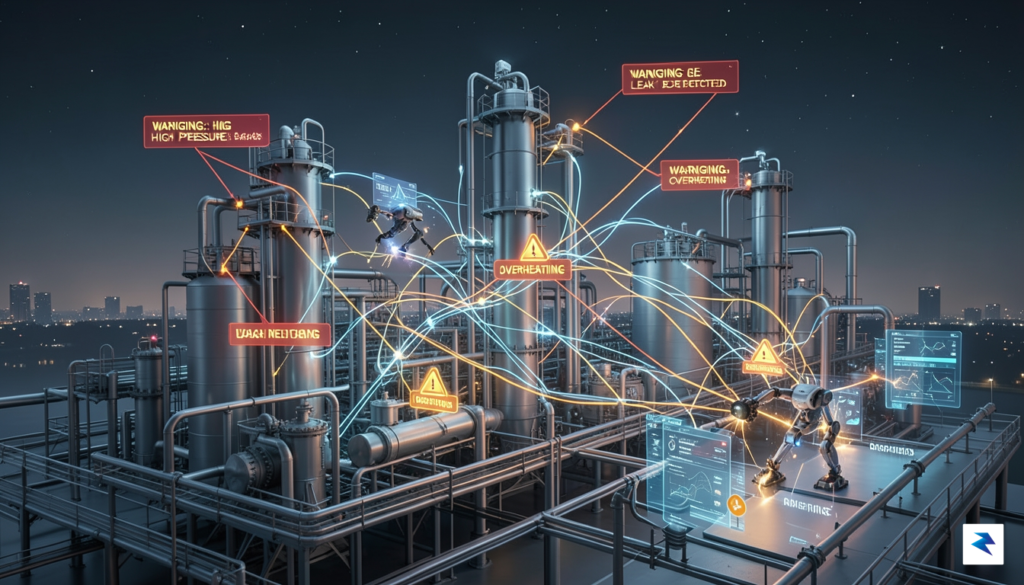
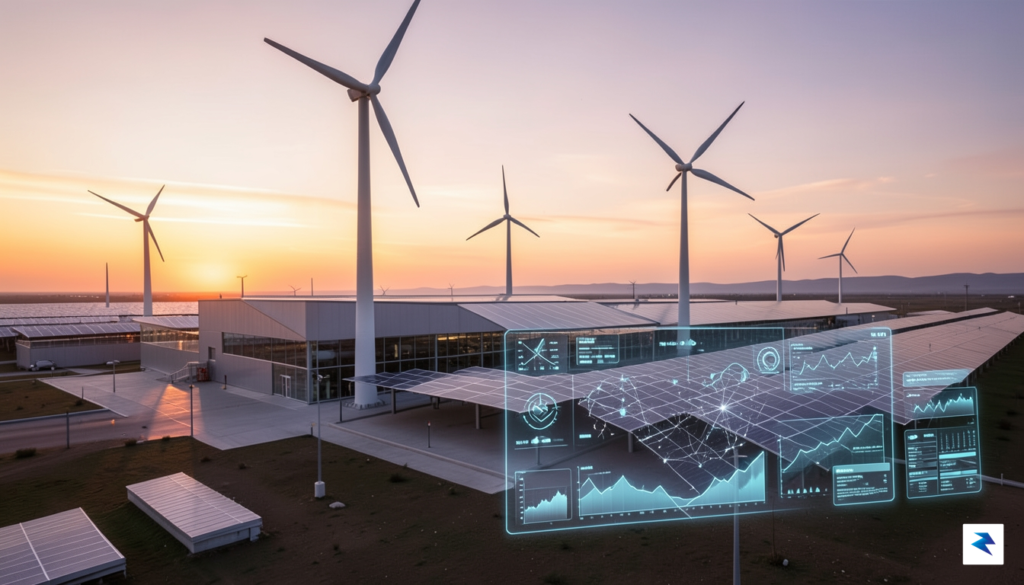
The energy industry stands at the precipice of a profound transformation, ushering in an era of unprecedented automation driven by sophisticated artificial intelligence. As innovative companies like Applied Computing secure significant capital to scale their ambitious visions, the conventional paradigms of managing complex industrial assets are undergoing a fundamental redesign. This shift extends far beyond mere efficiency gains; it promises to reshape the very architecture of operational control, moving towards integrated, intelligent systems capable of orchestrating entire plant operations with a level of foresight and precision previously unattainable.
The competitive landscape for industrial AI in the energy sector is rapidly intensifying, attracting a diverse array of players vying for dominance. On one side are agile startups, often founded by AI specialists and industry veterans, bringing fresh perspectives and cutting-edge machine learning techniques. On the other, established industrial software giants are aggressively acquiring AI capabilities or developing their own in-house solutions, leveraging their deep client relationships and existing infrastructure. This fierce competition is fueling rapid innovation, with the ultimate prize being the ability to offer comprehensive, high-fidelity AI models that can deliver tangible benefits: maximizing uptime, drastically reducing operational costs, enhancing safety protocols, and even contributing to sustainability targets by optimizing energy consumption and minimizing waste.
However, the journey to fully scalable, plant-wide AI models is fraught with considerable challenges. Industrial environments, especially in oil and gas, are incredibly complex, characterized by vast networks of legacy equipment, proprietary systems, and diverse data formats. Integrating these disparate data streams—from sensor readings and maintenance logs to market forecasts and geopolitical analyses—into a cohesive, actionable dataset for AI training is a monumental task. Furthermore, the models themselves must be robust, explainable, and capable of operating reliably in high-stakes, real-time environments where even minor errors can have significant consequences. Overcoming the “last mile” problem of deploying these sophisticated algorithms across diverse global assets, each with its unique operational quirks and regulatory frameworks, requires not just technological prowess but also deep domain expertise and a meticulous approach to implementation.
The advent of these intelligent systems will inevitably reshape the industrial workforce, prompting a necessary evolution rather than widespread displacement. While AI will assume many of the routine, repetitive, and data-intensive tasks, it will simultaneously create new roles focused on strategic oversight, AI model management, and human-AI collaboration. Workers will transition from being operators of machinery to becoming supervisors of intelligent systems, requiring new skill sets in data analytics, AI ethics, system integration, and advanced problem-solving. Extensive upskilling and reskilling initiatives will be crucial to empower the existing workforce to thrive in this augmented environment, ensuring that human ingenuity remains at the core of industrial innovation, now amplified by the capabilities of artificial intelligence.
Ultimately, the long-term impact of this industrial AI adoption will be transformative, leading to the creation of truly autonomous, self-optimizing industrial ecosystems. Plants will not just react to events but will predict, adapt, and even self-heal, operating with unparalleled efficiency and resilience. This fundamental shift will not only unlock immense economic value but also contribute significantly to broader societal goals, including a more sustainable energy future. By optimizing existing energy infrastructure, AI can free up resources and accelerate the transition to cleaner technologies, marking a new chapter in industrial evolution where intelligence and automation converge to redefine what’s possible.
You must be logged in to post a comment.