
Alpaca Secures $135M to Expand Tokenized Stock Infrastructure
The Evolution of Tokenized Securities At its core, tokenization is the process of converting rights to an asset into a digital token on a…
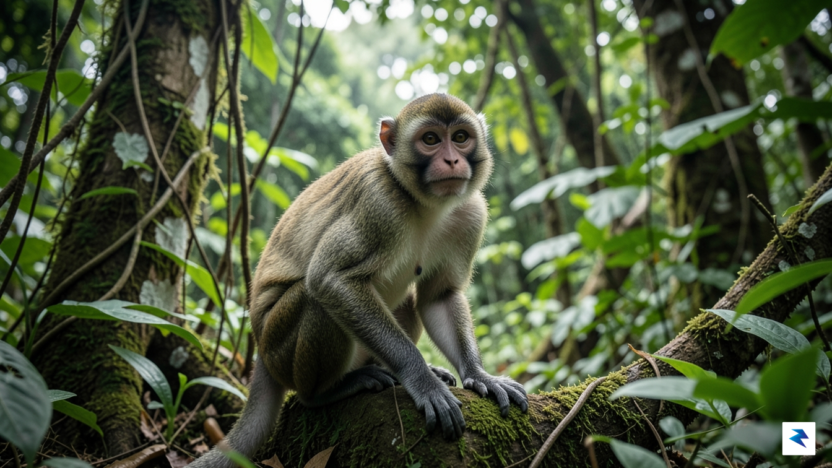
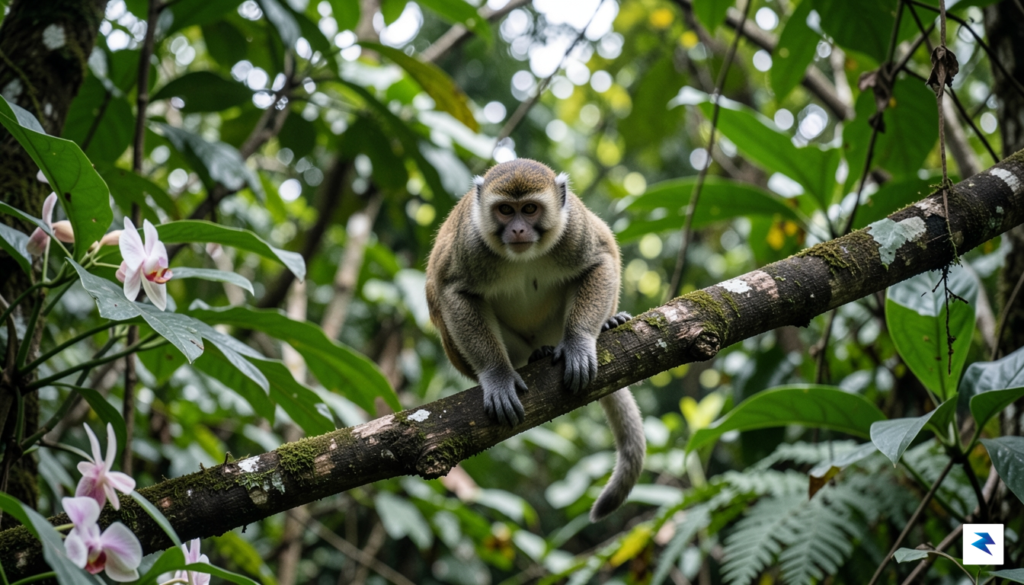
In the heart of the dense, mist-shrouded rainforests of the Congo Basin, a scientific revelation has recently emerged that challenges our perception of the natural world. Researchers have officially confirmed the existence of the Likweli, a previously undocumented species of monkey that had managed to evade human detection for generations. This discovery serves as a profound reminder that despite centuries of intense biological exploration and the encroachment of modern civilization, our planet still harbors extraordinary secrets tucked away in its most remote corners. The Likweli is not merely a new entry in a taxonomic catalog; it is a symbol of the enduring mystery of the equatorial wilderness and the immense effort required to understand the full scope of Earth’s primate diversity.

The identification of the Likweli monkey represents a monumental achievement in contemporary primatology, occurring at a time when many experts believed the major branches of the primate family tree had already been fully mapped. Unlike many discoveries that involve small, cryptic insects or deep-sea organisms, finding a new primate species in the 21st century is a rare and highly significant event. This breakthrough highlights the immense, often-overlooked biological richness of the Congo Basin, which continues to act as a vital reservoir for evolutionary history. By analyzing genetic markers and distinct physical characteristics, scientists have been able to place the Likweli within its proper niche in the phylogenetic tree, shedding light on the complex evolutionary pressures that allowed this unique lineage to persist in isolation for so long.
The discovery of the Likweli acts as a powerful call to action, emphasizing that we are still in the early stages of cataloging the biodiversity of our planet’s most critical ecosystems.
Understanding where the Likweli fits into the current primate taxonomy requires a careful look at its unique behaviors and morphological traits, which distinguish it from its closest relatives in the region. Its presence underscores the necessity of continued field research and the implementation of robust conservation strategies to protect habitats that remain virtually untouched by human development. As we peel back the layers of the Congo’s complex ecological web, the Likweli stands as a testament to the resilience of nature and the vital importance of protecting these wild spaces. This finding does more than expand our scientific knowledge; it invites us to reconsider the limitations of our current understanding and encourages a renewed sense of wonder for the hidden inhabitants of the natural world.

Spanning over two million square kilometers, the Congo Basin represents the second-largest tropical rainforest on Earth, functioning as a sprawling, verdant fortress that guards its secrets with remarkable efficiency. This vast expanse of dense, humid jungle is characterized by an intricate network of meandering rivers, swampy lowlands, and a multi-layered canopy that effectively filters out the sun, plunging the forest floor into a perpetual state of twilight. Because of its sheer scale and the extreme density of its vegetation, the basin remains one of the final true frontiers for biological discovery, where even the most seasoned researchers find themselves humbled by the sheer logistical complexity of navigating such untamed wilderness.

The hurdles to conducting field research in this region are as numerous as they are daunting. Scientists attempting to document the basin’s hidden inhabitants must contend with terrain that is frequently impassable, requiring weeks of trekking through tangled undergrowth and navigating treacherous wetlands that are often inaccessible by traditional transport. Furthermore, the region’s thick, towering canopy acts as a natural barrier to satellite and aerial surveillance, masking the movements of elusive primates like the Likweli from those looking down from above. This structural complexity creates a biological sanctuary where a new species can thrive in relative isolation for generations without ever crossing paths with human observers.
The Congo Basin is not merely a forest; it is an ecological stronghold that has successfully shielded its biological treasures from the pressures of the modern world for centuries.
Beyond the physical geography, the basin presents significant human-related challenges that have long stifled consistent scientific exploration. Political instability, fluctuating security conditions, and the absence of reliable infrastructure across large swaths of central Africa have historically deterred sustained research expeditions. When scientists do manage to mount an expedition, they are often racing against a clock dictated by brutal weather patterns and the logistical nightmare of supplying remote base camps. It is precisely this combination of physical impenetrability and socio-political isolation that explains why a creature as distinct as the Likweli monkey remained undocumented by the scientific community until now. Every successful discovery in this region serves as a powerful reminder of how little we truly know about the hidden corners of our planet.


The discovery of the Likweli was far from a stroke of serendipity; it was the result of a multi-year, systematic investigation that bridged the gap between ancestral ecological knowledge and modern molecular biology. The process began with persistent field observations led by local conservationists who had long noted subtle variations in the vocalizations and social behaviors of primates in the remote reaches of the Congo Basin. These initial sightings acted as a critical catalyst, prompting researchers to document specific morphological differences—such as unique facial markings and distinct tail lengths—that did not align with existing taxonomies. By cataloging these physical characteristics against historical records of known species, the team established a compelling baseline that suggested they were witnessing something entirely new to science.
To validate these observational hypotheses, the research team transitioned into rigorous genomic analysis, a step that proved essential in distinguishing the Likweli from its closest genetic relatives. Scientists utilized non-invasive sampling techniques, collecting hair and fecal samples from the forest floor to extract high-quality DNA without disturbing the natural habitat of these elusive primates. Back in the laboratory, researchers performed advanced mitochondrial DNA sequencing, which allowed them to construct a detailed evolutionary tree. This genomic data confirmed that the Likweli had diverged from other basin monkeys significantly earlier than previously thought, providing a quantitative framework to support the qualitative differences noted in the field.
The integration of local expertise with international genomic technology creates a powerful synergy, ensuring that our taxonomical classifications are as accurate as they are culturally informed.
The success of this endeavor was largely predicated on a robust international collaboration between Yale University researchers and local conservation groups operating on the ground. This partnership ensured that the technical precision of Western laboratory methods was enriched by the environmental context provided by those who know the Congo Basin best. Through the systematic comparison of cranial measurements, coat coloration, and genetic markers, the team was able to finalize the Likweli’s status as a distinct species. This comprehensive methodology not only secures the Likweli’s place in the biological record but also highlights the importance of combining modern science with the deep-rooted observational skills of those living closest to the wild.

The discovery of the Likweli provides a rare and exhilarating window into the complex tapestry of primate evolution within the dense, often impenetrable corridors of the Congo Basin. Physically, this species distinguishes itself through a unique combination of pelage coloration and skeletal structure that defies simple categorization within existing Cercopithecidae groupings. Its coat exhibits a distinct mosaic of deep charcoal and muted amber tones, a camouflage adaptation that likely evolved to mask its presence against the dappled light of the forest canopy. Furthermore, preliminary dental analysis suggests a specialized diet, leaning heavily toward high-fiber vegetation and specific seasonal fruits, which indicates that the Likweli has occupied a distinct ecological niche that has allowed it to thrive independently of its better-known, more widespread primate cousins.

Beyond its physical attributes, the social structure and vocalization patterns of the Likweli reveal a high degree of evolutionary sophistication. Unlike many of its counterparts that rely on large, boisterous groups for protection, the Likweli appears to operate in smaller, tight-knit family units that utilize a highly nuanced range of low-frequency vocalizations to communicate across dense foliage. These subtle acoustic signals are likely a survival mechanism, allowing members to coordinate foraging efforts without alerting potential predators to their location. By studying these interactions, biologists are gaining vital insights into the cognitive pressures that shape social complexity in rainforest environments, suggesting that the Likweli has developed a distinct “social intelligence” tailored to the challenges of its specific habitat.
The presence of the Likweli in such a secluded region challenges our current understanding of primate diversification and highlights the incredible, hidden biodiversity still waiting to be documented in the heart of Africa.
Placing the Likweli within the broader primate family tree involves a meticulous examination of its genetic markers, which indicate a divergence from its closest relatives occurring millions of years ago. This evolutionary split likely coincided with significant climate-driven shifts in the Congo Basin’s geography, forcing ancestral populations into isolated pockets of primary forest. As these groups were cut off from one another, the Likweli underwent a process of rapid adaptation, refining the physiological and behavioral traits that now define it as a singular species. Understanding this divergence is not merely an academic exercise; it provides a foundational perspective on how primates respond to long-term environmental fragmentation, offering a roadmap for how modern species might navigate the ongoing challenges of habitat loss and climate change.

The scientific revelation of the Likweli monkey is a moment of profound celebration, yet it arrives with a sobering layer of complexity. While uncovering a new primate species in the dense, mysterious reaches of the Congo Basin underscores the region’s incredible biodiversity, it simultaneously serves as an urgent wake-up call regarding the fragility of these wild spaces. This discovery is inherently bittersweet; we are not merely introducing a new neighbor to the global biological record, but highlighting a creature that may already be teetering on the edge of extinction before we have even begun to fully understand its social structures, diet, or behavioral nuances.

The habitat of the Likweli is currently besieged by a trifecta of existential threats that demand immediate international attention. Industrial logging operations continue to fragment the deep interior of the basin, creating roads that grant unprecedented access to previously untouched areas. This infrastructure expansion inadvertently facilitates commercial bushmeat hunting, which remains one of the most significant pressures on primate populations across Central Africa. Furthermore, the creeping, systemic impact of climate change is altering the phenology of the forest, potentially disrupting the fruiting cycles and water availability that this newly discovered monkey relies upon for daily survival.
The survival of the Likweli is inextricably linked to our ability to preserve the integrity of the Congo Basin’s corridors, which are currently being squeezed by human encroachment and environmental degradation.
To ensure the future of this species, conservationists are advocating for a multi-faceted strategy that moves beyond simple land designation. Key priorities include:
Ultimately, the Likweli serves as a flagship for the entire Congo Basin ecosystem. If we can successfully implement robust protections for this monkey, we inevitably provide a safety net for thousands of other species, many of which remain hidden in the emerald shadows of the forest. Protecting this habitat is no longer just a scientific recommendation; it is a moral imperative to prevent the loss of a unique evolutionary lineage before it has the chance to truly thrive in our collective consciousness.

The formal identification of the Likweli monkey within the dense, uncharted reaches of the Congo Basin represents far more than a mere taxonomic update; it is a profound testament to the enduring mystery of our planet’s remaining wild spaces. When scientists verify a new primate species, they are essentially unlocking a unique evolutionary narrative that has been unfolding in isolation for millennia. This discovery provides essential data points that help primatologists refine their understanding of primate phylogeny, biogeography, and the complex adaptive strategies required to survive in the competitive, resource-rich environments of the African rainforest. By mapping the genetic and behavioral traits of the Likweli, researchers can better understand how specific ecological pressures drive speciation, offering a clearer picture of the biological diversity that constitutes the health of the entire Congo ecosystem.

Beyond the immediate scientific intrigue, finding a new primate species serves as a powerful catalyst for broader global biodiversity efforts. Each discovery acts as a diagnostic tool, highlighting the areas where conservation efforts are most desperately needed to protect fragile habitats from the encroaching threats of climate change, deforestation, and illegal wildlife trade. When a previously unknown species is revealed, it instantly elevates the conservation status of its specific range, providing local governments and international organizations with the empirical justification required to establish protected zones or implement stricter environmental regulations. This process underscores the vital necessity of continued investment in basic field science; without the researchers on the ground engaging in tedious, often dangerous expeditions, these hidden links in the web of life would likely vanish before we even knew they existed.
The discovery of the Likweli is a humble reminder that the Earth still holds secrets, and our scientific ignorance remains a greater threat to conservation than the natural limitations of the forest itself.
Ultimately, the unveiling of the Likweli monkey invites us to reflect on our collective responsibility as stewards of the natural world. Every new species added to the scientific record serves as a poignant reminder that we are merely one part of a vast, interconnected biological legacy that we are tasked with preserving for future generations. Our knowledge of the planet is not a static achievement but a dynamic, ever-expanding process that requires curiosity, rigorous inquiry, and a deep respect for the intrinsic value of life. By committing to the protection of these newly discovered inhabitants and their habitats, we ensure that the chapters of the Earth’s evolutionary story continue to be written long after we are gone, preserving the wonder of discovery for those who will follow in our footsteps.
You must be logged in to post a comment.