
San Francisco Targets Apple and Google Over AI ‘Nudify’ Apps
The Rise of AI-Powered Non-Consensual Imagery The rapid democratization of generative artificial intelligence has moved beyond creative…

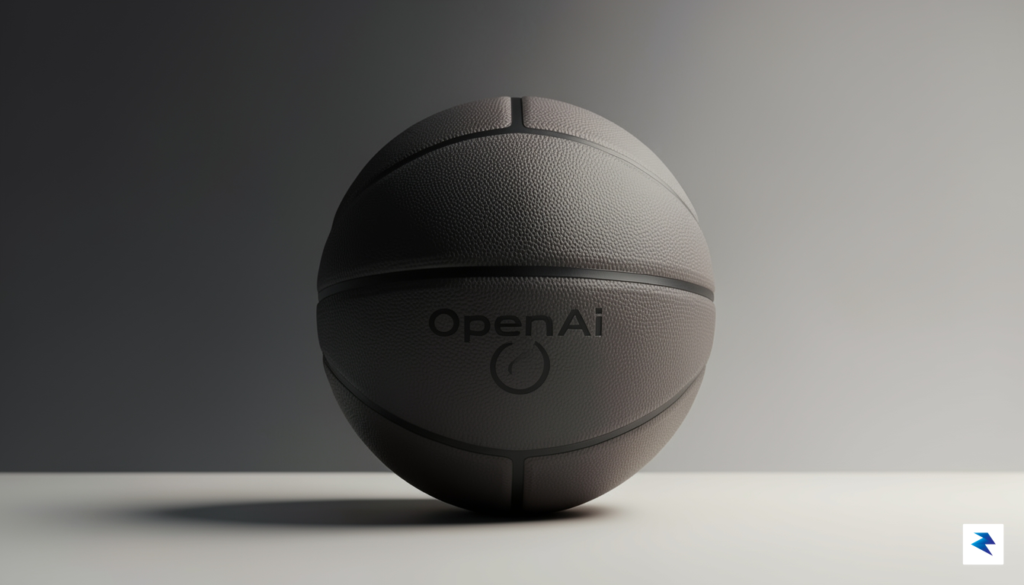
For years, the trajectory of Silicon Valley’s most influential tech giants has followed a predictable arc: start as a disruptive software utility, dominate the digital landscape, and eventually expand into the tangible, physical world. From Google’s early days of selling branded gear to Apple’s transformation into a quintessential lifestyle brand, history suggests that long-term relevance requires more than just lines of code. By releasing a $70 basketball, OpenAI is signaling that it no longer views itself merely as the developer of the world’s most popular large language model. Instead, the company is actively attempting to escape the confines of the browser window, seeking to occupy the physical spaces where its users live, play, and interact with the world.
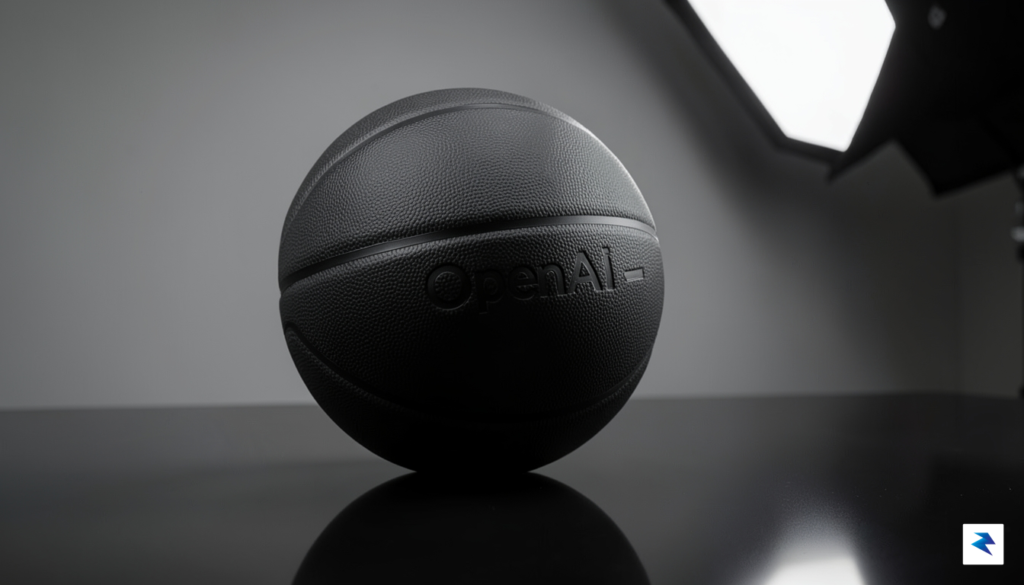
This transition toward lifestyle branding serves a strategic purpose: moving the brand identity away from the utilitarian “ChatGPT company” and toward a broader cultural entity. While software is ephemeral and often invisible, physical merchandise offers a permanent, tactile presence in a user’s life. When a company sells apparel or sporting goods, it isn’t just selling a product; it is selling an affiliation. By embedding the OpenAI logo onto a basketball, the organization is testing its ability to command loyalty that transcends technical utility. They are essentially asking their users to treat OpenAI not just as a tool for drafting emails or debugging code, but as a brand that reflects their personal identity and aesthetic preferences.
The leap from digital interface to lifestyle merchandise is a deliberate attempt to build a lasting emotional connection, turning a technical service into a cultural touchstone.
The implications of this strategy are significant for the future of artificial intelligence development. As the AI market becomes increasingly crowded with commoditized tools, differentiation will become more difficult to achieve through performance alone. By cultivating a lifestyle brand, OpenAI is building a “moat” made of sentiment and familiarity rather than just algorithmic superiority. If users associate the brand with high-quality, aspirational physical goods, they are more likely to remain within the OpenAI ecosystem as competition intensifies. This pivot suggests that the company understands that the ultimate goal of any tech powerhouse is to become woven into the fabric of daily life, appearing on desks, in gym bags, and across our homes, long after the chatbox has been closed.
In the digital age, software companies often struggle to bridge the gap between abstract utility and real-world presence. OpenAI’s decision to release a $70 basketball is far more than a quirky marketing experiment; it is a calculated effort to ground their ephemeral, cloud-based intelligence in the physical realm. By transforming a brand synonymous with invisible algorithms into a tangible object, the company creates a powerful “halo effect” that humanizes its technology. When a user holds a branded basketball, the software ceases to be a faceless interface and becomes a lifestyle companion, fostering a deeper, more visceral connection that a monthly subscription fee simply cannot replicate.
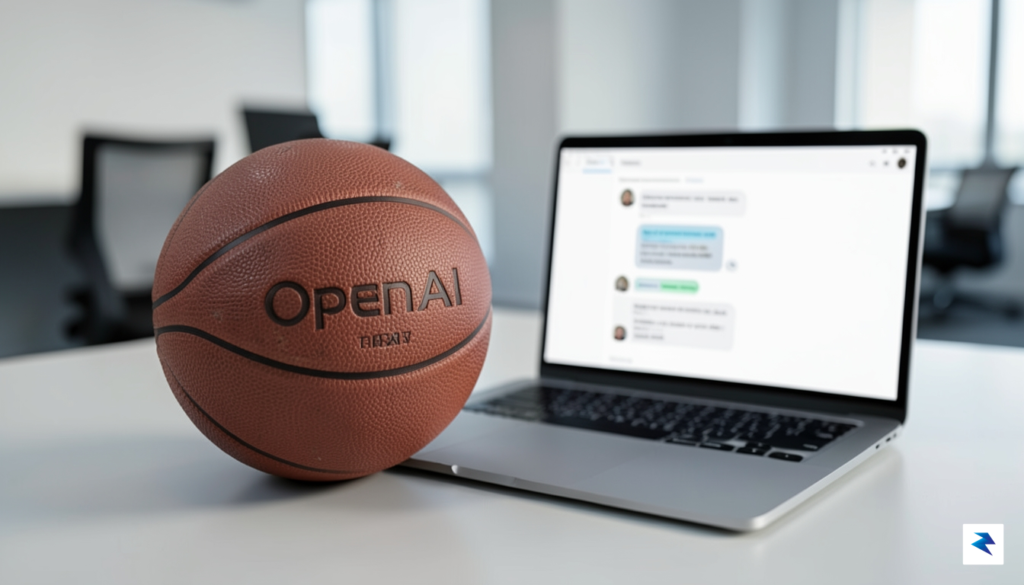
This strategy mirrors the “Apple Store” philosophy, where retail environments and physical hardware act as an extension of the brand’s identity rather than just a profit center. Just as Apple cemented its cultural relevance by making personal computing feel like a fashion statement, OpenAI is leveraging scarcity and exclusivity to position its merchandise as a premium status symbol. Tech enthusiasts, who often define their identity through their tools, view these limited-edition items as badges of belonging. By restricting availability, OpenAI transforms a simple piece of sports equipment into a coveted artifact, signaling to the world that the owner is at the forefront of the artificial intelligence revolution.
The most successful tech brands don’t just sell software; they sell an identity. By entering the physical space, OpenAI is signaling that its influence extends beyond the browser window and into the daily lives of its users.
The psychology behind this approach is rooted in the concept of “identity signaling.” When consumers purchase branded items, they are not merely buying a product; they are purchasing a narrative of innovation and forward-thinking. This emotional investment is critical for maintaining loyalty in a crowded market where competitors are only a click away. By offering high-quality, niche items that feel intentionally curated, OpenAI is elevating its status from a utility provider to a cultural architect. Whether it is a basketball or a piece of apparel, these physical touchpoints serve as constant, quiet reminders of the brand’s presence, reinforcing the user’s loyalty in a way that is both subtle and profoundly effective.
Ultimately, this pivot toward lifestyle branding highlights a maturation in the tech industry’s growth strategy. As AI becomes ubiquitous, companies are realizing that market dominance requires more than just superior computing power—it requires a brand that people want to be seen with. Through the strategic use of physical merchandise, OpenAI is successfully weaving itself into the fabric of everyday life, ensuring that even when the chatbox is closed, the brand remains top-of-mind.

For decades, the path to becoming a “cultural icon” in the technology sector was paved by tangible hardware—the sleek minimalism of an Apple device or the rebellious, counter-cultural edge of early personal computing. OpenAI, by contrast, is attempting to leap from a purely abstract, utility-driven software interface into the physical realm of lifestyle merchandise. The challenge here is profound: moving from a tool that helps you write an email to a logo that you proudly display on a basketball requires shifting how the public perceives artificial intelligence. It is no longer just about computational efficiency; it is about establishing a brand identity that carries the same weight as a fashion house or a legacy sportswear label.
The accumulation of “cultural capital” for a software-first entity is notoriously difficult because AI currently lacks the emotional intimacy associated with personal tech. When a company sells a basketball, they are essentially asking the consumer to imbue their leisure time with the company’s corporate ethos. This presents a unique risk of backlash, as tech giants are increasingly scrutinized for their impact on privacy, labor, and truth. If a consumer feels a sense of unease or skepticism toward the rapid advancement of AI, slapping an OpenAI logo on a piece of gear can feel less like a lifestyle statement and more like an aggressive display of corporate ubiquity. To succeed, the brand must avoid being perceived as “too commercial”—a trap that often alienates the very developer and creative communities that fueled its initial rise.

The transition from a functional utility to a cultural brand requires more than just merchandise; it requires a narrative shift that positions AI as a companion to human creativity rather than a replacement for it.
Historically, tech milestones achieved cultural relevance because they fundamentally altered how we play, listen to music, or communicate. The iPhone became a cultural icon not because of its marketing budget, but because it redefined the human experience of the digital world. By venturing into physical sporting goods, OpenAI is attempting to shortcut this process by embedding itself into the physical rituals of daily life. However, there is an inherent friction in selling a ball for a game defined by human sweat, instinct, and physical coordination while representing a technology known for its cold, calculated, and often synthetic logic. Whether this strategy bridges the gap or inadvertently highlights the disconnect between digital intelligence and human culture remains the central question for the company’s future brand strategy.
When a company synonymous with the cutting edge of artificial intelligence begins selling a $70 basketball, it inevitably triggers a cognitive dissonance among its core user base. For years, OpenAI has positioned itself as the vanguard of a technological revolution, promising to democratize intelligence and reshape the global economy. By introducing high-end, lifestyle-oriented merchandise, the company is attempting to bridge the gap between a cold, utilitarian digital service and a tangible, relatable brand identity. However, this shift raises a fundamental question: is OpenAI signaling a move toward a premium lifestyle ecosystem, or is this a calculated attempt to soften the image of a monolithic force that many users perceive as increasingly inscrutable and intimidating?
The skepticism surrounding these items is deeply rooted in the current tech climate, where users are already grappling with the implications of AI’s rapid integration into daily life. For many, a $70 basketball feels like a jarring departure from the mission-driven narrative of “AI for everyone.” Critics argue that such pricing reflects a pivot toward exclusivity, potentially alienating the very community that helped build the company’s reputation through early adoption and feedback. When a utility provider begins acting like a luxury fashion house, it risks diluting its professional credibility, leading users to wonder if the company’s priorities are shifting away from robust technical development toward more superficial brand-building exercises.
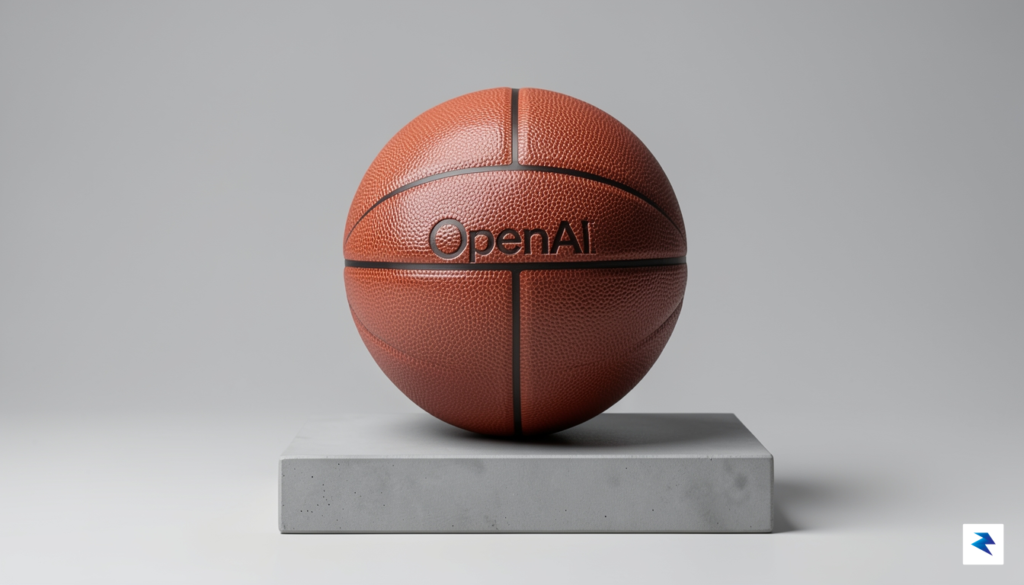
Conversely, there is a strategic argument to be made for humanizing an entity that feels inherently detached from human experience. By moving beyond the sterile interface of a chatbox and into the physical realm, OpenAI is attempting to cultivate a sense of community and culture. This is a common trajectory for successful tech giants, yet it is fraught with marketing risks. The challenge lies in balancing the role of an essential infrastructure provider—responsible for the ethical governance of powerful tools—with the desire to be a lifestyle brand that people want to represent in their personal lives. To succeed, OpenAI must ensure that these physical objects serve as symbols of innovation rather than mere vanity projects.
The true test for OpenAI will not be the revenue generated by its merchandise, but whether these products help the company foster a more grounded connection with its users, or if they ultimately widen the perception gap between the tech elite and the general public.
Ultimately, the critical reception of these items highlights a broader tension in the industry: can a company truly be “for the people” while simultaneously leaning into the high-margin, aspirational aesthetics of luxury branding? If OpenAI wants to maintain its status as a trusted, accessible force for good, it must navigate this transition with extreme caution. Moving forward, the company will need to prove that its foray into lifestyle branding is an extension of its core values rather than a distraction from the significant ethical and technological responsibilities it carries as a leader in the field.
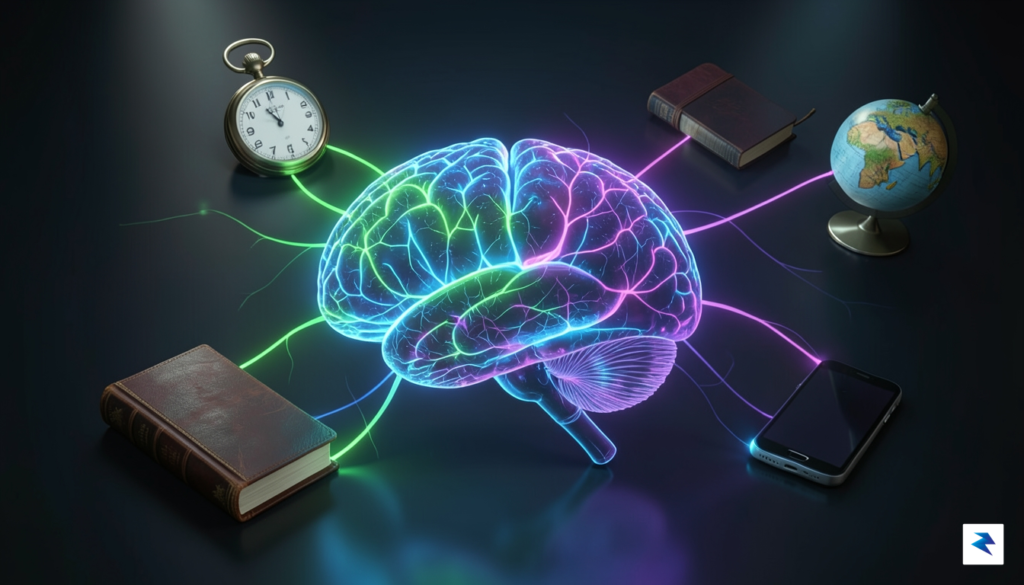
The emergence of physical merchandise like the OpenAI-branded basketball signals a subtle but profound shift in how artificial intelligence companies perceive their relationship with the consumer. For years, the AI revolution was confined to browser windows, command-line interfaces, and backend server farms—spaces that felt intangible and detached from the physical world. By introducing tactile, lifestyle-oriented products, OpenAI is signaling an intent to transition from a software-as-a-service provider to a pervasive brand that occupies physical space. This is not merely about selling sports equipment; it is a calculated effort to humanize complex technology and weave the brand identity into the rhythm of daily routines, exercise, and leisure.
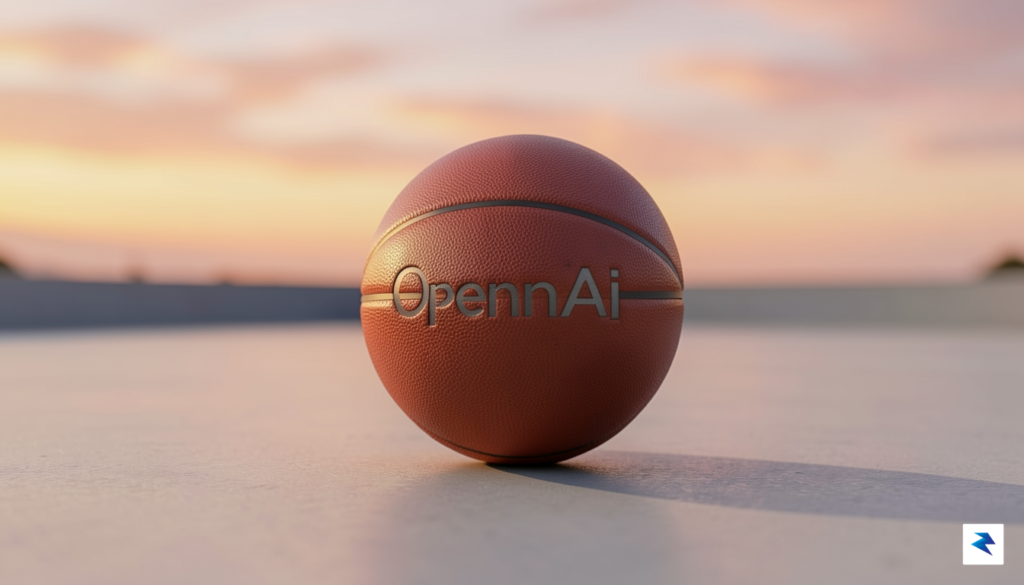
This pivot toward lifestyle goods raises a compelling question about the long-term trajectory of the AI industry: are we witnessing the early stages of a hardware-heavy ecosystem, or is this a purely symbolic marketing maneuver? While a basketball is likely a branding exercise designed to generate cultural capital, it sets a precedent for a future where tech giants embed themselves into the tangible realities of their users. If OpenAI continues down this path, we might eventually see hardware that integrates AI more directly—think smart home devices, wearables, or interactive sporting goods that provide real-time performance analytics powered by large language models. The strategy here is to create a “halo effect,” where the prestige of the software brand is reinforced every time a user picks up a physical object associated with that company.
The future of tech branding lies in moving beyond the digital interface and becoming a fixture of the user’s physical environment, transforming abstract algorithms into tangible lifestyle symbols.
Whether these items ultimately become coveted collector’s pieces or forgotten experiments depends largely on how successfully OpenAI can maintain its status as a cultural icon rather than just a utility. If the company remains the primary architect of the AI age, these early lifestyle products will likely gain historical significance, viewed as the first artifacts of a transition where intelligence migrated from the cloud into our homes and hands. However, if the brand loses its competitive edge, these physical goods will serve as curiosities of a bygone era, reminding observers of a time when tech companies tried to manufacture “cool” to bridge the gap between silicon and sport. Ultimately, this experiment tells us that the future of tech branding is no longer about just being useful—it is about being present in every facet of the human experience.
You must be logged in to post a comment.