
The Hidden Risks of SpaceX in Your Index Fund
The Evolution of Index Fund Composition For decades, the concept of an index fund was synonymous with the ultimate "boring" investment…
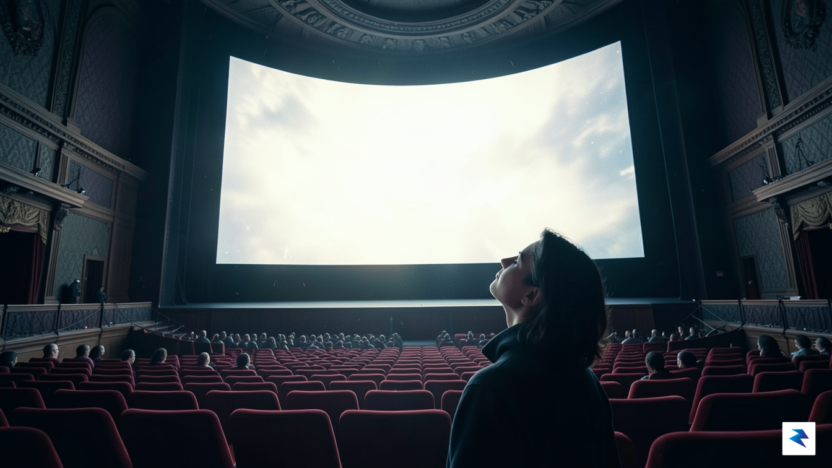
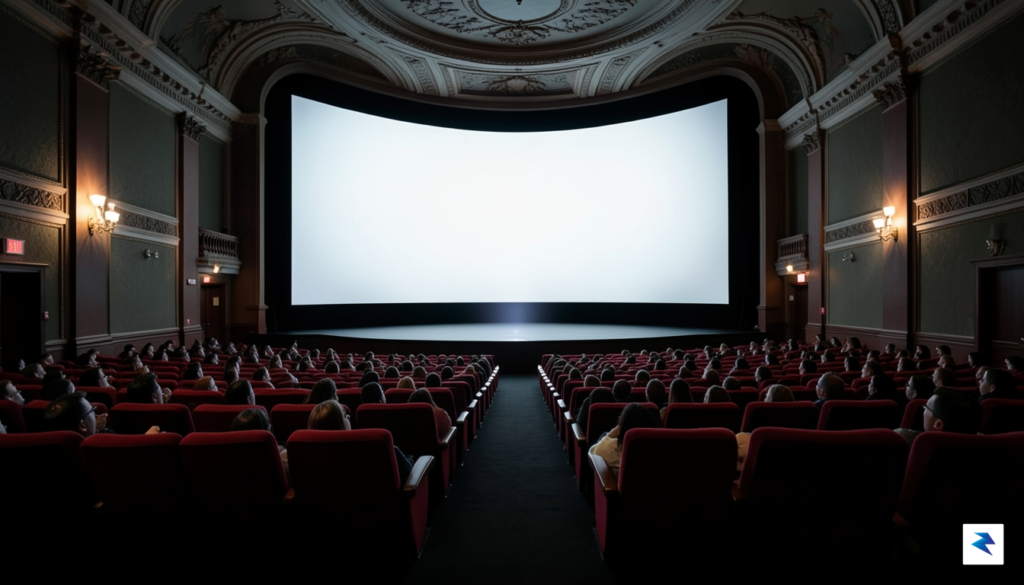
IMAX cinema is frequently misunderstood as merely a bigger screen, a simple upgrade in size for your typical movie-going experience. However, to truly appreciate its impact, one must understand that it represents a fundamental rethinking of cinematic presentation, designed from the ground up to alter how our brains process visual and auditory information. It’s not just about a larger picture; it’s about a meticulously engineered system that strives to eliminate the boundary between the viewer and the film, creating an unparalleled sense of presence and immersion that deeply affects the sensory experience.
The technical distinctions between a standard digital projection and an IMAX presentation are substantial and contribute directly to this immersive shift. While most modern cinemas project at 2K or 4K resolution, an IMAX Laser system utilizes dual 4K projectors working in tandem, delivering brighter images, significantly higher contrast, and a wider color gamut. Furthermore, many IMAX screens offer an expanded aspect ratio, often soaring to 1.90:1 or even 1.43:1 with IMAX 70mm film, compared to the common 2.39:1 widescreen or 1.85:1 aspect ratios found elsewhere. This means audiences see substantially more of the image, especially vertically, revealing details and scope that are simply cropped out in conventional theaters.
Beyond the visual, the audio experience in an IMAX theater is equally transformative. Their proprietary sound system employs laser-aligned speakers that are precisely calibrated to the unique acoustics of each custom-built auditorium. This results in a dynamic range that delivers incredibly deep, rumbling bass you can feel in your chest, alongside crystal-clear dialogue and subtle atmospheric sounds from all around you. Coupled with steeply raked stadium seating, which positions every audience member optimally, and screens that are often curved to encompass the viewer, the entire environment is meticulously crafted to serve the singular goal of immersion.
This technical prowess culminates in what is known as the ‘field of view’ concept. When you sit in an IMAX auditorium, the sheer scale of the screen is designed to fill a significant portion of your visual field, extending into your peripheral vision. Unlike smaller screens where your eyes can easily wander to detect other audience members, emergency exits, or the theater walls, an IMAX screen minimizes these external distractions. By dominating your visual landscape, the brain is given fewer external cues to process, allowing for a deeper focus on the cinematic content and effectively drawing you into the world unfolding before you.
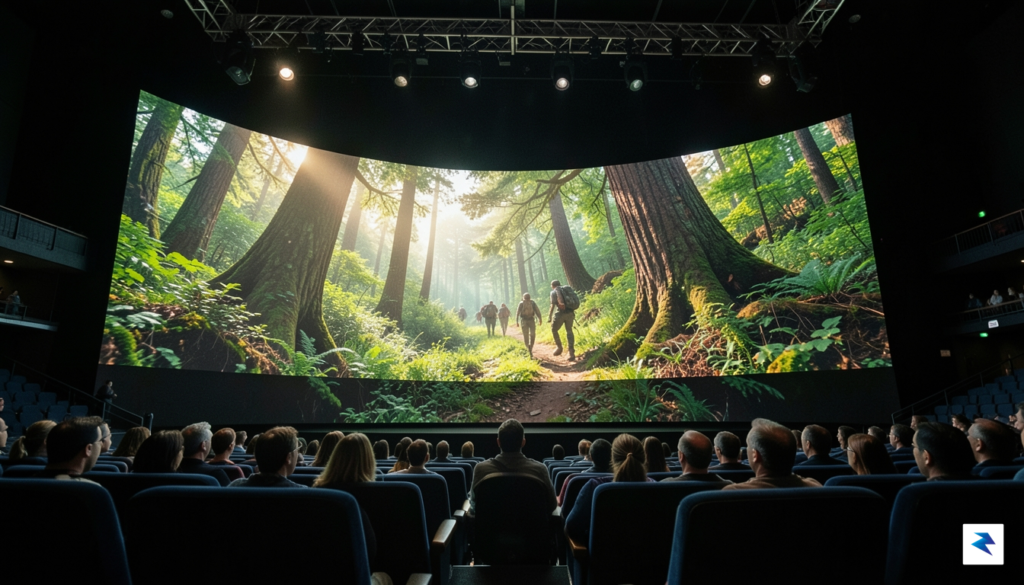
The psychological impact of being physically overwhelmed by such a massive, all-encompassing image is profound. When your peripheral vision is actively engaged by the film, your brain interprets this as a more immediate and present reality. This can evoke a powerful, visceral response, making action sequences feel more intense, emotional moments more palpable, and grand landscapes truly breathtaking. You’re not just watching a story; you’re experiencing it, feeling the rumble of a spaceship taking off or the vastness of an alien planet in a way that transcends mere observation. This unique sensory overload creates an almost meditative state, where the outside world fades away, and only the film remains.
This intentional design for unparalleled immersion is precisely why IMAX has become the definitive format for experiencing modern blockbuster storytelling. Filmmakers increasingly compose shots and sequences specifically for the expanded IMAX canvas, leveraging the extra screen real estate to convey epic scale, intricate world-building, and sweeping vistas with breathtaking clarity. When a director chooses to shoot with IMAX cameras or format their film for these specific aspect ratios, they are not just making the image bigger; they are inviting the audience to step inside the narrative itself. This synergy between artistic vision and exhibition technology transforms a mere viewing into a profound, unforgettable experience, making the grandest cinematic spectacles feel truly monumental and deeply personal.
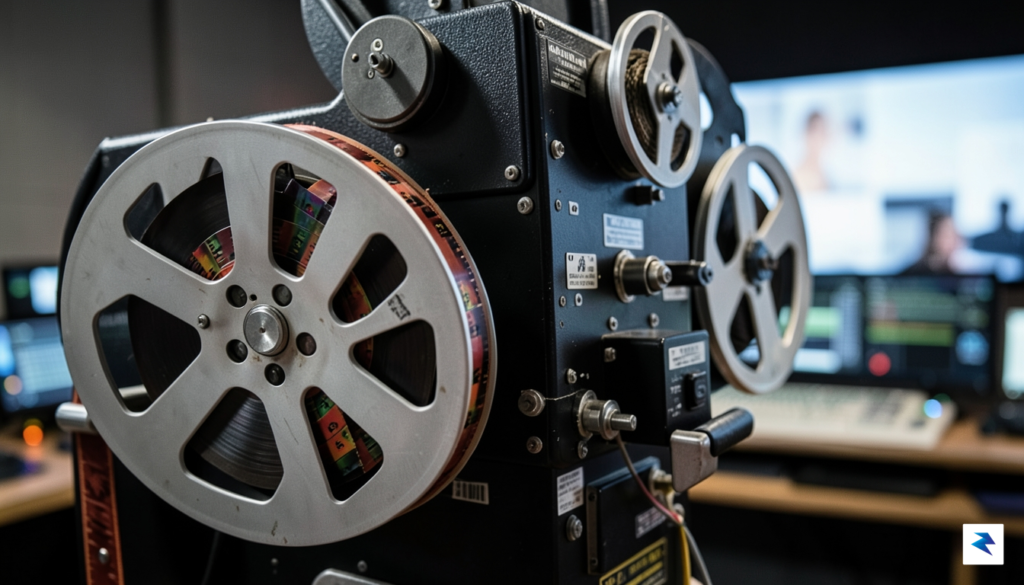
In an era increasingly dominated by digital filmmaking, Christopher Nolan stands as perhaps the most vocal and committed evangelist for large-format celluloid. His unwavering dedication to shooting on traditional film stock, particularly with massive IMAX cameras, has profoundly shaped not only his own distinctive cinematic style but also the expectations of what a blockbuster can achieve on the big screen. This commitment isn’t merely an aesthetic preference; it actively dictates the very rhythm, scale, and immersive quality of his narratives, transforming the viewing experience into something truly monumental. From his pioneering efforts with *The Dark Knight* to the breathtaking expanses of *Oppenheimer*, Nolan has consistently pushed the boundaries of what is possible with the largest film format available, inspiring a new generation of filmmakers and captivating audiences worldwide.
Nolan’s journey with IMAX began in earnest with 2008’s *The Dark Knight*, marking the first narrative feature film to extensively incorporate 15/70mm IMAX sequences. This wasn’t a mere gimmick; the choice to use these gargantuan cameras for pivotal action scenes, such as the opening bank heist or the truck flip, immediately elevated the film’s gritty realism and epic scope. He continued this trajectory, incrementally increasing his use of IMAX for *The Dark Knight Rises*, *Interstellar*, *Dunkirk*, *Tenet*, and culminating in the epic, almost entirely IMAX-shot *Oppenheimer*. The technical demands of working with 15/70mm film are immense: these cameras are notoriously heavy, loud, and require meticulous handling, with each reel of film lasting only a few minutes. Yet, the payoff is unparalleled visual fidelity, offering ten times the resolution of standard 35mm film and an astonishing clarity that allows for an incredibly detailed and immersive image, particularly when projected onto a towering IMAX screen.
One of Nolan’s most signature narrative tools, directly enabled by his use of IMAX, is the dramatic shift in aspect ratio. While many films are shot and presented in a single aspect ratio, Nolan frequently transitions between standard widescreen (often 2.39:1 or 2.20:1) and the expansive 1.43:1 or 1.90:1 full-frame IMAX aspect ratio. These shifts are far from arbitrary; they are meticulously planned to amplify moments of profound importance, immense scale, or heightened emotional impact. When the frame expands to fill the entire IMAX screen, it’s a clear signal to the audience that they are witnessing something truly significant – whether it’s the vastness of space in *Interstellar*, the visceral chaos of the beaches of Dunkirk, or the awe-inspiring power of the Trinity test in *Oppenheimer*. This deliberate manipulation of the cinematic canvas plunges viewers deeper into the narrative, making them feel less like observers and more like participants within the grand sweep of the story.
Ultimately, Christopher Nolan’s unwavering commitment to large-format film stock and IMAX cinematography has done more than just define his own filmography; it has reignited a passion for the truly monumental cinematic experience. By consistently demonstrating the unparalleled visual and emotional impact of shooting on 15/70mm, he has compelled studios to invest in the format and encouraged audiences to seek out genuine IMAX presentations. His films are not merely screened in IMAX; they are conceived, designed, and executed specifically for the format, demanding that viewers step into the largest possible frame to fully appreciate their intricate details and sweeping grandeur. In doing so, Nolan has effectively become the guardian and innovator of an art form that prioritizes the visceral, collective experience of the cinema, solidifying IMAX as the premier way to witness modern blockbusters.
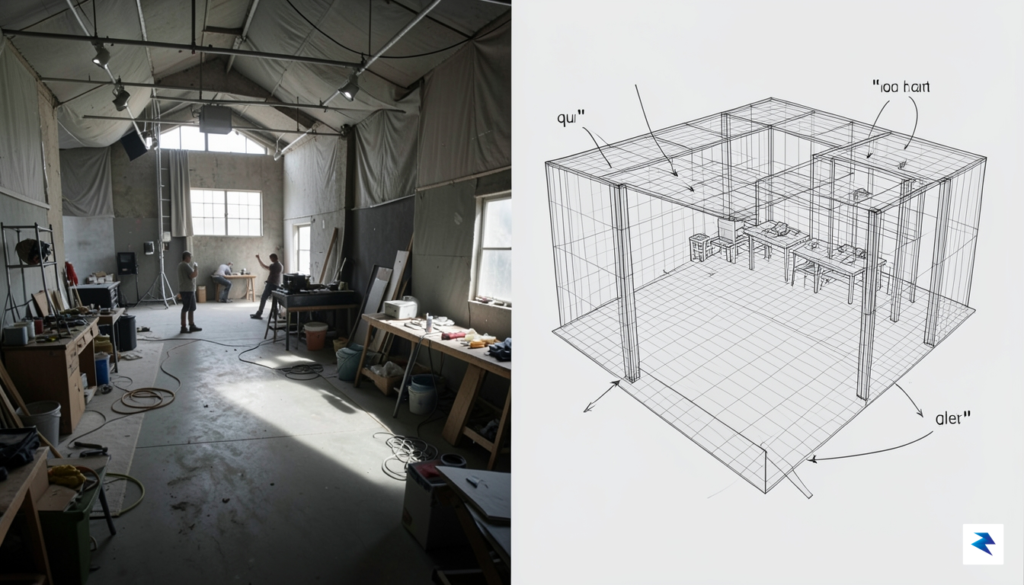
The immersive spectacle of an IMAX screen is undeniable, pulling audiences into cinematic worlds with unparalleled scale and detail. Yet, this very grandeur, while often breathtaking, also shines a harsh spotlight on the intricate dance between traditional filmmaking techniques and modern digital wizardry. When practical sets and tangible props meet boundless digital extensions, the marriage, instead of feeling seamless, can sometimes become jarring, revealing a subtle but persistent conflict that undermines the overall visual cohesion of a film, even in the most ambitious blockbusters.
This struggle often manifests as a form of the ‘uncanny valley’ effect, not necessarily for digital characters, but for entire environments. When high-resolution cameras capture a scene destined for a massive screen, the incredible fidelity magnifies every detail. While this is fantastic for showcasing intricate physical sets, it simultaneously exposes the ‘seams’ where computer-generated imagery (CGI) attempts to extend or replace those practical elements. The hyper-realism expected on such a grand scale means that any slight deviation in lighting, texture, or physical interaction between the real and the digital can break the illusion, leaving audiences subconsciously aware of the artifice rather than lost in the story.
The inherent tactile nature of physical props and meticulously constructed sets provides a crucial grounding element that digital environments often struggle to replicate. A real rock face, built and lit on set, interacts with light in a way that is inherently authentic, offering a sense of weight, texture, and physical presence that our brains instinctively recognize as genuine. This tangibility anchors the scene, giving actors something concrete to interact with and providing the audience with a foundation of reality upon which fantastical elements can be built. It’s the difference between seeing a real object with natural imperfections and a digitally rendered counterpart that, despite its polish, sometimes lacks that subtle ‘lived-in’ quality.
Conversely, the boundless fluidity of digital environment extensions, while offering unparalleled creative freedom to craft impossible vistas and expansive landscapes, can sometimes feel detached from this physical reality. While practical effects are bound by the laws of physics and the limitations of the real world, digital creations are not. This freedom, if not wielded with extreme precision, can lead to environments that feel weightless, overly smooth, or devoid of the organic irregularities that define our natural world. When a digital cityscape is placed directly adjacent to a practical foreground, the subtle differences in how light reflects, how textures appear, or even how atmospheric haze is rendered, can create a noticeable disconnect that pulls the viewer out of the moment, especially on a screen that demands absolute immersion.
Ultimately, achieving true visual fidelity at an IMAX scale isn’t about choosing one methodology over the other; it’s about mastering their harmonious integration. Filmmakers face the complex challenge of ensuring that every element, whether painstakingly built or digitally rendered, speaks the same visual language. The goal should be a unified aesthetic where the lines between practical and digital blur completely, allowing the audience to surrender fully to the grandeur of the narrative. Only when this delicate balance is struck can the full potential of such an expansive format be realized, creating a truly believable and breathtaking cinematic experience where the fantastic feels as real as the tangible.
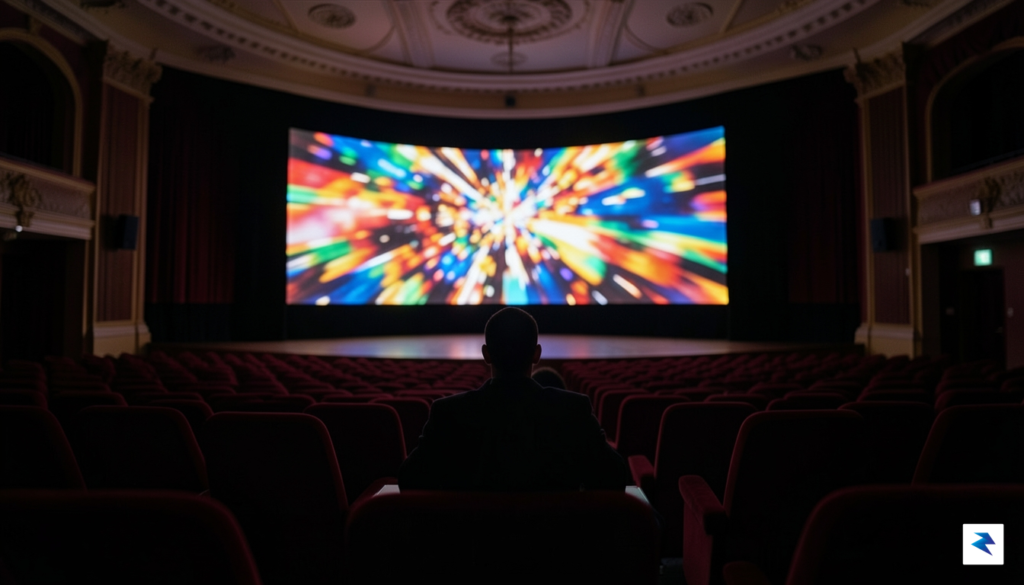
The moment a screen expands beyond the periphery of our normal vision, something fundamental shifts in our psychological relationship with the narrative unfolding before us. We stop merely ‘watching’ a film and begin to ‘experience’ it. This isn’t just about a bigger picture; it’s about a complete reorientation of our senses, transforming a passive observation into an active, almost visceral participation. The sheer scale of the image forces a surrender of our critical distance, pulling us inexorably into the world presented, making the distinction between observer and participant increasingly blurred.
This immersive power is largely due to the way massive screens effectively dismantle the ‘fourth wall’ – the imaginary barrier separating the audience from the fictional world. When an image occupies the entirety of your visual cortex, there’s no longer a clear frame or boundary to remind you of the theatre space; instead, the cinematic world becomes your immediate reality. Your peripheral vision is consumed by the film, eliminating external distractions and centering your entire awareness on the story. This overwhelming visual input creates a profound sense of presence, tricking our primal instincts into believing we are truly present within the scene, standing shoulder-to-shoulder with the characters.
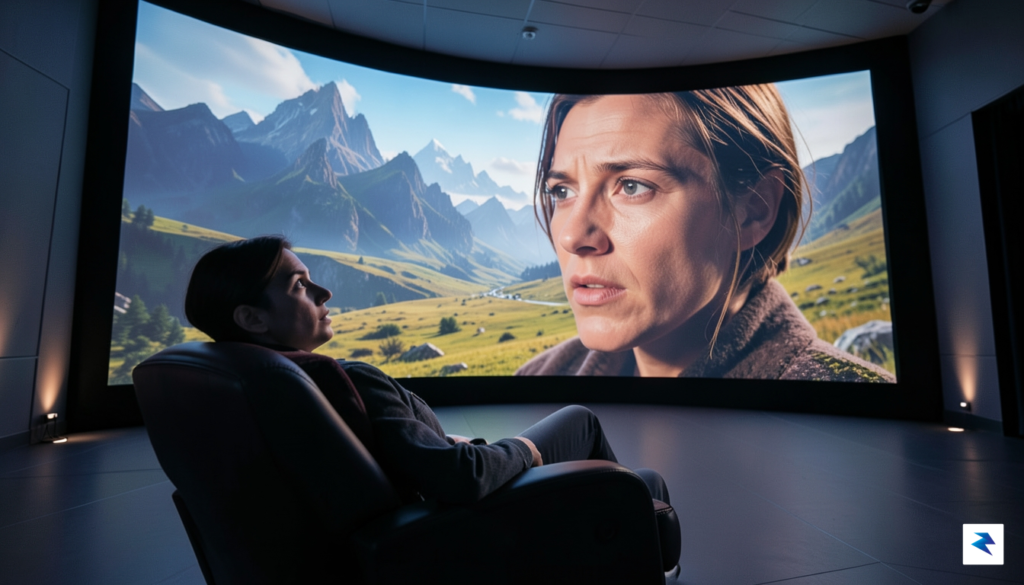
Such scale fosters an unparalleled level of empathy and emotional immersion. When characters are rendered so large that their expressions fill our field of view, their joys, sorrows, fears, and triumphs become intensely personal and palpable. A tear shed on screen feels like it’s falling right before our eyes; a triumphant grin feels directed right at us. This magnification of human emotion transcends simple observation, prompting a deeper, more instinctive empathetic response. We don’t just understand what a character is feeling; we begin to feel it with them, forging a powerful, almost tangible connection that might otherwise be lost on a smaller, more distant screen.
The impact of this grand scale also profoundly affects the pacing and perception of different scene types. Action-heavy sequences, of course, benefit immensely, with explosions feeling more concussive, chases more exhilarating, and battles more epic, truly enveloping the viewer in chaos or triumph. However, the effect on dialogue-heavy or character-driven scenes is equally transformative, if not more so. Rather than feeling slow or static, the magnified intimacy means every subtle facial twitch, every nuanced gesture, and every carefully delivered line of dialogue gains immense weight and significance. The stillness becomes profound, drawing you deeper into the characters’ inner worlds and making quiet moments resonate with an intensity that can be surprisingly powerful, ensuring that the emotional beats land with maximum impact.
Ultimately, the psychological transformation wrought by a truly massive screen fundamentally alters the audience’s role. We are no longer mere spectators gazing upon a story; we become temporary inhabitants of its world. Our senses are fully engaged, our emotional faculties are heightened, and our perception of reality is temporarily recalibrated to align with the cinematic narrative. This isn’t just about entertainment; it’s about a profound, sensory journey that bypasses intellectual filters and directly taps into our emotional core, solidifying the belief that some stories are simply meant to be experienced on the grandest canvas possible.
The traditional cinema experience finds itself at a crossroads. With the relentless march of technological innovation, our living rooms have transformed into increasingly sophisticated entertainment hubs. High-definition televisions, often exceeding 65 inches, paired with immersive surround sound systems and an endless stream of content from various streaming platforms, offer a level of convenience and quality that was unimaginable just a decade ago. For many casual moviegoers, the allure of a comfortable couch, unlimited snacks, and the pause button often outweighs the effort and expense of a trip to the local multiplex. This shift has placed immense pressure on standard theatrical showings, forcing the industry to re-evaluate what truly makes a trip to the movies special.
It’s against this backdrop that premium large formats (PLF) like IMAX, Dolby Cinema, and other proprietary large-screen experiences have not just survived but thrived. These aren’t just bigger screens; they are meticulously engineered environments designed to overwhelm the senses in a way no home setup can genuinely replicate. From the colossal screen dimensions that fill your entire field of vision, to precision-tuned audio systems that make you feel every rumble and whisper, PLF venues offer an event-level immersion. When a blockbuster film demands to be seen, with its intricate visual effects, sprawling landscapes, and bombastic soundscapes, these specialized cinemas provide the definitive canvas, making the increased ticket price an undeniable justification for an unparalleled sensory journey. The subtle details, the sheer scale, and the communal awe of experiencing a film in such an environment elevate it beyond mere viewing.
IMAX, in particular, stands out not merely for its size but for its deep integration into the filmmaking process. Many of today’s biggest spectacles are no longer just shown in IMAX; they are shot for IMAX. Directors like Christopher Nolan and Denis Villeneuve consciously choose IMAX cameras, capturing breathtaking sequences in a native aspect ratio that expands vertically, revealing up to 26% more picture than standard cinema or even other PLF formats. This exclusive content isn’t just a marketing gimmick; it’s a deliberate artistic choice that transforms key scenes into truly monumental moments, designed to be fully appreciated only on a true IMAX screen. This commitment to delivering a unique, premium visual experience creates a compelling reason to leave the comfort of home.
Looking ahead, this growing demand for the ultimate cinematic presentation will undoubtedly reshape the landscape of blockbuster production and distribution. Studios and filmmakers are increasingly recognizing that the theatrical viability of their tentpole releases hinges on offering an experience that simply cannot be replicated on a home screen, no matter how advanced. We can expect to see more films not just optimized for IMAX, but fundamentally designed around its capabilities from conception. Production schedules will likely adapt to prioritize access to IMAX cameras and post-production facilities. Furthermore, the limited number of true IMAX theaters means that these screenings will become even more sought-after, potentially influencing release strategies, with longer runs or more staggered releases in premium formats to maximize their unique appeal. The future of blockbuster cinema isn’t just about bigger budgets; it’s about bigger, more immersive experiences meticulously crafted for the largest canvases.
You must be logged in to post a comment.