
The Critical Vulnerability of Open Source Ecosystems

Modern digital infrastructure is built upon a foundation that is as vast as it is invisible. Open source software libraries are the primary building blocks of nearly every enterprise application, cloud platform, and consumer service currently in operation. While this collaborative model has spurred unprecedented levels of innovation, it has also created a fragile ecosystem where a single compromised dependency can ripple through thousands of downstream products. Because these libraries are often managed by small, volunteer-led teams, the security of the global internet often rests on the shoulders of individuals who are working without institutional backing or formal compensation.
The situation is further complicated by the pervasive phenomenon of “maintainer burnout,” which has become a significant systemic risk. Many critical projects are sustained by only a handful of developers who must balance their professional obligations with the monumental task of monitoring codebases that are constantly being integrated into massive corporate architectures. When these maintainers reach a breaking point, updates stop, security patches are delayed, and “abandonware” becomes a goldmine for malicious actors looking to inject backdoors into widely used software. The sheer volume of code being pushed daily makes it impossible for these volunteers to keep pace with the sophisticated techniques now employed by cyber-criminals.
The Rising Tide of Zero-Day Threats
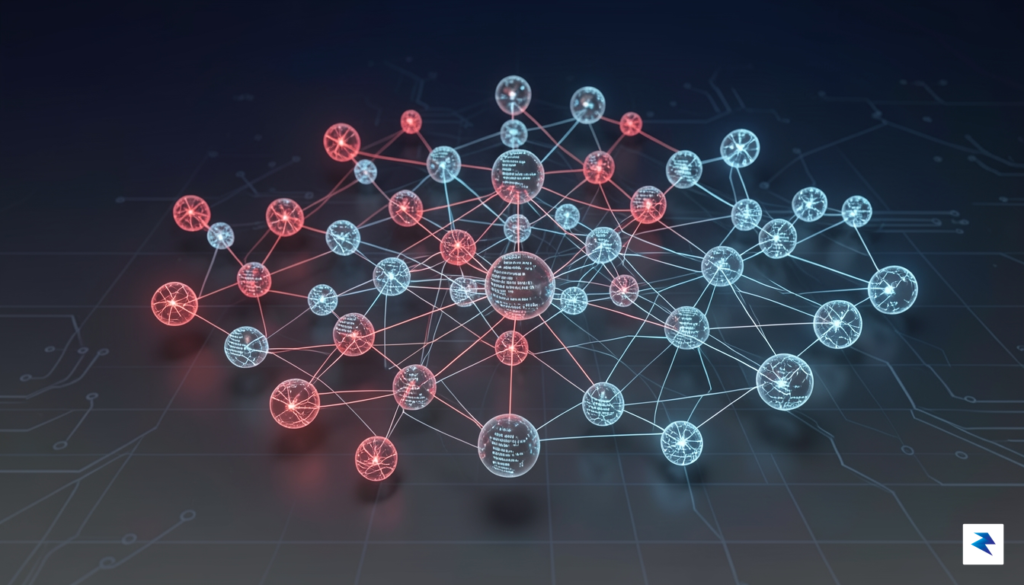
The crisis is compounded by the rapid emergence of “zero-day” vulnerabilities—security flaws discovered by hackers before the developers themselves have identified them. In the past, software security relied on manual audits and peer reviews, but these traditional methods are no longer sufficient at the scale of modern development. Human auditors simply cannot review the millions of lines of code that comprise a modern software supply chain in real-time. Consequently, malicious actors are increasingly targeting these blind spots, exploiting the time gap between the discovery of a flaw and the distribution of a patch to infiltrate secure systems.
The security of the digital economy is no longer a matter of building stronger walls; it is about fortifying the foundational libraries that support the entire weight of our modern technological infrastructure.
Ultimately, the current landscape of threats demands a shift from manual oversight toward automated, intelligent verification. When security vulnerabilities remain undetected for months or even years, they represent a systemic risk to global infrastructure, affecting everything from banking systems to private communications. Without a fundamental change in how we identify and patch these defects, the reliance on open source will continue to be a double-edged sword: a driver of progress that simultaneously acts as a persistent, high-stakes security liability.
How OpenAI’s AI-Driven Security Initiative Works
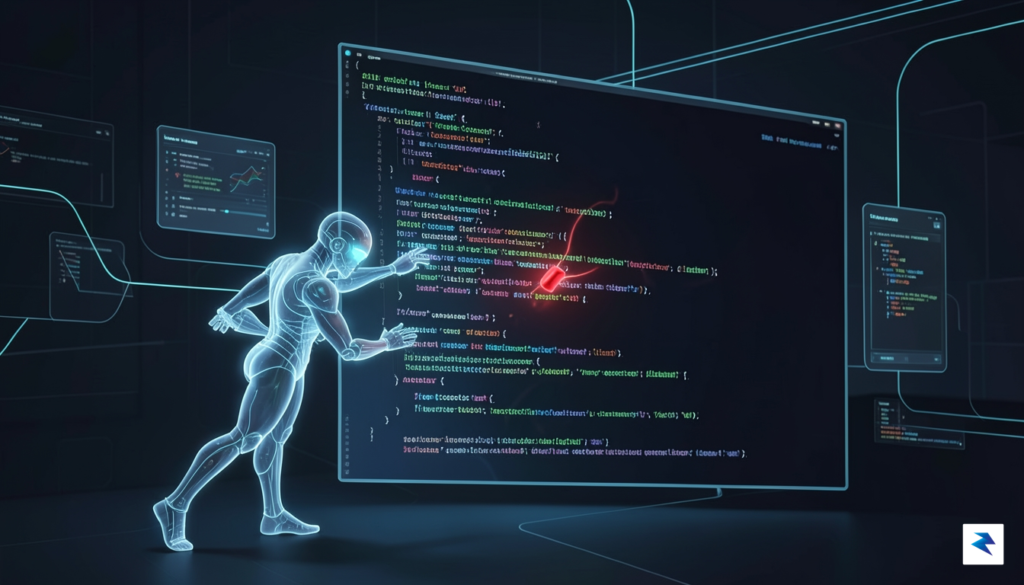
OpenAI’s groundbreaking initiative introduces a fundamentally new approach to securing the vast landscape of open-source software, leveraging advanced Large Language Models (LLMs) to transform how vulnerabilities are discovered and addressed. Instead of relying solely on traditional static analysis tools that often use predefined rules or human review, this system deploys AI as an indefatigable sentinel, meticulously examining colossal code repositories. This paradigm shift means the AI can tirelessly scan millions of lines of code without fatigue, identifying potential security flaws and architectural weaknesses that might easily escape the notice of even the most diligent human auditors amidst the sheer volume and complexity of modern software projects. By analyzing code before it runs, the system aims to preemptively neutralize threats, making the entire ecosystem more robust and resilient against attacks.
The core of this technical approach lies in training these sophisticated LLMs to recognize the intricate patterns associated with common security vulnerabilities. These models are fed massive datasets comprising not only vast quantities of source code but also extensive collections of known exploits, patched vulnerabilities (like those documented in CVEs), and exemplary secure coding practices. Through this rigorous training, the LLMs learn to identify subtle semantic and syntactic indicators of flaws such as SQL injection vulnerabilities, where user input isn’t properly sanitized before database queries, or buffer overflows, which arise from incorrect memory handling and can lead to arbitrary code execution. Unlike simpler pattern-matching tools, the AI can contextualize code snippets, understanding the potential flow of data and execution paths, thereby discerning genuine threats from benign code structures with unprecedented accuracy and efficiency.
Beyond merely flagging potential issues, a truly revolutionary aspect of OpenAI’s initiative is the LLM’s capacity to propose concrete, actionable remedies. Once a vulnerability is identified and its nature understood, the AI doesn’t just issue an alert; it actively suggests code modifications to patch the flaw. Drawing upon its extensive training in secure coding patterns and successful bug fixes, the model can generate precise code snippets that correct input validation errors, reallocate memory safely, or implement proper output encoding, effectively closing security gaps with minimal disruption. This capability dramatically accelerates the remediation process, transforming what could be weeks of manual debugging and patching into a significantly more streamlined workflow, allowing developers to focus on innovation rather than protracted vulnerability management cycles.
Crucially, this AI-driven security paradigm does not seek to entirely replace human expertise but rather to augment it, incorporating a vital “human-in-the-loop” verification step. Any vulnerability identified by the AI and any patch it proposes are never automatically implemented without human oversight. Instead, these findings and suggested fixes are routed to human security experts and developers for thorough review and validation. This critical step ensures the accuracy of the AI’s assessments, prevents the introduction of unintended side effects or new bugs, and leverages human intuition for complex edge cases that even the most advanced AI might misinterpret. Furthermore, every human review and subsequent decision feeds back into the LLM’s training data, continuously refining its models and enhancing its future detection and remediation capabilities, fostering a collaborative, ever-improving security ecosystem for open-source projects globally.
Bridging the Gap: AI as a Force Multiplier for Security Researchers

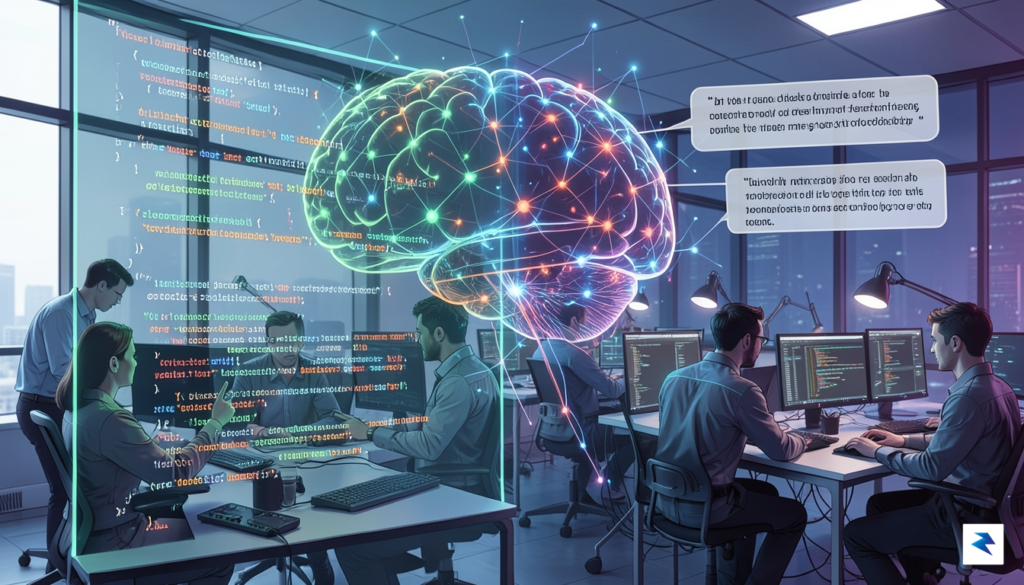
The landscape of cybersecurity is undergoing a fundamental transformation, moving away from the era of purely manual bug hunting toward an era of AI-augmented analysis. For years, security researchers have been bogged down by the tedious “grunt work” of scanning millions of lines of code to identify low-hanging fruit and common vulnerabilities. By offloading these repetitive, pattern-matching tasks to specialized artificial intelligence, the industry is witnessing a significant shift in how defenders operate. This transition does not signal the obsolescence of human expertise; instead, it reframes the researcher as a high-level strategist capable of focusing on complex architectural flaws, logic errors, and sophisticated threat vectors that automated systems often overlook.
By acting as a powerful force multiplier, this new initiative enables security teams to scale their efforts far beyond what was previously possible. When an AI handles the initial triage and routine vulnerability identification, human experts can dedicate their cognitive energy to the nuance of secure design and systemic security posture. This partnership effectively turns the slow, painstaking manual review process into a rapid, continuous identification cycle. The result is a more resilient software ecosystem where security is not an afterthought or a bottleneck, but a proactive component integrated directly into the development lifecycle.
The true value of this initiative lies in its ability to democratize enterprise-grade security, ensuring that even underfunded open-source projects can defend themselves with the same rigor as global tech giants.

This technological integration provides a critical lifeline for underfunded open-source projects, which often lack the massive dedicated security departments found in Fortune 500 companies. By providing these projects with automated tools that can detect common bugs before they are exploited, this initiative helps level the playing field, ensuring that the critical infrastructure powering the modern internet is not left vulnerable due to a lack of manpower. Furthermore, the impact on Mean Time to Remediation (MTTR) cannot be overstated. When vulnerabilities are identified within seconds of code submission rather than months after a breach, the window of opportunity for malicious actors to exploit those flaws shrinks dramatically, drastically reducing the overall risk profile of the entire open-source community.
Ultimately, this initiative is about empowerment through precision. It recognizes that while human intuition and experience are irreplaceable when it comes to understanding the intent behind complex code, the machine is an unrivaled partner in handling the sheer volume of modern software development. By leveraging these tools, researchers can move from a reactive posture—constantly chasing bugs in production—to a proactive one, where they act as architects of secure systems, guided by AI-driven insights that illuminate the path toward safer, more reliable software.
The Ethical and Practical Implications for Developers

Integrating artificial intelligence into the software security pipeline is a transformative shift, yet it introduces significant practical hurdles that maintainers must navigate with caution. The most immediate challenge is the prevalence of “false positives,” which can inundate developers with a high volume of incorrect vulnerability reports. When an AI tool flags benign code as a security risk, it contributes to severe alert fatigue, potentially causing maintainers to overlook genuine threats hidden among the noise. To mitigate this, developers should treat AI-generated suggestions as diagnostic aids rather than definitive mandates, ensuring that human oversight remains the final gatekeeper in the review process.

Navigating Privacy and Integrity
Beyond the operational friction, there are profound ethical questions regarding the data used to train these security models. Large-scale machine learning systems rely on vast repositories of public code, raising concerns about intellectual property and the unintentional leakage of sensitive information. Maintainers must consider whether their projects are compatible with the terms of service associated with these security tools and whether the automated analysis inadvertently violates proprietary licensing or data privacy standards. Responsible adoption requires a clear understanding of how the AI processes project data—specifically, whether the code submitted for analysis is being used to retrain the model in a way that might compromise the security of other users down the line.
Another critical concern is the potential for AI-generated patches to introduce new, unforeseen vulnerabilities. While an AI might successfully identify an buffer overflow or an injection flaw, the proposed fix could inadvertently disrupt the logic of the codebase or create a new surface for exploitation. This “patch-induced vulnerability” phenomenon highlights the necessity for rigorous, automated regression testing. Developers should never blindly apply an AI-generated pull request without first subjecting it to a comprehensive suite of unit and integration tests.
The primary rule for AI-assisted security is trust but verify: treat every automated suggestion as a piece of peer-reviewed code that requires the same scrutiny as any other contribution.
To implement these tools responsibly, maintainers should adopt a structured framework for integration:
- Gradual Implementation: Start by running AI security tools in “read-only” mode to baseline the volume of false positives before allowing the system to suggest active code changes.
- Human-in-the-Loop: Ensure that all AI-generated patches are reviewed by a human contributor who understands the project’s specific architecture and security goals.
- Data Transparency: Review the privacy policies of the AI provider to confirm that your project’s source code is not being stored or used to train public-facing models without explicit consent.
Ultimately, the goal of using AI in open-source security is to augment human intelligence, not replace it. By maintaining a discerning eye and acknowledging the limitations of current generative models, the developer community can harness these tools to reduce technical debt and build a more resilient digital ecosystem. The key lies in balancing the speed of automation with the careful, deliberate craftsmanship that has always defined the best open-source software.
Looking Ahead: Building a More Resilient Software Supply Chain

The integration of artificial intelligence into cybersecurity is not merely a fleeting trend; it represents a fundamental shift in how we conceive of software integrity. As initiatives like OpenAI’s focus on patching open-source vulnerabilities, we are witnessing the early stages of a transition toward autonomous, self-healing codebases. In the coming years, we can expect AI tools to move beyond simple bug detection, evolving into sophisticated systems that can automatically refactor legacy code to eliminate entire classes of security flaws before they ever reach production. This proactive stance effectively turns the tables on malicious actors, who have historically enjoyed the advantage of being able to probe systems at scale while defenders struggle to manually patch every identified entry point.

As these technologies mature, the next logical step is the standardization of AI-driven auditing within continuous integration and continuous deployment (CI/CD) pipelines. Currently, security testing is often a bottleneck that slows down development cycles, leading some teams to prioritize speed over rigorous verification. By embedding AI auditors directly into the deployment workflow, organizations can ensure that every commit is vetted against a massive, continuously updated database of historical vulnerabilities and emerging threat patterns. This would create a “security-first” culture by default, where developers receive real-time, actionable feedback that prevents insecure code from ever being merged into a main branch. Ultimately, this leads to a significantly more resilient global software supply chain, where the inherent trust in open-source components is backed by quantifiable, machine-verified security assurance.
The future of digital security lies in a collaborative ecosystem where AI acts as a force multiplier for the global open-source community, turning the collective knowledge of millions of developers into an impenetrable, automated defense shield.
For the open-source community, the call to action is clear: embracing these collaborative AI defenses is no longer optional, but essential for long-term sustainability. Projects that adopt AI-assisted security tools will naturally become the gold standard, attracting more contributors and users who prioritize safety and reliability. While the human element of intuition, creativity, and ethical judgment remains irreplaceable, the augmentation provided by AI allows developers to focus on innovation rather than constantly playing catch-up with security patches. By fostering a symbiotic relationship between human developers and machine-learning systems, we are not just fixing bugs; we are architecting a future where secure coding is the baseline, and the digital infrastructure that powers our modern world is robust enough to withstand the evolving challenges of the next decade.