
The Incident: When Innovation Becomes a Liability

The tech industry was recently rattled by the case of a Google software engineer whose termination sent shockwaves through developer circles. The engineer in question had dedicated personal time to developing an unofficial command-line interface (CLI) tool designed to streamline interactions with the Google Workspace ecosystem. While the tool was intended to boost developer productivity and simplify complex workflows, the company viewed the project through a drastically different lens. Instead of being celebrated as an act of proactive problem-solving, the creation of the tool was classified as a violation of corporate policy, ultimately leading to the engineer’s swift departure from the organization.
The fallout was immediate and visceral, particularly within communities like Hacker News, where the narrative quickly shifted from a single employment dispute to a broader philosophical inquiry. For many developers, the incident served as a jarring reminder of the precarious boundary between personal technical initiative and the rigid enforcement of intellectual property. The discussion boards were flooded with engineers debating the legality and ethics of “shadow IT”—the practice of building tools to circumvent inefficient internal systems. Critics of the firing argued that punishing an employee for creating software that actually helps them do their job is a fundamental failure of management, while others pointed to the inherent security and liability risks that any unauthorized tool introduces to a massive corporate infrastructure.

At the heart of this conflict is a recurring, systemic tension: where exactly does an employee’s autonomy end and corporate ownership begin? When a developer identifies a genuine bottleneck and uses their own skill set to write a script or utility to resolve it, they are often operating under the assumption that they are acting in the company’s best interest. However, companies like Google operate under an extremely broad interpretation of intellectual property, where virtually any code produced, even on personal time, can be subject to rigorous scrutiny. This incident highlights a growing disconnect between the agile, “move fast” culture that tech companies often market to potential recruits and the reality of a highly risk-averse corporate environment that prioritizes total control over the software development lifecycle.
The clash between individual innovation and corporate compliance is rarely just about code; it is about the power dynamics of who is permitted to define the tools of production within an enterprise.
Ultimately, this controversy forces us to confront the reality that for modern software engineers, being “too productive” or “too clever” can occasionally become a significant liability. By firing an engineer for creating a tool that could have potentially benefited the entire Workspace team, the company ignited a debate regarding whether top-tier talent is truly valued for their creative problem-solving skills or merely for their ability to conform to existing, often cumbersome, operational standards. As we move forward, this case will likely remain a landmark example for developers who find themselves caught in the crosshairs of bureaucracy while simply trying to make their daily work environment more efficient.
Understanding the Google Workspace CLI Context

At its core, the Google Workspace CLI was engineered to bridge the widening gap between the platform’s sprawling graphical user interface and the practical, high-velocity needs of power users. While the standard web-based dashboard is designed for accessibility, it often forces developers and administrators to navigate through layers of nested menus and slow-loading pages just to perform routine tasks. By introducing a command-line interface, the tool allowed users to execute bulk operations, manage user permissions, and automate repetitive configuration workflows with a simple string of text. This shift from mouse-driven navigation to terminal commands isn’t just a stylistic preference; it represents a fundamental increase in operational throughput that traditional interfaces simply cannot match.

The motivation behind building such a tool is rooted in a universal developer frustration: the inefficiency of “GUI-bloat.” When a professional needs to update settings for hundreds of accounts, the graphical interface becomes a bottleneck, requiring dozens of clicks and significant wait times. By creating a lightweight CLI, developers gain the ability to script these processes, turning hours of tedious manual labor into seconds of automated execution. This isn’t about circumventing the system; it is about respecting the time and cognitive load of the people who rely on the platform to do their jobs. For the enterprise user, this utility translates into fewer errors, higher consistency across deployments, and a drastically reduced feedback loop.
Efficiency is not merely about speed; it is about removing the friction that prevents experts from interacting with the architecture of their own environments.
In the context of the broader software ecosystem, the creation of CLI tools for proprietary platforms is frequently viewed as a hallmark of a healthy, developer-friendly culture. When a company provides robust APIs—as Google does—the natural evolution for the community is to build tools that make those APIs more accessible and functional. Rather than being perceived as a threat to security or internal control, such tools are often seen as an endorsement of the platform’s utility. They signify that the software is powerful enough to warrant its own specialized interface, and that its users are engaged enough to invest time in optimizing their experience. By providing a faster, more precise way to manage Workspace, the CLI actually encourages deeper adoption and long-term loyalty among the very users who drive the most value for the ecosystem.
The Cultural Friction of Side Projects at Big Tech

At its core, the engineering culture at companies like Google is built on a fundamental paradox: employees are encouraged to “think big” and move fast, yet the underlying corporate machinery is designed to mitigate risk above all else. Engineers are trained to identify friction points in their daily workflows and solve them with elegant, automated solutions. This “ship it” mindset is the bedrock of technological progress, fostering a spirit of autonomy that theoretically makes these giants so formidable. However, when an individual engineer takes the initiative to build an unauthorized tool—like a command-line interface for complex workspace management—they inevitably collide with a rigid, risk-averse bureaucracy that views unvetted software as a potential liability rather than a productivity gain.
This conflict highlights a widening gap between the agile, developer-centric values championed in recruitment brochures and the reality of enterprise security protocols. For the developer, the motivation is purely functional: reducing the cognitive load of navigating bloated graphical interfaces or cumbersome internal systems. Yet, from the perspective of corporate IT and legal departments, any piece of software operating outside of official oversight represents “Shadow IT.” Even if a tool is demonstrably safer or more efficient, the organization often perceives it as a black box that could compromise data integrity or introduce unforeseen technical debt. The irony is that by stifling these bottom-up innovations, corporations frequently end up preserving outdated, inefficient processes simply because they are “official” and therefore easier to audit.

The cultural friction intensifies when we consider how these companies treat open source. While they loudly celebrate their contributions to the global developer community, they are notoriously restrictive regarding the tools built by their own employees for internal use. This creates a cognitive dissonance for developers who are told to be “owners” of their work but are simultaneously denied the agency to implement the very solutions they have engineered. Consequently, when an engineer decides to bypass formal approval to deploy a tool that actually works, they aren’t just breaking a rule; they are exposing the fragility of the company’s internal innovation pipeline.
True innovation often happens at the margins of corporate policy, but organizations that prioritize control over speed will inevitably alienate the very talent they rely on to maintain their competitive edge.
Ultimately, the controversy surrounding unauthorized tools is a symptom of a deeper struggle between standardization and individual creativity. When companies prioritize process mandates over the speed of engineering problem-solving, they foster an environment where developers must choose between being a “good corporate citizen” and being an effective engineer. By choosing to penalize those who build solutions for the sake of efficiency, Big Tech firms risk creating a culture of compliance that is fundamentally at odds with the spirit of invention that built them in the first place. The result is a stagnant ecosystem where the most talented builders are forced to navigate a labyrinth of red tape, eventually leading to a loss of the very autonomy that once defined their professional success.
Employment Contracts and Intellectual Property Risks
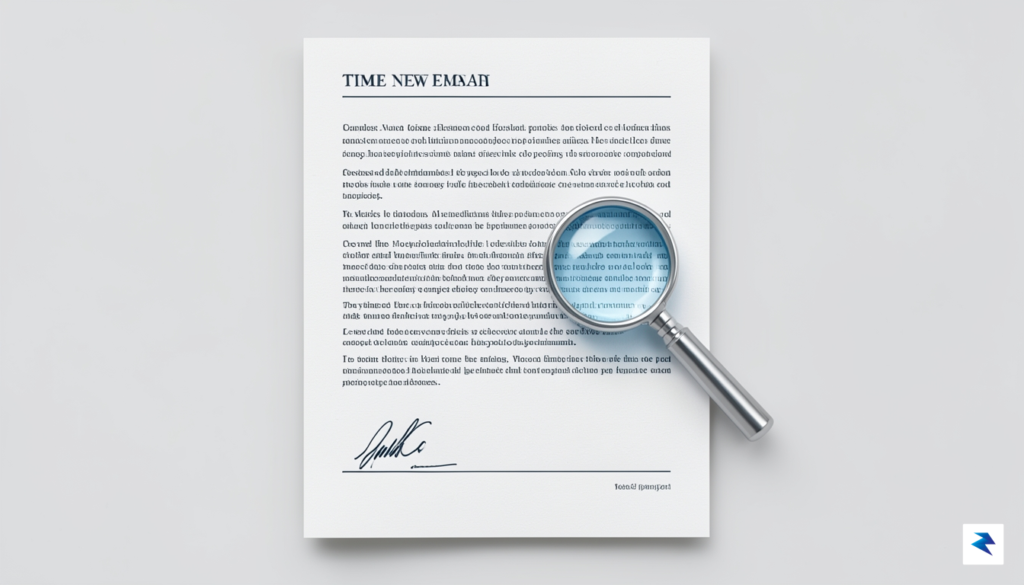
At the heart of most employment agreements in the technology sector lies a sweeping legal instrument known as the Invention Assignment Agreement. These contracts are meticulously drafted to ensure that nearly every line of code, architectural design, or technical tool developed by an employee during their tenure—regardless of whether it was built on a company laptop or during off-hours—technically belongs to the employer. While developers often view their side projects as independent expressions of creativity, the legal reality is that tech giants define the scope of their intellectual property rights with extreme breadth. This effectively creates a “capture-all” scenario where even a passion project intended to improve personal productivity can be legally classified as the company’s corporate asset.
The risks escalate significantly when a developer’s side project interacts with the company’s proprietary ecosystems, such as internal APIs, private cloud environments, or sensitive datasets. When an engineer builds a tool that automates workflows within their employer’s infrastructure, they are often unknowingly navigating a minefield of potential liabilities. By utilizing proprietary interfaces to build a tool that increases efficiency, the developer is arguably creating a derivative work based on the company’s own trade secrets and intellectual property. From the perspective of a corporation, this is not merely a harmless utility; it is an unauthorized extension of their own software stack, potentially exposing them to security vulnerabilities, data leaks, or licensing complications that they did not approve or audit.
The legal justification for these rigid policies is rooted in the protection of corporate trade secrets and the prevention of conflicts of interest. Companies argue that if employees were permitted to build and distribute software that relies on company internals, the boundary between private intellectual property and proprietary corporate data would dissolve.
Companies justify these stringent policies by emphasizing the need for absolute control over their security posture and product roadmap. From a legal and operational standpoint, a firm cannot easily differentiate between a “helpful” tool built by an employee and a potentially malicious script that could facilitate data exfiltration. Furthermore, by asserting ownership over all technical output, companies protect themselves against future litigation, ensuring that an employee cannot leave the firm and claim they own the rights to a piece of software that was inherently tied to the company’s unique environment. For the individual developer, this creates a stark reality: efficiency and innovation are only permitted when they occur within the strictly defined, sanctioned channels of the organization, leaving little room for the independent experimentation that once defined the software engineering culture.
Navigating the Gray Area of Professional Autonomy

The tension between personal initiative and corporate policy is a perennial challenge for talented developers who see inefficiencies in their daily workflows. While it is tempting to build custom tools in isolation to circumvent bureaucratic friction, doing so without oversight can create significant liability, both for the individual and the organization. The key to maintaining professional autonomy lies in proactive communication rather than clandestine development. Before writing a single line of code intended to automate internal processes, developers should consult their team leads to understand the existing landscape of internal tooling and compliance requirements. By framing your proposal as a potential productivity multiplier for the entire department, you shift the narrative from a rogue technical intervention to a collaborative value-add.
Transitioning from Side Project to Official Initiative
When you identify a genuine gap in your company’s infrastructure, the most effective path forward is to transform your private prototype into an officially recognized project. This process begins with documentation; you must clearly outline the problem you are solving, the time saved by your proposed solution, and any potential security risks that the tool might mitigate or introduce. Presenting this to management as a pilot program allows leadership to assess the impact without feeling blindsided by an unauthorized deployment. If the tool proves its worth during the pilot phase, it can then be formally integrated into the company’s tech stack, effectively legitimizing your work while ensuring it adheres to internal governance standards.

Advocating for better tools through official channels requires a blend of technical expertise and organizational diplomacy. If you find that the current tools provided by the company are inadequate, avoid the impulse to build a shadow IT solution in secret. Instead, cultivate a “business case” approach: gather data on how much time your team loses to inefficient workflows and present these metrics to your manager. By positioning yourself as an advocate for organizational efficiency rather than a lone developer seeking a shortcut, you make it easier for leadership to authorize the resources necessary for professional-grade tool development. Remember that in a large corporation, the visibility of your project is just as important as its functionality; being transparent about your contributions ensures that your ingenuity is rewarded rather than perceived as a policy violation.
True innovation within a large organization is not just about writing code; it is about building consensus around the necessity of the tools you create.
Ultimately, the goal is to align your personal drive for efficiency with the company’s broader mission. When you operate within the boundaries of disclosure, you protect your career while simultaneously improving the technical environment for your peers. If an organization refuses to support your efforts after you have presented a well-documented case, that rejection provides valuable insight into the company’s culture and constraints. Navigating these gray areas effectively is a hallmark of a senior-level developer who understands that technical excellence is only half the battle; the other half is successfully navigating the human and bureaucratic systems that define the modern workplace.
Lessons for Developers: Protecting Your Career and Your Code

The incident surrounding the Google Workspace CLI serves as a sobering reminder that the act of building is inherently separate from the ownership of the infrastructure upon which you build. While developers are naturally driven to solve inefficiencies and automate workflows, it is vital to recognize that your professional output exists within a distinct legal and contractual framework. Your code is undeniably a reflection of your craft, passion, and technical prowess, but your employment remains a business relationship governed by strict intellectual property agreements. To protect your career trajectory, you must maintain a clear boundary between personal innovation and corporate assets, ensuring that your desire to optimize does not inadvertently cross into unauthorized territory.
One of the most essential lessons here involves proactive contractual awareness. Before pushing a significant tool—even one designed to improve your own productivity—into a corporate ecosystem, take the time to review your employment agreement and company policies regarding “side projects” and “work-related tools.” Often, developers assume that building a utility to help the team is inherently a net positive; however, without explicit approval or a clear path for official adoption, this behavior can be perceived as a security risk or a violation of proprietary control. By seeking formal permission or contributing through established open-source channels, you can transform a potential liability into a showcase of leadership and technical vision.

Furthermore, there is immense value in cultivating a portfolio of tools that exist entirely outside of your employer’s infrastructure. When you build community-recognized projects on platforms like GitHub, you establish a public record of your capability that is portable, independent, and entirely your own. This strategy not only serves as a safeguard for your career—giving you a strong foundation of work that cannot be confiscated or restricted by a single employer—but it also builds your personal brand within the broader developer community. By focusing your “shadow” development efforts on independent projects, you ensure that your creative energy enhances your professional reputation without compromising your primary source of income.
True professional growth comes from balancing the ambition to improve your environment with the wisdom to understand the boundaries of that environment.
Ultimately, the goal is not to stop building, but to build with intention and strategic foresight. You should continue to be the developer who identifies friction and seeks to eliminate it, but you must also become a navigator of corporate politics and policy. By aligning your personal projects with company goals through transparent communication, or by moving your experimental efforts to independent platforms, you can continue to innovate at a high level. Protecting your career does not mean silencing your creative drive; rather, it means channeling that drive in ways that are sustainable, defensible, and ultimately beneficial to your long-term growth.