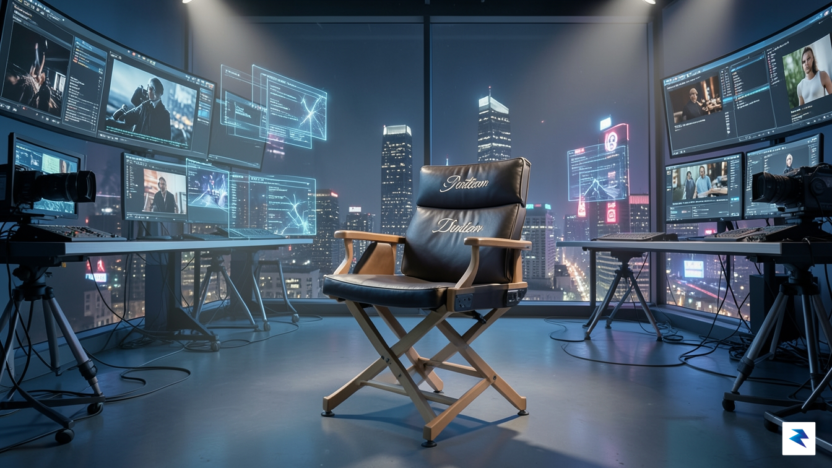
The Convergence of Silicon Valley and Independent Cinema
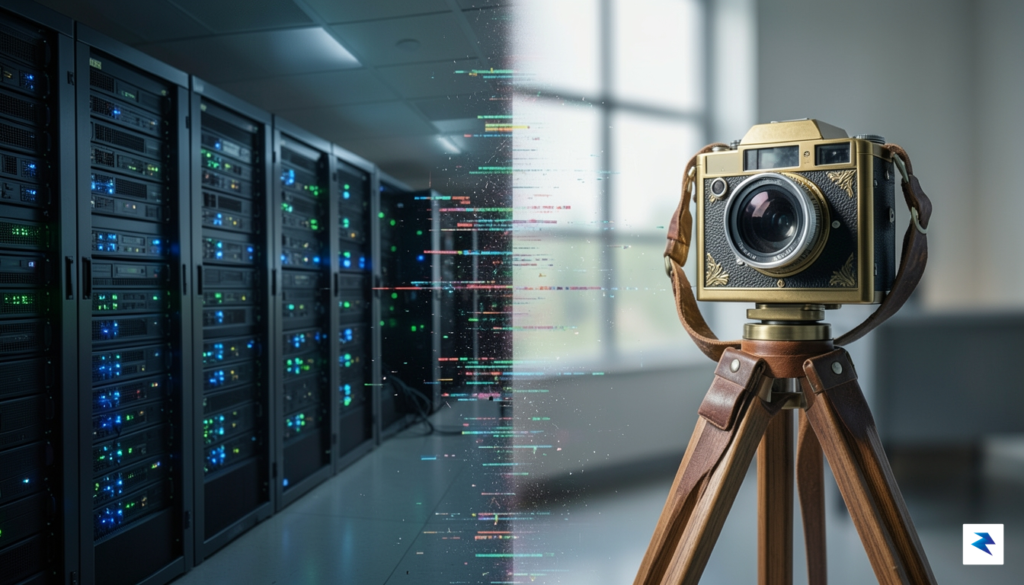
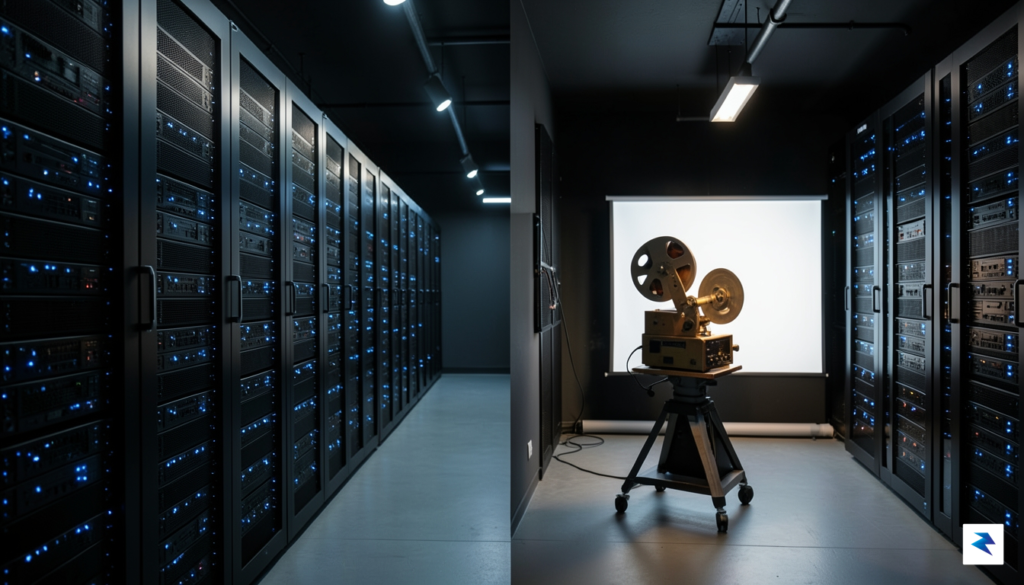
The long-standing relationship between Silicon Valley and the entertainment industry has historically been defined by transactional convenience, usually centered on distribution platforms like streaming services or digital storefronts. However, the recent $75 million collaboration between Google and A24 marks a fundamental shift in this dynamic, moving away from simple delivery mechanisms toward the very foundation of creative production. By embedding DeepMind’s advanced generative capabilities directly into the filmmaking pipeline, Google is effectively treating cinema as the next frontier for algorithmic sophistication. This isn’t merely about optimizing pixels; it is about building a suite of high-end tools that could potentially redefine the boundaries of human-led visual storytelling.
A24 stands out as a uniquely strategic partner in this endeavor, primarily because its brand identity is built upon the rejection of cookie-cutter, algorithmic blockbusters. Known for championing auteur-driven projects like Everything Everywhere All At Once and The Zone of Interest, the studio has cultivated an audience that values raw, singular artistic voices over mass-produced content. Google’s choice to align with an indie powerhouse, rather than a legacy studio burdened by decades of traditional workflows, suggests a calculated effort to prove that AI can support—rather than replace—the “high-art” sensibilities that define A24’s catalog. It is a bold experiment to see if machine learning can serve the eccentric, nonlinear, and deeply human narratives that have become the studio’s trademark.
The collaboration signals that artificial intelligence is shifting from a background utility for software engineers to a central protagonist in the creative act of filmmaking.
The technical evolution implied by this partnership is profound. By providing A24’s creative teams with bespoke generative tools, Google is essentially inviting one of the most respected creative houses in the world to stress-test the capabilities of modern AI. If these tools can successfully assist in the complex, labor-intensive processes of visual effects, post-production, or even pre-visualization without diluting the distinct “A24 aesthetic,” it could set a new industry standard. This convergence forces us to ask whether the future of film lies in the seamless blending of silicon-based calculation and human-centered emotional intelligence, potentially ushering in a new era where technology is no longer a disruptor, but a sophisticated collaborator in the arts.
Inside the $75M Google-A24 Partnership
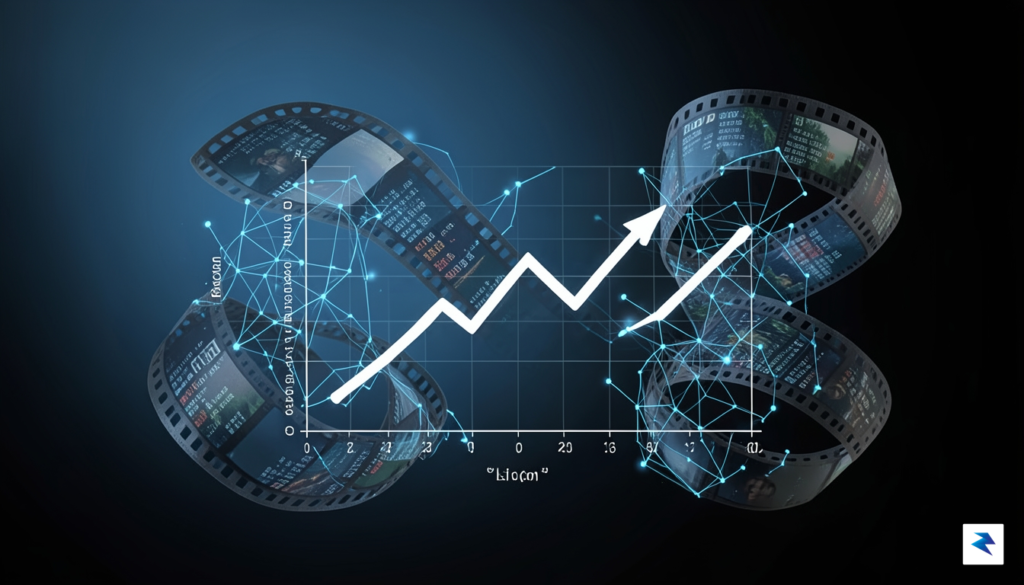
The $75 million infusion of capital into this partnership represents a seismic shift in how technology firms and creative studios integrate their core operations. Rather than functioning as a standard licensing agreement or a simple product placement exercise, this collaboration is structured as a dedicated research and development pipeline. The investment is specifically earmarked to build a bespoke suite of proprietary generative AI tools designed to overhaul the entire filmmaking lifecycle, from the initial spark of a screenplay concept to the complex logistics of post-production. By embedding Google’s computational power directly into the creative workflows of a boutique powerhouse like A24, the partnership seeks to prove that artificial intelligence can serve as a sophisticated collaborator rather than just a cost-cutting automaton.
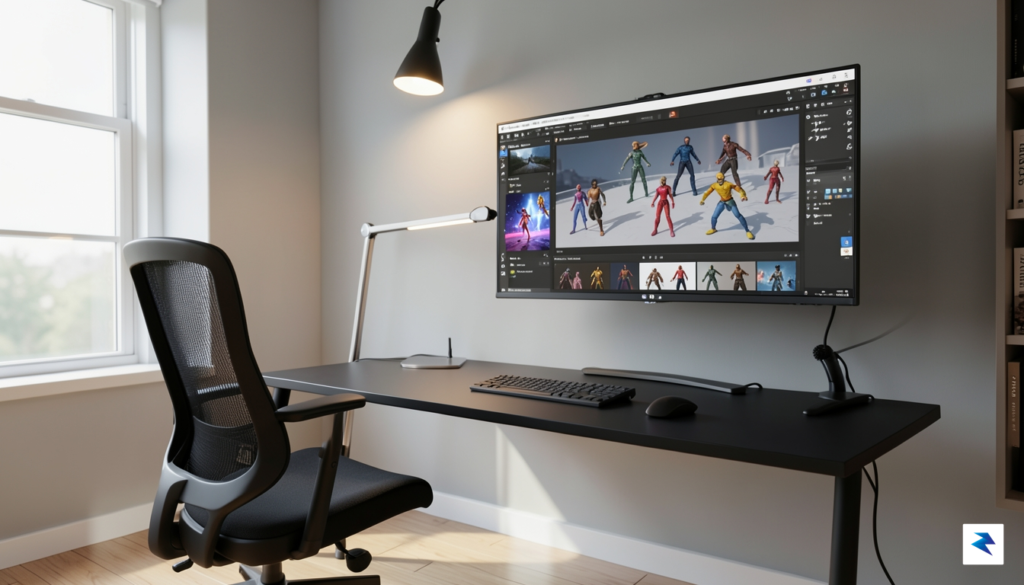
The Technical Engine Behind the Collaboration
At the center of this technical alliance lies the expertise of Google DeepMind, which is tasked with developing specialized models capable of understanding the nuance and visual language of independent film. Unlike generic AI generators that produce wide-reaching, often derivative content, the goal here is to create high-fidelity tools that respect the distinct “A24 aesthetic.” These tools are projected to streamline pre-production efficiencies—such as automated location scouting, rapid 3D environment generation, and sophisticated script-to-storyboard visualizations—allowing creators to iterate on their visions with unprecedented speed. Furthermore, the partnership intends to leverage predictive analytics to refine distribution strategies, ensuring that bold, experimental projects find their intended audiences through more precise marketing data.
This is not merely about automation; it is about expanding the creative bandwidth of directors and producers who have long been constrained by the limitations of time and budget.
What sets this deal apart from previous waves of “AI in Hollywood” hype is the emphasis on deep integration rather than superficial gimmickry. While other studios have experimented with AI to generate trailers or enhance visual effects, this partnership focuses on the foundational architecture of film production. It moves beyond the flashy, viral possibilities of generative media to address the heavy lifting of the industry: managing complex production pipelines, optimizing the allocation of resources, and analyzing audience engagement metrics to inform future greenlighting decisions. By focusing on these back-end infrastructures, Google and A24 are positioning themselves to set a new standard for how data-driven insights can actually protect, rather than dilute, the creative integrity of visionary storytelling.
How DeepMind Could Redefine Filmmaking Workflows
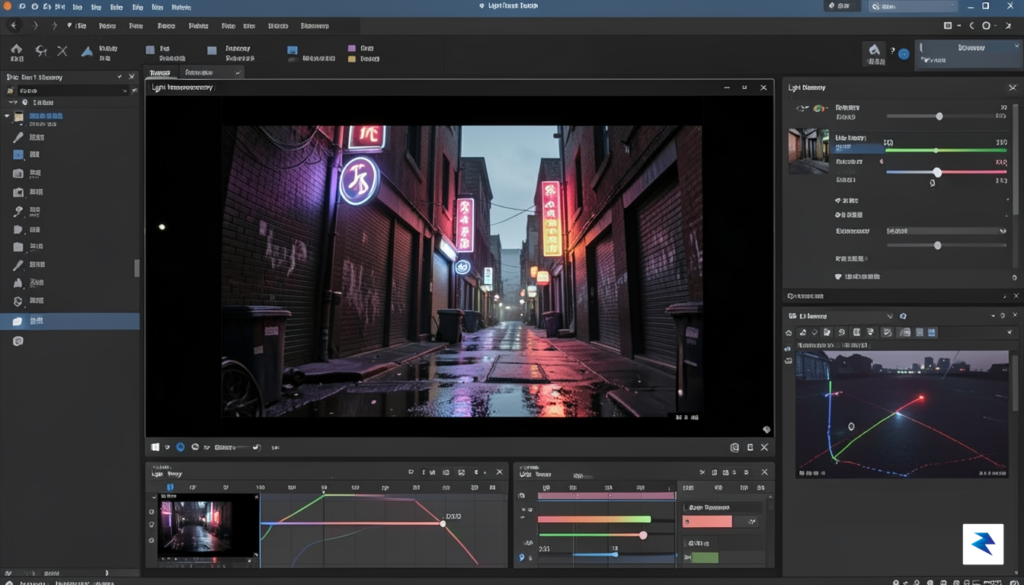
The integration of DeepMind’s advanced machine learning capabilities into the A24 production ecosystem represents a seismic shift from simple prompt-based image generation toward a holistic reinvention of the cinematic pipeline. Rather than merely replacing human artists, these tools are poised to act as sophisticated co-pilots that handle the heavy lifting of technical execution. In the pre-production phase, for instance, we are moving toward intelligent script analysis that can visualize complex blocking or generate detailed storyboards in real-time, allowing directors to iterate on visual concepts before a single camera is set on a physical stage. By leveraging deep learning models, creators can effectively “test” the emotional resonance of a scene through predictive simulations, providing a data-informed foundation that supports, rather than dictates, the director’s ultimate artistic vision.
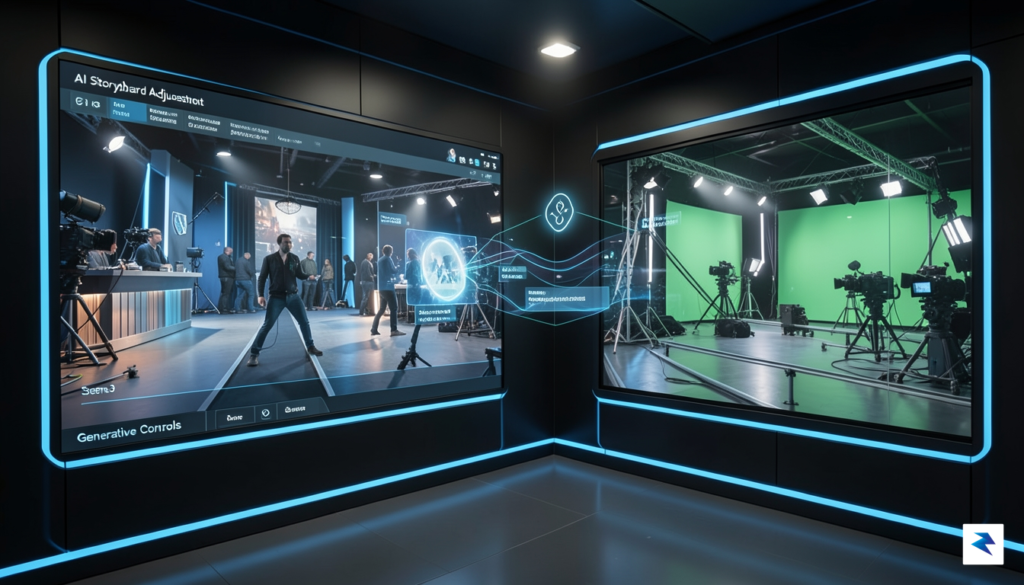
Streamlining the Post-Production Bottleneck
Post-production has historically been the most time-intensive phase of filmmaking, often plagued by repetitive tasks that consume thousands of hours. DeepMind’s intervention promises to automate labor-intensive processes like rotoscoping, complex VFX compositing, and color grading, essentially democratizing high-end visual effects that were once reserved for massive-budget blockbusters. Imagine an AI-assisted workflow where sound design is automatically synced to frame-perfect precision or where background noise removal and environmental audio restoration occur in a fraction of the current time. By offloading these mundane logistical burdens, human editors and sound designers are liberated to focus on the higher-level narrative flow and emotional pacing of the film, ensuring that technology serves the story rather than complicating the craft.
The true power of AI in film lies not in its ability to imitate, but in its capacity to eliminate the friction between creative intent and technical execution.
Beyond the technical wizardry, this partnership suggests a future of intelligent asset management that could revolutionize how studios archive and repurpose their creative libraries. DeepMind’s architecture could enable a “semantic search” for film archives, allowing producers to instantly locate specific emotional beats, lighting conditions, or actor expressions across decades of footage. This transition toward data-driven creative decision-making ensures that every asset is fully utilized, reducing waste and allowing small, independent teams to achieve a level of polish that rivals the largest studios in Hollywood. Ultimately, the goal is to create a seamless environment where the barrier between a creator’s imagination and the final screen output is thinner than ever before, fostering a new era of experimental and ambitious storytelling.
The Ethical and Creative Stakes for Creators
The marriage between a tech titan like Google and an indie powerhouse like A24 inevitably sends shockwaves through a creative community already reeling from the existential pressures of the digital age. For years, the industry’s guilds have fought tooth and nail to secure protections against the potential displacement of writers, editors, and visual artists by algorithmic output. When a studio celebrated for its auteur-driven, human-centric cinema steps into the arena of machine learning, it forces us to confront the uncomfortable tension between industrial efficiency and the singular, messy spark of artistic integrity. The question is no longer whether technology can assist in filmmaking, but whether the pursuit of faster, cheaper workflows will eventually erode the distinct “soul” that has defined the A24 brand.
At the heart of this discourse is the vital distinction between augmented creativity and automated art. If these new tools are deployed solely to streamline logistical bottlenecks—such as complex color grading, rotoscoping, or administrative scheduling—they may indeed empower creators to spend more time focusing on narrative depth and performance. However, if the integration leans toward the generation of assets, scripts, or performance capture, it risks commodifying the very essence of human experience that makes independent film resonate. True art is rarely about the most efficient path to completion; it is often found in the deliberate, iterative, and sometimes inefficient choices made by a director or a cinematographer working through a creative crisis.
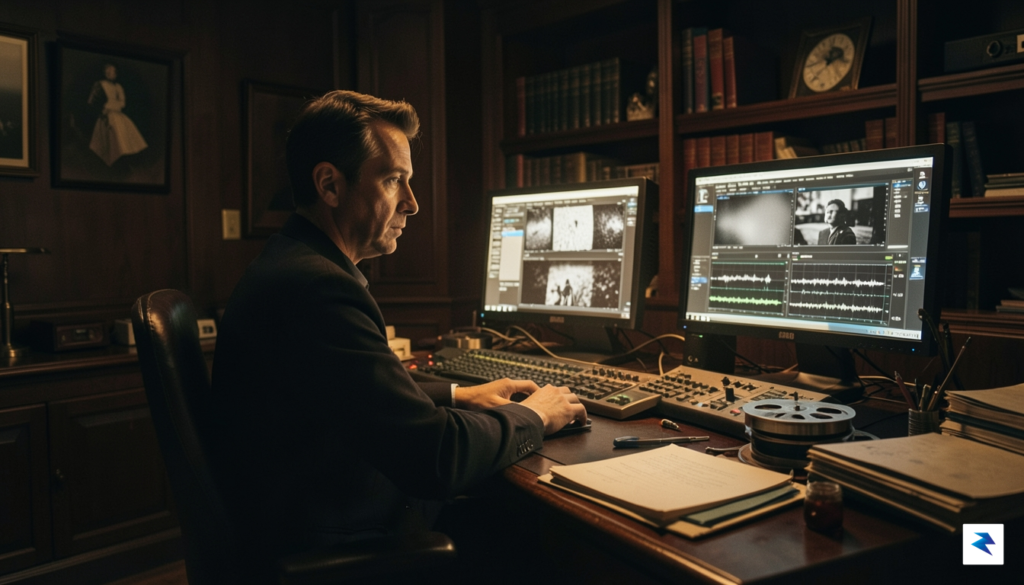
The risk isn’t just the loss of labor; it is the loss of the human imperfection that audiences subconsciously crave. If we polish every edge with an algorithm, we may find that we have created a product that is technically perfect but emotionally vacant.
For A24, the challenge is to maintain its “indie” identity while navigating a landscape increasingly dominated by Silicon Valley’s logic of scale. To preserve their reputation, the studio must lead with transparency, ensuring that its partnership with Google functions as a support system for human visionaries rather than a replacement for their intuition. If the studio uses these tools to democratize high-end production techniques for emerging voices, it could be a transformative boon for independent cinema. Conversely, if the tools serve to standardize storytelling to meet data-driven metrics, the studio risks alienating the very audience that prizes its unique, non-conformist aesthetic. Ultimately, the industry is watching to see if these tools remain instruments in the hands of the artist, or if the artist becomes an operator of the machine.
What This Means for the Future of Independent Film
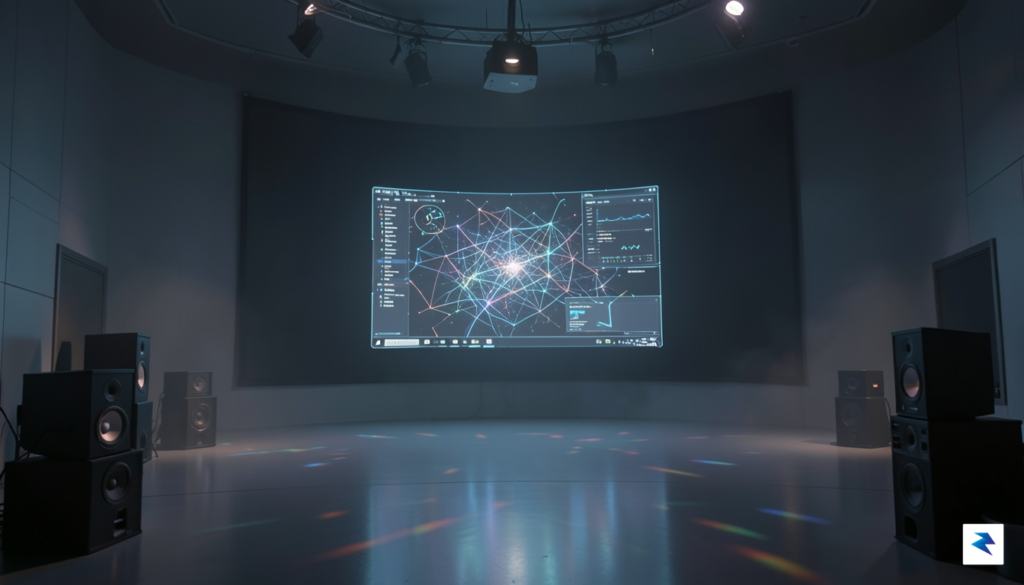
The strategic alliance between Google and A24 signals a seismic shift in the entertainment landscape, effectively serving as a bellwether for the next decade of digital storytelling. By integrating cutting-edge machine learning capabilities into the filmmaking pipeline, the industry is poised to witness the rapid democratization of high-end production values. Historically, achieving cinematic grandeur required massive budgets, sprawling logistical support, and a small army of post-production specialists. As these sophisticated AI tools become more accessible, the barrier to entry for independent creators will crumble, allowing a new generation of filmmakers to achieve visual fidelity once reserved exclusively for major studio tentpoles at a mere fraction of the traditional cost.
This technological evolution promises to disrupt the long-standing hegemony of the major studio model by decentralizing the means of high-quality production. When a director can utilize generative AI to render complex environments or handle intricate visual effects in real-time, the need for massive institutional funding begins to diminish. This shift empowers independent voices to compete on a visual level with global franchises, ultimately fostering a more diverse cinematic ecosystem where creativity, rather than deep-pocketed infrastructure, becomes the primary currency. If this collaboration succeeds in standardizing these workflows, we may soon see a renaissance of niche, high-concept films that utilize AI to bridge the gap between ambitious vision and budgetary reality.
The Necessity of the Human Element
Despite the revolutionary potential of algorithmic assistance, the trajectory of this industry must remain firmly anchored in human creative oversight. While AI can undoubtedly accelerate the technical aspects of filmmaking—such as lighting adjustments, color grading, or background generation—it lacks the subjective lived experience and emotional nuance that define truly great art. The future of film will not be defined by the removal of the human element, but rather by how efficiently creators can wield these tools to amplify their unique perspectives. As these algorithms become more prevalent, the role of the director as a curator and visionary will become even more critical, ensuring that the soul of a story is never lost in a sea of automated precision.
True innovation in cinema lies at the intersection of human intuition and computational power; the tool is only as compelling as the artist guiding it.
Ultimately, the partnership between Google and A24 serves as a blueprint for a future where technology acts as an enabler rather than a replacement. By embracing these advancements, independent filmmakers can reclaim agency over their narratives, pushing the boundaries of what is possible on a modest budget. As we move forward, the focus will inevitably shift toward how effectively humanity can direct these algorithms to serve the art, rather than allowing the art to be dictated by the logic of the machine. The next decade will be defined by those who master this equilibrium, turning the infinite possibilities of artificial intelligence into the next great chapter of human storytelling.