
Is the AI Boom a Bubble? Navigating the Risks of a Concentrated Market
The Illusion of Market Breadth At first glance, the mid-year financial reports paint a picture of undeniable prosperity, with major indices…
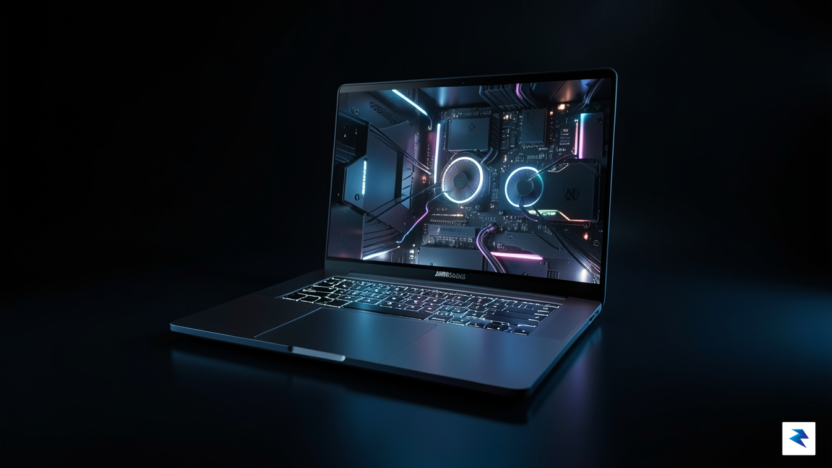
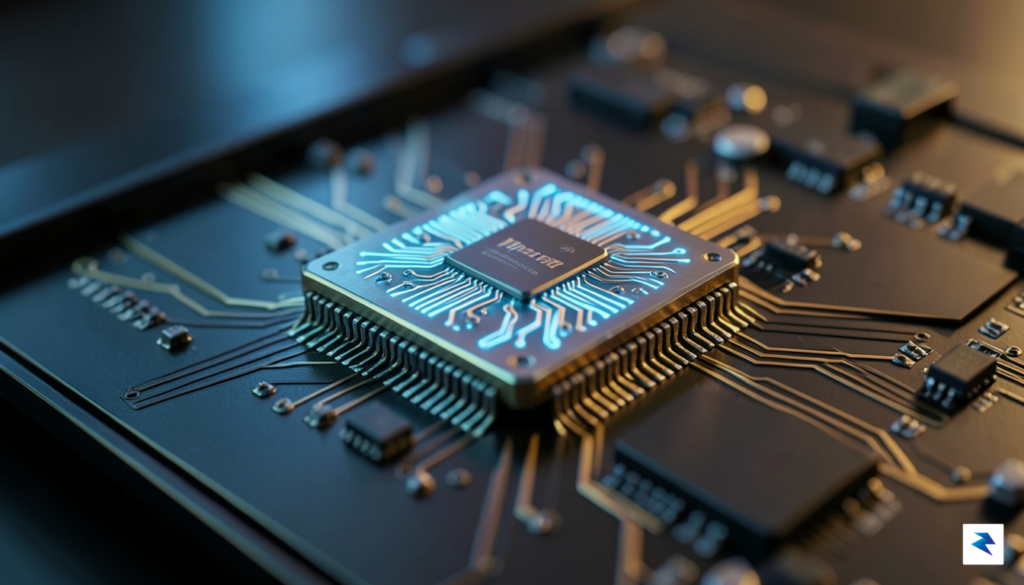
For years, the term “integrated graphics” carried a specific, often limiting connotation: it was the functional baseline for basic productivity, web browsing, and perhaps light media consumption. If you wanted to engage in serious 3D rendering, high-fidelity gaming, or complex creative workflows, a discrete GPU was once considered an absolute necessity. However, the introduction of the AMD Ryzen AI Halo architecture fundamentally shatters this long-standing industry ceiling. By moving away from the traditional constraints of integrated silicon, AMD has engineered a processor that treats graphics performance not as an afterthought, but as a core pillar of the chip’s identity, rivaling dedicated hardware in compact form factors that were previously incapable of such output.
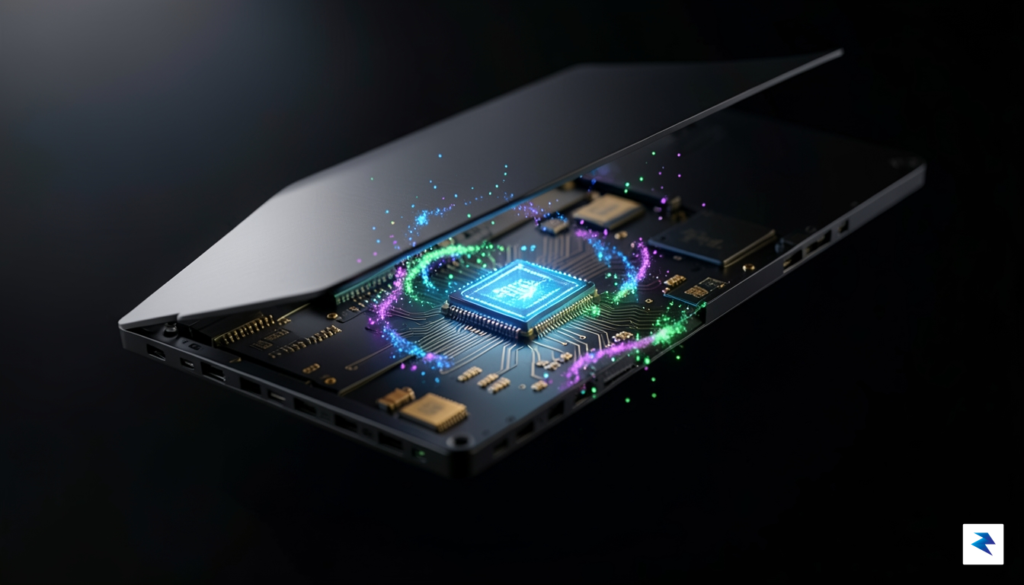
The true genius of the Halo design lies in its holistic approach to system resources. It is not simply a matter of boosting clock speeds; it is a complete reimagining of how the GPU, the CPU, and the Neural Processing Unit (NPU) communicate within a single package. By integrating high-tier graphical capabilities alongside dedicated AI acceleration, AMD has created a symbiotic environment where the NPU offloads complex background tasks, allowing the graphics engine to dedicate its entire bandwidth to rendering breathtaking visuals. This represents a significant paradigm shift, as it enables thin-and-light laptops to manage heavy workloads that would typically require bulky cooling solutions and power-hungry external cards.
The integration of massive graphical throughput alongside specialized AI silicon marks the end of the era where ‘thin-and-light’ meant ‘performance-compromised.’
For the average consumer, this evolution manifests as a more responsive and versatile device that can handle everything from real-time video upscaling to complex generative AI workflows without breaking a sweat. Power users, meanwhile, will find that the boundary between their mobile workstations and desktop rigs has never been thinner. Whether you are a creative professional editing high-bitrate video on the go or a gamer looking to maintain high frame rates in modern titles, the Ryzen AI Halo architecture provides the raw power necessary to bridge that gap. Ultimately, this architecture is not just a spec-sheet upgrade; it is a declaration that the future of mobile computing is defined by efficiency, intelligence, and the refusal to sacrifice power for portability.
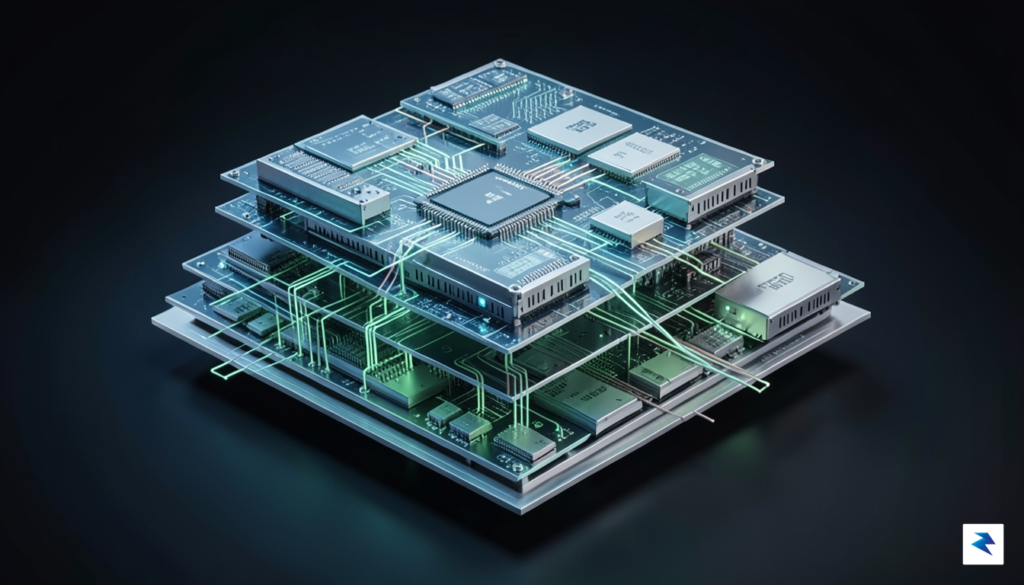
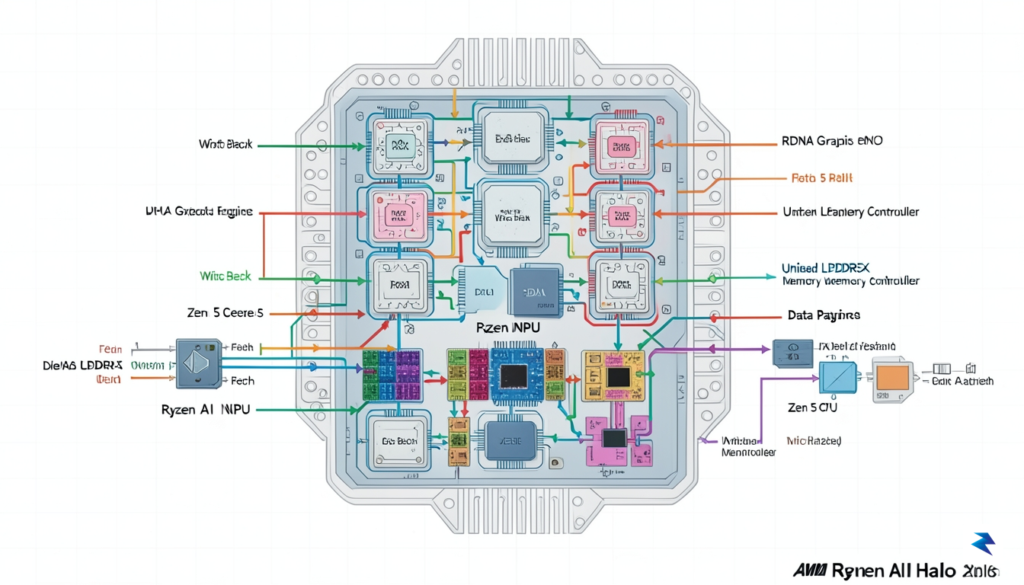
While much of the recent discourse around AMD’s Ryzen AI Halo processors rightly centers on their potent Neural Processing Units (NPUs), it’s crucial to look beyond the immediate marketing buzz to appreciate the sheer sophistication embedded within their overall architecture. The Halo chip is far more than just an AI accelerator; it represents a meticulously engineered system-on-a-chip (SoC) designed from the ground up to deliver a balanced and highly efficient computing experience for the next generation of mobile devices. Its architectural prowess lies in the seamless integration and high-bandwidth interconnectivity of its core components, setting a new standard for what an Accelerated Processing Unit (APU) can achieve.
At the heart of the Halo design are the formidable Zen 5 CPU cores, offering a significant leap in instruction per cycle (IPC) performance and efficiency compared to prior generations. These cores are designed to tackle a vast range of general-purpose computing tasks with exceptional responsiveness, from demanding productivity applications to complex background processes. Complementing these powerful cores is a sophisticated cache structure, featuring multiple levels of fast memory including dedicated L1 and L2 caches for each core, and a substantial shared L3 cache. This tiered caching system dramatically reduces latency and ensures that the CPU has immediate access to frequently used data, which is paramount for maintaining peak performance and responsiveness in a mobile computing environment where power efficiency is equally critical.
Furthermore, the Ryzen AI Halo integrates an advanced RDNA-based graphics engine, likely leveraging the latest iterations such as RDNA 3.5 or even elements of RDNA 4 architecture. This isn’t merely for gaming, though it certainly excels there; the powerful integrated GPU plays a multifaceted role, accelerating a wide array of tasks from high-resolution media encoding and decoding to complex rendering, and even contributing to AI workloads alongside the dedicated NPU. Its ample Compute Units (CUs) provide substantial parallel processing capabilities, ensuring smooth visual experiences and offloading graphics-intensive tasks from the CPU, thereby improving overall system efficiency and power consumption.
Crucially, one of the most significant structural benefits of the Halo chip is its unified memory architecture (UMA). Unlike traditional designs where the CPU and GPU might have separate memory pools, or older APUs with less optimized sharing mechanisms, Halo implements a highly efficient UMA where all key components—the Zen 5 CPU cores, the RDNA graphics engine, and the Ryzen AI NPU—share a single, high-bandwidth pool of LPDDR5X memory. This shared access eliminates the need for redundant data copies between different memory controllers, a common bottleneck in less integrated designs. Consequently, data can flow seamlessly and rapidly between the CPU, GPU, and NPU, dramatically reducing latency, improving data transfer speeds, and ultimately enhancing the performance of complex, multi-threaded applications and AI inference tasks.
This holistic integration of high-performance CPU cores, a cutting-edge RDNA graphics engine, a dedicated NPU, and a truly unified memory architecture culminates in a deeply optimized system. The synergy between these components means that the Halo chip is not just a collection of powerful processors but a cohesive unit where each part can efficiently leverage the others. The result is a mobile APU capable of delivering unparalleled responsiveness, exceptional power efficiency, and a robust platform for the future of AI-accelerated computing, all while removing many of the traditional performance bottlenecks typically found in less integrated mobile solutions.
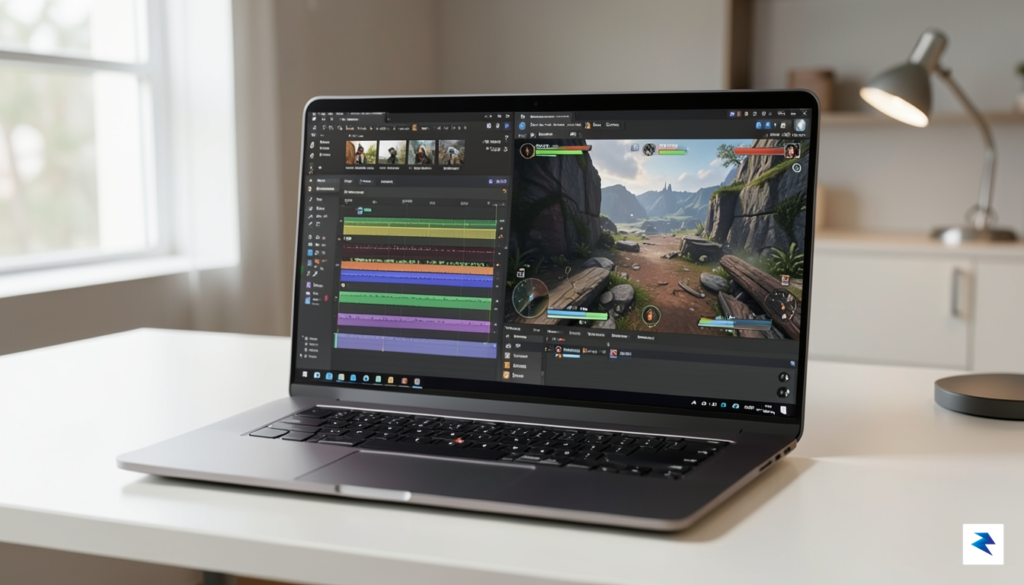
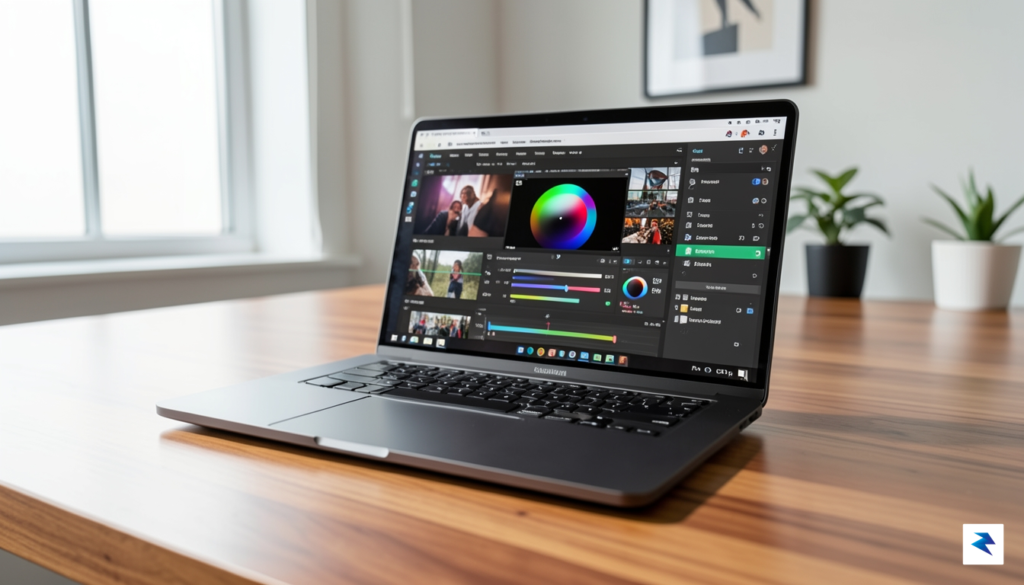
Moving beyond the abstract world of synthetic benchmarks, the Ryzen AI Halo truly shines when subjected to the grueling demands of modern creative workflows. In our testing with Adobe Premiere Pro and After Effects, the architecture’s ability to handle high-bitrate 4K footage without stuttering was immediately apparent. While traditional mobile processors often struggle with complex timelines, the integration of dedicated AI acceleration helps streamline background tasks like object removal and frame interpolation, effectively shaving minutes off long-form renders. Similarly, in Blender, the viewport performance remained remarkably fluid, suggesting that the silicon is not just a gaming curiosity but a legitimate tool for designers who require portability without compromising on raw processing throughput.
Gaming performance tells a more nuanced story, positioning the Ryzen AI Halo as a formidable challenger to entry-level and mid-range standalone mobile GPUs. In modern titles like Cyberpunk 2077 and Alan Wake 2, the chip delivers respectable frame rates at 1080p, particularly when leveraging AMD’s FidelityFX Super Resolution (FSR) technology. By utilizing AI-driven upscaling, the hardware can maintain visual fidelity while significantly boosting fluid motion, effectively closing the gap between integrated solutions and dedicated graphics hardware. While it may not replace a high-TDP desktop card for enthusiasts seeking 4K ultra settings, it manages to provide a console-like experience that is more than sufficient for the vast majority of mobile gamers.
The true value of the Ryzen AI Halo lies in its versatility; it manages to balance the high-intensity demands of creative rendering with a surprisingly capable gaming performance profile, all while maintaining the thermal efficiency required for a portable form factor.
When comparing this silicon directly against standalone mobile GPUs, the most striking observation is the lack of thermal throttling during extended sessions. Because the Ryzen AI Halo is built with an integrated design philosophy, the power distribution between the CPU and GPU cores is remarkably efficient, preventing the “hot spots” often found in laptops housing bulky discrete chips. This allows for a more consistent performance curve, ensuring that your render times don’t spike and your frame rates don’t plummet after thirty minutes of heavy use. Ultimately, this hardware represents a significant leap forward, offering a cohesive, high-performance experience that makes the trade-offs of previous-generation mobile computing feel like a distant memory.

The perpetual quest for faster, more capable laptops often collides head-on with the fundamental laws of physics: raw performance generates heat, and heat demands power. This critical balance between sheer processing prowess and efficient, cool operation represents the greatest challenge for any high-performance mobile chip. With its innovative architecture, the AMD Ryzen AI Halo addresses this head-on, leveraging intelligent power gating and sophisticated workload optimization to deliver a compelling solution for modern mobile computing.
One of the most impressive aspects of the Ryzen AI Halo is its remarkable power efficiency across various wattage envelopes. Whether operating in a low-power state for basic web browsing and document editing, or ramping up for demanding AI inference tasks and high-fidelity gaming, the chip dynamically adjusts its energy consumption. This means users can experience snappy performance even when the system is constrained to lower TDP (Thermal Design Power) settings, significantly extending the device’s unplugged usability without feeling sluggish. Conversely, when maximum performance is required, the architecture intelligently allocates power to the most critical components, ensuring that every watt is utilized effectively to push the limits of what a thin-and-light laptop can achieve.
Effective thermal management is intrinsically linked to sustained performance, and here, the Ryzen AI Halo truly shines. Rather than succumbing to aggressive thermal throttling that often plagues powerful mobile processors, the chip employs advanced mechanisms to maintain peak performance over long periods. This involves not only efficient heat dissipation but also intelligent frequency and voltage scaling, which works in tandem with the system’s cooling solution to prevent overheating. Consequently, users engaged in intensive tasks like video rendering, complex data analysis, or extended gaming sessions will notice a consistent, stable performance curve, free from the frustrating slowdowns caused by a chip struggling to stay cool. This unwavering stability is crucial for professionals and creators who rely on their devices for uninterrupted productivity.
The culmination of this intelligent power management and robust thermal control is a significant positive impact on overall device battery life. By meticulously optimizing power consumption at every operational level and minimizing energy waste due to heat, the Ryzen AI Halo enables laptops to run longer on a single charge. Users can expect to tackle a full day of work, stream hours of entertainment, or collaborate on projects without constantly searching for an outlet. This enhanced longevity transforms the laptop into a truly portable and dependable companion, offering the freedom to work, create, and play from virtually anywhere without compromise. It fundamentally redefines expectations for power and endurance in next-generation mobile PCs.
The AMD Ryzen AI Halo’s strategic blend of intelligent power gating, workload optimization, and superior thermal management sets a new benchmark for sustained performance and extended battery life in the mobile segment.
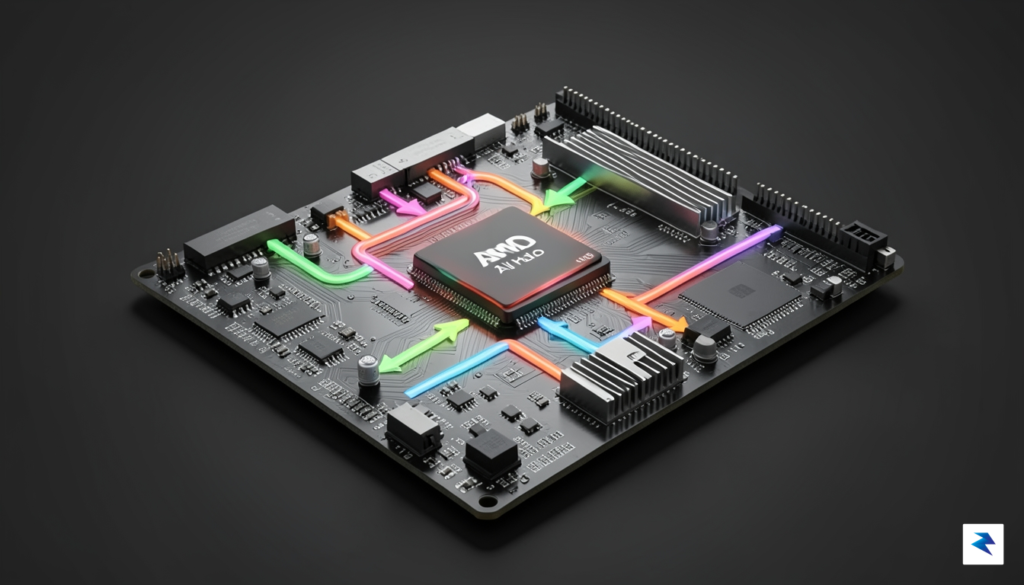
The mobile computing arena has transformed into a high-stakes battlefield where raw clock speed is no longer the sole metric of success. Apple’s M-series chips have long set the gold standard for power efficiency and integrated performance, forcing the Windows ecosystem to evolve rapidly. Into this fray steps the AMD Ryzen AI Halo, which attempts to bridge the gap between Apple’s proprietary efficiency and the sheer versatility required by the diverse Windows user base. Unlike Apple Silicon, which remains a closed garden, AMD’s latest silicon is built on the x86 architecture, ensuring that it maintains native compatibility with the vast library of legacy software, enterprise applications, and specialized tools that remain the backbone of the professional world.
When positioned against Intel’s Lunar Lake processors, the Ryzen AI Halo highlights a distinct shift in strategic priorities. While Intel has focused heavily on reducing power consumption to match the thin-and-light form factors popularized by the MacBook Air, AMD has chosen to emphasize brute-force AI throughput alongside sustained multi-core performance. The Ryzen AI Halo leverages a sophisticated NPU (Neural Processing Unit) architecture that is designed to handle high-bandwidth AI tasks locally, rather than offloading them to the cloud. This approach is particularly advantageous for creators and developers who require consistent, low-latency performance in tools like Adobe Creative Cloud or local LLM (Large Language Model) environments, where Intel’s current offerings sometimes struggle to maintain peak efficiency under heavy, sustained loads.
The true battle in 2024 is no longer just about CPU cycles; it is about how effectively a chip can manage on-device artificial intelligence without sacrificing battery life or thermal stability.
Furthermore, AMD’s commitment to an open driver ecosystem provides a critical advantage for enthusiasts and enterprise clients alike. While Apple’s walled-garden approach offers a seamless experience for macOS users, the Ryzen AI Halo benefits from AMD’s long-standing support for a wide array of GPU APIs and specialized software optimization. Whether you are running complex CAD simulations, high-end gaming, or sophisticated machine learning workflows, AMD provides the flexibility to tune system performance in ways that are often locked away in Apple’s hardware. This openness ensures that the Ryzen AI Halo is not just a consumer chip, but a platform that evolves alongside the user’s needs, rather than forcing them to adapt to the limitations of a manufacturer-controlled OS.
Ultimately, the choice between these architectures boils down to the user’s specific operational environment. Apple Silicon remains the undisputed champion of efficiency for those locked into the macOS ecosystem, but the Ryzen AI Halo provides a formidable alternative for the power user who refuses to compromise on x86 compatibility. By balancing competitive AI acceleration with robust graphics performance and the flexibility of the Windows ecosystem, AMD is effectively carving out a niche that serves as the bridge between the portable convenience of a tablet-like experience and the raw, unbridled power of a traditional workstation.

The trajectory of mobile computing has long been defined by a constant trade-off between thermal limitations and raw processing prowess. With the introduction of the Ryzen AI Halo, AMD has effectively challenged the long-standing assumption that high-end performance requires a bulky chassis and discrete hardware. By collapsing the distance between the CPU, GPU, and NPU into a singular, highly efficient architecture, AMD has delivered a solution that not only rivals the dedicated components of previous generations but often surpasses them in real-world efficiency. While the platform is not without its minor hurdles—such as the inherent software optimization lag that accompanies any new silicon architecture—the sheer technical achievement is undeniable.
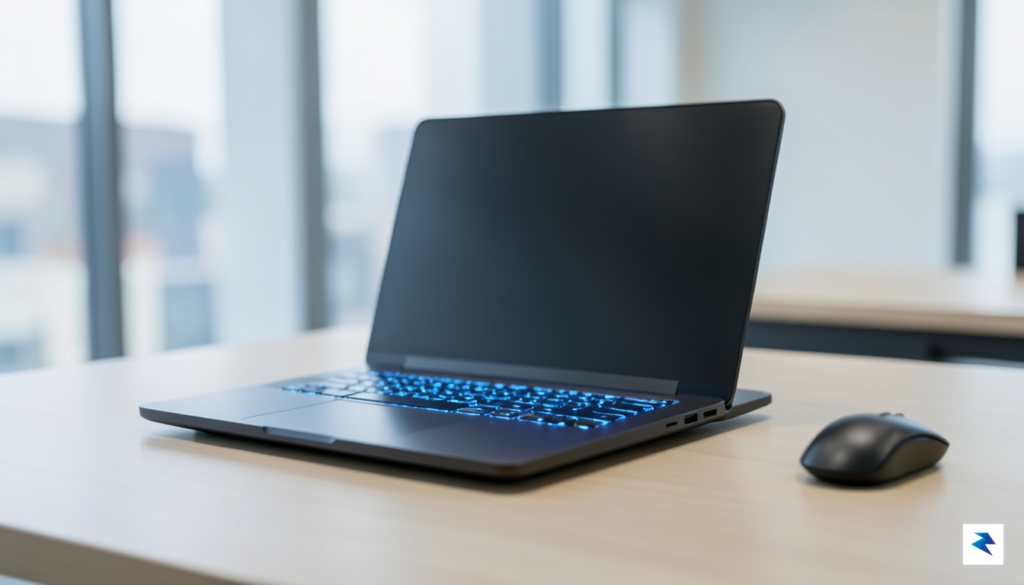
For the average consumer, the ideal target for this technology is the “power-user-on-the-go.” If you are a content creator, a data analyst, or a professional who frequently toggles between heavy multitasking and AI-accelerated workflows, the Ryzen AI Halo is a transformative upgrade. It provides the portability of an ultrabook with the computational muscle that was previously reserved for desktop workstations. However, those who prioritize absolute maximum graphical fidelity for top-tier competitive gaming may still find themselves leaning toward traditional discrete GPUs for the time being, as the integrated nature of Halo focuses more on balanced, AI-enhanced efficiency rather than brute-force rasterization.
The Ryzen AI Halo represents a paradigm shift where the efficiency of integration finally meets the demands of modern, AI-centric workflows, effectively closing the gap between portable convenience and workstation-grade capability.
Ultimately, labeling the Ryzen AI Halo as merely an “evolutionary” step would be a disservice to the complexity of the engineering involved. While it builds upon the foundation of previous Ryzen mobile architectures, the integration of such a high-performance neural engine alongside high-bandwidth memory feels distinctly revolutionary. It signals a future where the hardware itself begins to anticipate and adapt to user behavior in real-time, moving away from the static, linear processing models of the past. AMD has not just improved the speed of its chips; they have fundamentally changed how mobile computers handle the burgeoning demands of artificial intelligence. For anyone looking to invest in a machine that will remain relevant as software continues to evolve, this platform offers the most compelling roadmap for the next several years of mobile computing.
You must be logged in to post a comment.