Why Budweiser Struggles to Win Over the German Beer Connoisseur
The German Beer Paradox: Why Budweiser Faces an Uphill Battle To understand why a global titan like Budweiser struggles to find its footing in…
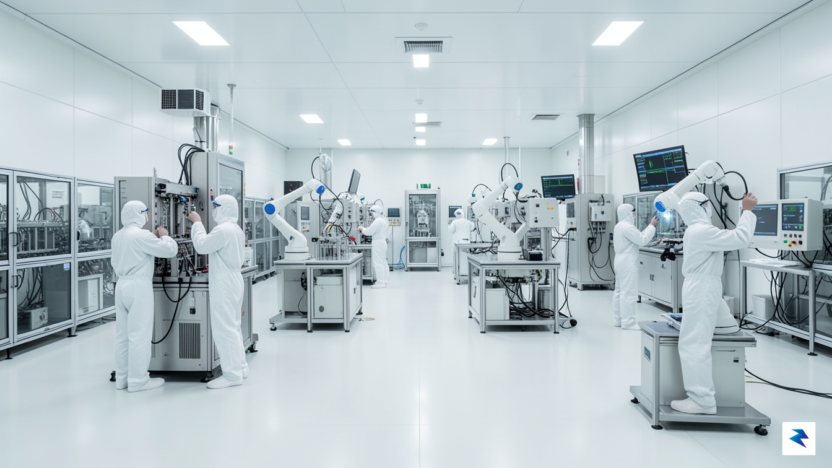
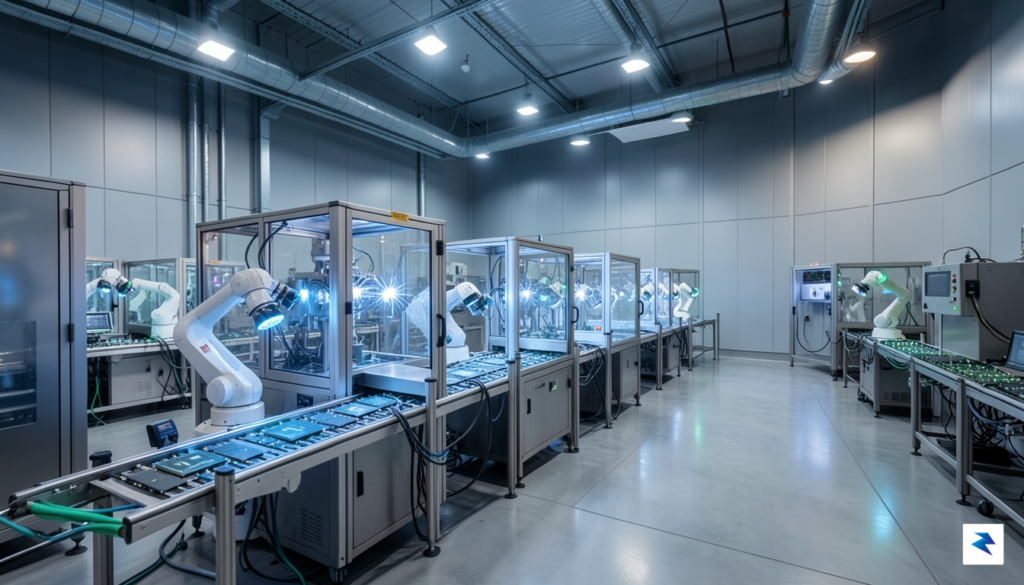
The evolution of the partnership between Apple and Broadcom marks a definitive pivot in how the tech giant approaches its hardware lifecycle. For years, the two companies have maintained a collaborative relationship centered on the development of high-performance wireless components, including crucial 5G radio frequency modules and sophisticated wireless connectivity chips. This latest multi-billion dollar agreement, however, transcends the traditional vendor-client dynamic. By anchoring such a significant portion of its production within the United States, Apple is effectively subsidizing the expansion of domestic semiconductor manufacturing, ensuring that the next generation of iPhone and Mac hardware relies on a supply chain that is physically closer to its design headquarters in California.

This financial commitment is staggering in its scale, reflecting Apple’s intent to fortify its inventory against the unpredictable nature of international trade. Rather than merely renewing existing contracts, Apple is investing heavily in the development of “Made in the USA” 5G radio frequency components, which are essential for maintaining the high-speed connectivity consumers have come to expect from their mobile devices. This long-term investment provides Broadcom with the capital stability needed to scale their domestic facilities, while simultaneously granting Apple a “first-priority” status that could prove invaluable during periods of global component shortages or logistical bottlenecks.
By localizing the production of critical components, Apple is actively insulating its supply chain from the geopolitical volatility that has plagued the tech industry over the past several years.
The decision to anchor this production in the United States serves as a strategic hedge against the complexities of global manufacturing. In an era where supply chain resilience is often as important as product innovation, diversifying the source of critical components allows Apple to mitigate the risks associated with reliance on singular geographic regions. Furthermore, this move aligns with broader national efforts to bolster domestic semiconductor output, potentially positioning Apple and Broadcom as leaders in the revitalization of American high-tech manufacturing. Ultimately, this expanded partnership ensures that as the demand for advanced connectivity grows, the hardware powering that connectivity remains secure, consistent, and firmly rooted in domestic capabilities.

For decades, the global technology industry relied on a fragile, hyper-specialized manufacturing model centered heavily in East Asia. While this approach maximized short-term cost efficiency, the recent global supply chain disruptions exposed deep vulnerabilities, proving that over-reliance on distant production hubs can threaten the availability of critical components. By shifting a significant portion of its semiconductor production to the United States, Apple is effectively hedging against the geopolitical tensions and logistical bottlenecks that have historically plagued international shipping routes. This transition represents a fundamental shift in corporate strategy, prioritizing long-term operational resilience over the immediate savings associated with offshore manufacturing.
The push for domestic production is significantly bolstered by the framework established through the CHIPS and Science Act. By incentivizing companies to invest in the U.S. semiconductor ecosystem, the government is helping to bridge the capital-intensive gap that previously made domestic manufacturing prohibitively expensive. When companies like Apple and Broadcom commit to high-end chip production on American soil, they are not merely following policy; they are participating in the creation of a self-sustaining industrial infrastructure. This domestic network ensures that the critical components driving the next generation of smartphones and computing devices are insulated from foreign trade disputes and international shipping volatility.
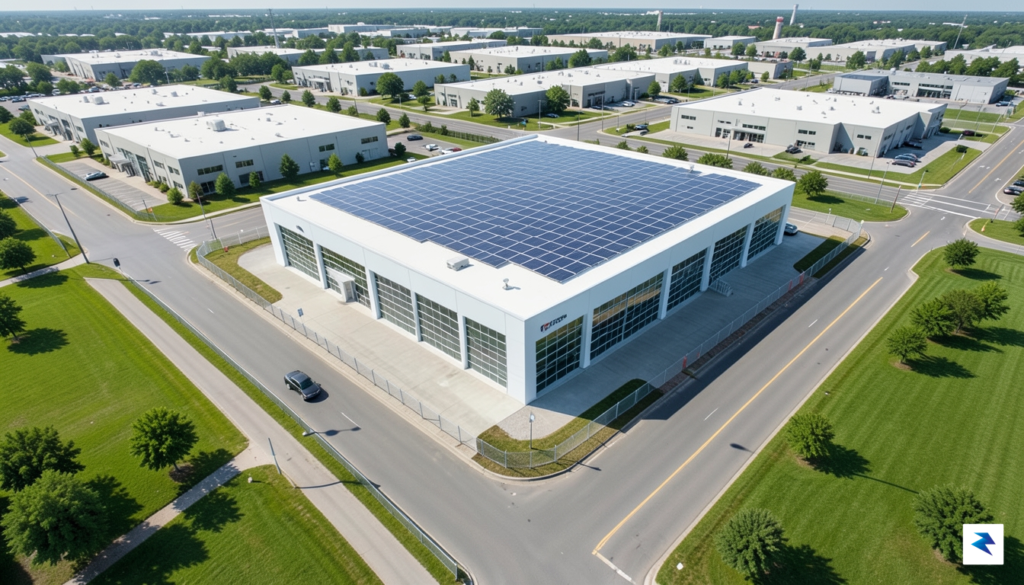
Beyond the logistical advantages, there is a profound economic and creative benefit to placing research, design, and manufacturing teams in close proximity. When engineers who design the silicon architecture work within the same time zones and geographic regions as the teams responsible for fabrication, the feedback loop for innovation accelerates dramatically. Rapid prototyping and real-time troubleshooting become standard, rather than waiting weeks for shipments across the Pacific. This synergy not only fosters faster product iteration but also nurtures a high-skilled local workforce, cultivating a domestic talent pool that specializes in the nuances of advanced chip engineering and precision manufacturing.
The move toward localized manufacturing is transforming the semiconductor industry from a globalized, high-risk assembly line into a localized, high-value ecosystem that prioritizes stability and technical synergy.
Ultimately, the long-term impact of this investment will be felt in the stability of the entire electronics market. By anchoring the supply chain at home, American tech giants are ensuring that the digital infrastructure powering our daily lives is far less susceptible to external shocks. This commitment to domestic manufacturing fosters a more robust economic environment, creating stable, high-wage jobs while simultaneously securing the future of the technological hardware that defines the modern era.

At the heart of Apple’s seamless ecosystem lies a sophisticated web of connectivity hardware, and Broadcom has long served as the primary architect behind these invisible engines. The partnership focuses heavily on the production of high-performance radio frequency (RF) modules and complex connectivity chips that act as the nervous system for iPhones, iPads, and Mac computers. These components are responsible for the lightning-fast 5G speeds users expect when streaming high-definition media, as well as the ultra-low latency required for real-time gaming and augmented reality applications. By prioritizing these specialized silicon components, Apple ensures that its devices can navigate increasingly congested cellular networks and crowded wireless environments without compromising battery life or data integrity.
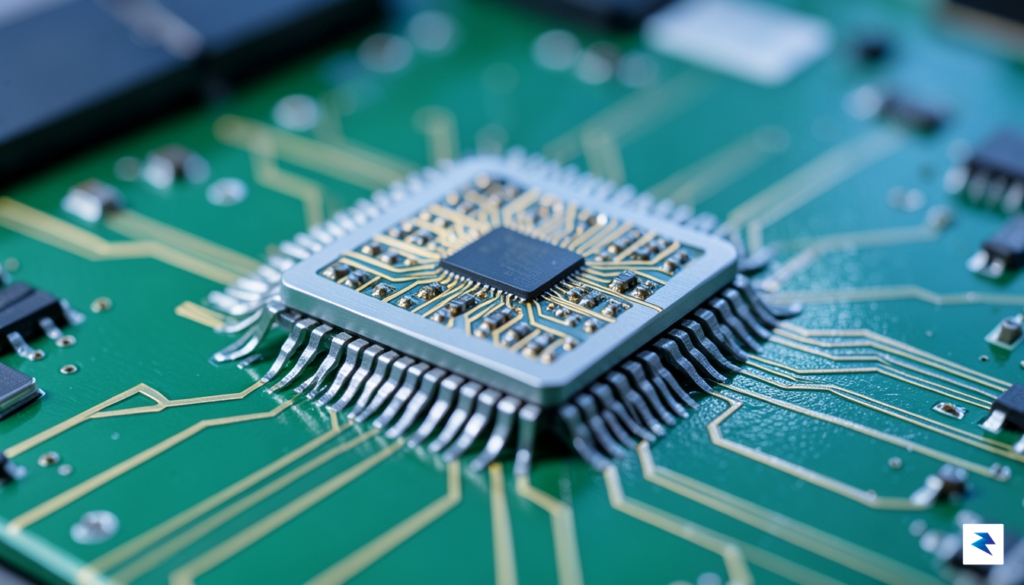
Beyond the raw power of 5G, Broadcom’s expertise is instrumental in enabling the latest Wi-Fi and Bluetooth standards that keep Apple devices synchronized. When you unlock your Mac with your Apple Watch or share files instantly via AirDrop, you are leveraging the sophisticated signal processing power engineered by Broadcom’s teams. These chips are not merely off-the-shelf parts; they are the result of a rigorous, iterative co-design process where Apple’s silicon engineers work in lockstep with Broadcom’s hardware specialists. This collaboration allows for the custom tuning of power consumption profiles, ensuring that even as connectivity demands grow, the devices remain energy-efficient enough to maintain their industry-leading battery performance.
The expansion of this partnership underscores a strategic shift toward domestic manufacturing, securing a resilient supply chain for the essential hardware that defines the modern mobile experience.
The significance of this increased investment lies in the long-term roadmap for next-generation hardware. By deepening their financial and technical commitment, Apple guarantees itself “first-in-line” access to Broadcom’s newest innovations, such as advanced RF filters that minimize interference and boost signal clarity in challenging environments. This direct line to cutting-edge manufacturing ensures that Apple can integrate bespoke hardware refinements into its product cycles months or even years before they become standardized in the wider industry. Consequently, this synergy doesn’t just improve individual device specs; it effectively hardens Apple’s competitive moat, ensuring that the hardware inside every new iPhone is consistently tuned to push the boundaries of what is possible in mobile connectivity.

The strategic expansion between Apple and Broadcom marks a significant pivot in how industry leaders approach their supply chains, effectively moving away from the fragile, hyper-globalized models of the past decade. By committing to billions of dollars in domestic chip production, Apple is not merely securing its own inventory; it is signaling to the broader semiconductor market that “on-shoring” is no longer a peripheral goal but a core business necessity. This shift creates substantial pressure on competitors who remain heavily reliant on overseas manufacturing hubs, potentially forcing them to accelerate their own localization efforts to remain competitive in an increasingly fragmented geopolitical landscape.
When comparing this agreement to other recent tech industry maneuvers, it becomes clear that we are witnessing a new era of “co-opetition,” where deep integration between hardware giants and component designers dictates market access. While smaller competitors often operate on a just-in-time model vulnerable to sudden price spikes and logistics bottlenecks, Apple’s capital-intensive commitment creates a defensive moat that smaller firms simply cannot replicate. Consequently, we may see a period where chip availability becomes skewed toward those who can afford to sign long-term, multi-billion-dollar infrastructure deals, potentially squeezing out niche innovators who lack the scale to negotiate similar domestic partnerships.
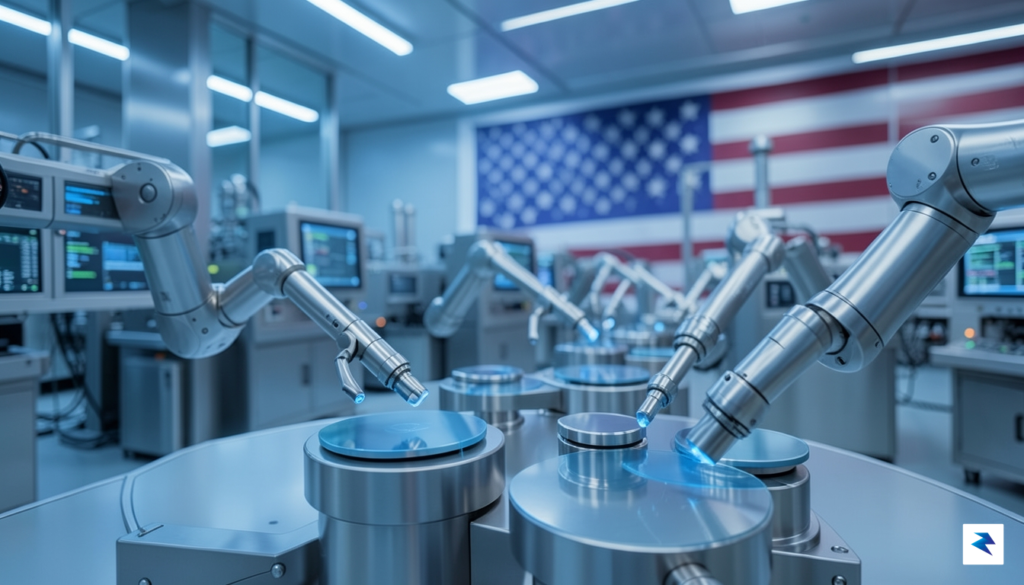
The move toward on-shoring isn’t just about security; it is about creating a predictable, resilient foundation for the next generation of computing power in an unpredictable global economy.
Furthermore, the long-term trend of on-shoring critical tech infrastructure is likely to reshape pricing models across the entire consumer electronics sector. As production shifts to the United States, manufacturers will have to account for higher labor and operational costs compared to traditional manufacturing centers in East Asia. However, these expenses may be offset by reduced shipping risks and lower tariffs, leading to a more stable, albeit higher-cost, baseline for hardware pricing. As Apple leverages its massive influence to stabilize its domestic supply chain, the entire industry will inevitably be pulled along, either by adopting similar localization strategies or by finding themselves competing for a shrinking share of the global components market that remains subject to the whims of international trade volatility.

The strategic expansion of Apple’s partnership with Broadcom marks a significant inflection point in the narrative of domestic manufacturing, signaling a move toward a more resilient and localized supply chain. Over the next decade, this transition will likely redefine how consumer technology is conceived, as the ability to design and produce high-performance components domestically reduces the friction caused by global logistics disruptions. By anchoring more of its production infrastructure within the United States, Apple is not merely buffering itself against international volatility; it is establishing a robust blueprint for an industrial strategy that prioritizes long-term reliability over short-term cost-cutting measures. This shift ensures that the hardware powering our smartphones and computing devices is anchored by a stable, predictable foundation that can withstand the unpredictable ebbs and flows of the global market.

Looking toward the next five to ten years, the impact of these advanced chips will be felt most acutely in the seamless performance of consumer hardware. As Apple deepens its investment in domestic chip production, we can expect a new generation of devices characterized by faster processing speeds, improved energy efficiency, and tighter integration between hardware and software. These domestic components will likely play a critical role in powering the next wave of artificial intelligence and machine learning applications, which require immense computational power and consistent, low-latency performance. As these technologies become more deeply embedded in our daily lives, the stability of the domestic production pipeline will become a vital prerequisite for maintaining the high standards of quality and innovation that users have come to expect from their personal tech ecosystem.
The marriage of domestic manufacturing and high-end semiconductor design is set to become the bedrock of the next decade of American technological dominance, fostering a cycle of innovation that keeps the U.S. at the forefront of the global digital economy.
Ultimately, the broader economic implications for U.S. tech leadership are profound and far-reaching. By committing to substantial domestic production, Apple is helping to cultivate a specialized workforce and a sophisticated manufacturing ecosystem that extends far beyond a single company. This investment acts as a catalyst for growth within the semiconductor industry, encouraging auxiliary businesses to innovate and expand in tandem with these industrial giants. As the United States strengthens its domestic capabilities, it secures its position as a global hub for high-tech manufacturing, ensuring that the next ten years are defined not just by consumption, but by a renewed, resilient capacity to build the future of technology on home soil. This transition suggests that the future of the American tech economy will be defined by a balance of global reach and domestic depth, securing a sustainable path for both industry leaders and the consumers who rely on them.
You must be logged in to post a comment.