
Pony.ai Brings Robotaxi Services to Singapore via Zig App
The Evolution of Autonomous Mobility in Singapore For over a decade, Singapore has methodically cultivated an environment tailored for the…
To understand why a global titan like Budweiser struggles to find its footing in Germany, one must first recognize that beer in this country is not merely a commodity; it is a cultural pillar. For centuries, the German brewing tradition has been codified by the Reinheitsgebot, or the Purity Law of 1516, which strictly mandates that beer may only be brewed using water, barley, and hops. This rigid adherence to tradition has fostered a deep-seated pride that views brewing as an artisanal heritage rather than a mass-production exercise. When the American “King of Beers” enters this landscape, it is not simply competing against another beverage brand; it is inadvertently challenging a national identity that equates simplicity and purity with quality.
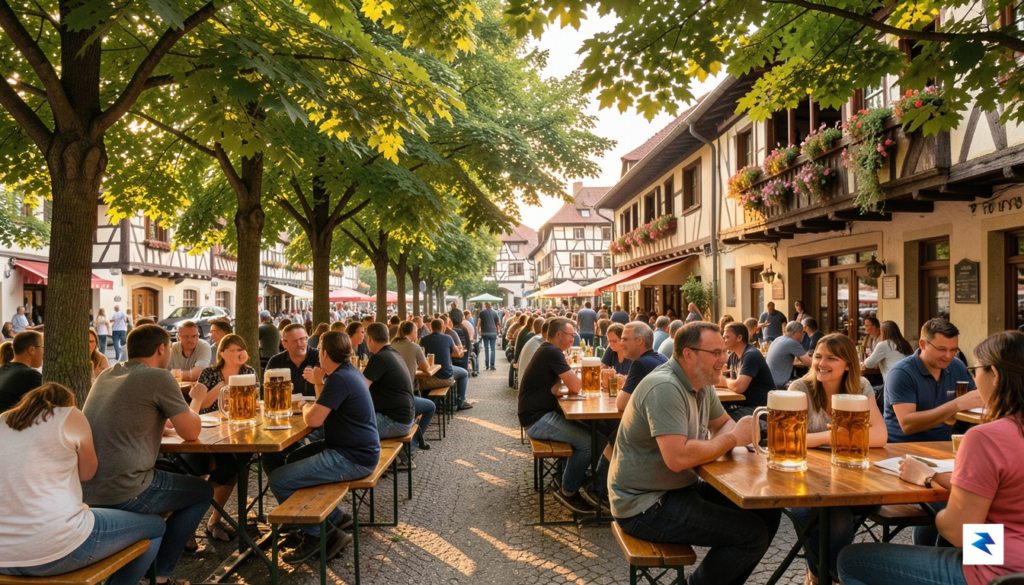
The skepticism encountered by American macro-lagers is rooted in the stark contrast between German regionalism and the industrial homogenization of the American model. In Germany, beer consumption is profoundly localized; a resident of Cologne will vehemently defend the virtues of their specific Kolsch, just as a Berliner remains loyal to their local Berliner Weisse. These regional loyalties are woven into the social fabric, where the local brewery acts as a community anchor. In contrast, Budweiser relies on a marketing strategy of ubiquitous, standardized flavor profiles designed to appeal to the widest possible demographic. To the German palate, accustomed to the nuances of local craft and centuries of regional expertise, this pursuit of the “average” taste is often perceived as an absence of character.
The German consumer does not drink beer to be part of a global brand experience; they drink to celebrate the specific terroir and history of their immediate region.
Furthermore, previous attempts by American brewing giants to penetrate the German market have often been viewed with suspicion due to the aggressive, high-budget advertising campaigns that accompany them. While these strategies have proven effective in capturing market share in the United States and other regions, they often strike a discordant note in a country where beer marketing is typically understated and focused on local craftsmanship. The “King of Beers” branding suggests a top-down authority that clashes with the democratic, community-focused nature of German beer culture. Ultimately, the struggle is not just about flavor preferences—it is a fundamental mismatch between a brand built on global scale and a culture that finds its deepest satisfaction in the small-scale, the local, and the time-honored.

To understand why a brand like Budweiser faces such a steep uphill battle in Germany, one must first respect the Reinheitsgebot, or Purity Law. Originally enacted in Bavaria in 1516, this historic decree mandated that beer could only be brewed using three specific ingredients: water, barley, and hops. While yeast was later added to the list once its role in fermentation was scientifically understood, the spirit of the law remains a bedrock of German identity. For the average German drinker, this isn’t merely an antiquated regulation; it is a cultural cornerstone that defines what a beverage can legitimately call itself “beer.” Consequently, any deviation from this strict triad is viewed with deep skepticism, if not outright suspicion.
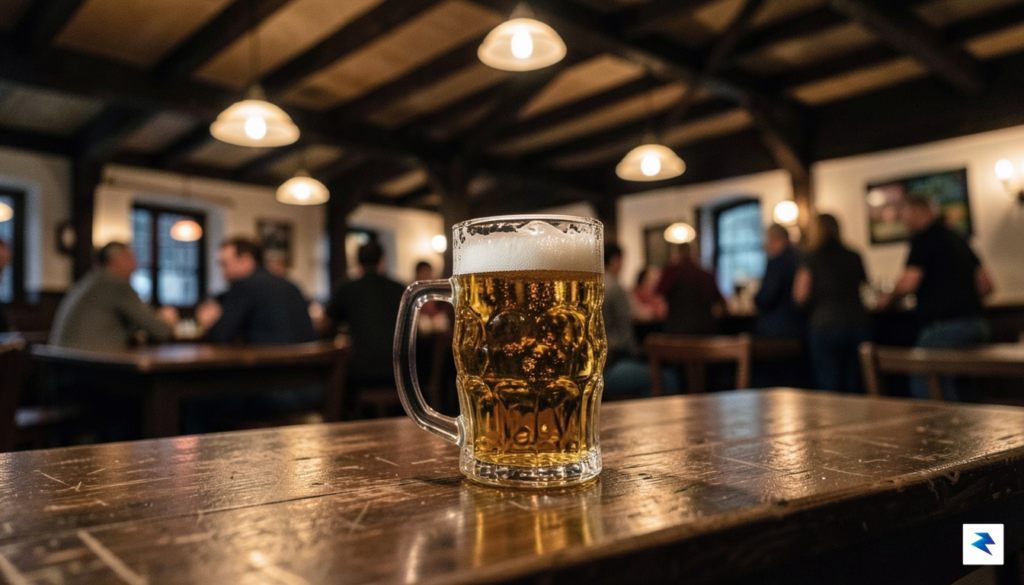
The tension arises when American-style lagers, like Budweiser, enter the marketplace. These mass-produced beers frequently utilize “adjuncts”—typically rice or corn—to achieve a lighter body, a crisper finish, and a more cost-effective production cycle. In the United States, these ingredients are considered industry standard tools for consistency and drinkability. However, to a German consumer raised on the rigid standards of the Reinheitsgebot, the inclusion of rice or corn is often perceived as an adulteration of a sacred process. It transforms the product from a traditional craft into an industrial commodity, fundamentally clashing with the German expectation that beer should be a pure expression of its raw, agricultural components.
The Reinheitsgebot is more than a list of ingredients; it is a promise of quality and a shield against the perceived degradation of brewing standards.
This conflict is further exacerbated by the issue of transparency and consumer trust. The German brewing industry has spent centuries cultivating an image of heritage, local sourcing, and absolute purity. When an American brand attempts to market itself on a global scale, its reliance on high-volume, adjunct-heavy brewing methods becomes a liability in a market that prizes the “clean” label of the Purity Law. For the German connoisseur, a beer’s value is intrinsically linked to its adherence to tradition. When the ingredient list includes additives designed to lower costs or lighten the flavor profile, it creates an irreconcilable gap between the American product and the German palate, making the prospect of widespread acceptance for brands like Budweiser a monumental, perhaps impossible, challenge.
Budweiser’s approach to the German market is a masterclass in psychological positioning, intentionally bypassing the crowded, hyper-local pilsner segment to inhabit the space of a global, high-end lifestyle product. Rather than attempting to convince the average German drinker that an American lager can compete with the centuries-old heritage of Bavarian or Westphalian breweries, the brand leans heavily into the “American Dream” aesthetic. By associating its signature red-and-white label with urban sophistication, Hollywood glamour, and a cosmopolitan pace of life, Budweiser aims to sell a cultural experience rather than a traditional liquid refreshment. This strategy effectively reframes the beer as a fashion statement or an aspirational accessory, hoping that the prestige of a global icon will outweigh the ingrained preference for the regional, artisanal staples that dominate German social life.
However, this prestige-focused marketing faces a formidable opponent in the form of Germany’s deeply rooted “local craft” sentiment. For many Germans, beer is not merely a commodity; it is a manifestation of local identity, tied to specific water sources, regional brewing techniques, and the purity laws that have defined the country’s beverage culture for generations. When Budweiser presents itself as a slick, mass-produced international brand, it inadvertently clashes with the growing trend of younger German consumers who are increasingly obsessed with sustainability, regional provenance, and the transparency of craft brewing. While the brand invests heavily in high-budget commercials and glossy advertising campaigns, these efforts often struggle to bridge the gap between the glossy, idealized American lifestyle and the reality of a consumer base that feels a visceral connection to the small-batch, local brewery down the street.
The challenge for any global beer brand in Germany is not just flavor profile, but the existential weight of what a beer represents to the community—a hurdle that no amount of advertising budget can easily clear.
The question remains whether younger generations will eventually succumb to the allure of globalization or continue to double down on regional support. While Gen Z and Millennial drinkers in Germany are certainly more exposed to international styles—such as the influx of craft IPAs or experimental stouts—this openness does not necessarily equate to a shift toward mass-market American lagers. Instead, there is a nuanced shift occurring: while the youth are more cosmopolitan, they are also more discerning, often prioritizing authentic, small-scale operations over monolithic corporate brands. Consequently, Budweiser finds itself in a precarious position. By positioning itself as a premium, global entity, it risks appearing “inauthentic” to a demographic that equates quality with proximity and traditional craftsmanship, suggesting that even the most aggressive marketing strategy may struggle to displace a cultural identity that is fundamentally anchored in the local soil.
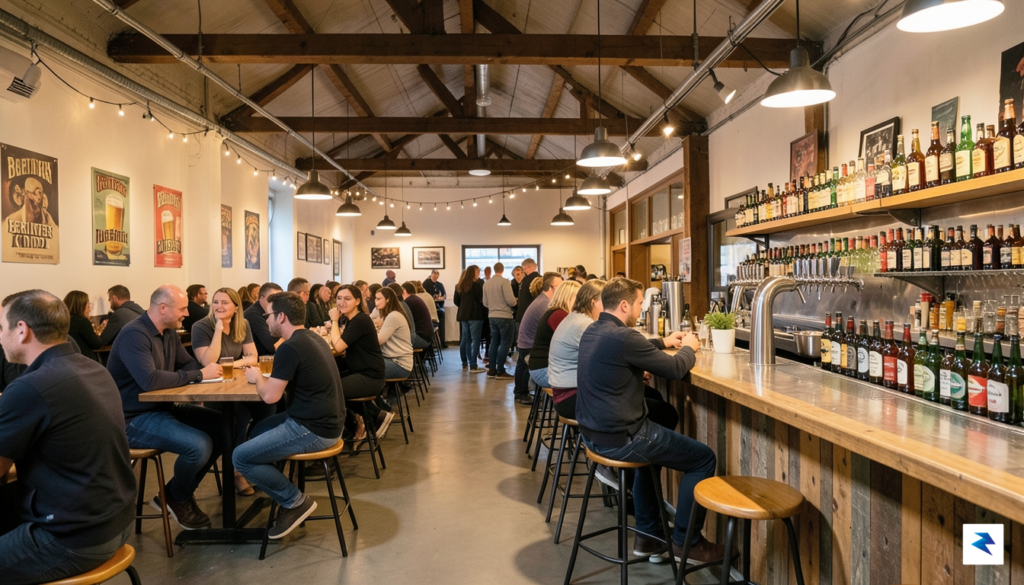
The contemporary beer landscape is undergoing a profound polarization, defined by a tug-of-war between the relentless efficiency of global conglomerates and the soul-searching authenticity of hyper-local craft breweries. As consumers become more discerning, they are increasingly viewing beer not merely as a commodity, but as an expression of regional identity and cultural heritage. This shift is particularly evident in markets like Germany, where the Reinheitsgebot—the centuries-old purity law—is treated with the reverence of a constitutional amendment. For a brand like Budweiser, which relies on the standardized, high-volume appeal of an international recipe, the German market presents a formidable psychological and gustatory barrier that cannot be overcome by marketing spend alone.
Whether a sustainable middle ground exists for these global giants remains a subject of intense debate among industry analysts. Some argue that the future lies in “glocalization,” where international brands acquire or partner with smaller, respected local breweries to maintain their market share without alienating the core base. However, this strategy often faces a credibility gap; once a local gem is absorbed into a global portfolio, it frequently loses the grassroots cachet that attracted its original fans. The challenge for brands like Budweiser is to decide whether they are content being a niche import for a specific demographic or if they will continue to push for mainstream dominance in markets that are fundamentally resistant to their flavor profile.
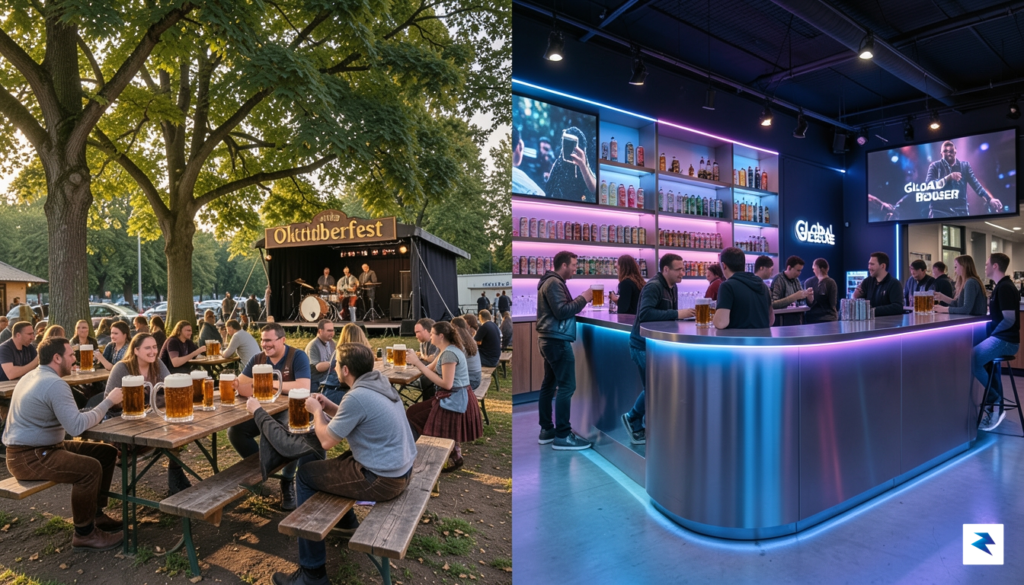
True brand longevity in the beverage industry is increasingly tied to the ability to tell a story that feels rooted in a specific place, rather than one that feels manufactured for global ubiquity.
Looking ahead, the international beer market is likely to fragment further rather than consolidate. As regional preferences become more distinct, we should expect to see global giants pivot toward diversified portfolios, acting more like holding companies for varied, distinct identities rather than singular, monolithic brands. The German experience serves as a cautionary tale: forced expansion often triggers a defensive, protectionist response from consumers who equate local quality with communal identity. Ultimately, the brands that thrive in the next decade will be those that learn to humble themselves before the traditions of the regions they enter, acknowledging that in the world of brewing, the local palate is a fortress that money simply cannot buy.
You must be logged in to post a comment.