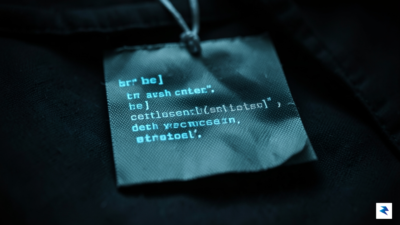
The Uniqlo Glitch: Why an Akamai Bash Script Ended Up on a T-Shirt
The Mystery of the Uniqlo Code It is not every day that a casual trip to the clothing store leads to a deep-dive into high-level network…
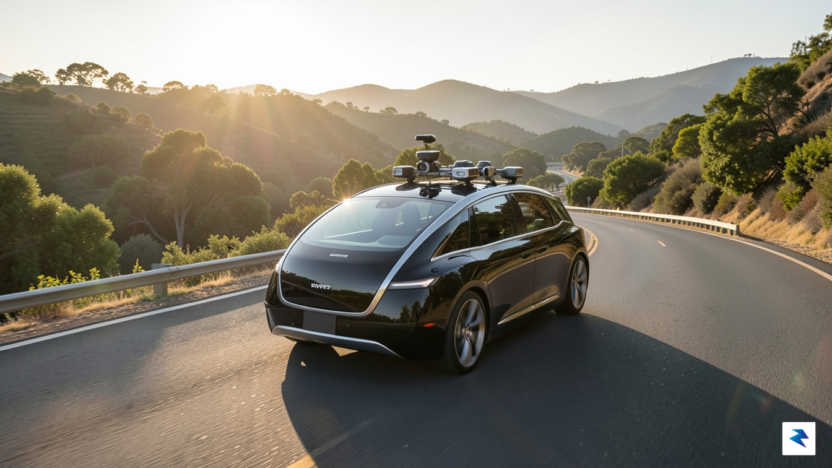
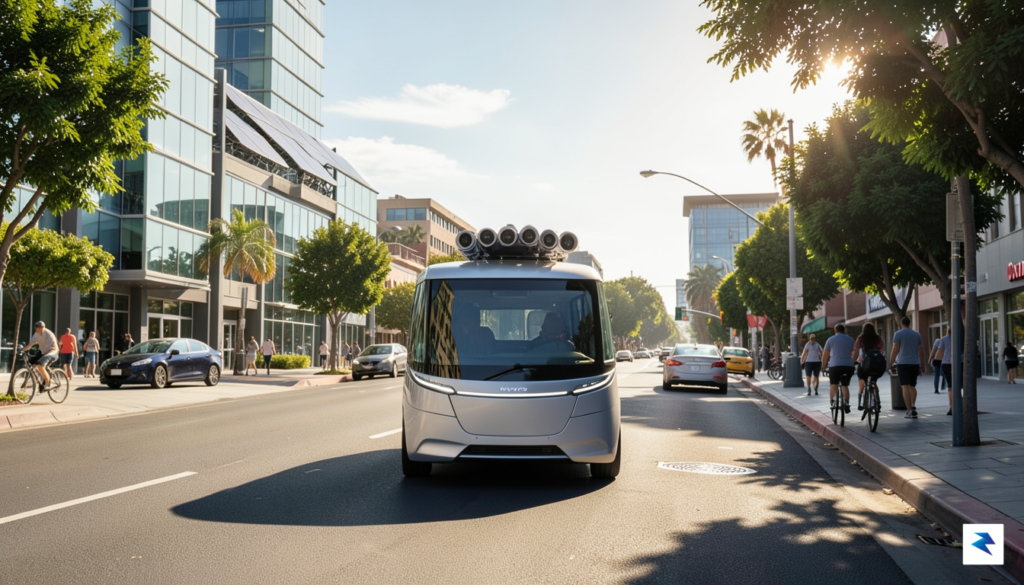
The current landscape of autonomous transportation in California is governed by a complex, multi-layered permitting process managed by the California Public Utilities Commission (CPUC). Under normal circumstances, companies like Waymo must transition from a testing permit—which strictly prohibits charging fares—to a commercial deployment permit that allows for the collection of passenger fees. However, a unique regulatory misalignment has emerged during Waymo’s recent expansion efforts, effectively trapping the service in a state of operational limbo. Because the company has secured the necessary authorization to operate its driverless fleet in certain new territories but has not yet received the final green light to initiate its commercial billing infrastructure, passengers are finding themselves in a rare financial sweet spot: a fully operational autonomous taxi service that remains entirely free of charge.
This administrative bottleneck is not merely a product of oversight, but rather a reflection of the cautious, phased approach regulators are taking toward the integration of AI-driven vehicles on public roads. While the CPUC has granted Waymo the safety certifications required to transport members of the public, the procedural steps required to verify and activate digital payment systems involve a separate, often slower, bureaucratic track. Essentially, the regulatory framework has decoupled the ability to provide a ride from the ability to collect a fare. For the average commuter, this distinction is irrelevant to the quality of the service, yet it creates a fascinating economic anomaly where the market value of the ride is temporarily disconnected from the cost to the rider.
From Waymo’s perspective, this unintentional “free ride” period offers a strategic advantage that far outweighs the immediate loss of revenue. By keeping the barrier to entry at zero dollars, the company is effectively accelerating the adoption curve, encouraging curious residents to experiment with the technology who might otherwise be hesitant to pay a premium. This influx of riders generates a massive, high-density stream of real-world data, allowing Waymo to stress-test its autonomous systems, refine its path-planning algorithms, and optimize its response to complex traffic scenarios in real time. It is a classic win-win scenario: the public receives a cutting-edge, complimentary transit experience, while Waymo gathers the vital operational telemetry needed to satisfy regulators for their eventual transition to full commercial pricing.
The temporary suspension of fares is less of a business model and more of a byproduct of a regulatory system that prioritizes safety verification over rapid monetization.
Ultimately, this quirk highlights the ongoing friction between the rapid pace of technological innovation and the methodical nature of government oversight. As regulators continue to modernize their policies, it is likely that these windows of “free” autonomous transit will become increasingly rare. Until the final administrative checkboxes are ticked and the billing systems are fully integrated into the platform, Californians are being treated to a unique, temporary experiment in the future of mobility that remains accessible to everyone, regardless of their budget.

The unique phenomenon of catching a free ride in a Waymo autonomous vehicle across certain California cities isn’t simply a marketing stunt; it’s a fascinating byproduct of how the state’s regulatory bodies divide and conquer the oversight of cutting-edge technology. The landscape of autonomous vehicle regulation in California is, in essence, a jurisdictional split, creating a temporary space where innovation outpaces legislative speed. To truly grasp why these driverless rides remain complimentary for now, one must delve into the distinct yet intersecting responsibilities of the California Public Utilities Commission (CPUC) and the Department of Motor Vehicles (DMV).
The California DMV’s primary role in this emerging field is quite specific: it focuses squarely on the *safety* and *operational readiness* of the autonomous technology itself. This means they are responsible for issuing permits that allow companies like Waymo to test and operate their self-driving cars on public roads without a human safety driver behind the wheel. The DMV meticulously reviews vehicle performance data, sets stringent testing requirements, and ensures that these advanced machines can navigate complex urban environments safely, adhering to all traffic laws and responding appropriately to unforeseen circumstances. Their jurisdiction essentially covers the “how” of the vehicle’s physical operation and its ability to function autonomously without posing undue risk to the public.
Conversely, the CPUC steps in when the conversation shifts from mere operation to *commercial operation*—that is, when a service intends to charge passengers for rides. The CPUC’s mandate extends to regulating passenger transportation for hire, much like they oversee traditional taxis, limousines, or ride-sharing companies such as Uber and Lyft. Their concerns are broad, encompassing consumer protection, fair pricing, accessibility for all populations, and ensuring a competitive market. Before any autonomous vehicle service can begin collecting fares, it must receive explicit authorization from the CPUC, which views these services through the lens of a public utility, ensuring they serve the public good responsibly.
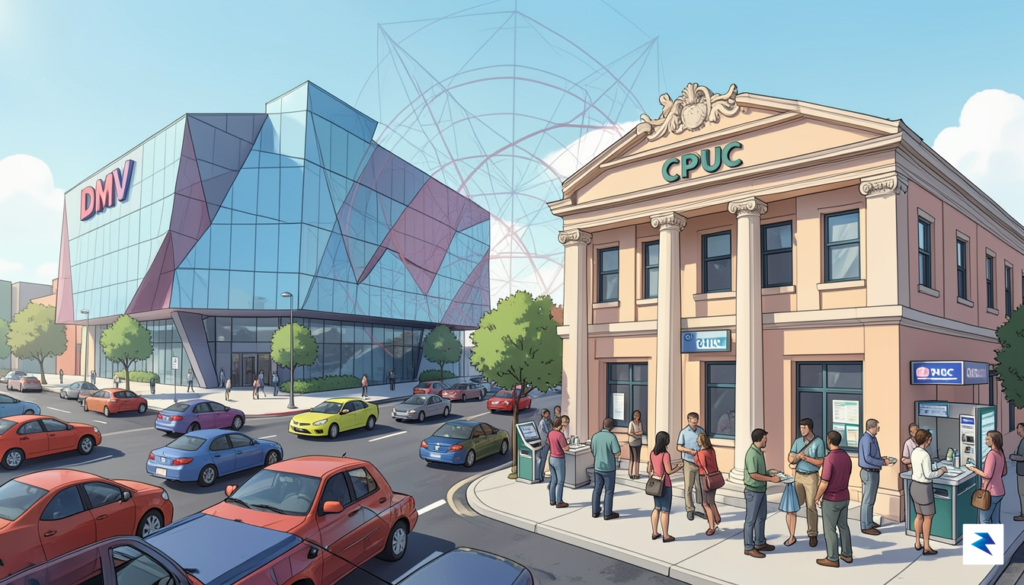
This jurisdictional divide creates the regulatory “quirk” that currently benefits riders. While the DMV might grant a permit for a company to *operate* fully driverless vehicles, this permit does not automatically confer the right to *charge* for those rides. To transition from offering free demonstration rides to a full commercial service, Waymo, for instance, must submit what’s known as an “advice letter” to the CPUC. This isn’t a simple form; it’s a comprehensive formal request outlining everything from their proposed service areas and fare structures to their plans for passenger support, safety protocols specific to paid services, and how they will address various consumer issues.
The “advice letter” process itself introduces a significant administrative hurdle and contributes directly to the temporary free service window. The CPUC’s review of these detailed proposals is often lengthy and involves multiple stages, including public comment periods where consumer advocates, competitors, and the general public can weigh in. Furthermore, the CPUC scrutinizes every aspect to ensure it aligns with their broad regulatory objectives, often requiring revisions or additional information from the applicant. This meticulous, albeit slow, bureaucratic process means that even after a company has proven its vehicles are safe enough to operate on public roads (per the DMV), there’s a substantial period during which they are permitted to run, picking up passengers, but cannot legally charge a dime until the CPUC formally grants that specific authorization. The backlog and inherent friction within this sequential approval system are precisely what allow Californians to enjoy these cutting-edge, complimentary autonomous rides.
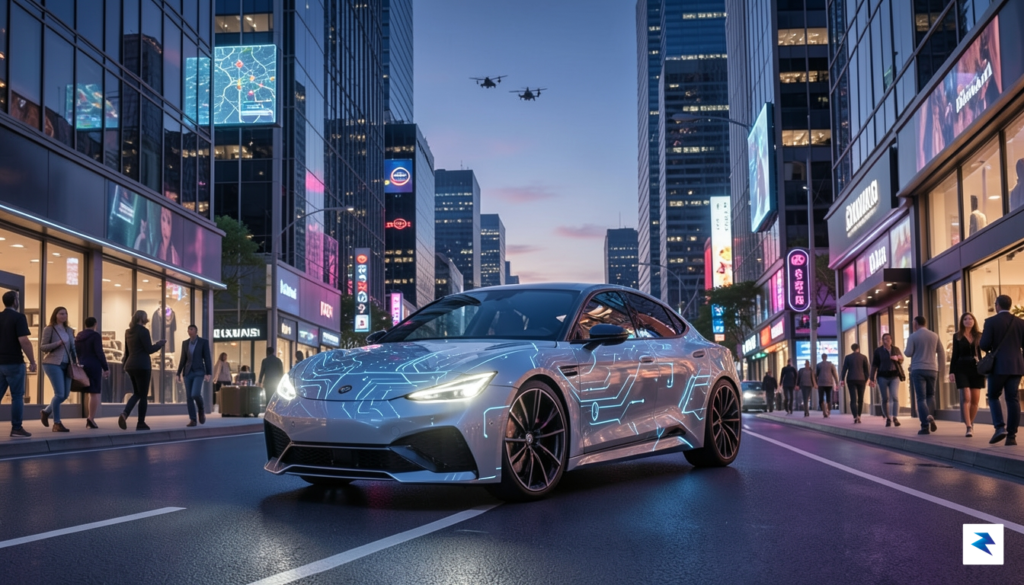
For many, the idea of hailing a driverless car and riding for free sounds like a simple, delightful perk. However, beneath the surface of these complimentary journeys lies a sophisticated and calculated business decision, shaping Waymo’s long-term strategy in the fiercely competitive autonomous vehicle (AV) landscape. Far from being an accidental byproduct, these extensive free trial periods represent a strategic investment, allowing the company to accrue invaluable assets that would be exceedingly difficult and costly to acquire under a standard, revenue-driven commercial model.
The acquisition of real-world data stands as the lifeblood of autonomous vehicle development. Every mile driven, every turn navigated, every pedestrian encountered, and every unexpected scenario managed by Waymo’s vehicles generates critical data points. This rich tapestry of information is indispensable for refining AI algorithms, enhancing predictive capabilities, and, most importantly, bolstering the safety and reliability of the self-driving system. By operating a significant number of vehicles across diverse urban environments for free, Waymo gains access to an unparalleled volume and variety of operational data and user feedback, offering insights into edge cases and user preferences that simulated testing or limited paid deployments simply cannot replicate.
While it might appear that the offering of free rides is merely a consequence of regulatory frameworks that often permit testing but restrict paid commercial operations, Waymo has skillfully leveraged this constraint into a significant strategic advantage. Instead of viewing regulatory hurdles as purely inhibitory, the company has transformed them into an extended, large-scale research and development phase. This approach allows Waymo to iteratively improve its technology in live, complex urban settings, all while building brand familiarity and public acceptance without the immediate pressure of generating revenue. Consequently, what might initially seem like an unintentional byproduct of regulation is, in fact, a cleverly executed maneuver that aligns perfectly with a long-term growth strategy.
This prolonged period of free operation closely mirrors the “beta testing” phases prevalent across the technology sector, albeit on an unprecedented scale and with a physical product. Just as software companies release early versions of their products to gather user feedback and identify bugs before a full commercial launch, Waymo is essentially conducting a massive, real-time public beta. However, unlike many traditional beta programs where users might tolerate minor glitches for early access, Waymo’s service is expected to be near-flawless due to the safety implications, making the feedback on user experience, routing, and overall ride quality even more critical. This extensive user engagement not only helps iron out kinks but also cultivates a loyal user base prepared to transition to a paid service once it becomes available.
Ultimately, these free rides are a substantial investment in Waymo’s future market dominance. The superior data acquisition and user experience refinement gained during these trial periods will culminate in a more robust, safer, and highly desirable autonomous driving product. This enhanced product will, in turn, command a premium and attract a wider customer base when the time comes for full commercialization. Therefore, the seemingly lost revenue from not charging fares now is strategically traded for an invaluable competitive edge, accelerated technological advancement, and deeper market penetration, all of which are essential for securing a leading position in the burgeoning autonomous vehicle industry.
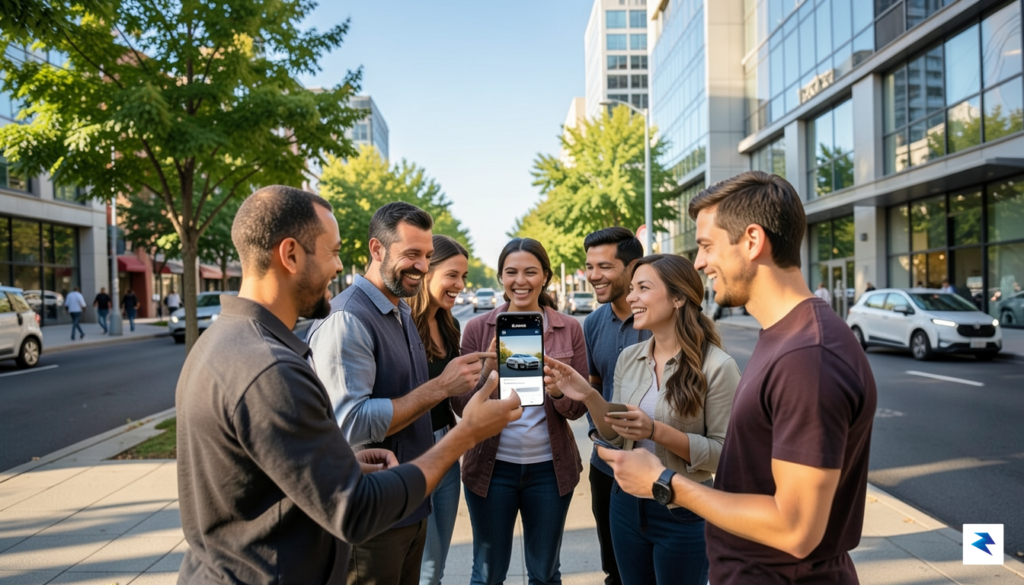
The psychological allure of “free” is a powerful catalyst for technological adoption, and nowhere is this more evident than in the current landscape of autonomous transit. When a service carries a zero-dollar price tag, the barrier to entry—both financial and emotional—is effectively dismantled. For many potential users, the hesitation to step into a vehicle without a human driver is substantial; however, the ability to experience this innovation without a financial commitment transforms the robotaxi from a daunting experiment into a low-stakes convenience. By removing the cost, companies like Waymo are effectively turning the general public into a massive, willing test group, allowing everyday commuters to demystify the technology through direct, frictionless exposure.
Beyond the simple economics, this period of free access serves as a vital bridge for public trust, which remains the final frontier for autonomous vehicle integration. When a passenger sits in the back of a Waymo, the initial anxiety regarding AI-driven decision-making is often replaced by the mundane reality of traffic lights, lane changes, and smooth stops. This normalization process is critical because it allows the technology to be judged by its performance rather than its reputation in news headlines. As users share their experiences—documenting the precision of the sensors and the calmness of the ride—they create a grassroots narrative that counters the common fears of erratic AI behavior. Real-world, positive anecdotes from friends and neighbors are far more persuasive than corporate safety white papers, slowly eroding the skepticism that naturally accompanies such a radical shift in transportation.
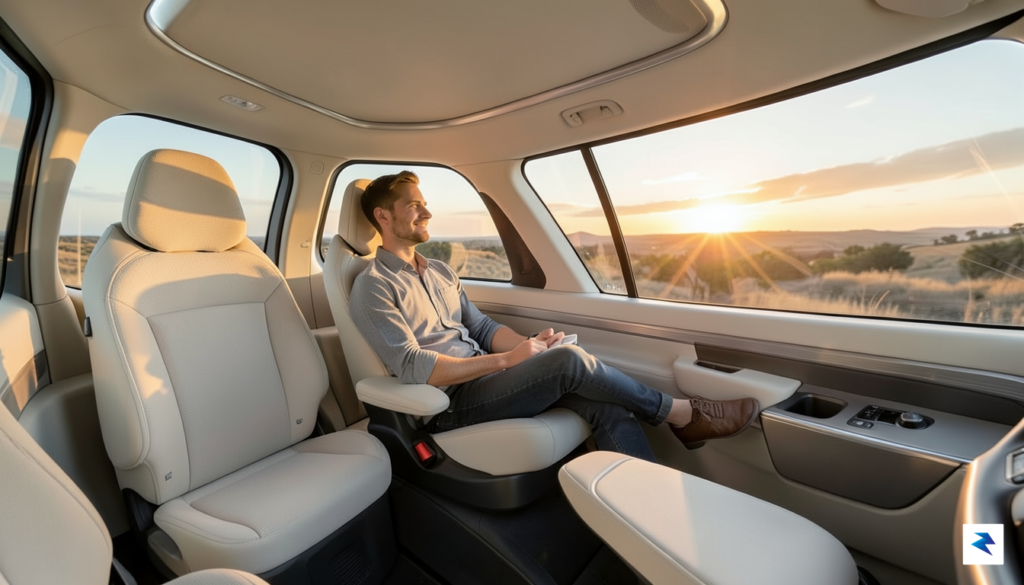
“The transition to autonomous transit is not merely a challenge of engineering, but one of social integration. By allowing the public to ‘test drive’ the future without cost, developers are fostering a culture of familiarity that will be essential once the transition to a paid, commercialized model eventually occurs.”
Ultimately, the current regulatory environment that permits these free rides acts as a strategic incubator for public confidence. Each mile driven without incident contributes to a growing body of data that reinforces the safety metrics the industry strives to champion. When a passenger completes a journey and leaves the vehicle, they are not just leaving a taxi; they are leaving with a new baseline expectation for what urban mobility can look like. By the time these services shift to a standard paid model, the technology will likely have transitioned from a frightening novelty to an expected utility, fundamentally altering how society perceives the safety and reliability of autonomous systems.
The current era of complimentary autonomous transportation is best viewed as a strategic bridge rather than a permanent fixture of the urban landscape. As regulatory bodies like the California Public Utilities Commission continue to refine their oversight, the window for these experimental, zero-cost joyrides is gradually narrowing. Once the final bureaucratic hurdles are cleared and full-scale commercial permits are issued, Waymo will inevitably pivot toward a traditional fare-based model. This transition is not merely a revenue necessity; it is a critical milestone in proving that robotaxi networks can operate as a self-sustaining utility rather than a subsidized research project.
Industry analysts project that the shift to paid service will likely mimic the dynamic pricing structures currently utilized by human-driven ride-sharing giants like Uber and Lyft. By implementing surge pricing during peak hours and adjusting base fares based on distance and demand, Waymo will be able to manage fleet distribution more efficiently while maximizing vehicle utilization. Ultimately, the transition to a paid model will be the true test of market viability, forcing consumers to weigh the premium of a private, driverless experience against the convenience of established transportation alternatives. Whether users will remain loyal to the technology when the novelty of a “free ride” is replaced by an invoice remains the central question for the industry’s future.
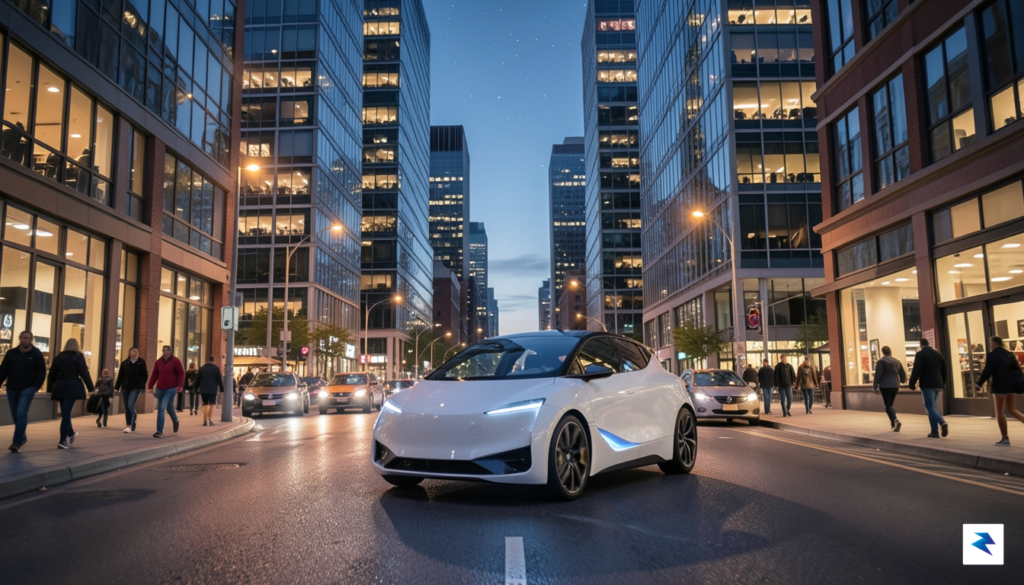
The end of the free-ride era will likely send shockwaves through the broader ride-sharing ecosystem, forcing a recalibration of how we value personal mobility. As Waymo integrates into the mainstream economy, it will move from being a high-tech curiosity to a direct competitor that forces traditional rideshare companies to lower costs or enhance their own service tiers. Furthermore, as these networks scale, the cost of individual rides is expected to trend downward due to the removal of human labor costs, potentially making autonomous transit more affordable than private car ownership in the long run.
The transition from a subsidized experimental phase to a mature, fare-based commercial service is the most significant hurdle in the path toward widespread autonomous adoption.
Looking ahead, the sustainability of these networks depends on balancing high capital expenditure—such as vehicle maintenance, sensor upgrades, and constant software refinement—against the competitive pressure to keep fares attractive. If Waymo can successfully navigate this transition without alienating its early adopters, it will effectively set the standard for a new transportation paradigm. While the days of zero-cost travel are undoubtedly numbered, they have served their purpose by building essential public trust and gathering the massive datasets required to ensure that the future of mobility is both safe and commercially viable.
You must be logged in to post a comment.