Why You Can Still Ride Waymo for Free in California
The Regulatory Loophole Keeping Waymo Rides Free The current landscape of autonomous transportation in California is governed by a complex,…
For over a decade, Singapore has methodically cultivated an environment tailored for the advancement of autonomous mobility, positioning itself as a premier global laboratory for next-generation transportation. Under the ambitious “Smart Nation” initiative, the government has consistently prioritized the integration of advanced digital technologies to solve the inherent challenges of land scarcity and high urban density. By establishing dedicated test-bedding sites like the Centre of Excellence for Testing & Research of AVs (CETRAN), the nation successfully bridged the gap between theoretical research and practical road application, proving that driverless systems could safely navigate complex, high-traffic urban corridors.
The transition from isolated, research-led pilot programs to fully commercialized public-facing services represents a critical inflection point in Singapore’s transport strategy. Where once the focus was primarily on safety benchmarks and technical feasibility, the current landscape is shifting toward seamless user integration. By folding autonomous platforms into existing digital ecosystems—such as the Zig app—Singapore is moving beyond experimental “proofs of concept” and into the realm of scalable, real-world public infrastructure. This evolution suggests that the city-state is no longer just investigating how autonomous vehicles (AVs) might function, but is actively defining how they will serve as a permanent, reliable component of the daily commute.
Singapore’s unique combination of rigorous regulatory foresight and dense urban geometry offers a blueprint for how global cities can transition toward a future of automated, on-demand public mobility.
Several factors continue to distinguish Singapore as the ideal testbed for the Asia-Pacific region. Its compact, highly organized road network, paired with a sophisticated regulatory framework that prioritizes safety without stifling innovation, provides a stable foundation for firms like Pony.ai to deploy their technology. Furthermore, the local population’s high level of digital literacy makes Singapore a receptive market for app-based autonomous booking services, ensuring that these systems are not only technically sound but also practically viable. As these services move from controlled demonstrations to the palms of everyday commuters, Singapore is effectively demonstrating that the future of urban transport is not just coming—it is already being integrated into the city’s standard operating fabric.
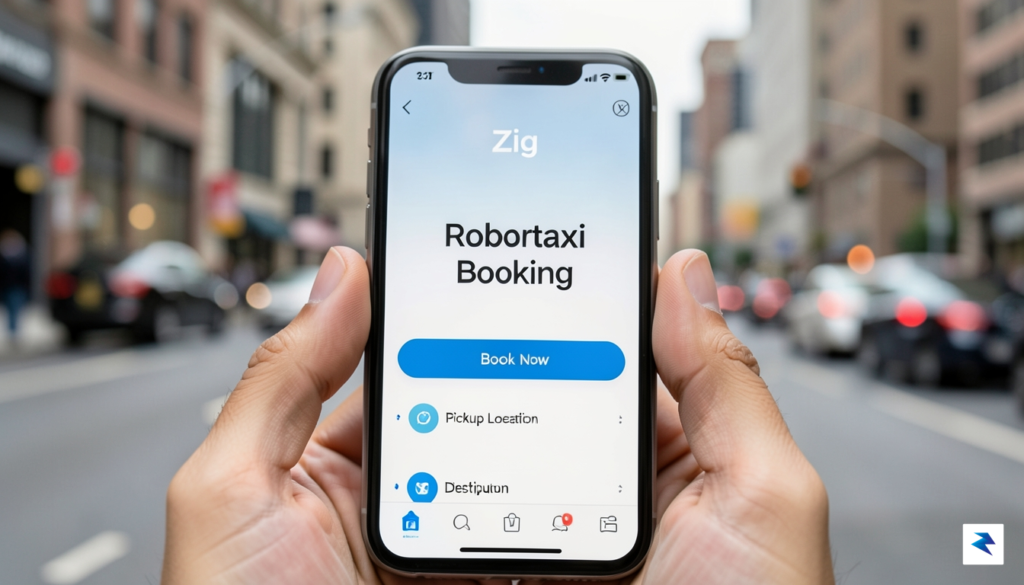
The integration of Pony.ai’s autonomous technology into Singapore’s transportation ecosystem is powered by a strategic synergy with ComfortDelGro, the nation’s leading land transport operator. By leveraging ComfortDelGro’s extensive local expertise and operational infrastructure, this partnership effectively lowers the barrier to entry for everyday commuters who might otherwise be hesitant to adopt emerging autonomous vehicle (AV) technology. Instead of requiring users to download niche, unfamiliar software, the service is embedded directly into the Zig app, a platform already familiar to thousands of Singaporean riders. This seamless integration ensures that the leap from traditional ride-hailing to cutting-edge robotic transport feels like a natural evolution of daily travel rather than a disruptive technical hurdle.
From a user experience perspective, the booking process is designed to be virtually identical to standard ride-hailing requests. Within the Zig app, users simply select their destination and confirm their pickup point, just as they would with a human-driven taxi. The backend interface then identifies available autonomous vehicles within the vicinity, dispatching a Pony.ai-equipped unit to the user’s location. This familiar UI/UX design is crucial for mass adoption; it minimizes the cognitive load on the user while providing the novelty and efficiency of an AV experience. Because the ride is managed through the established Zig ecosystem, customers also benefit from integrated payment systems, clear safety guidelines, and the reliable customer support infrastructure that ComfortDelGro has cultivated over decades of service.
The partnership creates a bridge between innovation and utility, proving that the future of urban mobility relies as much on operational integration as it does on advanced software engineering.
The technical backbone of this initiative relies on the convergence of Pony.ai’s sophisticated autonomous software stack and ComfortDelGro’s rigorous fleet management protocols. Pony.ai provides the “virtual driver”—the intricate array of LiDAR, radar, and camera sensors combined with proprietary artificial intelligence that navigates the complex, high-density traffic environment of Singapore. Simultaneously, ComfortDelGro manages the physical maintenance, charging, and regulatory compliance of the vehicle fleet. This division of labor allows each company to focus on its core competency: Pony.ai concentrates on perfecting the safety and intelligence of the autonomous system, while ComfortDelGro ensures that the fleet is road-worthy, clean, and consistently available for the public. By harmonizing these two distinct skill sets, the collaboration creates a robust, scalable service model that can adapt to the rigorous safety standards required for autonomous deployment on public roads.
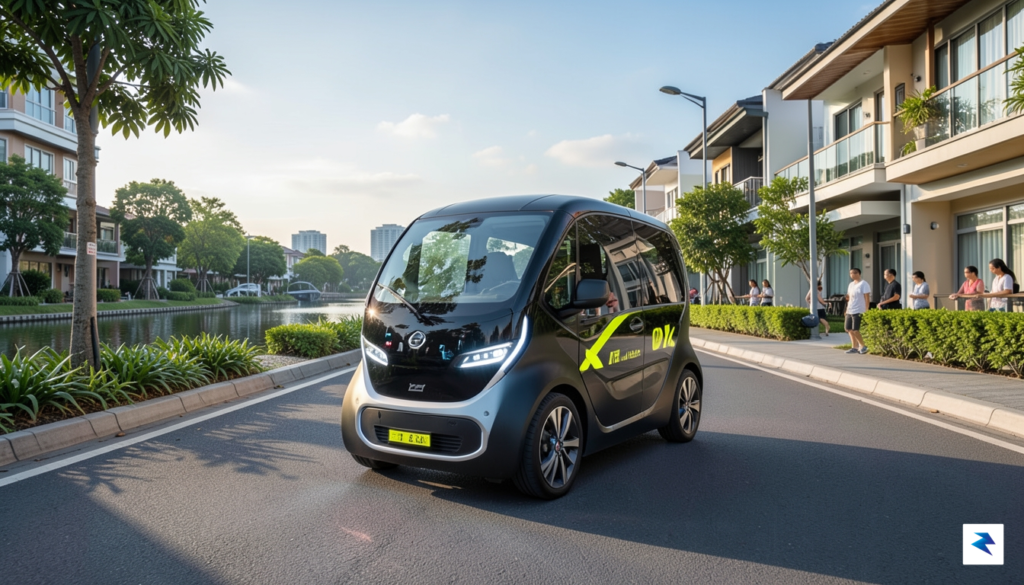
The selection of Punggol as the primary testing ground for this autonomous initiative is far from arbitrary. As one of Singapore’s most modern, high-density residential districts, Punggol offers a sophisticated “living laboratory” characterized by intricate road networks, bustling pedestrian walkways, and a vibrant mixed-use urban fabric. By operating within this specific geography, Pony.ai can test its vehicle performance against the unpredictable variables of daily life—such as school drop-off zones, busy transit hubs, and narrow residential streets—providing the company with invaluable data that could not be replicated in a sterile, closed-course testing facility.
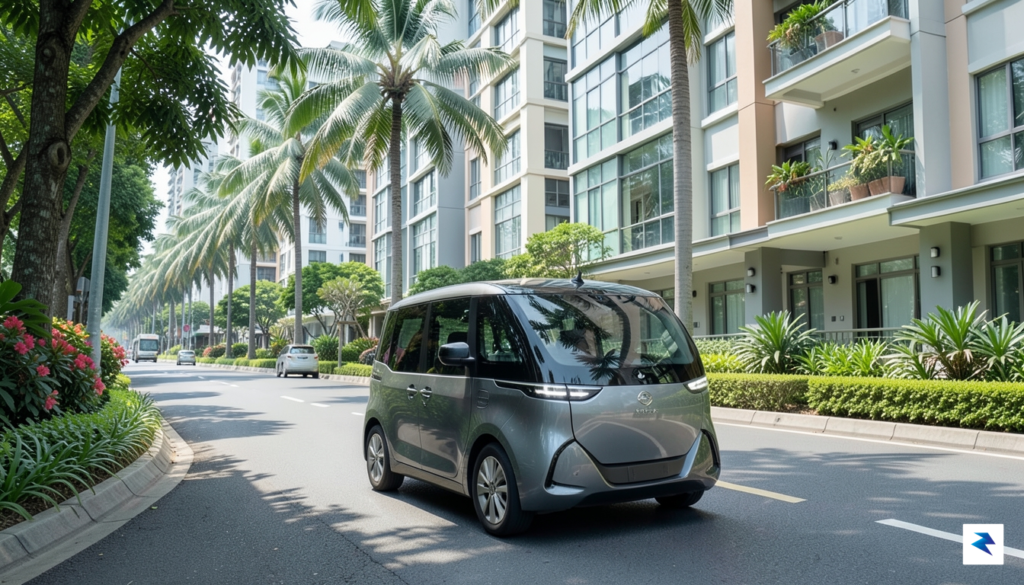
Operating a fleet of driverless vehicles in a public space requires adhering to the most stringent safety frameworks in the world. The Land Transport Authority (LTA) of Singapore has mandated a comprehensive series of rigorous standards that Pony.ai must satisfy before any passenger is allowed on board. These regulations go beyond mere basic vehicle compliance, encompassing everything from cybersecurity resilience to fail-safe mechanical backups that ensure the vehicle can achieve a “minimal risk condition”—essentially pulling over safely—should any system anomaly occur. This “safety-first” philosophy acts as the bedrock of the entire deployment, ensuring that innovation never comes at the expense of public welfare.
The deployment in Punggol represents a landmark shift in urban mobility, where the integration of advanced artificial intelligence meets the high-density requirements of a modern city, all while prioritizing the absolute safety of the community.
Real-time navigation within Punggol’s complex traffic flow relies on a multi-layered sensor suite that allows Pony.ai vehicles to perceive their surroundings with superhuman precision. The system must constantly differentiate between static infrastructure and dynamic obstacles, such as human-driven vehicles, cyclists, and the heavy foot traffic common near local malls and bus interchanges. To manage these interactions, the vehicle employs advanced predictive modeling; it does not simply react to the current position of a pedestrian, but instead calculates their likely trajectory to preemptively adjust speed and steering. By continuously refining these algorithms through the Zig app platform, Pony.ai is setting a new benchmark for how autonomous machines can exist in harmony with human-driven traffic, ensuring a smooth, secure journey for every passenger involved.
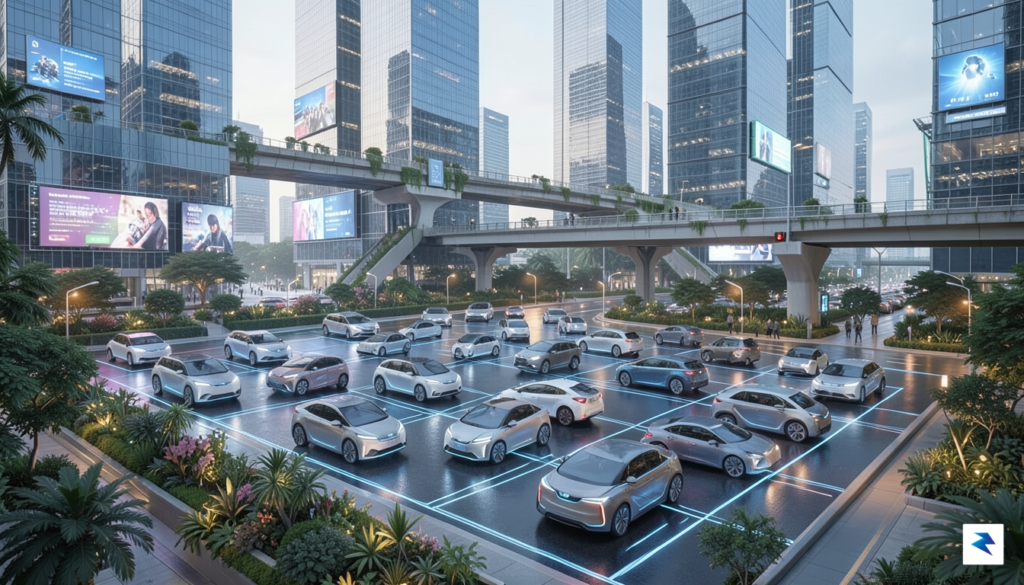
While the current deployment of autonomous vehicles in Singapore serves as a localized pilot, its broader implications for urban mobility are profound. By embedding robotaxi booking directly into familiar platforms like the Zig app, providers are effectively demonstrating how cities can harmonize automated fleets with existing public transit infrastructure. This integration is not merely about convenience; it represents a fundamental shift in how urban planners view the “first-mile, last-mile” connectivity challenge. Often, the greatest barrier to public transit adoption is the distance between a commuter’s doorstep and the nearest transit hub. Robotaxis bridge this gap seamlessly, acting as a flexible, on-demand feeder system that makes mass transit more accessible and less dependent on private car ownership.
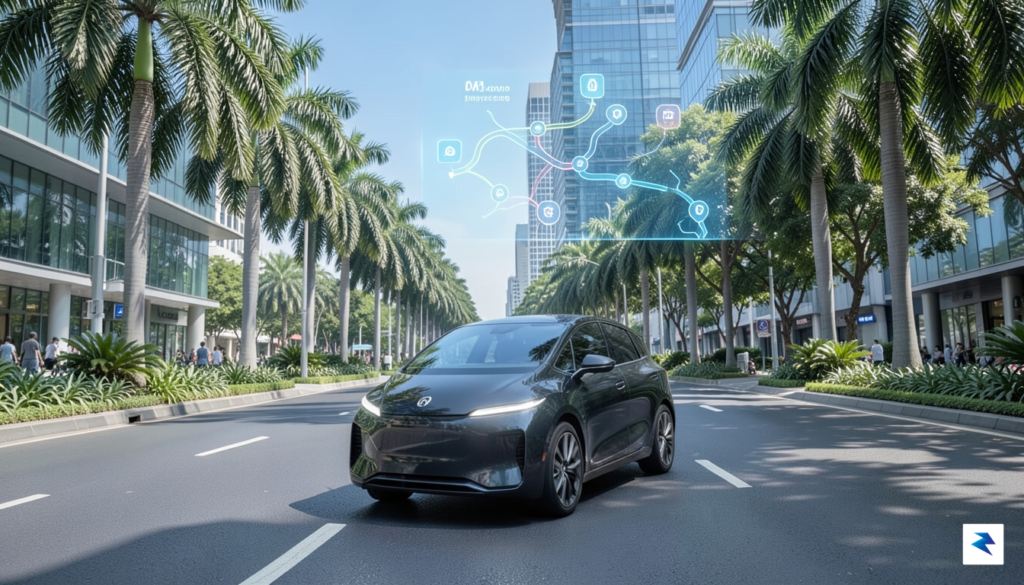
The potential for scaling these services depends on the ability to transition from a premium novelty to a standardized public utility. To achieve true efficiency, autonomous fleets must be woven into the fabric of urban transport, complementing rather than competing with buses and trains. If successfully scaled, this model could drastically reduce traffic congestion by minimizing the number of private vehicles on the road, thereby optimizing the flow of commuters during peak hours. Furthermore, as these systems gather more real-time data on passenger movement, city authorities can utilize that information to adjust public transit schedules dynamically, ensuring that resources are allocated exactly where they are needed most.
The true measure of success for autonomous transport will not be found in the novelty of the vehicle, but in the seamlessness with which it integrates into the daily lives of everyday commuters, turning fragmented journeys into a unified transit experience.
Looking ahead, the goal is to shift the perception of robotaxis from a luxury service for the tech-savvy to a reliable, affordable backbone of the city’s transport network. When automated fleets operate as a public utility, they offer a scalable solution to urban density that traditional infrastructure projects often struggle to address due to high capital costs and physical space constraints. By leveraging existing digital ecosystems like the Zig app, municipalities can foster an environment where autonomous vehicles provide an inclusive, safe, and efficient mobility option for everyone. Ultimately, this pilot is a critical first step toward a future where the friction of urban travel is replaced by a fluid, interconnected, and highly optimized transit landscape.
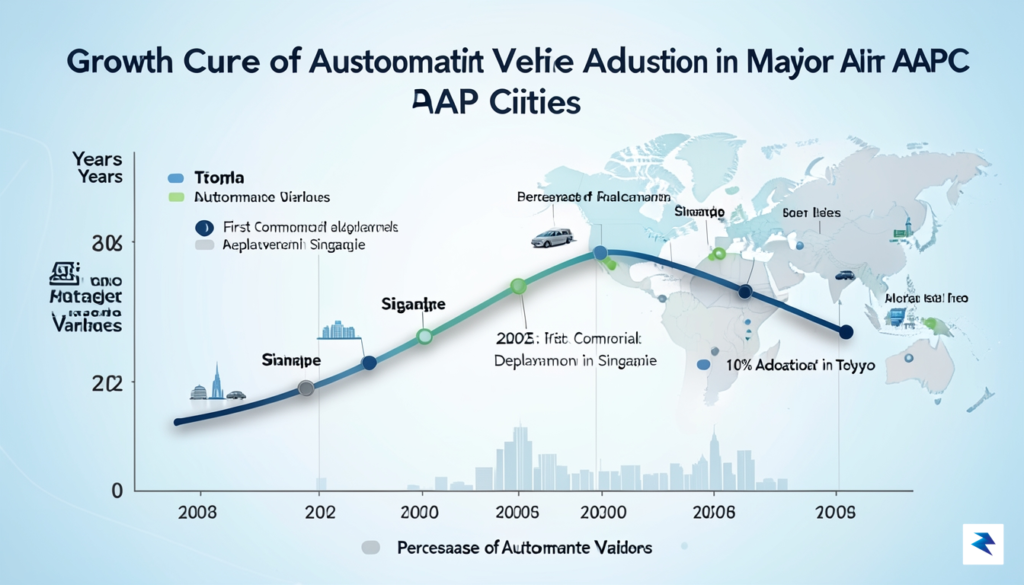
Singapore’s strategic integration of autonomous fleets through established local platforms like the Zig app serves as a sophisticated blueprint for the rest of the Asia-Pacific (APAC) region. While nations like China have moved aggressively with large-scale pilot programs in cities like Beijing and Guangzhou, Singapore’s approach emphasizes a highly controlled, safety-first environment that prioritizes public trust and seamless intermodal integration. Japan, meanwhile, is navigating a complex path dictated by an aging demographic and a critical need for last-mile mobility solutions in rural prefectures. By observing how Singapore facilitates these partnerships between technology developers and existing transportation ecosystems, other regional players can better understand how to balance rapid innovation with the stringent regulatory frameworks necessary for urban safety.
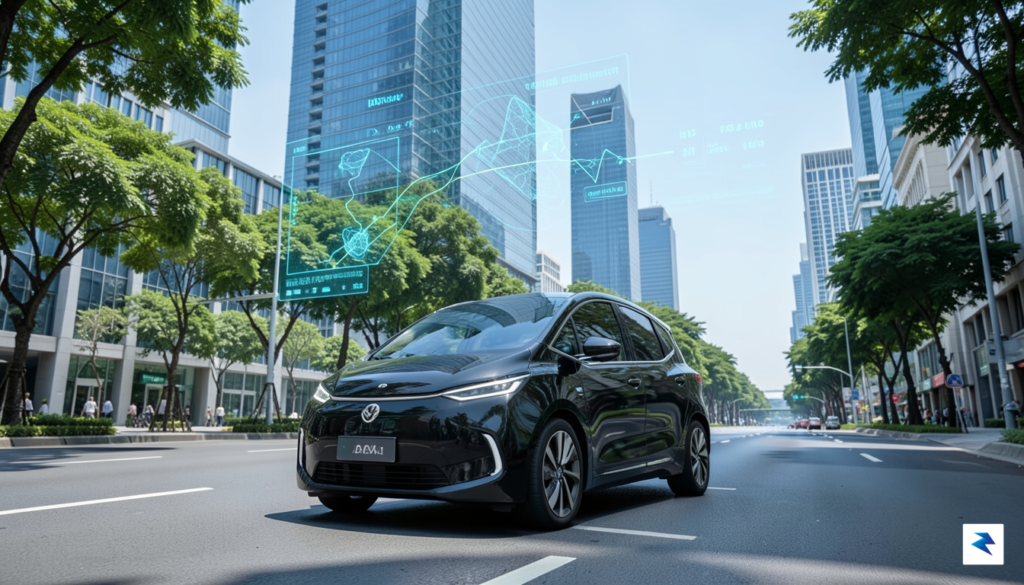
However, the path to regional ubiquity remains fraught with significant technical and structural hurdles that go beyond mere software development. The most pressing challenge lies in the lack of cross-border policy harmonization; each APAC nation currently maintains its own distinct set of standards for vehicle certification, liability insurance, and data privacy. Without a unified regulatory framework, autonomous mobility firms face the daunting task of re-engineering their operational models for every individual market they enter, which exponentially increases technology costs and slows down deployment cycles. Furthermore, the immense capital required to build out the necessary high-definition mapping and V2X (Vehicle-to-Everything) communication infrastructure necessitates massive public-private partnerships that are not yet available in every developing economy within the region.
The future of autonomous mobility in APAC will likely be defined by the ability of firms to navigate the tension between localized cultural requirements and the need for scalable, standardized technology stacks.
Cultural acceptance also plays a pivotal role in the long-term viability of self-driving services. In densely populated Asian metropolises, the driving environment is often chaotic and highly idiosyncratic, requiring AI models to learn nuanced behavioral patterns that differ wildly from those in North America or Europe. Beyond the technical capability to handle these environments, public comfort levels—ranging from skepticism toward safety to concerns over job displacement in the transport sector—must be addressed through transparent communication and incremental rollouts. As firms vie for dominance in this competitive landscape, the winners will likely be those who can successfully integrate their technology into existing local transit apps, much like the current strategy in Singapore, rather than those attempting to force a disruptive, one-size-fits-all model onto culturally diverse markets.
You must be logged in to post a comment.