
Character.AI Disrupts Micro-Dramas: Watch, Chat, and Become the Story
The Evolution of Micro-Dramas: Beyond Passive Viewing In recent years, the digital entertainment landscape has been fundamentally reshaped by…
For nearly a decade, the foldable smartphone landscape has been defined by a relentless cycle of experimentation from competitors like Samsung, Google, and Motorola. While these manufacturers pushed the boundaries of hinge durability and flexible display technology, Apple remained conspicuously silent, opting for a characteristic “wait-and-see” approach that has defined its product strategy for generations. Rather than rushing to be first to market with an unpolished proof-of-concept, the Cupertino giant has historically preferred to observe the failures and successes of its peers, refining the user experience until it can offer a product that feels both inevitable and essential. This strategy has served them well, ensuring that when an Apple product finally hits the shelves, it often sets the industry standard for polish and integration.
However, the industry has reached a point where mere incremental updates to the traditional slate form factor are no longer sufficient to drive consumer excitement. With global smartphone markets facing significant saturation, the need for hardware differentiation has become an urgent priority for Apple’s bottom line. The once-static rectangular smartphone is increasingly viewed as a commodity, leaving a clear opening for a foldable device that could redefine what a premium mobile experience looks like. Recent whispers from the supply chain suggest that the long-standing wall of silence is finally cracking, as Apple transitions its focus from speculative patent filings to concrete manufacturing milestones.
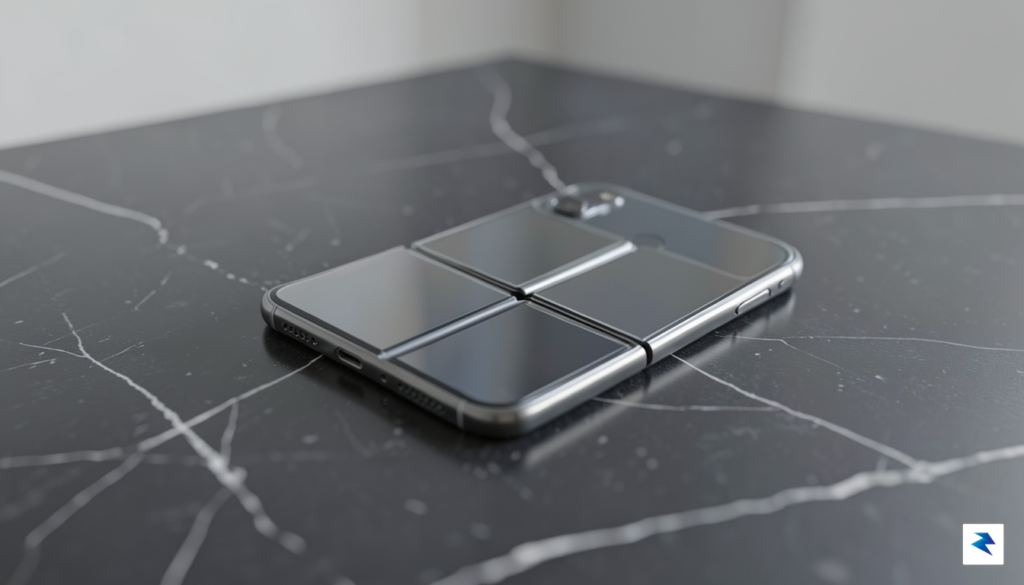
This shift is not merely a reaction to market pressure; it represents a fundamental change in how Apple views its hardware ecosystem. Moving from the conceptual phase to active mass production signals that the company has finally solved the technical hurdles that plagued early foldable iterations, such as screen creasing and structural fragility. By leveraging its unparalleled supply chain dominance and meticulous quality control, Apple appears ready to pivot toward a future where the device in your pocket is as adaptable as it is powerful.
The transition from patent diagrams to factory assembly lines marks the most significant evolution in iPhone hardware since the introduction of the Pro series, signaling that Apple is ready to stake its claim in the foldable era.
As we look toward the horizon, it is evident that Apple is not simply chasing a trend; they are preparing to institutionalize it. The move toward mass production suggests that the company is confident in its ability to offer a foldable experience that integrates seamlessly with iOS, potentially bridging the gap between a portable phone and a productive tablet. Whether this device takes the form of a flip-style compact or a larger, book-like folding handset remains to be seen, but the era of Apple’s foldable ambiguity is officially drawing to a close.

The primary barrier to a consumer-ready foldable device lies in the inherent tension between flexibility and structural integrity. While competitors have successfully brought folding handsets to market, they have often done so by accepting visible screen creasing and a certain degree of fragility in the hinge mechanism. Apple, however, operates under a philosophy where user experience and hardware longevity are non-negotiable pillars. For the company to release a foldable iPhone, engineers must solve the persistent issue of display fatigue, where the organic light-emitting diode (OLED) layers experience microscopic degradation every time the device is folded or unfolded. This requires a level of materials science innovation that goes far beyond simply using a flexible polymer substrate.
Furthermore, the physical hinge mechanism represents a point of failure that Apple likely views as a significant liability. Current market standards often struggle with debris ingress, where tiny particles of dust or grit can find their way into the internal folding structure, eventually damaging the display from the underside. To meet Apple’s rigorous internal quality control standards, the hinge must be perfectly shielded while maintaining a seamless, fluid motion that feels premium for years of daily use. This is compounded by the challenge of battery placement; because foldable devices are essentially two halves connected by a bridge, distributing the power cells in a way that maintains balance and thermal efficiency is a daunting architectural task.
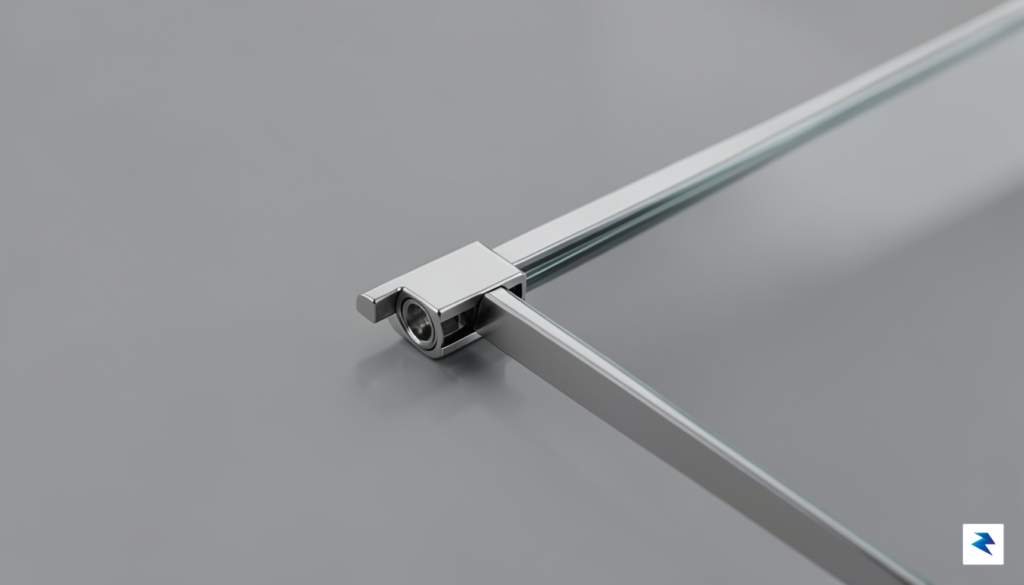
The transition from a rigid slab to a folding form factor requires Apple to reinvent its internal component stacking, ensuring that the device remains as reliable as the iPhone 15 or 16 series despite the added complexity of moving parts.
Ultimately, the timeline for a foldable iPhone is dictated by these engineering realities rather than market pressure. Where other manufacturers treat the foldable as a bleeding-edge prototype for early adopters, Apple’s strategy has historically been to wait until the technology matures to a point where the “crease” is effectively invisible and the display’s lifespan rivals that of a standard glass screen. By prioritizing advanced stress-testing and chemical engineering for the screen’s protective coating, Apple is not merely trying to match the competition; they are attempting to set a new benchmark for what a foldable device should be in terms of durability, tactile feedback, and visual perfection.
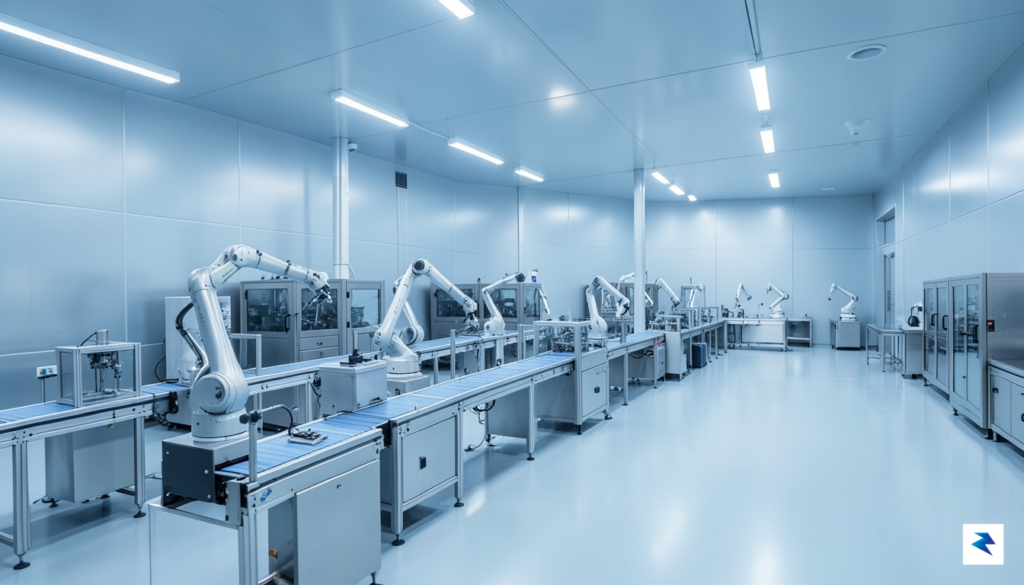
The whispers of Apple’s foldable device moving into mass production have ignited considerable excitement, suggesting that the long-anticipated entry into this innovative form factor is closer than ever. However, the journey from sophisticated prototype to a product ready for millions of consumers is arguably the most treacherous stage in Apple’s meticulously managed product cycle. While recent supply chain leaks often provide valuable insights into Apple’s strategic movements, they frequently paint a broad picture, sometimes conflating early production runs with full-scale retail readiness. It’s essential to understand that “mass production” in the context of early reports can often refer to pilot production or validation units, designed to fine-tune manufacturing processes and component integration rather than immediately flooding warehouses with launch-day inventory. This initial phase is crucial for identifying and resolving the inevitable bottlenecks and quality control challenges inherent in pioneering new hardware.
A pivotal challenge, and one that could significantly dictate the rollout pace, lies in securing a consistent supply of ultra-high-quality flexible displays. Apple’s reputation for uncompromising quality means that even slight imperfections, like visible creases or inconsistent panel durability, would be unacceptable. Sourcing millions of these advanced, high-resolution flexible OLED panels from partners like Samsung Display or LG Display, all while meeting Apple’s stringent specifications, is an immense logistical and technological feat. The yield rates for such cutting-edge components are initially lower, and ramping up production to Apple’s typical scale, demanding tens of millions of units, requires not just robust manufacturing capabilities but also a deep reserve of specialized materials and expert labor. Furthermore, the innovative hinge mechanisms and protective layers required for a durable foldable design add another layer of complexity, demanding a perfectly synchronized procurement and assembly process.
Consequently, even if reports of mass production are accurate in terms of manufacturing commencing, this does not necessarily equate to an imminent retail launch. Apple’s rigorous pre-launch protocol involves extensive internal testing, securing global regulatory certifications, and ensuring carrier compatibility across numerous markets. Beyond these crucial steps, the company typically builds up a substantial inventory to support a robust global launch, minimizing stockouts and ensuring widespread availability from day one. For a category-defining product like a foldable iPhone, Apple might opt for a more cautious, staggered rollout. This strategy could involve an initial launch in select regions, allowing the company to gather real-world user feedback, fine-tune supply chain logistics, and scale production more strategically before a broader global release. Such an approach would mitigate risks associated with a completely new product category, ensuring that when the foldable iPhone finally reaches consumers’ hands, it lives up to the polished, premium experience Apple users have come to expect.

The transition toward a foldable form factor represents a significant pivot for Apple’s hardware strategy, forcing the company to reconsider the rigid tiering that has defined the iPhone lineup for over a decade. By moving beyond the traditional slab design, Apple is likely positioning this new device as the ultimate tool for power users, creative professionals, and enterprise clients who require more screen real estate than a standard Pro Max model can provide. This segmentation suggests that the foldable won’t simply be a variation of the existing flagship; instead, it will likely serve as a distinct “Ultra” tier, catering to a demographic that values multitasking, document management, and immersive media consumption above the portability of the base model.
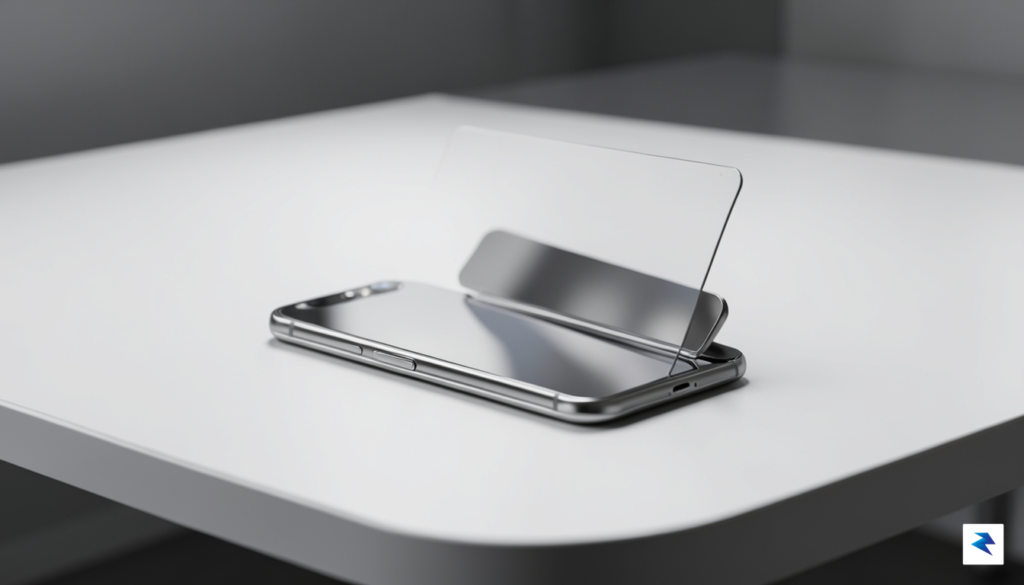
Pricing remains the most contentious aspect of this strategic shift, as the inherent costs of foldable OLED panels, advanced hinge mechanisms, and specialized internal cooling systems will inevitably drive the retail price to new heights. Industry analysts anticipate that this device will likely be the most expensive smartphone in Apple’s history, potentially crossing the $2,000 threshold. By pricing the foldable at such a premium, Apple protects its core lineup from cannibalization, ensuring that the standard iPhone 16 or 17 remains the accessible entry point for the average consumer, while the foldable acts as a status-driven halo product that reinforces the brand’s position at the pinnacle of luxury technology.
The success of a foldable iPhone will not be measured by unit volume alone, but by how effectively it expands the utility of the iOS ecosystem for those who treat their phone as a primary workstation.
Beyond the hardware, the true challenge lies in how Apple adapts its software to reconcile a larger, flexible display area with its steadfast commitment to simplicity and ease of use. iOS, in its current state, is built around the limitations of a single-screen interface; however, a folding device necessitates a more fluid approach to window management and split-screen multitasking. We can expect significant updates to iPadOS-inspired features, such as enhanced drag-and-drop capabilities and refined widget interactions, which would allow the foldable to act as a bridge between the pocketability of a phone and the productivity of a tablet. Ultimately, Apple’s success will depend on whether they can provide these complex features without cluttering the intuitive user experience that has defined the iPhone since its inception.
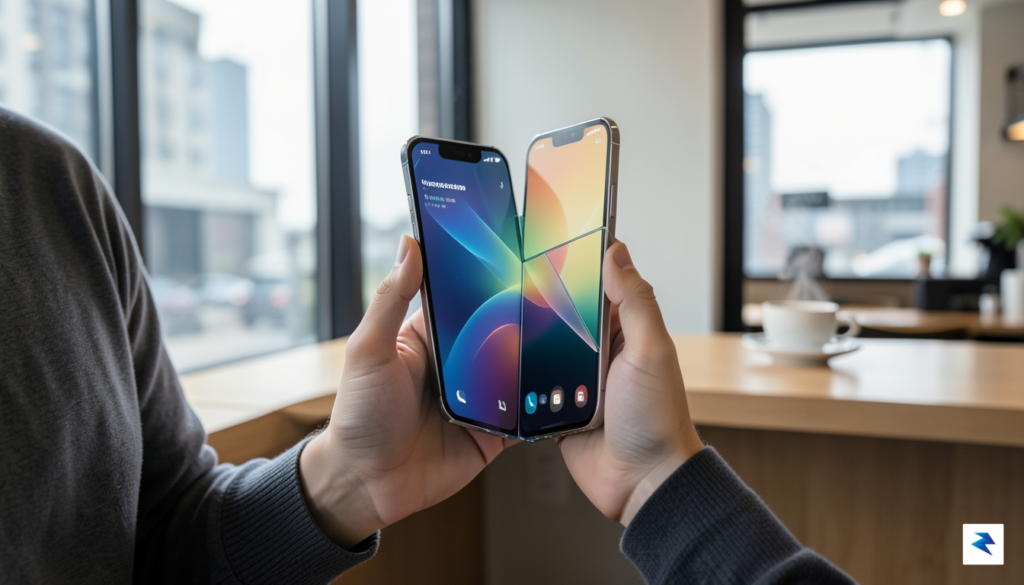
As the rumor mill surrounding Apple’s foray into foldable technology gathers momentum, it is essential for tech enthusiasts to recalibrate their expectations. Historically, Apple has never been the first to launch a new form factor; instead, the company prefers to observe the initial growing pains of competitors before perfecting the hardware and software integration. Consequently, consumers should anticipate a device that eschews radical, experimental gimmicks in favor of exceptional reliability, industrial-grade durability, and a refined user experience. Rather than rushing a fragile prototype to market, Apple is likely focusing on a hinge mechanism and display technology that can withstand years of rigorous daily use, ensuring that the transition from a traditional slab phone to a foldable device feels like a natural evolution rather than a compromise.
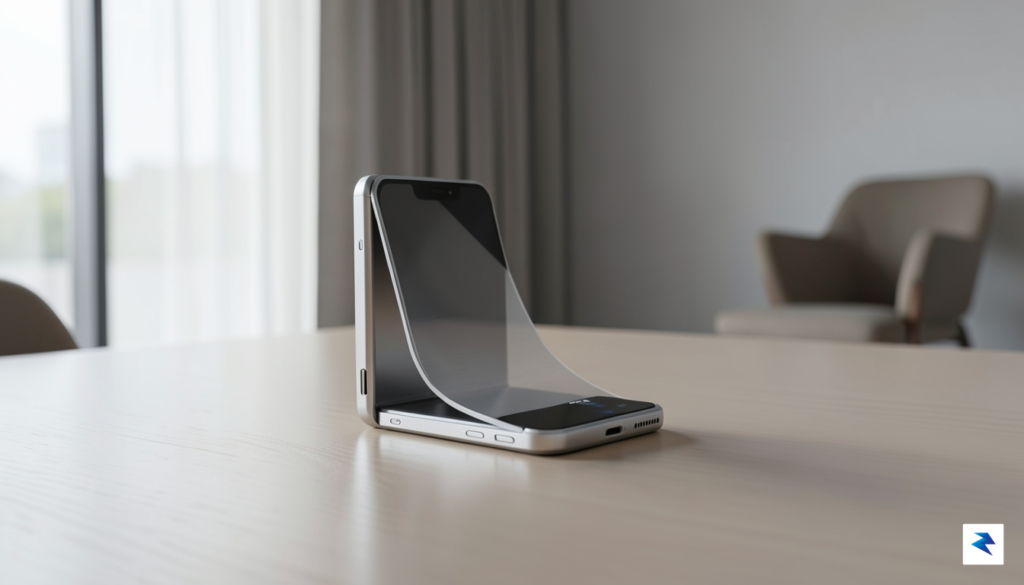
The true value of this upcoming device will likely lie in its software ecosystem rather than just its flexible hardware. Users can expect seamless multitasking capabilities that leverage Apple’s proprietary silicon to handle complex split-screen workflows without stuttering. Furthermore, deep integration with Apple Intelligence will be a cornerstone of the foldable experience, allowing the device to intelligently predict which apps should be active based on whether the phone is folded or unfolded. This context-aware computing, combined with robust app continuity, promises to bridge the gap between a portable smartphone and a productivity-focused tablet, turning the foldable iPhone into a genuine mobile workstation that fits comfortably in a pocket.
The success of a foldable iPhone will not be measured by the novelty of its hinge, but by how effortlessly it integrates into the existing Apple ecosystem, turning a complex piece of hardware into a seamless utility.
Looking toward the broader smartphone industry, the arrival of a foldable device from Cupertino will act as a significant catalyst for mainstream adoption. By setting a new, high benchmark for build quality and software optimization, Apple will likely compel other manufacturers to move away from “beta-testing” on their customers and toward more durable, polished solutions. This shift could finally normalize foldable technology, moving it from the realm of expensive enthusiast novelties to a standard category for power users and professionals alike. Ultimately, Apple’s entry into this space represents a maturation of the entire foldable market, signaling that the era of experimental folding screens is coming to an end, to be replaced by a new standard of reliable, high-performance mobile computing.
You must be logged in to post a comment.