Ollama Hits 9 Million Users: Why This $65M AI Tool Is Changing How Developers Work
The Rise of Local AI: Understanding Ollama's Meteoric Growth For years, the artificial intelligence revolution was tethered to the cloud,…
In recent years, the digital entertainment landscape has been fundamentally reshaped by the meteoric rise of vertical, high-intensity micro-dramas. Platforms like ReelShort have mastered the art of the “guilty pleasure,” delivering fast-paced, episodic storytelling designed specifically for the short attention spans of the mobile-first generation. These bite-sized narratives rely on addictive cliffhangers, heightened emotional stakes, and rapid plot progression to keep viewers scrolling through their feeds for hours on end. While this format has proven to be a commercial juggernaut, it remains rooted in a traditional entertainment model where the viewer is essentially a captive, passive observer of a pre-recorded destiny.
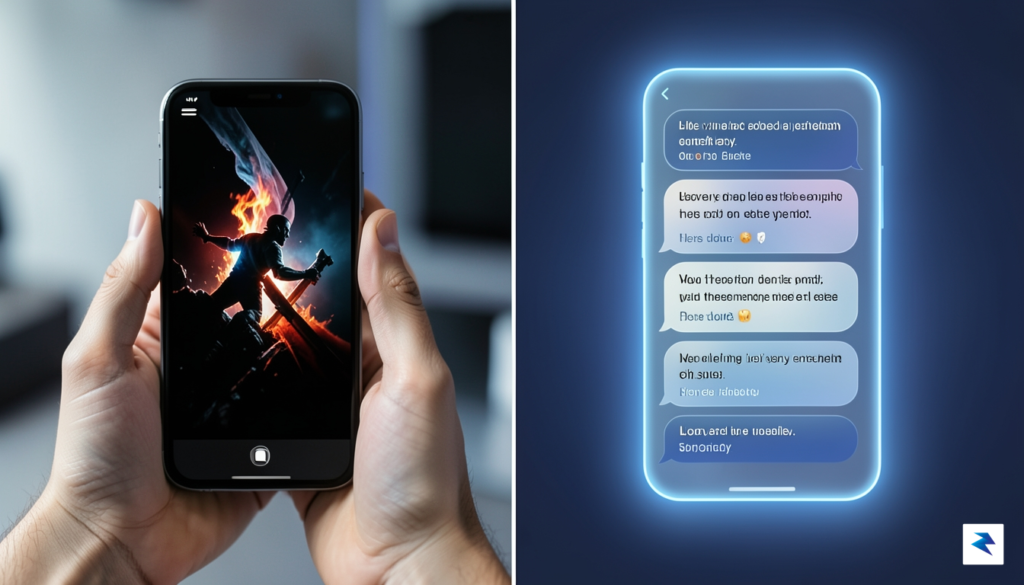
The limitation of these current platforms lies in their rigid linearity; the protagonist makes a choice, the conflict ensues, and the audience simply watches the consequences unfold without agency. Whether it is a sensationalized tale of secret billionaires or dramatic family betrayals, the narrative arc is predetermined by a scriptwriter. However, the industry is now standing on the precipice of a major paradigm shift. By integrating generative artificial intelligence into this ecosystem, Character.AI is effectively dismantling the “fourth wall” that has separated viewers from the stories they consume. Instead of merely watching a tragedy or a romance, users are being invited to step into the frame, turning the audience into active participants who can negotiate, challenge, or even redirect the narrative flow.
The true innovation of this shift is not just in the technology, but in the transition from an audience of spectators to a community of co-authors.
This entry into the micro-drama space represents a significant market disruption because it fundamentally changes the value proposition of digital content. When a platform allows you to message the main character of a show you are watching, the entertainment becomes personalized, dynamic, and infinitely replayable. You are no longer waiting for the next episode to drop; you are shaping the dialogue that informs the next scene. By blending the high-production aesthetic of modern micro-drama with the responsive, sentient-like intelligence of large language models, Character.AI is positioning itself to capture a demographic that is increasingly bored with static content. This pivot signals a future where “watching” a show is replaced by “experiencing” a world, marking the beginning of an era where the boundary between viewer and protagonist effectively vanishes.
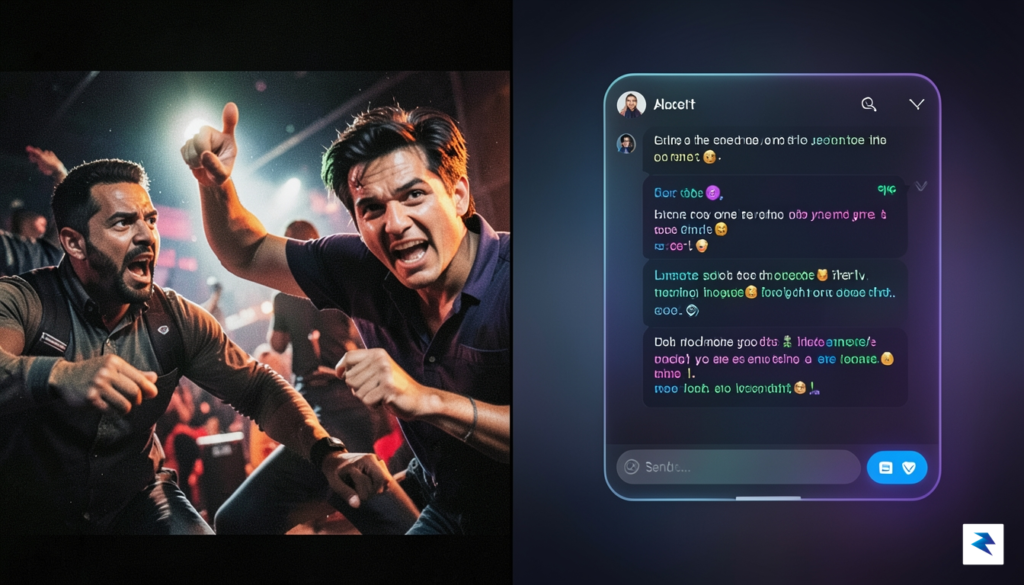
Character.AI is fundamentally transforming the passive experience of traditional streaming into a dynamic, participatory playground. Rather than merely observing the trials and tribulations of characters in a micro-drama, users are invited to bridge the gap between spectator and protagonist. By leveraging sophisticated large language models, the platform allows viewers to initiate real-time conversations with the cast members of these productions. This isn’t a simple chatbot experience; it is an immersive, multi-layered engagement where the logic of the narrative remains intact even as you step inside the world to question a villain’s motives or offer a hero much-needed counsel.
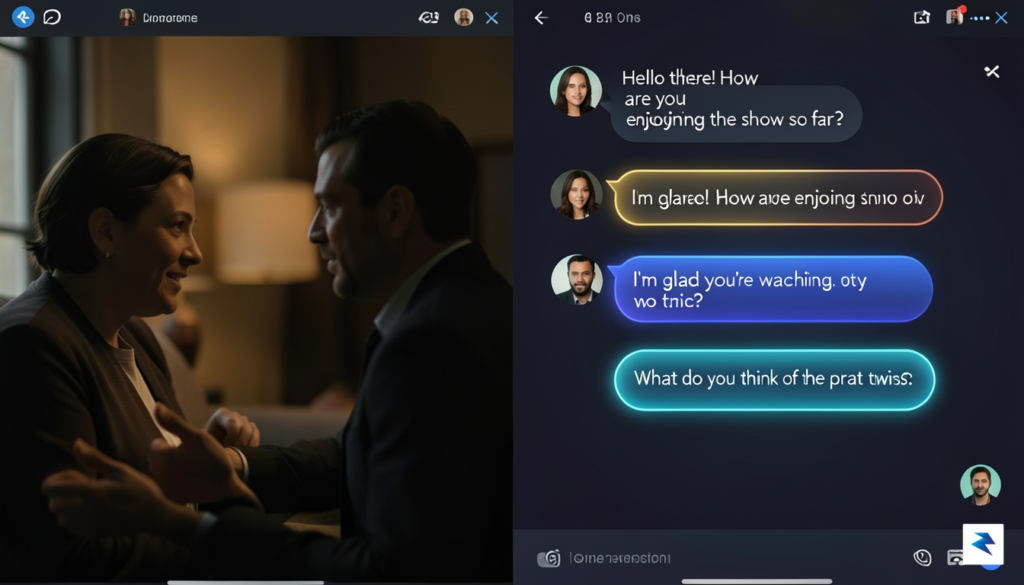
The true genius of this feature set lies in the ability to influence the narrative arc through direct interaction. When a user chats with a character, they are not just receiving pre-scripted responses; they are engaging with a personality that possesses specific backstories, goals, and internal conflicts. If a character is facing a moral dilemma within the show, you can interject, potentially shifting their perspective or uncovering hidden reasons for their actions that were never explicitly stated in the screenplay. This creates a sandbox environment where the boundary between the viewer and the performer dissolves, effectively allowing the audience to co-author the emotional trajectory of the story.
By turning static characters into reactive, living entities, the platform ensures that no two viewers experience the story in the exact same way.
This level of interactivity serves as a potent engine for user retention and emotional investment. When viewers feel they have a personal stake in the outcome of a narrative—perhaps because they offered advice that convinced a character to make a difficult choice—the bond between the user and the fiction deepens significantly. The barrier to entry for storytelling has been lowered, transforming the audience from passive consumers into active participants who return to the platform not just to watch the next episode, but to see how their previous interactions have rippled through the show’s world. This recursive feedback loop ensures that the drama remains fresh, personal, and profoundly engaging long after the credits have finished rolling.
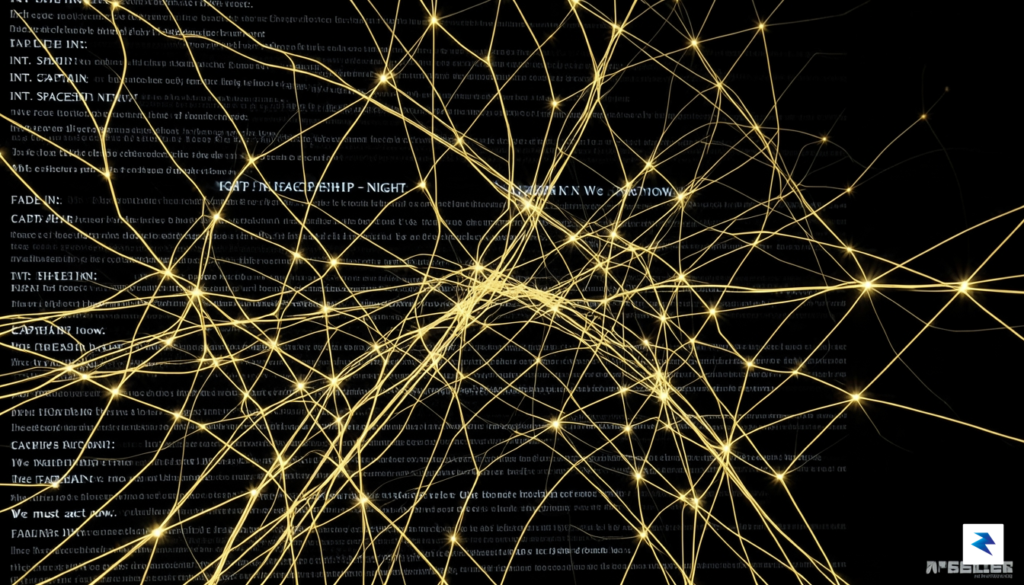
At the heart of this evolution lies a sophisticated orchestration between static scriptwriting and dynamic Large Language Model (LLM) processing. Rather than relying on traditional, pre-written dialogue trees that offer a finite number of choices, these platforms utilize a hybrid architecture. The narrative begins with a structured backbone—the “scripted” portion—which establishes the primary plot beats and essential character motivations. From there, the LLM takes over to interpret the user’s input, filtering it through a set of complex constraints that ensure the response remains tethered to the established story. This technical synergy allows the system to synthesize natural language while simultaneously respecting the boundaries of the pre-defined fictional universe.
To prevent the chaotic drift often associated with generative AI, developers have implemented what are known as “personality anchors.” These are curated datasets and system prompts that act as a gravitational pull for the character’s persona. By assigning specific values to traits like speech patterns, historical knowledge, and emotional tendencies, the system ensures that a character remains consistent with their scripted role, even when the user attempts to veer the conversation into uncharted territory. These anchors function as a high-fidelity guardrail, constantly checking the generated text against the “truth” of the character’s profile, thereby preserving the integrity of the narrative arc.

The true innovation is not just in the generation of text, but in the intelligent restriction of that generation to serve a specific dramatic purpose.
The most compelling aspect of this technology is the implementation of real-time branching narratives. Unlike video games that require developers to hard-code every possible consequence, these AI-driven engines compute the potential outcomes of a user’s choice on the fly. When a user interacts with a micro-drama character, the system analyzes the sentiment, intent, and context of the input, then adjusts the subsequent plot progression accordingly. This creates a bespoke viewing experience where the story reacts organically to the audience. Because the engine understands the rules of the narrative, it can simulate consequences that feel earned rather than randomized, effectively blurring the lines between the passive act of watching a show and the active experience of participating in a roleplay.
Ultimately, this integration marks a significant shift in how interactive media is engineered. By moving away from rigid, linear structures, platforms like Character.AI are establishing a new standard for narrative depth. It requires a delicate balance of engineering; too much freedom leads to a loss of dramatic tension, while too much control creates an artificial, stiff experience. As these models continue to refine their ability to prioritize long-term memory and thematic coherence, we are entering an era where digital storytelling is no longer a fixed destination, but a fluid, living conversation between the creator’s vision and the user’s imagination.

The transition toward AI-generated micro-dramas represents a seismic shift in how stories are constructed and consumed, yet this innovation brings a complex web of ethical dilemmas to the forefront. As we enter an era where narrative paths are dictated by real-time algorithmic responses rather than static, human-authored scripts, we must grapple with the potential for narrative dilution. While the promise of hyper-personalization is undeniably alluring, there is a tangible risk that the loss of a singular, intentional authorial voice could strip stories of their deeper thematic resonance. When a narrative is constantly reframed to suit the whims of every individual user, the cohesive arc that typically defines masterful storytelling may fracture into a series of disjointed, superficial interactions.

Beyond the artistic implications, the rise of AI-driven media poses significant challenges for professional screenwriters and actors whose craft relies on structured, human-centric performance. The prospect of an infinite, generative script threatens to commodify creative labor, potentially relegating human writers to the role of “prompt engineers” or high-level editors rather than primary visionaries. Furthermore, when users are encouraged to step into the narrative, the line between passive consumption and active participation blurs, creating a precarious environment where the original intent of a story can be easily subverted. We must ask ourselves whether an AI-managed micro-drama can truly retain its artistic integrity when the audience holds the power to steer the plot into uncharted, and potentially problematic, waters.
The true test of AI-driven entertainment lies in its ability to balance creative autonomy with the preservation of the original narrative vision.
Safety and moderation remain the most pressing concerns as these platforms scale. In an open-ended roleplay environment, the risk of users steering AI characters toward toxic, discriminatory, or harmful interactions is high. To mitigate these risks, platforms like Character.AI must implement sophisticated guardrails that act as a digital “narrative director,” ensuring that while users have agency, they do not violate fundamental safety standards. These systems must be robust enough to handle nuances in language and tone, preventing the degradation of the platform into an environment that promotes harassment or hate speech. Ultimately, the future of AI-created narratives depends on whether developers can successfully marry the excitement of user participation with the ethical responsibility of maintaining a safe, structured, and meaningful creative ecosystem.

The integration of interactive, AI-driven characters into the micro-drama space represents a fundamental shift in how production houses view audience retention. For decades, the entertainment industry has relied on a passive consumption model, where the story begins and ends within the confines of a screen. By pivoting toward platforms that allow viewers to chat with protagonists in real-time, studios are moving away from mere “viewership” metrics and toward a model of continuous engagement. This transition transforms a fleeting episode into a persistent relationship, effectively turning a static show into a living ecosystem where the audience feels like a collaborator rather than a spectator.
For major streaming giants and independent creators alike, the business case for this partnership is compelling: it solves the problem of “the post-finale drop-off.” Traditionally, once a series concludes, the IP enters a dormant state until a sequel or spin-off is announced. However, through the concept of “Living IP,” characters can now exist indefinitely within a conversational framework, providing fans with reasons to return to a platform long after the credits roll. This persistent presence builds a deeper emotional investment, which historically correlates with higher loyalty, increased merchandise potential, and more effective data collection regarding what narratives truly resonate with the modern viewer.
The future of entertainment success is no longer measured by peak viewership numbers during a premiere, but by the depth and longevity of the dialogue between the audience and the character.
This evolution inevitably mandates a restructuring of Key Performance Indicators (KPIs) for the entertainment industry. Studios must shift their focus from simple metrics like “minutes watched” to more nuanced engagement scores, such as “conversations initiated” and “depth of character interaction.” When an audience member spends an hour debating plot points with an AI version of a lead character, they are providing the studio with invaluable feedback that was previously impossible to capture. Consequently, the production houses that thrive in this new landscape will be those that view AI not as a gimmick, but as an essential infrastructure for audience retention.
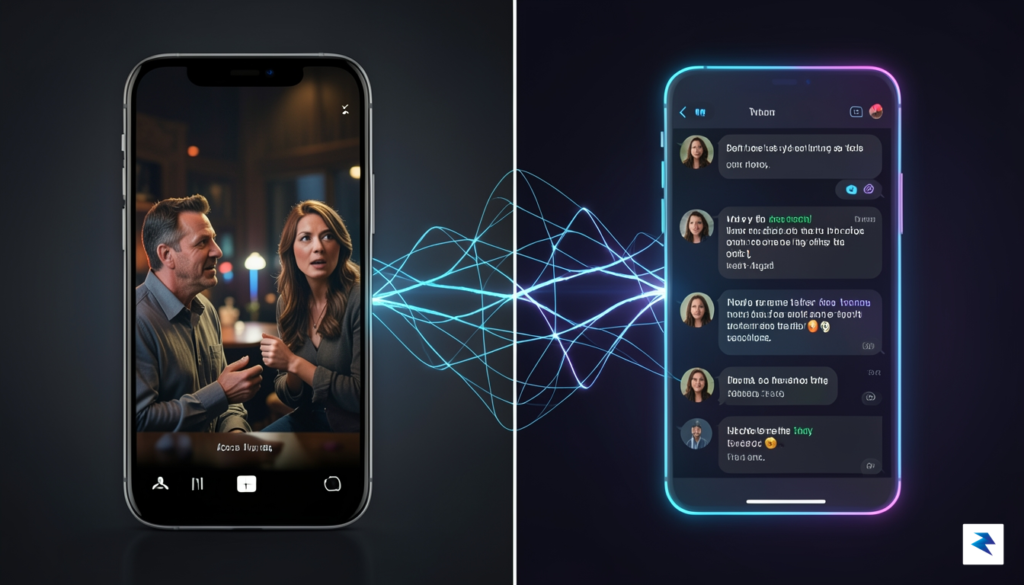
Ultimately, this technological leap suggests that the boundaries between creators and fans are becoming increasingly porous. As studios begin to bake AI-native characters into their early production cycles, we can expect to see narratives that are designed from the ground up to be interactive. This shift does not threaten the sanctity of the screenwriter’s craft; rather, it expands the canvas upon which they work. By embracing this model, the industry can capture a hyper-distracted audience, offering them an immersive experience that traditional, passive streaming can no longer guarantee in an increasingly competitive digital marketplace.
You must be logged in to post a comment.