
Beyond the Screen: Why the Real VAR Problem at the 2026 World Cup Is Human
The Evolution of VAR in 2026 By the time the 2026 World Cup kicked off, the Video Assistant Referee (VAR) system had long shed its skin as a…
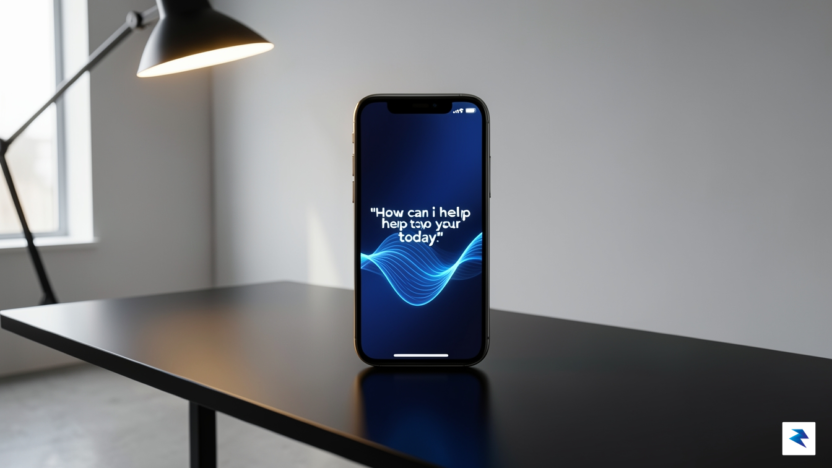
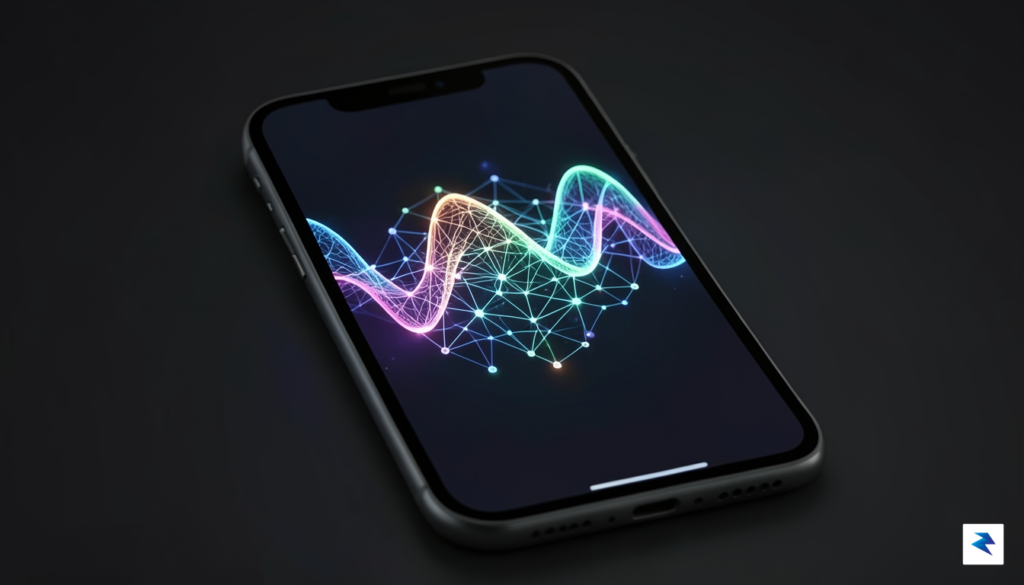
For more than a decade, the Siri experience was defined by a frustratingly narrow set of boundaries. Users often found themselves engaging in a rigid, hit-or-miss dance with a digital assistant that struggled to parse anything beyond the simplest, most direct commands. If a request involved compound instructions or nuanced phrasing, the assistant frequently defaulted to a generic web search or a polite admission of confusion. This was a reactive tool—a glorified timer-setter and weather-checker that lacked a true grasp of conversational context, personal history, or the interconnected nature of the apps living on our devices.
The transition we are witnessing today marks a profound departure from that legacy of limitation. Powered by the sophisticated architecture of Apple Intelligence, Siri is shedding its skin as a mere voice-activated interface to become a true intelligent agent. Rather than waiting for a specific trigger phrase to execute a discrete task, the new Siri is designed to comprehend intent by analyzing the semantic depth of natural language. It no longer treats each interaction as an isolated event; instead, it synthesizes information across your personal data ecosystem, allowing it to understand the “why” and “how” behind your requests.
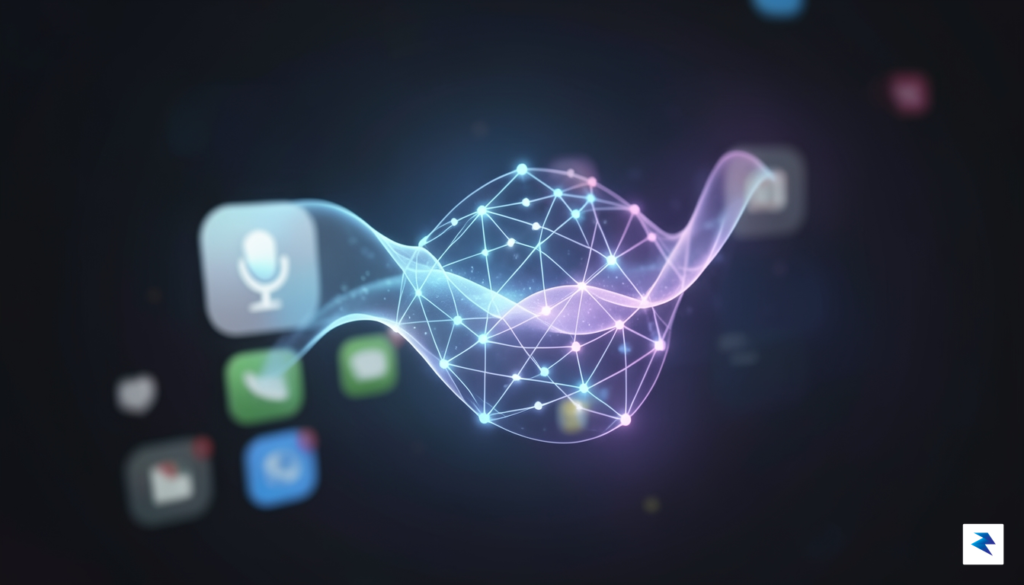
The fundamental shift lies in the move from reactive command-following to proactive, context-aware assistance that anticipates user needs before they are even fully articulated.
This evolution represents a significant leap in how we interact with mobile technology. Because Apple Intelligence operates with a deep understanding of the user’s personal context—such as upcoming calendar events, recent emails, and specific file locations—Siri can now bridge gaps that previously required manual navigation. For instance, instead of asking the assistant to perform a single step, you can now issue multi-layered requests that require the agent to draw data from one application to influence another. This shift turns the smartphone from a collection of siloed tools into a unified, coherent workspace, where the assistant acts as an intelligent layer that sits above your apps, orchestrating actions with a level of fluidity that was once relegated to the realm of science fiction.
Ultimately, this transformation is about restoring the promise of the digital assistant: to save time and reduce cognitive load. By moving away from the “command-and-control” model that plagued early voice AI, Apple is creating a more intuitive relationship between human and machine. As Siri learns to navigate the complexities of individual workflows, the gap between what you want to achieve and the steps required to do it is effectively closing. We are no longer just talking to our devices; we are beginning to collaborate with them.
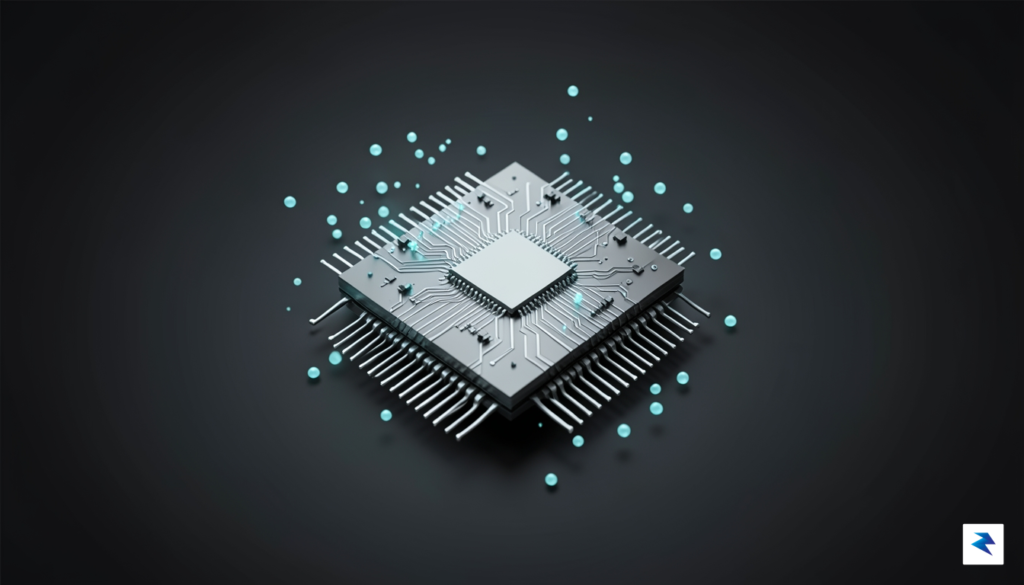
At the heart of the revamped Siri lies a sophisticated, two-tiered engine known as Apple Intelligence. Unlike traditional voice assistants that rely entirely on massive, distant data centers to process every single query, Apple has engineered a hybrid architecture that balances immediate performance with deep analytical power. By keeping smaller, highly efficient language models directly on your device, the system can handle common requests—like setting alarms, summarizing recent messages, or navigating system settings—almost instantaneously. Because these tasks never leave your local hardware, users benefit from lightning-fast response times that remain functional even when you are trapped in a dead zone without cellular service or Wi-Fi.
However, when a request demands more complex reasoning or a broader knowledge base, the system seamlessly transitions to Private Cloud Compute. This represents a significant departure from how competitors typically handle AI; while most cloud-based models send your personal data to be stored and processed on third-party servers, Apple’s infrastructure is designed to treat your privacy as a foundational requirement rather than an afterthought. Private Cloud Compute extends the same rigorous security protocols found on your iPhone into the cloud, utilizing Apple-designed silicon to ensure that your data is never stored, retained, or accessible to anyone—not even to Apple itself. This architectural choice effectively bridges the gap between the speed of local hardware and the immense capability of server-side computing.
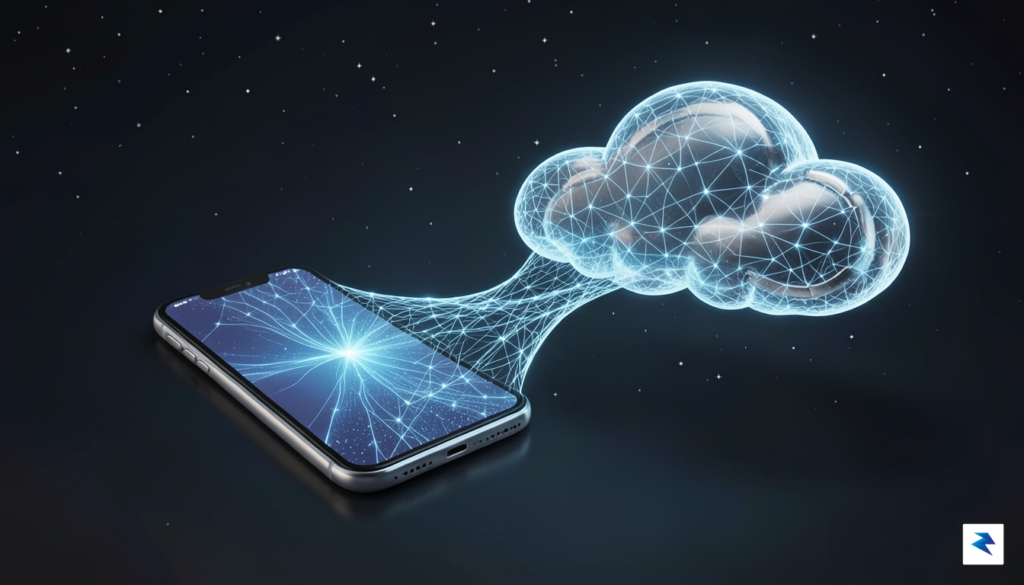
The true genius of this hybrid approach is that it makes the “intelligence” of the device invisible. You no longer have to wonder if your data is being mined to train future models; the system automatically determines whether a task is best suited for your local chip or a secure cloud node, ensuring your privacy remains intact at every step of the process.
This shift matters profoundly for the end user because it fundamentally changes the relationship between the human and the digital agent. In a cloud-only model, every interaction is a compromise—you trade your personal data and your privacy for the sake of a smarter response. By contrast, Apple’s architecture prioritizes a “privacy-first” intelligence, fostering a level of trust that allows users to offload more sensitive or personal tasks to Siri without the nagging fear of data exploitation. This technical pivot not only minimizes latency but also creates a more reliable, consistent experience that functions as a natural extension of your personal workflow, rather than an intrusive third-party service living inside your phone.
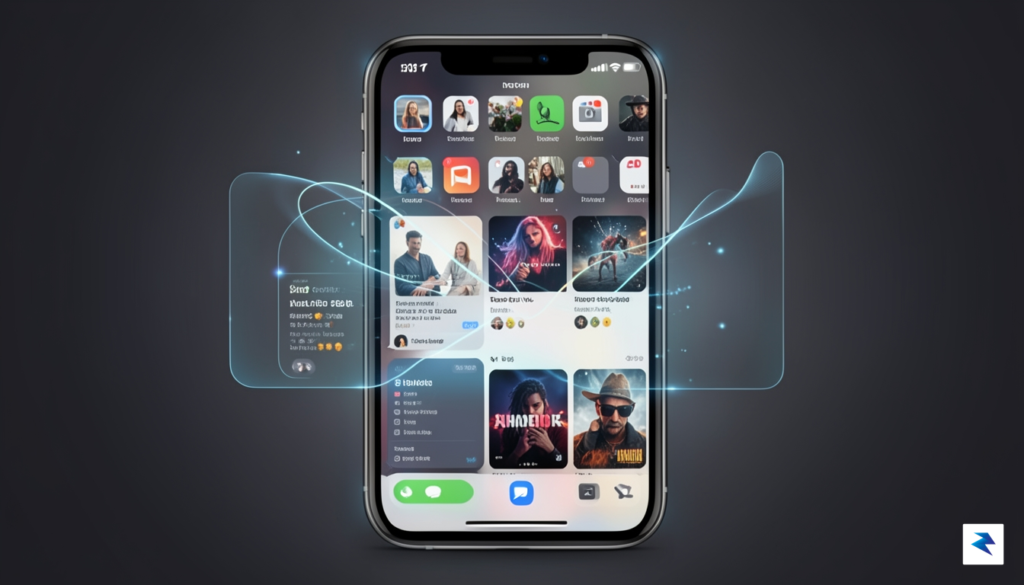
The most transformative shift in the latest evolution of Siri is its newfound ability to break free from the siloed architecture that previously limited its utility. Rather than functioning as a disparate voice assistant that only understands isolated commands, Siri now possesses deep, system-wide contextual awareness. By leveraging Apple’s updated App Intents framework, the assistant can effectively “see” what is happening on your screen and interact with the data contained within various applications simultaneously. This allows the software to act as a cohesive bridge across your digital ecosystem, performing complex, multi-step actions that previously required manual navigation between apps.
Consider the daily friction of managing personal logistics: previously, if you wanted to coordinate a meeting time mentioned in an email with an event on your calendar, you had to manually switch between apps, copy data, and paste it elsewhere. Now, Siri can read the context of an email, identify a proposed time, check your availability in your calendar, and draft a response—all without you ever leaving the Mail app. It creates a seamless flow where information isn’t locked behind app boundaries, but rather treated as a fluid resource that Siri can organize and execute upon with precision. Whether it is pulling a specific photo from your library to attach to a message or cross-referencing a flight confirmation number from your inbox to update your travel itinerary, the assistant now understands the relationship between your scattered digital assets.
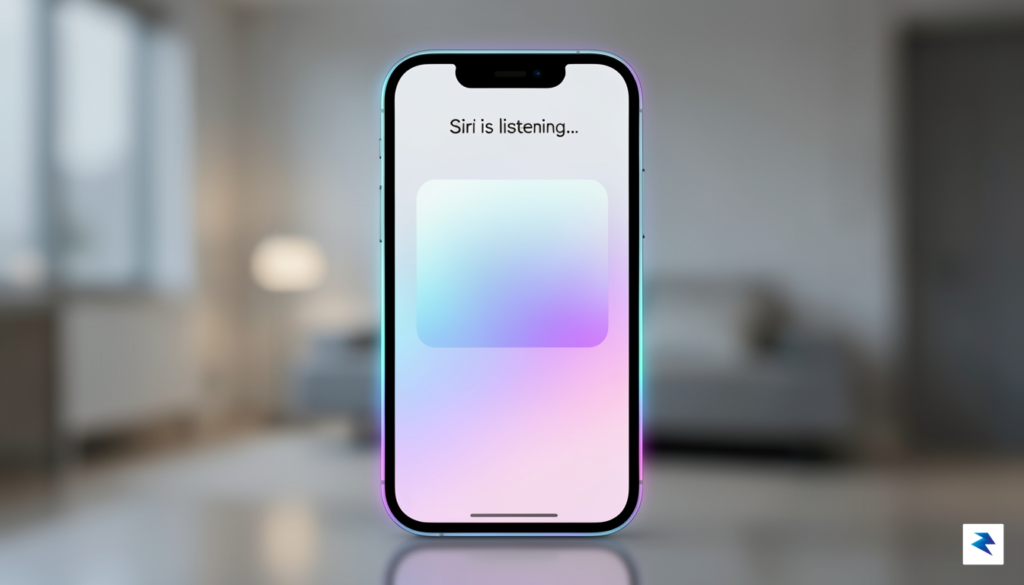
This leap in capability is visually reinforced by a significant redesign of the Siri interface. When you invoke the assistant, you will notice a sophisticated, vibrant glow that illuminates the edges of your device’s screen, signaling that it is actively analyzing the current display context. This is not merely an aesthetic choice; it serves as a functional indicator that the system is “paying attention” to the app you are currently using. By processing the text, images, and data points visible in your active window, Siri provides a more intuitive and responsive experience that feels less like a command-line interface and more like a helpful digital agent.
The true power of this update lies in the shift from executing single tasks to managing complex workflows, turning the iPhone into an intelligent agent that understands the intent behind your digital behavior.
Ultimately, this integration marks a departure from static voice commands toward proactive, intent-based assistance. Because the system is built with privacy-first principles at its core, this cross-app awareness happens locally on your device whenever possible, ensuring that your personal data remains secure while the assistant works to save you time. As Siri continues to gain a deeper understanding of how your apps interact, the barrier between you and your tasks will continue to dissolve, making the device feel less like a collection of apps and more like a unified, intelligent tool.
The primary hurdle for any AI capable of managing your schedule, reading your emails, and understanding your context is the inherent risk to personal privacy. Apple has approached this challenge by fundamentally re-engineering how data flows between your device and the cloud. Instead of relying on a traditional model where personal queries are vacuumed up into a central server for permanent storage, Apple utilizes a specialized architecture known as Private Cloud Compute. This system ensures that for complex requests requiring more power than your iPhone’s chip can provide, your data is processed in a secure environment that mirrors the privacy protections of your own hardware.
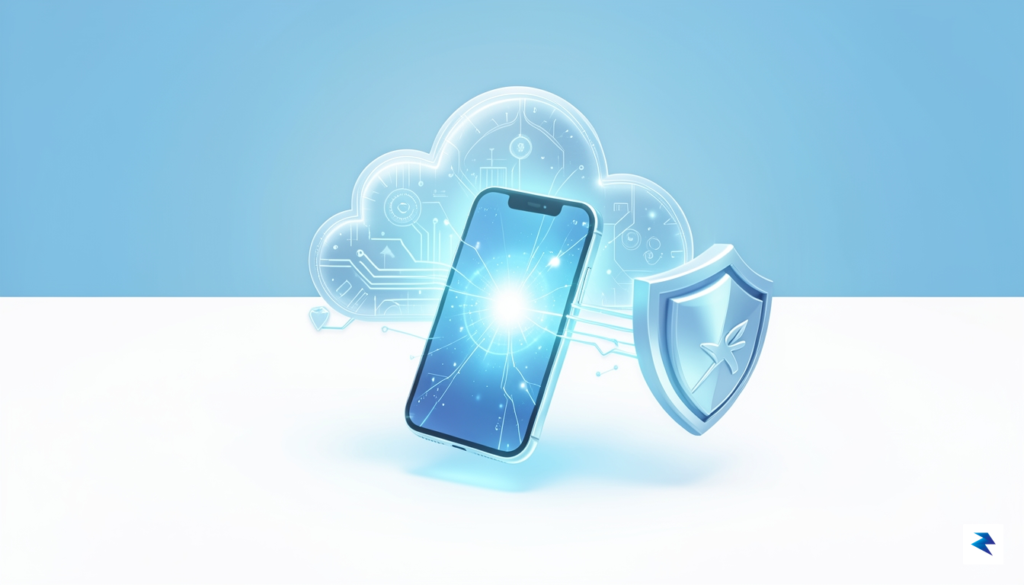
A critical component of this strategy is the concept of a “stateless” architecture. When your request moves to the cloud for processing, Apple’s servers are designed to perform the computation without retaining a permanent record of the interaction. Once the task is completed and the result is delivered back to your device, the data is purged immediately. This “no-logs” policy ensures that your digital footprint does not linger in Apple’s data centers, effectively preventing the aggregation of personal profiles that could be targeted by third parties or used for secondary purposes like advertising.
The core philosophy behind this evolution is that your data should remain yours, regardless of how intelligent your digital assistant becomes. By keeping the vast majority of processing local, Apple ensures that your intimate habits and private messages never even have the opportunity to leave your device unless you explicitly trigger a complex, cloud-dependent action.
To maintain user trust, Apple provides clear indicators whenever your information departs from your device. You are never left guessing whether your data is being handled locally or sent to the cloud; the interface is designed to be transparent about the necessity of these transitions. Furthermore, Apple has opened its security model to independent verification, allowing security researchers to inspect the code and architecture of Private Cloud Compute to confirm that their privacy claims are not merely marketing promises, but technical realities. By combining on-device intelligence with these rigorous server-side safeguards, Apple is attempting to prove that a truly helpful, proactive AI does not have to come at the expense of your fundamental right to digital solitude.
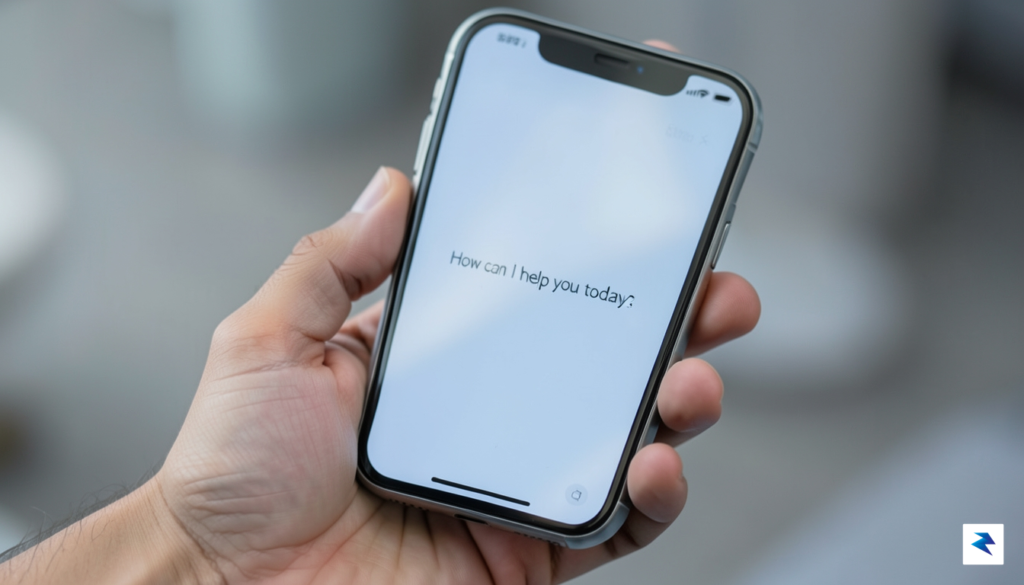
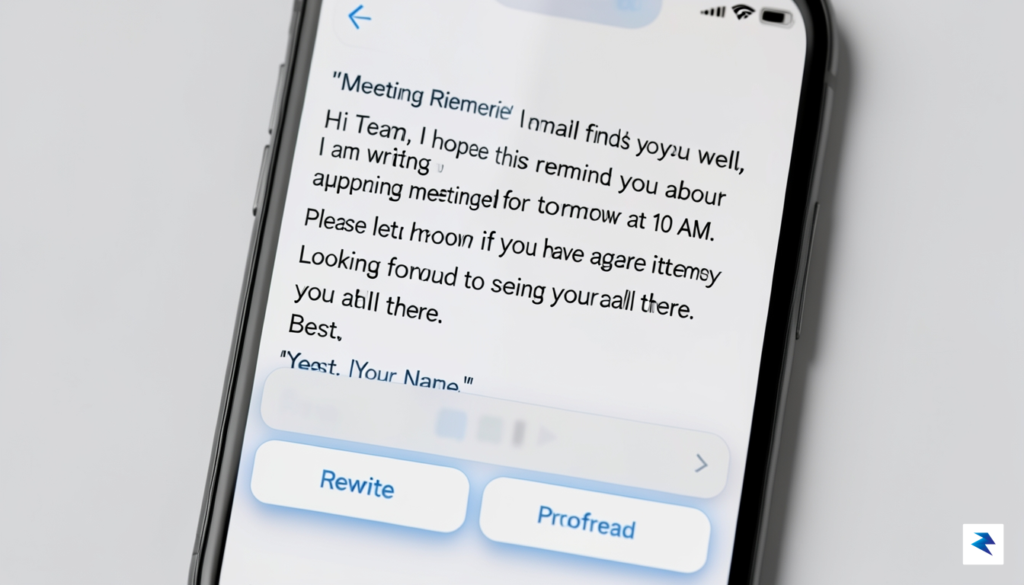
With the arrival of the iOS 18.1 public beta, the promise of an intelligent agent is moving from marketing rhetoric to tangible daily utility. For early adopters, the transformation is most evident in the system-wide writing tools, which act as a persistent editor for your digital communications. Whether you are drafting a professional email in Mail or polishing a quick thought in Notes, the new AI integration allows you to instantly rewrite, proofread, or adjust the tone of your text. Instead of struggling to find the right words for a difficult message, users can now select their text and apply a “Professional” or “Concise” filter, ensuring their communication remains polished without the need for manual editing.
Beyond composition, the beta introduces a game-changing approach to information overload through intelligent notification summarization. Rather than scrolling through a cluttered lock screen filled with individual alerts, Siri now synthesizes the core context of your incoming notifications. If you receive a flurry of messages in a group chat, the system provides a digestible summary that captures the main point, allowing you to decide whether immediate action is required. This feature is particularly helpful during busy workdays or travel, as it prioritizes pertinent updates while filtering out the noise that typically demands constant attention.
The true value of these updates lies in how they integrate across the entire operating system, transforming the phone from a collection of apps into a unified, responsive assistant.
For those currently exploring the beta, there are several ways to maximize these new capabilities:
Finally, the evolution of Siri extends to more granular hardware interactions, making the device feel like it finally understands its own ecosystem. By leveraging advanced language models, Siri can now navigate settings and photo libraries with a level of precision that was previously impossible. If you are struggling to find a specific configuration menu, you can simply ask Siri to take you there or explain how to perform a task. As you continue to test these features, remember that the system learns from your interactions, so providing consistent feedback when a summary is helpful or a rewrite misses the mark will ultimately lead to a more personalized and effective experience as the software moves toward its final release.
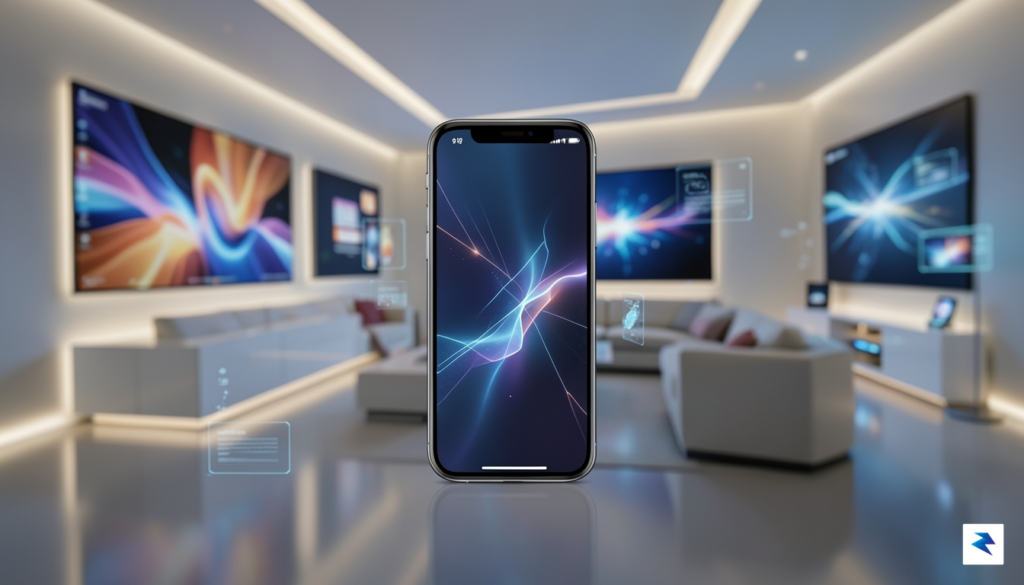
For over a decade, our relationship with the iPhone has been defined by the “app-centric” model, where we act as the manual navigator of a digital landscape. We open a weather app to check the sky, a calendar to manage our time, and a messaging service to coordinate with others. However, the evolution of Siri into a true AI agent signals a fundamental departure from this fragmented experience. We are witnessing a transition toward “intent-centric” computing, where the device no longer waits for us to tap an icon, but instead understands the high-level goals we wish to achieve. In this new paradigm, the software layer dissolves, allowing the user to simply express a desire—such as “plan a dinner with my parents next Tuesday”—and letting the intelligence layer handle the complex orchestration of calendars, restaurant reservations, and travel logistics behind the scenes.
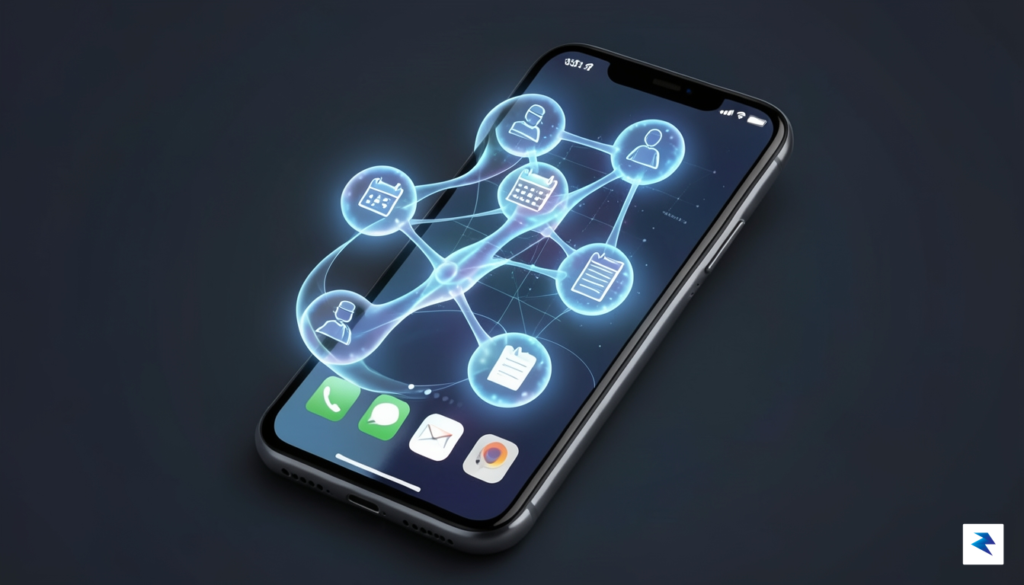
This shift represents more than just a convenience; it is a profound change in the philosophy of personal technology. As Siri evolves to anticipate needs before they are explicitly spoken, the iPhone ceases to be a mere collection of disconnected tools and begins to function as a proactive digital companion. By leveraging contextual awareness—analyzing our habits, locations, and communication patterns—the device can prepare information or execute tasks that align with our upcoming requirements. This level of foresight effectively moves the burden of cognitive load from the user to the machine, allowing us to spend less time managing our digital environment and more time engaging with the physical world.
The true mark of an intelligent agent is its ability to operate in the background, transforming from a passive tool that reacts to commands into a partner that understands the nuance of our daily lives.
Ultimately, this technological trajectory will redefine our daily relationship with our devices. We are moving toward a future where the interface is secondary to the outcome. Instead of struggling to learn the specific UI quirks of a dozen different applications, we will interact with a singular, unified intelligence that bridges the gaps between services. This evolution promises to make technology feel less like a rigid grid of squares and more like a fluid, helpful extension of our own intent. As this agentic behavior matures, the iPhone will likely become less of a distraction-filled portal and more of a silent, efficient facilitator of our personal and professional goals.
You must be logged in to post a comment.