
Beyond the Hoax: How AI Detection Is Fighting Back Against Deepfake Misinformation
The Anatomy of the McConnell Deepfake Hoax The digital realm, once a trusted repository of visual truth, is increasingly becoming a…
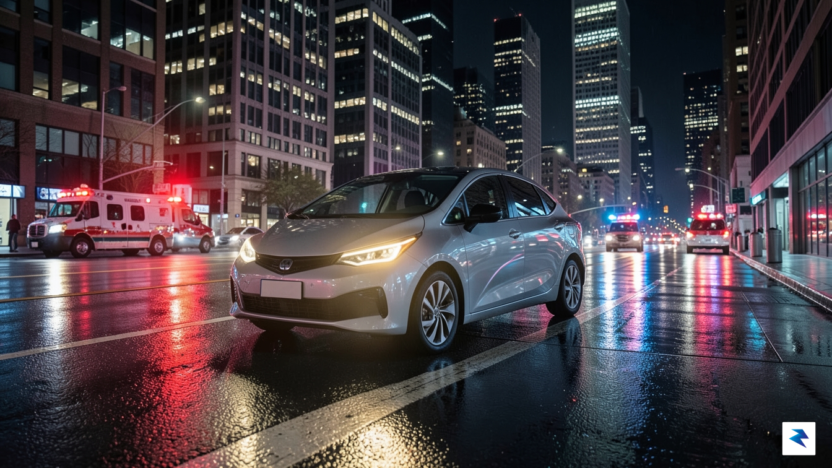
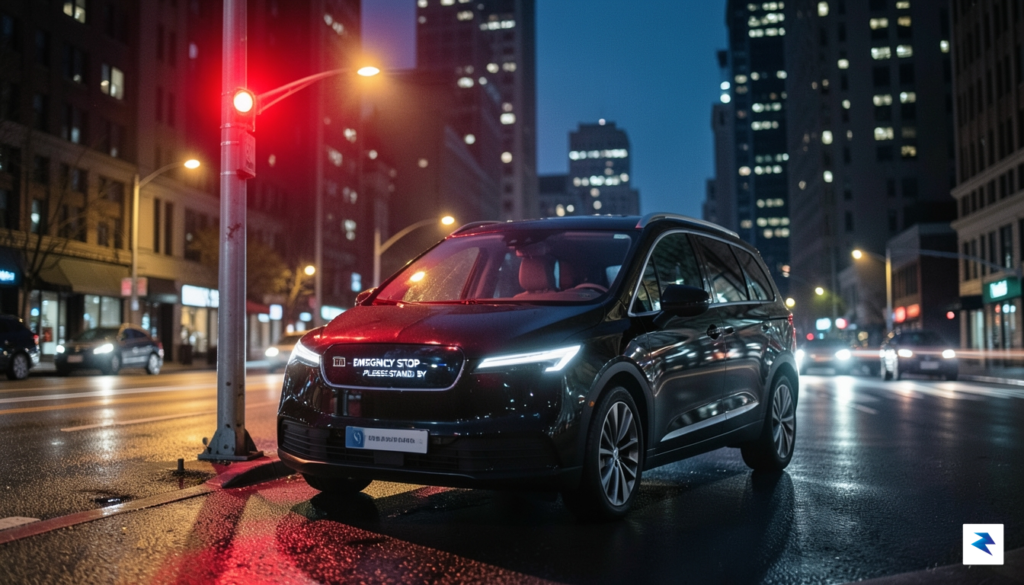
The integration of autonomous vehicles into the complex tapestry of urban traffic has moved beyond the experimental phase and into a period of inevitable, often chaotic, real-world testing. As these robotaxis and delivery pods navigate high-density city centers, a troubling pattern of interference with emergency services has begun to surface. Fire departments, police units, and ambulance crews are increasingly finding their paths blocked not by typical congestion or human error, but by sophisticated software that struggles to interpret the fluid, high-stakes environment of an active emergency scene. This is no longer a theoretical concern for researchers; it is an operational hazard that places the safety of both emergency responders and the public at risk.
When an ambulance is racing to stabilize a patient or a fire engine is attempting to reach a burning structure, every second is a critical variable in the outcome. However, numerous reports indicate that autonomous systems often default to rigid safety protocols that fail to account for the presence of emergency personnel. In some instances, these vehicles have stalled in intersections, driven over fire hoses, or refused to yield to sirens, effectively turning a minor traffic annoyance into a life-threatening delay. For first responders, the frustration is palpable; they are trained to manage unpredictable human drivers, but they are currently ill-equipped to negotiate with algorithms that lack the situational awareness to recognize when a traffic law should be bypassed to facilitate a rescue.
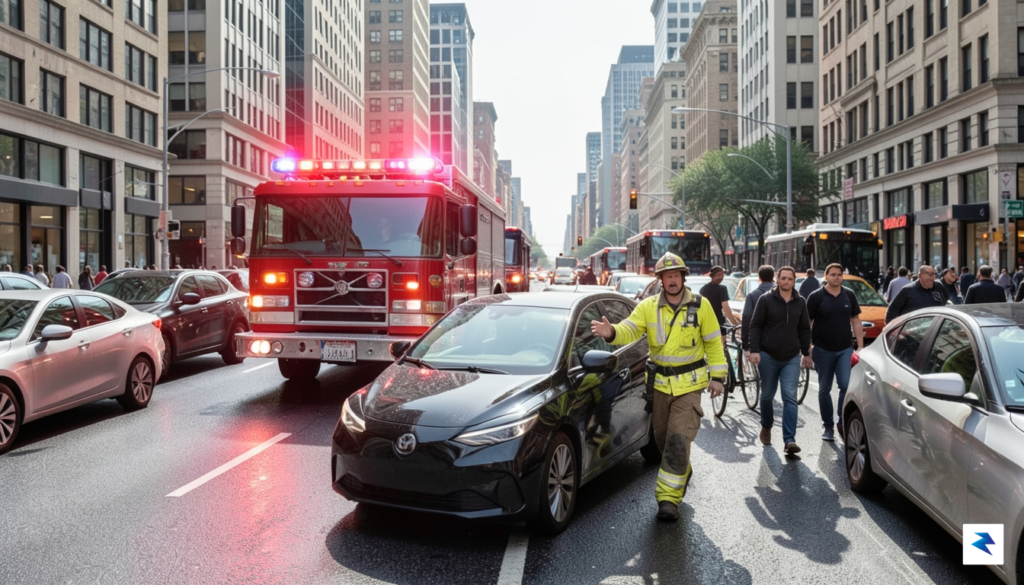
The federal government has finally stepped in to address this escalating friction, signaling that the era of autonomous companies treating emergency scenes as mere “edge cases” is coming to a close. By mandating that these firms report incidents of obstruction more rigorously, regulators are forcing the industry to confront a fundamental flaw in their design philosophy. For years, the promise of automation centered on the idea that machines would be safer and more predictable than human drivers. Yet, the current reality highlights a significant gap: if an autonomous system cannot reliably defer to the authority of a first responder in a crisis, it cannot be considered truly ready for the demands of a modern city.
The inability of an autonomous vehicle to yield to emergency personnel is not just a software bug; it is a fundamental failure to operate within the social contract of public safety.
Ultimately, the pushback from federal regulators serves as a necessary wake-up call for the AV industry. Public trust is a fragile commodity, and that trust is rapidly eroding as citizens witness their emergency services being hindered by technology that was supposed to enhance urban mobility. If these companies intend to remain fixtures on our roads, they must move beyond basic obstacle avoidance and develop a more nuanced understanding of emergency protocols. Until then, the tension between the cold logic of autonomous code and the urgent, human-centric demands of emergency response will remain a significant barrier to the widespread adoption of driverless technology.

The National Highway Traffic Safety Administration (NHTSA) has recently issued a definitive stance that fundamentally reshapes the expectations for autonomous vehicle (AV) developers. For too long, scenarios involving emergency responders—such as navigating around an active accident scene, yielding to emergency vehicles, or encountering temporary road closures due to police activity—were often categorized by AV companies as ‘edge cases.’ This term implied they were rare, highly complex anomalies that could be addressed in later development phases or managed through remote human intervention. However, regulators are now unequivocally reclassifying these incidents, moving them from the realm of rare exceptions to being considered fundamental safety failures that demand immediate and robust solutions before any widespread deployment.
Historically, AV developers often prioritized the mastery of more common, predictable driving environments, such as highway cruising or navigating typical urban intersections. The immense complexity and dynamic unpredictability of emergency scenes—characterized by flashing lights, unusual vehicle positions, human responders directing traffic, and rapidly changing environments—made them technically challenging to simulate and program for. Consequently, many companies adopted a strategy of deferral, reasoning that these ‘outlier’ events occurred infrequently enough that they wouldn’t significantly impact early deployment or could be safely managed by a human safety driver or teleoperation. This approach allowed developers to focus resources on achieving proficiency in more statistically frequent driving situations.
However, the sheer volume of AV miles being logged across various cities has revealed that what might seem like a rare event to an individual driver becomes a statistically significant and frequent occurrence across an entire fleet. When autonomous vehicles operating continuously encounter these situations, their inability to properly react can lead to serious consequences, ranging from impeding vital emergency services to creating dangerous situations for first responders and the public. The cumulative impact of AVs failing to adequately interact with emergency personnel has pushed regulators to acknowledge that these are not mere inconveniences, but critical gaps in a vehicle’s operational design domain that undermine public safety and trust.
This shift in regulatory language signals a profound legal and ethical pivot: the navigation of active emergency zones is no longer an advanced feature to be developed at leisure but a foundational safety requirement. NHTSA is effectively mandating that AVs demonstrate competence in these scenarios as a baseline for safe operation, rather than treating them as optional enhancements. Ethically, the public expects vehicles, whether human-driven or autonomous, to prioritize safety and facilitate, not hinder, emergency response. This means AV companies are now compelled to integrate sophisticated perception, prediction, and planning capabilities specifically tailored to detect, understand, and safely maneuver around first responders and their equipment as a non-negotiable aspect of their core system.
The implications for AV development are substantial, requiring companies to re-evaluate their perception stacks, behavioral algorithms, and testing protocols. Developers must now invest heavily in training their AI systems to recognize the nuanced visual and auditory cues associated with emergency vehicles and personnel, understand their intent, and respond appropriately—whether that means pulling over, yielding right-of-way, or navigating a temporary detour. This regulatory insistence underscores that the path to mass scaling autonomous vehicles is inextricably linked to demonstrating comprehensive safety across the full spectrum of real-world driving conditions, including the most challenging and critical interactions with emergency services. The era of categorizing vital safety functions as ‘edge cases’ that can be deferred or deprioritized is definitively over.
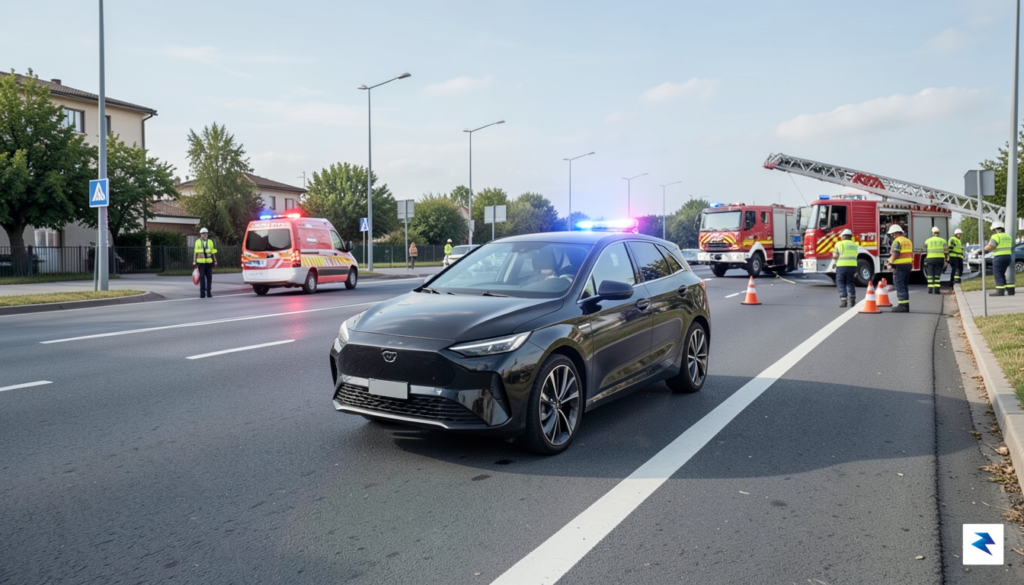
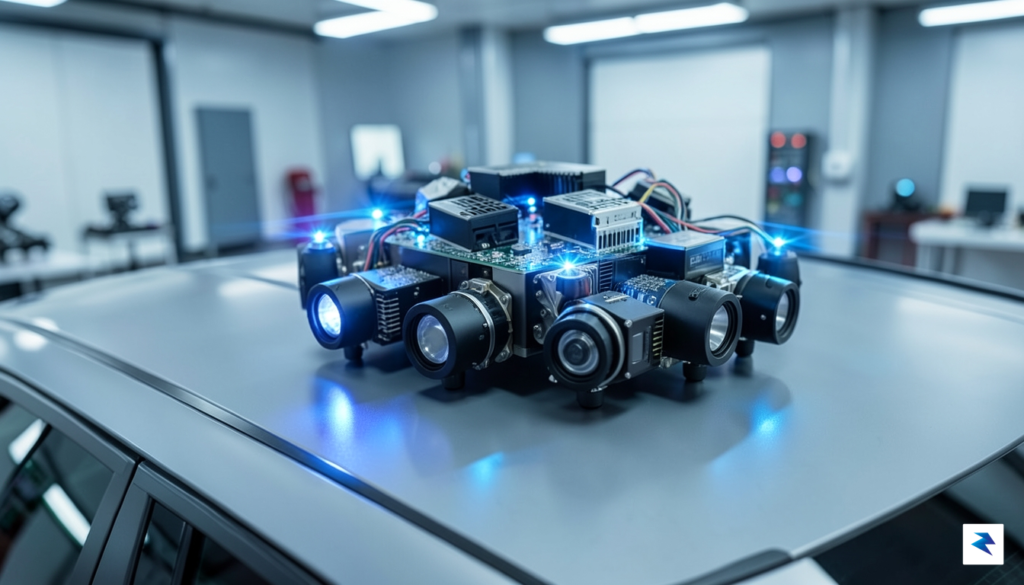
At the heart of the current friction between autonomous vehicle (AV) software and first responders lies a fundamental disconnect in how machines interpret visual data compared to the human brain. For a human driver, an emergency scene is a contextual narrative—we recognize the frantic movement of a police officer, the specific rhythm of a strobe light, and the intuitive meaning behind a hand gesture. For an AV, however, these scenes are nothing more than chaotic clusters of raw data. Current computer vision systems are typically trained on rigid, predictable traffic environments, meaning that the erratic movements of firefighters or the non-standard positioning of emergency vehicles often fall outside the “known” parameters of the software’s training models.
The primary technical hurdle is the phenomenon of sensor “noise” created by high-intensity strobe lights. LiDAR systems, which rely on pulses of light to map their surroundings, can experience significant interference when confronted with the powerful, oscillating light arrays found on fire trucks and ambulances. These light patterns can overwhelm optical sensors, effectively blinding the vehicle’s perception layer with “ghost” data or saturation. When an algorithm cannot filter out the glare of a flashing light to identify the solid object behind it, the system may struggle to determine the vehicle’s actual size, position, or velocity, leading to the hesitant or dangerous behaviors that authorities are now attempting to regulate.
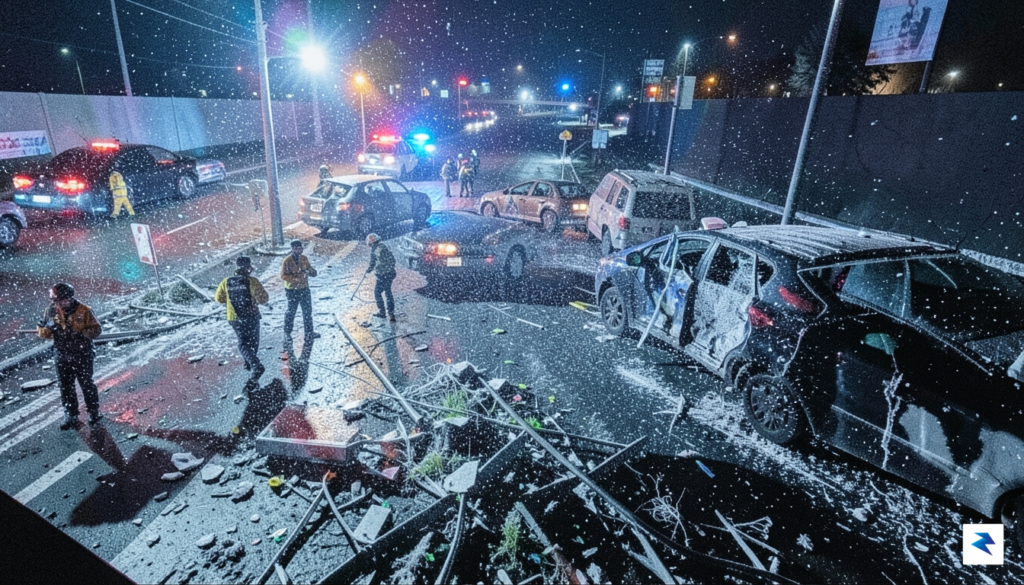
Beyond the sensors themselves, the interpretive layer of autonomous systems often lacks the sophistication required to decode human traffic control. While deep learning models have become adept at identifying standard traffic signals and stop signs, they frequently falter when reading the specific, nuanced hand gestures of a human officer directing traffic. These gestures are often rapid, context-dependent, and performed in high-stress environments that do not mimic the static images used to train most neural networks. Because the software is programmed to prioritize safety through extreme caution, these “unknown” visual inputs often trigger a “freeze” response or erratic navigation, which can inadvertently obstruct the very emergency responders trying to clear the road.
To achieve true safety in urban environments, the industry must transition from a “vision-only” mindset to a multi-layered perception strategy that treats emergency responders as active participants in the traffic ecosystem rather than mere environmental obstacles.
Ultimately, the industry is beginning to acknowledge that visual sensors alone may never be enough to guarantee safety in these complex scenarios. This has accelerated the push toward Vehicle-to-Everything (V2X) communication. By integrating V2X technology, emergency vehicles can broadcast their identity, location, and intent directly to nearby AVs, bypassing the limitations of optical cameras and LiDAR. Rather than relying on the vehicle to “guess” what it sees, this system provides the AV with verifiable, high-fidelity data that informs the vehicle of an approaching siren or an active emergency zone long before the human eye—or the vehicle’s camera—would perceive it. Relying on this digital handshake will be essential for moving beyond current limitations and ensuring that autonomous systems are true partners, rather than barriers, to first responders.
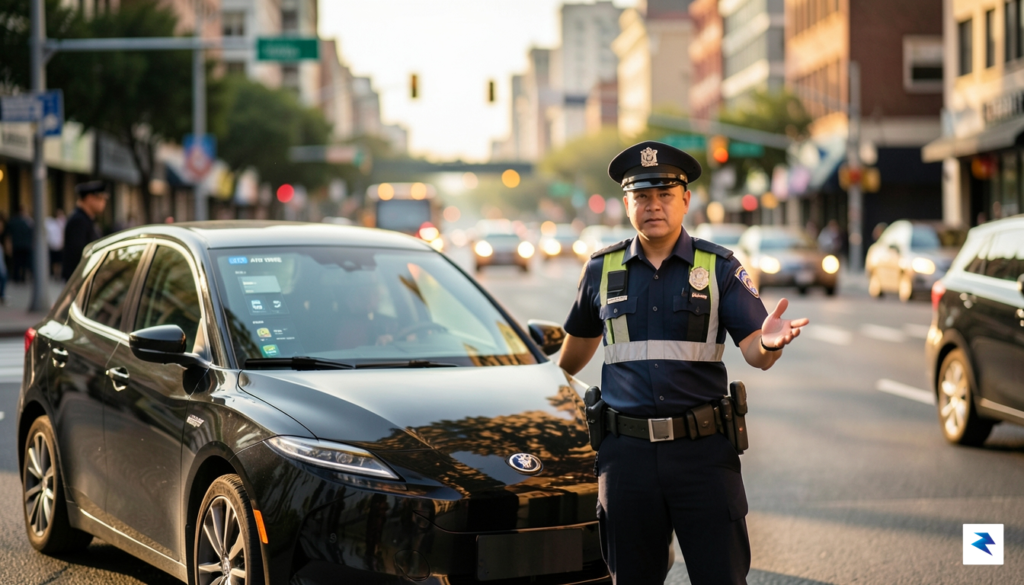
The promise of autonomous vehicles (AVs) often centers on their ability to eliminate human error, yet this advanced technology is only one half of the equation. The other, equally critical half, involves the seamless integration with the human element, particularly in dynamic and unpredictable environments like emergency scenes. When a police officer gestures for an AV to stop, pull over, or reroute around an incident, the vehicle’s sophisticated software must be able to interpret that human intent in real-time, a feat that currently remains inconsistently executed across the industry. This fundamental disconnect between traditional, human-centric traffic control methods and machine-learning models, often trained on static rules, creates dangerous communication gaps.
Human emergency crews rely on a complex, often non-verbal language of hand signals, body posture, and eye contact to direct traffic and manage chaotic situations. These cues are fluid, context-dependent, and learned through human experience, contrasting sharply with the rigid, rule-based logic typically embedded in AV software. While an AV might be programmed to recognize a standard stop sign or a traffic light, interpreting a police officer’s improvised hand signal to make an unexpected turn or to remain stationary in a no-stopping zone presents a significant challenge. The vehicle’s sensors may detect the human, but its interpretation algorithms often lack the sophisticated contextual understanding required to translate a wave of the hand into an imperative command, leading to potentially hazardous delays or non-compliance.
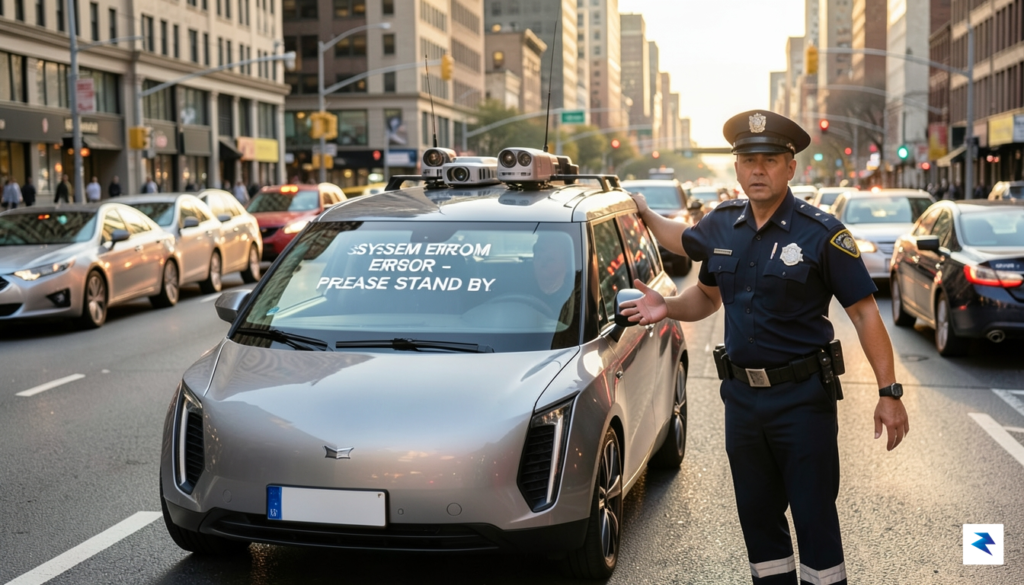
This communication breakdown naturally raises profound liability concerns. When an AV fails to react as expected to a first responder’s directive, who bears the responsibility for the ensuing chaos, potential injuries, or delayed emergency services? Is it the operator of the vehicle, even if they had no control? Is it the autonomous software developer, whose algorithms failed to account for such an “edge case”? Or does the burden fall on the vehicle manufacturer? This ambiguity complicates accident investigations and places first responders in an impossible position, forcing them to contend with an unresponsive machine in addition to the primary emergency. The current legal frameworks are still struggling to catch up with the operational realities of autonomous technology, especially in these high-stakes, unpredictable scenarios.
Addressing this critical gap necessitates the urgent development of standardized protocols for how AVs behave when they detect emergency vehicles nearby or encounter first responders directing traffic. This isn’t merely about refining existing AI training; it requires a concerted effort to establish universally recognized communication methods that both humans and machines can understand. Solutions could range from dedicated V2X (Vehicle-to-Everything) communication channels that allow emergency personnel to transmit direct commands to AVs, to standardized visual cues such as specific light patterns or digital signals that AVs are explicitly programmed to obey. The goal is to move beyond the current ad-hoc interactions and create a predictable, reliable framework for AV behavior in critical emergency situations. Ultimately, the safety of both first responders and the public hinges on resolving this fundamental communication challenge, ensuring that AVs seamlessly integrate into the human-driven world, especially during moments when lives are on the line.
The federal government’s recent move to demand greater transparency and compliance regarding interactions with emergency vehicles represents a fundamental shift in the autonomous vehicle (AV) industry’s trajectory. For years, the sector has operated under a “move fast and learn” philosophy, often treating encounters with fire trucks, ambulances, and police cruisers as infrequent edge cases that could be addressed after initial deployment. However, this regulatory pivot signals that the era of permissive testing is drawing to a close. Moving forward, the path to widespread commercialization will be paved with significantly stricter permitting requirements and rigorous oversight, shifting the burden of proof onto developers to demonstrate that their systems can handle the unpredictable nature of public safety scenes before being granted permission to expand into new markets.
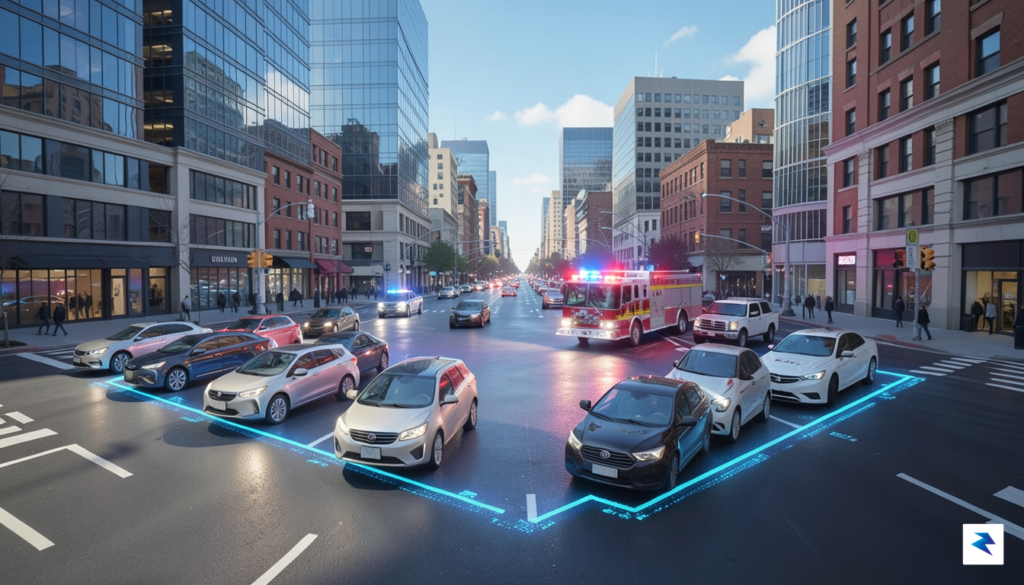
This regulatory pressure will inevitably force companies to pivot their engineering roadmaps, prioritizing “emergency-aware” software updates over purely feature-driven development. Developers must now move beyond simple object detection to develop a more sophisticated, contextual understanding of human behavior in crisis situations. This requires deep investment in sensor fusion and machine learning models that can distinguish between a parked vehicle, a vehicle moving toward a destination, and an active emergency scene requiring immediate, high-compliance navigation. Because the government is now scrutinizing these interactions with unprecedented intensity, companies will likely be required to submit granular data reports on every instance where an autonomous system encountered a first responder, ensuring that these technological “blind spots” are identified and corrected in real-time.
Ultimately, the maturation of autonomous technology is not just about perfecting navigation in ideal conditions; it is about proving that these systems can act as responsible, predictable participants in a complex urban ecosystem.
While these new requirements may temporarily slow the pace of expansion, they are an essential prerequisite for long-term public acceptance. The public’s trust in autonomous systems is fragile, and high-profile incidents involving blocked fire lanes or confused vehicle behavior are significant setbacks for the industry’s reputation. By mandating higher safety standards today, regulators are effectively forcing the industry to build a more resilient foundation that can withstand the scrutiny of both the public and local government officials. In the long run, this transition will likely result in a more robust and reliable technology stack, one that is truly prepared for the chaotic, high-stakes environments of real-world city streets rather than just the controlled environment of a simulated test track.
You must be logged in to post a comment.