
Fiat’s Tiny Topolino: Is the World’s Smallest EV the Future of City Driving?
The Rise of Micro-Mobility: Why Less is More For decades, the automotive industry has been locked in an escalating arms race, producing…
Microsoft is currently navigating a period of significant strategic recalibration, moving away from a philosophy of broad, experimental expansion toward a more disciplined focus on high-impact intellectual properties. In a gaming landscape defined by skyrocketing development costs and increasingly fickle consumer attention, the corporate mandate has shifted toward mitigating risk by leaning into established, globally recognized brands. This “reset” is not merely a cost-cutting measure; it is a fundamental reconfiguration of the Xbox portfolio designed to ensure that internal resources are funneled into projects with the highest probability of long-term commercial and critical success. By prioritizing proven commodities over unproven concepts, Microsoft is attempting to fortify its ecosystem against the volatility of the current market.
Within this tightening framework, Obsidian Entertainment has transitioned from its traditional role as a creator of niche, experimental RPGs into a critical steward of one of gaming’s most valuable assets: Fallout. For years, Obsidian operated with a degree of creative autonomy that allowed them to pursue original projects like Avowed, which, while ambitious, carry the inherent uncertainty of any new intellectual property. However, the business case for a franchise as massive and deeply ingrained in pop culture as Fallout is simply too compelling to ignore. By tasking a studio with Obsidian’s pedigree for narrative depth and world-building with the future of the wasteland, Microsoft is effectively de-risking the development process while simultaneously satisfying a massive, pre-existing audience that has been clamoring for a return to the series’ roots.
The shift toward franchise stewardship represents a maturation of the Xbox Game Studios model, where talent is no longer just utilized for creative exploration, but deployed as a strategic asset to maintain and grow core pillars of the brand.
This repositioning signals a new era for Obsidian, one where the studio’s talent is harnessed to uphold the legacy of a legendary series rather than solely focused on incubating new worlds. While the pivot away from Avowed may be bittersweet for fans who were eager to see the studio stretch its creative wings, the move underscores a broader industry reality: in a lean market, the value of a legacy brand is paramount. Obsidian’s transition into a core franchise developer suggests that Microsoft views them as the best possible hands for the future of the wasteland. Ultimately, this strategic realignment aims to transform the studio from an independent-minded RPG specialist into a central pillar of the Xbox brand, ensuring that the next chapter of Fallout is delivered with the narrative complexity and mechanical depth that only a veteran team like Obsidian can provide.
The connection between Obsidian Entertainment and the Fallout franchise is far from a random corporate assignment; it is a long-awaited homecoming that resonates deeply with the series’ most dedicated fans. Many of the creative minds who shaped the original Fallout and Fallout 2 at Black Isle Studios eventually migrated to Obsidian, bringing with them a foundational understanding of the wasteland’s dark humor, intricate lore, and systemic philosophy. This institutional knowledge was arguably never more evident than in Fallout: New Vegas, a title that remains the gold standard for many players. By balancing the grit of the post-apocalyptic setting with sophisticated political intrigue, Obsidian proved that they understood the soul of the franchise better than perhaps any other developer in the industry.
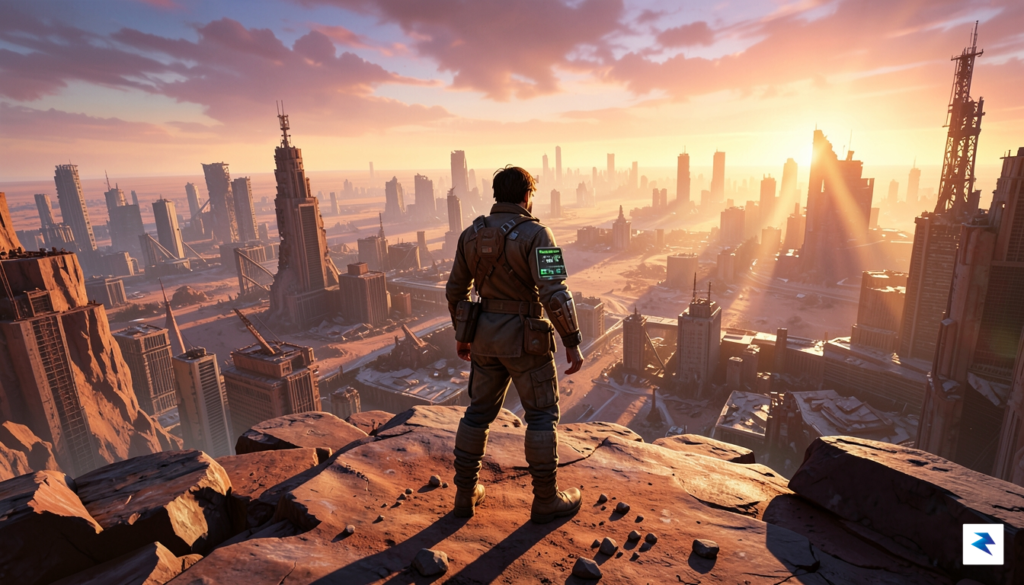
What sets an “Obsidian-made” experience apart is the studio’s legendary commitment to player agency and complex, multi-layered dialogue trees. Unlike many modern open-world titles that rely on scripted spectacles, an Obsidian game functions as a reactive sandbox where player choices have tangible, often unpredictable consequences. They excel at writing characters who are not merely quest-givers, but fully realized people with their own biases, hidden agendas, and moral failings. This “Obsidian touch” ensures that every conversation feels like a high-stakes decision, forcing players to grapple with the ideologies of different factions rather than simply shooting their way to a resolution. It is this depth that transformed New Vegas from a simple spin-off into a cult classic that continues to be dissected and played over a decade after its release.
The core of the Fallout experience has always been about the human condition surviving in the ruins of the old world, and Obsidian possesses the narrative maturity required to explore that complexity without losing the series’ signature satirical bite.
Microsoft’s decision to pivot the studio toward the franchise is a strategic masterstroke that aligns with the broader goal of rejuvenating the Fallout IP for a new generation. By entrusting the series to a team that carries the genetic code of the original games, Microsoft is effectively bridging the gap between the franchise’s isometric roots and the modern, high-fidelity expectations of contemporary RPG fans. There is a palpable sense of excitement within the community, as players recognize that Obsidian is uniquely equipped to handle the heavy lifting of world-building and narrative branching that the Fallout universe demands. Ultimately, this reunion is not just a business move; it is a recognition that to move the series forward, one must respect the complex, morally gray foundations that made the wasteland so compelling in the first place.
The recent news of Obsidian Entertainment potentially shifting its focus to a new *Fallout* game, while undoubtedly thrilling for fans of the post-apocalyptic RPG series, arrives with a sobering backdrop. This exciting pivot is a direct consequence of a significant corporate restructuring within Microsoft’s Xbox division, a process that has come at a considerable human and creative cost. The industry has been rocked by the announcement of approximately 3,200 layoffs across Xbox, Bethesda, and Activision Blizzard. These aren’t merely abstract figures; they represent thousands of individuals, each with careers, families, and futures profoundly impacted by these decisions, sending ripples of uncertainty throughout the entire game development community.
Beyond the immediate human toll, the restructuring also led to the quiet cancellation of multiple ongoing projects. For developers, a project cancellation isn’t just a business decision; it’s the sudden termination of months, if not years, of dedicated creative effort, passion, and collaborative work. Ideas meticulously crafted, worlds painstakingly built, and code rigorously written are simply set aside, never to see the light of day. This loss of creative output highlights the often-volatile nature of modern AAA game development, where even well-funded projects within major publishers can be abruptly shuttered if they don’t align with evolving corporate strategies or perceived market demands.
This situation vividly underscores the inherent tension between corporate efficiency and creative freedom in a consolidating industry. Microsoft’s strategic moves are geared towards streamlining operations, optimizing resource allocation, and focusing on established, high-return franchises. While this approach aims to deliver blockbuster titles and potentially greater stability for core studios, it often means sacrificing the diversity and experimental nature that smaller, more niche projects might offer. The integration of massive entities like Activision Blizzard into the Xbox ecosystem, while creating a formidable content library, also necessitates difficult choices about which creative endeavors will receive the green light and which will be deemed expendable in the pursuit of overarching corporate goals.
For studios like Obsidian, navigating such a massive organizational pivot presents a unique challenge in maintaining morale. Even with the prospect of working on a beloved franchise like *Fallout*, the shadow of recent layoffs and project cancellations can loom large, fostering an atmosphere of apprehension among the remaining team members. Leadership must work diligently to reassure staff, articulate a clear and inspiring vision for the new direction, and rebuild a sense of stability and purpose. Reigniting the collective passion for game development amidst such significant upheaval requires transparent communication, strong empathetic leadership, and a renewed focus on the creative excitement that initially drew many developers to the industry, ensuring that the new chapter begins with a shared sense of optimism and commitment despite the recent turmoil.
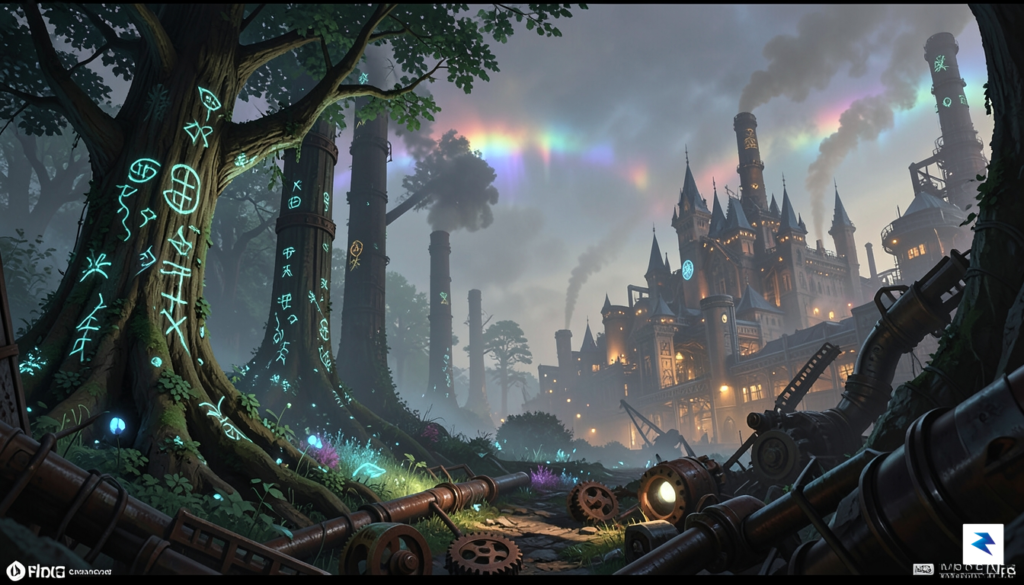
The strategic shift within Microsoft to re-center Obsidian Entertainment on the next mainline Fallout entry inevitably carries significant repercussions for the studio’s other ongoing projects, particularly its original intellectual properties. Such a profound pivot in development priorities necessitates a heavy toll, often manifesting as the quiet shelving or outright cancellation of multiple projects that were previously in various stages of conceptualization or production. While the specific titles beyond Avowed remain largely undisclosed, it’s reasonable to infer that several promising concepts, perhaps even early prototypes for new, experimental IPs, have been deemed expendable in the face of a singular, monumental task like rejuvenating a beloved, yet dormant, franchise. This reallocation of talent and resources isn’t just a reshuffling; it represents a significant opportunity cost, where the future potential of fresh, innovative ideas is sacrificed for the immediate demands of a high-profile legacy title.
For fans eagerly anticipating Avowed, Obsidian’s ambitious first-person RPG set in the Pillars of Eternity universe, this realignment casts a long shadow of uncertainty. While the game is reportedly nearing completion, the long-term commitment to its post-launch support, including potential DLC expansions or even future sequels, now appears far more precarious. With the studio’s primary focus now diverted to the monumental task of a new Fallout, the dedicated teams that would typically oversee continuous content updates, quality-of-life improvements, and significant story additions for Avowed might find their resources stretched thin or redirected. This could ultimately diminish the game’s longevity and the richness of its evolving world, leaving players with a fantastic initial experience but perhaps less sustained engagement than originally envisioned for such a promising new fantasy epic. The momentum for building out the Pillars of Eternity world through Avowed could very well be curtailed before it truly has a chance to flourish.
Beyond Avowed, this move signals a broader strategic shift within Microsoft and, by extension, within Obsidian itself, away from the inherent risks of experimental new intellectual properties and towards the safer, more bankable model of established ‘legacy’ franchises. Obsidian has built a formidable reputation on crafting deep, narrative-driven original RPGs, from Pillars of Eternity to the more recent and critically acclaimed The Outer Worlds. This pivot, however, suggests a prioritization of guaranteed returns over the potential for groundbreaking new worlds and mechanics. The future of other original Obsidian IPs, including the continuation or expansion of The Outer Worlds universe, may now face a more challenging path forward, as the studio’s creative energy and development bandwidth are increasingly channeled into fulfilling the expectations of a pre-existing, massive fanbase. This strategic decision, while perhaps financially sound, raises questions about the long-term impact on Obsidian’s unique identity as a crucible for innovative RPG storytelling.
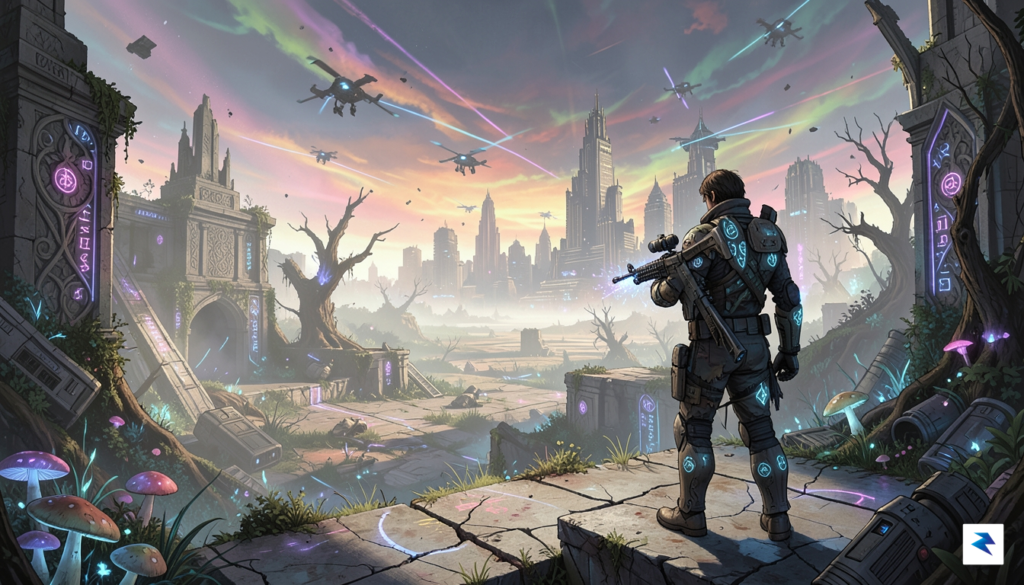
The strategic shift toward established intellectual properties like Fallout signals a profound maturation—and perhaps a sobering realization—within the modern gaming industry. By tasking a studio as talented as Obsidian with the heavy lifting of a legacy franchise, Microsoft is clearly prioritizing risk mitigation in an era where development costs have ballooned to unsustainable levels. While this move provides a predictable roadmap for Xbox Game Pass, it carries the inherent danger of turning creative powerhouses into “franchise factories.” If developers are perpetually tethered to the expectations of established lore and mechanics, the industry risks entering a period of creative stagnation where the comfort of the familiar replaces the thrill of the new.
To thrive in the coming years, Microsoft must strike a delicate balance between the safety of household names and the cultivation of original creative efforts. The success of the Game Pass model relies on a diverse library that keeps subscribers engaged; this requires a steady stream of “safe” bets to anchor the service, balanced by smaller, experimental titles that push the boundaries of narrative and gameplay. If the portfolio becomes too heavily skewed toward sequels and remakes, the platform loses its identity as a hub for innovation. True industry leaders understand that even their most lucrative franchises were once risky, unproven concepts that required a leap of faith to bring to life.
The long-term health of the Xbox ecosystem depends on its ability to nurture a pipeline where creative risk-taking is viewed as an investment rather than a liability.
As we look toward the future of the Xbox brand, players should expect a landscape defined by this duality. We will likely see a significant portion of Obsidian’s output dedicated to the vast, post-apocalyptic plains of the Wasteland, which will undoubtedly satisfy a massive, hungry fanbase eager for more high-quality RPG content. However, the true test will be whether Microsoft allows these studios the breathing room to continue their own independent projects alongside these major mandates. Moving forward, the most successful studios will be those that manage to infuse the heart and soul of their signature design philosophies into these legacy titles, effectively making the “safe” bet feel fresh, personal, and undeniably innovative.
You must be logged in to post a comment.