
How to Build Your Own Self-Improving AI: A Practical Guide
The Democratization of AI Evolution For the better part of the last decade, the narrative surrounding artificial intelligence was dominated by…
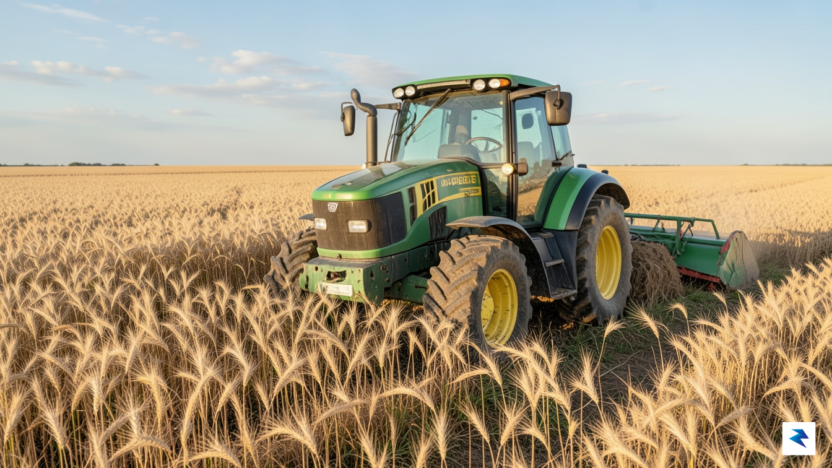

For generations, the American farm was defined by a culture of self-sufficiency. If a tractor broke down in the middle of a harvest, the farmer—often equipped with little more than a set of wrenches and a healthy dose of ingenuity—could perform the necessary repairs to keep the machine running. This mechanical simplicity allowed for a symbiotic relationship between owner and equipment, where the longevity of the machinery was limited only by the farmer’s ability to maintain it. However, as the agricultural industry pivoted toward precision farming, the shift from purely mechanical parts to complex, sensor-laden software systems fundamentally altered this dynamic. Suddenly, farmers found themselves locked out of their own machinery, not by a lack of mechanical skill, but by proprietary software locks that required specialized, authorized-dealer-only diagnostic tools to unlock even the most basic functions.
This technological paradox created a profound sense of disenfranchisement within the agricultural community. Farmers, who had invested hundreds of thousands of dollars into massive combines and tractors, were treated as mere lessees of their own property. When a sensor failed or a software glitch stalled production, they were forced to wait days for a certified technician to arrive, often incurring exorbitant costs and losing precious time during critical harvest windows. This frustration served as the catalyst for a burgeoning grassroots movement that rapidly moved beyond the barn door. Local activists and small-scale farmers began connecting through digital forums and rural advocacy groups, transforming a series of isolated grievances into a unified, national demand for the fundamental right to repair the equipment they purchased.

The movement gained significant institutional weight as major organizations, most notably the American Farm Bureau Federation, began to recognize that the issue was not merely about fixing a broken fan belt, but about the preservation of property rights in the digital age. By framing the conflict as a battle against corporate overreach and the erosion of ownership, these advocates successfully shifted the narrative from a niche tech complaint to a cornerstone policy priority. This transition forced a long-overdue national conversation about where the boundary lies between a manufacturer’s intellectual property and a consumer’s right to maintain their assets.
The core of the right-to-repair movement is the assertion that ownership is not a conditional status; if you buy the machine, you must have the legal and technical freedom to keep it operational without being tethered to the manufacturer’s service monopoly.
Ultimately, the escalating pressure from these grassroots coalitions made it impossible for agricultural giants to ignore the growing legislative tide. As state-level bills began to gain traction, the industry was faced with the reality that the era of “closed-system” maintenance was reaching its expiration date. The shift from mechanical transparency to proprietary software control had ironically birthed a movement that sought to reclaim the very autonomy that defined the history of American farming, proving that when the tools of the trade are threatened, the collective voice of the agricultural community remains a formidable force for change.

The core of this landmark agreement hinges on a formal Memorandum of Understanding (MOU) that fundamentally dismantles the barriers John Deere previously erected between farmers and their own machinery. For years, owners were forced to rely exclusively on authorized dealerships for even the most basic repairs, often facing exorbitant service fees and significant downtime during critical harvest seasons. Under the new terms, John Deere is now explicitly required to provide equipment owners and independent repair shops with the same diagnostic tools, software manuals, and parts access that were once strictly reserved for corporate-sanctioned technicians. This shift ensures that if a tractor experiences a sensor failure or a software glitch, a farmer no longer has to wait days for a specialized service truck to arrive; instead, they can utilize the official diagnostic equipment to identify and resolve the issue themselves or hire a local mechanic of their choosing.
To understand what “fair access” means in practice, one must look at the specific provisions regarding data transparency and procurement. The settlement mandates that John Deere make its proprietary software tools and diagnostic codes available for purchase by the general public. Furthermore, the company is prohibited from imposing arbitrary restrictions that would prevent the installation of non-OEM parts or the use of aftermarket diagnostic equipment. This effectively ends the “digital lockout” that had rendered many modern machines unusable without a proprietary “handshake” from a dealership’s internal server. By leveling the playing field, the FTC has ensured that the right to repair is not merely a theoretical concept, but a functional reality that empowers owners to maintain their capital investments on their own terms.
The FTC’s involvement transforms the right-to-repair from a grassroots protest into a regulated industry standard, setting a clear precedent that manufacturers cannot use software as a gatekeeper to monopolize the aftermarket.
Beyond the immediate relief for farmers, this settlement serves as a robust template for future antitrust enforcement across the entire manufacturing sector. The FTC’s role here is not just reactive; it is setting a baseline expectation for how hardware-software integrated products should be serviced in a competitive market. By demonstrating that regulatory bodies are willing to intervene when corporations use restrictive repair policies to stifle competition, the commission has paved the way for similar advocacy in the automotive, consumer electronics, and medical device industries. As other companies observe the scrutiny applied to John Deere, the industry at large is being signaled that the era of artificial repair monopolies is coming to a close, replaced by a new standard where ownership truly includes the right to maintain what you have purchased.
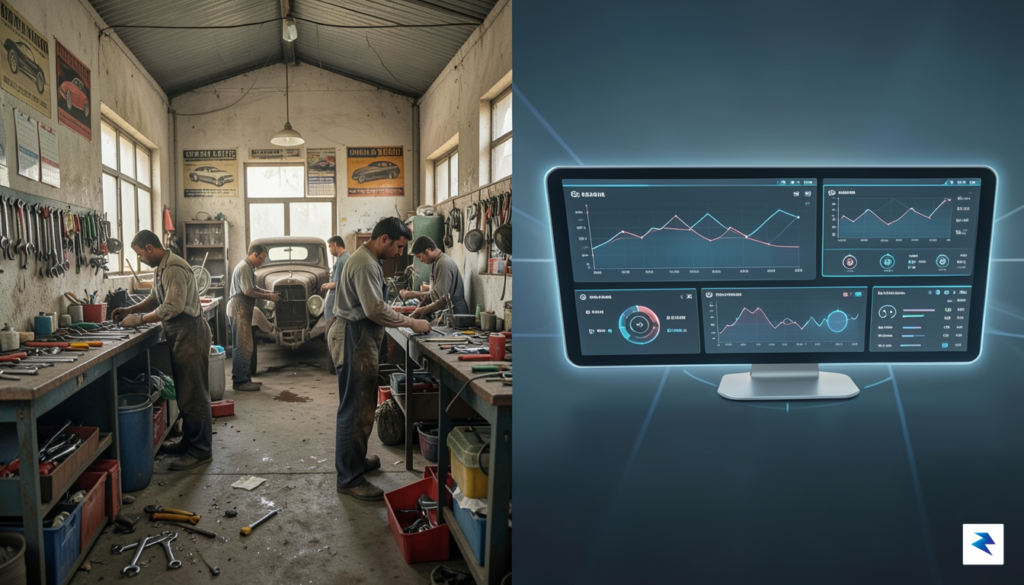
For modern agricultural operations, time is quite literally the most valuable commodity on the ledger. During the narrow, high-stakes windows of planting and harvest, a single combine harvester or tractor sitting idle due to a software glitch can cost a farmer thousands of dollars every hour. Under the previous “dealer-only” repair model, farmers were effectively held hostage by logistical constraints; they had to wait for authorized technicians who might be managing dozens of other calls across the county. This forced dependency transformed routine maintenance into a protracted standoff with the clock, where crop spoilage and missed weather windows often resulted in catastrophic financial losses that far outweighed the cost of the repair itself.
By empowering farmers to conduct their own diagnostics and repairs, or to hire independent mechanics of their choosing, the recent settlement fundamentally shifts the power dynamic in the agricultural market. Access to onboard diagnostic tools means that a software sensor error—which previously required an expensive service truck dispatch—can now be addressed in minutes rather than days. This autonomy is not merely a matter of convenience; it is a critical economic lever that stabilizes the farm’s bottom line. When farmers can manage their own maintenance schedules, they regain control over their operational overhead, turning unpredictable emergency repair costs into manageable, routine expenses that support long-term profitability.
Furthermore, this shift is expected to have a profound impact on the long-term cost of ownership and the secondary market for agricultural equipment. Historically, the inability to easily repair or modify machines served as a hidden tax on equipment ownership, effectively shortening the useful lifespan of expensive machinery because repairs became cost-prohibitive once the dealer warranty expired. With the newfound freedom to access manuals and software tools, older equipment will retain more utility and value, as it will no longer be considered “obsolete” simply because the manufacturer has restricted access to the digital keys needed for maintenance. This increases the resale value of equipment, allowing farmers to recoup more of their initial investment when upgrading their fleet.
The democratization of repair access serves as an essential guardrail against the rising costs of industrial farming, ensuring that the technology meant to increase yields doesn’t inadvertently drive independent growers out of business.
Ultimately, the ability to repair one’s own tools is a cornerstone of sustainable agriculture. By reducing the reliance on a monopolistic service infrastructure, farmers can better weather the volatility of global commodity prices. When the cost of keeping a machine in the field is no longer inflated by artificial barriers to entry, the entire agricultural sector becomes more resilient, more competitive, and better equipped to handle the unpredictable challenges of the growing season.

The recent settlement between the Federal Trade Commission (FTC) and John Deere, while centered on agricultural machinery, sends a resounding signal far beyond the fields and farms. This landmark agreement is not an isolated incident but rather a crucial bellwether for the entire tech industry, indicating a growing regulatory and public demand for genuine ownership over purchased goods. As software increasingly becomes an indispensable component of physical hardware across all sectors, the precedent set here provides a clear roadmap for legislators and consumer advocates pushing for greater repairability and transparency in an ever-more interconnected world.
Indeed, the challenges faced by farmers trying to repair their John Deere tractors mirror those encountered by everyday consumers with their smartphones, home appliances, and even smart vehicles. Just as John Deere employed proprietary software, specialized diagnostic tools, and exclusive parts networks to control repairs, companies like Apple, Samsung, and various appliance manufacturers have built similar “walled gardens.” These ecosystems often limit access to essential repair information, original parts, and the necessary tools for independent technicians or even the product owners themselves. This practice not only inflates repair costs but also contributes significantly to electronic waste by forcing consumers to replace items that could otherwise be fixed.
This success in the agricultural sector provides substantial emboldenment for legislative efforts nationwide aimed at broadening consumer repair rights. States across the U.S. have been actively introducing and passing Right-to-Repair bills, and the FTC’s intervention in the John Deere case adds significant weight to their cause. It demonstrates a clear stance from a federal regulatory body that restricting repair can constitute an unfair business practice, potentially violating consumer protection laws. This legal victory can serve as a powerful argument for advocates, showcasing that these issues are not niche concerns but fundamental consumer rights that deserve robust legal protection across all product categories.
Consequently, the John Deere settlement could catalyze significant industry-wide shifts in product design and business models within the broader consumer electronics landscape. Manufacturers might proactively begin to embrace more modular designs, making components easier to access and replace without specialized equipment. We could see a greater willingness to provide comprehensive repair manuals, diagnostic software access, and genuine spare parts to independent repair shops and consumers. This move towards greater repairability would not only foster a more competitive repair market but also align with growing environmental sustainability goals, extending the lifespan of devices and reducing the mountains of e-waste currently generated.
Ultimately, the implications of this settlement extend to the very definition of product ownership in the digital age. It champions the idea that when consumers purchase a product, they should have the fundamental right to repair it, modify it, and maintain it without undue restrictions from the manufacturer. This pivotal moment has the potential to reshape how companies approach product development and post-sale support, ensuring that the convenience of modern technology doesn’t come at the cost of consumer autonomy or environmental responsibility. It’s a win that reverberates through every household that owns a smartphone, a smart appliance, or any device increasingly reliant on embedded software.

While the settlement represents a monumental shift in the power dynamic between manufacturers and equipment owners, it would be a mistake to view this as the final chapter in the struggle for digital sovereignty. The transition to software-defined machinery has created a new frontier where the definition of “repair” is constantly being contested. Manufacturers are already exploring potential grey areas, such as limiting access to proprietary diagnostic tools or creating “subscription-based” features that remain locked behind digital firewalls even after the hardware itself has been fixed. Because modern tractors are essentially rolling supercomputers, the line between mechanical maintenance and software modification is becoming increasingly blurred, providing companies with ample room to argue that certain systems must remain off-limits to protect the integrity of the machine.
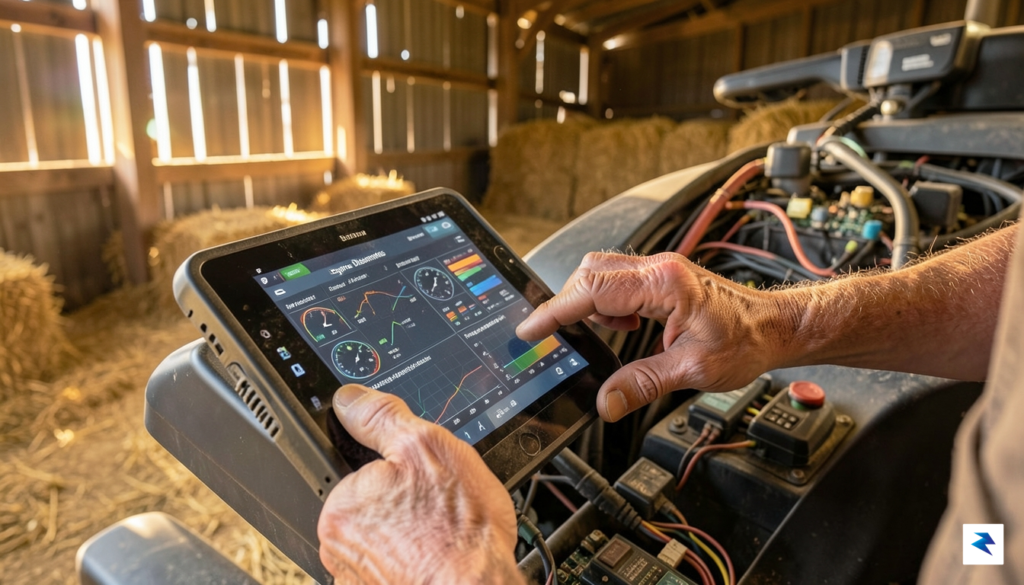
Furthermore, the tension between cybersecurity and repairability remains a significant hurdle that corporations are eager to exploit. Manufacturers frequently cite the risk of unauthorized software alterations—or the potential for cyberattacks on critical infrastructure—as justification for restricting third-party access to internal systems. While the need for safety protocols is undeniable, there is a persistent concern that these arguments are being used as a shield to maintain monopolistic control over the aftermarket repair industry. If companies are allowed to define “security” in a way that necessitates proprietary software locks, they can effectively bypass the spirit of the settlement by claiming that opening these systems would endanger the machine or the owner’s data privacy.
The true test of this settlement will not be found in the legal filings, but in the day-to-day experience of farmers who need their machines running during the critical harvest window without waiting for a manufacturer-certified technician.
Moving forward, the farming community must remain hyper-vigilant to ensure that these corporate workarounds do not become the new status quo. The burden of proof has shifted; farmers now have a stronger legal foundation to demand the tools and software keys required to service their own equipment, but they must be prepared to hold manufacturers accountable when compliance falls short. Advocacy groups and individual operators will need to monitor how these policies are implemented on the ground, specifically watching for any attempts to throttle repair capabilities through restrictive end-user license agreements. True ownership in the digital age requires more than just the right to turn a wrench; it requires the right to understand, modify, and fully control the code that governs our most essential tools. The battle is no longer just about the iron in the field, but about the digital architecture that keeps that iron moving.
You must be logged in to post a comment.