
Why Shipping Disruptions Are Driving Crude Oil Prices Higher
The Fragile Pulse of Global Energy Markets The sudden upward trajectory of crude oil prices in recent days serves as a stark reminder of the…
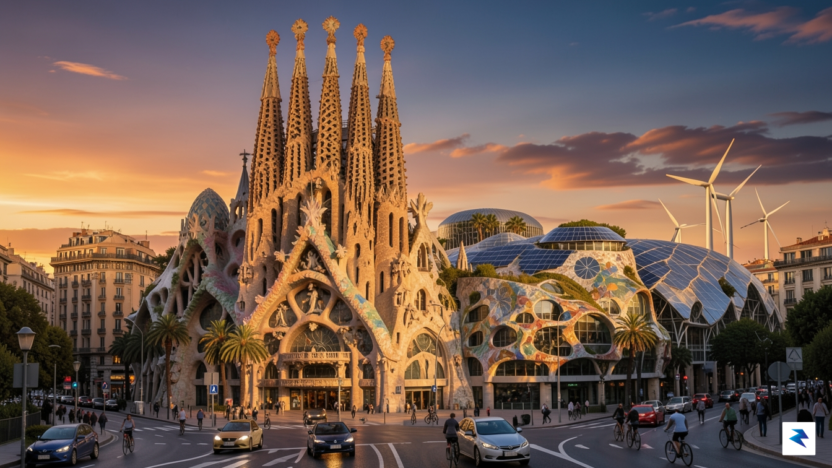
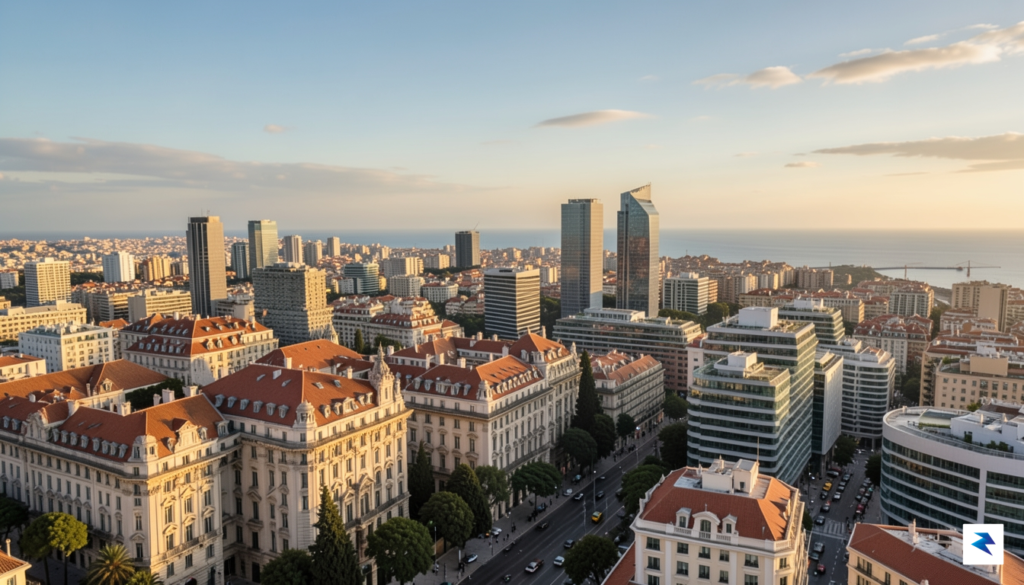
For decades, Barcelona has been celebrated as the ultimate global success story in urban tourism, evolving from a post-Olympic revitalization project into one of the most visited destinations on the planet. This meteoric rise brought immense economic vitality, transforming neighborhoods and cementing the city’s status as a cultural powerhouse. However, that relentless pursuit of volume eventually morphed into a double-edged sword, where the sheer density of visitors began to erode the very quality of life that made the city desirable in the first place. As iconic streets became impassable and local services struggled to accommodate the influx, it became clear that the city had reached a critical, unsustainable breaking point.
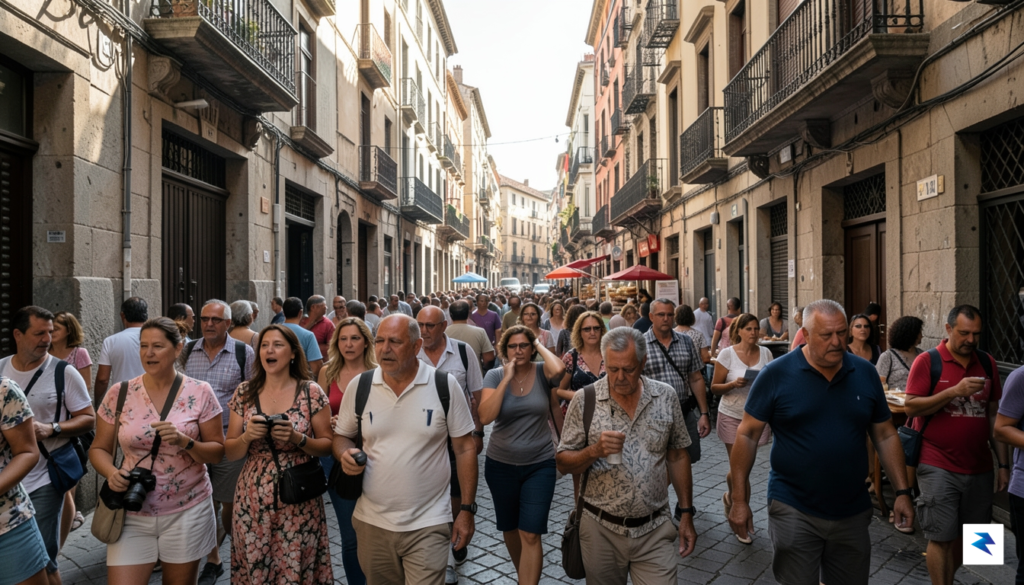
The traditional “more is better” philosophy, which once prioritized record-breaking arrival numbers as the ultimate metric of success, is now widely viewed as an obsolete relic of 20th-century urban planning. Municipal leaders have come to realize that infinite growth is incompatible with the finite space and resources of an ancient Mediterranean city. Consequently, the appointment of José Antonio Donaire as the city’s new strategic lead represents more than just a change in personnel; it signals a fundamental paradigm shift in how Barcelona intends to interact with the global travel industry. Under this new leadership, the objective is no longer to lure as many visitors as possible, but rather to curate an environment where the resident experience is preserved and protected.
“The era of blind expansion is over; we are moving toward a model where tourism must serve the city, rather than the city serving tourism.”
This transition marks a departure from short-term fiscal gains toward a long-term vision of sustainability and social equilibrium. The new policy framework emphasizes the importance of resident well-being, acknowledging that a city stripped of its local character and livability is eventually a city that tourists will stop wanting to visit anyway. By shifting the focus from quantity to value, Barcelona is pioneering a bold, necessary experiment in urban management. It is a recognition that the true value of a global destination lies not in the number of boarding passes sold, but in the harmony maintained between those who call the city home and those who are merely passing through.

At the heart of Barcelona’s current urban transformation lies a bold, uncompromising philosophy: “Not one tourist more.” This mantra, championed by José Antonio Donaire, the city’s newly appointed commissioner for sustainable tourism, represents a seismic shift in how a major global destination perceives its own limits. Rather than acting as a plea for isolationism or a total closure of the city’s borders, this directive functions as a strategic pivot toward ecological and social sustainability. Donaire, an academic and expert in tourism management, brings a pragmatic, evidence-based background to the role, viewing the city not as an infinite resource for exploitation, but as a living organism that has reached its saturation point after decades of relentless growth.
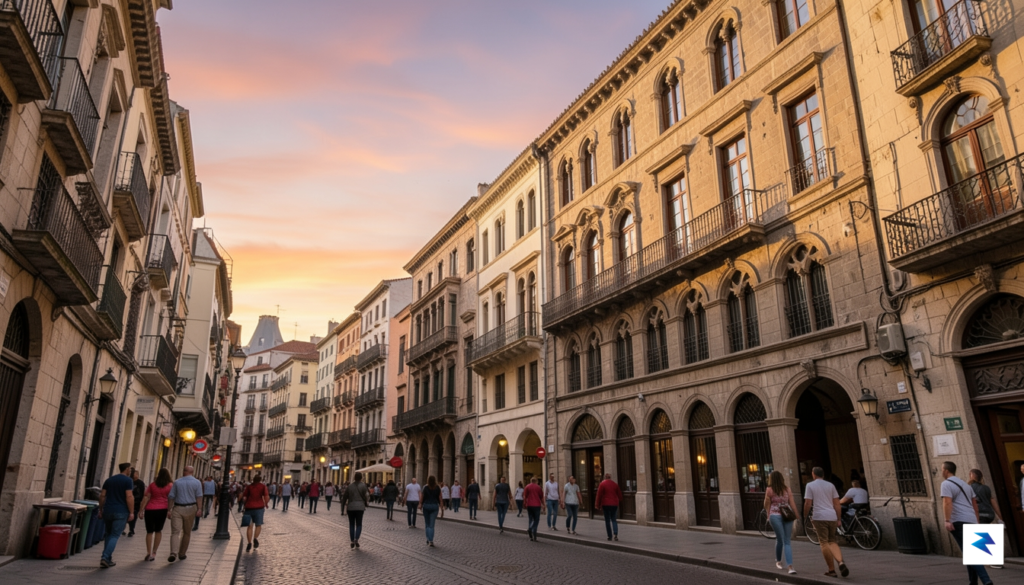
Donaire’s approach is rooted in the conviction that the previous era of aggressive expansion—which saw the city draw upwards of 16 million visitors annually—has fundamentally compromised the quality of life for its permanent residents. By shifting the focus from the sheer volume of arrivals to the curation of value, his administration aims to dismantle the incentive structures that favor mass-market, short-term tourism. Instead, he advocates for a management model that prioritizes the economic and cultural impact of every visitor over the cumulative headcounts that have long dominated the tourism board’s performance metrics. This is not about banning travel; it is about creating a symbiotic environment where the city’s infrastructure and its citizens are no longer secondary to the needs of the transient population.
The goal is not to stop the flow of global exchange, but to ensure that the city remains a home for its residents rather than becoming a hollowed-out stage for the global tourist economy.
Managing such a transition requires a delicate balance of policy innovation and public persuasion. Donaire is actively working to implement measures that discourage the overcrowding of historical centers, such as regulating cruise ship docking times and limiting the density of short-term rental permits. By professionalizing the management of visitor flows, he hopes to redistribute the economic benefits of tourism more equitably across neighborhoods that have historically been excluded from the wealth generated by the industry. Ultimately, this mandate is an acknowledgment that the “more is better” philosophy is an obsolete relic of 20th-century urban planning. Barcelona is now signaling to the world that true success in the modern travel landscape is measured not by how many people you can attract, but by how well you can protect the integrity of the destination for those who live there all year round.
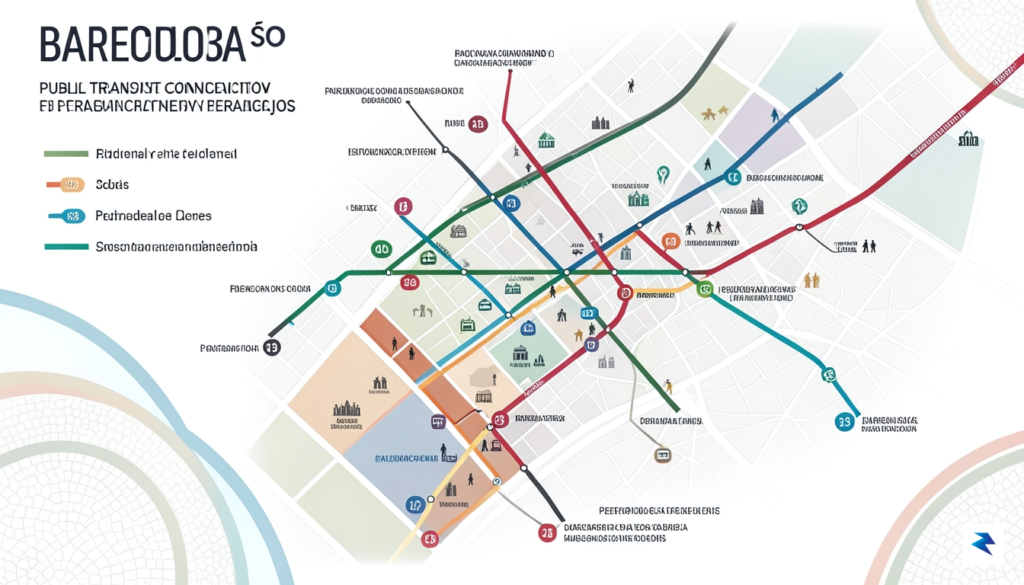
Barcelona’s status as a global tourism magnet, drawing an astonishing 16 million visitors annually, necessitates far more than mere discussions about sustainability; it demands aggressive, policy-driven urban planning. The city is actively pivoting towards structural changes designed to mitigate the physical footprint of tourism on its vibrant local neighborhoods. This proactive approach acknowledges that continued unchecked growth isn’t viable and that the well-being of residents must take precedence, steering the city’s future away from the pitfalls of overtourism. These aren’t abstract ideals, but concrete mechanisms aimed at transforming how visitors interact with the urban fabric.
A primary focus of this strategic overhaul involves significantly limiting the deluge of cruise ship passengers. Barcelona’s port has historically served as a major entry point for millions of day-trippers who often contribute minimally to the local economy beyond a few hours of concentrated activity, yet place immense strain on central infrastructure. To address this, the city is implementing new port regulations, including measures to cap the number of cruise ships docking simultaneously and even relocating certain terminals further away from the city center. This move aims to reduce the immediate flood of thousands of visitors into the most historically dense areas, thereby alleviating congestion and allowing residents to reclaim their public spaces.
Another critical pillar of Barcelona’s new strategy is the stringent regulation of short-term rental platforms. The proliferation of apartments converted into tourist accommodation has severely impacted housing availability and affordability for local residents, fundamentally altering the character of many neighborhoods. The city council is cracking down with stricter licensing requirements for tourist apartments, aggressively enforcing against illegal listings, and holding platforms themselves accountable for the properties advertised on their sites. This concerted effort seeks to restore residential balance, ensuring that housing remains primarily for those who live and work in Barcelona, rather than being solely driven by transient visitor demand.
Beyond controlling entry points and accommodation, Barcelona is also actively working to redistribute visitor flow away from its perpetually overcrowded hubs. Iconic areas like La Rambla, Sagrada Familia, and the Gothic Quarter, while undeniably beautiful, bear the brunt of concentrated tourist activity, often making them impassable and detracting from the local experience. Policies include promoting lesser-known neighborhoods, cultural sites, and green spaces through targeted marketing campaigns and improved public transport links to these alternative destinations. The goal is to encourage exploration beyond the “must-see” checklist, spreading the economic benefits of tourism more evenly across the city while simultaneously easing pressure on its most vulnerable historic centers.
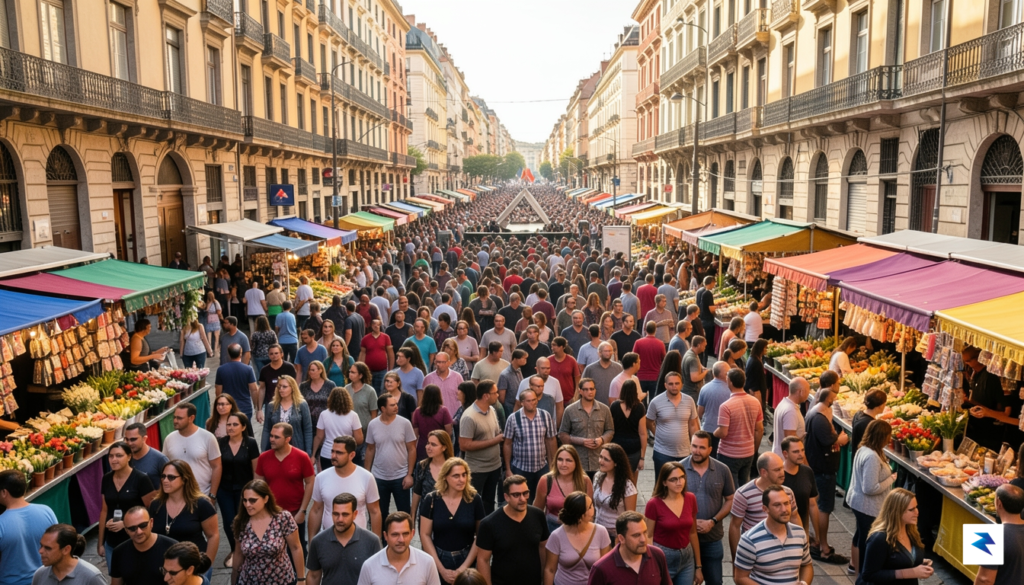
Implementing such sweeping changes in a city as ancient and architecturally rich as Barcelona presents considerable logistical challenges. The intricate network of narrow, medieval streets, protected historic buildings, and existing urban infrastructure means that solutions cannot be simply “built” from scratch. Instead, they require careful negotiation, innovative urban design, and often, a re-purposing of existing resources. Balancing the preservation of heritage with the urgent need for modern solutions to overtourism demands constant dialogue between city planners, residents, and the tourism sector, navigating potential resistance and fostering broad community support for these transformative policies.
Ultimately, these practical, policy-driven mechanisms underscore Barcelona’s resolute commitment to decoupling economic growth from an ever-increasing number of visitors. The city is demonstrating that sustainable tourism isn’t just about environmental protection, but about fostering a truly livable urban environment where residents thrive alongside a managed, respectful visitor economy. By focusing on structural changes that limit physical impact,
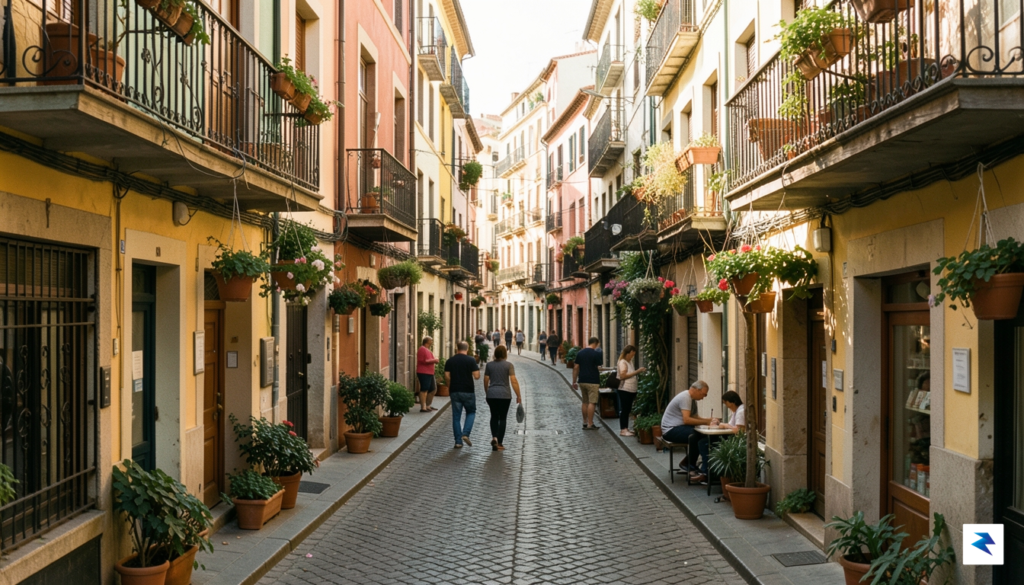
For decades, Catalonia—and Barcelona in particular—celebrated the influx of international visitors as an unmitigated economic triumph. However, the sheer volume of global travel has reached a saturation point where the perceived benefits are being aggressively clawed back by the mounting social costs. What was once a vibrant exchange of culture has shifted toward a lopsided dynamic, where the daily rhythms of local life are increasingly subordinate to the needs of transient guests. This friction is most visible in the rapid gentrification of historic neighborhoods, where the character of a street is no longer defined by the long-term neighbors who anchor it, but by the revolving door of short-term rentals and souvenir shops that cater exclusively to outsiders.
The housing crisis serves as the most painful manifestation of this tension, creating a feedback loop that threatens the very soul of the city. As property owners prioritize the lucrative, high-turnover nature of vacation rentals over stable, long-term leases, the local workforce is effectively priced out of their own neighborhoods. When teachers, nurses, and service workers are forced to the urban periphery, the social fabric begins to fray. The resulting landscape is not just an aesthetic change; it is a fundamental erosion of identity that turns residential hubs into hollowed-out stage sets designed for consumption rather than community.
True economic sustainability cannot be measured solely by the number of arrivals or the total revenue generated; it must be judged by the quality of life afforded to those who call the city home.
True economic sustainability requires a radical pivot away from the growth-at-all-costs model that has dominated tourism strategy for the last twenty years. If a city’s primary economic engine actively diminishes the comfort and stability of its citizens, it cannot be considered successful in any meaningful sense. To preserve Barcelona as a livable home, policymakers are finding that they must prioritize the needs of the resident over the demands of the visitor. This involves not only regulating the density of tourist accommodations but also re-investing in local institutions that foster authentic social connections. By shifting the focus from quantity to sustainability, the city hopes to transition toward a model where tourism serves the community, rather than the other way around.
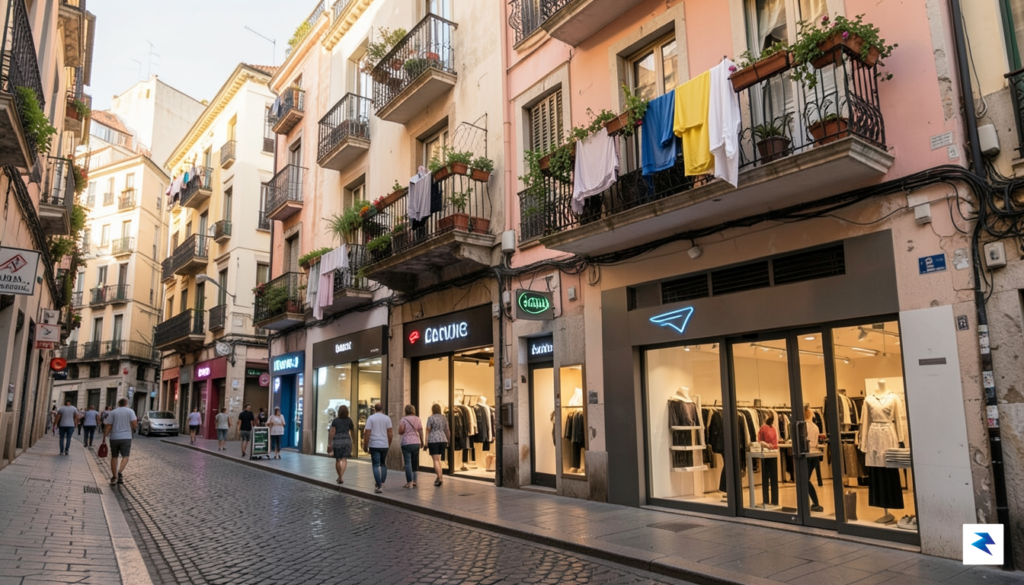
Ultimately, the challenge for Barcelona is to reconcile its status as a global travel hub with its fundamental duty to protect its local heritage. This is a delicate balancing act that requires addressing the systemic displacement of residents while maintaining the economic vitality that comes with being an international destination. Achieving this harmony will require more than just restrictive policies; it demands a fundamental shift in how the world perceives the “right to the city.” When the comfort of the resident is held in higher regard than the convenience of the tourist, the entire ecosystem stands a better chance of enduring for generations to come.
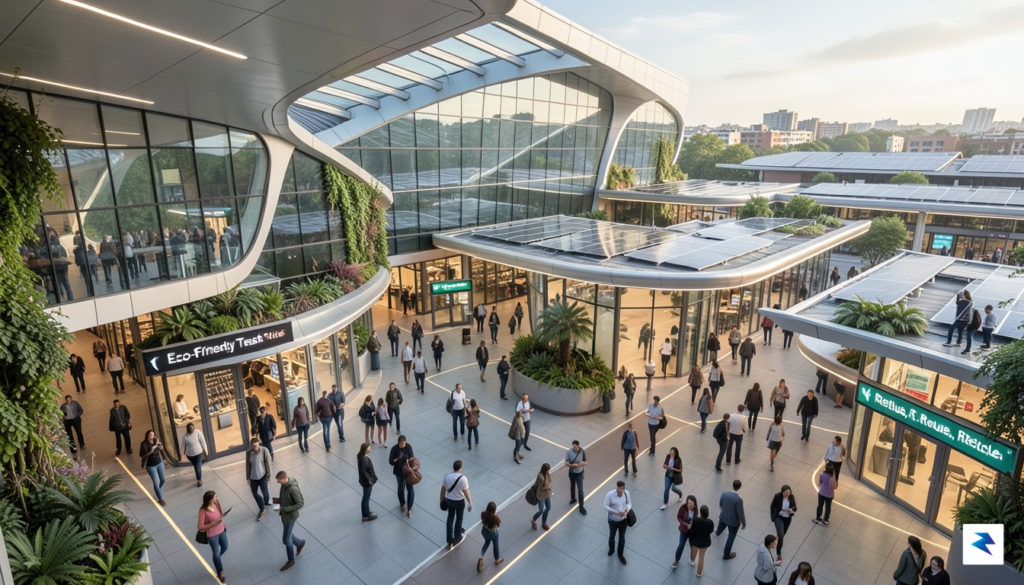
The aggressive stance taken by Barcelona serves as a bellwether for a global tourism crisis that is rapidly reaching a boiling point. For years, the prevailing model of urban development prioritized volume over value, treating historic city centers as commodities to be consumed by an endless stream of visitors. However, as the infrastructure of cities like Venice, Amsterdam, and Kyoto buckles under the weight of “over-tourism,” the lessons from Catalonia offer a sobering alternative. These cities are no longer just competing for a larger share of the global travel market; they are beginning to realize that the survival of their local identity depends on setting firm, non-negotiable boundaries on visitor density.
Adopting a “less is more” philosophy requires a fundamental shift in how municipal leaders measure economic success. Instead of focusing solely on the total number of arrivals or the sheer volume of hotel bed nights, cities must pivot toward metrics that quantify the quality of life for residents. This means implementing smarter growth strategies, such as capping short-term rental permits, imposing daily visitor levies, or geographically dispersing foot traffic to alleviate the strain on congested landmarks. When a city stops viewing its streets as a theme park for outsiders, it regains the agency to protect its unique cultural fabric, ensuring that the very atmosphere that draws travelers in the first place is not irrevocably eroded by their presence.
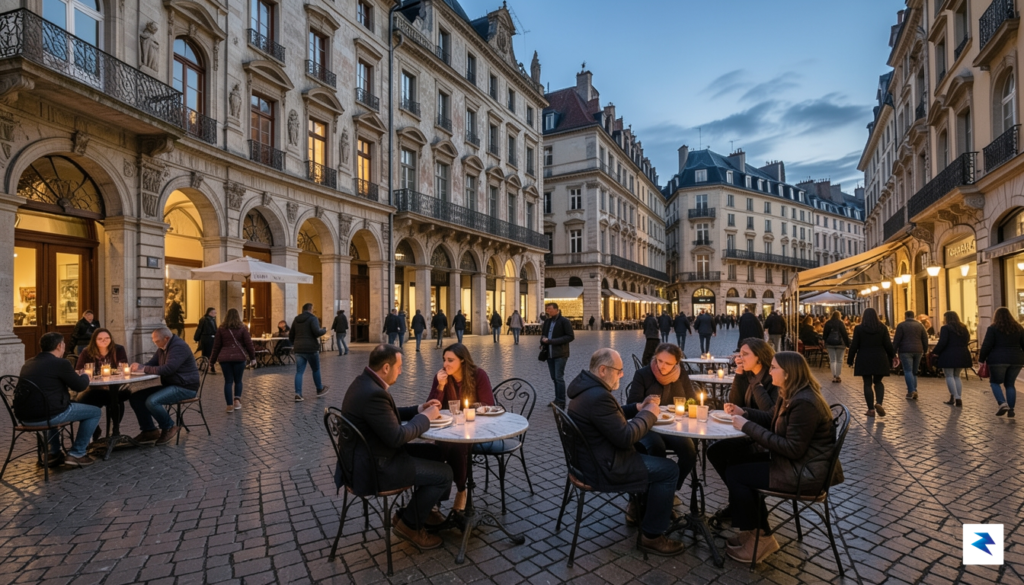
The true test of a global city in the 21st century is not how many people it can accommodate, but whether it can remain a home to its citizens while still offering a meaningful window to the world.
Ultimately, the transition toward sustainable urban resilience is a long-term commitment that requires both political courage and public cooperation. Other global hubs must look at Barcelona’s experiment as a blueprint for reclamation rather than a temporary policy measure. By prioritizing the needs of local communities—affordable housing, accessible public spaces, and the preservation of traditional commerce—cities can create a more authentic, sustainable experience for the thoughtful traveler. The goal is to move past the era of unchecked growth and toward a future where urban tourism exists in harmony with urban life. Only through this disciplined approach can major cities remain vibrant, living entities that offer genuine enrichment rather than merely existing as hollowed-out backdrops for global travel.
You must be logged in to post a comment.