
How El Niño Reshapes the Pacific: Winners and Losers in Global Fisheries
Understanding the El Niño Mechanism and Marine Temperature Shifts At its core, El Niño is not merely a seasonal weather pattern, but a…

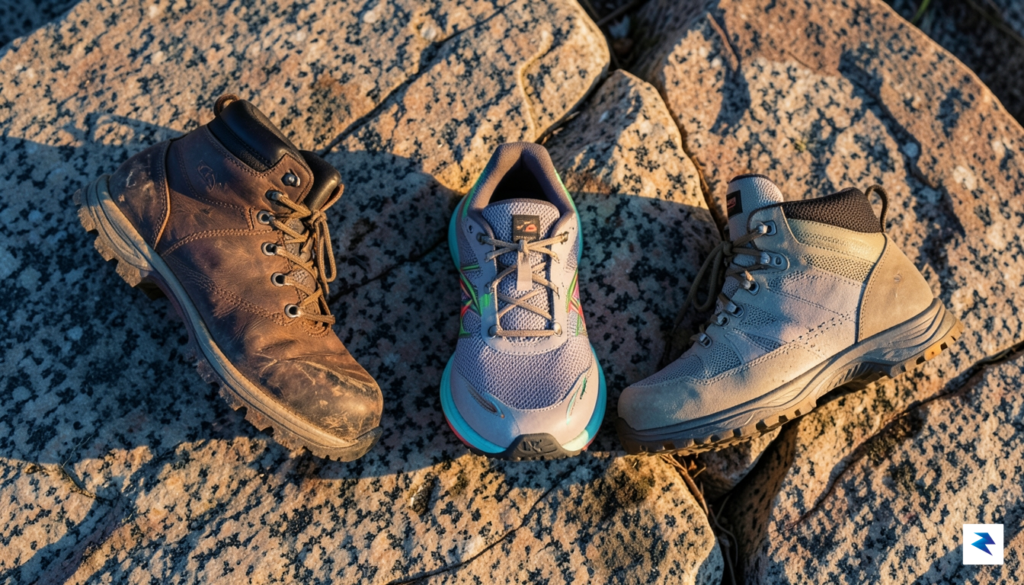
Choosing the right footwear for your adventures begins with an honest and thorough assessment of where your feet will actually take you. The intricate relationship between the trail beneath you and the boots on your feet dictates not only your comfort but also your energy expenditure, overall performance, and crucially, your long-term foot health. Whether you’re planning to traverse technical alpine scree fields with a multi-day pack or maintain a brisk pace on groomed forest paths with just a water bottle, understanding this dynamic is the first step toward a successful and enjoyable hiking experience.
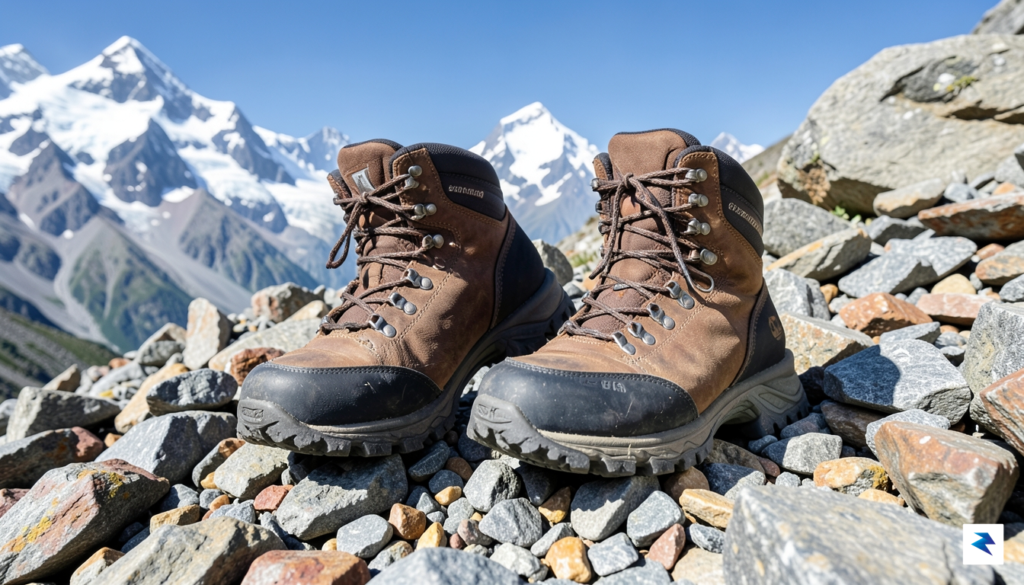
The spectrum of hiking footwear is broad, designed to cater to every conceivable trail condition and personal preference. On one end, you have heavy-duty backpacking boots, robust guardians built for maximum support and durability. These formidable options feature stiff soles, high ankle collars, and rugged uppers, engineered to withstand the rigors of multi-day treks, heavy loads, and unforgiving, off-trail terrain. Their rigidity provides critical protection from sharp rocks and roots, superior stability on uneven ground, and often accommodates crampons for snowy or icy conditions, making them indispensable for challenging expeditions.
Conversely, at the lighter end of the spectrum are agile trail shoes and low-cut hiking shoes, which prioritize flexibility, breathability, and reduced weight. These lighter options are perfect for well-maintained trails, day hikes with minimal packs, or fast-paced adventures where agility is paramount. They offer greater ground feel, allowing for quicker foot placement and reducing the overall energy required for each step. However, this increased flexibility comes at the cost of less ankle support and underfoot protection, making them less suitable for rocky, root-laden, or off-trail environments where stability and protection are critical.
Mid-weight hiking boots occupy the versatile middle ground, striking a balance between the unyielding support of backpacking boots and the nimble freedom of trail shoes. These boots typically feature a moderate level of stiffness, providing ample support for day hikes and weekend trips with moderate pack weights, while still offering enough flexibility for comfortable walking on varied terrain. They are often an excellent choice for hikers who encounter a mix of trail conditions, from packed dirt paths to moderately rocky sections, and need a reliable, all-around performer without the bulk of a heavy-duty option.
Understanding the concept of ‘over-booting’ is also vital for optimizing your hiking experience. This refers to the common mistake of wearing overly heavy, stiff, or supportive boots for trails that simply don’t demand them. While the intention might be to maximize protection, over-booting can actually hinder performance and increase discomfort. Wearing heavy boots on easy, flat trails forces your feet and legs to work harder than necessary, leading to premature fatigue, increased energy expenditure, and a higher risk of blisters due to excessive friction and lack of natural foot movement. It can feel like dragging weights, making an otherwise pleasant walk feel like a strenuous slog. Therefore, matching the right boot to the right trail ensures you’re equipped for the challenge without carrying unnecessary burden.
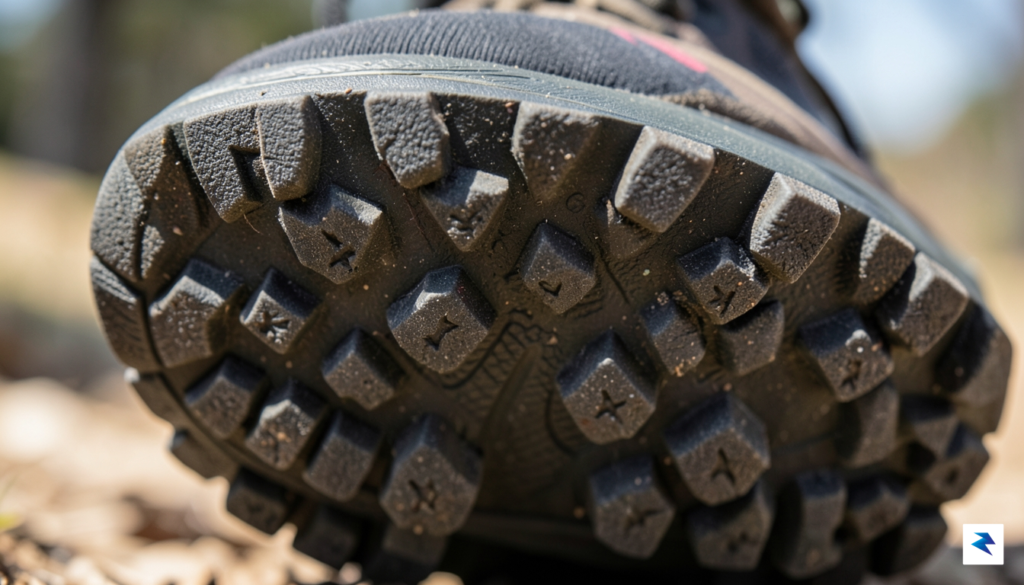
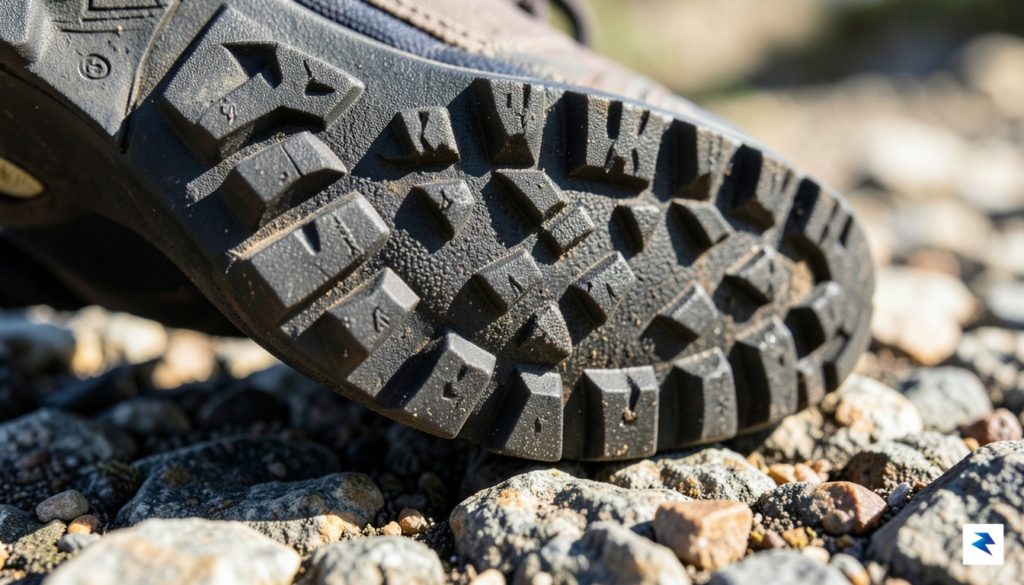
Modern hiking boots are sophisticated marvels of engineering, meticulously designed to balance the brutal demands of the wilderness with the need for long-distance comfort. When you are standing on a steep, loose scree slope or navigating wet granite, the physical construction of your boot becomes your most important piece of safety equipment. The foundation begins with the outsole, where industry-standard compounds like Vibram or advanced proprietary rubber blends provide the necessary friction. These outsoles are engineered with multidirectional lugs that act like tires, biting into mud and gripping slick rock to ensure stability across unpredictable terrain.
Beyond the traction, the midsole serves as the engine of your stride, acting as the primary shock absorber between your feet and the hard earth. Manufacturers typically utilize two primary materials here: EVA (ethylene-vinyl acetate) and PU (polyurethane). EVA is favored for its lightweight, cushioned feel, making it an excellent choice for fast-packing and moderate day hikes where saving weight is a priority. Conversely, PU is significantly denser and more resilient, offering superior long-term compression resistance that makes it the gold standard for heavy-duty, multi-day backpacking trips. Choosing between them requires a careful assessment of your typical pack weight and the duration of your excursions, as the wrong midsole can lead to premature foot fatigue.
The longevity of your gear is almost always dictated by the upper material; while synthetic mesh offers unparalleled ventilation for summer treks, full-grain leather remains the undisputed champion for structural integrity and resistance to abrasive rock.
The upper assembly is where your personal preference for climate and durability truly comes into play. Many hikers prioritize a Gore-Tex membrane for its reliable waterproof-breathable performance, which keeps feet dry during creek crossings and sudden mountain storms. However, it is important to remember that these membranes can sometimes trap heat in arid environments. For those seeking maximum longevity, traditional leather uppers provide a moldable, rugged exterior that can endure years of abuse if properly maintained with wax or conditioner. Alternatively, synthetic textiles paired with TPU overlays offer a modern compromise, shedding weight while providing enough structural support to prevent the boot from collapsing under the stress of a heavy multi-day pack.
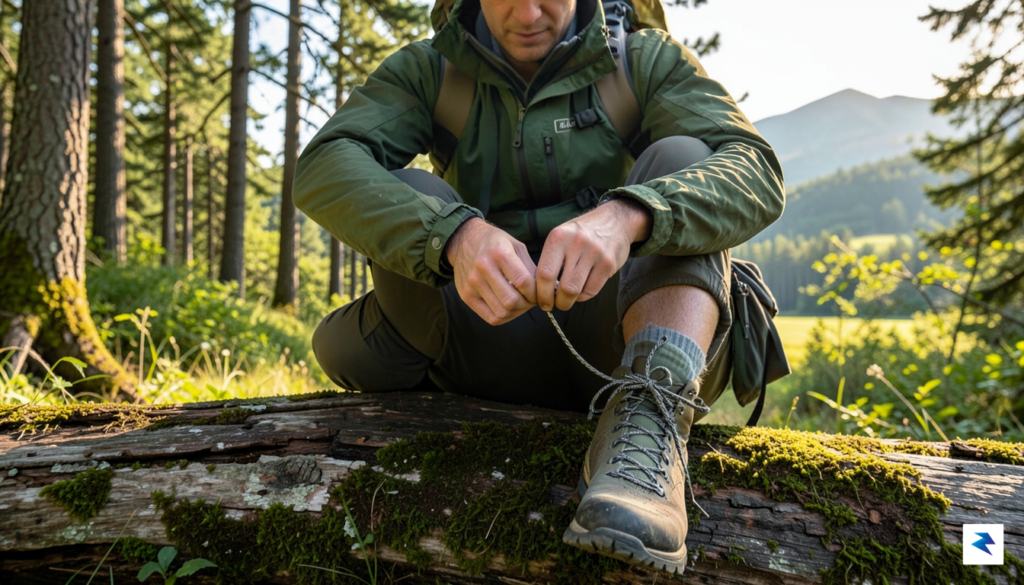
Even the most advanced, top-rated hiking boot on the market will inevitably fail if it does not harmonize with your specific foot anatomy. Many hikers make the mistake of purchasing boots in their standard street shoe size, only to discover that their toes hit the front of the boot during steep descents. Because feet naturally swell throughout the day under the weight of a heavy pack, it is essential to size up by at least a half or full size to accommodate this expansion. Furthermore, you must try on your boots while wearing the exact weight and thickness of the socks you intend to use on the trail; a thin liner sock paired with a cushioned merino wool hiking sock requires significantly more volume than a standard cotton sock, and failing to account for this will lead to cramped toes and restricted circulation.
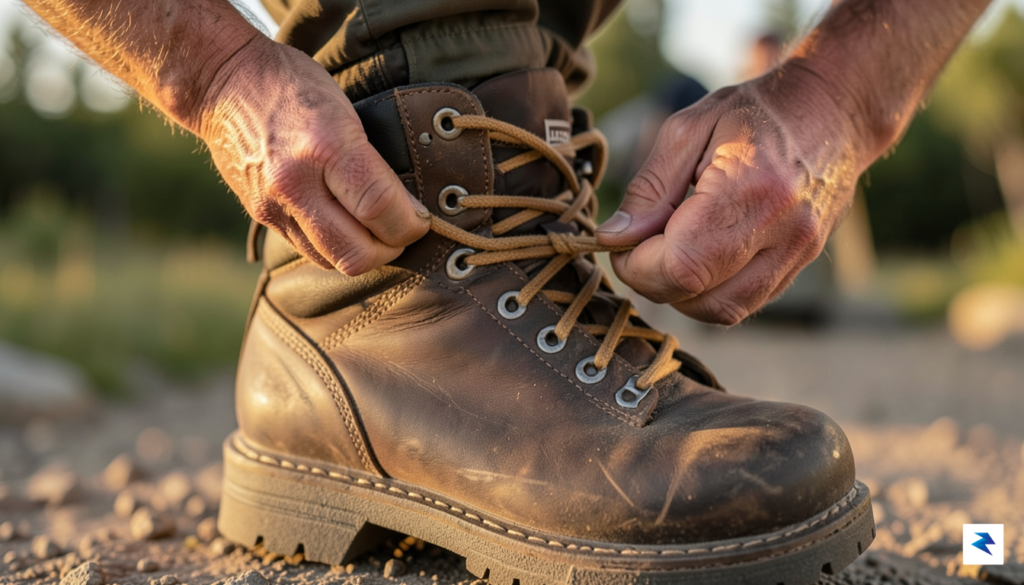
Once you have secured the correct size, mastering your lacing technique is the most effective way to prevent the friction that causes painful blisters and hot spots. If you find that your heel is slipping inside the boot, you are likely losing energy with every step and inviting skin irritation. To solve this, utilize the “heel lock” or “runner’s loop” lacing method: create a small loop with the lace on each side of the ankle, pass the opposite lace through that loop, and pull tight before tying your knot. This simple adjustment anchors your heel firmly into the back of the boot, preventing the repetitive rubbing that creates blisters before they even have a chance to form.
Beyond the exterior shell, the internal support system of your boot plays a critical role in your long-term comfort. The factory insoles provided by manufacturers are often basic, generic inserts designed to appeal to the widest possible demographic, rather than specific foot shapes. If you suffer from arch pain or find that your feet fatigue quickly on uneven terrain, consider upgrading to aftermarket insoles. A neutral insole provides standard cushioning for those with average arches, while a stability-focused insole features a rigid, contoured arch bridge that prevents pronation—the inward rolling of the foot—which is a primary cause of joint stress and muscle exhaustion on long-distance treks.
The secret to a transformative experience in nature is not found in the price tag of your gear, but in the precision of the fit; a boot that disappears on your foot allows you to focus on the horizon rather than your heels.
Ultimately, taking the time to customize your fit ensures that your focus remains on the wilderness around you rather than the discomfort beneath you. Whether it is adjusting the tension of your laces to accommodate a narrow heel or swapping out a flimsy insole for a supportive, molded insert, these small modifications act as your primary defense against common trail injuries. By prioritizing your foot mechanics during the selection and preparation process, you turn a potentially miserable trek into a seamless journey through the backcountry.
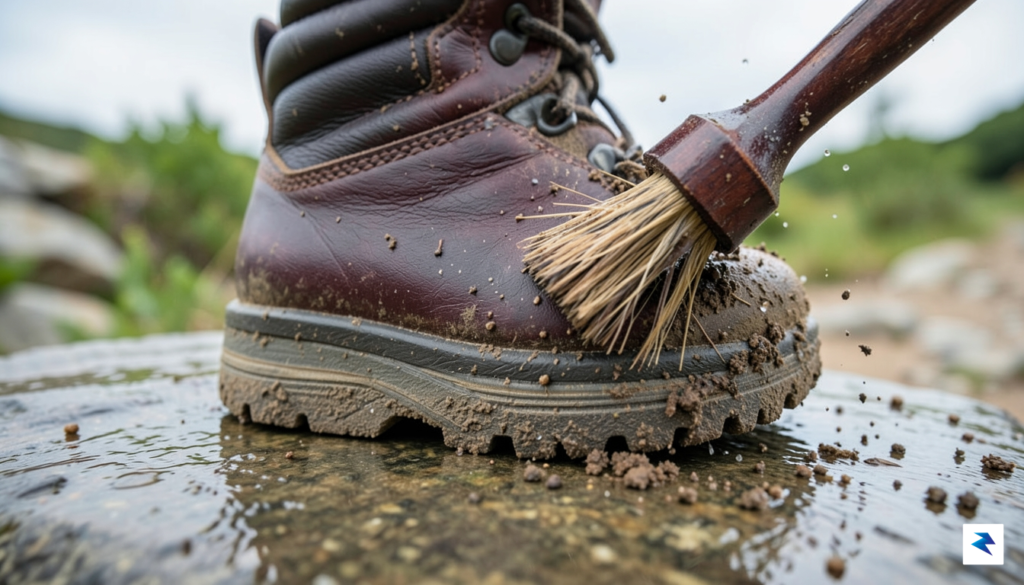
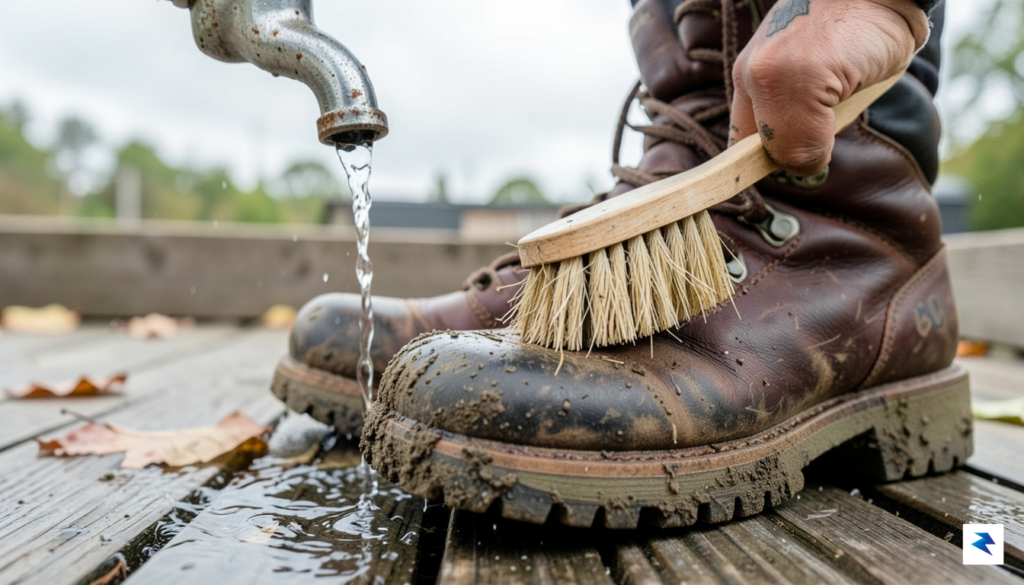
Investing in a high-quality pair of hiking boots is a commitment to your comfort and safety on the trail, but the true value of that purchase is realized only through consistent care. Mud, grit, and moisture are the natural enemies of technical footwear; if left to settle into the pores of leather or the mesh of synthetic fabrics, these elements act like sandpaper, slowly breaking down the integrity of your boots from the inside out. Establishing a post-hike ritual is essential to preventing premature degradation. Start by removing the insoles and shaking out any debris, then use a soft-bristled brush and lukewarm water to gently scrub away caked-on dirt. Avoid harsh detergents or soaps, as these can strip away the factory-applied Durable Water Repellent (DWR) coating that keeps your feet dry during creek crossings and sudden rain showers.
Once your boots are clean, the drying process is perhaps the most critical step for material longevity. Never be tempted to speed up the process by placing your boots near a roaring campfire, a space heater, or a radiator. Excessive heat can cause leather to crack, shrink, or warp, and it may even compromise the structural adhesives that hold the rubber outsoles to the midsole. Instead, stuff your boots with crumpled newspaper or a dedicated moisture-wicking insert and allow them to air dry in a well-ventilated, shaded area. Patience here pays dividends; letting the materials return to their natural state slowly ensures that the suppleness of the upper remains intact for thousands of miles of future exploration.
Even the most rugged boots will eventually lose their ability to shed water, which is why regular re-treatment is a non-negotiable part of ownership. If you notice that water beads up less effectively on the surface or that the exterior fabric begins to “wet out” and darken, it is time to apply a fresh layer of DWR spray or a leather-specific conditioning wax. These treatments not only maintain waterproof capabilities but also prevent the exterior materials from becoming brittle. By maintaining this protective barrier, you significantly reduce the risk of internal lining failure, keeping your feet comfortable even in the most demanding conditions.
Proper maintenance isn’t just about appearances; it is about preserving the technical performance of your gear so that your boots remain a reliable extension of your body on the trail.
Despite your best efforts, components like the outsole will eventually wear down. If you find that the tread pattern has become smooth or the midsole feels compressed and lacks shock absorption, you have two distinct paths forward. A professional cobbler can often perform a full resole, replacing the rubber bottom while keeping the upper intact—a sustainable and cost-effective way to extend the life of a boot that has already been perfectly broken in to your foot shape. However, if the upper fabric is torn, the internal waterproof membrane is shredded, or the structural integrity of the heel cup has collapsed, it is time to retire the pair. Recognizing these signs of fatigue early ensures that you aren’t left with a blister-inducing failure miles from the trailhead.
You must be logged in to post a comment.