
Inside the WP-SHELLSTORM Breach: 25,000 WordPress Sites Exposed
The Discovery of the WP-SHELLSTORM Server The recent unmasking of the WP-SHELLSTORM infrastructure marks a significant turning point in our…
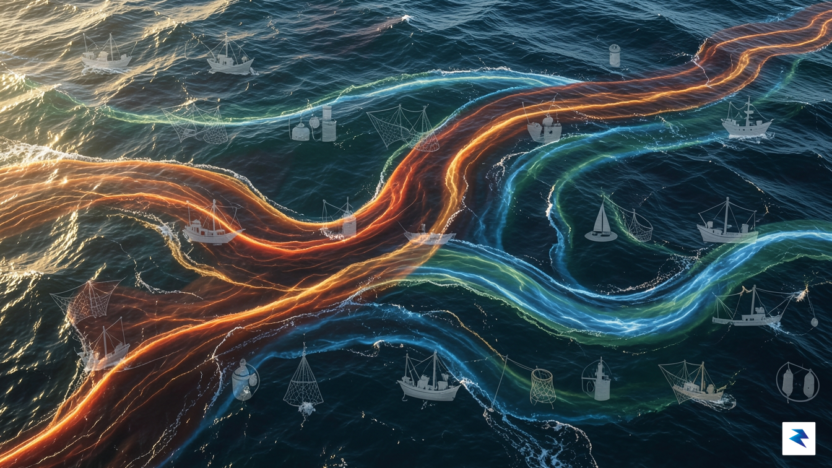
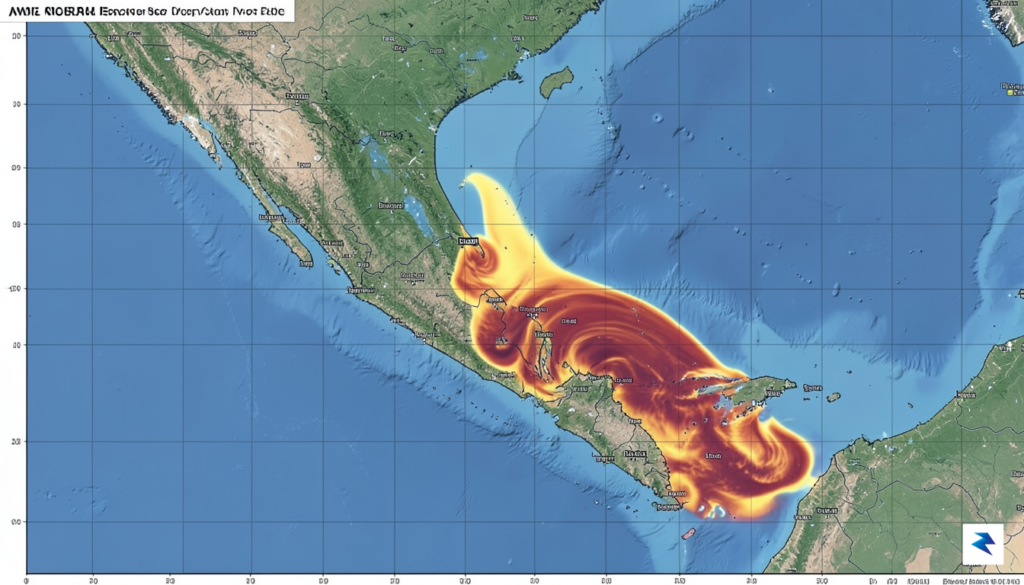
At its core, El Niño is not merely a seasonal weather pattern, but a profound disruption of the ocean-atmosphere interaction known as the El Niño-Southern Oscillation (ENSO). Under normal conditions, powerful trade winds blow steadily from east to west across the equatorial Pacific, effectively pushing warm surface waters toward Asia and Australia. This constant movement creates a vacuum along the coast of South America, which triggers a biological miracle: the upwelling of deep, cold, and nutrient-rich water. This cold-water surge serves as the primary engine for the region’s marine productivity, fueling the growth of phytoplankton that forms the foundation of the entire Pacific food web.
When the Southern Oscillation enters its El Niño phase, this delicate balance collapses as the trade winds weaken or, in extreme cases, reverse direction entirely. Without the force of these winds to push the warm surface layer westward, that water sloshes back toward the eastern Pacific, creating a massive, stagnant pool of warmth that blankets the coastlines of Peru and Ecuador. This thermal shift suppresses the thermocline—the transition layer between warm surface water and cold deep water—forcing it to sink far below the reach of the upwelling process. Consequently, the nutrient-dense waters that usually sustain high levels of biodiversity are effectively capped, replaced by a thick, nutrient-poor surface layer that mimics a biological desert.
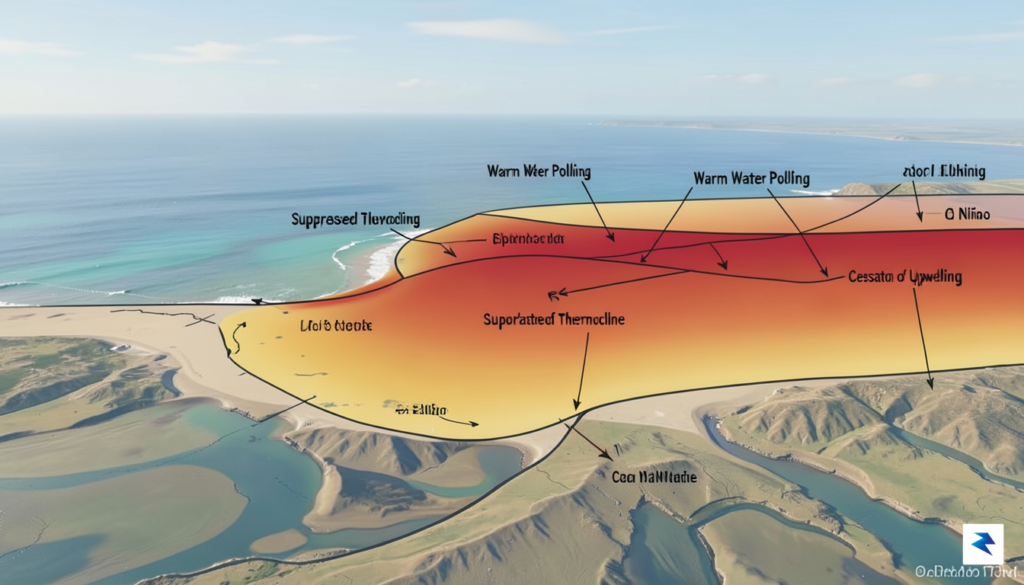
The ecological consequences of this transition from a cold, productive state to a warm, impoverished one are immediate and devastating. Because the surface waters are no longer being enriched by the deep ocean, the primary productivity of phytoplankton plummets, leaving higher-order consumers—such as anchovies, sardines, and the predatory fish that rely on them—without a reliable food source. As the temperature spikes, species that are evolutionarily adapted to the cold, nutrient-rich currents are forced to either migrate toward the poles in search of cooler habitats or face mass starvation and reproductive failure. This creates a ripple effect throughout the entire ecosystem, as the collapse of primary forage fish populations leaves larger commercial species, marine mammals, and seabirds struggling to survive in a suddenly hostile environment.
The shift from upwelling to stagnation transforms the eastern Pacific from one of the world’s most vibrant marine corridors into a thermal barrier, fundamentally altering the survival metrics for global fisheries.
Ultimately, this oceanic restructuring represents a fundamental shift in the Pacific’s “biological thermostat.” By severing the connection between the nutrient-rich deep ocean and the sunlit surface, El Niño alters the chemistry and physics of the water column in a way that modern commercial fisheries find difficult to mitigate. As these warm-water anomalies become more frequent and intense, the ability of marine populations to recover between events is compromised, leading to long-term volatility in the availability of vital protein sources for communities around the globe.
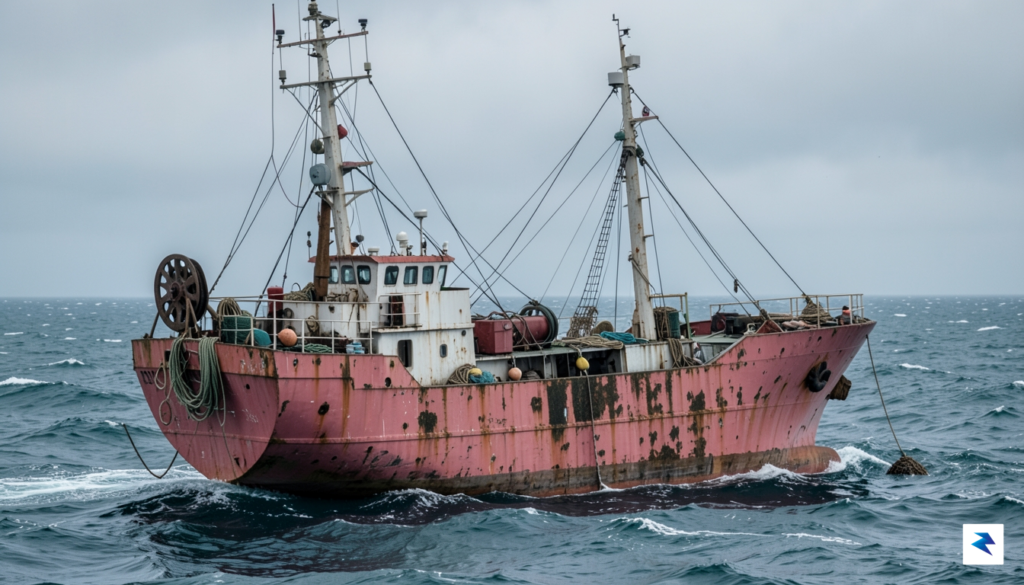
The warming currents triggered by El Niño act as a biological disruptor, forcing cold-water species like anchovies and sardines to abandon their traditional habitats in search of thermal refuge. These small pelagic fish rely on the nutrient-rich, cooler waters that typically upwell along the Pacific coast; when these waters warm significantly, the fish are pushed into deeper, offshore zones or forced to migrate poleward to survive. This sudden departure creates a catastrophic ripple effect throughout the entire marine food web. Predators that depend on these schools—ranging from larger commercial fish like tuna to marine mammals and seabirds—often find their primary food source vanishing overnight, leading to plummeting reproductive success and widespread starvation within the ecosystem.
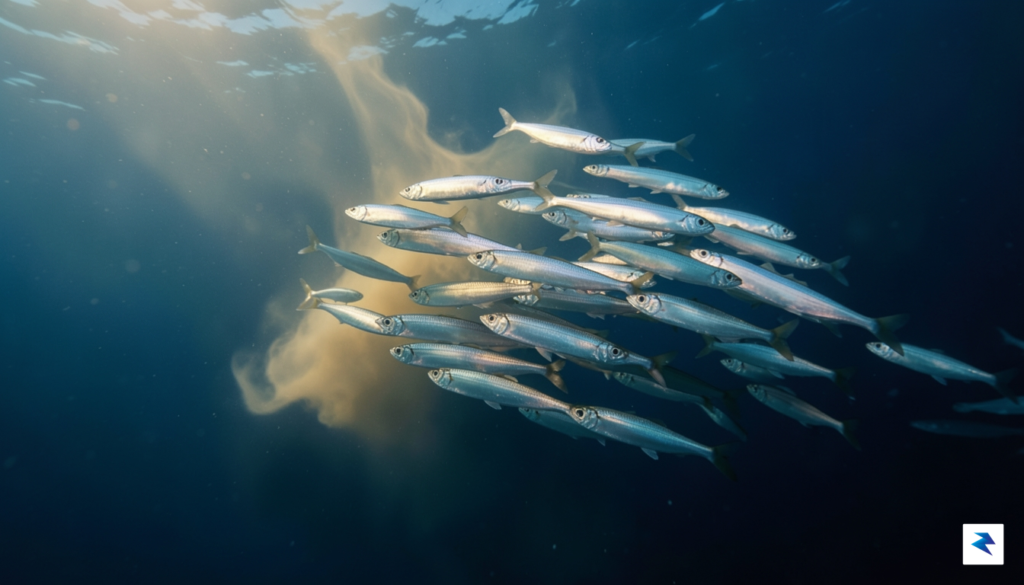
For coastal economies, the biological migration translates into immediate and severe financial instability. Communities that have centered their livelihoods around predictable, generational fishing cycles are finding their nets empty, leaving them with no means to recoup the costs of fuel, maintenance, and labor. While industrial-scale operations possess the technological capacity to track these schools into deeper or more distant waters, small-scale, artisanal fisheries lack the range and resources to follow the migration. This disparity exacerbates existing inequalities, as large corporate fleets can absorb the volatility of shifting stocks, whereas local families are often pushed to the brink of financial ruin by a single bad season.
The loss of predictable catch cycles does not just impact a single fishing season; it threatens the long-term viability of coastal infrastructure, processing plants, and the regional export markets that depend on a steady supply of Pacific catch.
Furthermore, the economic fallout is compounded by the sheer speed at which these environmental shifts occur. Traditional fisheries are accustomed to seasonal fluctuations, but the erratic intensity of modern El Niño events leaves little room for adaptation or economic diversification. As the cost of inputs continues to rise while the biomass of target species shrinks, many coastal towns face a grim reality: the potential collapse of an industry that once defined their cultural and economic identity. Without robust support systems or the ability to transition to alternative livelihoods, these communities remain dangerously exposed to the whims of a rapidly warming ocean, transforming what was once a reliable way of life into a high-stakes gamble against the elements.

While the narrative around El Niño often focuses on the widespread disruption and decline in marine life, particularly for species adapted to cooler, nutrient-rich waters, a more nuanced picture emerges upon closer inspection. Paradoxically, the very warming of the Pacific that spells doom for some creates a temporary boon for others. These are the counter-intuitive winners, often migratory tropical species that find their preferred thermal habitats expanding dramatically, pushing into regions traditionally too cool for them. This phenomenon transforms certain areas into unexpected zones of abundance, albeit for a limited time.
Among the most prominent beneficiaries are highly migratory pelagic species like various tuna species, including skipjack and yellowfin, as well as the prized mahi-mahi (also known as dolphinfish). These fish thrive in warmer waters, and as El Niño drives a surge in sea surface temperatures across vast swathes of the Pacific, their optimal hunting and breeding grounds stretch further north and south from the equator. Similarly, certain species of oceanic squid, known for their rapid life cycles and responsiveness to environmental shifts, can also experience population surges in these newly warmed zones, providing a temporary but significant boost to the food web and, consequently, to fisheries targeting their predators.
This temporary surge is a prime example of “range expansion,” a key concept in ecology describing how species extend their geographical distribution in response to favorable environmental changes. During El Niño events, the warming currents effectively draw a thermal highway for these tropical species, allowing them to follow ideal temperatures into areas where they are typically rare or absent. For instance, waters off the coast of California, usually too chilly for large schools of mahi-mahi, can become productive grounds during a strong El Niño, bringing these vibrant fish within reach of local anglers and commercial fleets, offering an unusual and exciting catch.
Consequently, this shift creates novel opportunities for certain fishing communities and regions that might otherwise struggle during an El Niño. Coastal towns accustomed to targeting cooler-water species may find a temporary diversification of their catch, providing an unexpected economic lifeline. However, the temporary nature of this abundance cannot be overstated. Once El Niño conditions subside and the Pacific inevitably cools, these tropical visitors retreat to their typical ranges, leaving behind a void and highlighting the inherent volatility of relying on such ephemeral gains. The challenge then becomes managing these fleeting resources without overexploiting them during their brief presence.
Ultimately, El Niño serves as a powerful, albeit transient, natural experiment, offering a glimpse into how marine ecosystems might respond to more permanent climate shifts. The range expansion witnessed during these events underscores the dynamism of ocean life and the complex interplay between species and their environment. While it presents immediate, albeit temporary, advantages for some species and the fisheries that pursue them, it simultaneously illuminates the broader instability introduced by significant climatic perturbations, reinforcing the need for adaptive management strategies that account for such dramatic, yet predictable, variability.


The traditional model of static fishing quotas—which relies on historical catch data to predict future abundance—is rapidly becoming obsolete in an era defined by the erratic, intense pulses of El Niño. As ocean temperatures swing wildly, the migratory patterns of cornerstone species like tuna and anchoveta are shifting, rendering fixed geographic boundaries and seasonal limits increasingly ineffective. To ensure the survival of these essential industries, marine management must pivot toward a dynamic, climate-aware framework. This shift involves utilizing real-time data streams to adjust catch limits on the fly, ensuring that fishing pressure decreases precisely when environmental stressors are at their peak and ecosystems are most vulnerable to collapse.
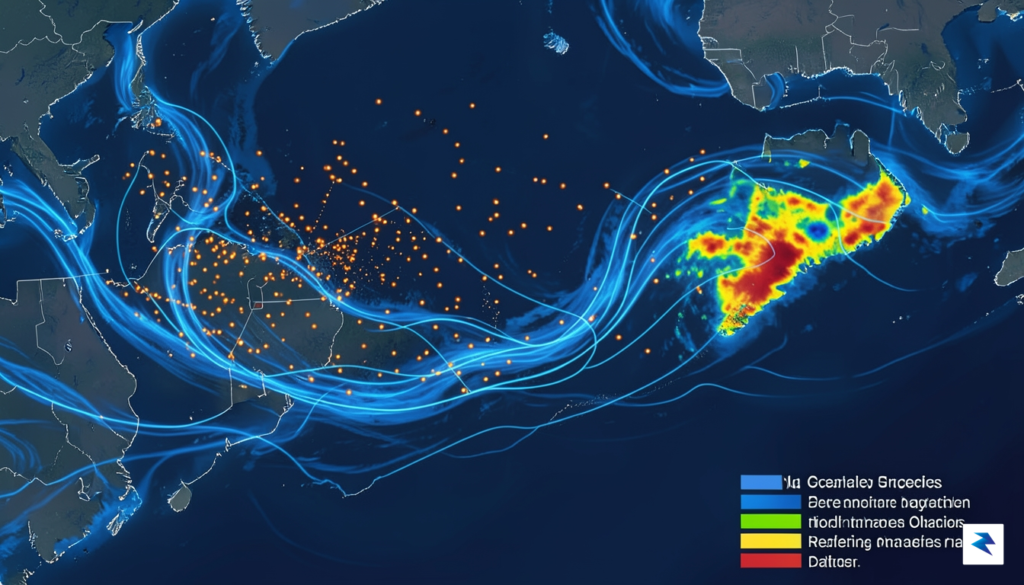
Modernizing our approach necessitates a robust integration of satellite monitoring and high-resolution predictive modeling. By leveraging sensors that track sea surface temperatures, chlorophyll concentrations, and oxygen levels, scientists can now anticipate the movement of marine life with unprecedented precision. These predictive models serve as an “early warning system,” allowing policymakers to move away from rigid, calendar-based regulations toward flexible management zones. When El Niño conditions trigger a northward migration of sensitive populations, managers can implement temporary “no-take” zones in real-time, effectively shielding vulnerable breeding stocks from industrial overharvesting while allowing vessels to follow more sustainable, climate-resilient schools of fish.
True resilience in the Pacific does not come from controlling nature, but from our ability to adapt our economic activities to the pulse of a warming ocean.
However, technological sophistication alone cannot solve the crisis; it must be coupled with rigorous international cooperation. Because fish populations do not respect the arbitrary lines drawn on nautical charts, regional management organizations must synchronize their efforts to prevent a “tragedy of the commons” scenario. When one nation restricts its catch to protect a struggling spawning ground, it is imperative that neighboring jurisdictions follow suit, ensuring that conservation efforts are not undermined by neighboring fleets. A unified, transparent, and data-sharing approach is the only way to manage the transboundary nature of the Pacific ecosystem under the duress of climate change.
Ultimately, the most effective insurance policy against future climate volatility is the protection of biodiversity. Diverse ecosystems are inherently more robust, possessing a wider array of species that can fill ecological niches when conditions shift. By prioritizing the health of the entire food web—rather than just the target commercial species—we provide the Pacific with a vital buffer against the extreme fluctuations of El Niño. Protecting critical habitats, such as deep-sea coral reefs and coastal nurseries, ensures that the marine environment retains the resilience required to bounce back from heat-induced shocks, securing a future where both the ocean and the communities that depend on it can endure.
You must be logged in to post a comment.