
Is a $700 Portable Shower a Luxury or a Camping Necessity?
The Evolution of Off-Grid Hygiene For generations, the allure of the untamed wilderness came with an unspoken pact: you could venture deep…
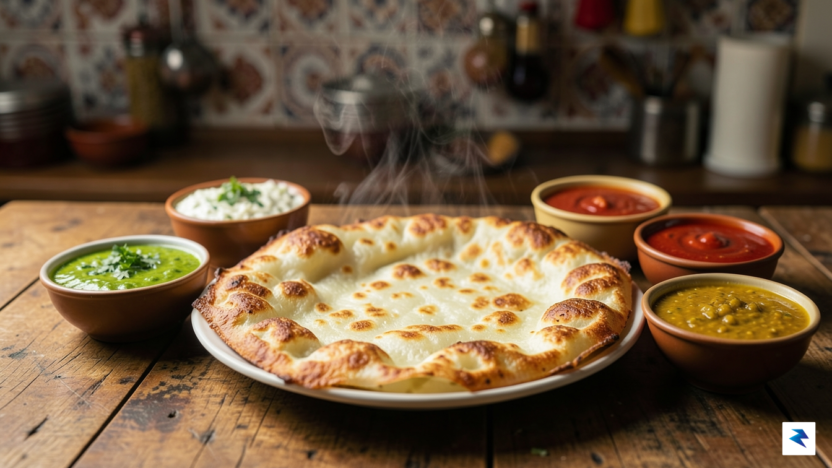
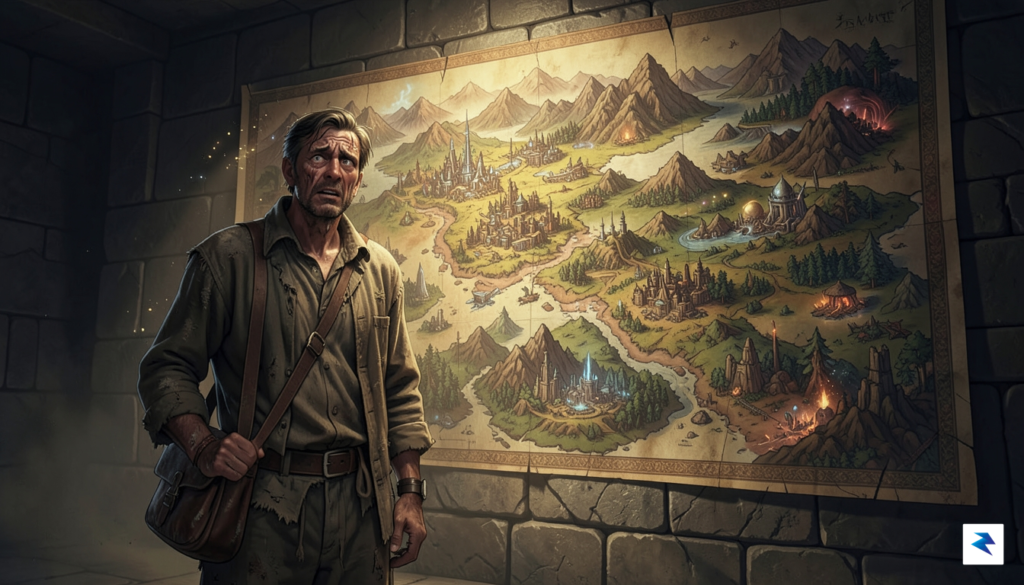
For over a decade, the AAA gaming industry has operated under the unwritten assumption that bigger is inherently better. Role-playing games, in particular, have been engaged in an arms race of scale, where success is measured by the sheer square mileage of a map or the hundreds of hours required to reach a completionist state. This “more is more” philosophy has transformed the genre into a landscape of exhaustive checklists, repetitive fetch quests, and sprawling wildernesses that occasionally feel more like a chore than an adventure. While this pursuit of epic grandeur was initially intended to provide players with maximum value for their investment, it has inadvertently fostered a widespread sense of RPG fatigue, leaving many players staring at their game libraries with a mixture of intimidation and exhaustion.
The psychological impact of this design philosophy is increasingly evident in the phenomenon of decision paralysis. When a player is dropped into a world cluttered with hundreds of icons, waypoints, and competing narrative threads, the freedom that was once the hallmark of the genre begins to feel like a heavy burden. Instead of feeling like a hero on a grand quest, the player often feels like a project manager juggling an endless to-do list. This saturation of content creates a paradox of choice; the more options a game provides, the harder it becomes to find genuine meaning or personal investment in any single activity. Consequently, the sense of accomplishment that should follow a long gaming session is often replaced by a lingering guilt over the vast amount of content left untouched.
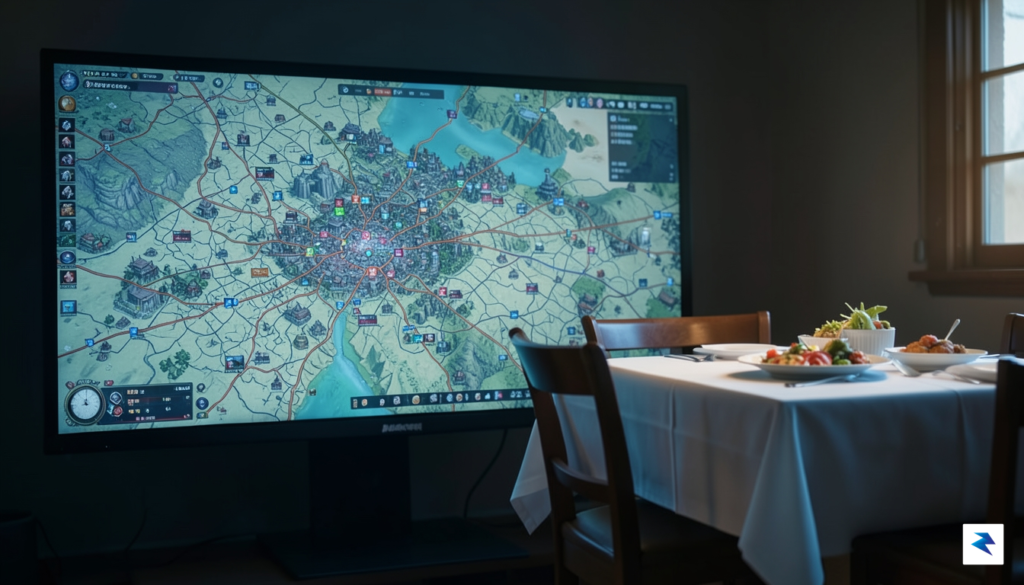
However, a significant shift is currently rippling through the industry as players begin to push back against the bloat. There is a palpable, growing hunger for “curated” experiences—games that prioritize depth of interaction and thematic cohesion over the breadth of their world maps. This trend favors quality over quantity, inviting players into smaller, more intentional spaces where every character encounter, dialogue tree, and environmental detail feels purposeful rather than procedural. By trimming the excess, developers are discovering that they can evoke a stronger emotional resonance, allowing the player to engage with the narrative rather than simply navigating the mechanics of a massive, empty sandbox.
The most memorable adventures are not defined by the size of the world map, but by the density of the meaningful choices made within it.
This movement toward focused design is not a rejection of ambition, but a refinement of it. It represents a maturation of the medium, acknowledging that players have limited time and a desire for experiences that respect that scarcity. By stripping away the filler, modern RPGs are finding new ways to tell stories that feel intimate and impactful. As we move away from the era of the endless, bloated open world, we are witnessing a return to the roots of the genre, where the focus is placed squarely back on the player’s journey, the flavor of the world-building, and the satisfaction of a story well-told.
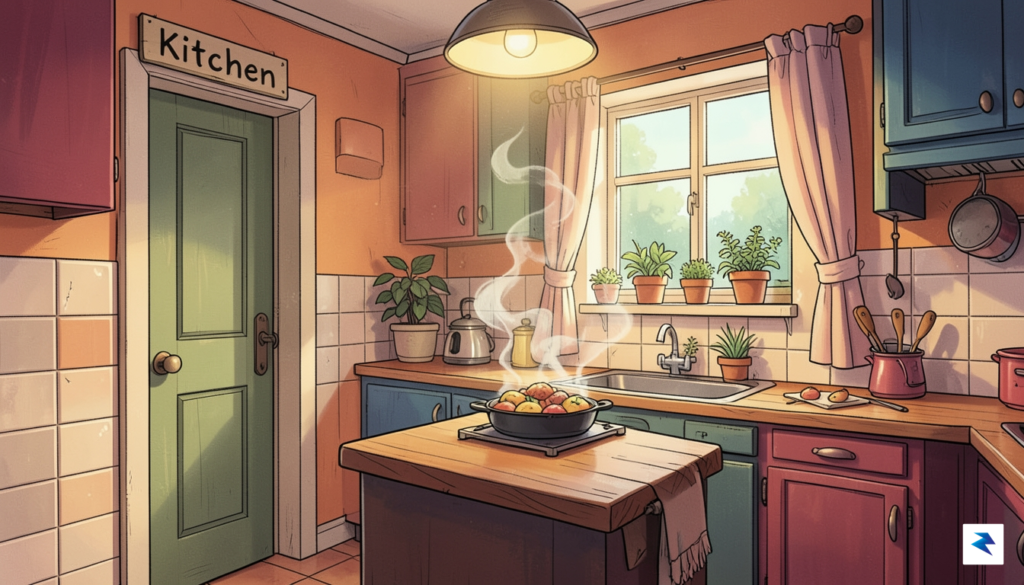
In an industry currently obsessed with “bigger is better”—where open worlds are measured in square miles and quest logs are bloated with hundreds of repetitive tasks—Dosa Divas arrives as a necessary, delicious act of rebellion. The developers have consciously rejected the industry standard of sprawling, combat-heavy epics that prioritize quantity over quality. Instead of tasking the player with saving a crumbling kingdom or defeating a generic dark lord, the game narrows its scope to the intimate, chaotic, and deeply rewarding world of a bustling kitchen. By stripping away the tired tropes of “chosen one” narratives, the game finds a rare resonance, proving that a smaller, more focused world can offer a far more profound emotional impact than a galaxy-sized map filled with empty space.
This design philosophy of “less is more” is evident in every interaction, particularly in how the game handles progression. Rather than leveling up combat stats or hoarding legendary weaponry, players cultivate their reputation through the mastery of fermentation, spice blending, and the delicate art of the perfect dosa. Every mechanic is tethered to the theme of culinary creation, transforming what would be a mundane crafting system in another game into the very heart of the experience. The shift away from violent conflict allows for a deeper exploration of character dynamics; when your primary goal is to nourish your community rather than conquer it, the stakes become personal, tangible, and infinitely more relatable.
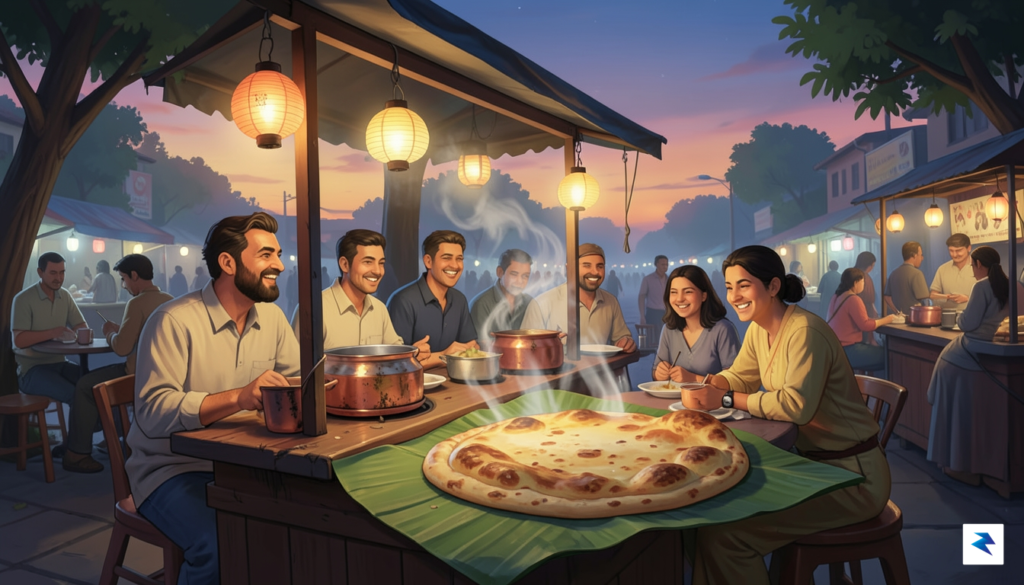
The beauty of this intentional restriction is that it grants the developers space to refine their mechanics to a razor’s edge. Because they aren’t bogged down by the need to animate hundreds of combat animations or balance complex talent trees, they have poured their resources into the tactile feel of the kitchen. You can feel the weight of the ladle, the sizzle of the batter on the cast-iron griddle, and the nuanced reactions of customers who aren’t just NPCs, but members of a tightly-knit neighborhood. This level of detail creates a sense of immersion that is often lost in larger titles where the sheer volume of content dilutes the player’s connection to the world.
The core of Dosa Divas isn’t about defeating enemies; it is about building bridges through the universal language of food, turning every meal into a narrative beat that matters.
Ultimately, Dosa Divas serves as a masterclass in focused design, demonstrating that constraints do not stifle creativity—they catalyze it. By focusing on the singular, grounded theme of culinary service, the game avoids the “bloat trap” that plagues so many modern RPGs. It invites players to slow down, pay attention to the details, and appreciate the craftsmanship inherent in both the game’s design and the virtual dishes being prepared. In a market crowded with high-octane simulations of war, this gentle, community-driven experience feels like a breath of fresh air, suggesting that the most meaningful stories are often found right in our own kitchens.
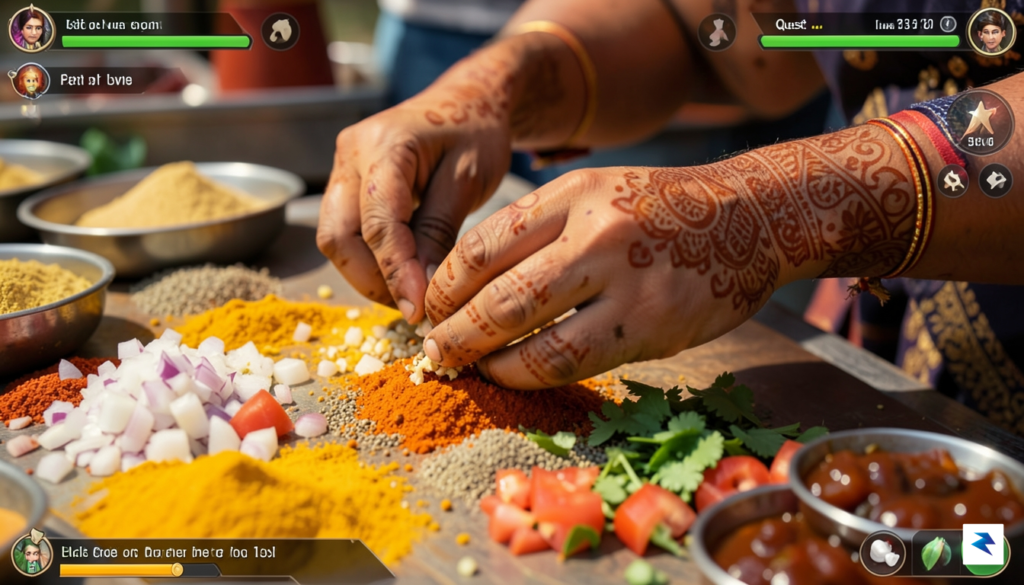
In Dosa Divas, the act of cooking is far more than a simple menu selection or a passive wait timer; it is the heartbeat of the entire experience. Every dish begins with a tactile, rhythmic mini-game that demands precision, transforming the preparation of batter and the flipping of dosas into a test of genuine skill. By gamifying the physical intricacies of a professional kitchen—such as the exact pressure required to spread a thin layer of batter or the precise timing needed to achieve the perfect golden-brown crisp—the title elevates mundane chores into a deeply rewarding loop of experimentation and mastery. This approach ensures that players feel a tangible sense of accomplishment, mirroring the pride a chef feels after executing a complex recipe perfectly.

The progression system is meticulously balanced to cater to both casual players and those seeking a hardcore culinary challenge. As you move from humble street stalls to high-end restaurants, the mechanics evolve from simple button prompts to complex, multi-tasking sequences that require foresight and resource management. Players must learn to juggle multiple pans, balance heat levels, and source rare ingredients, all while maintaining a steady flow of orders. This scaling difficulty is inherently satisfying because it never feels punitive; rather, it rewards the player’s growing expertise with new techniques, exotic recipes, and sophisticated kitchen upgrades that make the process feel increasingly fluid and efficient.
The genius of the game lies in its sensory feedback, where the auditory crunch of a crispy dosa and the visual sizzle of tempered spices create a hypnotic flow state.
To truly immerse the player, the game relies heavily on sensory design to bridge the gap between digital interaction and physical cooking. The sound design is particularly masterful, utilizing crisp, authentic foley work that replicates the hiss of a hot pan and the rhythmic scrape of a spatula. When synchronized with intuitive visual cues—such as a subtle color shift when a dosa is ready to flip—these elements help the player enter a “flow state” where the mechanics become instinctive. By prioritizing this seamless blend of sound, timing, and visual gratification, the game turns the repetitive nature of kitchen work into an addictive, meditative rhythm that keeps players coming back to perfect their craft one plate at a time.
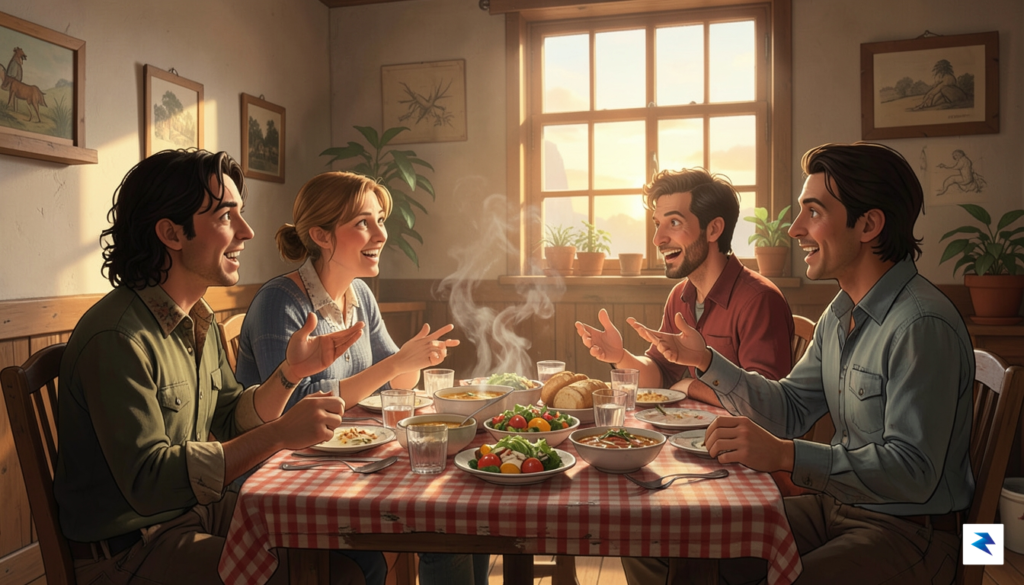
In Dosa Divas, the grandiosity of typical RPG tropes—saving the kingdom, defeating ancient evils, or ascending to godhood—is refreshingly absent. Instead, the game pivots toward the quiet, profound complexity of local life, where the stakes are measured not in hit points, but in the preservation of tradition and the strengthening of communal bonds. By situating the narrative within the bustling, aromatic confines of a neighborhood kitchen, the game forces players to engage with the intimacy of the everyday. Here, character development is not found in leveling up combat skills, but in the patient act of perfecting a family recipe or learning the specific, secret ingredient that defines a neighbor’s history.
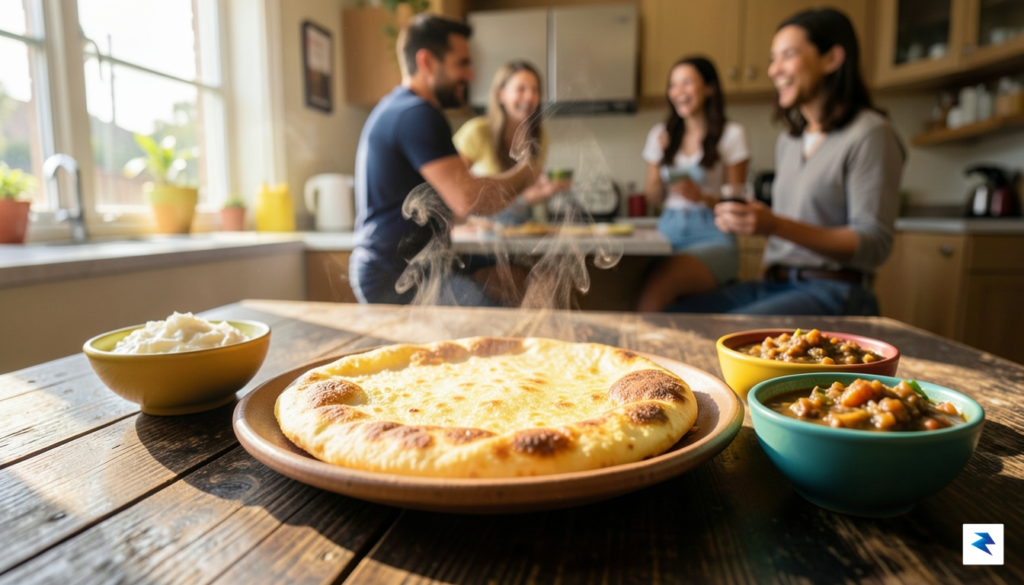
The characters you encounter are archetypes of the local experience: the stern but soft-hearted grandmother guarding her spice ratios, the ambitious youth attempting to modernize traditional flavors, and the weary laborer seeking comfort in a familiar meal. These personal arcs are inextricably linked to the food they prepare and share. When a character offers you a plate of food, they are offering a piece of their heritage. The dialogue system excels here; it eschews rigid, binary choices in favor of nuanced conversation trees where the success of a relationship depends on your willingness to listen to the stories behind the spice. Through these exchanges, food acts as a bridge, transforming strangers into confidants and turning the act of eating into a sophisticated form of non-verbal communication.
The most meaningful conversations in Dosa Divas do not happen while wielding a sword, but while waiting for the pan to reach the perfect temperature.
The writing quality is remarkably evocative, deftly balancing the sensory details of sizzling butter and ground lentils with the emotional weight of nostalgia. Each recipe is treated as a narrative artifact, carrying the burden of memory and the warmth of home. As you traverse the game’s limited but deeply realized geography, you begin to feel the rhythm of the community—the morning rush, the afternoon lull, and the evening convergence around the table. By grounding its narrative in the intimacy of cooking, the game achieves a rare, human-centric quality that lingers long after you have finished your virtual meal. It serves as a gentle reminder that the most significant stories are often those told in hushed tones over a shared plate, far from the battlefield.
In an era where the industry is increasingly dominated by sprawling, open-world monoliths that often prioritize sheer scale over meaningful substance, Dosa Divas arrives as a refreshing, necessary pivot. It serves as a masterclass in focused design, demonstrating that independent studios do not need to match the gargantuan budgets or immense map sizes of major developers to leave a lasting impact. Instead, the game proves that by narrowing the scope and doubling down on a singular, evocative vision, developers can craft an experience that resonates far more deeply than its bloated counterparts. It acts as a blueprint for the future of the genre, suggesting that the next evolution of the RPG isn’t found in more gigabytes of data, but in more intentional, heartfelt storytelling.
The true genius of this title lies in its comfort-driven design, which encourages players to return time and again to its vibrant, culinary-inspired world. While many modern games feel like a checklist of chores designed to keep users engaged through exhaustion, Dosa Divas feels like a warm conversation shared over a meal. The replayability isn’t forced through tedious grinds or infinite procedural generation; rather, it is baked into the player’s desire to experiment with different recipes, explore character interactions they might have missed, and soak in the lovingly crafted atmosphere. In a landscape often defined by high-stress competition and frantic pacing, finding a game that values the player’s time and provides genuine emotional nourishment is a rare and welcome relief.
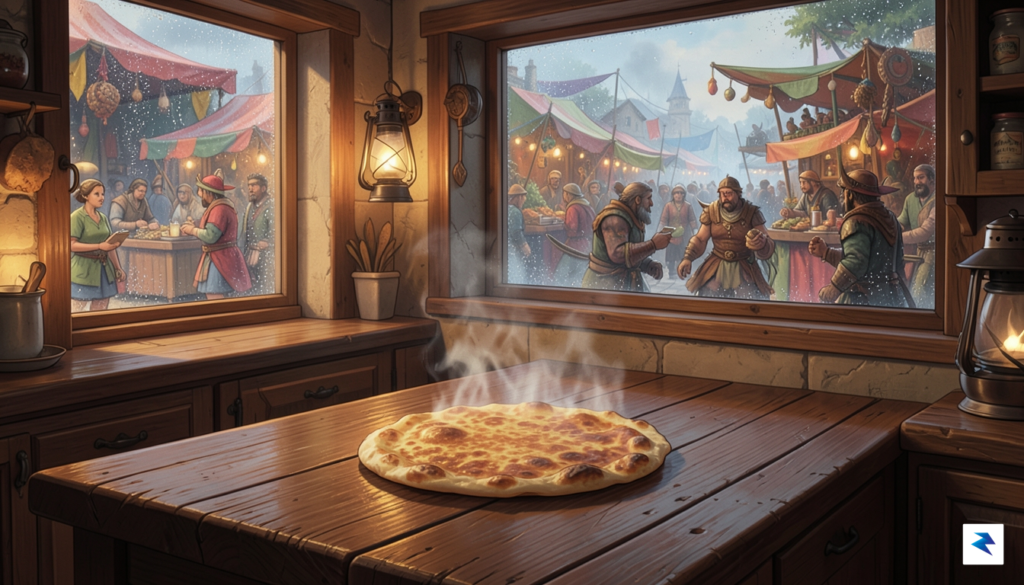
Ultimately, the legacy of this title will be its proof that charm and mechanical focus can outweigh sheer volume in the hearts of gamers.
For any enthusiast who feels fatigued by the current trend of “bigger is better” game development, this project is nothing short of a must-play. It challenges the status quo by asking players what they truly want from their gaming sessions: a hollow, endless void of map icons or a curated, delicious journey that sticks with them long after the credits roll. By setting a new, higher bar for accessibility and creative heart, it reminds us that the best games are not those that attempt to be everything to everyone, but those that commit fully to the one thing they do best. If you are looking for a change of pace that respects your intelligence, tickles your palate, and warms your soul, look no further than the delightful, daring world of Dosa Divas.
You must be logged in to post a comment.