The GPU Gold Rush: Inside the Circular Financing Powering AI
The Mechanics of the AI GPU Boom The transformation of the modern computing landscape has shifted fundamentally from CPU-centric architectures…
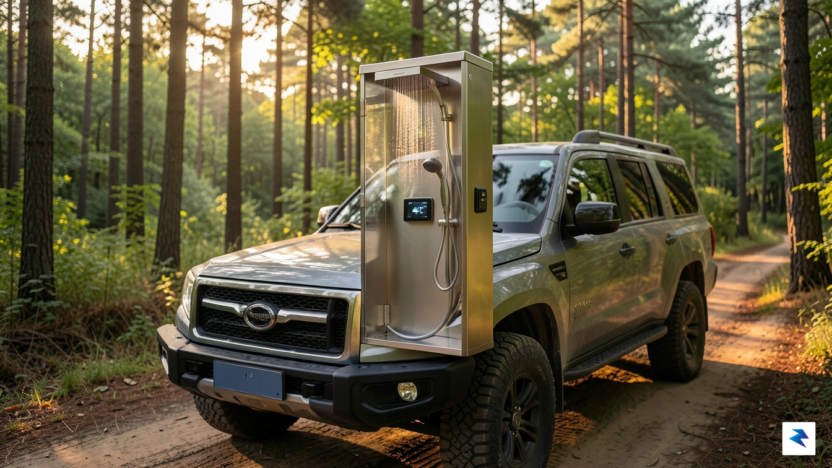

For generations, the allure of the untamed wilderness came with an unspoken pact: you could venture deep into nature’s embrace, but you had to resign yourself to a certain level of grime. The romanticized image of rugged adventurers often glossed over the sticky reality of days or even weeks without a proper wash. This trade-off between exploration and basic comfort defined much of the outdoor experience, pushing personal hygiene to the bottom of the priority list when faced with the vastness of the backcountry.
Consider the multi-day festival-goer, battling not just the elements but also the pervasive dust, sweat, and collective odor of thousands. After days of dancing and communal living, the yearning for a refreshing rinse becomes an almost primal need, yet often remains unfulfilled. Similarly, the dedicated backcountry worker, spending weeks away from civilization on remote projects, or the intrepid overlander traversing vast distances, faces an ongoing struggle against accumulating dirt, grease, and the inevitable itchiness that accompanies prolonged periods without adequate sanitation. This isn’t merely about superficial dirt; it’s about the tangible discomfort of grime, clogged pores, and the potential for skin irritations that can genuinely detract from the overall experience.
Beyond the mere physical discomfort, the absence of proper hygiene takes a significant toll on mental well-being and morale. The feeling of being truly clean is not just a luxury; it’s a powerful psychological reset, fostering a sense of dignity, comfort, and renewed energy that can profoundly impact one’s endurance and enjoyment of an experience. Being perpetually sticky, smelly, or simply feeling unclean can erode spirits, making long journeys feel even longer and intense experiences even more challenging. It highlights that hygiene is intrinsically linked to mental fortitude in demanding environments.
For years, the options for maintaining personal cleanliness in remote settings were rudimentary at best. A cold sponge bath with limited water, a quick dip in an icy lake, or relying on an ever-dwindling supply of wet wipes represented the peak of ingenuity for many. These methods, while offering some temporary relief, were often inefficient, uncomfortable, and far from satisfying, leaving individuals feeling only partially refreshed and still longing for the true cleansing power of a proper shower. The lack of heated water and consistent pressure made any attempt at thorough washing a significant chore rather than a moment of rejuvenation.
However, a quiet revolution has been unfolding in the world of off-grid living, dramatically shifting this narrative. What once involved cumbersome gravity-fed bags that delivered lukewarm trickles, or rudimentary hand-pump systems requiring constant effort for minimal pressure, has evolved into a sophisticated array of portable solutions. This technological leap has transformed the potential for sustained comfort and cleanliness in even the most remote locations, moving beyond mere survival to genuine well-being.
Today’s market boasts innovative devices that can heat water on demand using various power sources, provide strong, consistent pressure for a satisfying wash, and pack down to surprisingly compact sizes for easy transport. These advancements are not just about convenience; they are about transforming the very experience of sustained outdoor living, offering a level of comfort and sanitation previously unimaginable for overlanders, long-haul campers, festival-goers, and anyone who chooses to spend extended periods away from traditional infrastructure. The ability to enjoy a hot shower anytime, anywhere, fundamentally changes the calculus of what’s possible in the great outdoors.
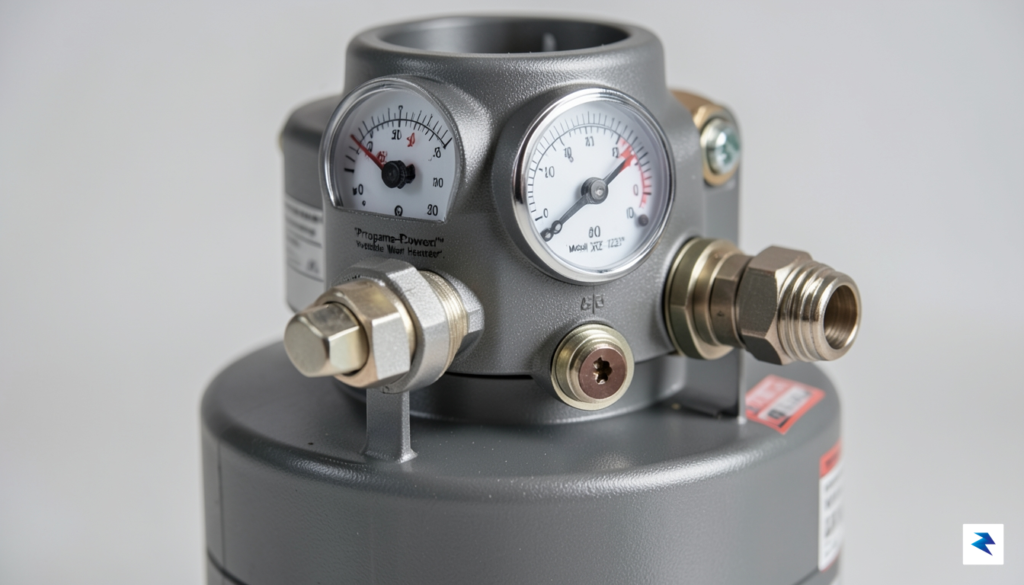
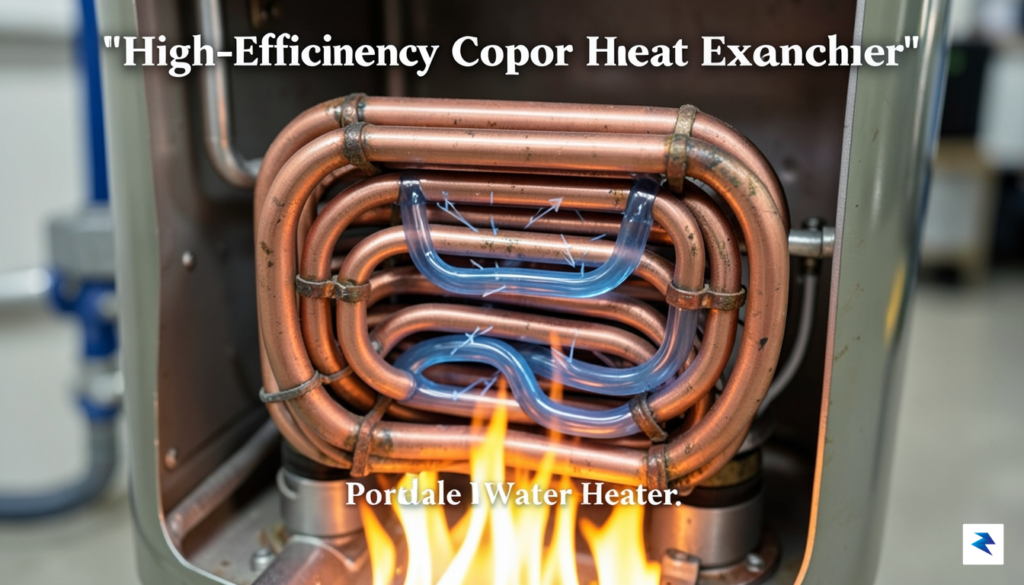
At the heart of the Hottap system lies a sophisticated propane-to-heat conversion process that separates it from rudimentary camping heaters. While cheaper, generic alternatives often rely on thin, poorly insulated copper coils that struggle to maintain a steady temperature, this unit utilizes an industrial-grade heat exchanger designed for maximum thermal efficiency. By optimizing the surface area where the flame meets the water conduit, the system ensures that heat transfer is nearly instantaneous, allowing the device to achieve a significant temperature rise even in frigid ambient conditions. This efficiency is not merely about comfort; it is about fuel economy, as the unit is engineered to extract the most possible energy from every gram of propane consumed.
Beyond raw heating power, the engineering focus shifts toward the critical triad of water pressure, heat consistency, and user safety. The unit incorporates a high-performance burner assembly that modulates fuel flow in real-time, preventing the “scalding-to-freezing” oscillation often experienced with inferior hardware. To ensure long-term reliability and safety, Joolca has integrated a robust suite of sensors, including a flame-out detector that instantly cuts the gas supply if the burner fails, and an overheat protection circuit that shuts the system down if the water temperature exceeds a safe threshold. These redundant safety layers are essential for a device that relies on combustible fuel in an outdoor environment, providing peace of mind that a budget unit simply cannot replicate.
True luxury in off-grid living is defined by the reliability of your basic utilities; if you cannot trust your gear to function safely in the middle of a forest, the price tag becomes irrelevant.
The build quality further distinguishes this premium offering from the disposable nature of budget alternatives. Whereas cheaper heaters frequently utilize lightweight plastics and brittle fittings that succumb to trail vibrations, the Hottap is constructed with a focus on structural integrity and modularity. The exterior casing is impact-resistant, protecting the delicate internal plumbing from the rigors of off-road transit, while the connections use standardized, high-quality fittings that resist corrosion and leaks. This focus on durability means that the system is not just an appliance, but an investment designed to withstand years of abuse, ensuring that your backcountry hot shower remains a consistent ritual rather than a mechanical gamble.
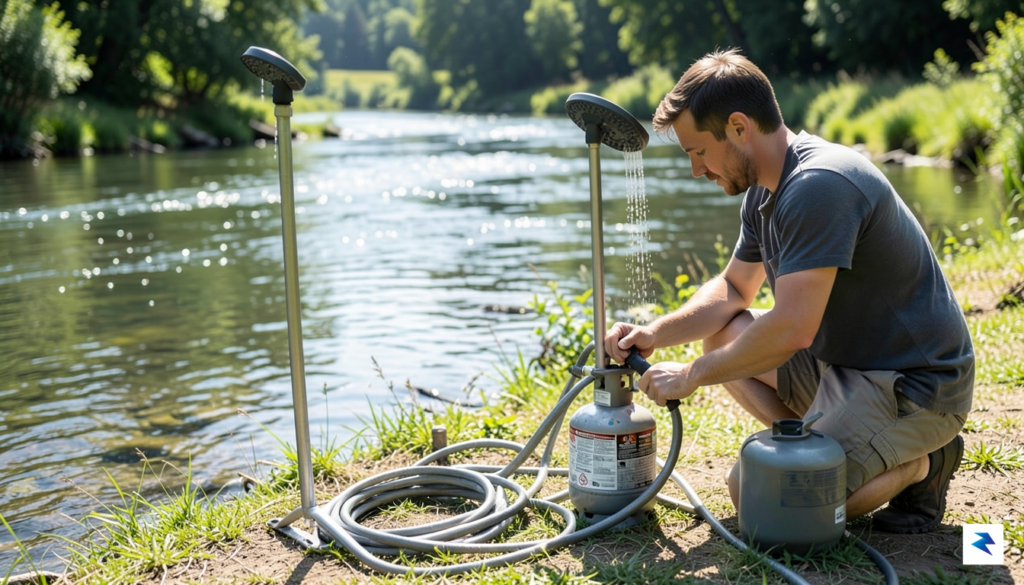
Transforming a remote trailhead or a dusty campsite into a private spa requires more than just willpower; it demands a seamless integration of mechanics. Modern high-end portable shower systems have evolved significantly, moving away from the clunky, DIY plumbing nightmares of the past toward streamlined, plug-and-play architecture. Setting up these units typically involves a simple three-pronged workflow: submerging a 12-volt pump into a water source—be it a nearby stream, a collapsible bucket, or a dedicated water jug—securing the propane canister, and clicking the quick-connect shower head into place. What was once a twenty-minute engineering project can now be accomplished in under five minutes, allowing you to focus on the environment rather than the hardware.
The true test of these systems, however, lies in the balance between flow rate and water conservation. While a home shower might blast water at an alarming rate, a premium portable unit is designed to provide a consistent, therapeutic stream while sipping from your limited supply. Most systems allow you to adjust the gas flow to regulate temperature, ensuring that even on a brisk autumn evening, you aren’t shivering through a lukewarm rinse. The reality of off-grid hygiene is that water is a precious, finite resource, and these units force a meditative mindfulness; you learn to lather, pause the flow via a handle-mounted switch, and rinse, effectively stretching five gallons of water into a surprisingly indulgent experience.
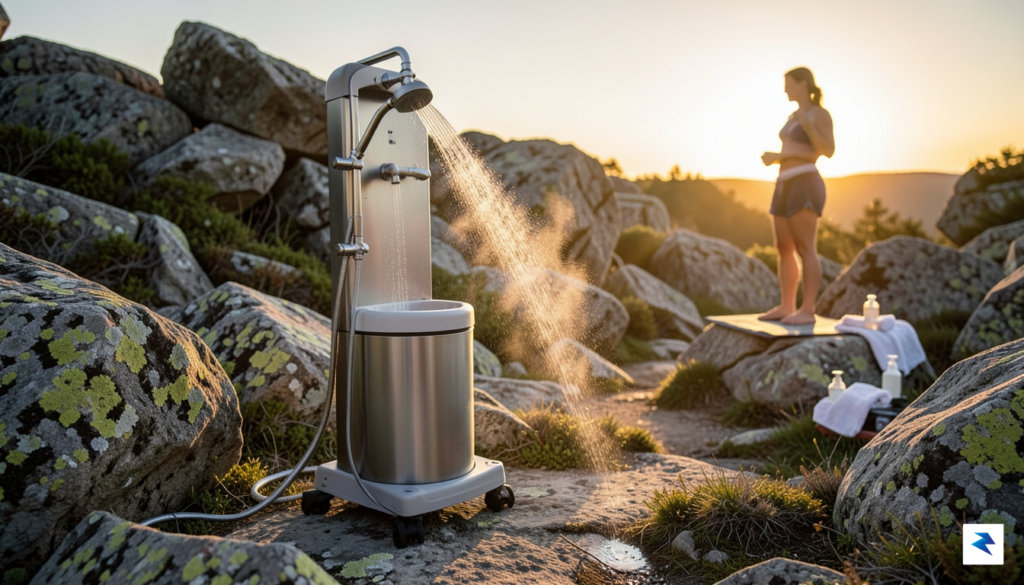
The luxury isn’t just about the temperature of the water; it is about the restoration of comfort in an environment designed to wear you down.
There is an undeniable psychological shift that occurs when you transition from a long, grueling day of hiking—complete with the grit and sweat of the trail—to the sensation of a hot shower under the stars. While the “logistics of luxury” might seem like an oxymoron when you are hauling gear into the backcountry, the performance of these high-end units bridges the gap between survival and actual comfort. The initial effort of setting up the hardware is quickly forgotten the moment that pressurized, heated water hits your shoulders, signaling to your body that the day’s exertion has officially come to an end. It is this specific intersection of technical efficiency and sensory relief that justifies the investment for those who refuse to leave their standards of cleanliness behind when they leave the grid.
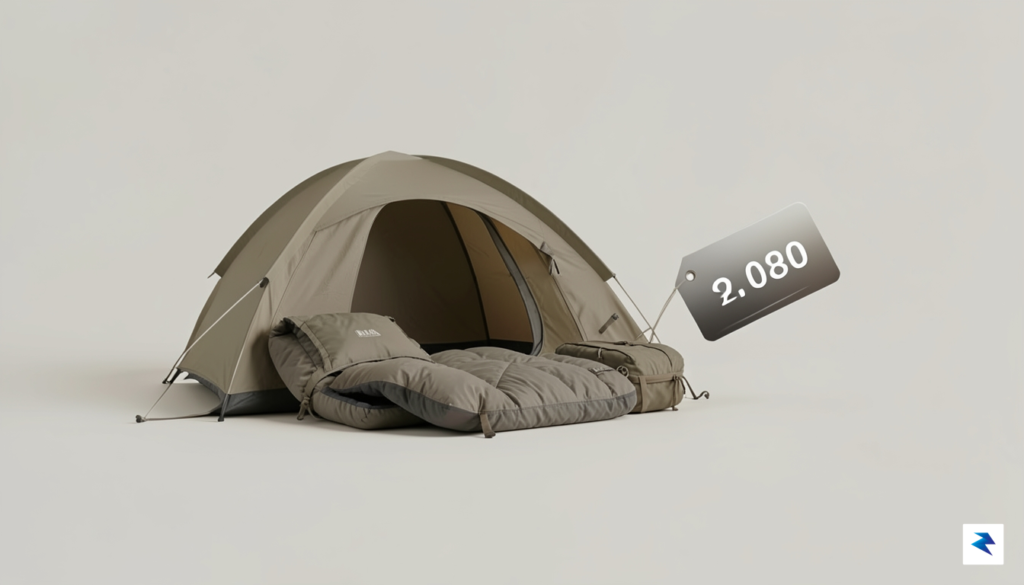
When you stare at a $700 price tag for a portable shower unit, it is easy to dismiss it as a gear-junkie’s vanity project or an unnecessary extravagance for weekend warriors. For those who spend two nights a year at a developed campground, this investment is undoubtedly difficult to justify. However, the calculus changes significantly for long-term overlanders, digital nomads, and remote explorers who view off-grid living not as a temporary escape, but as a lifestyle. When you break down the expenditure into a cost-per-shower metric, the financial barrier begins to look less like a luxury surcharge and more like an investment in reliable infrastructure.

Consider the basic solar shower bag: a simple, gravity-fed bladder that costs around $20. While these serve their purpose, they are notoriously inconsistent. They require hours of direct, unshaded sunlight to reach a lukewarm temperature, offer lackluster water pressure, and are prone to leaking or breaking after a single season of heavy use. In contrast, a $700 pressurized system often provides consistent, temperature-controlled water regardless of external conditions. For an individual living on the road for six months a year, taking a daily shower, that investment effectively amortizes to roughly $4 per wash over the first year. By the second year, as the equipment continues to perform, that cost drops to a negligible amount per use—a small price to pay for the reliability of a hot rinse after a dusty day on the trail.
The true value of high-end off-grid gear isn’t just in the hardware itself, but in the psychological shift that occurs when your basic biological needs are met with dignity and ease rather than frustration and compromise.
Beyond the simple math, there is an undeniable ROI in morale and personal health. In the isolated backcountry, maintaining personal hygiene is the primary defense against skin infections, rashes, and the general lethargy that comes with feeling perpetually dirty. A high-pressure, portable shower allows you to wash away the grit of the day, which serves as a critical reset button for your mental state. When you feel clean, you sleep better, you function more effectively, and you are far more likely to extend your stay in the wilderness rather than cutting a trip short to find a commercial facility. Ultimately, if the gear transforms a rugged excursion from an endurance test into a sustainable lifestyle, then the $700 price tag is less about the hardware and more about the freedom to stay off-grid indefinitely.

Deciding whether to drop hundreds of dollars on a high-end portable shower system depends entirely on how you define your relationship with the outdoors. For the casual weekend warrior who retreats to organized campgrounds with established facilities, this investment is likely overkill. If your trips are brief and you already have access to public bathhouses or a simple solar shower bag, the bulk, weight, and propane reliance of a premium unit will likely become a logistical burden rather than a relief. These systems are designed for those who spend significant time off-grid, where the absence of basic hygiene facilities is the primary barrier to staying out in the wild for more than a few days at a time.
Conversely, for the full-time digital nomad or the dedicated overlander, a portable hot water system is nothing short of a lifestyle revolution. When you are living out of a vehicle for weeks or months, the psychological benefits of a consistent, high-pressure hot shower cannot be overstated; it acts as a vital “reset button” that keeps morale high and physical discomfort at bay. Beyond just basic cleanliness, these units provide a level of comfort that transforms a rugged expedition into a sustainable long-term experience. If you find yourself cutting trips short simply because you feel gritty or exhausted, the $700 price tag begins to look less like a luxury and more like an essential tool for longevity on the road.
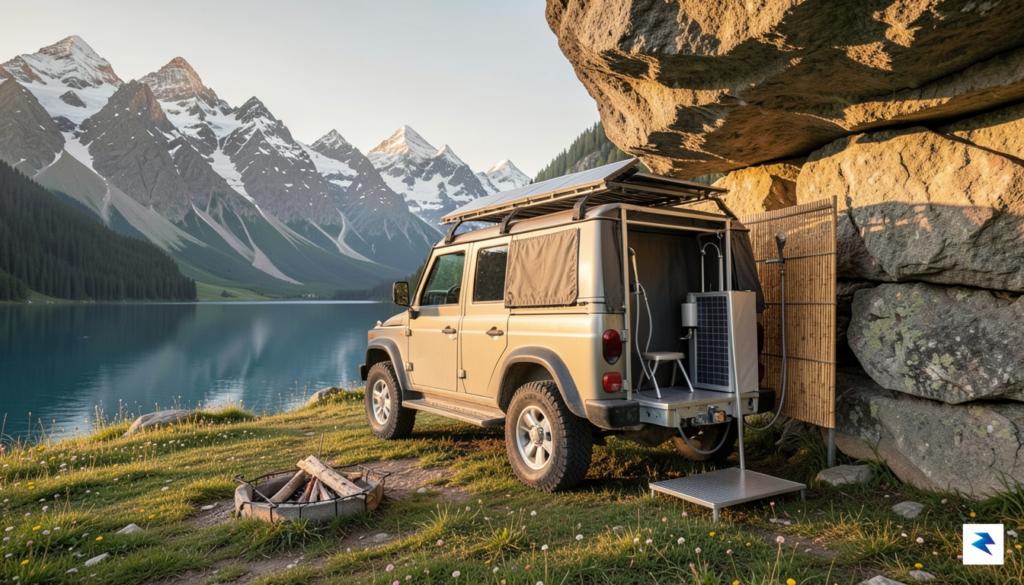
Before committing to such a purchase, consider the inevitable trade-offs that come with high-end convenience. While these units offer superior performance, they also demand extra space in your cargo area, a reliable supply of propane canisters, and a few minutes of dedicated setup and breakdown time for every use. You must weigh these logistical requirements against the sheer convenience of having unlimited hot water on demand. If you value minimalism above all else, the simplicity of a gravity-fed bag might still be your best companion. However, if your goal is to bridge the gap between “roughing it” and “living well” while deep in the backcountry, the upgrade is undeniably worth the cost.
The true value of a portable shower is found in the trade-off between the weight of your gear and the quality of your experience; invest only if you are ready to prioritize comfort as a key component of your off-grid survival strategy.
Ultimately, the decision rests on your personal threshold for discomfort and your specific travel rhythm. If your camping identity is built around minimal gear and total simplicity, stick to the basics and save your budget for other essential upgrades. But if your travels involve remote locations where you are truly on your own, a reliable hot shower system provides a level of autonomy that changes the entire nature of your journey. By carefully assessing your needs against the realities of maintenance and portability, you can determine if this piece of equipment will become a permanent staple in your kit or merely an expensive piece of shelf-clutter.
You must be logged in to post a comment.