Inside the New Netflix Little House: Why the Prairie is Getting a Modern Makeover
Reimagining the Frontier: Why Netflix is Revisiting Little House For generations, Laura Ingalls Wilder’s Little House on the Prairie books…
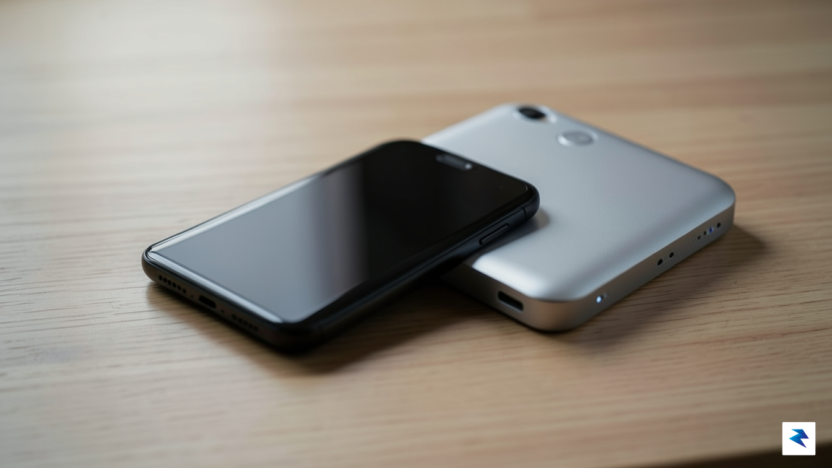
The landscape of wireless charging has undergone a profound transformation, moving from the frustrating “find the sweet spot” era of traditional pads to the seamless, snap-on convenience of magnetic power. At the heart of this evolution are two primary technologies: Apple’s MagSafe and the newer, universal Qi2 standard. While MagSafe debuted as an exclusive feature for the iPhone 12 and later, it laid the essential groundwork for the Wireless Power Consortium’s Qi2 specification. Essentially, Qi2 takes the magnetic alignment technology pioneered by Apple and opens it up to the broader ecosystem, ensuring that Android users and other mobile devices can finally enjoy the same level of charging precision and stability that iPhone users have grown to rely on.
The secret to why these systems are so much more effective than older wireless chargers lies in magnetic alignment. In traditional Qi charging, if your phone is even slightly offset from the charging coil, energy transfer efficiency drops significantly. This misalignment creates excess heat and slows down charging speeds, effectively wasting power. By utilizing a ring of magnets, MagSafe and Qi2 devices physically lock the phone into the optimal position every single time. This perfect coil-to-coil alignment minimizes energy loss, allowing for a more consistent power draw and a cooler charging experience, which is essential for preserving your battery’s long-term health.
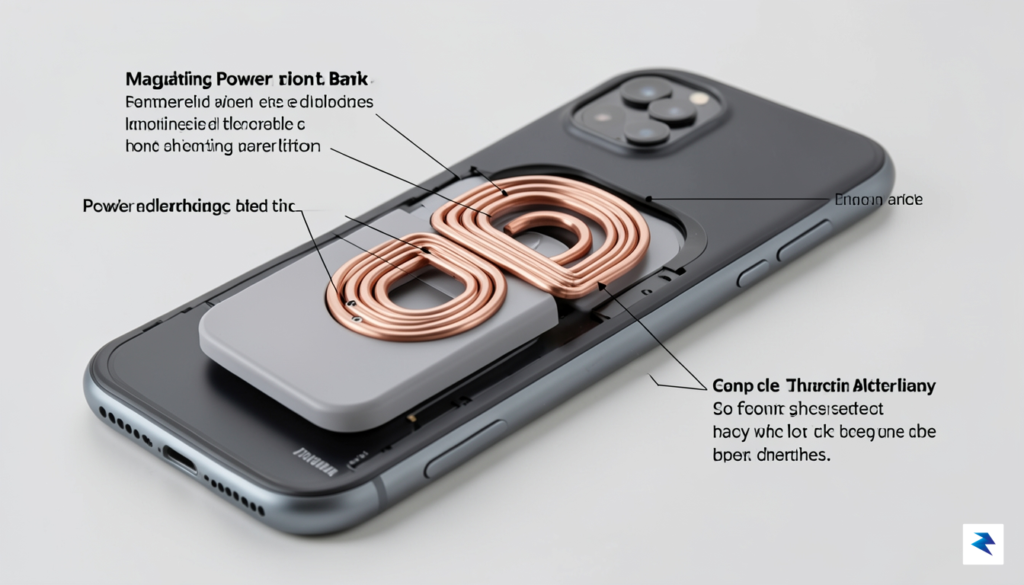
Magnetic alignment is the bridge between the convenience of wireless charging and the efficiency of a wired cable; it ensures that every watt delivered is a watt stored.
For Apple users, the transition to magnetic power has been straightforward since 2020, but the arrival of Qi2 is a major turning point for the industry at large. Newer Android devices that support the Qi2 standard can now utilize these same magnetic power banks, effectively ending the era of carrying bulky cables for non-Apple devices. It is important to note, however, that while Qi2 is backward compatible with older Qi devices, you will only gain the magnetic “snap” and high-efficiency charging if your specific phone hardware includes the internal magnetic array. Without that magnetic ring, your device will still charge, but it will lack the secure hold that makes these power banks so transformative for commuters and travelers alike.
Ultimately, choosing the right power bank today means looking beyond simple battery capacity. By prioritizing devices that strictly adhere to the MagSafe or Qi2 specifications, you are investing in a future-proof ecosystem that values precision. As we move away from the clutter of tangled wires, these magnetic solutions provide a reliable, efficient, and highly portable way to keep your devices powered throughout the day, whether you are utilizing the latest iPhone or an Android flagship that supports the next generation of universal wireless standards.
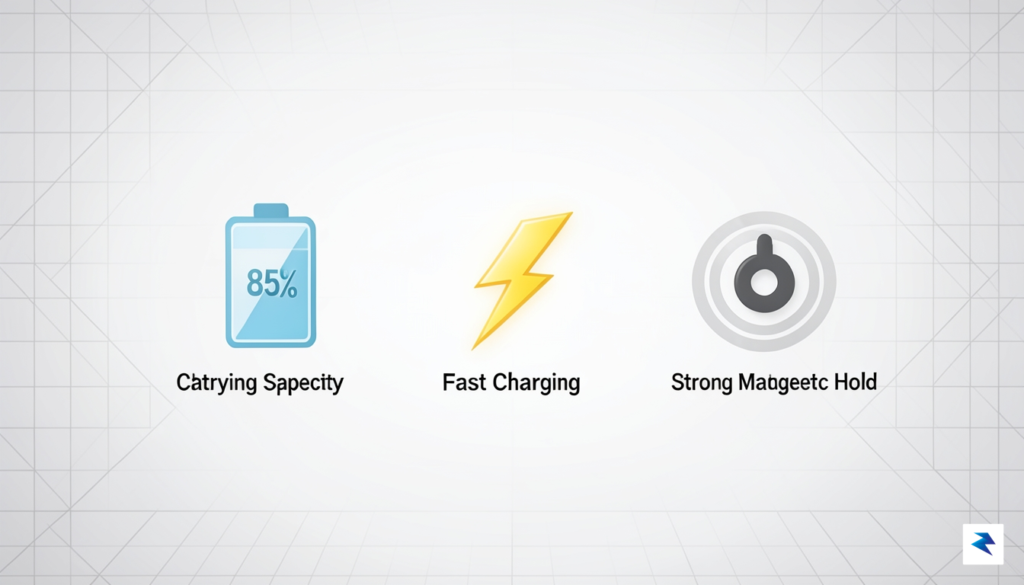
When selecting a magnetic power bank, it is tempting to prioritize sleek aesthetics over technical performance. However, not all magnetic chargers are created equal; the difference between a reliable travel companion and a frustrating, slow-charging paperweight often comes down to a few critical specifications. Understanding these nuances ensures that your investment actually enhances your mobile experience rather than becoming another piece of tech clutter in your drawer.
The most common trade-off you will encounter is the balance between battery capacity—measured in milliampere-hours (mAh)—and the physical dimensions of the device. While a 10,000mAh battery might seem superior because it offers more total charges, these units are often significantly bulkier and heavier, which can make your phone feel unwieldy during extended use. Conversely, 5,000mAh units are incredibly slim and pocketable, ideal for topping off your battery during a long commute. Before purchasing, consider your daily routine: if you are a power user who spends long days away from wall outlets, the added weight of a higher-capacity unit is worth the trade-off, but for occasional top-ups, a thinner, lower-capacity power bank is usually the more ergonomic choice.
Beyond capacity, charging speed is the primary differentiator in day-to-day usability. Standard magnetic chargers often default to 7.5W for iPhones, which is sufficient for an overnight charge but sluggish for a quick boost. If you want faster performance, look for chargers that support the Qi2 standard or Apple’s proprietary MagSafe certification, which can unlock speeds up to 15W. Keep in mind that for Android devices using magnetic rings or cases, you will want to ensure the power bank is compatible with the Qi wireless charging standard to avoid compatibility headaches. Always verify the manufacturer’s claims, as actual efficiency can drop due to thermal throttling when the device begins to heat up.
Key takeaway: Always prioritize chargers with pass-through charging capabilities. This allows the power bank to charge your phone while the bank itself is plugged into a wall outlet, effectively acting as a wireless charging dock.
The strength of the magnets is often overlooked, yet it is vital for ensuring consistent power transfer. A weak magnetic connection can easily slip, causing the charging process to stop intermittently or, worse, causing your phone to drop from the charger entirely. Furthermore, heat management is an essential technical consideration; look for models that include built-in thermal protection to prevent overheating during high-speed wireless charging. Finally, never compromise on safety certifications. A reliable power bank should feature UL, CE, or FCC certifications, which indicate that the device has passed rigorous testing for short-circuit protection and battery longevity. These safety measures protect not only your phone’s sensitive internal circuitry but also the long-term health of your device’s battery.
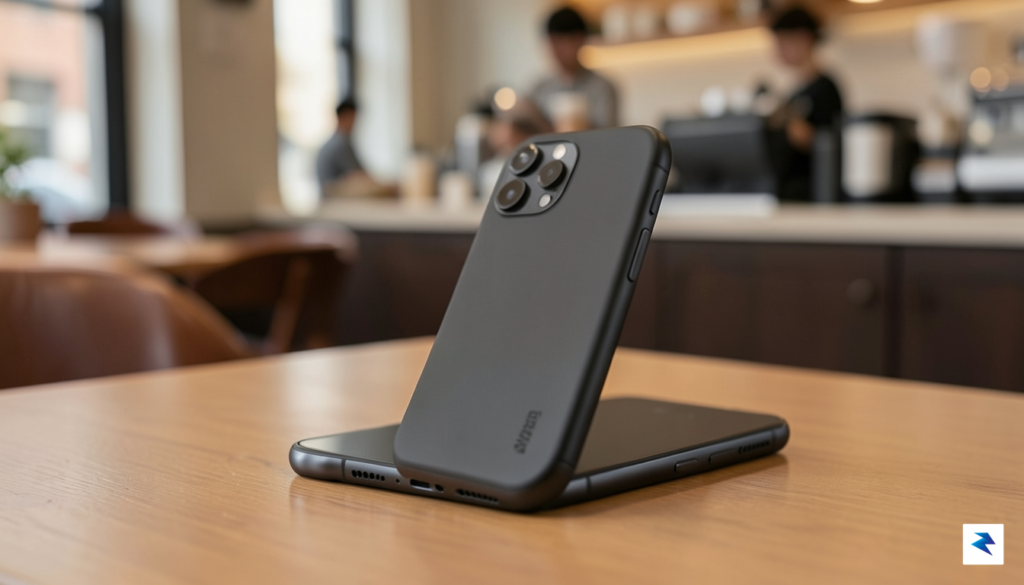
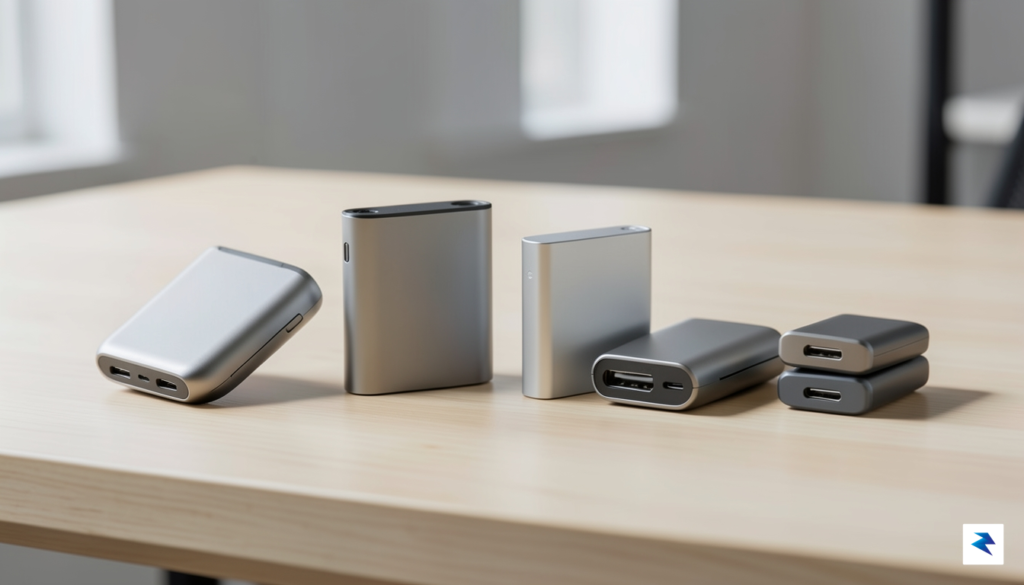
After weeks of rigorous testing across various charging scenarios, we have identified a clear hierarchy among current magnetic power banks. The difference between a mediocre charger and a top-tier performer often comes down to internal heat management, the strength of the magnetic array, and the efficiency of the Qi2 charging protocol. Whether you are using the latest iPhone or a Qi2-compatible Android device, the following models represent the gold standard for reliability and build quality.
The Anker MagGo 10K consistently outperforms the competition by balancing a slim, pocketable form factor with a substantial battery capacity. During our stress tests, it maintained a consistent 15W charging output without succumbing to the thermal throttling that plagues many budget-tier alternatives. Its digital display is a standout feature, providing real-time data on remaining battery percentage and expected recharge times, which eliminates the guesswork often associated with LED indicator lights. For the average user who needs a dependable daily companion that can charge an iPhone to full capacity twice over, this remains the most well-rounded choice on the market.
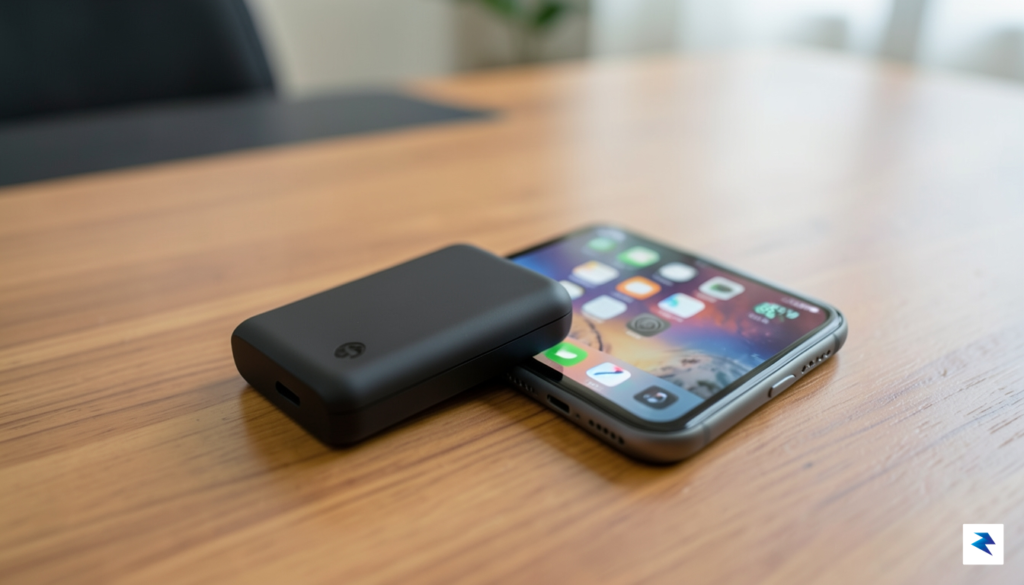
When weight and versatility are your primary concerns, the Satechi Quatro stands out as the ultimate travel companion. Unlike single-purpose bricks, this device features a refined, compact design that fits comfortably in a carry-on side pocket. What elevates it above other portable options is its multi-device capability; it allows users to charge their phone, wireless earbuds, and even an Apple Watch simultaneously. While the total capacity is lower than some heavy-duty power bricks, the ability to consolidate your charging ecosystem into one thin, premium-feeling unit makes it indispensable for frequent flyers.
For those who require longevity above all else, the Baseus 20,000mAh model is the undisputed heavy hitter. While the increased capacity naturally results in a bulkier footprint, the trade-off is the ability to keep your devices running through long weekend trips or intense work days without ever touching a wall outlet. We found that the magnetic alignment on this unit is exceptionally strong, ensuring that the connection remains secure even when moving the phone in and out of a bag. It is the ideal solution for photographers, field workers, or power users who demand uninterrupted productivity.
Key Takeaway: When selecting a power bank, prioritize devices that support the Qi2 standard to ensure future-proof compatibility and superior heat regulation across both Apple and Android ecosystems.
Ultimately, investing in a reputable brand—such as Anker, Satechi, or Baseus—provides a level of safety and consistent voltage delivery that cheaper, unbranded alternatives simply cannot match. By choosing one of these top performers, you are ensuring the long-term health of your device’s battery while enjoying the convenience of seamless, cable-free power whenever you need it most.
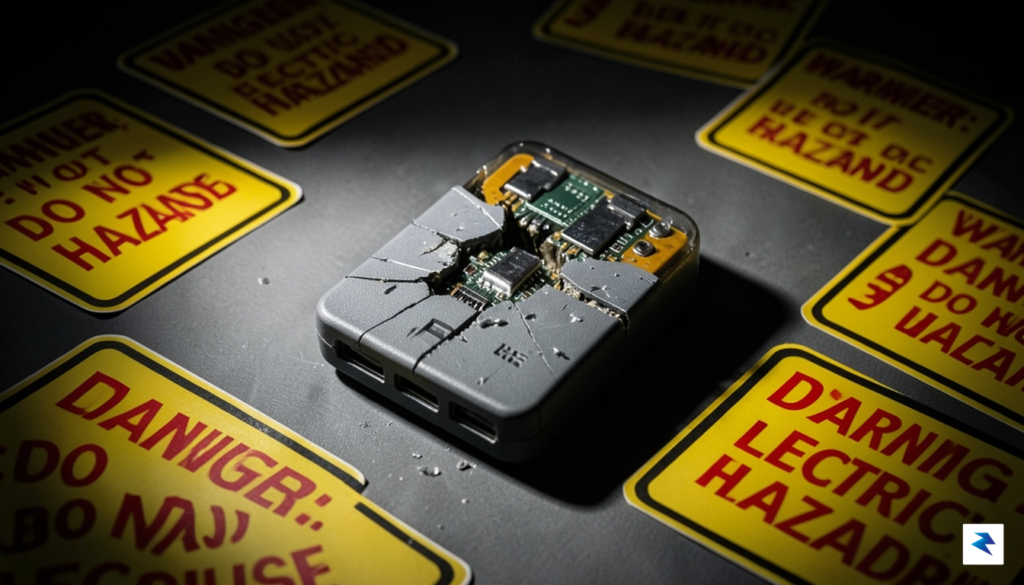
The temptation to purchase a magnetic power bank from an obscure marketplace listing is understandable, especially when the price tag sits comfortably under twenty dollars. However, these bargain-bin alternatives rarely adhere to the rigorous safety standards established by reputable manufacturers. When you opt for a low-cost, unbranded charger, you are essentially introducing an unregulated lithium-ion battery to your expensive smartphone. These devices often lack the sophisticated thermal management systems necessary to prevent overheating, which can lead to catastrophic battery swelling, short-circuiting, or even localized fires that pose a legitimate threat to your safety and your home.
Beyond the immediate safety concerns, these budget chargers are notorious for aggressive marketing tactics regarding their technical specifications. It is common to see products advertised with massive capacity claims—often boasting 10,000mAh or more—that are physically impossible to achieve within such a small, inexpensive chassis. In reality, these units frequently utilize recycled or low-grade battery cells that suffer from significant voltage drops, meaning you might only get a fraction of the advertised charge before the unit dies. Furthermore, their conversion efficiency is abysmal, resulting in more energy being wasted as heat than being transferred into your phone’s battery.
Pro-tip: Always check for certification labels like Qi or MFi (Made for iPhone). If a brand is not listed in the official database of these organizations, the device has not undergone independent safety or compatibility testing.
The physical engineering of these knockoffs is equally problematic, particularly regarding the magnetic array. A reliable MagSafe-compatible bank relies on precisely calibrated, high-strength magnets to keep your device securely attached. Cheap imitations often use weak, inconsistent magnets that struggle to maintain a firm grip, turning your phone into a projectile waiting to happen. A sudden drop caused by a failing magnet can lead to shattered back glass or a cracked screen, damages that will cost exponentially more to repair than you ever saved on the charger itself. Additionally, these budget devices lack the necessary firmware intelligence to communicate with your phone, meaning they cannot intelligently adjust their power output to prevent battery degradation over time.
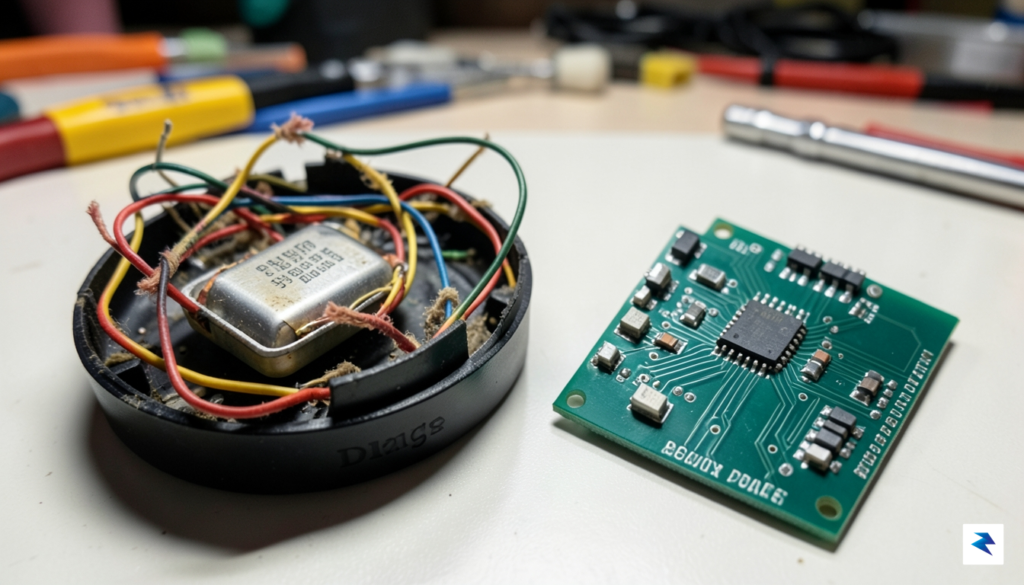
Finally, the lack of long-term support is a silent cost that most consumers overlook until it is too late. Reputable companies provide warranties that cover defective hardware and offer customer support channels if something goes wrong. Conversely, unbranded knockoffs are often “disposable” tech; once the unit stops holding a charge or fails to recognize your device, you have no recourse for a refund or replacement. By investing in established brands, you are paying for the peace of mind that comes with safety compliance, verified capacity, and a company that stands behind the longevity of its hardware.
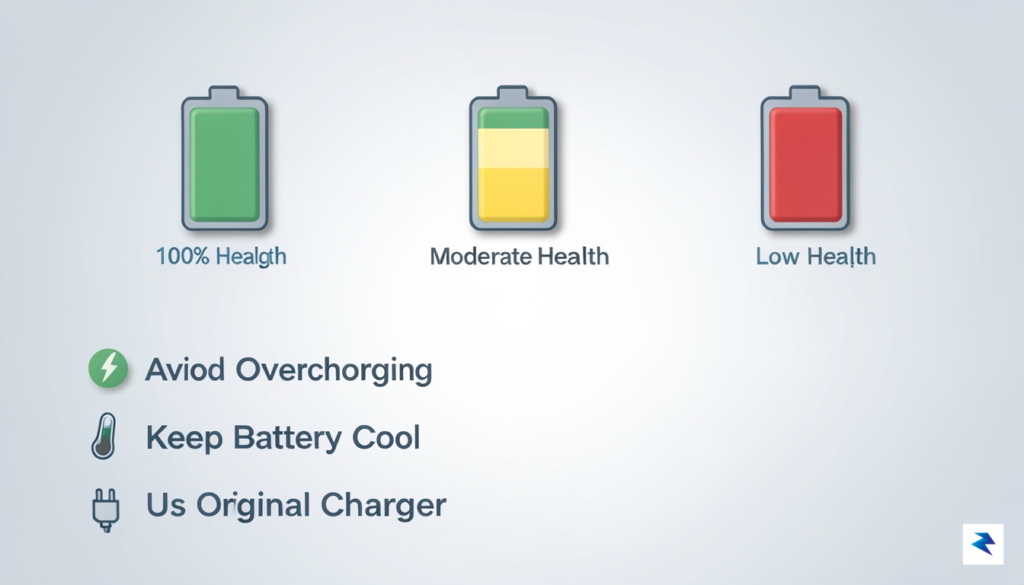
While investing in a premium MagSafe power bank is a significant step toward mobile freedom, the longevity of both your smartphone’s internal battery and your portable charger depends heavily on your daily habits. Heat is the ultimate enemy of lithium-ion technology; when a battery gets too hot, the chemical reactions inside become unstable, leading to permanent capacity loss over time. To mitigate this, try to avoid using your phone for intensive tasks, such as high-frame-rate gaming or 4K video editing, while it is magnetically attached to a charger. If you notice your device becoming uncomfortably warm, remove the power bank and allow the phone to cool down to room temperature before resuming the charge.
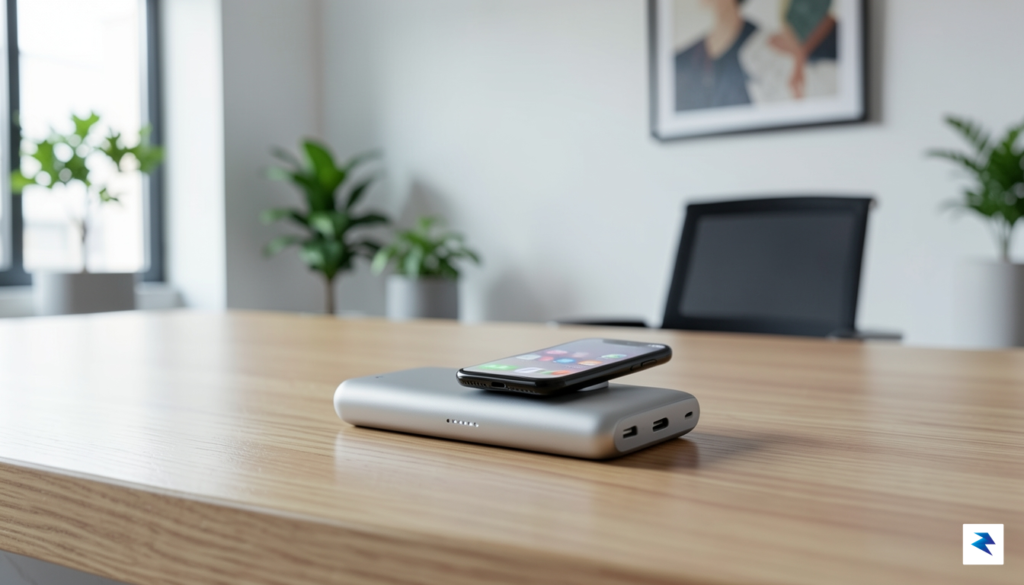
When it comes to charging protocols, it is important to understand the trade-offs of rapid charging. While high-wattage power delivery is convenient when you are in a rush, pushing high currents into your device generates more internal resistance and heat compared to slower, more controlled charging cycles. Whenever possible, reserve the fastest charging speeds for those moments when you truly need a quick boost. For overnight charging or during long office hours, utilizing a standard 5W or 7.5W Qi charging speed can actually be gentler on your battery’s chemistry, ultimately extending its overall lifespan by hundreds of cycles.
To preserve the health of your power bank, aim to keep it charged between 20% and 80% if you plan on storing it for an extended period, rather than leaving it fully depleted or constantly topped off at 100%.
Proper storage is just as vital as how you use the device during active charging. If you are not planning to use your power bank for several weeks, store it in a cool, dry place away from direct sunlight or extreme temperature fluctuations. Leaving a battery pack in a hot car during the summer or in a damp environment can lead to internal degradation and safety risks. Furthermore, if your power bank features a pass-through charging capability, use it sparingly; while convenient, this puts simultaneous stress on the internal cells as they discharge to the phone while being charged by the wall adapter, which can accelerate wear and tear over time.
Finally, keep your charging environment in mind to ensure maximum efficiency. Wireless power transfer relies on precise alignment between the coils in the power bank and the coils inside your phone. If you are using a case, ensure it is MagSafe-compatible or thin enough to allow for a strong magnetic connection. A weak connection often leads to increased energy loss as heat rather than electrical charge, which effectively wastes your power bank’s capacity while simultaneously heating up your phone unnecessarily. By maintaining clean contact points and ensuring your hardware is well-ventilated, you guarantee that your gear remains in top-tier condition for years to come.
You must be logged in to post a comment.