
ZML: The French Startup Making AI Inference Faster and Cheaper
The Growing Bottleneck of AI Inference While the headlines are consistently dominated by the gargantuan effort required to train the latest…
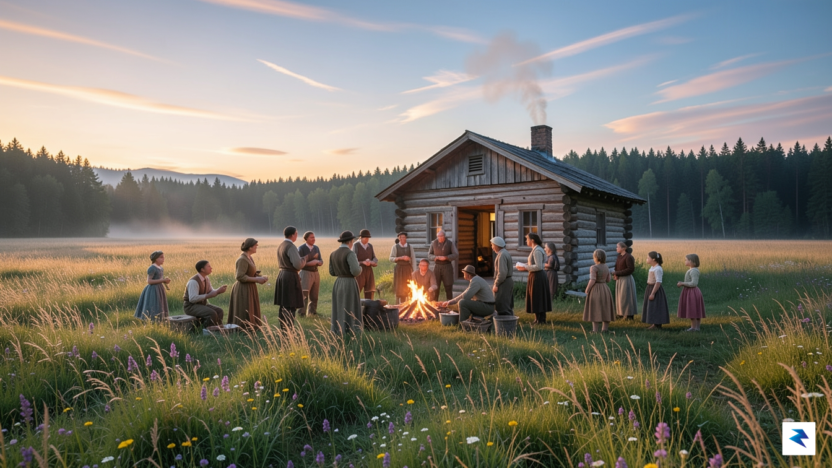
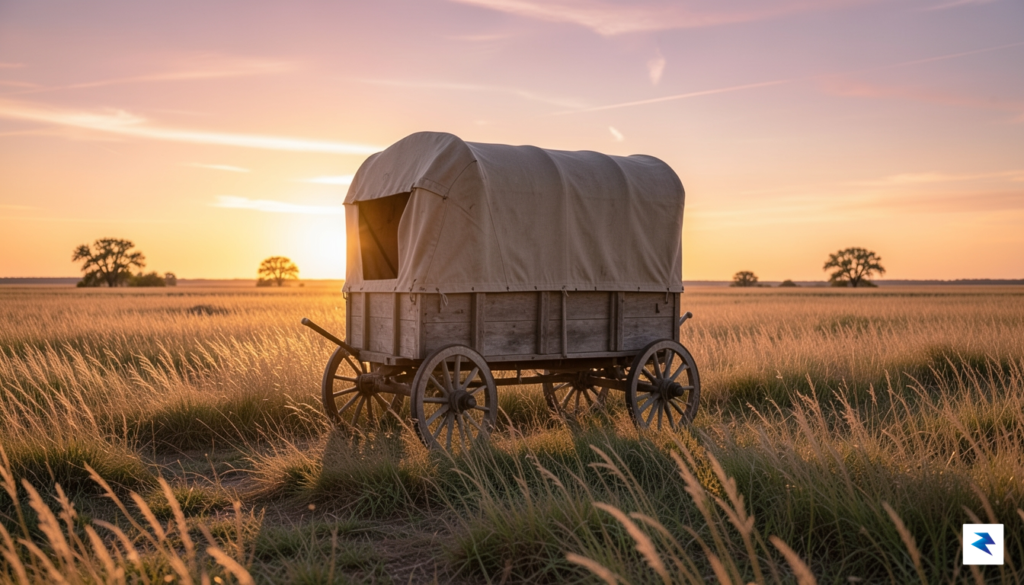
For generations, Laura Ingalls Wilder’s Little House on the Prairie books have served as a foundational pillar of American literature, shaping our collective imagination regarding the grit and resilience of the frontier experience. While the iconic 1970s television series brought the Ingalls family into our living rooms with a sense of wholesome, moral-driven comfort, the cultural landscape has shifted dramatically since those days. Today’s audiences are no longer content with a singular, rose-tinted perspective of history; instead, they demand a more nuanced exploration of the complex realities faced by those who lived, traveled, and struggled across the American West. By revisiting this beloved source material, Netflix is not merely attempting to replicate a nostalgic aesthetic, but is instead aiming to bridge the gap between classic literary charm and the essential, often overlooked truths of the 19th-century frontier.
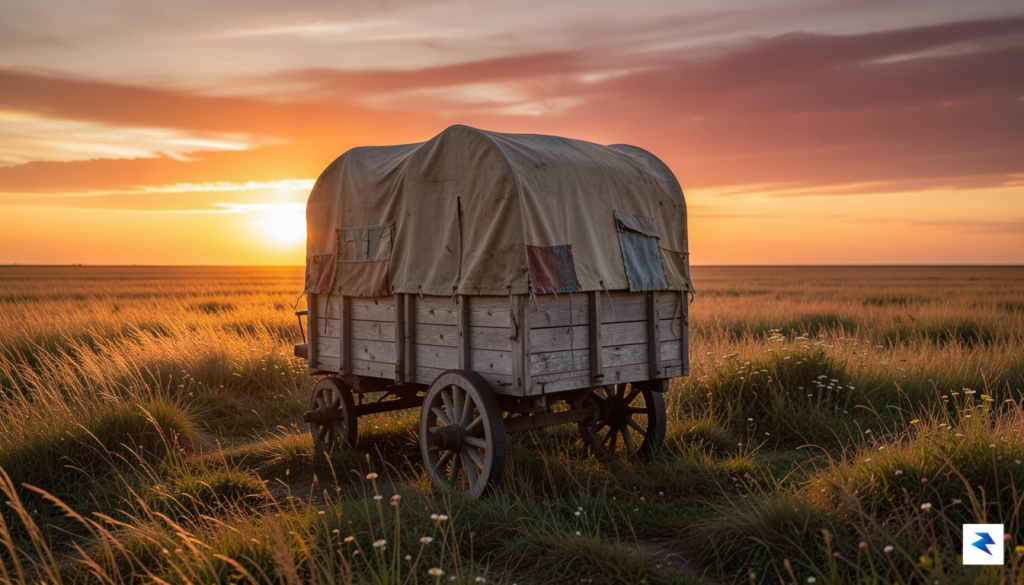
The decision to embark on this bold new adaptation acknowledges that storytelling must evolve alongside its audience. While the original narratives captured the spirit of family survival and pioneer ingenuity, they frequently obscured the darker chapters of westward expansion, particularly concerning the displacement of Indigenous peoples and the harsh realities of life for marginalized groups on the plains. This modern project seeks to retain the heart of the original stories—the core themes of family devotion, survival, and the search for home—while intentionally widening the lens. By doing so, the production team aims to provide a more inclusive historical context that honors the humanity of every individual who occupied that space, rather than adhering to a one-dimensional romanticization of the past.
“History is not a static memory, but a living dialogue between who we were and who we strive to be; updating this classic allows us to engage with the full truth of our heritage.”
Ultimately, this project is about reconciling our love for the comfort of the “Little House” myth with the requirements of a modern, historically conscious era. It is a delicate balancing act that requires respecting the source material’s literary legacy while simultaneously challenging it to account for voices that were previously silenced. As we prepare to return to the prairie, it is clear that this version will invite viewers to confront the complexities of the past with greater empathy and intellectual rigor. By transforming the frontier into a space that reflects the diversity and depth of the American experience, Netflix is ensuring that the story of the Ingalls family remains relevant for a new generation that values authenticity just as much as it values a good story.
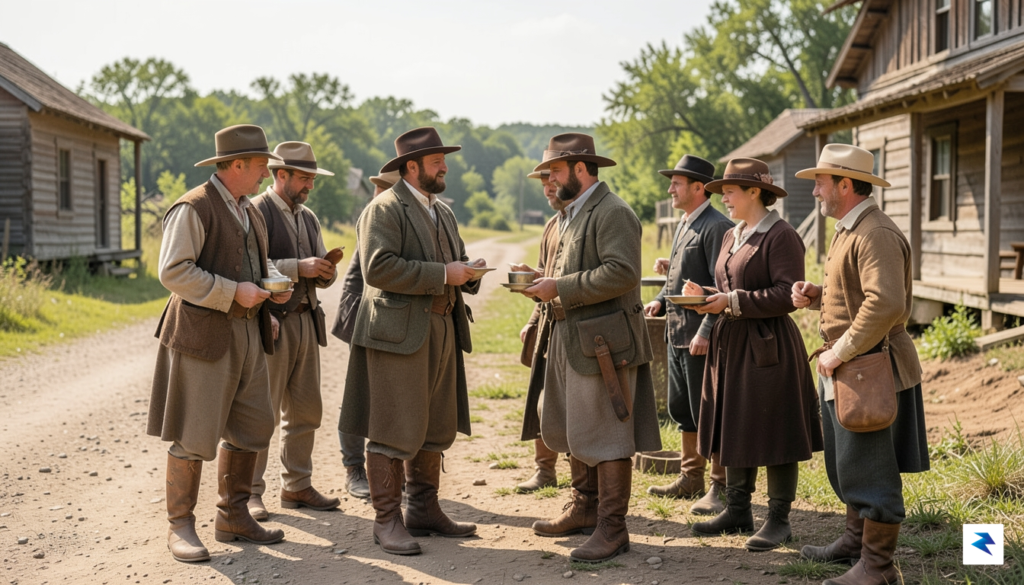
For generations, the popular imagination of the American frontier has been filtered through a narrow lens, often depicting the westward expansion as a singular, homogeneous experience. By re-centering the narrative to include the essential contributions and presence of Black and Native American communities, this updated adaptation does far more than simply modernize the aesthetic of the prairie; it actively corrects a long-standing historical oversight. The reality of 19th-century frontier life was a complex tapestry woven from diverse cultures, shifting alliances, and varying degrees of survival, yet traditional storytelling has frequently rendered these populations invisible. Integrating these voices allows the show to move beyond the tropes of a solitary settler experience, revealing a social landscape where survival was a collective, albeit often fraught, negotiation between different groups.
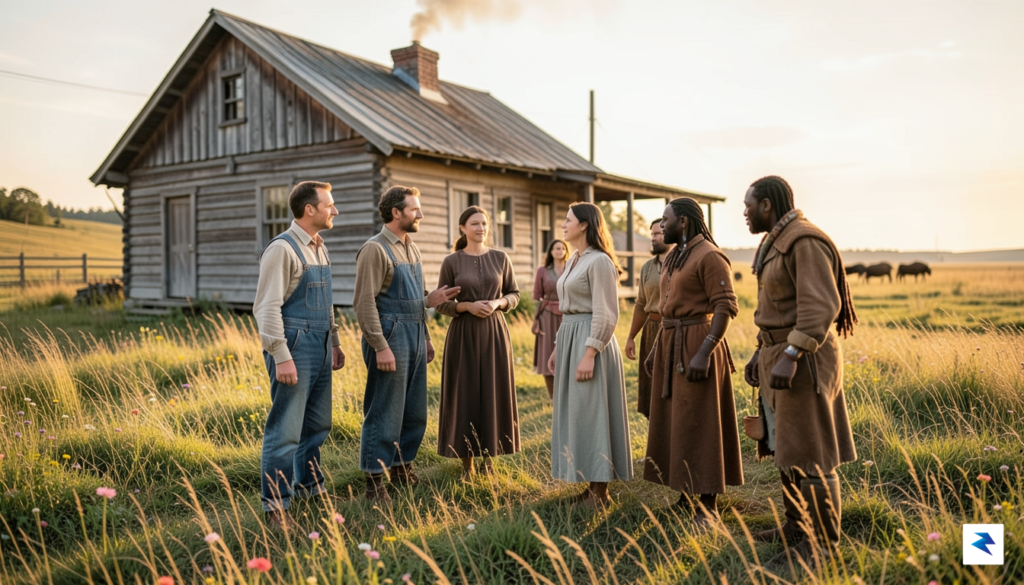
When the stories of Black pioneers—who frequently headed West to escape the systemic oppression of the Reconstruction-era South—are woven into the fabric of the frontier, the stakes of the pioneer life are immediately heightened. These characters provide a vital perspective on what it meant to seek autonomy and land ownership in a country that was still struggling to define its own moral boundaries. Similarly, centering the perspective of Native American characters acknowledges that the prairie was not an empty wilderness waiting to be claimed, but a vibrant, occupied landscape. By depicting these figures not as mere obstacles or background players, but as complex individuals with their own motivations, cultural practices, and agency, the series offers a more intellectually honest portrayal of the era’s social dynamics.
The true power of this reimagining lies in its commitment to historical honesty, proving that a story about the American spirit is only as strong as its inclusion of all the people who were actually there.
Ultimately, this shift toward inclusivity creates a much richer, more nuanced viewing experience. Instead of a one-dimensional struggle against the elements, the narrative becomes a sophisticated exploration of community building, cultural friction, and the elusive nature of the American Dream. By embracing a cast that reflects the actual demographics of the historical frontier, the producers are not just updating the show for a contemporary audience; they are honoring the truth of the past. This multifaceted approach ensures that the prairie remains a relevant setting for modern stories, grounded in a more accurate reflection of the human experience that characterized the expansion of the United States.
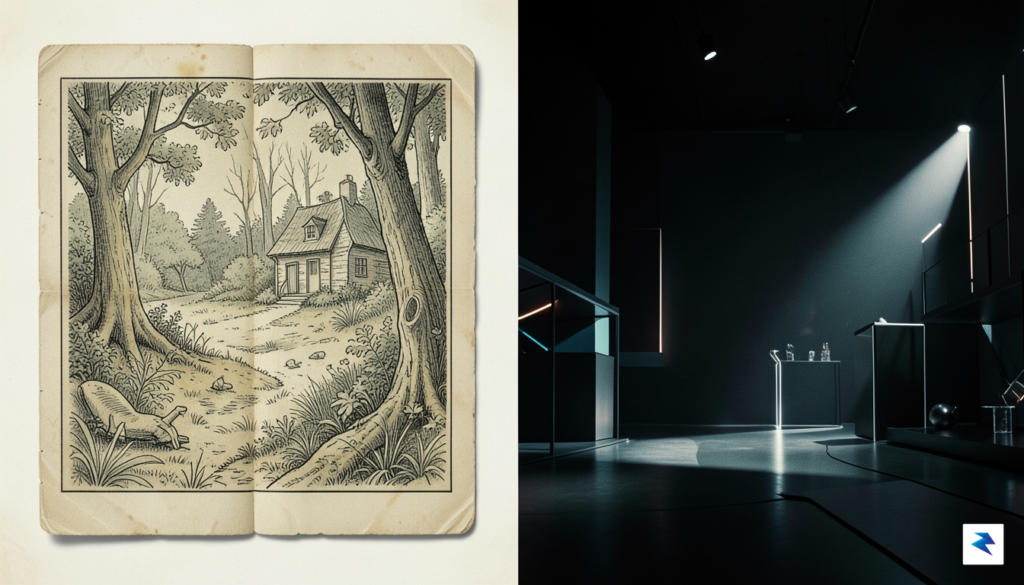
Reimagining a literary icon as deeply embedded in the cultural consciousness as the Ingalls family saga is an undertaking fraught with artistic peril. The creative team behind this new adaptation faces a fundamental tension: how to preserve the warm, character-driven charm that defined the original experience while simultaneously navigating the uncomfortable realities of settler colonialism and systemic prejudice that underpin the narrative. It is not merely a matter of changing costumes or updating dialogue; it requires a structural reassessment of the prairie mythos itself. The goal is to honor the resilience and domestic intimacy that readers have cherished for generations, while acknowledging that those very stories were often told from a limited, privileged perspective that ignored the displacement of Indigenous peoples.
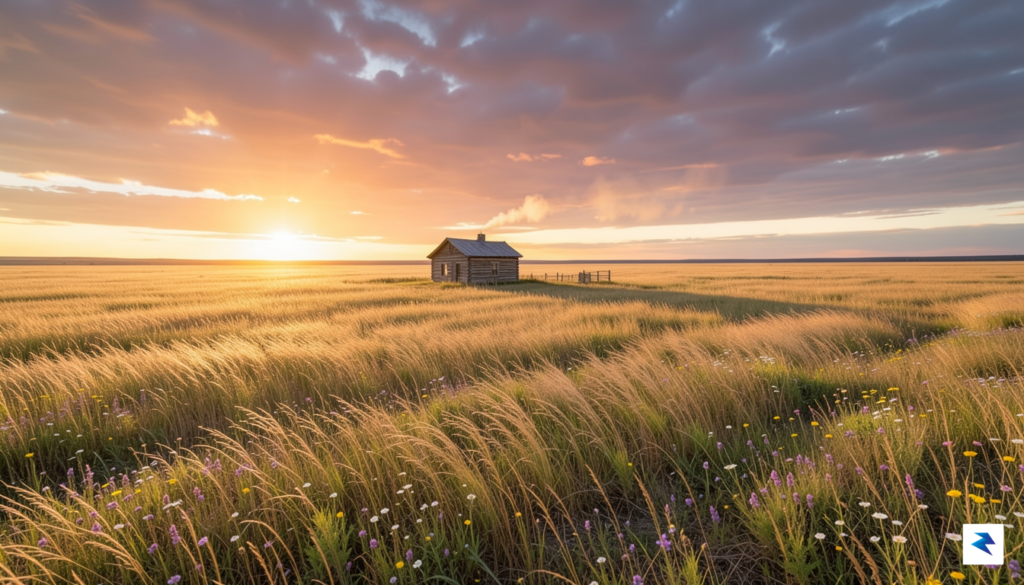
To bridge this divide, the writers have adopted a strategy of intentional expansion rather than simple erasure. Instead of stripping away the nostalgic comfort of hearth and home, they have chosen to widen the lens, bringing peripheral characters—who were once mere footnotes in the original accounts—into the foreground. By shifting the focus to include more diverse viewpoints and historical context, the creators aim to provide a more honest, three-dimensional portrayal of the American frontier. This approach allows for a nuanced exploration of the era’s complexities, ensuring that the characters we know and love remain grounded in their original emotional arcs, even as the world around them is revealed to be far more complicated and fraught with injustice than previously depicted.
True adaptation is not about discarding the past, but about having the courage to look at it through a lens that encompasses everyone who was actually present in that time and place.
This delicate balancing act ultimately hinges on the belief that historical narratives can evolve without losing their heart. By leaning into the discomfort of the past, the production team invites the audience to engage with the material on a deeper, more intellectual level. The charm of the Ingalls family is not diminished by recognizing the harsh realities of their environment; rather, it is humanized. By refusing to sanitize the darker aspects of the westward expansion, the show offers a more mature, resonant portrayal of what it actually meant to forge a life on the prairie, effectively reconciling the beloved storybook memories of the past with the necessary truths of modern historical consciousness.
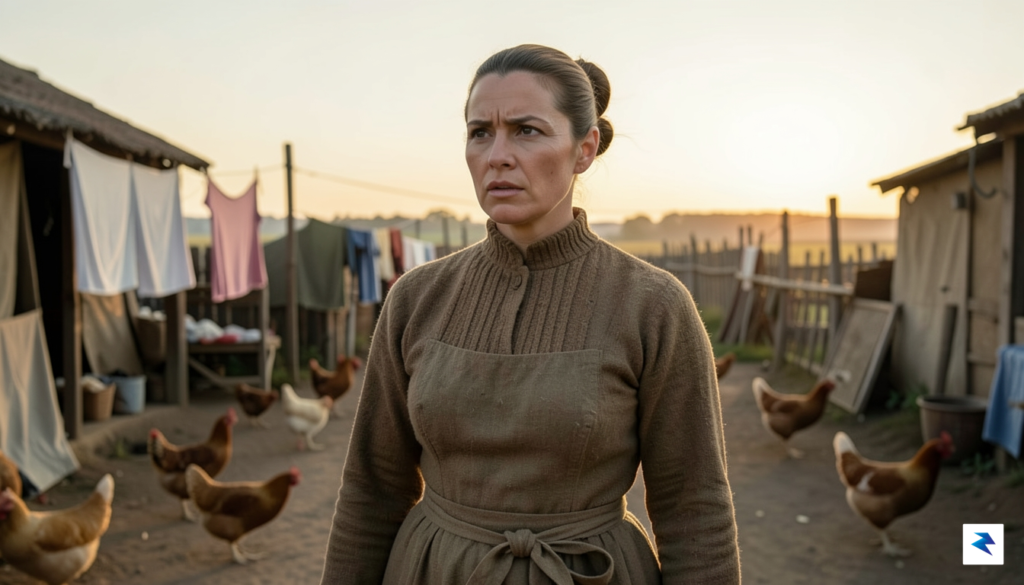
For generations, Caroline Ingalls—affectionately known as “Ma”—has been viewed through the lens of quiet endurance, defined largely by her ability to maintain a sense of order and domestic grace amidst the harsh unpredictability of the frontier. However, this updated iteration of the series boldly reimagines her character, peeling back the layers of her stoic exterior to reveal a woman of profound intellectual curiosity and fierce, untapped ambition. Rather than being merely the steady anchor for Pa’s restless wanderlust, this version of Ma is granted a vibrant internal life and a distinct voice that challenges the traditional, passive tropes historically associated with pioneer motherhood. She is no longer just the woman waiting by the hearth; she is a strategic architect of her family’s survival, possessing a sharp awareness of the socioeconomic forces that dictate their life on the plains.
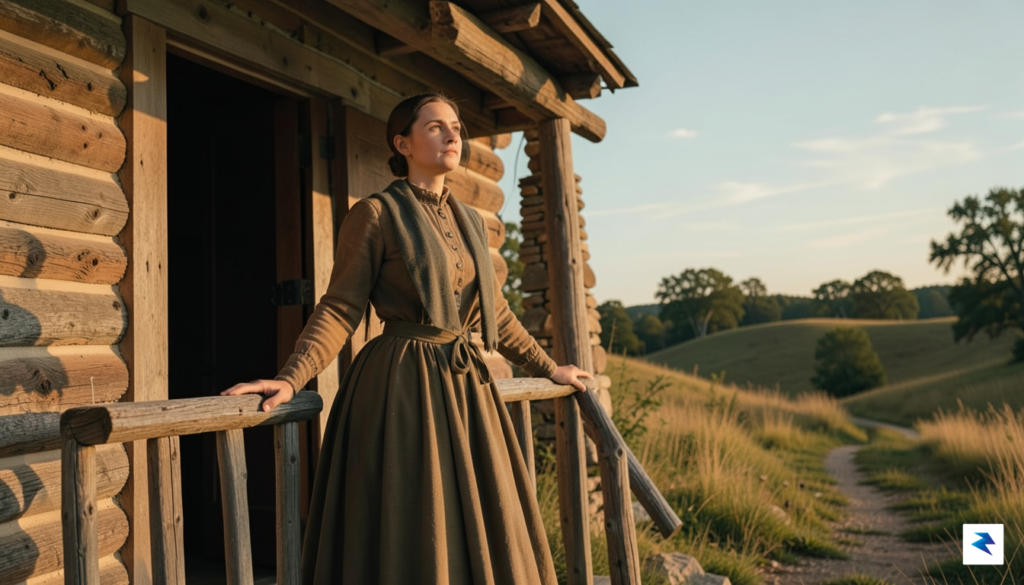
The transformation of Ma’s role fundamentally alters the family dynamic, shifting the power balance from a paternalistic structure to a partnership built on mutual respect and complex negotiation. By emphasizing her agency, the script allows her to voice her own hesitations, dreams, and political opinions, effectively moving her from the periphery of the story’s decision-making process to the very center. When the family faces the inevitable crises of prairie life—drought, illness, or economic collapse—the narrative now highlights the specific ways in which Ma’s resilience is not merely reactive, but proactive. She navigates the boundaries of her time with a modern sensibility, demonstrating that her domestic labor is a form of powerful, essential work rather than a subservient role.
The strength of the frontier was not just in the hands that held the plow, but in the minds that kept the family tethered to their humanity when the wilderness threatened to pull them apart.
This evolution carries clear feminist undertones that resonate deeply with contemporary audiences, as it reframes the “pioneer woman” archetype into something far more multifaceted. By grounding Ma in a reality where she must constantly balance societal expectations with her own desires for autonomy, the series provides a nuanced look at the limitations and quiet rebellions of 19th-century women. She is depicted as a woman who understands the weight of her responsibilities but is unwilling to sacrifice her own identity at the altar of sacrifice. Ultimately, this modernized Ma Ingalls serves as the moral and intellectual compass of the show, proving that the true spirit of the frontier was just as much about the reclamation of self as it was about the cultivation of the land.
Adapting a cultural touchstone as deeply embedded in the American consciousness as the Ingalls family saga is an inherently precarious endeavor. The creators behind this new iteration are acutely aware that any deviation from the established canon—no matter how well-intentioned—will inevitably trigger a visceral reaction from those who view the original source material through a lens of nostalgia. By modernizing the narrative and confronting the uncomfortable realities of the frontier era, the production team has braced themselves for a firestorm of public debate. Rather than shying away from this scrutiny, they have embraced it as a necessary byproduct of their primary mission: to transform a beloved childhood memory into a mirror that reflects the complexities of our national identity.
The team’s stated goal is not to dismantle the legacy of the pioneer spirit, but rather to expand the perimeter of the story to include voices that were previously relegated to the margins. They argue that if a classic story is to remain relevant in the twenty-first century, it must be willing to engage with the darker, often-erased chapters of history, such as the systemic displacement of Indigenous populations and the harsh realities of settler colonialism. By choosing to prioritize historical honesty over a sanitized, comfortable escape, the creators hope to foster a more nuanced conversation about what the “prairie” truly represents in the grander tapestry of American history. They recognize that true reverence for a classic does not mean stagnant repetition; instead, it means evolving the narrative to meet the ethical demands of a modern audience.
“We aren’t here to erase the past, but to ensure that the past we tell is complete, honest, and representative of every life that occupied that landscape.”
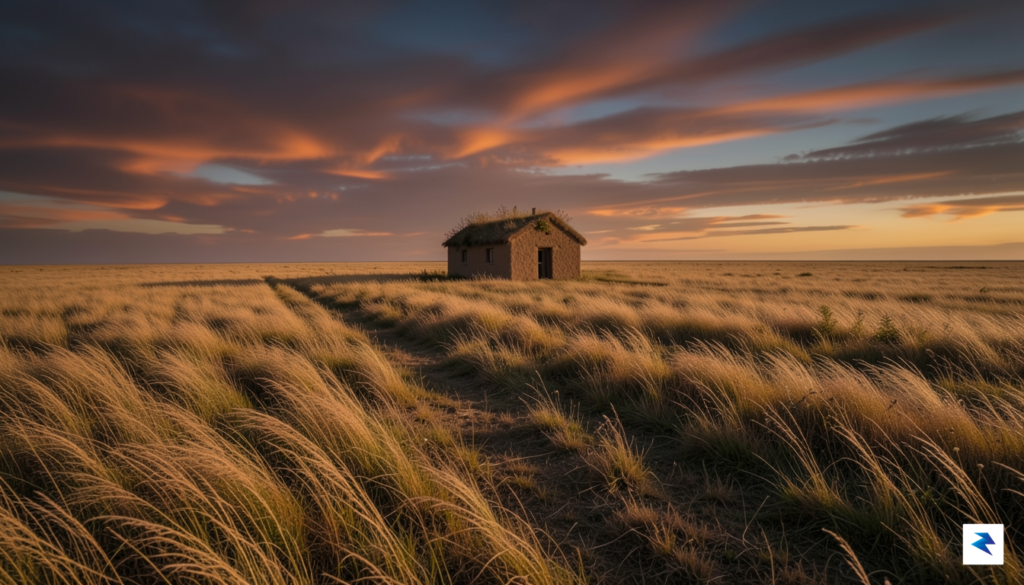
Ultimately, the drive for historical accuracy in this adaptation reflects a broader movement within modern media to hold creators accountable for the stories they choose to amplify. By integrating the perspectives of those who were historically omitted from the original chronicles, the production seeks to honor the humanity of everyone involved in the frontier experience. This commitment to transparency is not just an aesthetic choice; it is a pedagogical one, intended to encourage viewers to interrogate their own assumptions about how history is recorded and remembered. By navigating these choppy waters with intentionality, the creators hope to leave behind a legacy that is more durable, inclusive, and reflective of the truth than the mythologies of the past ever were.
You must be logged in to post a comment.