Samsung’s July 22nd Unpacked: Why the Shift to a Wider Foldable Matters
The Evolution of Foldable Form Factors For years, Samsung has been the undisputed pioneer of the foldable smartphone market, essentially…
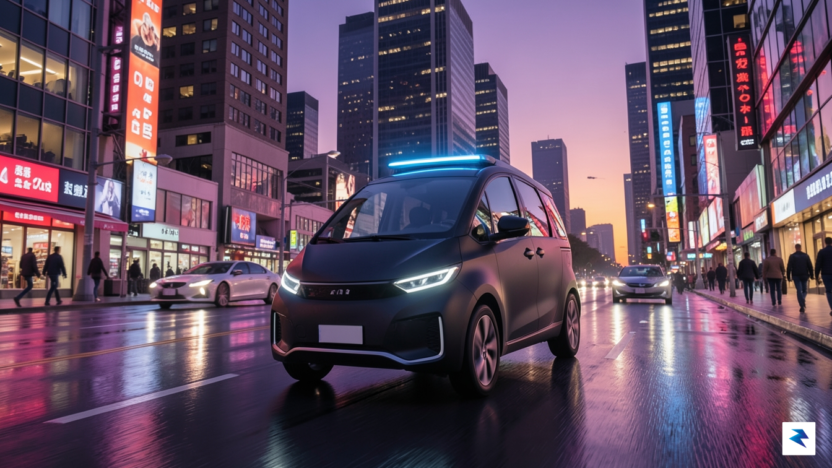
The world of autonomous vehicles is currently split by a fundamental philosophical debate regarding how best to achieve true self-driving capabilities. On one side stands Tesla, championing a bold, vision-centric approach, while the majority of its rivals advocate for a multi-sensor, redundant system. This technical schism isn’t merely academic; it has profound implications for safety, development timelines, and ultimately, the regulatory frameworks attempting to govern this nascent industry, potentially shaping which companies can even operate in certain jurisdictions.
Tesla’s Full Self-Driving (FSD) system is famously built upon the premise that if a human can drive using only their eyes, then a sophisticated artificial intelligence, paired with an array of high-resolution cameras, should be able to do the same. The company posits that radical advancements in neural networks and machine learning allow their software to interpret visual data with unparalleled accuracy, identifying objects, predicting movements, and understanding complex driving scenarios just as a human driver would. This “vision-only” strategy is not only seen as a path to more human-like perception but also offers significant cost advantages by avoiding expensive lidar units, theoretically making the technology more scalable and accessible to a wider market without the additional hardware overhead.
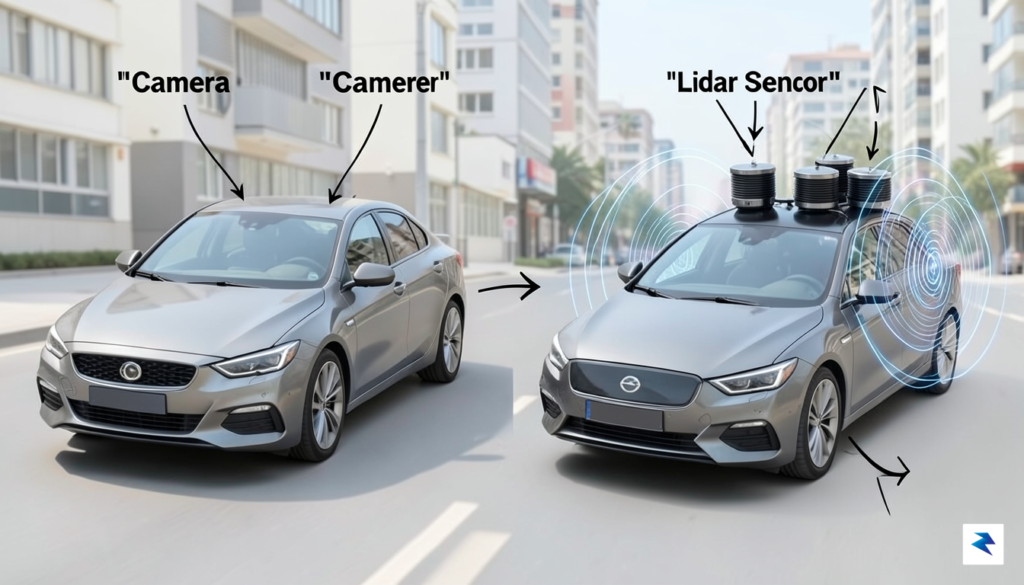
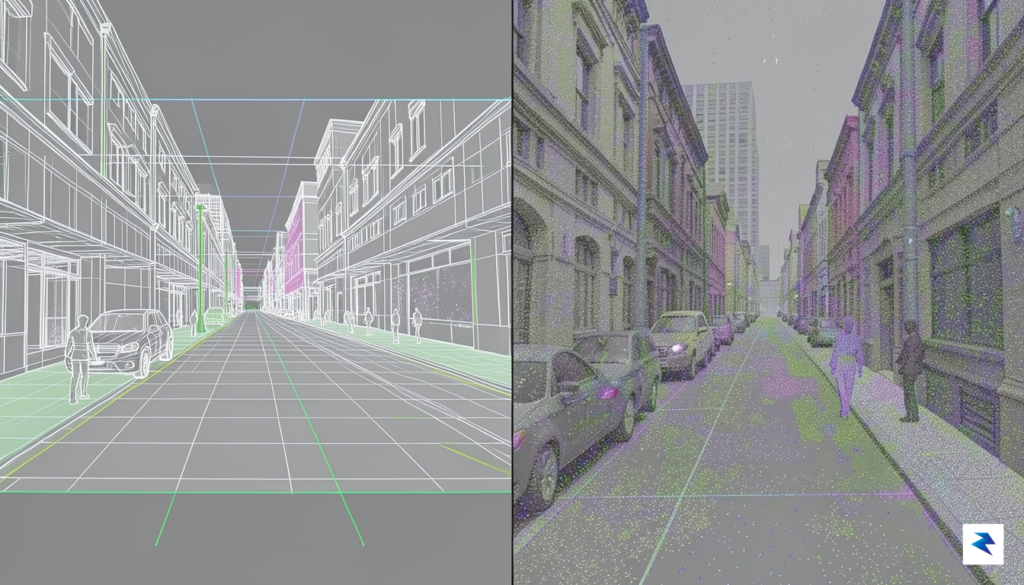
In stark contrast, industry leaders like Waymo, Zoox, and Cruise adhere to a “sensor fusion” philosophy, integrating a robust suite of technologies beyond just cameras. Their vehicles typically deploy lidar (Light Detection and Ranging) for precise 3D mapping and distance measurement, radar for detecting objects through adverse weather conditions like fog or heavy rain, and an extensive network of high-resolution cameras to capture detailed visual information. This redundant setup ensures that if one sensor fails, is blinded, or is obstructed by environmental factors, others can compensate, providing multiple independent layers of perception and cross-verification for critical safety decisions. The idea is to create a robust, fail-safe system that can reliably navigate diverse and unpredictable real-world scenarios.
Safety advocates and many seasoned engineers view this multi-layered approach as absolutely critical for robustness and reliability, arguing that relying on a single sensor modality, no matter how advanced, introduces unnecessary risks. For instance, while cameras excel at object recognition, they can be blinded by direct sunlight, struggle severely in low-light conditions or heavy precipitation, and often have difficulty accurately judging distance in certain scenarios. Lidar and radar, operating on different physical principles, can often fill these crucial gaps, offering a more complete and resilient understanding of the vehicle’s surroundings and creating a powerful, cross-verifying triad that significantly enhances overall operational safety and confidence in diverse and challenging environments. This fundamental technical divergence remains a central point of contention and innovation within the autonomous vehicle sector.
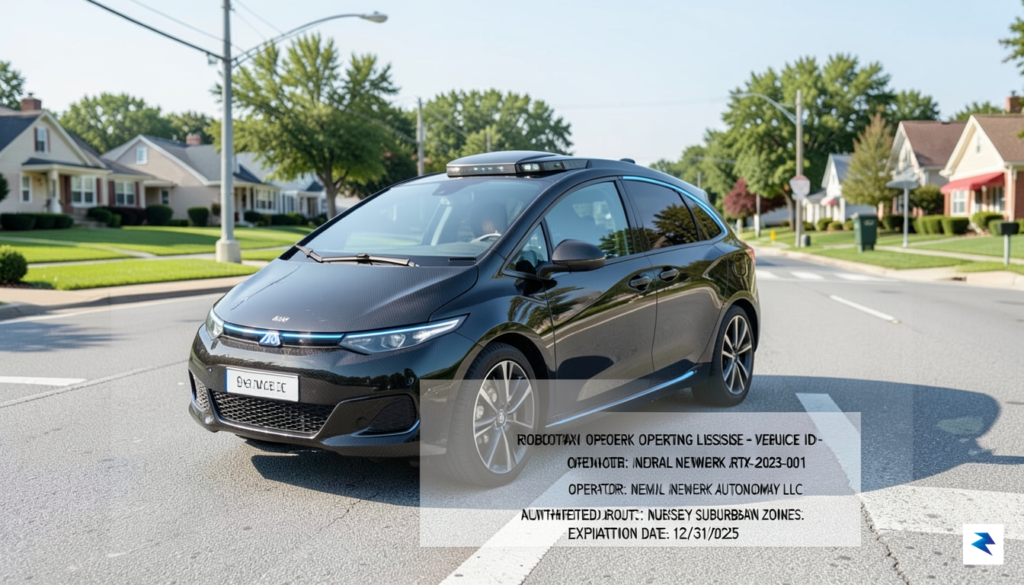
The landscape of autonomous transportation is currently facing a significant pivot in New Jersey, where newly proposed legislation aims to codify rigid safety standards that could fundamentally disrupt the trajectory of Tesla’s Full Self-Driving (FSD) vision. At the heart of this legislative effort is a set of requirements that explicitly mandates the integration of redundant sensor suites, specifically calling for a combination of LiDAR, radar, and ultrasonic hardware to ensure operational safety. By codifying these specific technologies as a baseline for legal robotaxi operation, the bill creates a high barrier to entry that Tesla’s camera-reliant “Vision-only” approach is currently unequipped to meet. Because the state’s proposal defines “required safety sensors” as a multi-modal necessity, it essentially legislates against the minimalist hardware philosophy that Elon Musk has championed for years.
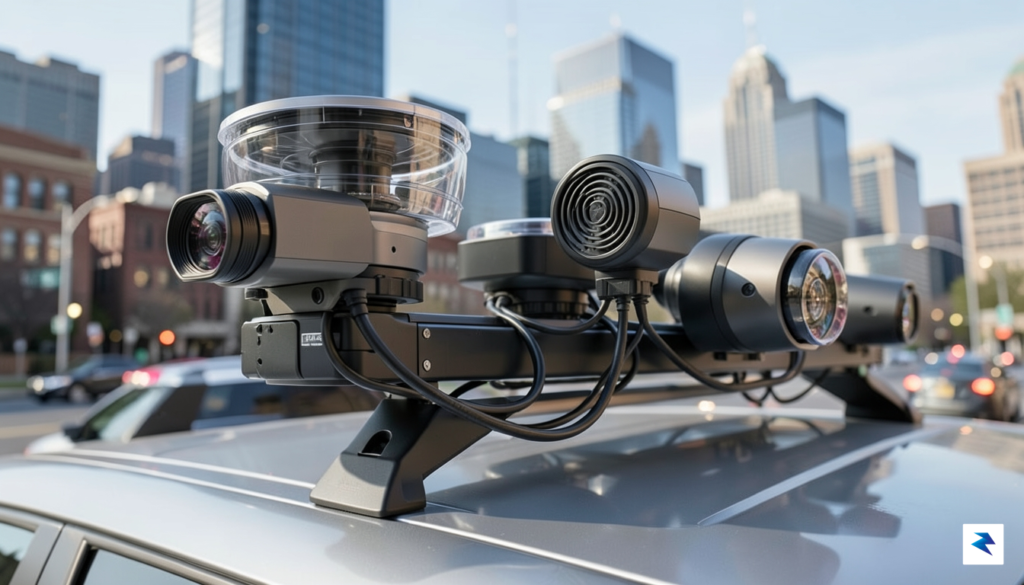
This shift in regulatory policy is not merely a technical disagreement; it represents a profound legal challenge that could force a bifurcation of the autonomous vehicle market. Tesla has long argued that human-like sight—relying solely on high-resolution cameras and neural networks—is sufficient for safe navigation, citing the superiority of biological eyes over complex, expensive hardware. However, New Jersey’s proposed mandates operate on the precautionary principle, prioritizing hardware redundancy over algorithmic sophistication. Should this bill pass in its current form, any vehicle lacking a comprehensive suite of active sensing hardware would be barred from participating in the robotaxi ecosystem, effectively locking Tesla out of the state unless the company radically alters its production line to accommodate external sensors.
The core of the conflict lies in the definition of “safety”: while Tesla bets on the intelligence of its software, New Jersey lawmakers are placing their faith in the hardware diversity of the vehicle.
Furthermore, the implications of this New Jersey bill extend well beyond the state’s borders, potentially serving as a bellwether for national autonomous driving policy. When individual states impose stringent technical mandates, they create a fragmented regulatory environment that forces manufacturers to navigate a patchwork of conflicting rules. If other states follow New Jersey’s lead, Tesla might find itself forced to develop “regional” hardware configurations to remain compliant, which would undermine the company’s goal of scaling a uniform, software-driven fleet. This creates a critical tension between local sovereignty in road safety and the desire for a unified federal standard for autonomous technology. Consequently, the industry is watching this legislative push closely, as it could signal the beginning of a move toward mandatory sensor redundancy across the United States, fundamentally altering the competitive landscape for self-driving cars.
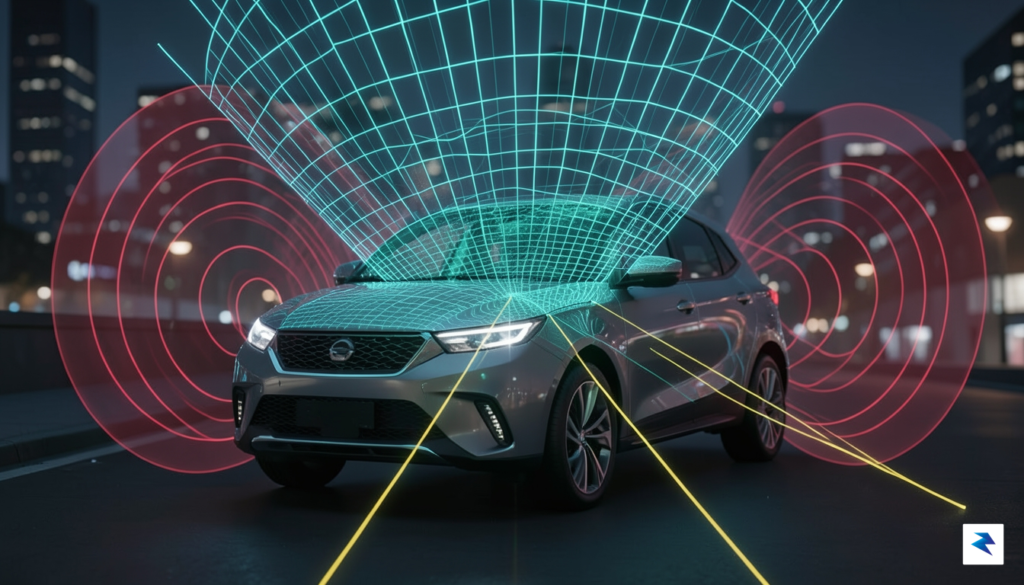
The core of the legislative friction surrounding autonomous vehicle deployment centers on a profound philosophical schism: is human-like vision sufficient for machine navigation, or does the public deserve a multi-layered safety net? Proponents of strict redundancy requirements argue that relying solely on cameras is akin to operating an aircraft without an altimeter. By demanding the integration of lidar and radar alongside optical sensors, regulators are effectively mandating a fail-safe environment where the vehicle does not merely “see” the world, but interprets it through multiple, distinct physical modalities. This approach holds that sensors should not be optimized for cost-efficiency or aesthetic integration, but rather for the highest possible reliability in scenarios where any single system might be compromised.
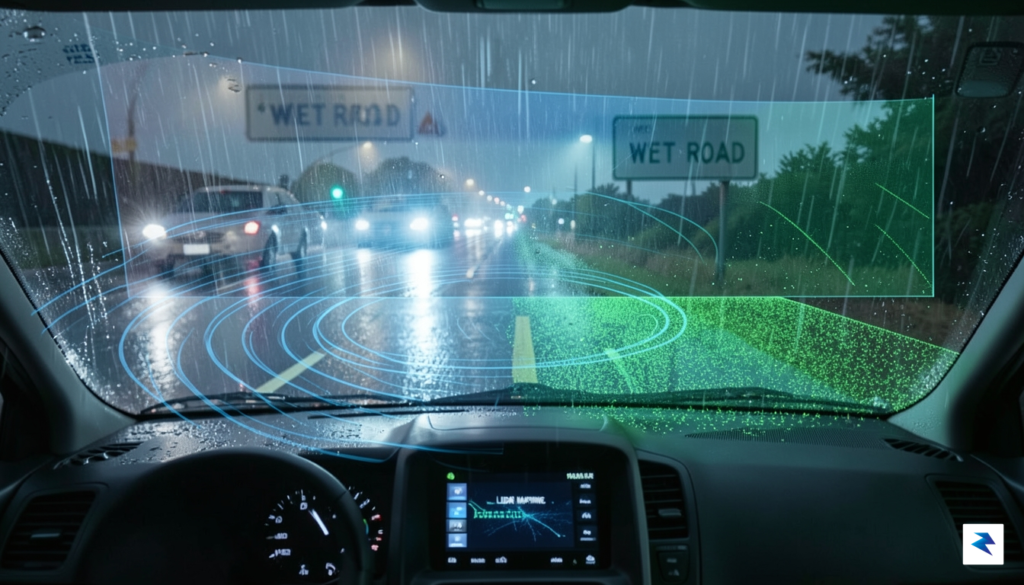
From a technical standpoint, the argument for redundancy is rooted in the inherent limitations of light-based perception. Cameras, no matter how sophisticated their underlying neural networks, are susceptible to the same environmental challenges that plague human drivers, such as blinding sun glare, dense fog, or torrential rain that obscures lane markings. Lidar, which uses laser pulses to map the environment in three dimensions, remains unfazed by these lighting conditions, providing a rock-solid geometric map of the road. Similarly, radar excels at detecting the velocity of nearby objects even when visibility is near zero. Critics of a camera-only approach argue that by stripping away these secondary systems, manufacturers are creating a single point of failure that could prove catastrophic if the software misinterprets a pixelated image as a clear path.
True safety in autonomous systems isn’t found in the perfection of one sensor, but in the mathematical certainty provided by cross-verifying data from entirely different physical sources.
Conversely, those who align with the camera-first philosophy—most notably Tesla—contend that human drivers navigate complex environments using only their biological vision, suggesting that cameras, when paired with powerful artificial intelligence, are sufficient to replicate and eventually surpass human safety levels. They argue that adding lidar and radar introduces unnecessary complexity, increases the weight and cost of the vehicle, and creates a “sensor fusion” problem where conflicting data streams could lead to hesitation or erratic maneuvers. Ultimately, the debate is not just about corporate strategy or competitive advantages; it is a fundamental disagreement about what constitutes “safe enough” for public roads. If the law mandates redundancy, it places a moral premium on preventing rare, high-consequence failures, even if those measures make the technology significantly more expensive and difficult to scale for the average consumer.
The potential for states to adopt sensor-specific mandates, particularly those favoring lidar, represents a significant crossroads for Tesla, posing direct threats to its market position and overarching valuation. Tesla has famously staked its autonomous driving future on a vision-only system, eschewing lidar and radar in its latest iterations, a decision rooted in both cost efficiency and a philosophical belief in the power of camera-based AI. However, if regulatory bodies begin to enshrine specific hardware requirements into law, this foundational design choice could become a substantial liability, creating a fragmented operational landscape that forces the company into an unenviable choice: compromise its deeply held design philosophy or risk being locked out of key, potentially lucrative, markets.
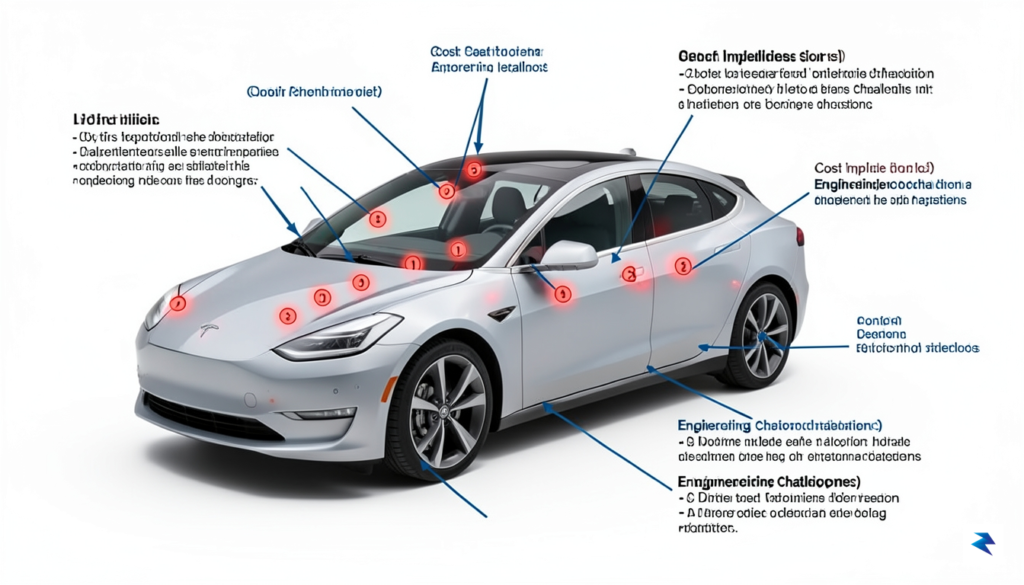
The most immediate and tangible impact would be financial. Should Tesla be compelled to retrofit its vehicles with lidar, the production cost per unit would inevitably surge. While lidar unit prices have decreased, even a few hundred dollars added to the Bill of Materials (BOM) for millions of vehicles translates into billions in additional expenditure. This isn’t just about the sensor itself; it involves significant re-engineering for integration, including mounting points, wiring harnesses, software integration, and validation testing – all resource-intensive processes that would demand substantial capital investment and divert engineering talent. Such an overhaul would directly erode Tesla’s renowned profit margins, which are already under pressure from competitive pricing and raw material costs. Furthermore, the disruption to existing production lines and supply chains could lead to delays, impacting delivery schedules and customer satisfaction, compounding the financial strain.
Beyond the direct financial hit, the long-term feasibility of Tesla’s vision for a global autonomous network faces severe challenges under varying state-by-state regulatory regimes. Imagine a scenario where vehicles destined for California require one sensor suite, those for New Jersey another, and perhaps Texas yet a third. This “patchwork quilt” of regulations would create an operational and logistical nightmare. Developing, testing, and maintaining multiple hardware and software configurations for different regions would drastically increase complexity and cost, making it exceedingly difficult to achieve the economies of scale necessary for a truly profitable robotaxi service. The very concept of a unified, self-improving AI that learns from a vast, homogenous fleet would be undermined, as data from different sensor suites might not be directly comparable or interoperable for training purposes. This fragmentation directly threatens the core value proposition of Tesla’s autonomous driving ambition, which relies heavily on a scalable, unified network.
The strategic dilemma for Tesla is profound. Sticking rigidly to its vision-only approach, while ideologically consistent, could mean forfeiting access to entire states or even countries that mandate specific sensor types. This would not only limit its potential market size for autonomous features and services but also cede ground to competitors who might already be incorporating lidar into their autonomous vehicle strategies. For investors, the clarity and scalability of Tesla’s long-term autonomous driving strategy are crucial components of its elevated valuation. Any regulatory shift that introduces significant uncertainty, necessitates costly re-engineering, or limits market access directly undermines these pillars, potentially leading to a re-evaluation of the company’s future earnings potential and, consequently, its stock price.
The prospect of a fragmented regulatory landscape forces Tesla into a high-stakes strategic decision: compromise on a fundamental design principle or risk being excluded from critical markets, profoundly impacting its financial performance and long-term valuation.
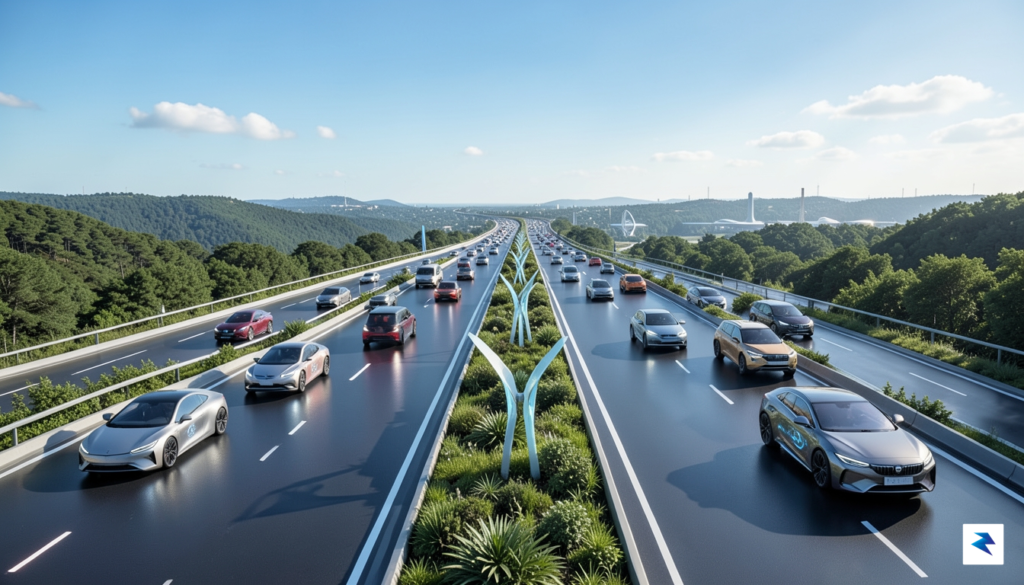
The legislative movement in states like New Jersey acts as a critical bellwether for the broader trajectory of autonomous vehicle (AV) oversight. As artificial intelligence moves from controlled laboratory environments into the chaotic reality of public roadways, the inherent tension between rapid technological innovation and the government’s mandate for public safety is reaching a boiling point. Currently, the landscape is fragmented, with states attempting to fill a regulatory vacuum that the federal government has been slow to address. This patchwork of local mandates suggests that future oversight will likely evolve into a layered system, where federal agencies set baseline performance metrics while states retain the authority to manage the specific infrastructure needs and safety protocols unique to their urban environments.
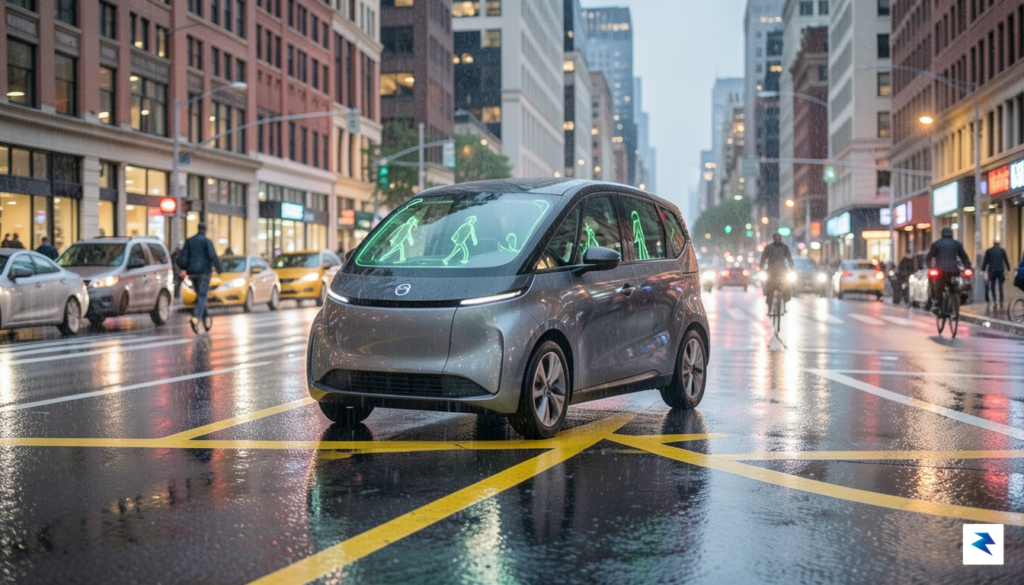
As this regulatory ecosystem matures, a primary point of debate will be whether a universal “Gold Standard” for AV sensors and software verification should be established. Currently, companies like Tesla lean heavily on camera-based “vision-only” systems, arguing that human-like sight is the ultimate path to full autonomy. Conversely, many traditional automotive manufacturers and tech rivals insist that a fusion of LiDAR, radar, and cameras is the only way to ensure the redundancy required for life-critical safety. If regulators eventually codify a minimum sensor suite requirement, it could effectively sideline companies that rely exclusively on visual AI, forcing a paradigm shift in how autonomous systems are engineered and validated before they are permitted to operate on public streets.
The challenge for policymakers is to craft a framework that is flexible enough to accommodate emerging advancements in machine learning, yet rigid enough to prevent the deployment of unproven systems in populated areas.
Ultimately, finding a middle ground between Tesla’s bold, data-driven ambition and the cautious, standard-heavy approach of traditional transport regulators will require a new kind of collaborative oversight. It is unlikely that a total ban on specific approaches will become the global norm, but we should expect more stringent “Proof of Safety” filings that go far beyond current self-reporting methods. By moving toward a standardized simulation-based testing protocol—where AI drivers must navigate millions of high-stakes virtual scenarios before earning a physical license—regulators can bridge the gap. This transition would not only satisfy the public’s demand for accountability but also provide the industry with a clear, predictable roadmap for scaling autonomous technology without fearing an eleventh-hour legislative veto.
You must be logged in to post a comment.