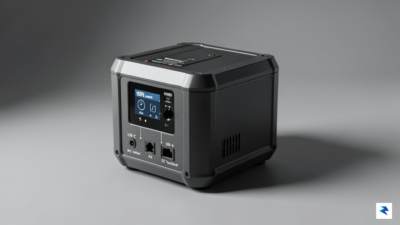
9 Best Portable Power Stations of 2026: Capacity and Performance Tested
Understanding Portable Power Station Capacity When shopping for a portable power station, it is easy to get distracted by the bold,…

For years, Samsung has been the undisputed pioneer of the foldable smartphone market, essentially defining the category with its iconic Galaxy Z Fold series. When the original Fold debuted, it was a daring experiment in engineering that prioritized the “wow” factor of a device that could transform from a pocketable phone into a miniature tablet. However, as the novelty has given way to daily necessity, the limitations of the company’s signature vertical-book design have become increasingly apparent. The persistent use of a narrow, elongated outer display—often criticized for its cramped keyboard and awkward proportions—has forced users to compromise on the very convenience that smartphones are meant to provide.
The upcoming July 22nd launch signals a definitive turning point in Samsung’s hardware strategy, marking a departure from the “tall and thin” aesthetic that has characterized the series since its inception. By moving toward a wider aspect ratio, the company is finally acknowledging that a foldable device must function primarily as a great smartphone before it can effectively act as a tablet. This shift is not merely a cosmetic change; it is a fundamental pivot toward ergonomics. A wider cover screen allows for a more natural typing experience, better media consumption, and less friction when performing the quick, everyday tasks that make up the bulk of our mobile interactions.
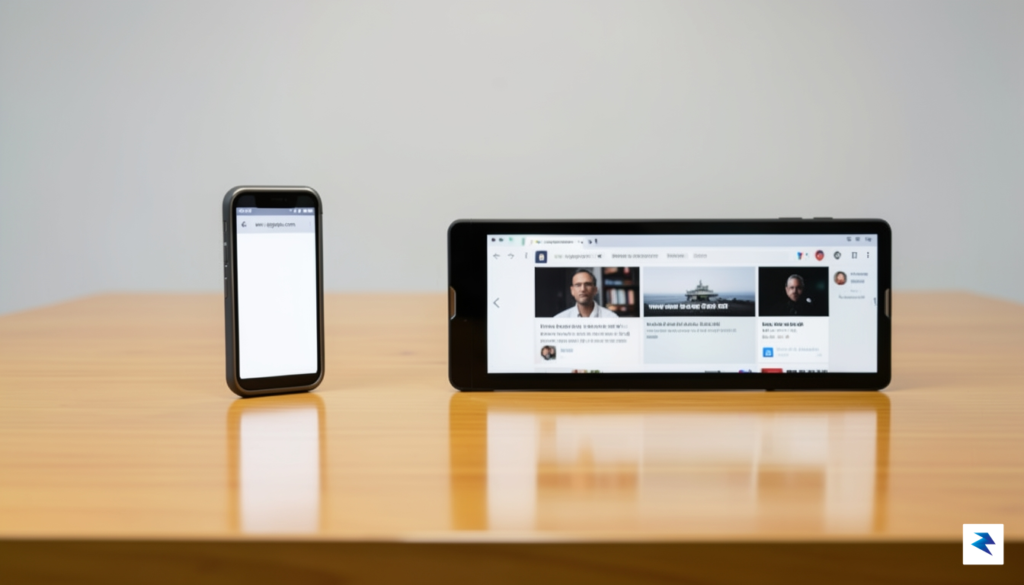
The broader industry landscape has undoubtedly influenced this change, as competitors have begun to successfully capture market share by prioritizing more standardized, user-friendly dimensions. While Samsung once favored a distinct, experimental form factor to stand out in a crowded market, the current climate demands a more refined, polished approach. Embracing a wider footprint suggests that the company is listening to power users who have long lamented the difficulty of using the outer screen for more than just checking notifications or skipping a music track.
The true success of the foldable category depends on removing the barriers between the user and their content; if the screen is too narrow to be useful, the innovation loses its purpose.
Ultimately, this pivot toward a wider, more tablet-adjacent design represents a maturation of the technology. By normalizing the dimensions of the outer display, Samsung is positioning its next generation of devices to appeal to a much wider audience, moving beyond the niche enthusiasts who were willing to tolerate awkward ergonomics for the sake of cutting-edge tech. As we look toward the July 22nd event, it is clear that the future of the foldable market is no longer just about the ability to fold; it is about providing a seamless, uncompromising experience that feels just as comfortable in the palm of your hand as it does when fully expanded.
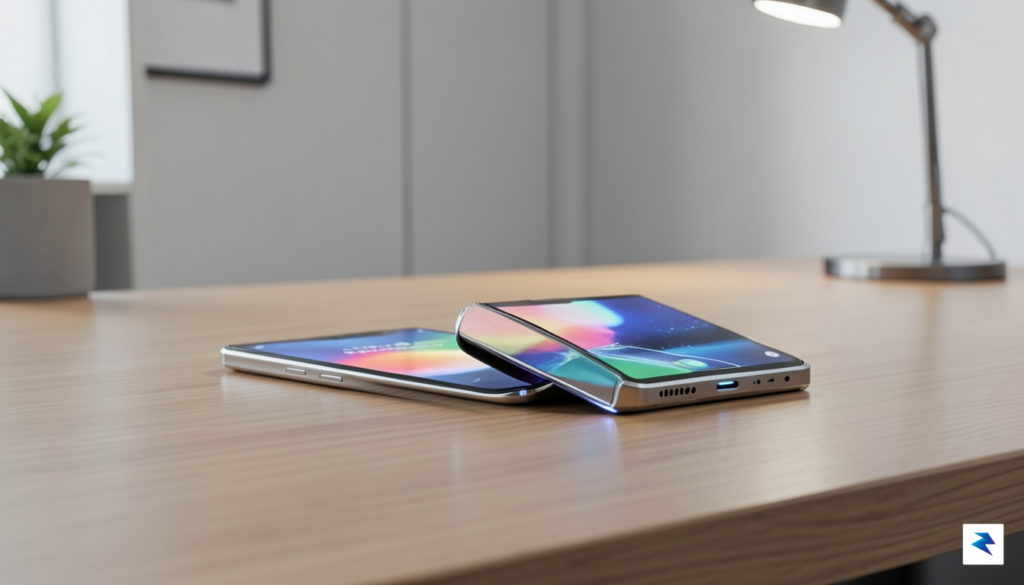
The cryptic tagline “A new shape unfolds” has set the rumor mill into overdrive, suggesting that Samsung is finally ready to move away from the tall, narrow aspect ratio that has defined the Z Fold series since its inception. By adopting a wider, more traditional smartphone footprint, Samsung is likely aiming to resolve the long-standing complaint that the outer display feels too cramped for standard typing and app navigation. This shift in form factor isn’t just an aesthetic choice; it promises to make the device significantly more pocketable and ergonomic for users who have found the previous “candy bar” design awkward to handle during daily use.
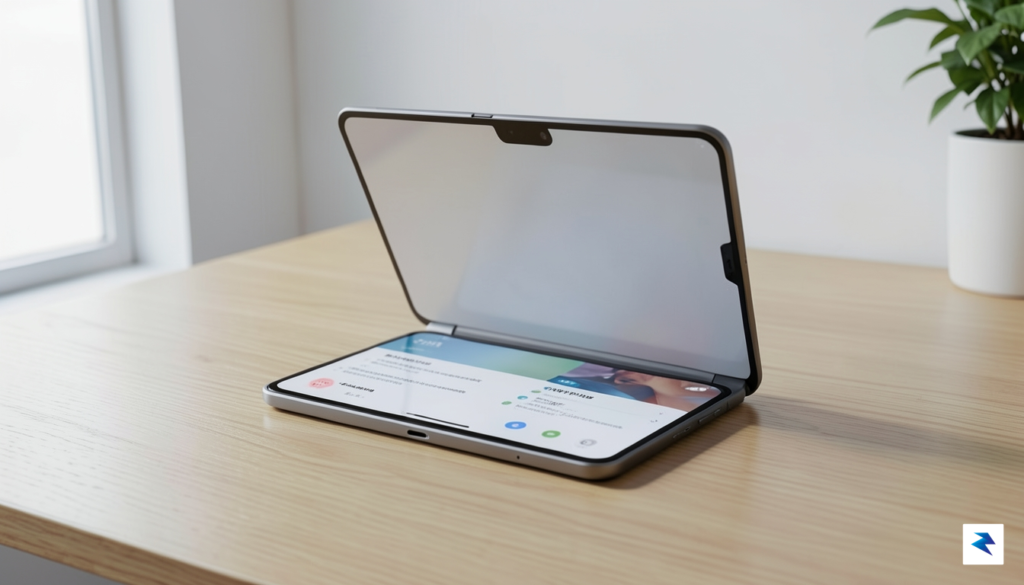
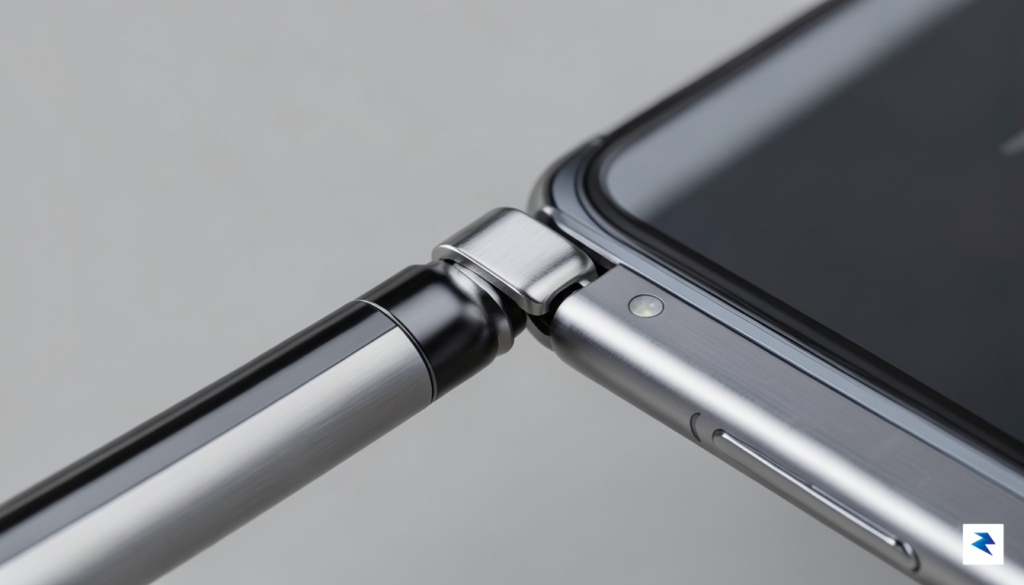
Beyond the exterior dimensions, the most anticipated hardware upgrade involves the hinge mechanism itself. Rumors point toward a completely redesigned “waterdrop” or integrated hinge system aimed at drastically minimizing the physical crease that has plagued foldable screens for years. If Samsung successfully engineers a mechanism that allows the display to fold with a larger radius, we could see a nearly flat surface that improves both visual clarity and touch responsiveness. Such a structural evolution would not only enhance the aesthetic appeal of the device but also protect the internal panel from the localized stress that often leads to micro-cracks over extended periods of usage.
A wider aspect ratio fundamentally changes the software experience, allowing developers to optimize layouts for a tablet-like canvas without the forced vertical stretching seen in previous generations.
Internally, this larger chassis provides much-needed breathing room for next-generation components. We expect the inclusion of the latest Snapdragon 8 Gen 3 (or an equivalent “for Galaxy” variant), which will be essential for powering the multitasking capabilities of an expanded screen. Furthermore, the extra surface area could allow for improved thermal management and potentially larger camera sensors, moving the foldable closer to the high-end photography capabilities found in the S24 Ultra. When paired with increased battery density, these internal upgrades could finally bridge the gap between a portable productivity machine and a flagship camera phone.
Durability remains the final hurdle for mass adoption, and the new design likely addresses this through advanced materials. Whether it involves a new iteration of Gorilla Glass or a reinforced frame made of aerospace-grade titanium, Samsung is under pressure to prove that a wider, thinner device can withstand the rigors of daily life. By refining the hinge geometry and reinforcing the display substrate, the company is positioning this launch as a turning point where “foldable” no longer means “fragile.” This combination of a more natural shape and robust construction suggests that Samsung is ready to transition from a niche enthusiast market to mainstream dominance.
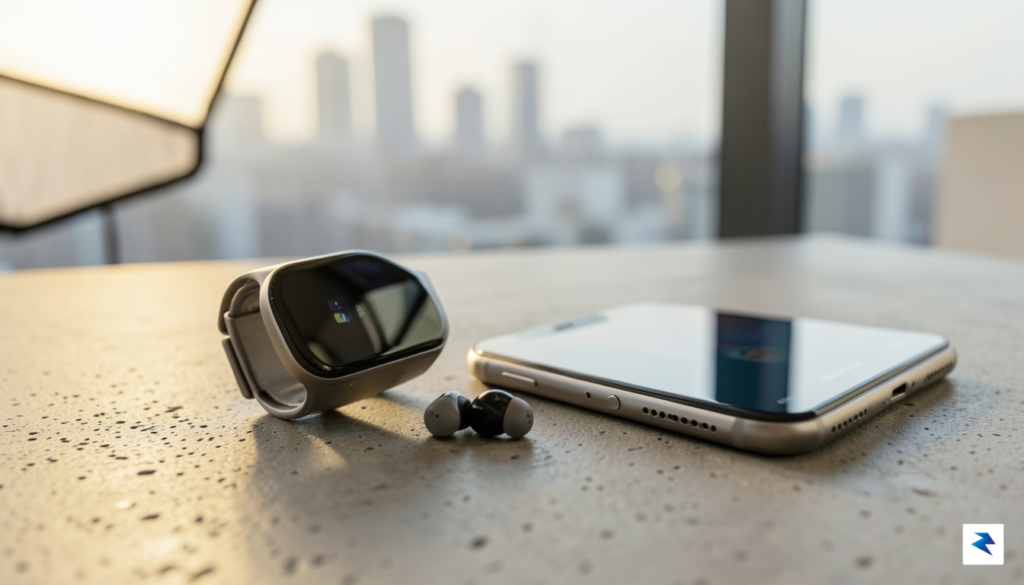
While the anticipation surrounding the new wide-format foldable device is undoubtedly the focal point of the upcoming July 22nd event, Samsung’s Unpacked showcases have evolved into much more than mere hardware launches. These events are now the stage for a grand orchestration of a unified ecosystem, where artificial intelligence acts as the connective tissue binding disparate gadgets together. As Samsung continues to refine its “Galaxy AI” suite, users can expect these new devices to anticipate needs, automate complex workflows, and provide a level of personalization that transcends traditional mobile computing. The strategy is clear: the foldable smartphone is no longer an isolated gadget, but the central hub of a sophisticated, interconnected digital environment.
Beyond the primary foldable announcement, industry experts anticipate significant updates to the wearable lineup, including the latest iterations of the Galaxy Watch and Galaxy Buds. These accessories are designed to function as natural extensions of the foldable screen, ensuring that biometric health data, notifications, and media playback flow seamlessly from the wrist to the palm of the hand. By integrating advanced sensors and AI-driven health insights directly into the Galaxy Watch, Samsung aims to provide a continuous feedback loop that keeps users informed without requiring them to unlock their phone constantly. This holistic approach ensures that the ecosystem feels less like a collection of separate parts and more like a singular, intelligent companion.
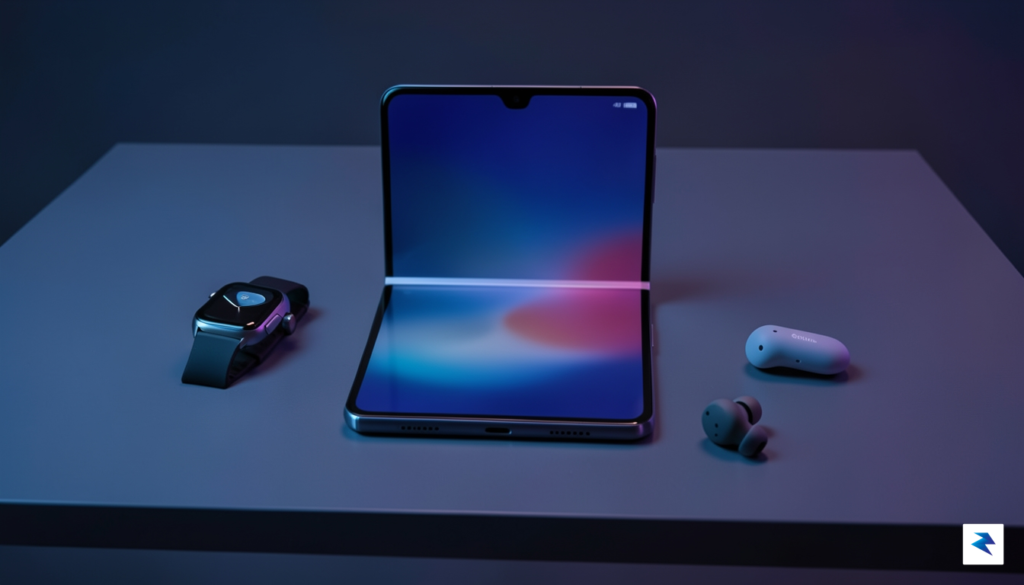
The true magic of this ecosystem lies in the rigorous software optimization required to bridge the gap between a compact wearable interface and the expansive, high-resolution canvas of a foldable display. Samsung has spent considerable time refining the handoff between devices, ensuring that an app started on a watch can be instantly resumed on the main screen of the wide-format foldable with zero friction. This level of synchronization is essential for professional users who demand high productivity, as it allows for a fluid transition between quick task management and deep, immersive content creation. By prioritizing software-led synergy, Samsung is effectively future-proofing its platform against the limitations of hardware fragmentation.
The strength of the modern Galaxy ecosystem is found in how effectively it utilizes AI to bridge the physical divide between your devices, turning a collection of hardware into a singular, responsive experience.
Ultimately, the success of the July 22nd launch will depend on how well these devices communicate with one another to simplify the user’s digital life. Whether it is through real-time language translation, automated photo editing, or intelligent battery management that spans the entire device fleet, the goal is to reduce the friction of everyday technology. As we look forward to the official unveiling, it is evident that the focus is shifting away from just “more features” and toward a more cohesive, intuitive, and highly intelligent user journey that stays consistent across every screen in the Samsung portfolio.
For years, Samsung enjoyed a relatively unchallenged reign as the primary architect of the foldable smartphone category. However, the landscape has shifted dramatically, moving from a period of singular dominance to one defined by fierce international rivalry. Chinese manufacturers, most notably Huawei, have begun to push the boundaries of hardware design, particularly regarding device thickness and aspect ratio. By introducing razor-thin devices that feel more like traditional flagship slabs when folded, Huawei has effectively challenged the narrative that a foldable must be bulky to be functional. Samsung’s pivot toward a wider cover screen is, therefore, more than just a routine hardware refresh; it is a calculated defensive maneuver designed to reclaim the “premium feel” that competitors have successfully captured in recent months.
The pressure from competitors has forced Samsung to reconsider the user experience through a more critical lens. Historically, Samsung favored a tall, narrow aspect ratio for its cover displays, citing ergonomics and one-handed usability as the primary justification. Yet, consumer feedback—often influenced by the wider, more natural proportions of competing handsets—has indicated a clear preference for screens that do not feel cramped. By adopting a wider footprint, Samsung is finally acknowledging that the market has matured beyond the “novelty” phase. Users now expect their folding devices to function seamlessly as daily drivers, and a wider screen is essential for typing, navigating apps, and consuming media without the awkwardness associated with a narrow, vertical orientation.
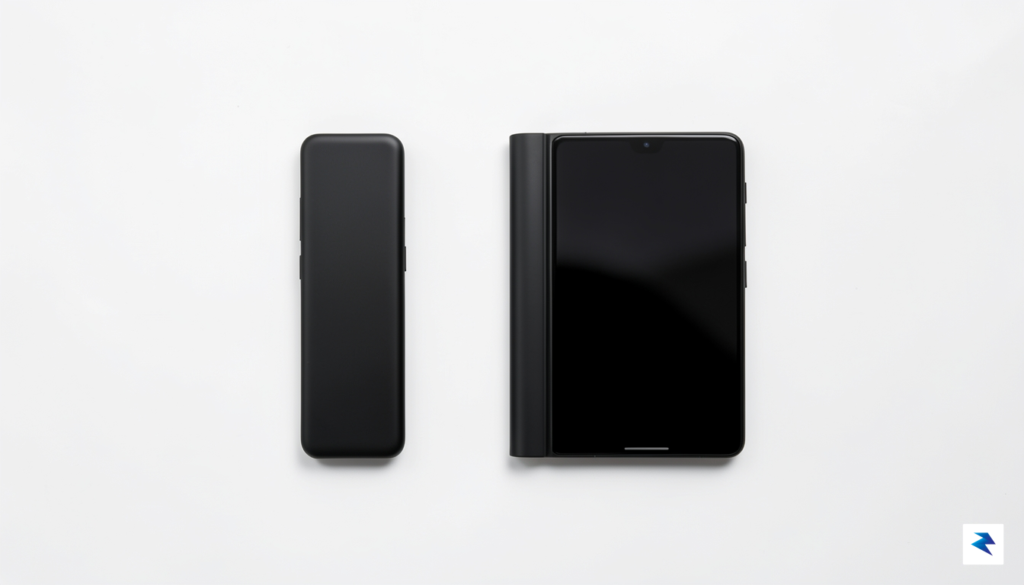
The shift in Samsung’s design philosophy suggests that the company is no longer setting the trend in isolation, but is instead actively responding to a global standard defined by thinner profiles and wider canvases.
This competitive tension is further evidenced by the shifting market share dynamics in regions where Huawei and others have gained a foothold. While Samsung remains a global leader in volume, the erosion of its technological monopoly means that every incremental update is now scrutinized against rival offerings. If Samsung fails to innovate on the physical form factor, it risks being perceived as stagnant while competitors continue to innovate with hinge durability, weight reduction, and screen real estate. Consequently, this July 22nd launch represents a vital junction for the company. By aligning its hardware more closely with what international rivals have proven to be successful, Samsung is signaling that it is ready to defend its throne not just through ecosystem integration, but by delivering the hardware refinements that modern power users demand.

The upcoming July 22nd launch marks a definitive turning point for the foldable smartphone category, signaling that we are finally moving past the era of technical experimentation and into a period of refined utility. For years, the industry was obsessed with the “wow” factor of a folding screen, often at the expense of daily usability. However, by embracing a wider form factor, Samsung is acknowledging that consumers no longer want a gadget that feels like a prototype; they want a daily driver that mimics the familiar dimensions of a standard smartphone. This shift toward ergonomic pragmatism suggests that foldables are graduating from a niche luxury for early adopters to a legitimate, mainstream device category capable of anchoring the average user’s digital life.
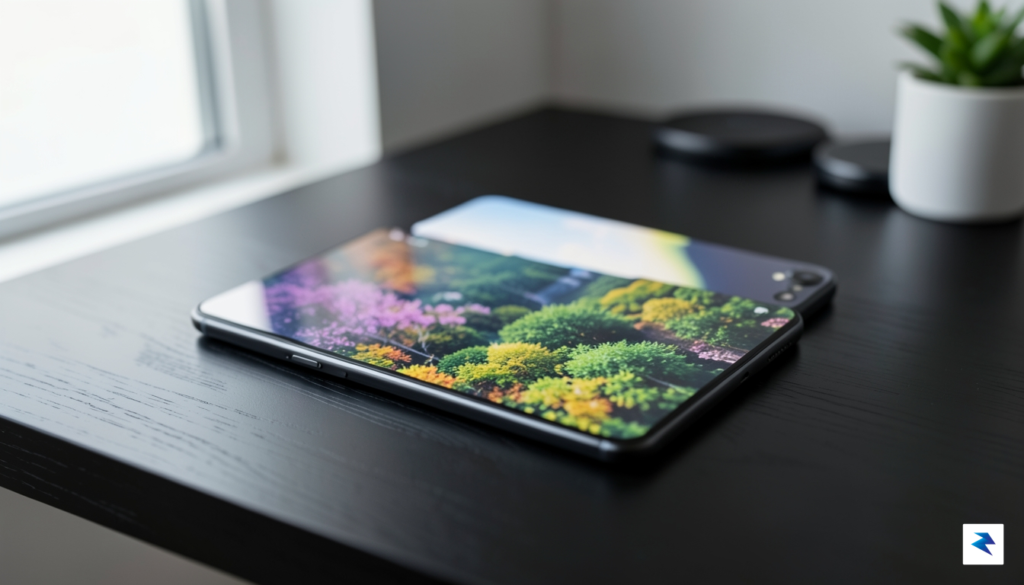
Whether this launch serves as the true “tipping point” for widespread adoption depends largely on how these hardware improvements translate into day-to-day software performance. While the hardware is undeniably more mature, the real test lies in whether the broader ecosystem of applications can keep pace with the expanded display real estate. If the wider aspect ratio results in fewer black bars in video streaming and a more natural keyboard experience, the barrier to entry for the average consumer will drop significantly. We are witnessing the maturation of a technology that was once defined by its physical limitations, now being redefined by its ability to provide a seamless, uncompromised mobile experience.
The transition from novelty to necessity is rarely sudden; it is built on the steady accumulation of small, user-focused design decisions that remove friction from the daily experience.
For those currently sitting on the fence, this update serves as a compelling invitation to finally jump into the foldable market. If you have been hesitant to upgrade because previous iterations felt too narrow or awkward for typing, the move toward a wider, more balanced form factor makes this the most sensible time to invest. When choosing your next device, look beyond the internal specs and focus on how the physical dimensions will integrate into your specific workflows. We have reached a point where foldable technology is no longer a gamble on future potential, but a mature, reliable tool that is ready to deliver on the promise of a larger screen in a pocket-sized package.
You must be logged in to post a comment.