Mistral Robostral Navigate: The Future of Autonomous Robotics
Introducing Robostral Navigate: Redefining Robotic Autonomy For decades, the field of robotics has been tethered to traditional Simultaneous…
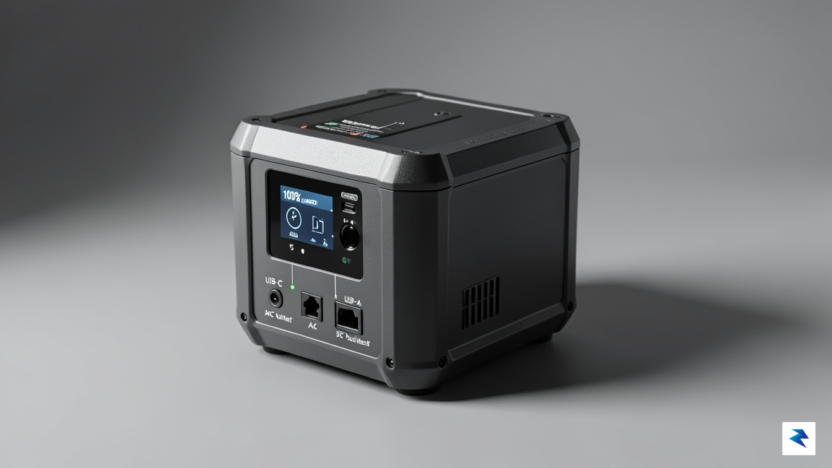
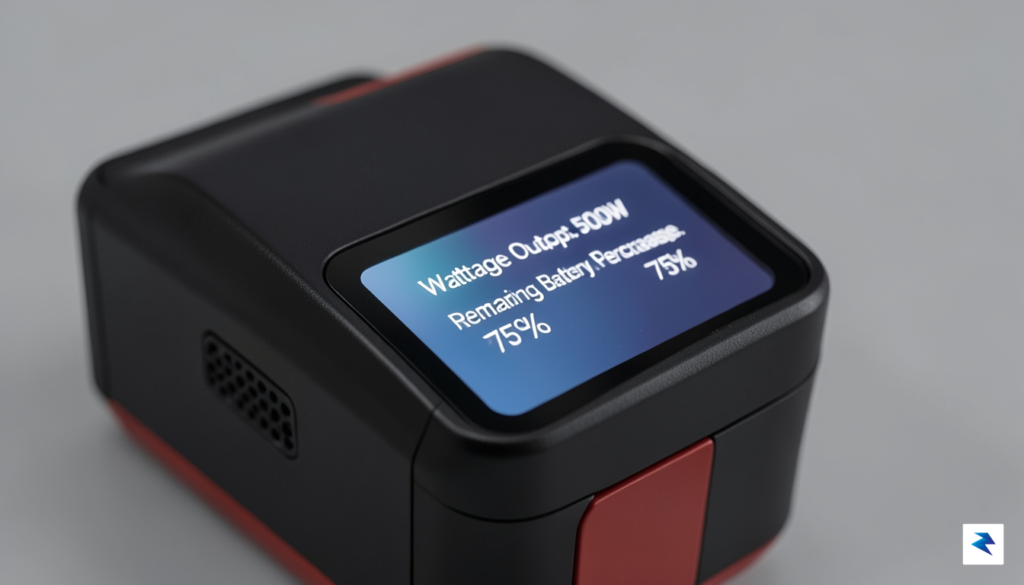
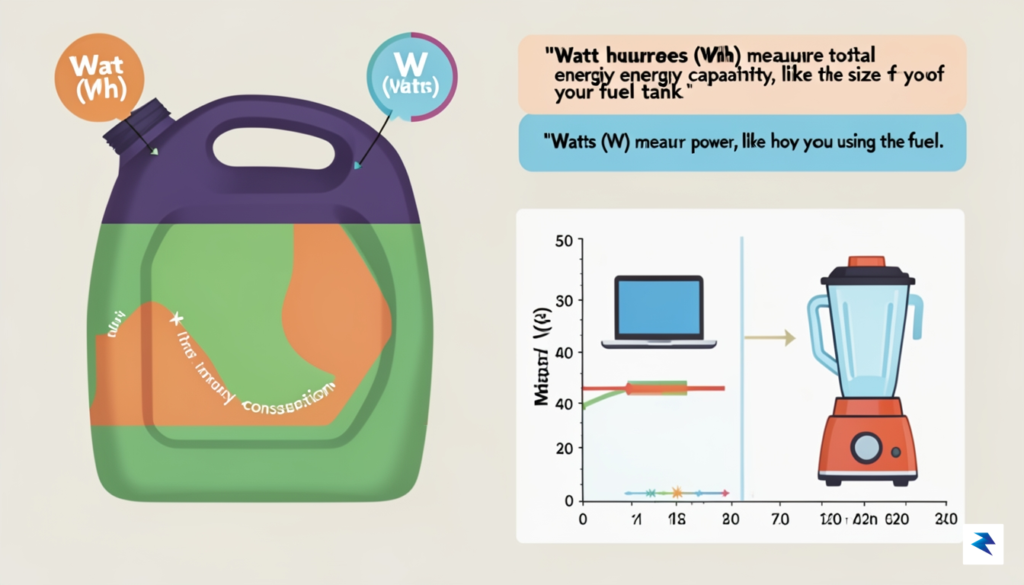
When shopping for a portable power station, it is easy to get distracted by the bold, high-capacity numbers splashed across the box. However, understanding the difference between Watt-hours (Wh) and Watts (W) is the most critical step in making an informed purchase. Think of Watt-hours as the size of your “fuel tank”—it represents the total amount of energy the battery can store. In contrast, Watts represent the “engine size” or the maximum rate at which energy can be pulled from that tank at a single moment. Many consumers mistakenly conflate the two, assuming a high-wattage inverter implies a long-lasting battery, when in reality, a high-drain device might deplete a large-capacity station in mere minutes.
Beyond the raw numbers, the internal battery chemistry significantly dictates how that power is delivered over the lifespan of the device. Most modern units have shifted toward Lithium Iron Phosphate (LiFePO4) over traditional Lithium-ion (NMC) chemistries. While LiFePO4 batteries are physically heavier and have a lower energy density—meaning they are bulkier for the same amount of storage—they offer a vastly superior cycle life, often surviving thousands of charges before degradation begins. Consequently, “larger” isn’t always the superior choice; if your primary goal is portability for short camping trips, a compact LiFePO4 unit will provide more reliable service over the long term than a lighter, high-density battery that loses efficiency rapidly.
It is also vital to account for inverter efficiency, which is the “hidden” tax you pay on your stored power. Because converting stored DC battery power into the AC electricity required by your household appliances is not 100% efficient, some energy is inevitably lost as heat during the conversion process. Most high-quality stations operate at 80% to 90% efficiency, meaning a 1,000Wh battery might only provide about 850Wh of usable power for your devices. You can calculate your approximate runtime by taking the device’s Watt rating, dividing the station’s usable capacity by that number, and adjusting for this 10–15% conversion loss.
To estimate your runtime, use this simple formula:
(Battery Capacity in Wh × 0.85) / Appliance Wattage = Estimated Hours of Use.Always round down to account for potential power fluctuations.
Ultimately, the best power station for your needs is one that balances your specific load requirements with your desire for portability. If you are only powering LED lights and charging smartphones, a massive, heavy-duty station is not just overkill—it is a burden to transport. Conversely, if you plan to run a portable refrigerator or medical equipment, you must ensure your station’s continuous wattage output exceeds the device’s draw, not just its starting surge. By ignoring the marketing hyperbole and focusing on these core technical specifications, you can select a power solution that provides reliable performance exactly when you need it most.
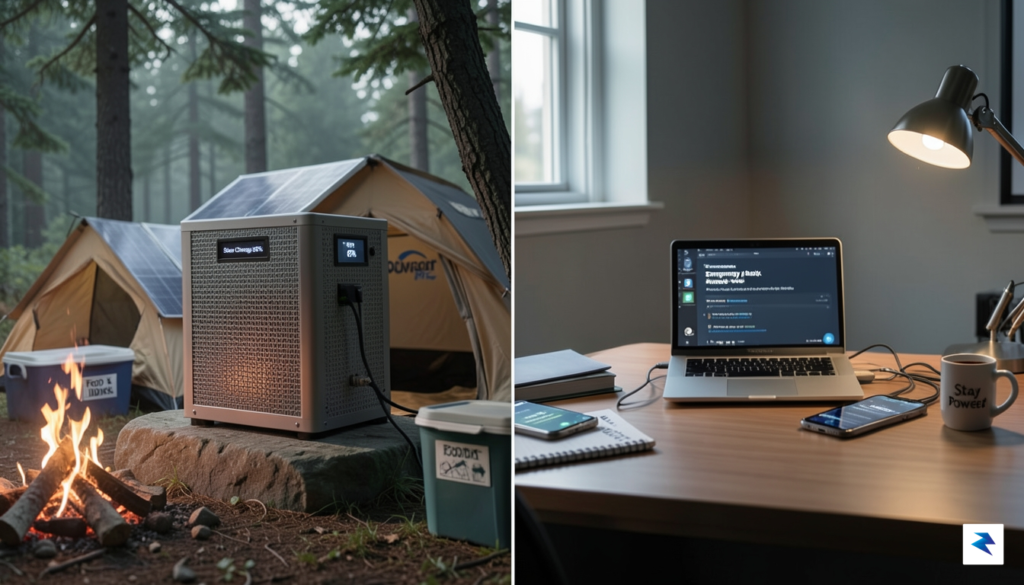
Selecting the ideal power station requires more than just looking at a high capacity number on a spec sheet; it demands a critical evaluation of how the hardware aligns with your specific lifestyle. For those prioritizing mobility, the weight-to-power ratio is paramount. If your intent is to carry the unit on long hikes or store it in a crowded vehicle, opting for a model that utilizes high-density LiFePO4 cells can offer a significant advantage, providing more watt-hours per pound while simultaneously extending the overall lifespan of the unit. Conversely, if your goal is home backup during grid outages, the physical weight becomes secondary to surge capacity and the ability to run high-draw appliances like refrigerators or medical equipment.
The utility of a battery backup is defined by its interface. You should inventory the devices you intend to power and ensure the station offers a sufficient variety of ports to handle them simultaneously. Modern power stations should ideally feature multiple AC outlets with pure sine wave inverters to protect sensitive electronics, alongside high-wattage USB-C Power Delivery (PD) ports. Being able to fast-charge a laptop or a drone directly from the unit—without needing a bulky wall brick—can save you significant space and frustration when you are off-grid. Furthermore, look for dedicated 12V DC car ports if you plan on using specialized camping appliances like electric coolers or portable air compressors.
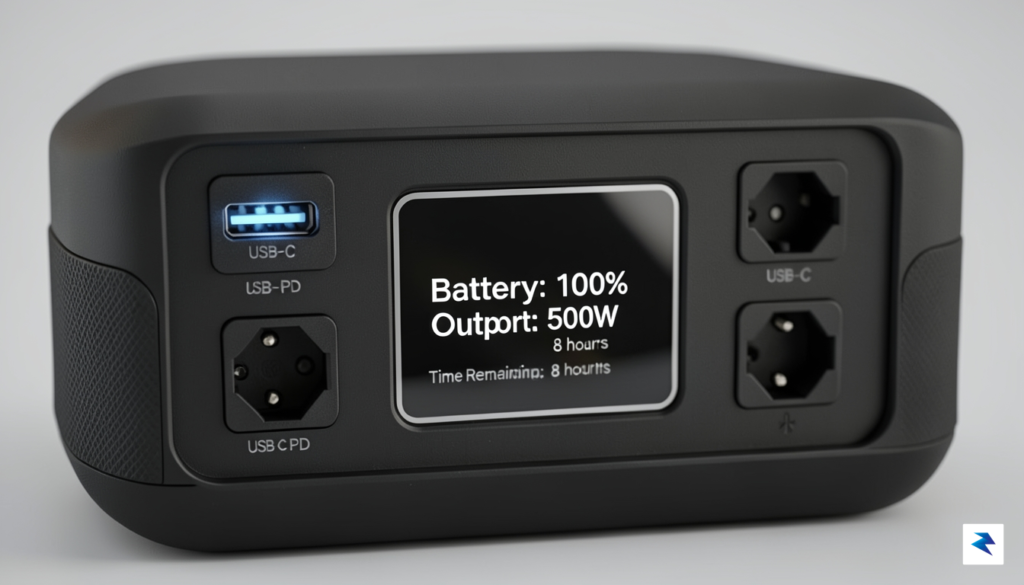
Beyond how the energy flows out, you must consider how quickly the battery can be replenished. If you are relying on solar power, the Maximum Power Point Tracking (MPPT) efficiency of the internal controller is a critical factor; an efficient controller ensures you extract the most juice possible from your panels, even on partially cloudy days. High-speed AC wall charging is equally important for those who need to top off their unit between weekend trips. The best units in 2026 now support “pass-through” charging, which allows you to continue powering your devices while the station itself is plugged into a wall or solar array, effectively acting as an uninterruptible power supply (UPS) for your home office.
When evaluating a power station, prioritize the quality of the handle and chassis. A unit that is powerful but impossible to carry comfortably is a unit that will eventually stay in the garage. Ergonomics matter just as much as electricity.
Finally, never overlook the physical build quality. A portable power station is an investment that will likely be exposed to the elements, bumpy roads, and accidental drops. Look for reinforced corners, dust-resistant port covers, and a handle that feels integrated into the frame rather than bolted on. Ergonomics are often the difference between a tool you enjoy using and a piece of gear that feels like a burden; a well-balanced handle, for instance, prevents the unit from swinging or hitting your leg while you move, making your off-grid experience significantly smoother.
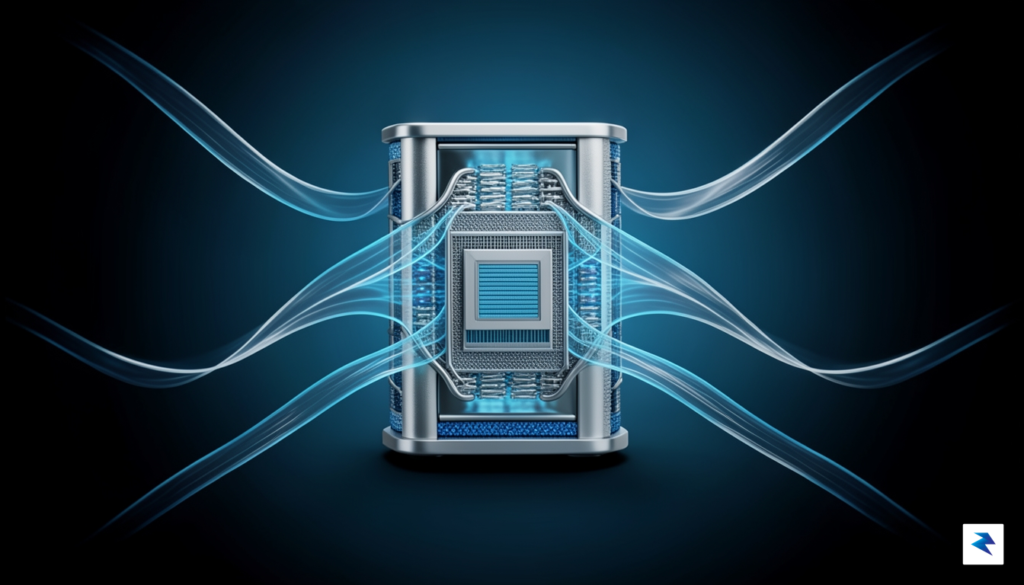
When dealing with high-capacity energy storage, safety is not merely a feature—it is the foundational requirement upon which every reliable portable power station is built. The industry has shifted significantly toward Lithium Iron Phosphate (LiFePO4) battery chemistry, which has largely replaced traditional Nickel Cobalt Manganese (NCM) batteries in high-end units. Unlike their predecessors, LiFePO4 cells are inherently more stable, offering a significantly higher threshold for thermal runaway. This means that even under extreme stress or physical damage, these batteries are far less likely to catch fire or experience catastrophic failure, making them the gold standard for residential and recreational use.
Beyond the chemistry itself, the longevity of these units is equally impressive. While older lithium-ion batteries might lose significant capacity after only 500 charge cycles, LiFePO4 cells are engineered to last for 3,000 to 5,000 cycles before dipping below 80% of their original capacity. This endurance translates into a decade or more of reliable daily performance, effectively amortizing the initial cost over a much longer lifespan. When selecting a power station, prioritizing this chemistry is the most effective way to ensure your investment remains both productive and safe for years to come.

The “brain” of any modern power station is its Battery Management System, or BMS. This sophisticated array of sensors and microprocessors acts as a constant guardian, monitoring individual cell voltages, current flow, and internal temperatures in real-time. If the BMS detects an anomaly—such as an overcharge, a short circuit, or a sudden temperature spike—it immediately intervenes to cut power or throttle the input/output. This proactive management is critical for preventing the dangerous conditions that lead to battery degradation or fire hazards, ensuring that your device operates within its safe electrical parameters at all times.
Key Takeaway: A high-quality BMS doesn’t just protect the battery; it optimizes performance by balancing the charge across all cells, ensuring that the entire pack wears down evenly rather than failing prematurely.
Finally, when shopping for your 2026 power solution, always look for products that carry verified safety certifications such as UL (Underwriters Laboratories) listing. These certifications indicate that the product has undergone rigorous testing against global fire safety and electrical standards. Never store or operate a power station in an enclosed, unventilated space, and always ensure your unit is kept away from flammable materials. By combining advanced LiFePO4 chemistry with a robust, intelligent BMS and adhering to proper storage protocols, you can enjoy the immense convenience of portable power with total peace of mind.
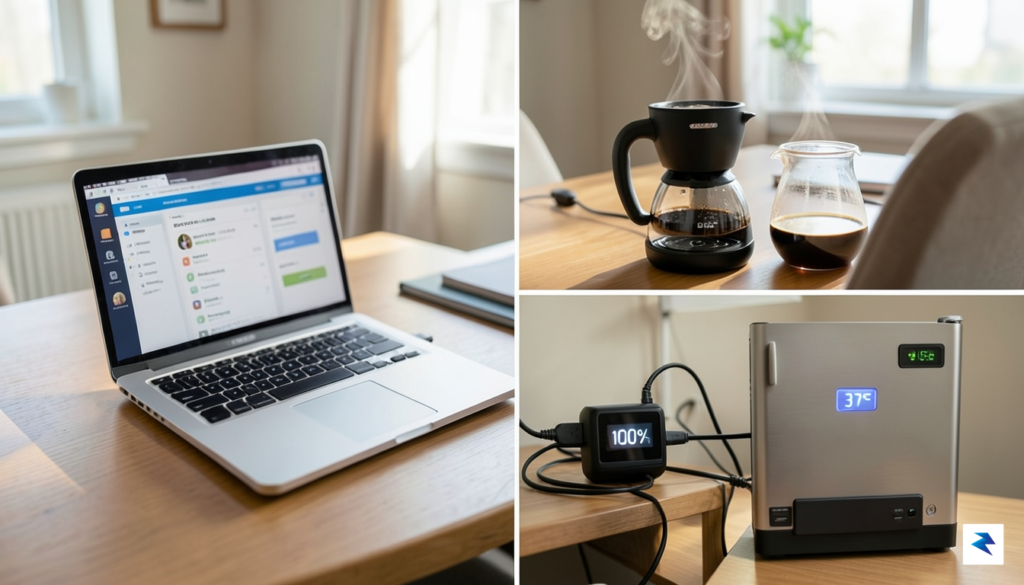
While manufacturer-rated watt-hours provide a helpful baseline, your experience in the field will often differ based on inverter efficiency and device behavior. To help you manage expectations during a power outage or off-grid excursion, we have compiled a breakdown of how common household devices typically impact your reserve capacity.
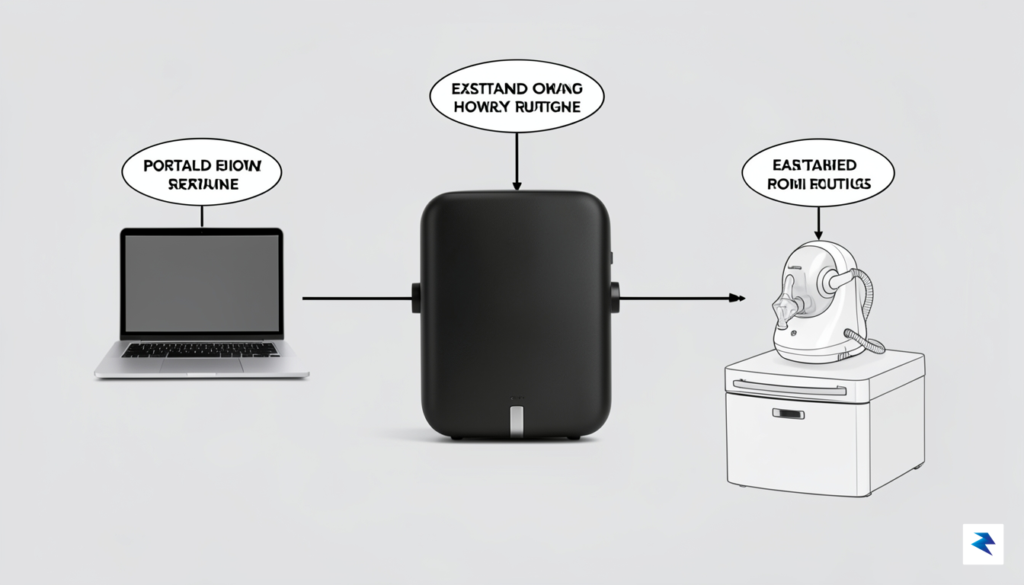
Understanding the load is the first step toward effective energy management. Because most portable units operate on an inverter, you lose 10% to 15% of your total capacity to heat dissipation and internal circuitry, a phenomenon often overlooked by first-time buyers.
Beyond these primary loads, you must account for “phantom” power draws. Even when a device is off, many modern gadgets—such as gaming consoles, smart TVs, and monitors—pull a steady stream of electricity just to remain in standby mode. If you are operating on limited battery capacity, it is best practice to physically unplug these devices or switch off the power station’s AC inverter when it is not actively charging a high-wattage item.
Pro Tip: Always check your power station’s display for the ‘input/output’ wattage. If you see a draw of 10–20 watts while nothing is plugged in, the inverter is idling and wasting your precious reserves.
To achieve indefinite runtime, you must look toward energy harvesting rather than just static storage. Many modern power stations now support solar passthrough, allowing you to charge the unit via panels while simultaneously powering your essential appliances. If you find your station’s capacity insufficient for your long-term needs, consider a “daisy-chain” configuration using an expansion battery. By linking multiple units, you effectively multiply your total amp-hours, creating a modular power grid that can sustain a small household through even the most stubborn grid failures. Always ensure your solar array is sized appropriately; if your panels generate more power than you consume during the peak hours of the day, you can effectively run your equipment 24/7 without ever hitting zero.
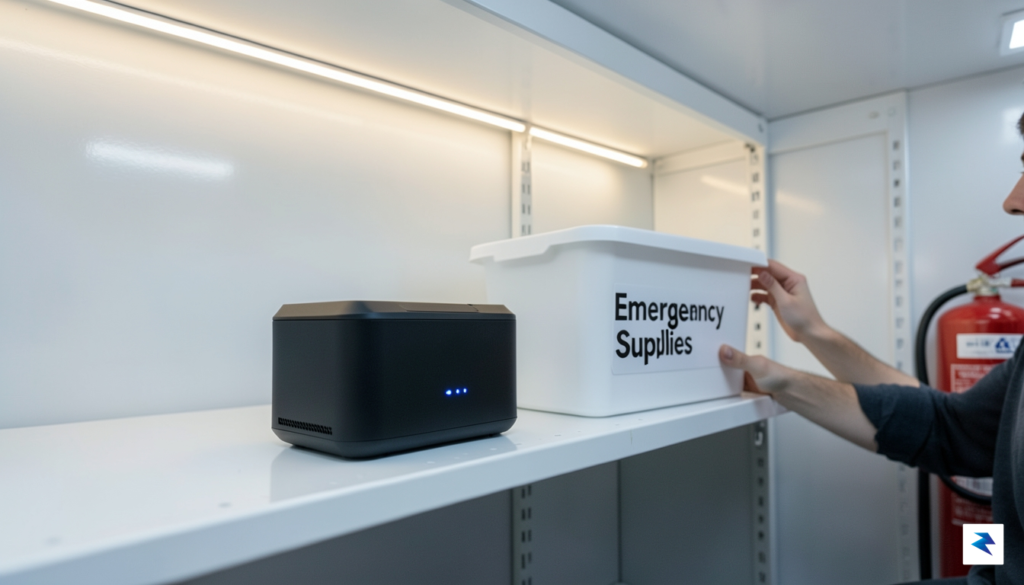
Investing in a high-end portable power station is a significant commitment, but the true value of your device lies in how well you manage its battery health over time. Modern Lithium Iron Phosphate (LiFePO4) and NMC batteries are incredibly efficient, yet they are not immune to the laws of chemistry. To ensure your unit remains a reliable lifeline during power outages or outdoor excursions, you must treat the battery with the same care you would a modern electric vehicle. By following a disciplined maintenance routine, you can effectively extend your power station’s lifespan well beyond its initial warranty period.
The most common cause of premature capacity loss is improper long-term storage. If you plan to stow your power station away for a few months, never leave it at a 100% charge or, conversely, a completely depleted state. Storing a battery at full capacity puts unnecessary chemical stress on the cells, while leaving it empty can lead to deep discharge, which the internal battery management system (BMS) may interpret as a total failure. Ideally, keep your power station charged between 50% and 80% when not in use. Furthermore, temperature is the silent killer of battery longevity; extreme heat will accelerate degradation, while freezing temperatures can inhibit charging efficiency. Always store your unit in a climate-controlled environment, away from direct sunlight and damp basements, to preserve the integrity of the internal components.
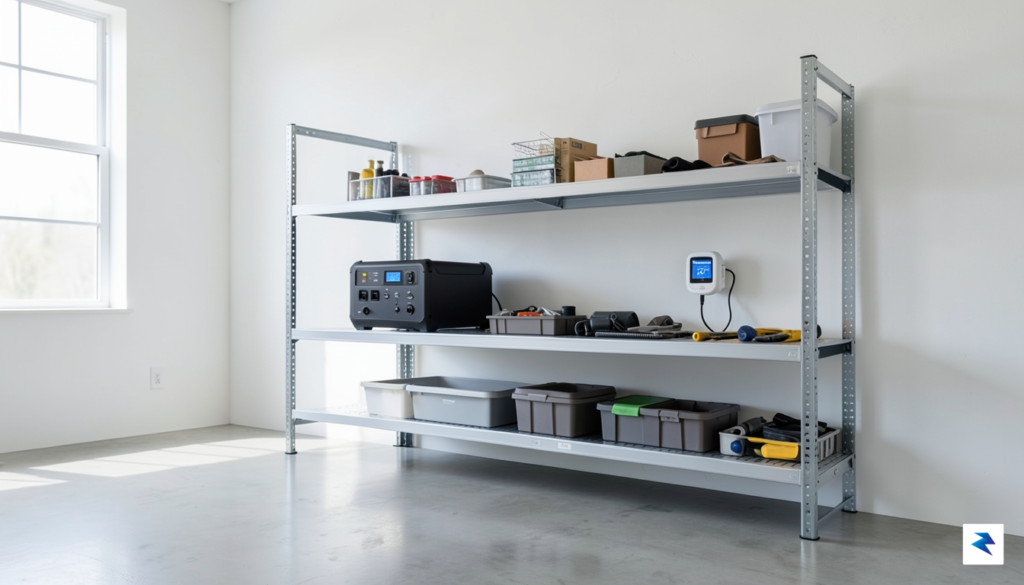
To keep the internal battery management system calibrated, it is essential to perform a full discharge and recharge cycle at least once every three to six months. This process ensures that the BMS accurately tracks the state-of-charge, preventing the “jumpy” percentage readings that often plague neglected units. By draining the battery to roughly 10% and then charging it back to full, you allow the system to re-balance the individual cells, which promotes uniform wear and tear. During this cycle, take a moment to check for any available firmware updates through your power station’s companion app. Manufacturers frequently release software patches that optimize charging algorithms and fix connectivity bugs, ensuring that your device remains compatible with newer mobile operating systems and smart home integrations.
Pro Tip: If your power station features a built-in “battery health mode” or “long-term storage mode,” be sure to enable it via the manufacturer’s app. This setting automatically limits the maximum charge level to prevent the chemical fatigue associated with sitting at 100% capacity for extended periods.
Finally, keep an eye on your connection ports and ventilation intakes. Dust buildup inside the cooling fans can lead to overheating during high-draw operations, forcing the unit to throttle performance or shut down prematurely. Use a soft, dry cloth or a low-pressure compressed air canister to clear out debris from the fan grilles regularly. By treating your power station as a piece of precision hardware rather than a simple utility, you ensure it will be ready to perform the moment you need it most.
You must be logged in to post a comment.