
Meta’s New Muse AI: The Future of Image Generation and the Growing Creator Backlash
Introducing Muse: Meta’s New Frontier in Generative AI Meta has officially pulled back the curtain on its latest leap into the generative…
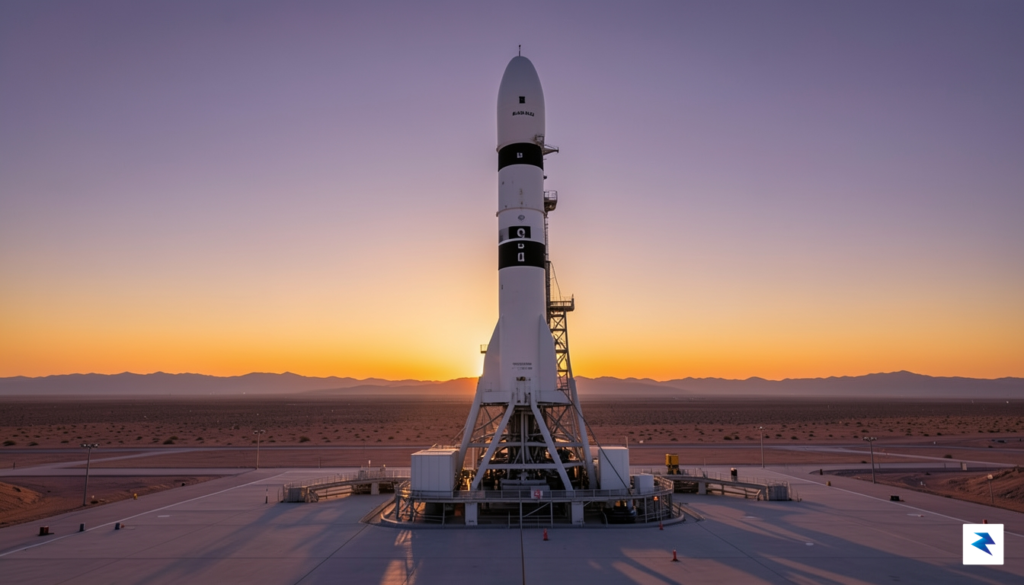
For over two decades, Blue Origin occupied a unique position in the aerospace sector, functioning as a private laboratory fueled almost exclusively by the immense personal wealth of Jeff Bezos. This self-funded model allowed the company to pursue long-term, high-risk engineering goals without the immediate pressures of quarterly earnings reports or the constraints typically imposed by venture capital stakeholders. By operating in the shadows of Bezos’s private investment, the firm was able to prioritize incremental technological milestones—such as the development of the BE-4 engine and the reusable New Shepard rocket—at a pace dictated by ambition rather than investor deadlines. However, this period of isolation is rapidly drawing to a close as the company transitions toward an era of external capital.
The decision to pivot toward outside investment is not merely a financial adjustment; it is a strategic maturation that reflects the evolving landscape of the commercial space industry. As Blue Origin prepares to scale production of the New Glenn orbital vehicle and accelerate its lunar landing initiatives, the capital requirements have expanded far beyond what even the wealthiest individual can efficiently manage alone. By bringing in institutional partners and venture capital, Blue Origin is signaling that it has graduated from a speculative research endeavor into a robust, revenue-generating commercial enterprise. This shift invites external oversight and market discipline, which, while more demanding, often serves to catalyze operational efficiency and faster commercial deployment.
There are significant strategic benefits to this diversification of funding. Integrating institutional capital allows Blue Origin to share the immense financial risks inherent in deep-space exploration while simultaneously building a broader coalition of stakeholders who have a vested interest in the company’s long-term success. Furthermore, the inclusion of external partners often brings valuable industry connections, strategic insights, and a level of governance that can strengthen the company’s position when bidding for lucrative government contracts and commercial satellite deployment missions. This transition effectively legitimizes the company in the eyes of the broader financial markets, proving that space infrastructure is no longer a vanity project for the ultra-wealthy, but a viable, high-growth asset class.
The move toward external funding represents a pivotal inflection point: Blue Origin is transitioning from a private vision fueled by personal legacy to a cornerstone of the global space economy.
Ultimately, this evolution mirrors the broader trajectory of the New Space movement, where once-theoretical concepts are being transformed into standard industrial operations. By opening its doors to external investment, Blue Origin is not just securing the necessary capital to compete with established incumbents and agile startups alike; it is confirming its commitment to building a sustainable, long-term infrastructure in orbit. This maturation signals to the world that the company is ready to operate as a self-sustaining pillar of the aerospace industry, capable of navigating the complex demands of a competitive global market while continuing to push the boundaries of human capability in space.
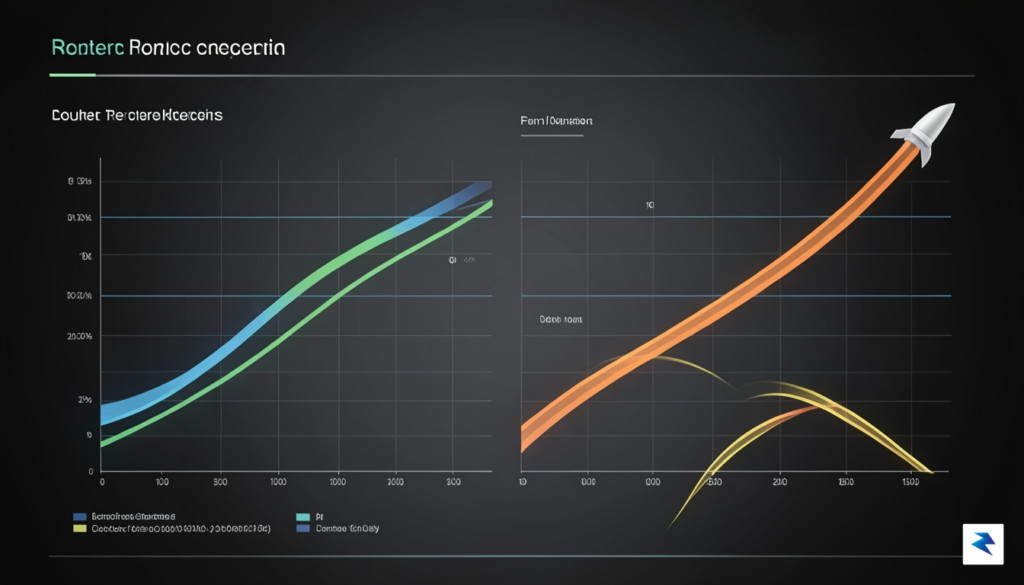
Attaining a $130 billion valuation elevates Blue Origin into an elite echelon of private enterprises, placing it alongside the most valuable startups in global history. This staggering figure is not merely a reflection of current hardware assets, but rather a forward-looking bet on the company’s intellectual property and its aggressive expansion into the orbital economy. Investors are clearly looking beyond the suborbital flights of the New Shepard program, focusing instead on the heavy-lift capabilities of the New Glenn rocket and the company’s deep integration into NASA’s long-term lunar exploration architecture. By securing a foothold in government contracts and developing proprietary engine technology, Blue Origin is positioning itself as a foundational pillar of the next century’s space-based industrial revolution.

When comparing this valuation to other aerospace entities, the market is signaling that Blue Origin has moved past the experimental phase and into a period of industrial scalability. Unlike earlier aerospace unicorns that relied on niche satellite deployments, Blue Origin is building an end-to-end infrastructure play. The valuation is heavily bolstered by the company’s Blue Moon lander program, which promises to generate consistent, multi-decade revenue streams through lunar logistics and resupply missions. This shift from “project-based” engineering to “service-based” space operations is what justifies the premium price tag; investors are essentially purchasing a stake in the future supply chain of the solar system.
The true value of a space company today lies not in the rockets themselves, but in the proprietary infrastructure that makes orbit and the lunar surface commercially accessible for third-party clients.
However, the risks remain as immense as the potential rewards. Potential backers are scrutinizing the company’s ability to transition from development to high-frequency launch cadences, a hurdle that has historically plagued the aerospace sector. To satisfy market expectations, Blue Origin must prove that it can achieve economies of scale in orbital manufacturing and deep-space transport, effectively turning the vacuum of space into a viable industrial theater. For the investor, the path to a return on investment is tied to the successful commercialization of space-based assets, including high-speed data relays, in-space assembly, and potentially, asteroid resource extraction. Ultimately, the $130 billion price tag is a testament to the belief that the low-Earth orbit economy will eventually mirror the scale of the global terrestrial telecommunications and logistics industries.
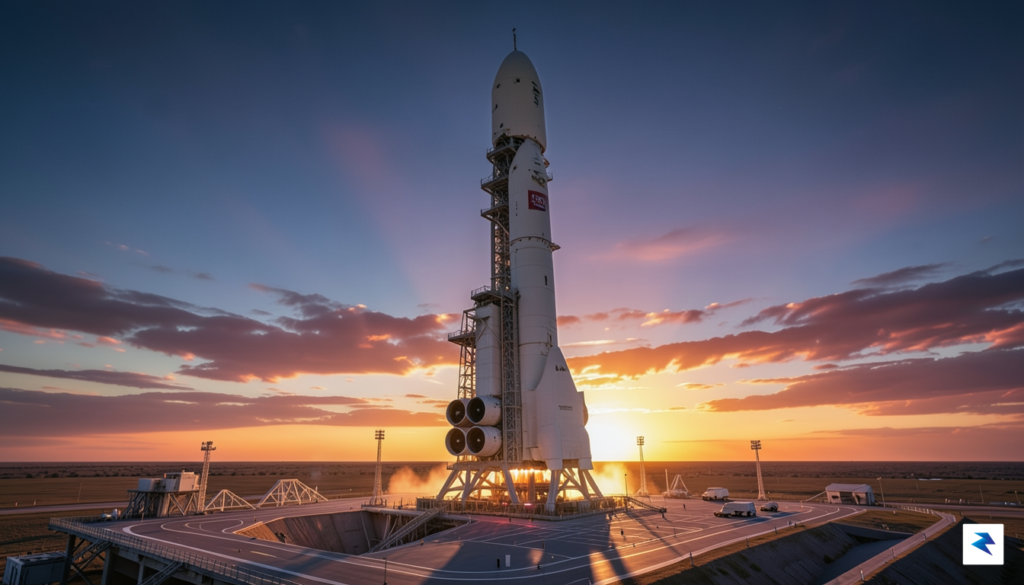
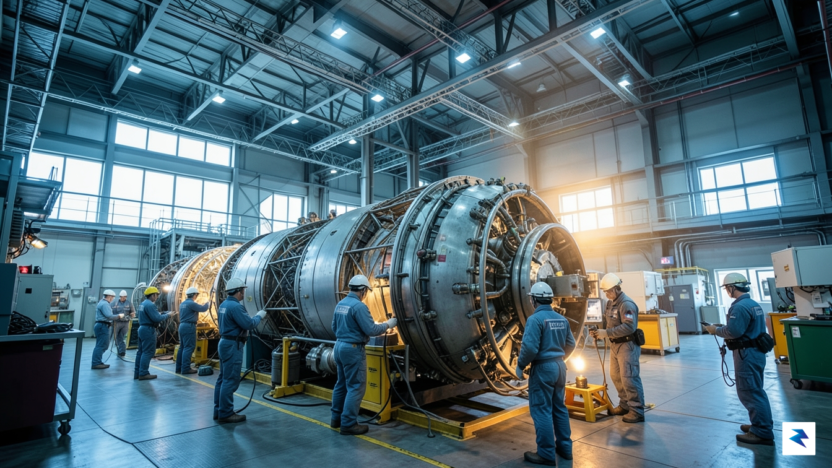
The infusion of fresh capital into Blue Origin serves as more than just a financial milestone; it acts as a high-octane catalyst for the entire commercial space sector. By securing substantial new funding, the company is effectively shifting from an R&D-heavy phase into a period of aggressive industrial scaling. This transition is most visible in the accelerated development of the New Glenn launch vehicle, a heavy-lift rocket designed to compete directly with established industry titans. With a larger war chest, Blue Origin can now bypass traditional supply chain bottlenecks, shorten manufacturing lead times, and increase the frequency of testing cycles, which is essential for refining the complex technologies required for orbital operations.
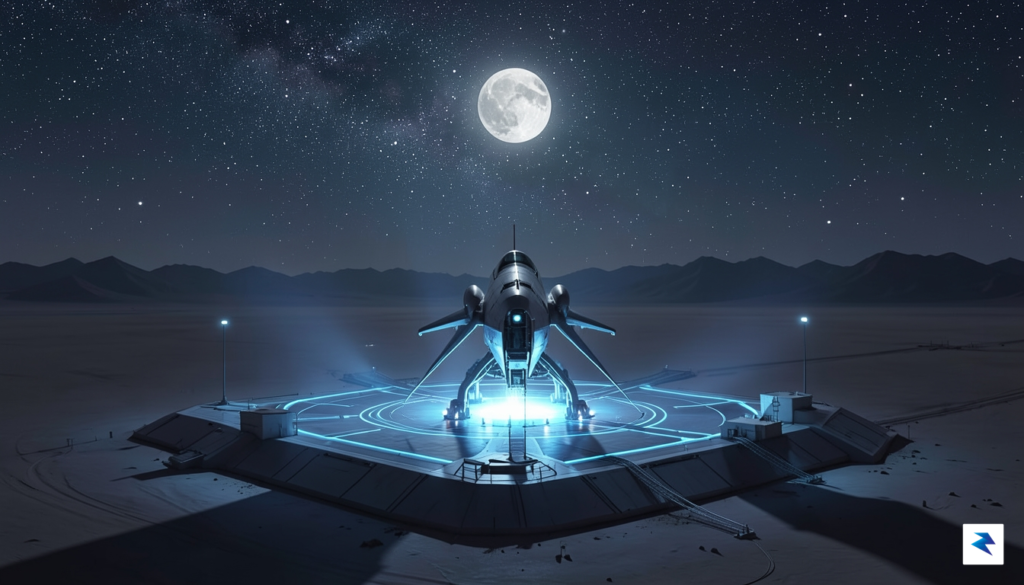
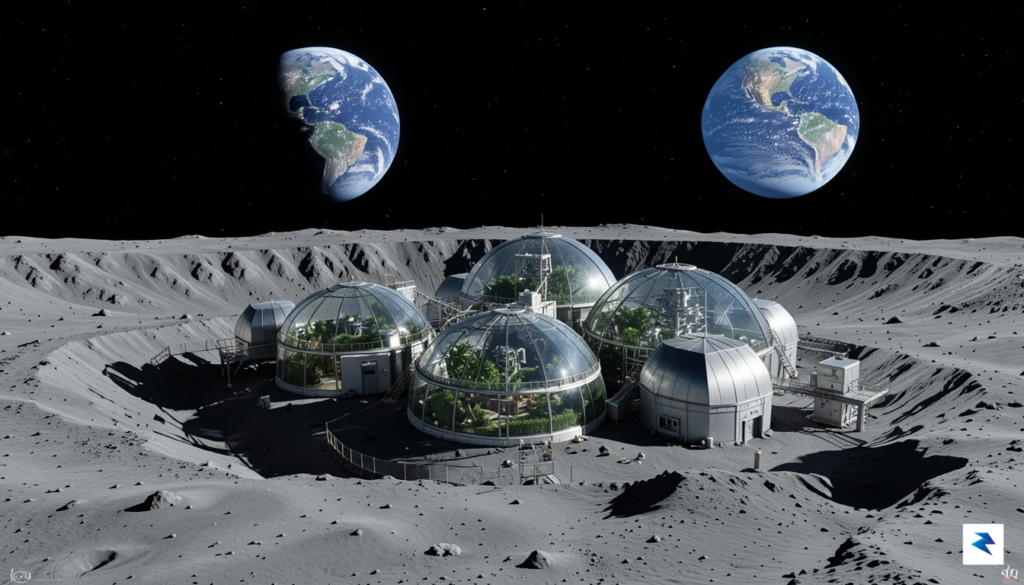
Beyond the launchpad, this investment solidifies Blue Origin’s role as a cornerstone of the Artemis program through its Blue Moon lunar lander. NASA’s reliance on private sector innovation necessitates a partner capable of rapid, iterative engineering, and this financial windfall allows Blue Origin to commit to more ambitious milestones without the constant threat of budget constraints stifling progress. By tightening the feedback loop between design, simulation, and physical prototype testing, the company can move closer to achieving a sustained human presence on the Moon. This is not merely about landing hardware; it is about building a robust infrastructure that supports the logistics of a lunar economy.
“Capital is the lifeblood of innovation in the aerospace sector, where the margin for error is razor-thin and the cost of entry is astronomical.”
The broader strategic implications extend deep into the realm of international space policy and geopolitical positioning. As the race to establish lunar and orbital assets intensifies, the ability of a private entity to mobilize resources at this speed forces global competitors to rethink their own timelines and investment strategies. When a company like Blue Origin scales its operations, it sets a new industry standard for reliability and cost-effectiveness, effectively pressuring state-run space agencies to modernize or risk obsolescence. Consequently, this funding round does not just enhance one company’s trajectory; it accelerates the global transition toward a privatized, multi-planetary future where the “new space” economy dictates the geopolitical map of the 21st century.

The dawn of the commercial space era has effectively ended the era of government-exclusive space exploration, shifting the mantle of innovation toward private enterprise. At the heart of this transformation lies the high-stakes rivalry between Blue Origin and SpaceX, two titans whose diverging philosophies are carving out the architecture of the next century. While SpaceX has aggressively pursued a “move fast and break things” approach—prioritizing iterative testing and rapid flight cadences—Blue Origin has historically adopted a more methodical, deliberate strategy characterized by the company motto, Gradatim Ferociter, or “step by step, ferociously.” This contrast in development philosophy is not merely stylistic; it represents two distinct visions for how humanity will eventually establish a permanent presence beyond Earth’s atmosphere.
Central to this competition is the relentless pursuit of reusability, a technological holy grail that both companies view as the primary catalyst for lowering launch costs. SpaceX redefined the industry with its Falcon 9, proving that vertical landing and rapid turnaround are not only possible but essential for economic viability. In response, Blue Origin has focused its engineering prowess on the New Glenn rocket, designed with a massive fairing and a reusable first stage to compete for heavy-lift commercial and government payloads. While SpaceX currently dominates the launch market through its Starlink deployment and frequent commercial satellite missions, Blue Origin is steadily positioning its own infrastructure to challenge that hegemony by emphasizing high-quality manufacturing and long-term sustainability.
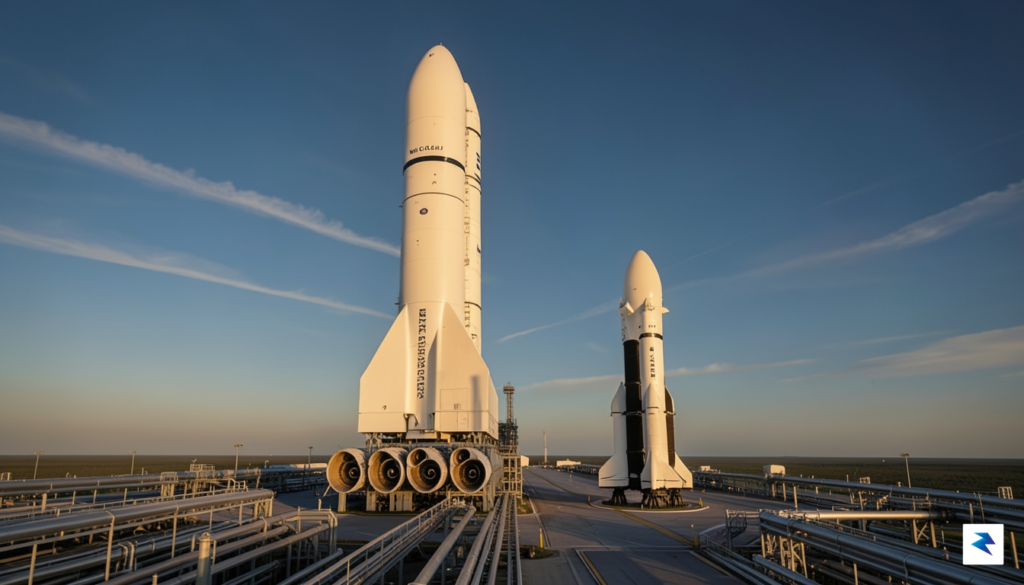
Beyond the technical specifications of their hardware, the two companies occupy subtly different market niches that influence their funding requirements and strategic goals. SpaceX has successfully integrated itself into the fabric of global telecommunications through Starlink, creating a self-sustaining revenue stream that fuels its massive investment in the Starship vehicle. Conversely, Blue Origin has functioned largely as an extension of Jeff Bezos’s long-term vision, bolstered by significant private capital that allows the firm to pursue multi-decade projects without the immediate pressures of quarterly profitability. This financial independence provides Blue Origin with the runway necessary to perfect its BE-4 engines and orbital platforms while avoiding the volatility often associated with public-market scrutiny.
The competition between private space entities is the primary driver of modern aerospace innovation, forcing a level of efficiency and technological ambition that was previously unimaginable under bureaucratic, government-led procurement cycles.
Ultimately, the importance of this private funding cannot be overstated, as it provides the competitive edge necessary to sustain the enormous R&D costs inherent in orbital flight. As Blue Origin eyes a major funding round to bolster its valuation, the message to the market is clear: the company is preparing to scale its production and accelerate its launch frequency to match its rival. Whether through the colonization of the Moon via the Blue Moon lander or the development of private space stations, both companies are no longer just building rockets; they are constructing the economic and logistical foundations for a multi-planetary future.
While Blue Origin’s New Glenn rocket serves as the essential gateway to the cosmos, the company’s ultimate ambition transcends the mere act of launching payloads. Jeff Bezos has long articulated a vision where the industrial backbone of humanity shifts from Earth to the high frontier, a move designed to preserve our home planet’s delicate ecosystem. By establishing the necessary infrastructure for millions of people to live and work in orbit, Blue Origin aims to transform space from a destination for specialized explorers into a functional, sustainable extension of our global economy.

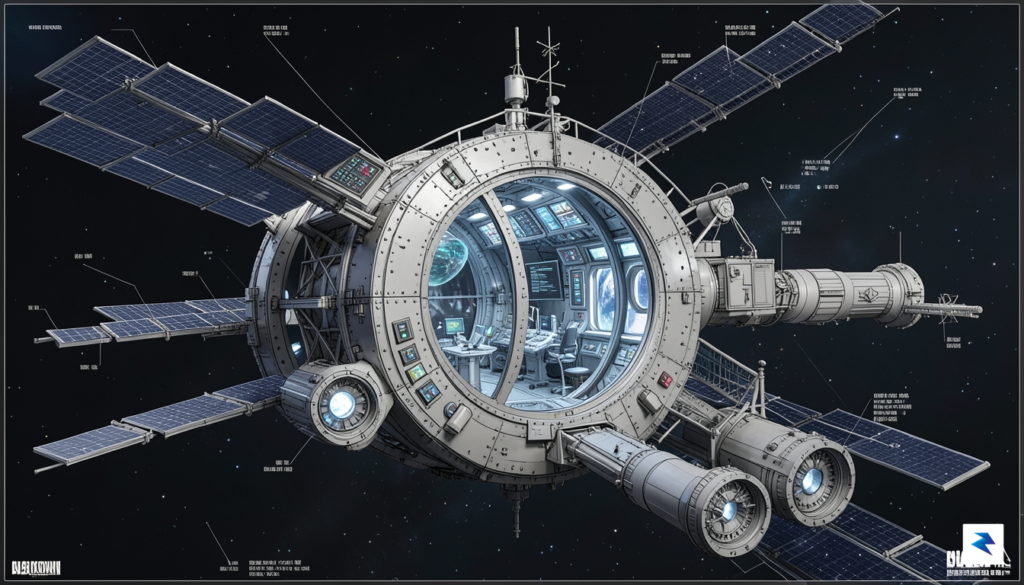
At the center of this strategy is the Orbital Reef, a collaborative commercial space station project envisioned as a “mixed-use business park” in low Earth orbit. Unlike the government-funded research outposts of the past, Orbital Reef is designed to support diverse sectors, including manufacturing, media, and scientific research. By providing a permanent, scalable platform in microgravity, the station will allow companies to experiment with materials and pharmaceuticals that cannot be produced with the same purity or structural integrity under the influence of Earth’s gravity. This transition marks the first major step toward offloading heavy, polluting industries from our biosphere, effectively moving the “smokestacks” of the future into the vacuum of space.
“We are building a road to space so our children can build the future.” — Jeff Bezos, founder of Blue Origin
Sustainability in orbit is a core pillar of this long-term roadmap. As humanity increases its presence beyond the atmosphere, Blue Origin is focused on the reusability of its hardware and the efficient management of space resources. The company’s focus on liquid hydrogen and liquid oxygen propulsion reflects a commitment to cleaner, more efficient transit, while the development of modular habitats ensures that infrastructure can be upgraded rather than abandoned. This approach is critical to ensuring that the orbital environment remains a viable, navigable, and productive space for generations to come, rather than a graveyard of defunct satellites and debris.
Looking ahead, the timeline for this human presence is aggressive yet methodical. Through a tiered approach—starting with reliable cargo transit, moving to commercial habitat deployment, and eventually scaling to massive, permanent orbital colonies—Blue Origin is laying the foundation for a multi-planetary existence. By securing massive capital injections, the company is effectively accelerating the timeline for these milestones. The goal is to lower the barrier to entry for space commerce, ensuring that once the infrastructure is in place, the cost of access to the stars will plummet, inviting a new era of human ingenuity and economic expansion.
You must be logged in to post a comment.