US Army Websites Defaced: Understanding the Recent Hacktivist Security Breach
The Incident: US Army Websites Defaced In recent days, several public-facing portals associated with the United States Army became the targets…
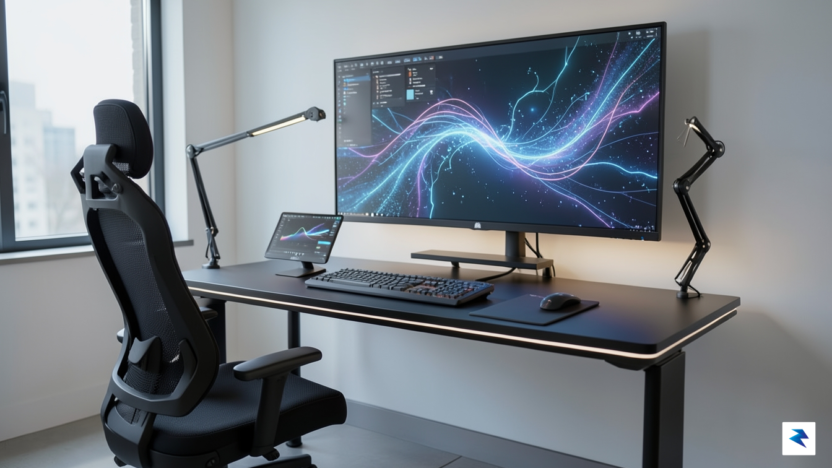

Meta has officially pulled back the curtain on its latest leap into the generative artificial intelligence space: Muse. Unlike its predecessors, which often functioned as standalone experiments or niche research tools, Muse is designed as a comprehensive, versatile ecosystem intended to bridge the gap between high-level machine learning and everyday consumer utility. By positioning the tool as a powerhouse for digital advertising, professional-grade art, and personal content creation, Meta is signaling a shift toward making generative AI a native component of the social media experience. The intent is clear: to provide users and creators with the ability to conjure professional-quality imagery from simple text prompts, thereby democratizing sophisticated design workflows that were previously accessible only to trained professionals.
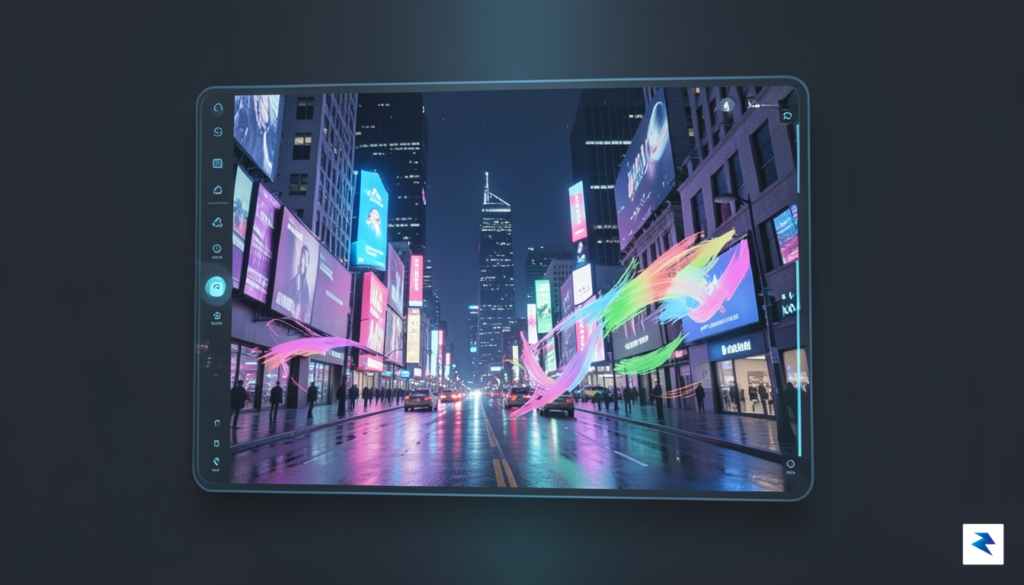
In the rapidly evolving landscape of generative technology, Muse distinguishes itself by aiming for a unique balance of speed and precision. While established heavyweights like Midjourney and DALL-E have set the industry standard for artistic flair and conceptual rendering, Meta is leaning into a different market position: integration. Where competitors often require navigating third-party platforms or Discord servers, Muse is being built to thrive within the Meta ecosystem, potentially embedding itself directly into the tools used by millions of advertisers and influencers daily. This strategic move suggests that Meta is not just interested in the novelty of image generation, but in capturing the industrial workflow of digital marketing, where efficiency and platform-native compatibility are paramount.
The ambition behind Muse is to move generative AI from a novelty experiment to an essential utility, allowing creators to produce high-fidelity assets without leaving the social platforms where they already work.
However, entering this space requires navigating a complex minefield of ethical considerations and public perception. By placing Muse at the intersection of creative freedom and corporate utility, Meta is forcing a broader conversation about how personal data, specifically user-uploaded photos, contributes to the training of large-scale models. While the technical capabilities of Muse are undeniably impressive—offering high-resolution outputs that rival current market leaders—the core of its market success will likely depend on Meta’s ability to balance its aggressive push for automation with the growing demand for data transparency. As the platform transitions into this new frontier, it must reconcile its desire to lead the AI revolution with the increasing scrutiny from a user base that is becoming more protective of their digital identity.
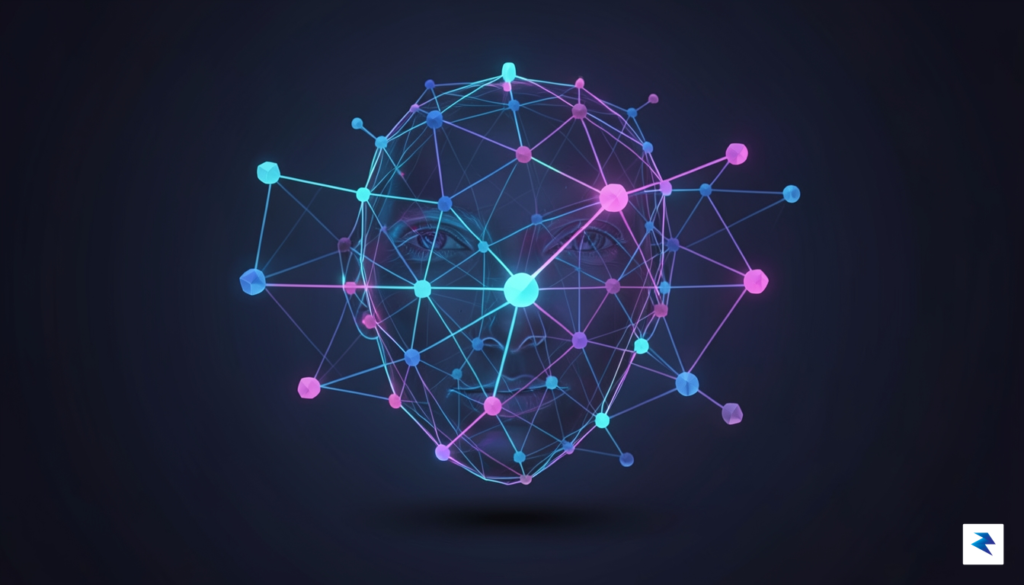
At its core, Muse operates on a fundamentally different logic than the diffusion models that have dominated the generative AI landscape over the past few years. While standard diffusion models generate images by iteratively refining a canvas of pure noise—a process that is computationally expensive and time-consuming—Muse utilizes a transformer-based architecture that functions more like a sophisticated autocomplete for visual data. By treating image patches as if they were words in a sentence, the model learns to predict missing or future segments of a visual scene with remarkable speed and coherence. This shift toward a parallelized processing method allows the system to synthesize high-resolution images in a fraction of the time required by its predecessors, effectively bypassing the bottleneck of sequential denoising.

This transformer-based approach represents a significant leap forward from the Generative Adversarial Networks (GANs) that previously defined the field. Where GANs relied on a rigid “cat-and-mouse” competition between two neural networks—often resulting in instability or limited creative diversity—Muse leverages the inherent strengths of transformer models to capture complex global structures and intricate textures simultaneously. Because the system is trained on discrete visual tokens, it can grasp the semantic relationship between objects in a scene, ensuring that a requested composition is not just visually plausible, but contextually accurate. This underlying efficiency is what enables the model to handle diverse prompts with such high fidelity, as the transformer architecture excels at maintaining global consistency across the entire image frame.
The transition from sequential noise-refinement to parallel token prediction marks a critical milestone in making high-quality generative art accessible for real-time applications.
Furthermore, the efficiency of Muse is not merely a matter of speed; it is a matter of architectural precision. By processing images through a mask-then-predict sequence, the model can generate high-resolution outputs without the massive hardware overhead typically associated with large-scale diffusion. This technical refinement is particularly important as the industry moves toward more integrated, real-time AI tools. By optimizing how visual data is compressed and represented, Meta has created a framework that is significantly more capable of scaling, maintaining sharp edge definition, and rendering complex textures that traditional models often smooth over or distort. Ultimately, this mechanism demonstrates that the future of generative media may rely less on sheer brute-force computation and more on the elegant, efficient interpretation of visual patterns.

The introduction of Muse Image has reignited a volatile debate regarding the ethics of artificial intelligence development, specifically concerning the massive ingestion of user-generated content. For many creators, the primary point of contention lies in the fundamental disconnect between how their photos are shared on social platforms and how those same images are repurposed to train high-level machine learning models. While users post content with the intention of connecting with friends or building a personal brand, they rarely consent to their artistic output or likeness serving as the raw material for a commercial generative AI tool. This creates a deep sense of betrayal among the community, as the very platform that thrives on their engagement now leverages that engagement to automate the creation of competing visual assets.
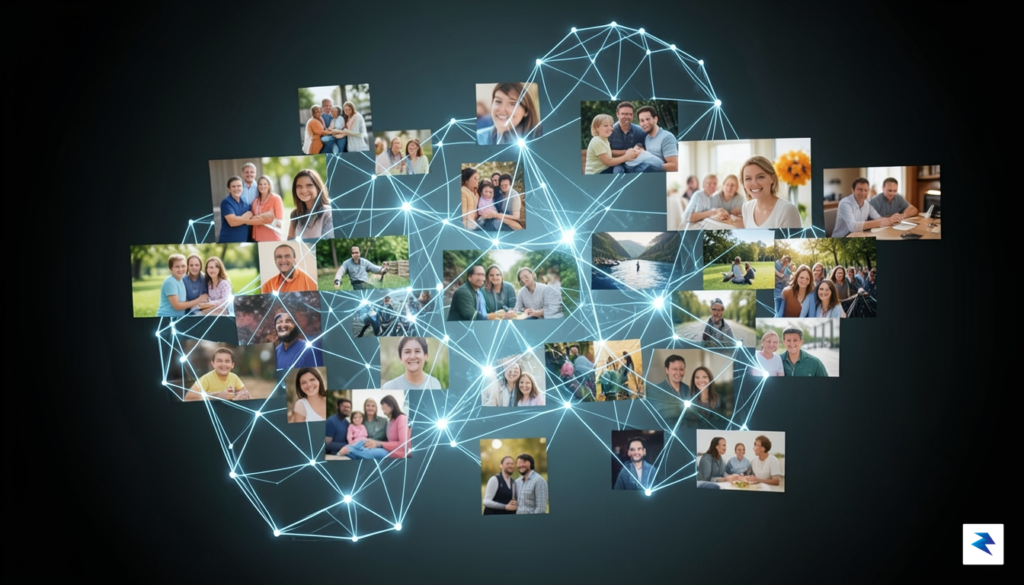
The legal and ethical landscape remains stubbornly ambiguous, centered largely on the distinction between “publicly available” data and “publicly licensed” content. Meta maintains that data harvested from its platforms—which users have ostensibly agreed to share via lengthy terms of service—is fair game for technological advancement. However, critics argue that just because an image is visible to the public on a social feed does not imply a waiver of copyright or a mandate for commercial exploitation. This tension highlights a critical oversight in current policy: there is no meaningful mechanism for creators to opt out of the training process without deleting their entire digital history. As a result, many feel as though they are being forced to choose between participating in the modern digital economy and protecting the integrity of their own creative work.
The core of the issue is not just about the technology itself, but the lack of agency afforded to those whose intellectual property powers the engine of innovation.
Furthermore, the lack of transparency regarding which specific data sets were included in the training of Muse Image exacerbates the growing distrust. Without clear attribution or a compensation framework, creators are effectively acting as unpaid contributors to a proprietary product that could ultimately devalue their professional labor. As these AI models become more adept at mimicking specific artistic styles and photographic compositions, the fear of “style theft” becomes a tangible economic threat for photographers and digital artists alike. Moving forward, the industry faces a reckoning: if platforms continue to prioritize rapid AI scaling at the expense of user trust, they risk alienating the very creative base that keeps their ecosystems vibrant and relevant. The burden now lies with companies like Meta to provide more than just boilerplate legal defenses; they must offer concrete, user-centric solutions that respect the autonomy of the individuals whose lives populate their datasets.

At its core, the introduction of Muse represents a seismic shift in how visual content is produced, promising to flatten the barrier to entry for creative expression. For small business owners and independent entrepreneurs, this technology acts as a force multiplier, allowing them to generate professional-grade marketing assets without the prohibitive costs of traditional design agencies or stock photography subscriptions. By democratizing access to high-end imagery, Meta is effectively placing a digital studio into the hands of millions, potentially fostering a new era of grassroots entrepreneurship where a lack of technical design skills no longer limits one’s ability to build a compelling brand identity.

However, this rapid democratization brings with it a formidable shadow, particularly regarding the ethical integrity of the datasets used to train such powerful models. The primary tension lies in the fact that Muse’s capabilities are built upon the collective output of human creators, many of whom never consented to having their personal photos or professional artwork harvested to train a system that may eventually compete with them. This creates a complex paradox: while the model empowers new creators, it simultaneously risks devaluing the intellectual property of the very artists whose work made the system intelligent in the first place. Without transparent consent frameworks and equitable compensation models, the platform risks alienating the creative community it purports to serve.
The true test of Muse’s long-term viability will not be found in its technical accuracy, but in whether Meta can foster a design ecosystem that rewards human ingenuity rather than merely automating its replacement.
Beyond the economic impacts, the proliferation of AI-generated imagery introduces urgent societal risks that cannot be overlooked, specifically the potential for misinformation and the creation of highly convincing deepfakes. When a system can generate photorealistic images from a simple text prompt, the line between digital reality and malicious fabrication becomes dangerously thin. Meta carries a profound responsibility to implement robust guardrails, including sophisticated watermarking and proactive content moderation, to prevent the tool from being weaponized to spread disinformation. Balancing the immense creative potential of Muse with these safety imperatives requires more than just algorithmic tuning; it demands a fundamental commitment to ethical oversight that prioritizes public trust over the rapid scaling of the platform’s capabilities.

The rapid rollout of generative tools like Meta’s latest image model signals a permanent shift in how we conceive, produce, and consume visual media. As these technologies become deeply embedded within the social media platforms we use daily, the boundary between authentic human expression and algorithmic synthesis will inevitably continue to blur. This evolution presents a profound challenge to the status quo, forcing us to reconcile the convenience of instant creation with the fundamental rights of the artists whose work fuels these complex systems. Moving forward, the industry cannot afford to treat the creative community as an afterthought; instead, the path forward must be paved with meaningful collaboration between tech giants, policymakers, and those who provide the data that makes these models possible.
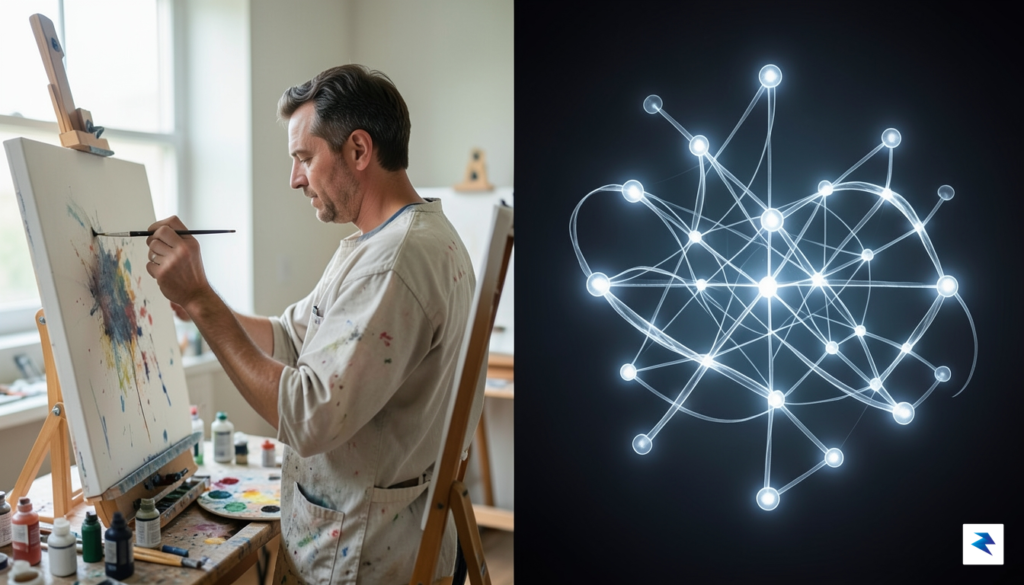
For creators concerned about their digital footprints and the unauthorized use of their life’s work, the immediate future demands a proactive stance. While universal opt-out mechanisms remain fragmented, artists should prioritize documenting their portfolios through metadata and digital watermarking where possible. Furthermore, staying informed about the changing terms of service on platforms like Meta is essential, as these companies often update their data-usage policies with little fanfare. By treating personal data as a valuable intellectual asset, creators can better advocate for compensation and consent models that protect their legacy in an era of automated imitation.
True innovation in the AI space cannot be measured solely by the efficiency of an algorithm; it must be measured by the ethical framework that supports its existence.
Looking ahead, we can expect the landscape of AI regulation to move away from the “wild west” phase toward a more structured environment of mandatory disclosure. Future legislation will likely require platforms to clearly label AI-generated imagery, ensuring that users can distinguish between a captured moment and a synthesized one. This shift toward transparency is not merely a bureaucratic hurdle but a necessary component of rebuilding public trust. Ultimately, the future of generative AI hinges on the ability of developers to build systems that are not only powerful but also respectful of the human ingenuity that made them possible in the first place.
You must be logged in to post a comment.