
Strait of Hormuz Tensions: How Global Energy Markets Are Reacting
The Geopolitical Flashpoint: Strait of Hormuz Risks The Strait of Hormuz is far more than a mere maritime shipping lane; it serves as the…

Cybercriminals have discovered a lucrative new frontier, and it’s not the traditional realm of state secrets or financial data. Instead, they are increasingly targeting government-run web domains for a very different, yet equally valuable, commodity: their inherent search engine authority. This strategic shift means that trusted .gov and .edu sites, meticulously built over years to serve public information or educational resources, are being repurposed into digital advertising hubs. Rather than infiltrating for espionage, these attackers are exploiting vulnerabilities to turn high-credibility websites into unwitting platforms for various forms of spam, ranging from illicit content to questionable pharmaceutical ads. The motivation is purely economic, leveraging established trust to gain an unfair advantage in the cutthroat world of online visibility.
The gateway for these digital incursions often lies in the neglect of fundamental cybersecurity practices. Many government and educational institutions, particularly smaller agencies or older departments, rely on outdated Content Management Systems (CMS) or unpatched web server software. These legacy systems frequently contain known vulnerabilities that persistent attackers can readily exploit, such as SQL injection flaws, cross-site scripting (XSS) weaknesses, or simply weak administrator credentials that have not been updated in years. Once a vulnerability is identified, hackers don’t necessarily need to seize control of the entire domain; often, gaining unauthorized access to a specific subdirectory or the ability to upload new files to the web server is sufficient for their purposes. This partial compromise allows them to inject their own content without entirely disrupting the legitimate operations of the site.
The allure of these government and educational domains stems directly from their formidable “Domain Authority” – a metric search engines use to gauge a website’s overall trustworthiness and relevance. Websites ending in .gov and .edu inherently possess some of the highest domain authority scores due to their institutional nature, longevity, and the sheer volume of credible backlinks they accumulate over time. This established credibility means that any content hosted on these domains is immediately treated with higher regard by search algorithms. For scammers, this is a goldmine; instead of spending years painstakingly building authority for a brand-new, unknown domain, they can instantly piggyback on the decades of trust accumulated by a government agency, granting their injected spam pages an unparalleled SEO boost
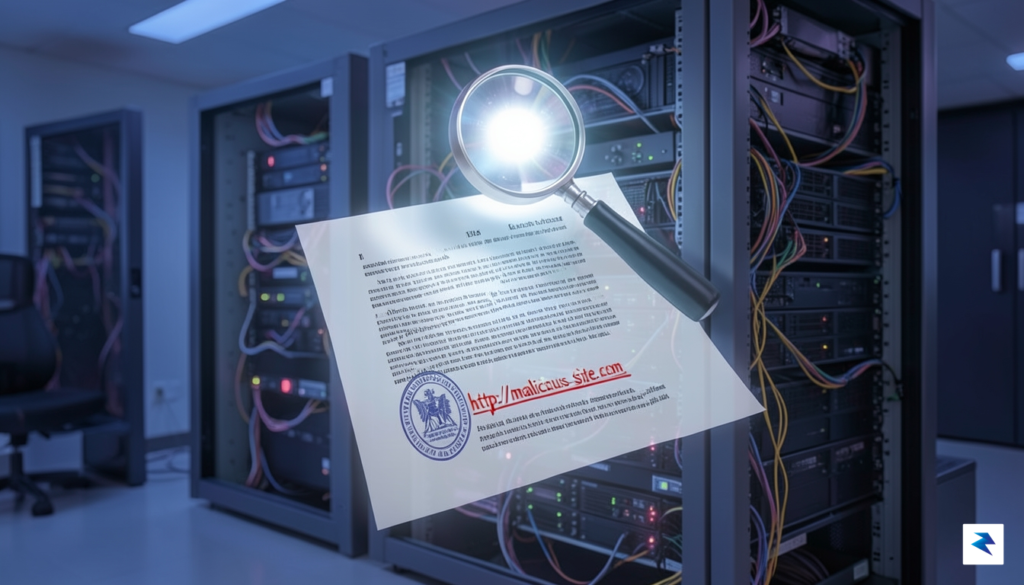
In a bizarre confluence of digital enterprise and cybersecurity, the aggressive pursuit of intellectual property protection has inadvertently transformed OnlyFans creators into an unlikely vanguard of web security. Content creators, frustrated by the rampant unauthorized redistribution of their material, rely heavily on sophisticated, automated DMCA takedown services to scrub infringing content from the corners of the internet. These automated systems scan for copyrighted media across thousands of domains simultaneously, often flagging obscure subdirectories or neglected server portals. As these bots cast their wide nets, they frequently land on government-hosted domains that have been surreptitiously hijacked by malicious actors to host spam, phishing links, or illicit adult content, effectively acting as a massive, crowdsourced security filter that traditional government monitoring systems often overlook.
The process functions with a brutal, automated efficiency that exposes the vulnerabilities inherent in legacy infrastructure. When a takedown request is sent to a government agency or a domain registrar, it serves as a sudden, undeniable “red flag” for IT departments that may have been unaware their servers were being exploited. In many instances, these government websites—often running outdated software or left unpatched—have been compromised by hackers who plant illicit content to boost SEO rankings or distribute malware. The DMCA notice effectively acts as a diagnostic tool; it forces the hands of site administrators who might otherwise remain blind to the breach, compelling them to investigate directories they hadn’t realized were compromised until an automated legal demand arrived in their inbox.

The irony is palpable: a mechanism designed to protect the revenue streams of independent creators has become a more effective early-warning system for state-level cybersecurity than some internal auditing protocols.
While this “accidental” defense layer is certainly helpful, it remains a reactive stopgap rather than a proactive shield. Relying on third-party DMCA services to secure government infrastructure highlights a significant gap in the public sector’s approach to cybersecurity. While proactive measures like vulnerability scanning, penetration testing, and robust patch management are the gold standard, the reality is that many local and municipal government websites operate with limited budgets and under-resourced IT teams. Consequently, the automated vigilance of creators fighting for their intellectual property provides a necessary, albeit unintended, service by highlighting critical security gaps that might otherwise persist for months, leaving the public and government systems vulnerable to far more dangerous threats than just spam.

At the heart of this digital phenomenon lies a sophisticated exercise in social engineering that exploits one of the most fundamental human impulses: curiosity. The promise of “leaked” or “exclusive” adult content acts as a powerful psychological hook, effectively short-circuiting the critical thinking processes that might otherwise alert a user to a suspicious URL. By framing these links as forbidden or privileged information, scammers tap into the allure of voyeurism, compelling victims to bypass the standard caution they would typically exercise when navigating the web. Because the desire to uncover hidden media is often impulsive, the emotional gratification promised by the click outweighs the rational assessment of the potential digital risk.
This bait is meticulously designed to bypass the brain’s internal alarm systems. When a user encounters a link claiming to contain private media from a popular model, the immediate rush of dopamine associated with the anticipation of adult content can cloud judgment, leading to a state of cognitive tunnel vision. In this state, the user is far less likely to scrutinize the domain name or notice that a reputable government or educational portal is hosting the content. Consequently, the scammer effectively weaponizes the user’s focus, directing it toward a destination that—while appearing to promise intimacy—is actually a trap for sensitive data.
The success of these campaigns relies on the fact that human psychology often prioritizes the immediate pursuit of desire over the long-term maintenance of digital hygiene.
The dangers associated with these clicks are multifaceted and far more severe than the average user might anticipate. Beyond the annoyance of harmless spam—which might simply redirect a user to an advertisement-heavy landing page—these links frequently serve as delivery vehicles for sophisticated malware. Once a user clicks, they may unwittingly initiate a drive-by download that installs keyloggers, ransomware, or remote access trojans (RATs) onto their device. This allows malicious actors to harvest login credentials, intercept financial information, or even compromise the integrity of the user’s personal network. Furthermore, phishing attacks masquerading as adult content portals often trick users into entering their social media or banking passwords under the guise of “age verification,” directly facilitating identity theft.
Distinguishing between mere nuisance spam and truly malicious software delivery is increasingly difficult for the average internet user. While some spam is intended solely to inflate traffic for revenue, the most dangerous iterations are those that leverage the high volume of traffic on compromised government websites to hide in plain sight. By injecting their links into high-authority domains, scammers not only increase their reach but also exploit the misplaced trust users have in the security and legitimacy of official web platforms. Understanding that no website is immune to this kind of manipulation is the first step toward maintaining a more vigilant and secure online presence.
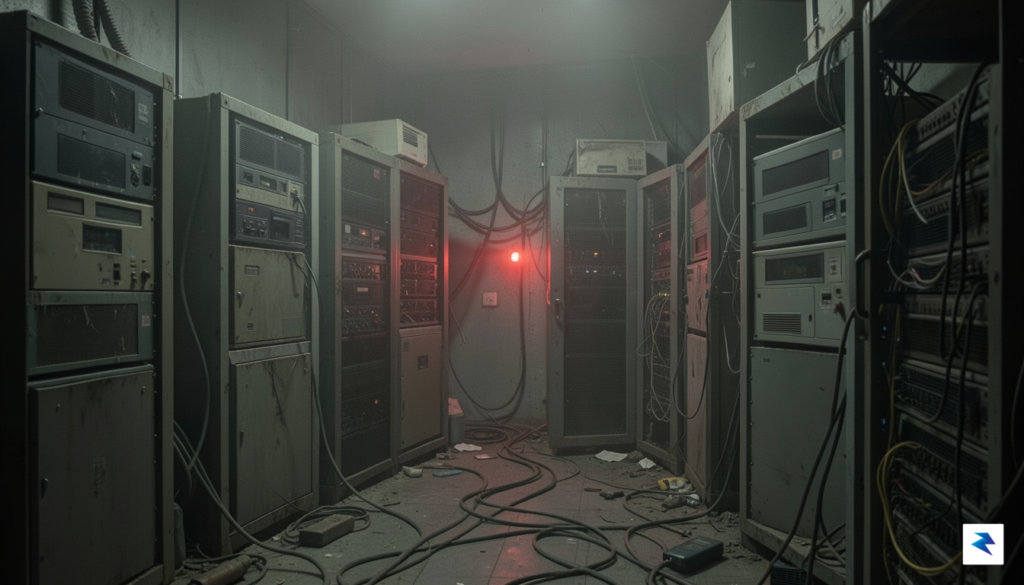
The modern digital landscape is littered with the wreckage of outdated infrastructure, yet the most alarming breaches often stem from the most mundane origins. Contrary to the popular narrative of sophisticated, state-sponsored cyber espionage, the current wave of government websites being hijacked to promote adult content is not the result of high-level digital warfare. Instead, it is a testament to a systemic failure in basic maintenance. When a municipal or state-level portal is compromised, it is rarely due to a zero-day exploit or a masterminded intrusion. Rather, it is the consequence of the so-called “patch gap”—a persistent failure to update Content Management Systems (CMS) like WordPress, Drupal, and Joomla, which serve as the backbone for countless public sector platforms.
Most of these government websites operate on a sprawling array of plugins, themes, and extensions that are frequently abandoned by their original developers. When these components remain unpatched, they effectively leave the digital front door unlocked for anyone with a basic script. Automated bots constantly crawl the internet, scanning for known vulnerabilities in older versions of these platforms. When a scanner identifies an outdated plugin, it executes a pre-written exploit that allows the attacker to inject malicious code or redirect traffic without human intervention. In this context, the government IT infrastructure is not being “hacked” in the traditional sense; it is being harvested by scripts that treat these neglected portals as low-hanging fruit.

The risks associated with running legacy software in a public sector environment extend far beyond mere embarrassment or unwanted redirects. When an attacker gains administrative access to a government CMS, they possess the keys to a kingdom that often contains sensitive public data, archives of official communications, and portals for constituent services. By failing to enforce standardized security protocols, agencies are effectively inviting bad actors to establish a persistent presence within their networks. This is not merely a technical oversight; it is an institutional failure to prioritize the digital integrity of public-facing assets.
The persistence of these vulnerabilities highlights a critical disconnect: while government agencies focus on perimeter security and high-level firewalls, they are often neglecting the foundational hygiene of the very software that powers their online presence.
To mitigate this systemic threat, public sector IT departments must transition away from fragmented, ad-hoc maintenance schedules and toward a centralized, rigorous security framework. Standardizing web hosting environments, implementing automated patch management, and strictly vetting third-party plugins are no longer optional best practices—they are necessities. Unless there is a fundamental shift in how public institutions manage their software lifecycle, these websites will remain vulnerable to the simplest of automated intrusions. The transition to a more secure model requires not only better technology but a cultural shift that recognizes software maintenance as a core component of national and local infrastructure resilience.
While the sudden influx of adult content redirects on official government portals may seem like a bizarre, localized nuisance, it represents a profound failure of digital hygiene that carries existential risks for public infrastructure. When a municipal or state-level domain is successfully exploited to host unauthorized content, the underlying vulnerability does not discriminate between a spam link and a malicious payload. If a bot can easily inject thousands of spam pages into a government server, a sophisticated state-sponsored actor or a ruthless ransomware syndicate can use those same backdoors to distribute banking trojans, keyloggers, or devastating wiper malware directly to unsuspecting citizens who trust these platforms.

The erosion of public trust is perhaps the most insidious consequence of these security lapses. Government websites serve as the digital front door for vital services, ranging from tax filing and voting registration to public health updates and infrastructure reporting. When these portals are hijacked—even for something as trivial as redirecting traffic to commercial platforms—the perceived integrity of the institution is severely compromised. Citizens rely on these domains as “sources of truth,” and once that trust is broken, it becomes increasingly difficult for public agencies to disseminate critical information, as users become conditioned to view government links with the same skepticism they reserve for suspicious third-party advertisements.
To mitigate these risks, public institutions must shift from a reactive security posture to a proactive, automated defensive strategy. The current wave of spam exploits is primarily facilitated by unpatched content management systems (CMS) and outdated plugins that remain vulnerable to automated scanning tools. To prevent their servers from becoming repositories for malicious traffic, agencies should implement the following best practices:
The difference between a spam injection and a catastrophic data breach is often merely the motivation of the attacker; the vulnerability remains exactly the same.
Ultimately, the transition from minor spam incidents to major national security threats is a short step for any cybercriminal. By hardening their digital perimeters now, government agencies can ensure that their platforms remain reliable, secure, and worthy of the public’s confidence. Ignoring these vulnerabilities today, even when the immediate consequence is merely unwanted content, invites a much more dangerous reality tomorrow.
You must be logged in to post a comment.