
New EU Biometric System Moves Forward: What Travelers Need to Know
Understanding the EU Entry/Exit System (EES) The European Union is currently undergoing a massive digital transformation in how it manages the…

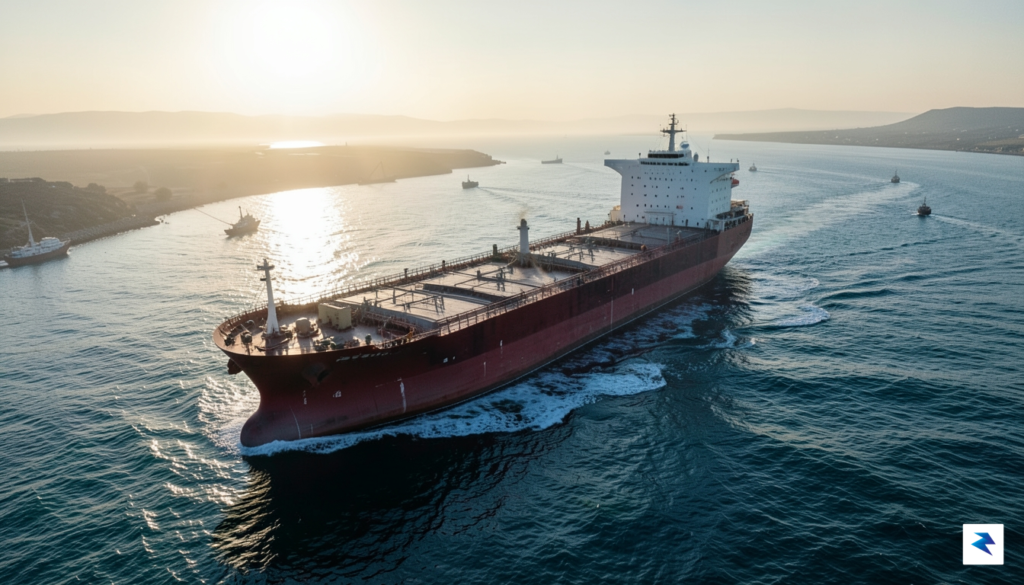
The Strait of Hormuz is far more than a mere maritime shipping lane; it serves as the world’s most vital energy artery, facilitating the transit of approximately 20% of global petroleum consumption. Every day, millions of barrels of crude oil pass through this narrow, 21-mile-wide passage at its tightest point, connecting the oil-rich fields of the Persian Gulf to international markets in Asia, Europe, and North America. Because there are few viable alternatives for transporting this massive volume of energy, any disruption—whether through technical failure, environmental disaster, or deliberate military intervention—creates an immediate and violent shockwave that ripples through global commodity exchanges.
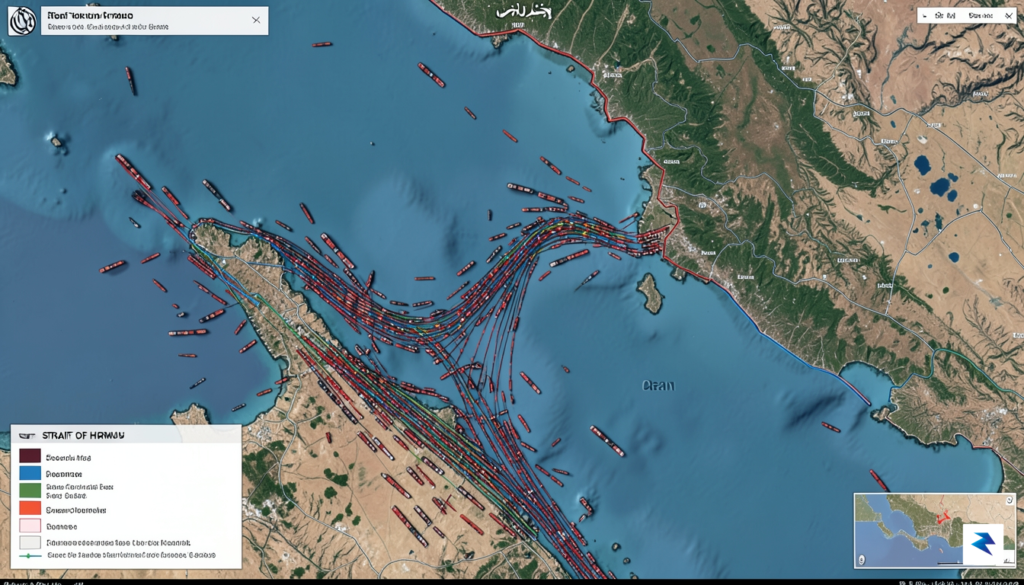
Recent diplomatic deterioration between the United States and Iran has moved this waterway from a zone of routine transit to a high-stakes arena of geopolitical brinkmanship. With the collapse of long-standing diplomatic negotiations, the strategic calculus of the region has shifted overnight. The Iranian government views its proximity to the Strait as a powerful leverage point, capable of being utilized to counter external economic pressure. Consequently, the international community is now forced to contend with a reality where global energy security is inextricably linked to the volatile fluctuations of regional diplomacy, transforming the Strait into the ultimate flashpoint for international conflict.
The Strait of Hormuz is the world’s most critical maritime oil chokepoint, where a momentary lapse in regional stability can translate into permanent damage to the global energy supply chain.
Historically, the region has seen decades of maritime posturing, but the nature of recent incidents suggests a troubling escalation in tactical warfare. Rather than relying on traditional naval engagements, recent hostilities have involved sophisticated harassment techniques, including the use of drone swarms, limpet mines, and the seizure of commercial tankers. These tactics are designed to be deniable yet highly disruptive, injecting a sense of profound uncertainty into the shipping industry. As insurance premiums for vessels navigating the passage soar, the psychological and financial toll on global trade becomes clear. We are no longer observing a cold war of words; we are witnessing a transition toward active, asymmetric maritime conflict that threatens to choke off the lifeblood of the global economy if tensions continue to spiral unchecked.
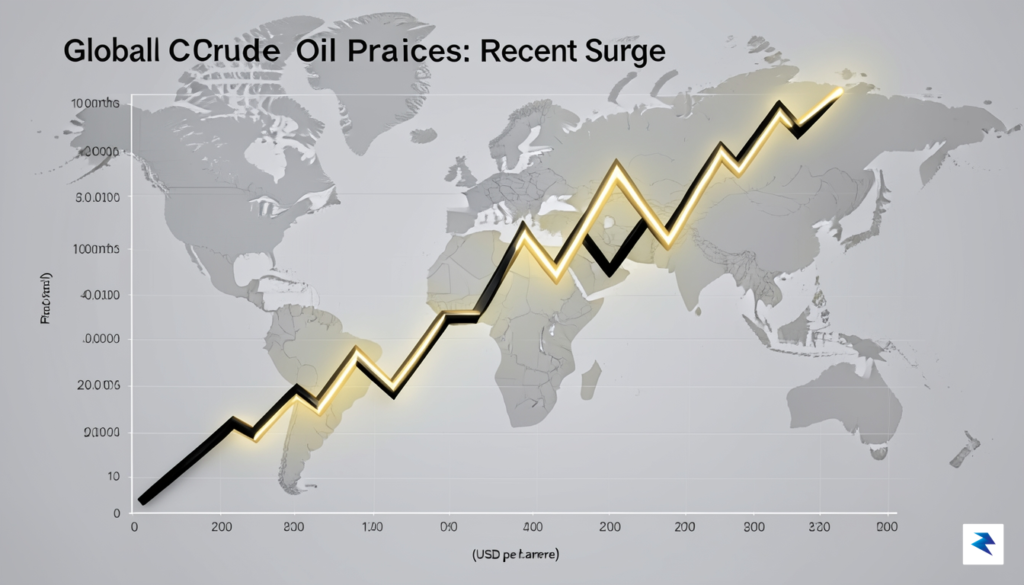
When geopolitical stability falters in the Middle East, the global energy apparatus reacts with a precise, almost reflexive sensitivity. The recent surge in crude oil prices serves as a textbook example of the “fear premium”—a component of energy pricing that reflects the market’s anticipation of potential supply bottlenecks rather than current physical shortages. Because a significant portion of the world’s daily oil production transits through the Strait of Hormuz, any rhetoric suggesting a total collapse of diplomatic agreements creates an immediate risk assessment crisis. Traders and investors effectively price in the worst-case scenario: the physical restriction of tanker movement, which would force global economies to scramble for alternative, albeit more expensive, supply routes.
The immediate volatility observed in both Brent and West Texas Intermediate (WTI) crude highlights the fragility of our current energy infrastructure. As news cycles accelerate, automated trading algorithms often exacerbate these price swings, leading to rapid, double-digit percentage shifts in value over the course of a single trading session. This volatility is not merely a number on a screen; it is the manifestation of a market desperate to hedge against uncertainty. When supply continuity is called into question, the premium demanded by holders of current contracts rises, as they recognize that the cost of replacing those barrels in a restricted market could be exponentially higher.
The “fear premium” is not a reflection of current scarcity, but rather the market’s collective assessment of the cost of future disruption.
Historical parallels provide a sobering perspective on how such shocks influence broader economic health. Over the past decade, similar instances of geopolitical tension have demonstrated that oil price spikes act as a regressive tax on consumers, stifling disposable income and fueling short-term inflationary pressure. While central banks often view these energy-driven spikes as transient, the long-term impact on energy investment strategies is more profound. When periods of volatility become the norm rather than the exception, energy firms are forced to pivot their capital expenditure toward projects that prioritize security and domestic production over cost-efficiency. Ultimately, the current market reaction is a signal that global energy stability is inextricably linked to diplomatic discourse, and until that uncertainty is resolved, consumers should expect the cost of energy to remain sensitive to every geopolitical shift.
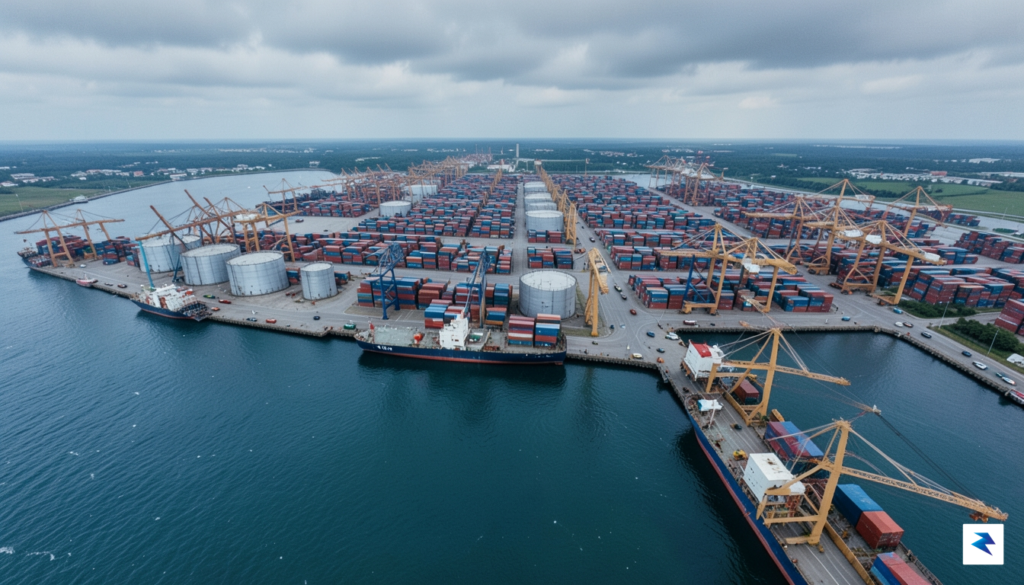
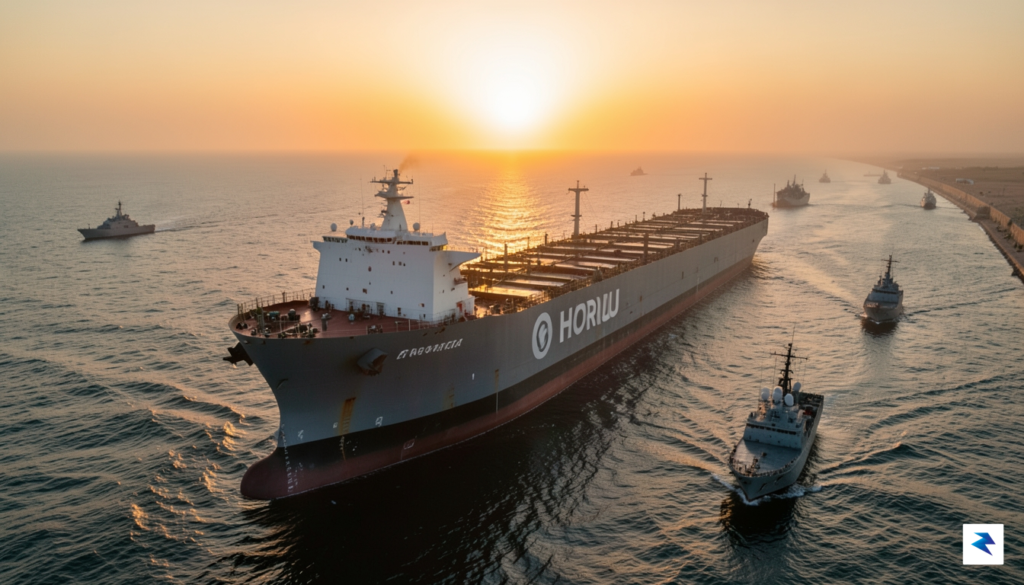
The immediate fluctuation in crude prices often dominates the headlines, yet the most persistent threat to the global economy lies in the fragility of the physical infrastructure that sustains energy flow. When geopolitical rhetoric turns hostile, the Strait of Hormuz—a narrow chokepoint through which roughly a fifth of the world’s total oil consumption passes—transforms from a routine shipping lane into a precarious zone of risk. For maritime operators, this uncertainty manifests first in the insurance markets. As the perceived threat of sabotage or seizure rises, underwriters are rapidly increasing “war risk” premiums for vessels entering the Persian Gulf. These costs are not merely absorbed by shipping companies; they are passed down the line, fundamentally altering the economics of energy delivery before a single drop of oil is even sold.
Beyond the financial overhead, the logistical reality of rerouting the world’s energy supply is effectively impossible. Global tanker traffic relies on a finely tuned, high-volume schedule that cannot simply be diverted to alternative routes without causing massive bottlenecks and supply shortages. Unlike land-based logistics, where trucks can take a different highway, the sheer scale of Very Large Crude Carriers (VLCCs) limits their navigation to specific deep-water channels. Attempting to bypass the Strait would necessitate thousands of additional miles of travel, straining the global fleet of tankers, depleting bunker fuel reserves, and creating a ripple effect of delays that would leave regional refineries starving for inventory.
The true cost of a closed chokepoint is not just the price of the commodity, but the catastrophic failure of the just-in-time delivery systems that keep modern industrial economies functioning.
The human element remains the most sobering aspect of these tensions. The crews operating these tankers are increasingly caught in the crossfire of international disputes, facing existential risks from military posturing and potential blockades. A sustained conflict zone does not just threaten the cargo; it threatens the lives of mariners and the stability of the entire shipping workforce. Should these geopolitical fractures lead to a total blockade, the resulting economic shock would extend far beyond the energy sector. Manufacturing, transportation, and consumer goods production would face immediate constraints, proving that when the arteries of the global energy supply chain are constricted, the entire body of the world economy begins to fail.
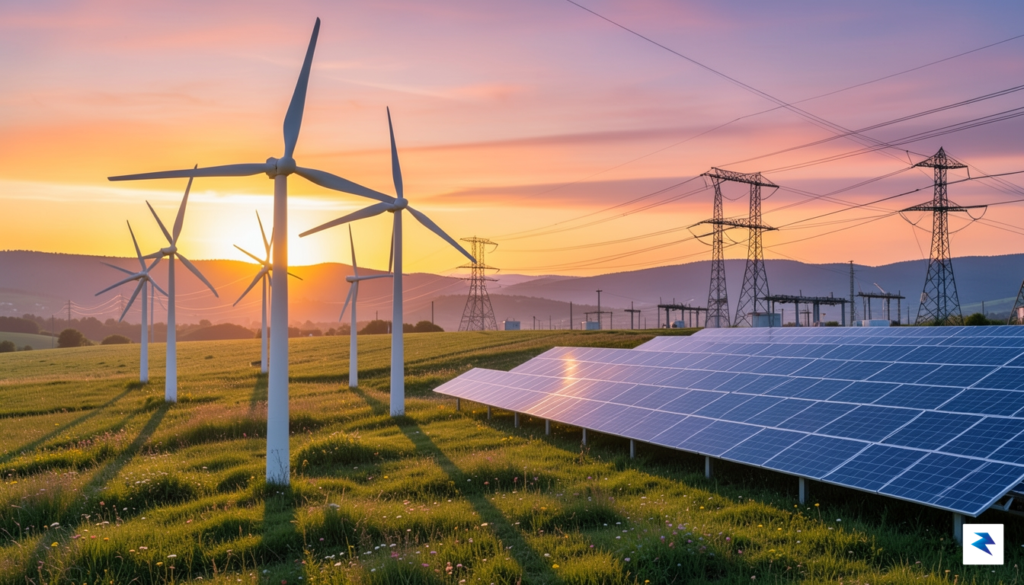
The recent volatility in global markets highlights a pressing reality: the heavy reliance on fossil fuel supply chains anchored in geopolitically sensitive regions is a structural vulnerability that nations can no longer ignore. As trade routes like the Strait of Hormuz become focal points for diplomatic friction, the mandate for energy security has evolved from a secondary policy concern into a core pillar of national defense. To build true resilience against price shocks, governments are increasingly viewing energy independence not merely as a matter of economic efficiency, but as a critical safeguard for internal stability and sovereignty.
Strategic Petroleum Reserves (SPR) have long served as the primary bulkhead against sudden supply disruptions, providing a temporary buffer that allows markets time to adjust to new constraints. However, as global demand patterns fluctuate and geopolitical tensions intensify, relying solely on these stockpiles is becoming an insufficient long-term strategy. Policy makers are now recognizing that true market insulation requires a more robust approach, one that combines the judicious release of reserves with aggressive structural reforms. This includes modernizing energy infrastructure to reduce bottlenecks and fostering closer international cooperation to ensure that localized conflicts do not spiral into systemic global supply failures.
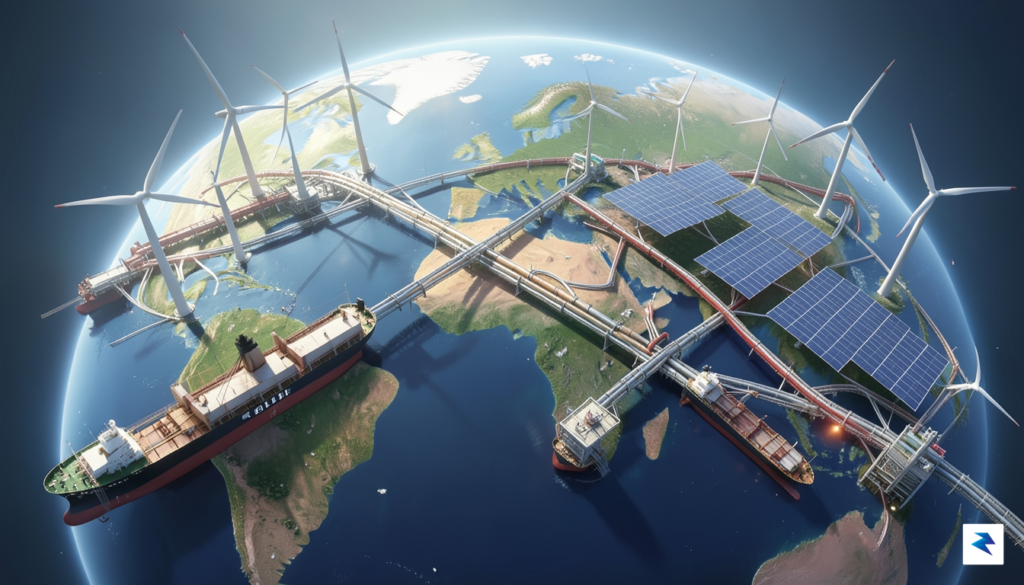
Beyond the management of current stocks, the push toward energy diversification has emerged as a paramount national security measure. By integrating a broader mix of renewable sources—such as wind, solar, and nuclear power—countries can effectively decouple their economic health from the erratic price swings of the global oil market. This transition is not merely an environmental preference; it is a calculated risk-mitigation strategy. A diversified energy portfolio reduces the leverage that volatile, oil-producing regimes hold over global trade, thereby granting nations greater autonomy in their foreign policy decisions.
True energy security is found in the ability to withstand a supply shock without compromising the fundamental functions of the economy or the daily lives of citizens.
Ultimately, the path forward requires a delicate balancing act between immediate pragmatic solutions and long-term strategic shifts. While the development of alternative energy sources provides a clear roadmap for future independence, the world remains tethered to existing infrastructure for the foreseeable future. Consequently, diplomatic de-escalation remains the most immediate and effective tool for preventing an energy supply catastrophe. International stakeholders must prioritize stable dialogue and conflict resolution to keep essential maritime lanes open, ensuring that the global economy does not fall victim to the high-stakes brinkmanship that currently defines the energy landscape.
You must be logged in to post a comment.