
What Happens If China Hacks the US Water Supply? Inside the War Game
The Digital Siege: Understanding Volt Typhoon A persistent and deeply concerning threat actor known as Volt Typhoon has emerged as a…

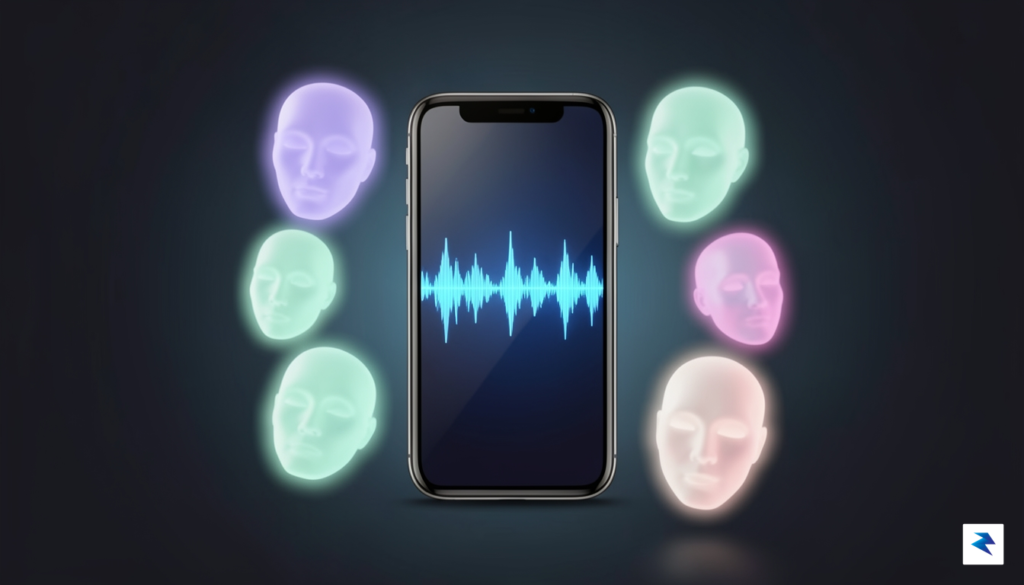
The landscape of digital deception has undergone a seismic shift, moving rapidly away from the clunky, misspelled phishing emails that once served as the hallmark of online fraud. Today, we have entered the era of hyper-realistic generative AI, where the barrier to entry for malicious actors has dropped to near zero. Sophisticated voice-cloning technology, once the domain of high-end film production, is now accessible through affordable software that requires only a few seconds of audio to replicate a person’s cadence, tone, and emotional inflection. Because these models can extract vocal patterns from brief social media videos or public interviews, your own digital footprint—or that of a family member—has inadvertently become the blueprint for a potential scam.
This technology has facilitated the rise of the “virtual kidnapping” scam, a terrifying evolution of social engineering that weaponizes human instinct against us. In these scenarios, attackers use synthesized audio to mimic a loved one in distress, often incorporating background noise such as traffic or muffled cries to heighten the sense of urgency. When a victim receives a call that sounds exactly like their child or partner pleading for help, the brain’s fight-or-flight response overrides the logical skepticism we usually apply to unknown callers. The scammer’s goal is to force an immediate, emotional reaction, demanding a ransom payment before the target has a moment to verify the reality of the situation.
The true danger of AI-driven voice scams lies not in the software itself, but in the way it exploits our deepest biological impulses to protect those we love.
The psychological trauma inflicted by these encounters cannot be overstated, as they shatter the fundamental trust we place in our own senses. Even if the victim realizes the deception before money is transferred, the lingering feeling of vulnerability can be profound. Traditional advice—such as checking for spelling errors or avoiding suspicious links—is no longer sufficient when the threat arrives in the familiar, intimate sound of a human voice. As these tools become even more seamless, the ability to discern the authentic from the artificial has become a critical necessity for modern digital safety, turning the once-simple act of answering the phone into a high-stakes encounter with modern technology.

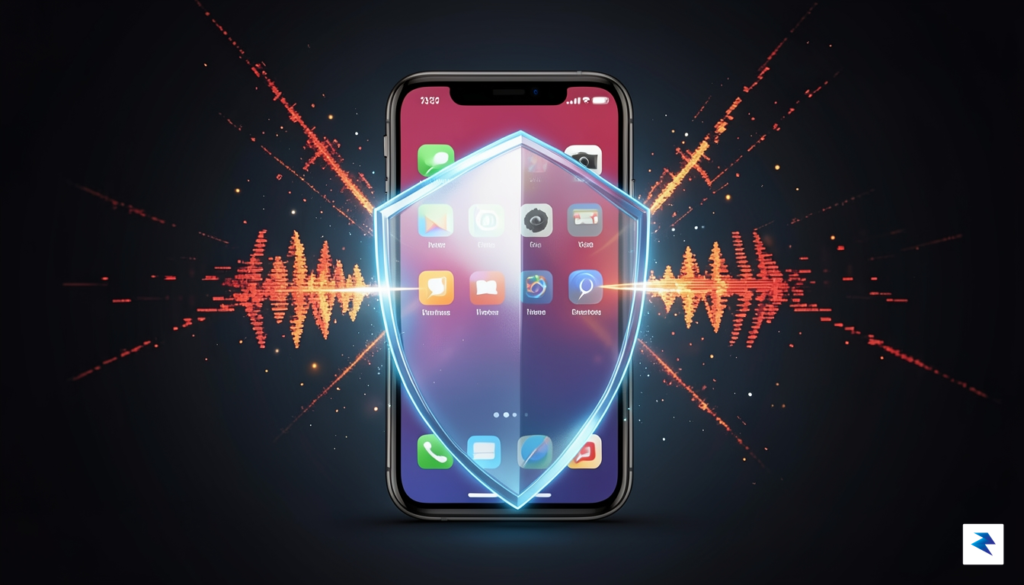
Backed by a recent $7 million seed funding round, Savi has positioned itself as a critical line of defense in an era where voice cloning technology has become dangerously accessible. The company’s mission is rooted in the reality that human hearing is no longer a reliable verification tool. To counter this, Savi employs sophisticated forensic audio analysis that operates in real-time, acting as a digital gatekeeper that scrutinizes incoming phone calls for the subtle, microscopic artifacts left behind by generative AI models. While a human might hear a familiar cadence or inflection, Savi’s algorithms are busy mapping the spectral inconsistencies that reveal a synthetic origin.
The core of Savi’s technical approach involves deep signal processing that looks for patterns invisible to the naked ear. When an incoming call connects, the app performs a high-speed diagnostic on the audio stream, evaluating factors such as frequency response, phase noise, and the specific rhythmic patterns of phoneme transitions. Genuine human speech contains natural, chaotic imperfections—micro-pauses, irregular breath patterns, and slight variations in vocal cord vibration—that current AI models often struggle to replicate with perfect biological fidelity. Savi’s engine identifies these “digital fingerprints” or lack thereof, flagging the call as a potential impersonation if the audio stream lacks the expected organic complexity of a living person.
“The goal is not to replace human intuition, but to provide a layer of objective, mathematical certainty when the stakes are at their highest.”
For the end user, this complex technological orchestration is designed to be invisible and instantaneous. The mobile application operates in the background, continuously monitoring the audio integrity of incoming calls without disrupting the flow of conversation. If the app detects an anomaly that suggests a voice has been synthesized, it triggers an immediate alert to the user’s interface, providing a visual warning that the person on the other end may not be who they claim to be. This seamless integration ensures that consumers are not required to be cybersecurity experts; instead, they receive actionable intelligence in the moments before they might otherwise be coerced by a high-pressure ransom scam or a fraudulent request for funds. By bridging the gap between cutting-edge forensic science and everyday consumer convenience, Savi is fundamentally changing how we verify trust in a post-AI world.

The digital threat landscape is shifting beneath our feet, moving far beyond the primitive phishing emails and generic ransomware attacks of the past decade. Today, we are witnessing the rise of hyper-personalized social engineering, where artificial intelligence allows bad actors to manipulate human psychology with terrifying precision. While the prospect of virtual kidnapping—where AI mimics a loved one’s voice to extract a ransom—is arguably the most visceral and alarming application of this technology, it is merely the tip of the iceberg. From sophisticated business email compromise (BEC) schemes that trick executives into authorizing fraudulent wire transfers to deepfake videos that bypass biometric security, AI has become the ultimate force multiplier for organized crime.

For years, the cybersecurity industry relied primarily on passive defenses, such as awareness campaigns and “think before you click” warnings. Unfortunately, as the quality of synthetic media improves, these traditional strategies are proving increasingly insufficient. When a scammer can perfectly replicate the cadence, tone, and emotional inflection of a family member or a trusted colleague, human intuition is no longer a reliable shield. We have entered an era where seeing—or hearing—is no longer believing, creating an urgent, undeniable need for technological tools that can verify authenticity in real-time. This is precisely where the launch of the Savi app marks a significant turning point in consumer protection.
The core of the problem lies in the democratization of high-end AI tools, which have lowered the barrier to entry for criminals to conduct high-stakes, realistic fraud campaigns against everyday individuals.
The recent announcement of $7 million in funding for Savi’s development highlights a broader market recognition that we can no longer rely on manual scrutiny to detect synthetic fraud. This capital infusion is not just about building a product; it is about scaling a defense system capable of keeping pace with the exponential growth of AI-driven crime. By investing in robust algorithms that can detect synthetic anomalies before they reach the human ear, Savi is positioning itself as a proactive guardrail. As these tools evolve, they will likely become as essential to our digital lives as antivirus software was to the early internet, providing a necessary layer of computational skepticism in a world that is becoming increasingly difficult to navigate with trust alone.

Integrating a security tool that monitors incoming communication naturally raises significant questions regarding personal privacy and the extent of data surveillance. Savi addresses these concerns by prioritizing a privacy-first architecture, which is essential when dealing with sensitive, personal audio data. Rather than funneling every conversation through a centralized server, the app is engineered to perform the vast majority of its analysis locally on the user’s device. By leveraging edge computing, the system can identify the specific acoustic signatures and cadence patterns indicative of AI-generated voices without your private conversations ever leaving the handset. This approach ensures that the “always-on” nature of the protection does not translate into a digital record of your personal life.
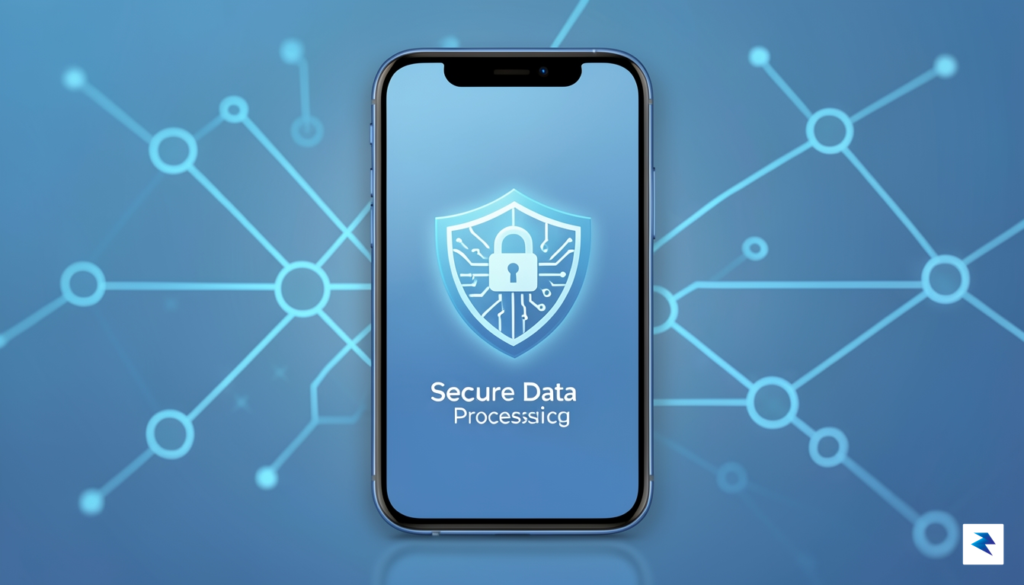
The ethical implications of real-time monitoring are complex, as users must trust that their security software is acting as a shield rather than a spy. To maintain this trust, the developers have implemented strict data minimization protocols. When the app detects a potential threat, such as an AI-cloned voice mimicking a loved one, it triggers a localized alert; however, the raw audio data remains ephemeral and is discarded immediately after the analysis is complete. This design choice effectively mitigates the risk of data breaches, as there is no massive repository of intercepted voice calls for hackers to target. Transparency is further bolstered by allowing users to toggle specific monitoring permissions, ensuring that the app only operates when and where the user feels it is necessary.
True security is defined not just by how well a tool detects threats, but by how little it intrudes upon the user’s autonomy and private space.
Maintaining “always-on” protection presents significant technical challenges, particularly concerning battery life and processing efficiency. Constant audio stream analysis is resource-intensive, which is why the team has optimized the app’s background processes to run with minimal overhead. By utilizing advanced machine learning models that are lightweight yet highly accurate, the software can remain vigilant without draining the battery or slowing down the device. Furthermore, users retain full control over their data footprint, including the ability to audit the app’s activity logs and clear any diagnostic information stored locally. This commitment to user agency proves that robust protection against sophisticated AI scams can coexist with the fundamental right to digital privacy.
While innovative technological solutions are emerging to combat the rising tide of AI-powered scams, the most robust and ultimately indispensable defense remains human vigilance and pre-established family protocols. Artificial intelligence has advanced to a point where voices can be cloned with shocking accuracy, making it incredibly difficult to discern a real person from a synthetic impostor. This reality underscores the critical importance of having a personal strategy in place, one that doesn’t rely solely on software but leverages trust and communication within your closest relationships.
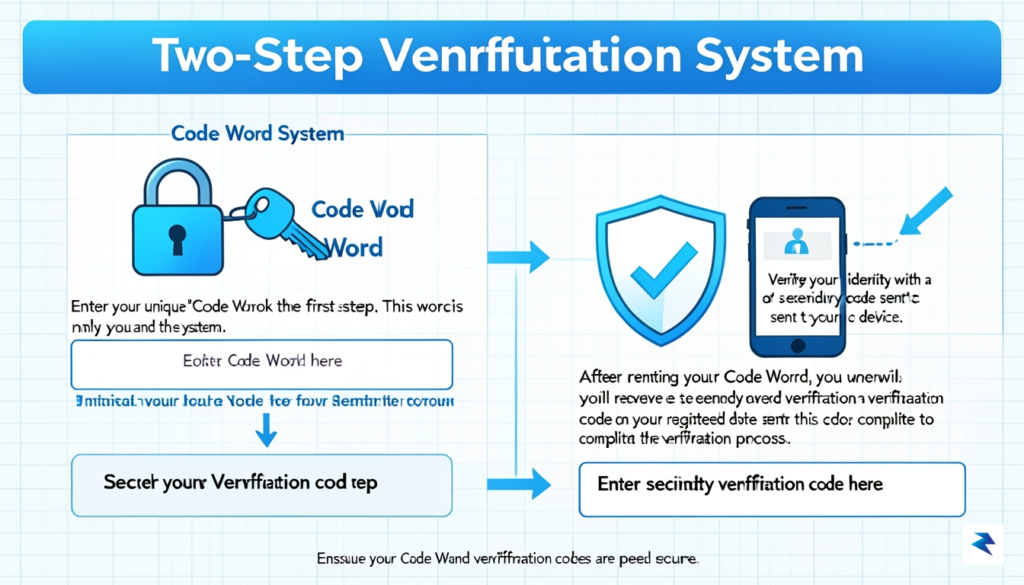
One of the most effective and straightforward defenses against sophisticated voice cloning scams is the implementation of a “secret code word” within your family. This isn’t just a casual password; it’s a pre-arranged, unique phrase or word that only immediate family members know and agree upon. The rule is simple: if you receive an urgent or unusual call from a family member, especially one demanding immediate action or money, you must discreetly ask for the code word. If they cannot provide it, or hesitate, you should immediately suspect a scam.
Establishing this code word requires a proactive conversation with your loved ones, making sure everyone understands its purpose and importance. Choose something memorable but not easily guessable, perhaps an inside joke, a pet’s obscure nickname, or a specific detail from a shared memory. Crucially, this code word should never be written down or shared with anyone outside the immediate family circle. Practicing its use, even casually, can help solidify it as a reliable verification method during stressful situations, providing a vital layer of protection against the most convincing AI-generated deceptions.
In the digital age, relying on a single mode of communication for critical information is inherently risky. If you receive a distress call, even one that sounds undeniably like a family member, it is paramount to initiate secondary verification through a different channel. This could mean hanging up and immediately sending a text message to their known number, or attempting a video call to visually confirm their identity. The key here is for you to initiate the contact, rather than relying on an incoming communication that might be compromised.
Furthermore, if the caller claims their phone is broken or they are using a new number, be extra cautious and verify through another family member or a pre-arranged alternative contact method. Scammers often create a sense of urgency precisely to prevent you from taking these crucial verification steps. Always take a moment to pause, breathe, and use your established verification protocols before acting on any urgent or unusual requests, no matter how convincing the voice on the other end may sound.
Beyond specific verification steps, understanding common scammer tactics can significantly bolster your defense. Be highly suspicious of any communication that creates intense pressure or demands immediate action, especially if it involves transferring money, purchasing gift cards, or providing sensitive personal information. Scammers thrive on panic and will often fabricate elaborate scenarios, like an emergency medical situation or a legal crisis, to bypass rational thought and coerce quick compliance. Any unexpected request for financial aid, regardless of how desperate the plea, should trigger extreme caution and lead directly to your verification protocols.
Other red flags include requests for information they should already know, unusual communication patterns from a known contact (e.g., a formal tone from someone typically casual, or vice-versa), or discrepancies in their story. Even seemingly minor inconsistencies in details can be tell-tale signs of a fabrication. Always remember that legitimate requests for help will almost never demand immediate, unverified financial transactions or prevent you from confirming the situation through established, trusted channels.
Key Takeaway: When in doubt, hang up. Your quick action to verify can prevent significant emotional distress and financial loss.
Should you encounter what you suspect to be an AI-based scam attempt, reporting it to the authorities is a critical step in protecting not only yourself but also others. Even if you didn’t fall victim, your report can provide valuable intelligence that helps law enforcement identify patterns, track perpetrators, and develop countermeasures. Contact your local police department to file a report, providing as many details as possible about the interaction, including phone numbers, specific demands, and any identifying information.
Additionally, in the United States, you can report these incidents to the FBI’s Internet Crime Complaint Center (IC3). This federal agency specializes in cybercrime and uses submitted reports to investigate and prosecute online criminals. By taking the time to report these sophisticated scams, you contribute to a larger effort to dismantle these networks and safeguard the community from the evolving threat of synthetic media fraud.

You must be logged in to post a comment.