Is the AI Arms Race Heading Toward Disaster? An Expert Perspective
The Geopolitical Stakes of the AI Arms Race The global pursuit of artificial intelligence supremacy has fundamentally reshaped international…
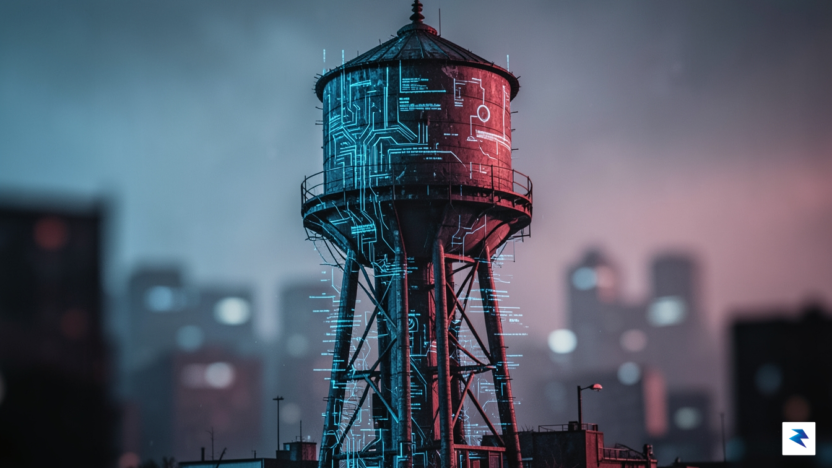
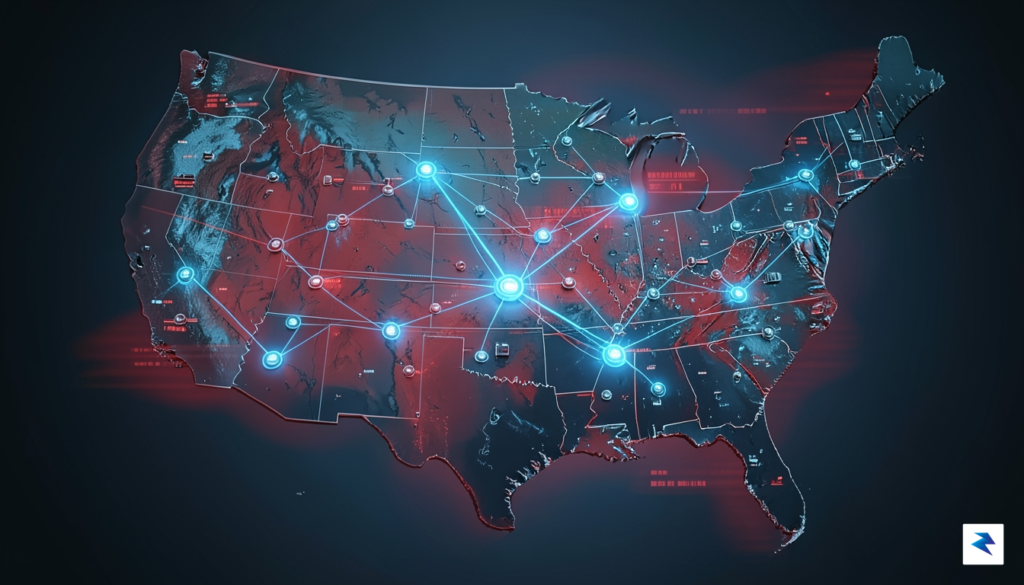
A persistent and deeply concerning threat actor known as Volt Typhoon has emerged as a significant cybersecurity challenge, specifically targeting the foundational infrastructure that underpins daily life in the United States. This state-sponsored group, unequivocally linked to China, operates with a strategic patience unlike many traditional cyber espionage units. Their mission extends beyond mere data theft; instead, they are meticulously embedding themselves within critical systems, including the nation’s vast network of water utilities, with the explicit goal of enabling potential future disruption.
What sets Volt Typhoon apart is their sophisticated methodology, often described as “living off the land” (LotL). Rather than deploying easily detectable custom malware, these adversaries leverage existing legitimate tools and network configurations already present within a target’s system. Imagine an intruder who doesn’t bring their own lock-picking kit, but instead learns to use the keys already hanging on the wall. This approach allows Volt Typhoon to blend seamlessly into normal network traffic and administrator activity, making their presence incredibly difficult to detect and evict. They meticulously map out networks, establish persistent access, and quietly position themselves for potential action, sometimes remaining undetected for extended periods.
The choice of critical infrastructure, particularly water systems, as a prime target highlights a strategic shift in modern cyber warfare. Water treatment plants, pumping stations, and distribution networks are not only vital for public health and safety but also represent complex operational technology (OT) environments that are often interconnected with standard information technology (IT) networks. These systems can be vulnerable due to legacy equipment, budget constraints impacting cybersecurity maturity, and the sheer complexity of their operations. A successful attack on such infrastructure could lead to widespread service outages, contamination, and even physical damage, triggering public panic and severe economic consequences.
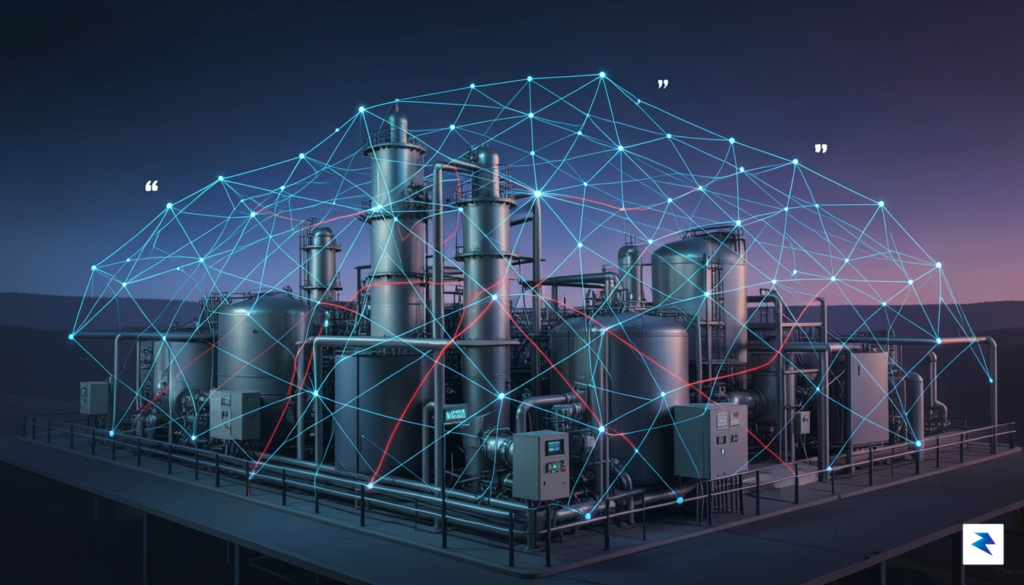
This pre-positioning within critical systems signifies a profound evolution in the strategic use of cyber capabilities. The objective is no longer solely about intelligence gathering or intellectual property theft. Instead, Volt Typhoon’s activities suggest a readiness to gain operational control and the ability to cause real-world, kinetic effects should geopolitical tensions escalate. It’s about establishing a strategic advantage, a silent capability that could be activated to disrupt vital services, sow discord, and exert pressure during a conflict. This transformation from data exfiltration to potential operational disruption underscores the urgent need for enhanced vigilance and resilience across all sectors of critical infrastructure.
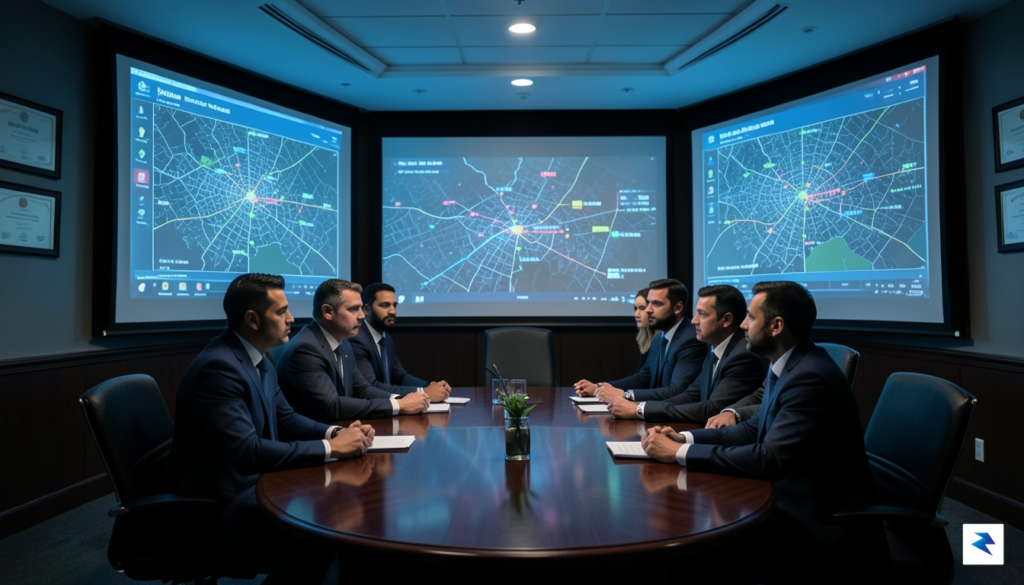
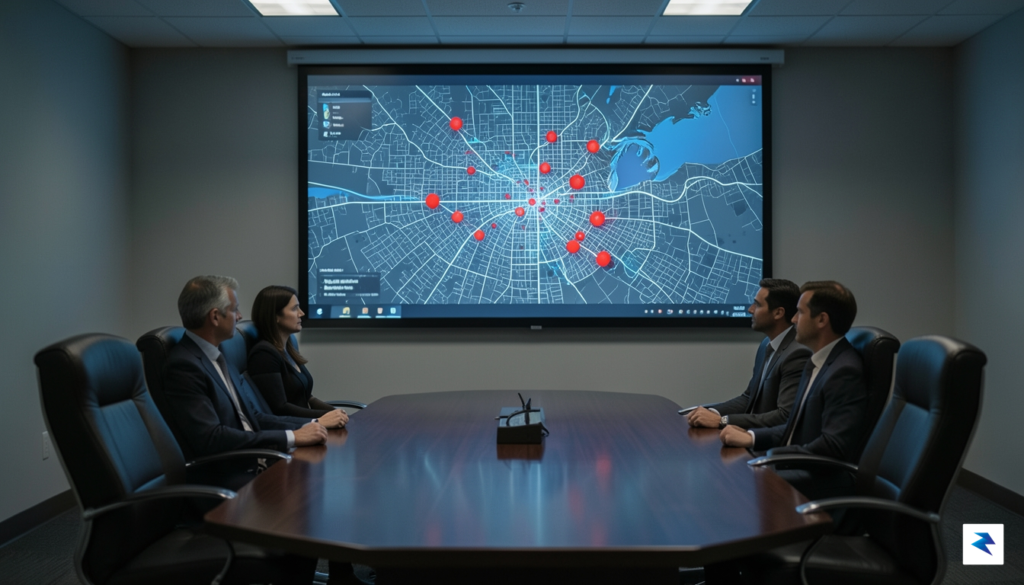
The room was silent, save for the rhythmic clicking of keyboards and the hushed, urgent tones of experts tasked with mapping the collapse of modern civilization. Inside this high-stakes, closed-door simulation, cybersecurity professionals and representatives from the insurance industry sat shoulder-to-shoulder, staring at a digital tableau of a mid-sized American municipality. Their goal was not to play a game of strategy, but to stress-test the fragility of the systems that keep our faucets running. As the simulation unfolded, the participants weren’t just looking at lines of code; they were tracking the inevitable, bone-chilling domino effect that occurs when a foundational utility is surgically compromised by a sophisticated foreign actor.
Insurance companies have become the unlikely architects of these war games because they are the ones who must ultimately calculate the cost of catastrophe. By modeling systemic risk, they are attempting to quantify the unthinkable: the financial and human toll of an attack that bypasses the screen and manifests in the physical world. During the exercise, the “attackers”—a team of red-cell analysts simulating state-sponsored hackers—began by probing the industrial control systems that manage water pressure and chemical treatment levels. The simulation demonstrated that once the digital perimeter is breached, the leap from remote access to physical destruction is terrifyingly short.
The true danger isn’t just the water going off; it is the cascading failure of every system that relies on water to function. When the grid meets the pipe, the damage is exponential.
The nightmare scenarios identified during the exercise were far more devastating than simple service outages. The simulation revealed that a coordinated attack could trigger simultaneous pipe bursts across an entire district, overwhelming emergency response teams and rendering fire suppression systems useless. As water pressure plummeted, the ripple effects hit the healthcare sector instantly; hospitals, unable to sterilize equipment or maintain sanitation, were forced to initiate mass evacuations in the middle of a utility crisis. These experts found that because modern infrastructure is so tightly coupled, the hacking of a single water treatment plant acts as a force multiplier, creating a cascading failure that could paralyze a city for weeks or even months. By the time the simulation concluded, the consensus was clear: our current defenses are optimized for individual vulnerabilities, while the next generation of warfare is designed to dismantle the entire ecosystem.

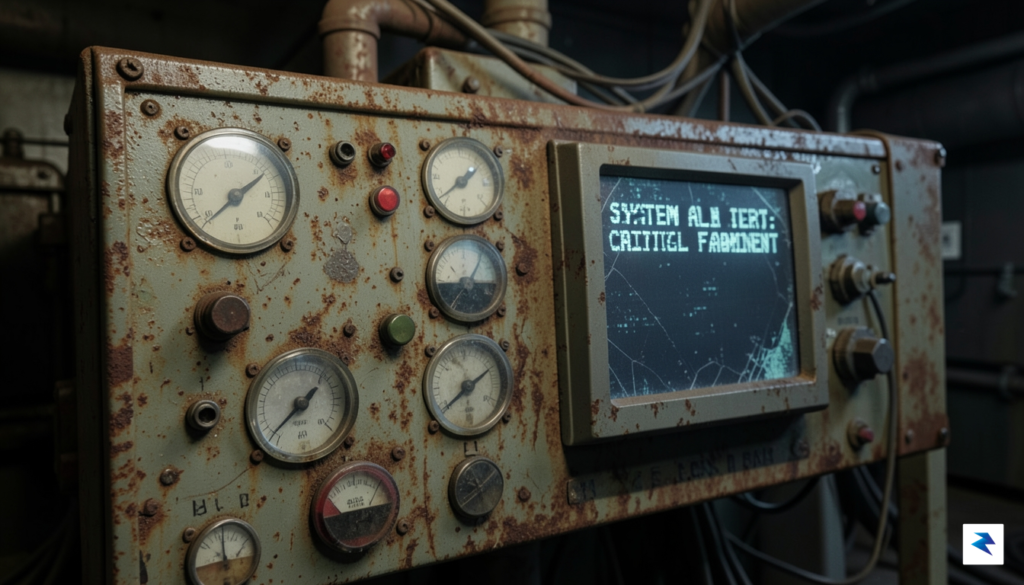
The American water sector is not a single, monolithic entity; rather, it is a sprawling, fragmented tapestry of over 150,000 independent systems, ranging from massive municipal utilities serving millions to tiny, rural districts managed by a handful of staff. This radical decentralization, while efficient for local governance, creates a structural nightmare for national cybersecurity. Because these systems operate with varying degrees of autonomy and limited federal oversight, there is no universal security standard. Instead, adversaries are presented with a landscape defined by “seams”—inconsistent protocols and disconnected security postures—that make it remarkably easy to identify the weakest link in the chain. When an attacker probes for entry points, they aren’t looking for one fortified gate; they are looking for the most neglected side door in a massive, porous perimeter.
Compounding this fragmentation is the ubiquity of “legacy” Operational Technology (OT) and SCADA (Supervisory Control and Data Acquisition) systems. Many of the sensors, pumps, and chemical injection controllers currently maintaining water quality were installed decades ago, long before the internet was a primary component of industrial operations. These devices were engineered for longevity and reliability in a closed environment, not for resilience against sophisticated, state-sponsored cyber warfare. Consequently, when these “air-gapped” systems were eventually connected to the internet to facilitate remote monitoring and efficiency, they were often retrofitted with insecure software interfaces. Many of these systems lack the processing power to support modern encryption or authentication protocols, rendering them effectively defenseless against even moderate-level intrusion attempts.
The fundamental problem is that we have essentially glued high-speed, networked intelligence onto physical infrastructure that was designed to run for fifty years in total isolation.
The challenge of patching these vulnerabilities is further magnified by the sheer scale of the labor and budgetary requirements. Unlike a centralized corporate IT network that can be updated with a single software push, securing the US water supply requires thousands of individual, resource-strapped providers to identify, purchase, and install modern hardware and software upgrades. Many small utilities simply lack the technical expertise or the capital to overhaul their aging infrastructure. As long as these older, insecure systems remain in the field, they represent a permanent liability. Adversaries recognize this reality; they are not necessarily looking for a grand, cinematic hack of a major city, but rather a surgical intervention in a small, overlooked district that could trigger a ripple effect of panic and systemic distrust in the safety of the entire national water supply.
A disruption in our water supply is far more than a mere inconvenience or a simple utility outage; it represents a direct assault on the very foundations of modern society, triggering an immediate and cascading economic collapse. When the taps run dry, or the water becomes undrinkable, the ripple effect quickly spreads, paralyzing not just homes but entire cities and regions. Businesses cannot operate without water for sanitation, cooling systems, or even basic employee hygiene, leading to widespread closures and an instant halt to productivity. The financial consequences begin accumulating within hours, transforming a localized technical failure into a rapidly escalating crisis with profound national implications.
Perhaps the most terrifying immediate consequence of a widespread water shutoff would be its devastating impact on public health and safety infrastructure. Hospitals, the very bastions of care, would quickly become non-functional. Surgical theaters rely on sterile water for sanitation and equipment, dialysis machines require copious amounts of purified water, and even basic handwashing for medical staff would become impossible. Consequently, critical medical procedures would cease, emergency rooms would be overwhelmed, and the risk of infection would skyrocket, forcing widespread closures and leaving countless patients without essential care. Simultaneously, the ability to suppress fires would vanish, transforming minor blazes into uncontrollable infernos that could devastate entire neighborhoods and industrial zones, adding unimaginable property damage and loss of life to the already mounting catastrophe.

Beyond the immediate life-threatening scenarios, a prolonged water crisis would quickly devolve into a catastrophic public health emergency. Without functioning sanitation systems, sewage would back up, contaminating streets and homes, creating breeding grounds for waterborne diseases like cholera, dysentery, and typhoid. The sheer logistical nightmare of providing potable water for millions, coupled with managing widespread illness, would strain emergency services to their breaking point. Furthermore, the psychological toll on a population grappling with such a fundamental deprivation would be immense, eroding social cohesion and trust in public institutions. The long-term economic recovery from such a widespread public health disaster, encompassing medical costs, lost productivity, and infrastructure repair, would be astronomically high and span years, if not decades.
This grim reality is precisely why the insurance industry is sounding such a profound alarm. Cyber insurance, a relatively nascent but rapidly growing market, has historically dealt with data breaches, ransomware attacks, and business interruption from IT system failures. However, the prospect of a systemic cyberattack on critical infrastructure like the water supply presents an entirely different class of risk—one that could render previous claims negligible by comparison. Insurers are grappling with the potential for “accumulation risk,” where a single event triggers losses across multiple policies and sectors simultaneously, far exceeding their projected liabilities and potentially destabilizing the entire

Addressing the persistent threat posed by state-sponsored actors like Volt Typhoon requires a fundamental shift in our defensive posture, moving away from reactive patching toward a model of systemic resilience. For too long, the digital backbone of our water utilities has operated on outdated legacy systems that were never designed to withstand the sophisticated, “living-off-the-land” tactics now employed by foreign adversaries. To mitigate these risks, we must transition to “zero trust” architectures, where every access request—whether from a remote technician or a local supervisor—is strictly verified, authenticated, and authorized before access to critical control systems is granted. This approach assumes that a breach is not just possible, but potentially already underway, thereby containing damage by preventing lateral movement across the network.
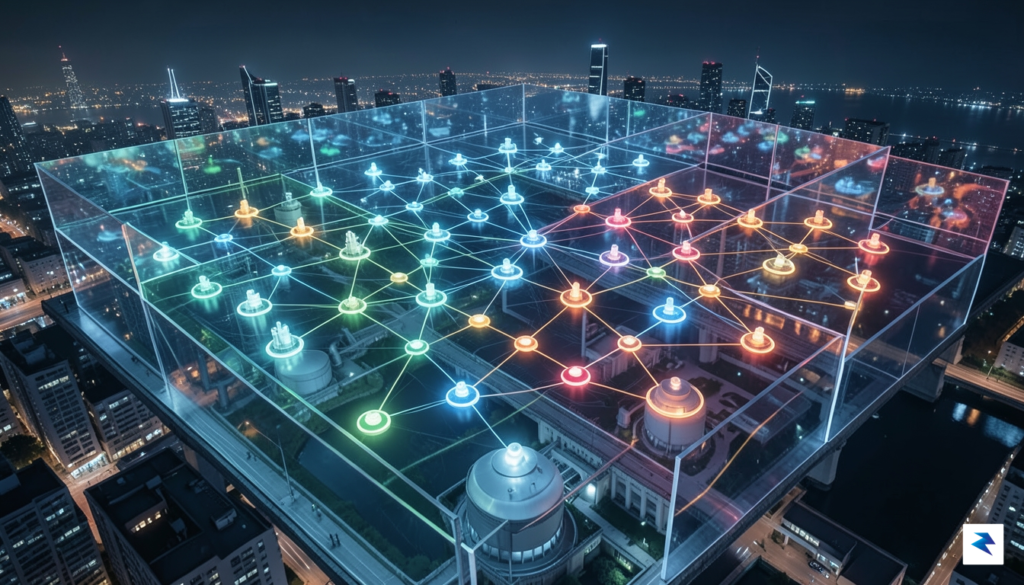
The federal government, led by the Cybersecurity and Infrastructure Security Agency (CISA), is increasingly acting as a bridge between high-level intelligence and the fragmented reality of local water districts. However, legislative efforts must do more than just issue advisories; they must incentivize the modernization of infrastructure through robust public-private partnerships. By providing smaller, resource-strapped municipalities with the tools and funding necessary to replace vulnerable programmable logic controllers (PLCs), the government can eliminate the “soft targets” that hackers are currently exploiting. Furthermore, stricter oversight is essential to ensure that cybersecurity is not treated as an optional IT expense, but as a core requirement of public health and safety, akin to water quality testing or physical plant maintenance.
True resilience in the face of cyber-warfare is not found in the perfect firewall, but in the ability to maintain operations even when the digital perimeter has been compromised.
Beyond hardware and software upgrades, the most critical defense remains human coordination and rapid incident response. Currently, the lag time between a localized system anomaly and federal intervention can be measured in precious hours that adversaries are quick to exploit. We need to standardize communication protocols so that local utility operators can seamlessly share threat data with federal agencies in real-time without fearing bureaucratic repercussions. This synergy allows for a “herd immunity” effect, where an attempted hack in one corner of the country serves as an early-warning signal for utilities nationwide. By formalizing these response loops, we move from a state of vulnerability to a posture of active, collaborative defense that forces adversaries to reconsider the cost and efficacy of their aggression.
You must be logged in to post a comment.