
Inside the $20M BONK Treasury Hack: How Governance Attacks Happen
The Mechanics of the BONK Governance Attack At the heart of the recent BONK treasury breach lies the inherent vulnerability of token-weighted…
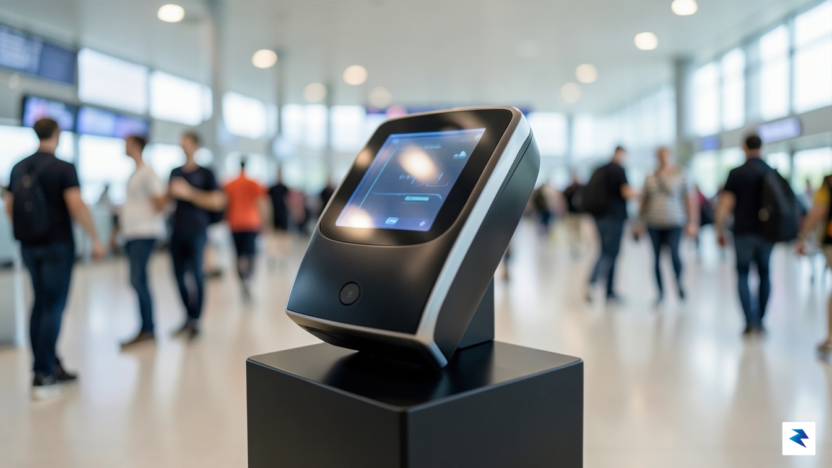
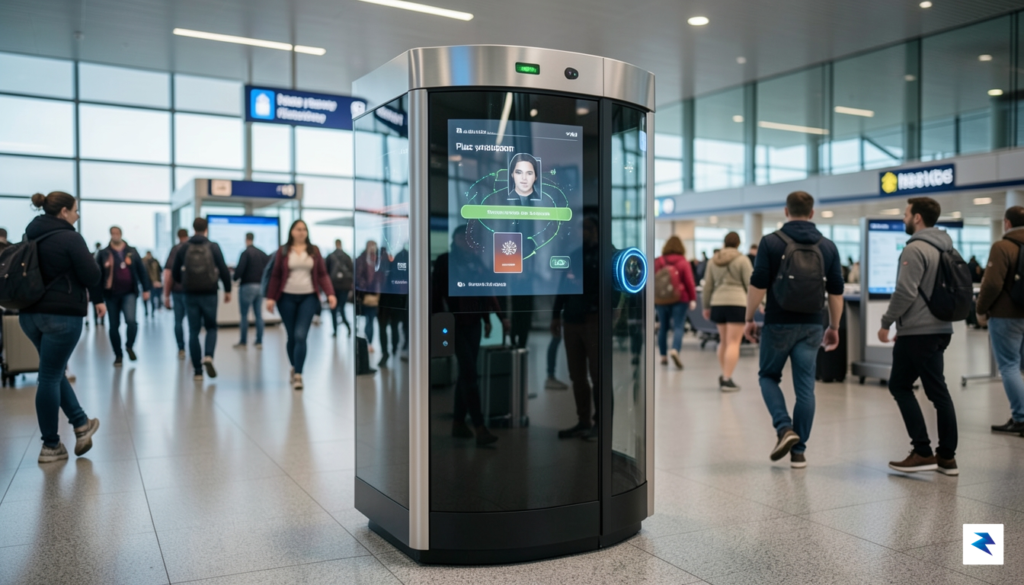
The European Union is currently undergoing a massive digital transformation in how it manages the movement of people across its external borders. At the heart of this shift is the Entry/Exit System (EES), a sophisticated, automated IT architecture designed to fundamentally modernize border security. Unlike current procedures that rely on the subjective and labor-intensive method of manually stamping passports, the EES mandates a uniform, technology-driven approach. By requiring all non-EU nationals to undergo facial recognition and fingerprint scanning upon their arrival and departure, the system moves away from physical ink stamps and toward a centralized, digital record of every traveler’s movements within the Schengen Area.
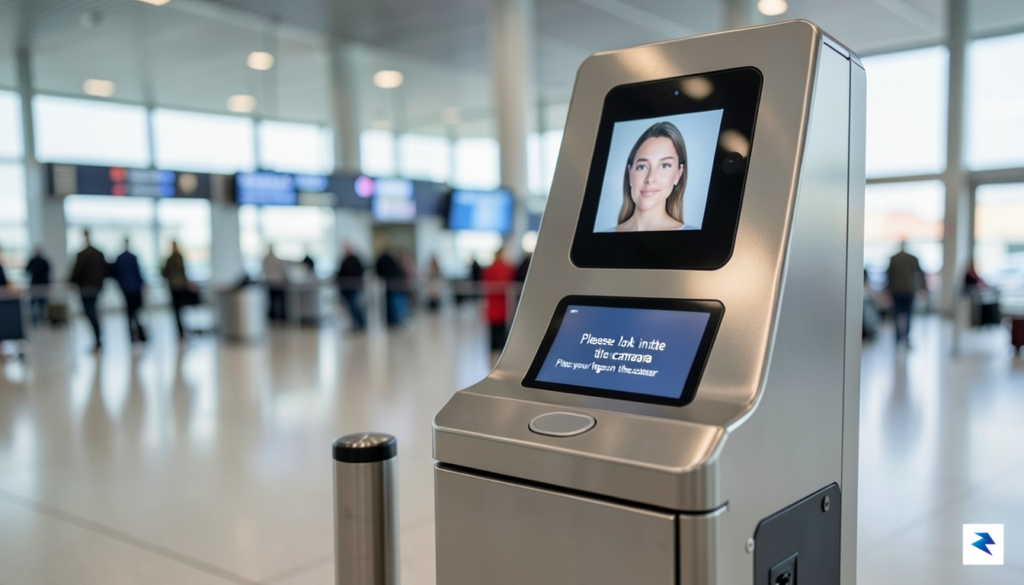
This transition is fundamentally a security imperative rather than a mere convenience upgrade for travelers. By creating a comprehensive digital log, the EU aims to close a long-standing “information gap” that currently exists regarding the exact duration of a visitor’s stay. Under the existing manual system, border guards often struggle to calculate the precise time spent by travelers who move frequently between countries, making it difficult to detect those who have overstayed their legal limits. The EES solves this by automatically flagging individuals who remain beyond their authorized period, thereby enhancing the integrity of the visa-free travel regime and strengthening overall regional security against potential threats.
The primary objective of the EES is to replace human error with algorithmic precision, ensuring that the Schengen Area’s external borders are monitored with absolute consistency across every member state.
The procedural change for the average traveler will be significant. Currently, border crossings for non-EU citizens often involve a quick look at a physical passport, followed by a stamp if the guard deems it necessary. With the implementation of the EES, the process will become more rigorous; travelers will be required to provide biometric identifiers—specifically four fingerprints and a live facial image—the very first time they cross into the EU. These data points will be stored in a secure, centralized database, allowing future entries to be processed more efficiently while ensuring that the identity of the person presenting the passport is verified against the digital record. While this shift promises a higher level of security and faster processing times in the long run, the initial transition period requires a major shift in both infrastructure and passenger behavior, as border checkpoints must now accommodate high-tech scanning stations alongside traditional personnel.

The aviation sector has raised a unified alarm regarding the implementation of the Entry/Exit System (EES), specifically citing the precarious timing of its rollout relative to peak travel periods. Industry stakeholders, including major airline associations and airport operators, have warned that the current infrastructure is not yet robust enough to handle the sheer volume of passengers expected during the summer months. Their primary concern centers on the fundamental change in passenger processing; because the new system requires the collection of biometric data—including fingerprints and facial images—from every third-country national, the time spent at border control desks is projected to increase significantly. Without a phased implementation or a delay, airlines fear that these extended processing times will create a domino effect, resulting in massive bottlenecks that could paralyze terminal operations.
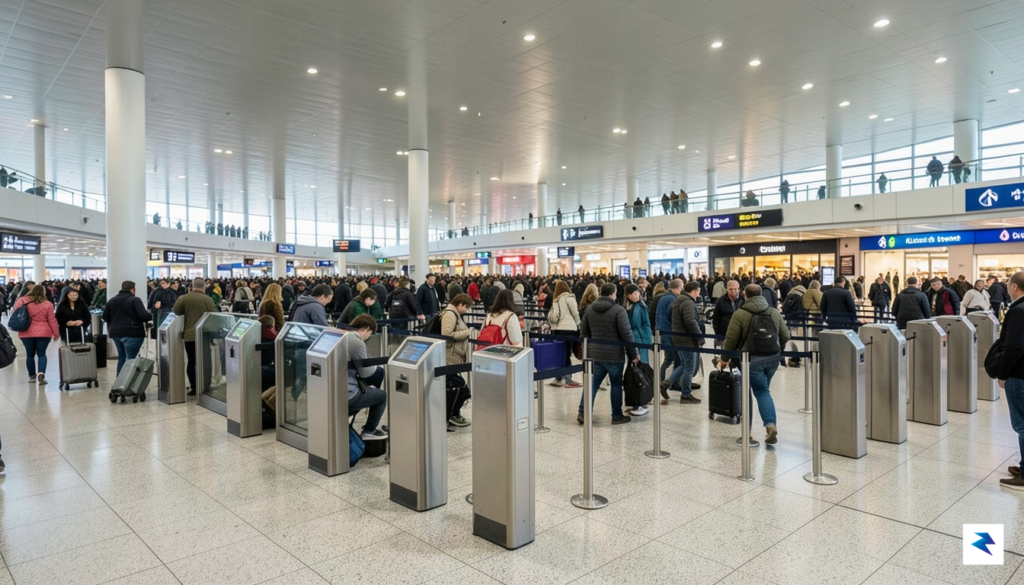
Beyond the logistical burden of time, airports are grappling with the physical and technical realities of integrating this new hardware. The installation of biometric kiosks requires substantial floor space, which is already at a premium in many historic European terminals that were not originally designed for such complex high-tech equipment. Moreover, there is a pervasive anxiety regarding software stability. Industry leaders have pointed out that even minor technical glitches during the initial rollout could lead to system-wide failures, effectively halting the flow of travelers and causing a cascade of missed flight connections and widespread cancellations. As airlines operate on razor-thin margins and strict scheduling, they argue that the risk of such systemic instability is simply too high to gamble on during the busiest season of the year.
The industry’s core argument is that the infrastructure is currently insufficient for high-volume traffic, and without adequate testing and buffer time, the operational capacity of major hubs could be compromised, leading to severe disruptions for international travelers.
Despite these urgent warnings, European officials have remained steadfast in their decision to proceed, prioritizing the long-term benefits of the EES over the short-term operational challenges. From the EU’s perspective, the system is a critical component of modernizing border security, designed to replace manual passport stamping with a more reliable, digitized framework that can better track entries and exits across the Schengen Area. By rejecting the plea for a pause, the EU is signaling that the necessity of enhanced security integration outweighs the inconvenience of initial implementation hurdles. While this stance reflects a commitment to a safer, more transparent border management protocol, it leaves airports and airlines with the formidable task of managing the inevitable growing pains as they attempt to reconcile rigid security mandates with the fluid demands of global travel.

For the average traveler planning a European getaway, the rejection of requests to pause the Entry/Exit System (EES) rollout signals a definitive shift in the border experience. While the European Union remains steadfast in its belief that this automated biometric infrastructure will ultimately streamline security and enhance border integrity, the immediate outlook for the upcoming season is characterized by a period of significant transition. Travelers should prepare for a departure from the status quo, as the implementation of new digital checkpoints often brings a complex layer of “growing pains” inherent to large-scale government IT infrastructure projects.
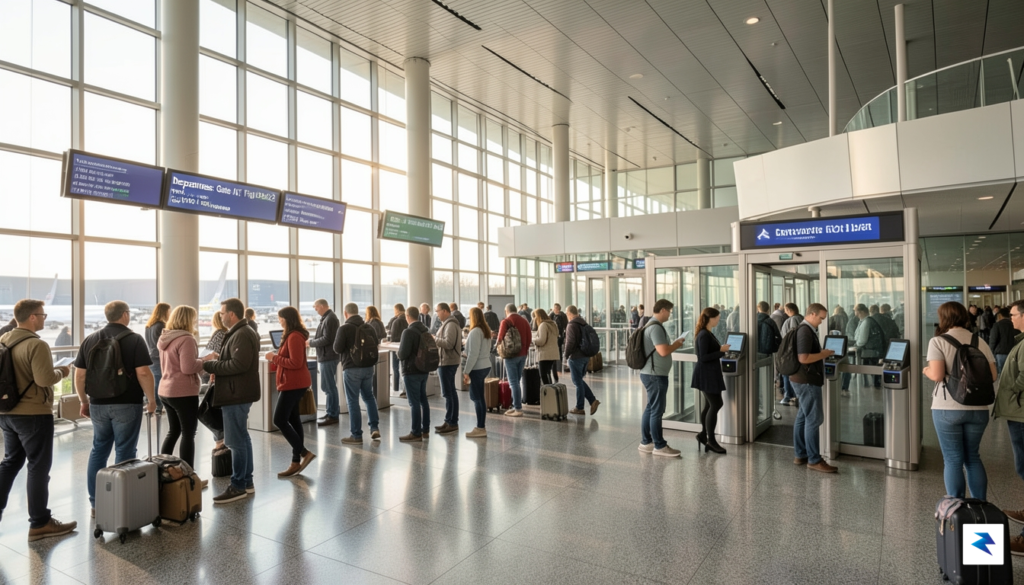
The most immediate and tangible impact for passengers will likely be an increase in queue times at immigration checkpoints. As border agents and travelers alike navigate the nuances of the new biometric scanners—which require the collection of facial images and fingerprint data—the processing time per person is expected to tick upward. It is highly advisable for those flying into EU hubs to adjust their schedules accordingly; arriving at the airport significantly earlier than usual is no longer just a suggestion, but a necessity to account for the unpredictable nature of these new technological touchpoints. Unexpected technical glitches or software synchronization delays are common in the early stages of such massive deployments, and travelers should mentally prepare for the potential of standing in longer lines than they have historically encountered.
Pro-tip for travelers: While the system is designed for future efficiency, the initial rollout phase often involves a learning curve. Building in extra buffer time—at least an additional hour beyond your standard arrival window—can turn a stressful scramble into a manageable experience.
Beyond the logistical reality of longer waits, passengers should expect a heightened level of scrutiny during their initial interactions with the automated gates. Because the EES requires a comprehensive registration of non-EU travelers, the first time you pass through these checkpoints may involve more manual intervention as systems sync and data is verified. However, it is important to remember that these bottlenecks are typically temporary features of a system migration. Once the database is populated and travelers become familiar with the self-service kiosks, the EU anticipates a smoother, more efficient flow of movement. Until that optimization is reached, however, patience and preparedness will be the most valuable tools in any traveler’s carry-on.

While the implementation of the Entry/Exit System (EES) is beyond the control of individual travelers, your preparation remains the most powerful tool for mitigating potential disruptions. Navigating the heightened security landscape requires a shift in mindset from casual traveler to proactive planner. By adopting a more structured approach to your departure routine, you can effectively buffer against the inevitable bottlenecks that occur when new technology meets high-volume passenger traffic.
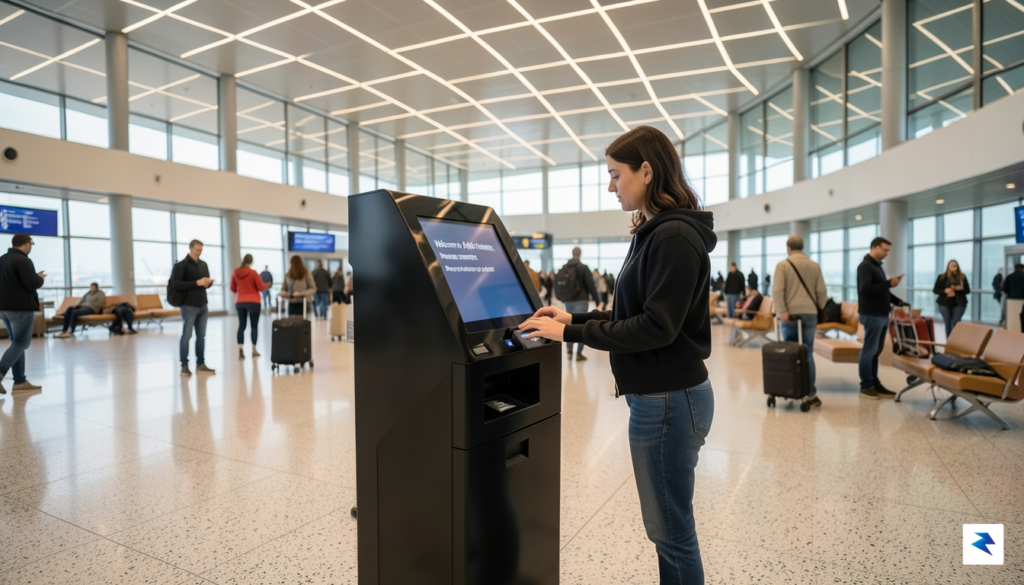
To navigate these changes successfully, consider the following strategic adjustments to your travel checklist:
In addition to these logistical preparations, managing your physical belongings and travel schedule is vital. Always keep essential items, such as prescription medications, chargers, and a change of clothes, in your carry-on luggage. In the event of a significant delay caused by system congestion, having these items readily available will ensure you remain comfortable and prepared for unexpected shifts in your itinerary. Furthermore, if you are booking connecting flights, prioritize longer layovers. A three-hour window might feel generous under normal circumstances, but it could prove insufficient if the initial leg of your journey experiences EES-related processing delays.
The key to a successful transition during this period is patience paired with meticulous organization. By treating your airport arrival as a planned appointment rather than a hurried event, you regain a sense of agency over your travel experience.
Ultimately, remaining calm is your greatest asset when navigating systemic transitions. Airport personnel will be working under immense pressure to manage these new protocols; maintaining a cooperative and informed demeanor will not only help you navigate the process faster but will contribute to a smoother environment for everyone involved. Stay informed by checking your airline’s app for real-time updates, and remember that these security enhancements are designed to streamline long-term travel, even if the initial rollout introduces temporary friction.
You must be logged in to post a comment.