Why Government Websites Are Being Flooded with OnlyFans Spam
The Mechanism of the Hijack: How Government Sites Become Advertising Hubs Cybercriminals have discovered a lucrative new frontier, and it's…
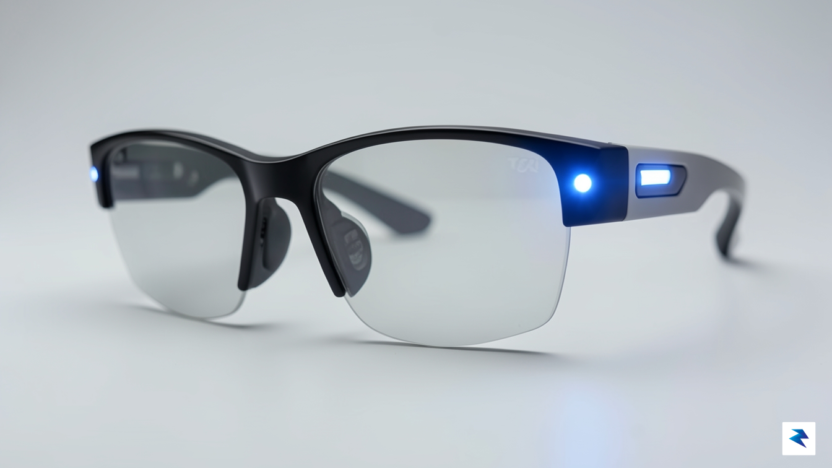
The landscape of wearable technology has shifted dramatically over the past few years, evolving from simple fitness trackers that monitor our heart rates to sophisticated, camera-equipped devices that record our every interaction. As these gadgets become increasingly integrated into our daily routines, the once-clear boundary between digital convenience and personal privacy has begun to blur. Consumers are no longer just passive users of technology; they are now potential nodes in a massive, real-time surveillance network. This rapid adoption of smart eyewear has brought a new wave of societal apprehension, as individuals grapple with the unsettling feeling of being recorded without explicit knowledge or consent in public spaces.
When smart glasses first hit the consumer market, the design philosophy centered heavily on the integration of a physical privacy light. This indicator was conceived as a social contract—a visual beacon intended to notify bystanders that they are within the field of view of a recording device. By standardizing this feature, manufacturers hoped to preempt the inevitable backlash that follows “surveillance in the wild.” However, as the technology matures, the debate has shifted from whether these devices should exist at all to how we can guarantee that the safety mechanisms intended to protect the public are tamper-proof. The privacy light has effectively become the focal point of a larger, more heated debate about the ethics of ambient computing.
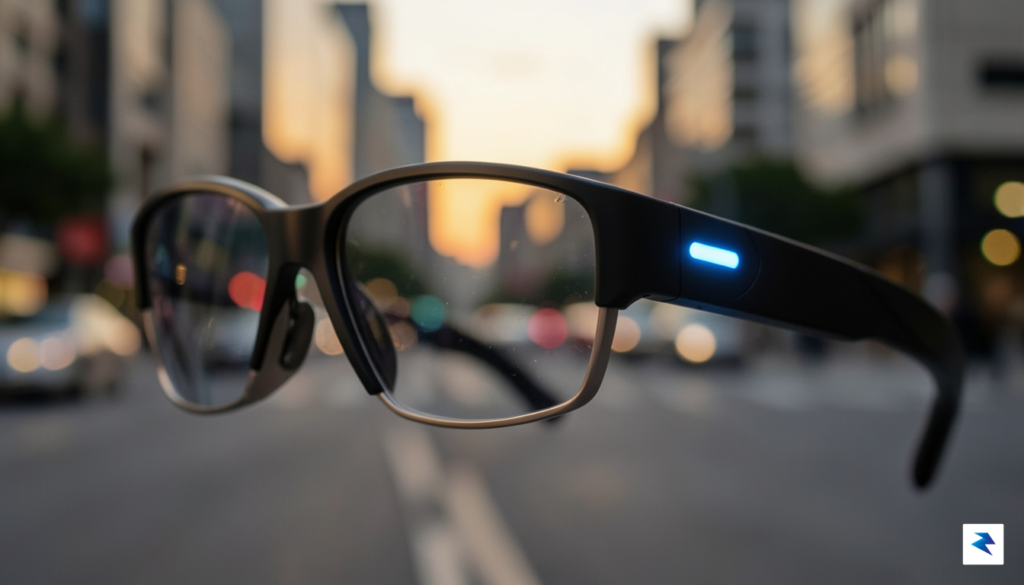
The tension between rapid consumer innovation and the necessity of public consent is perhaps nowhere more visible than in the ongoing engineering efforts to secure these hardware indicators. Tech giants like Meta are constantly balancing the desire for sleek, unobtrusive design with the legal and ethical requirements of privacy advocacy groups. If the hardware can be easily bypassed or if the software can be tricked into silencing these warnings, the entire premise of “privacy-by-design” collapses. Consequently, the industry is now facing increased scrutiny, not just from regulators, but from a public that is becoming increasingly savvy about how their likenesses are captured and stored in the cloud.
The true test of wearable technology in the modern era lies in whether it can foster innovation without eroding the fundamental expectation of privacy in our shared public spaces.
Ultimately, the evolution of smart glasses serves as a bellwether for the future of human-computer interaction. As we move closer to a world where augmented reality is woven into the fabric of our existence, the technical safeguards we implement today will define the ethical standards of tomorrow. Whether these devices become welcomed tools or viewed as invasive intrusions depends largely on how companies manage the delicate balance between high-tech performance and the transparent, non-negotiable protection of bystander privacy.

Meta is rolling out a significant software update for its smart glasses, introducing a robust new privacy safeguard designed to instill greater confidence and transparency. This update implements a sophisticated software-level failsafe meticulously engineered to disable the camera’s functionality if the physical privacy LED, which serves as a crucial indicator of active recording, is tampered with or compromised. Traditionally, a glowing light has been the primary visual cue that a device is actively capturing video or photos, providing an essential signal to anyone in the vicinity of the wearer. This innovative measure goes beyond mere indication, creating an active, technological defense mechanism against potential misuse and unauthorized recording.
At the heart of this innovation is a clever integration of internal sensors specifically designed to monitor the integrity and operational status of the privacy LED. These advanced sensors are capable of detecting various forms of physical interference, such as an attempt to cover, disable, or even remove the light source itself. You can imagine these as tiny, vigilant sentinels strategically placed within the glasses, constantly verifying that the LED is functioning as intended and remains uncovered. If these internal monitors register an anomaly—perhaps a sudden blockage of the LED’s light output, an electrical discontinuity indicative of tampering, or any other sign of physical alteration—the system immediately interprets this as a deliberate attempt to bypass a critical privacy feature.
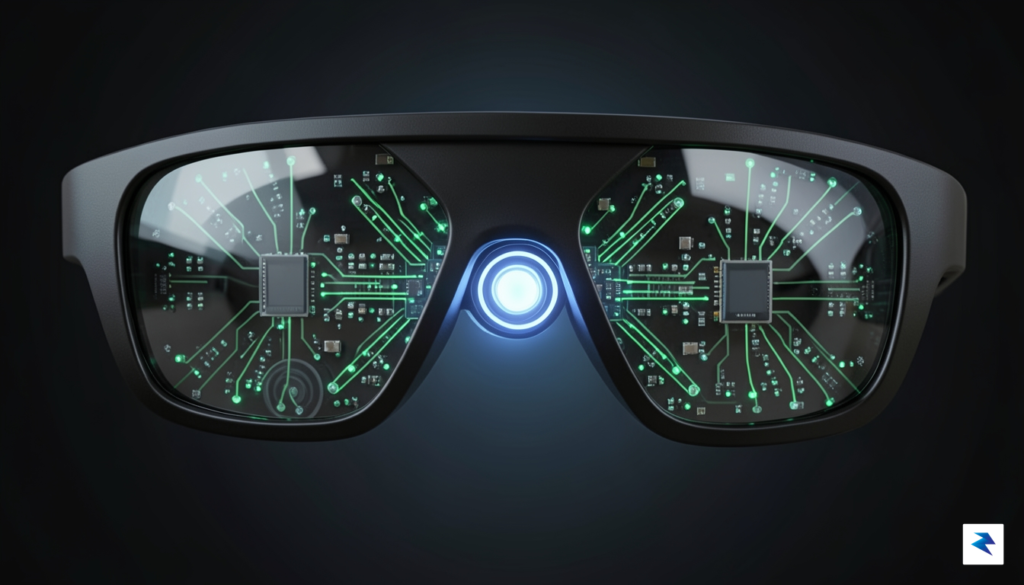
Upon detecting any such interference, the software-level failsafe springs into immediate action. Rather than merely logging the event or displaying a warning, the system is programmed to proactively and instantly disable the camera’s ability to record. This means that even if a user attempts to physically obscure the privacy light in an effort to record surreptitiously, the camera will simply stop working, rendering the recording function completely inert. This isn’t just a gentle nudge or a suggestion; it’s a hard stop, ensuring that the fundamental principle of transparent and consensual recording is upheld, regardless of any attempts at hardware manipulation.
Meta’s decision to implement such a stringent security measure stems from a clear and pragmatic understanding of the evolving landscape of wearable technology and the inherent potential for misuse. The company is directly addressing the threat posed by “bad actors” or determined “modders” who might seek to bypass built-in safety protocols for covert recording. Without this failsafe, an individual could theoretically disable the privacy light, effectively transforming what is intended as a transparent recording device into a tool for clandestine surveillance. This update is a decisive and proactive step to prevent the “weaponization” of the hardware, ensuring that the glasses remain a tool for shared experiences and open communication, rather than facilitating surreptitious data collection.
Ultimately, this significant technical update reinforces Meta’s unwavering commitment to user privacy and, crucially, the safety of those interacting with smart glasses wearers. It powerfully underscores the idea that technology, particularly that which is worn on the face and interacts directly with the public, must operate with clear, unambiguous signals regarding its functionality. By making it virtually impossible to disable the privacy light and continue recording, Meta is setting a robust new standard for transparency and accountability within the rapidly growing smart glasses category. This forward-thinking move aims to build greater trust in the technology, assuring both users and the public that fundamental privacy protections are deeply embedded and cannot be easily circumvented.

In our increasingly digitized world, the psychological comfort of knowing when we are being observed is foundational to our social well-being. When someone pulls out a smartphone, the intent is clear, and the recording is overt; however, wearable technology like smart glasses introduces an unsettling ambiguity that threatens this delicate balance of public trust. The privacy LED serves as the only real-time physical indicator that a recording is active, acting as a modern-day “social beacon” that tells those around the wearer whether they are currently being captured. Without this visible signal, the unspoken social contract that governs public interactions—the assumption of privacy in shared spaces—effectively evaporates.
The anxiety surrounding “hidden cameras” is not a new phenomenon, but it has certainly evolved alongside miniaturized hardware. For decades, the fear of being recorded without consent has been relegated to the realm of clandestine surveillance and tabloid photography. By integrating cameras into everyday eyewear, Meta must contend with this deep-seated cultural unease. Relying on purely digital notifications—such as a haptic buzz or a subtle sound emitted by the glasses—is insufficient for the bystander, who has no way of perceiving those internal cues. Therefore, the physical LED remains the most democratic and effective tool for transparency, as it requires no specialized knowledge or proximity to verify the recording status.
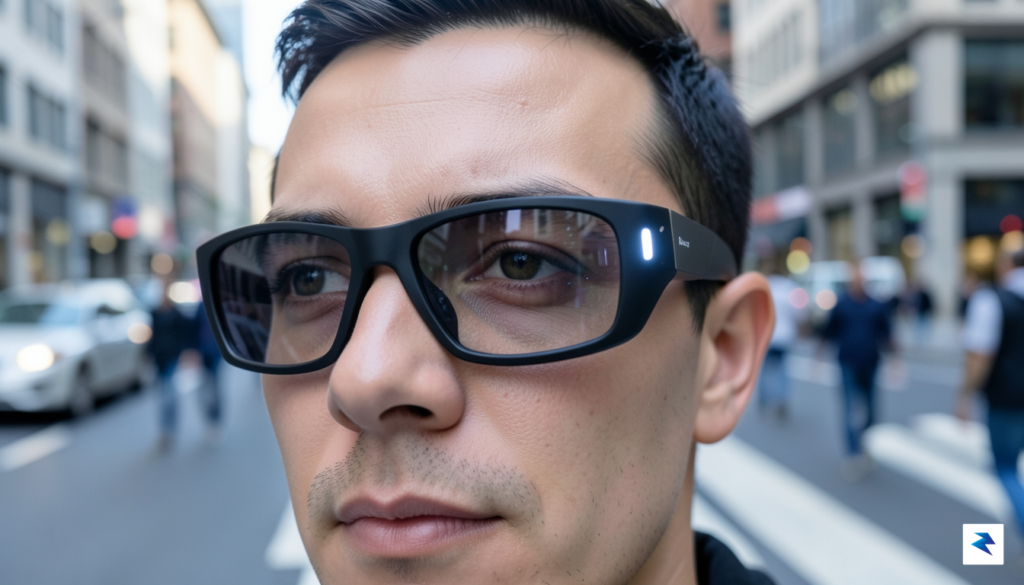
Meta’s latest update, which forces the camera to deactivate if the privacy LED is tampered with, is a significant acknowledgment of this vulnerability. By making the hardware dependent on the functionality of the light, the company is attempting to hard-code accountability into the device itself. This move suggests that Meta understands that if users lose faith in the integrity of the indicator, the entire project of wearable cameras could face severe public backlash or even regulatory intervention. The goal is to move from a system based on “honor code” compliance to one rooted in technical verification.
The privacy LED is more than just a light; it is the physical representation of consent in a public space. When we decouple the camera from its indicator, we move from transparency to opacity, and that is a threshold we cannot cross if we want wearable tech to be accepted in society.
Ultimately, the effectiveness of these devices relies entirely on the reliability of that tiny light. If bystanders can trust that the LED is an immutable signal of a recording state, they can move through the world with a sense of security. If that trust is broken through hacks, physical modifications, or software failures, the glasses cease to be a convenient tool and instead become an object of suspicion. For smart glasses to have a future in the mainstream, that humble, glowing diode must remain the absolute, fail-safe arbiter of our privacy.

The integration of sophisticated recording technology into everyday fashion accessories has inevitably widened the “trust gap” between Silicon Valley and the general public. As wearable tech becomes more seamless and less obtrusive, the line between a helpful assistant and a surreptitious surveillance tool blurs, creating a palpable sense of anxiety among bystanders. For companies like Meta, the challenge lies in proving that innovation does not have to come at the expense of social norms or personal privacy. When users feel that technology is being used to bypass consent, the entire category of smart eyewear risks being viewed with suspicion, which could ultimately stifle adoption and lead to restrictive legislation that hampers future development.
Striking the right balance between form factor and utility is an delicate engineering tightrope. Consumers clearly demand devices that look and feel like standard eyewear, yet that same desire for invisibility creates an inherent conflict with the need for transparent, visible signaling of active recording. By implementing hardware-level safeguards that disable the camera when the privacy light is tampered with, developers are acknowledging that technical utility cannot override the fundamental human need for accountability. This approach represents a shift toward “privacy by design,” where security features are baked into the core functionality rather than treated as an afterthought or a software patch.
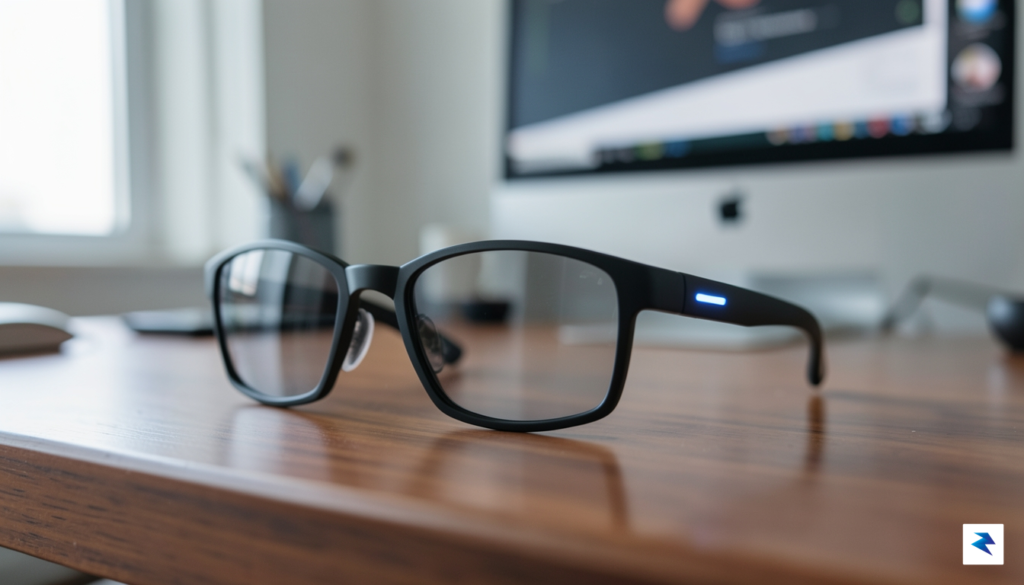
True innovation in the wearable space is not just about what a device can do, but how it respects the social environment in which it operates.
Ultimately, the long-term viability of smart glasses hinges on the industry’s ability to self-regulate before external authorities step in. If tech giants can demonstrate that they prioritize public comfort and clear, immutable indicators of recording, they foster an environment where users feel safer adopting these tools. Conversely, if manufacturers treat privacy features as optional or easily bypassed, they invite public backlash and regulatory scrutiny that could ground the technology before it truly takes flight. By choosing to preemptively address these ethical concerns, companies are not just protecting their products; they are actively working to earn the public’s trust, which is the most critical currency in the modern digital economy.
As we move toward a future where our devices are increasingly integrated into our sensory experience, the social contract regarding privacy must evolve alongside the hardware. It is no longer sufficient to simply include a warning in a terms-of-service agreement; instead, manufacturers must provide physical, undeniable proof that the technology is operating within ethical boundaries. When users and bystanders alike understand that the system is designed to be failsafe—meaning the camera simply stops working if the privacy light is compromised—the technology moves from being a perceived threat to a transparent, reliable tool for daily life.

The integration of tamper-detection mechanisms into wearable hardware marks a significant inflection point for the entire consumer electronics industry. As smart glasses transition from niche novelties to everyday accessories, the burden of trust placed on manufacturers has never been higher. By anchoring the camera’s functionality to the status of a physical indicator light, Meta is setting a de facto standard that other companies will likely be forced to follow. We are moving toward a future where “privacy by design” is no longer a marketing slogan, but a fundamental hardware requirement that regulators will eventually mandate to ensure public safety in an increasingly recorded world.
Looking ahead, we can anticipate a shift in engineering philosophy where security indicators are no longer peripheral components but are instead deeply embedded into the device’s core boot process. It is highly probable that future iterations of smart eyewear will feature secure enclaves that continuously verify the integrity of the LED circuitry. If the system detects that the sensor has been obscured, bypassed, or disconnected, the device could effectively “brick” its imaging capabilities until a factory-level diagnostic confirms the hardware is again compliant. This level of architectural hardening will be essential as the devices become more powerful, potentially incorporating augmented reality overlays that could further blur the lines between personal experience and public surveillance.
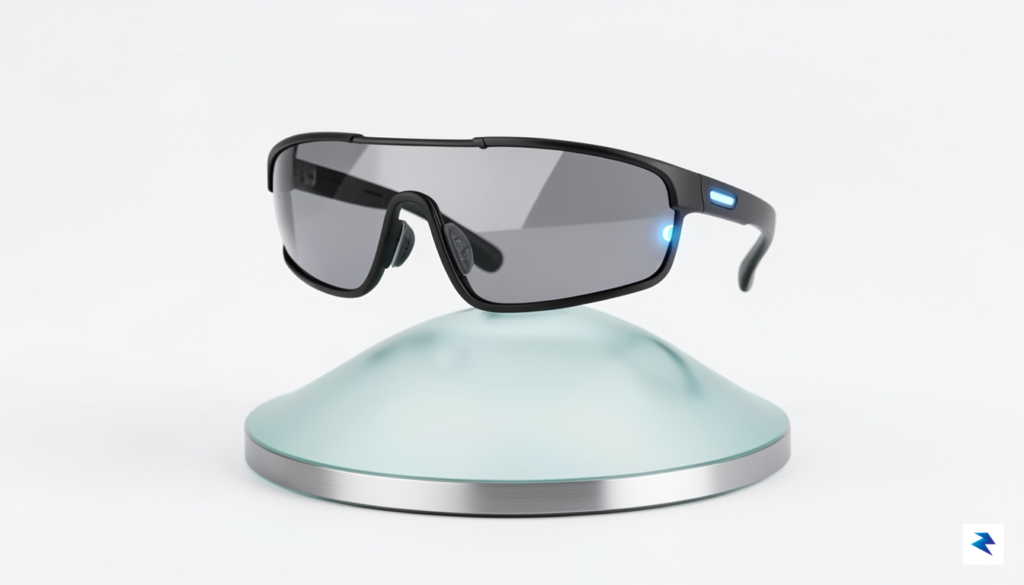
Ultimately, the sustainability of wearable technology depends on whether the public perceives these tools as empowering extensions of the self or as intrusive instruments of involuntary monitoring.
The path forward requires a delicate balance between the rapid pace of technological innovation and the preservation of individual civil liberties. While the convenience of hands-free recording is undeniable, it carries the inherent risk of violating the unspoken social contracts that govern our public spaces. As these devices continue to evolve, the tension between what we can build and what we should build will become a central theme in tech policy. Robust, tamper-proof standards are not merely a defensive measure against malicious actors; they are a necessary foundation for the mainstream adoption of smart wearables. Without this foundational trust, the industry risks facing a regulatory backlash that could stifle innovation far more severely than any self-imposed privacy feature ever could.
You must be logged in to post a comment.